
An odd-looking vegetable still waiting for its day, kohlrabi is a living link to how humans have interacted with wild plants, nudging them over time to create something entirely new. The crisp, tender bulbs can be used in any recipe you could use a potato or cabbage in, as well as many recipes you couldn't. Along with fennel it's one of the finest vegetable for eating raw. I spent the week cooking through twenty pounds of it to give you a few ideas.
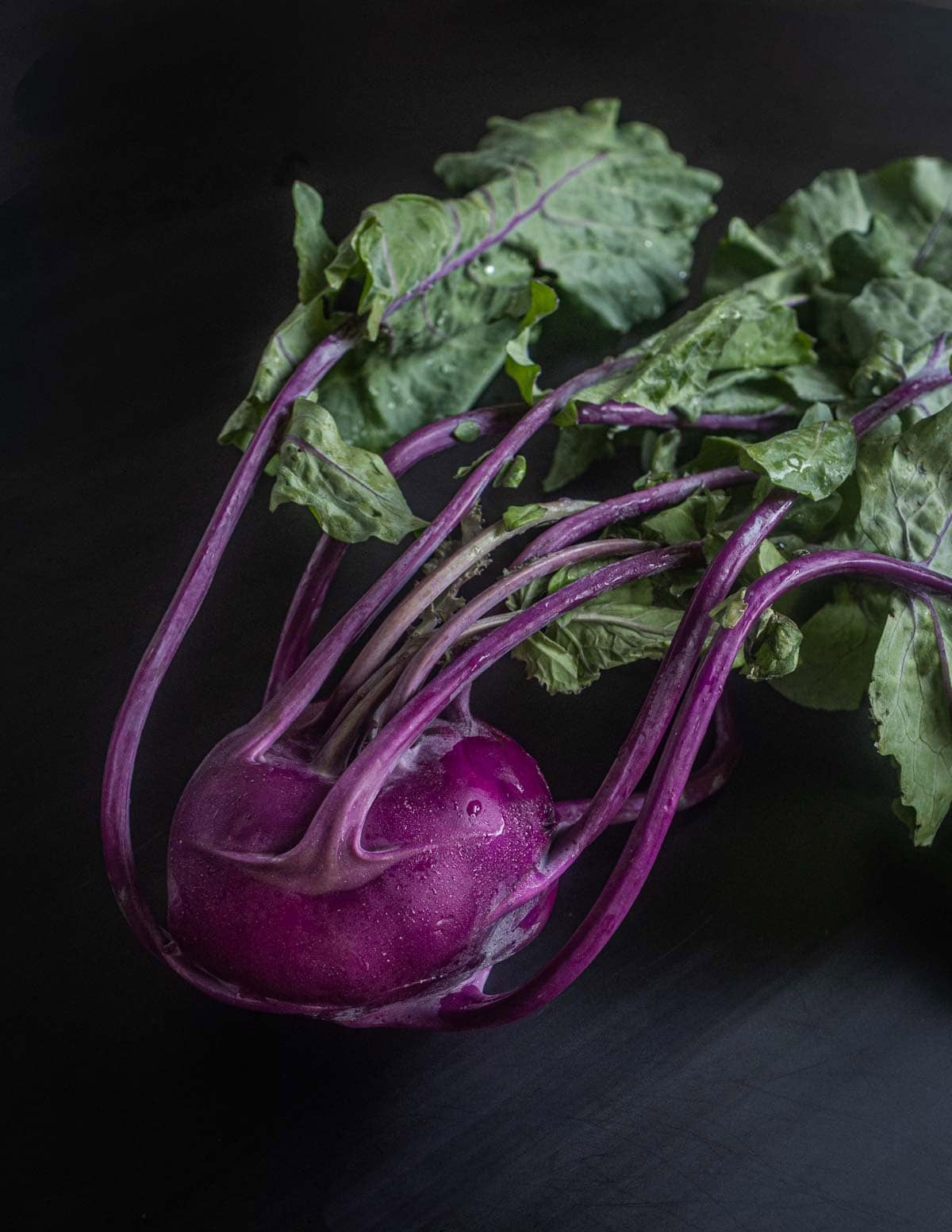
What is Kohlrabi?
Simply put, kohlrabi is a stem vegetable derived from wild cabbage. The word itself comes from the German word for cabbage (kohl), and turnip (rapi). Following that, it shouldn't be surprising that kohlrabi is most well known in cabbage-loving Germany and Austria as well as Eastern Europe in general.
Many of the Brassica plants we eat were derived from ancestral cabbage (Brassica oleracea) for one characteristic or another. Broccoli (Brassica oleracea var Italica) is grown for enlarged flower buds, while typical cabbage (Brassica oleracea var capitata) was grown for a head of durable, compact leaves.
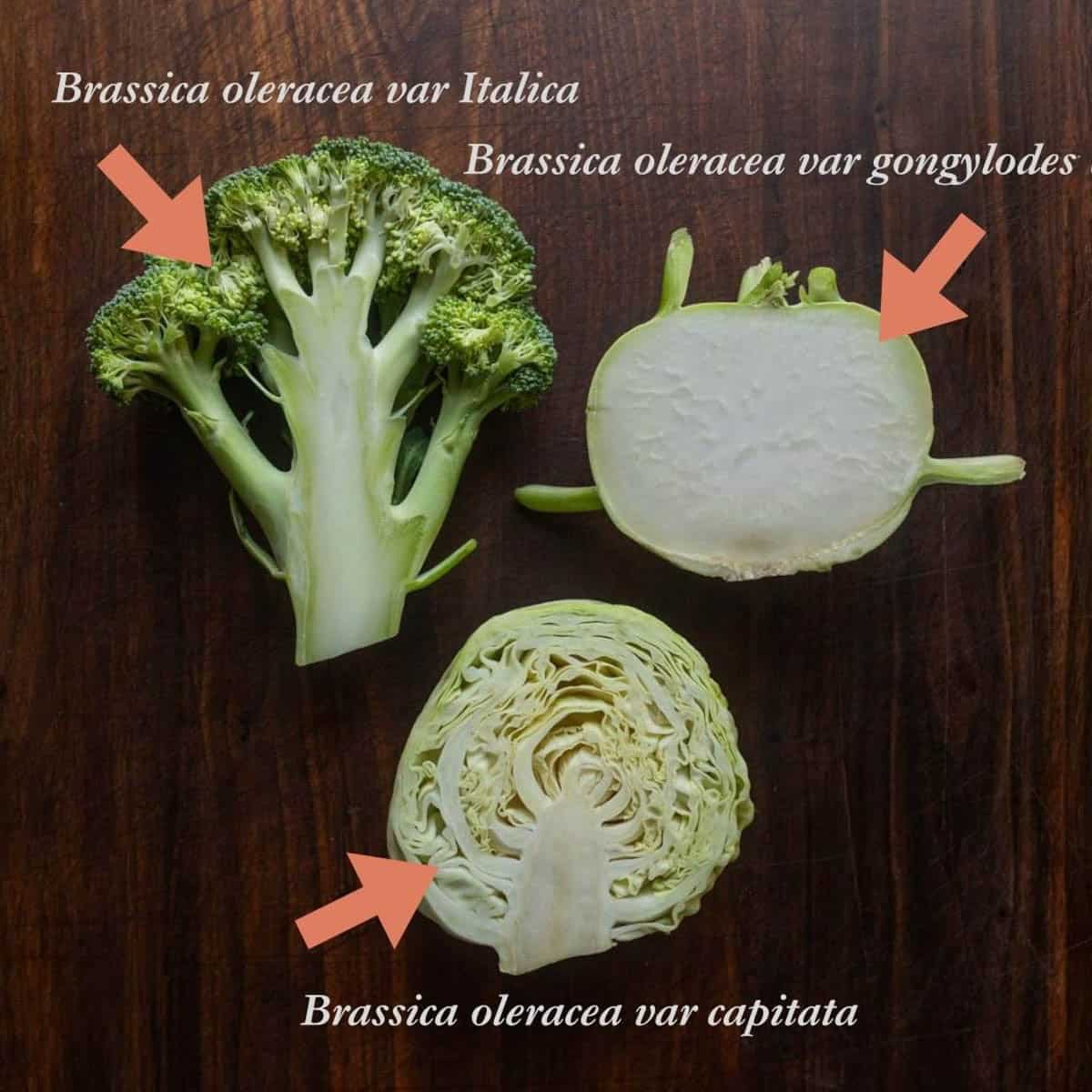
Kohlrabi (Brassica oleracea var. gongylodes) is what happens when wild cabbage is repeatedly selected for a thick, globe-shaped stem. Puntarelle, the Italian bulb chicory, is the result of the same selection process being applied to a wild chicory plant (Chicorium intybus) shown below.
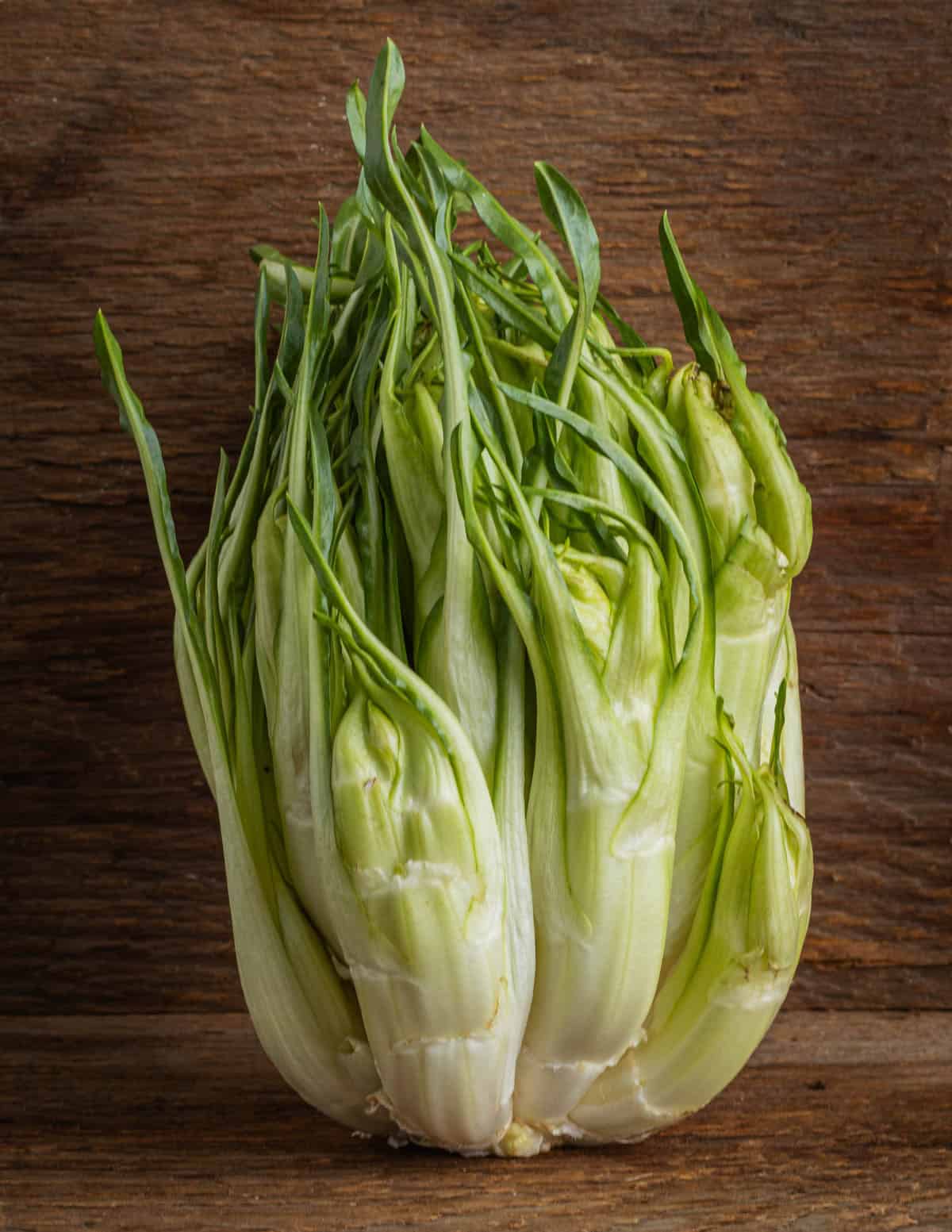
I find it endlessly fascinating that, over time, plants can be steered to develop such remarkably different forms.
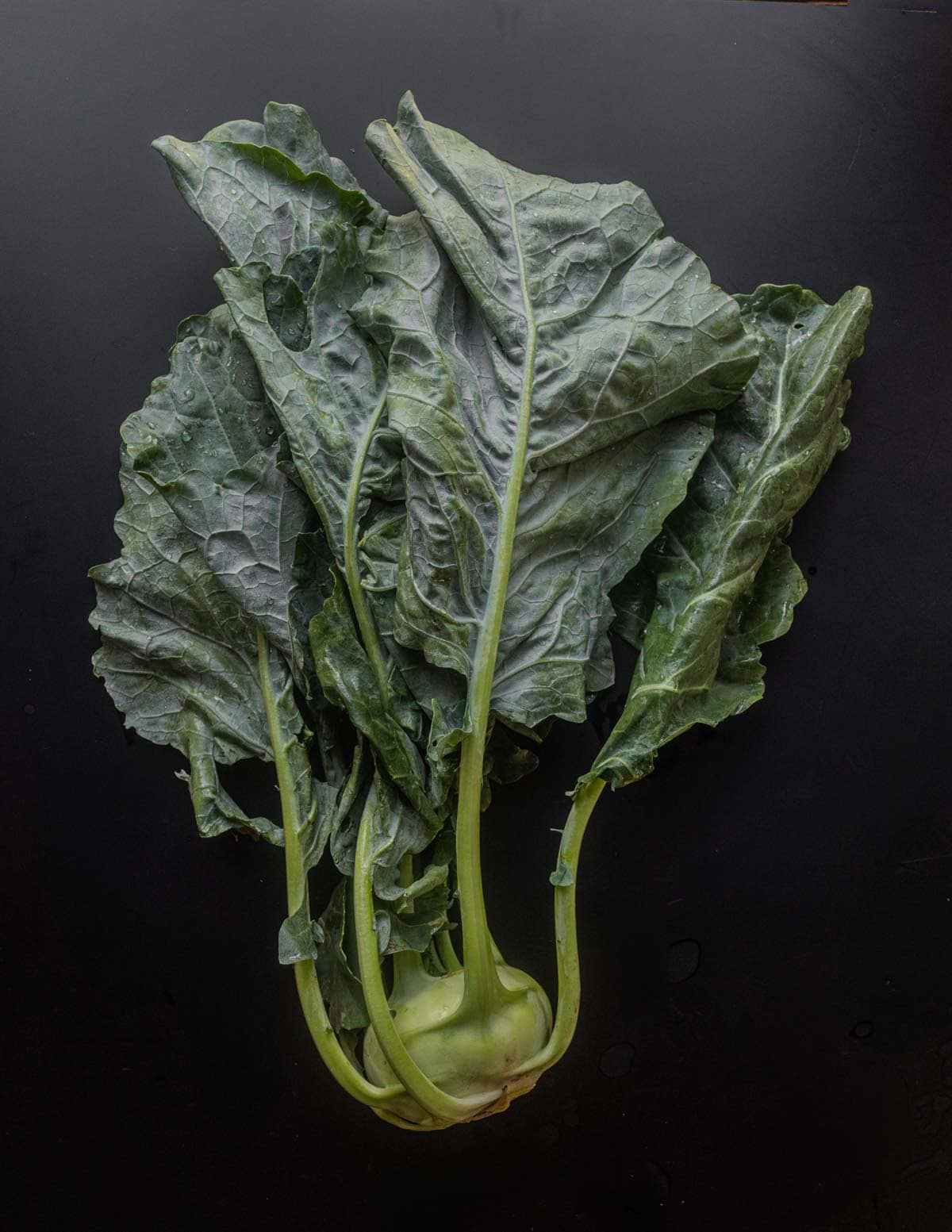
In a more practical sense, I like to describe kohlrabi to newcomers as a giant broccoli stem. Stem vegetables are rare in American food, but still appreciated overseas. Besides puntarelle there's also celtuce, a variety of lettuce selected for a thick, juicy stem that's popular in China. Foragers will know burdock flower stalks, which have similar properties.
Processing and Preparing Kohlrabi
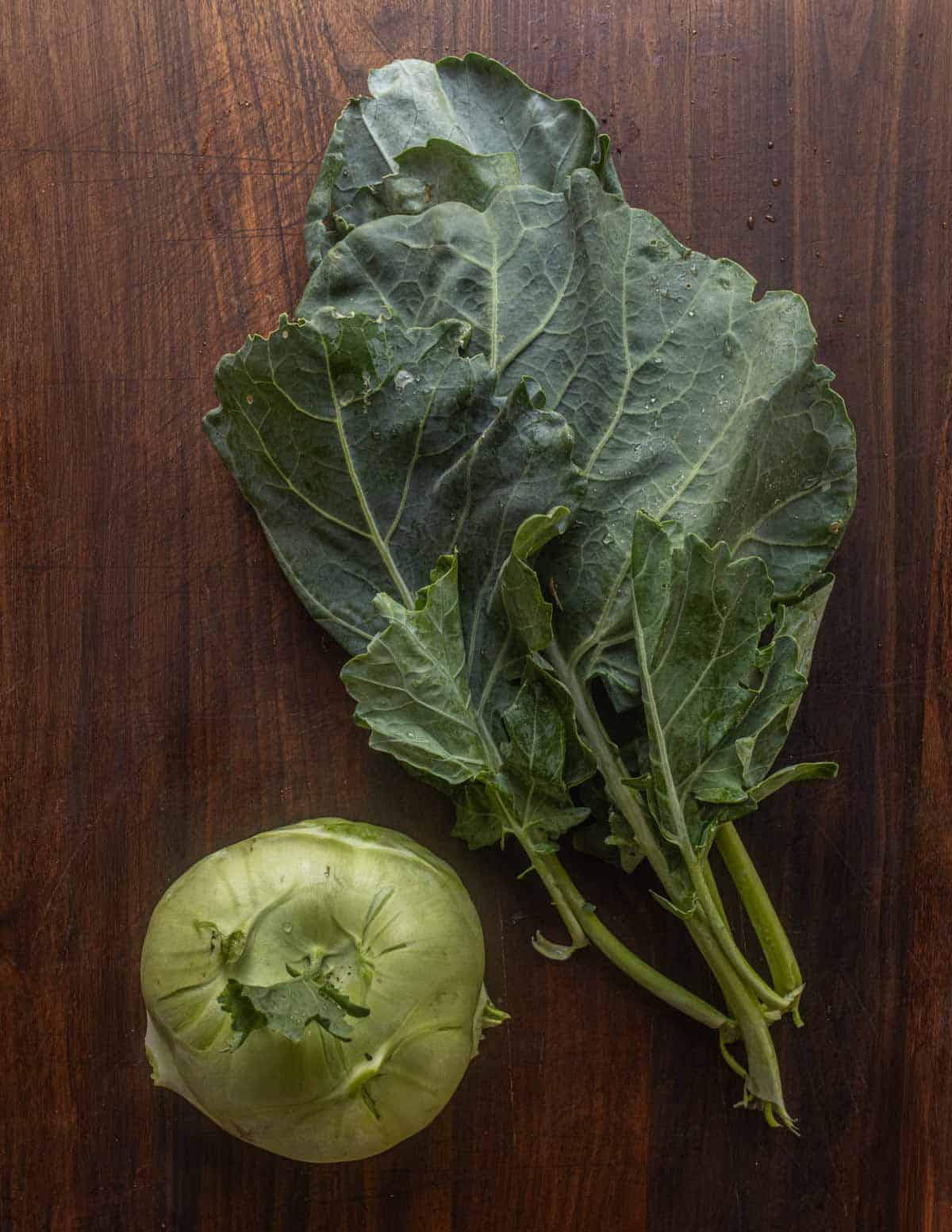
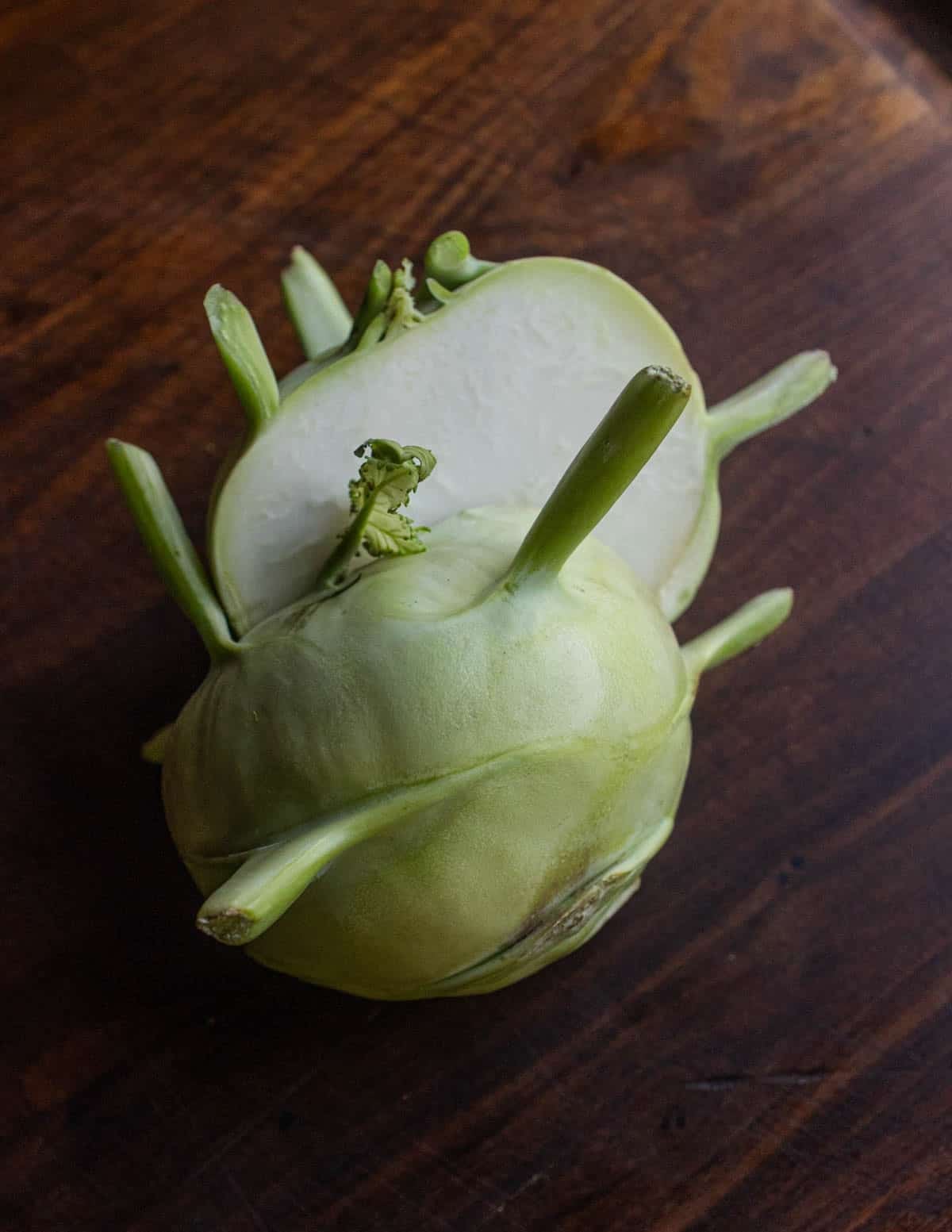
First, remove any leaves if attached, saving them for cooking first as they'll deteriorate faster than the bulbs. As kohlrabi stores so well (2-3 weeks or more in the fridge!), the bulbs are often sold without leaves.
Peeling Kohlrabi
I feel like peeling is where place where people can become frustrated with this vegetable and for good reason: it's very different from peeling a potato. Any remnants of the leaf stems need to be trimmed first, and even then they can be cumbersome and awkward to peel. I can't recommend my Kuhn Rikon y-shaped peelers enough for these.
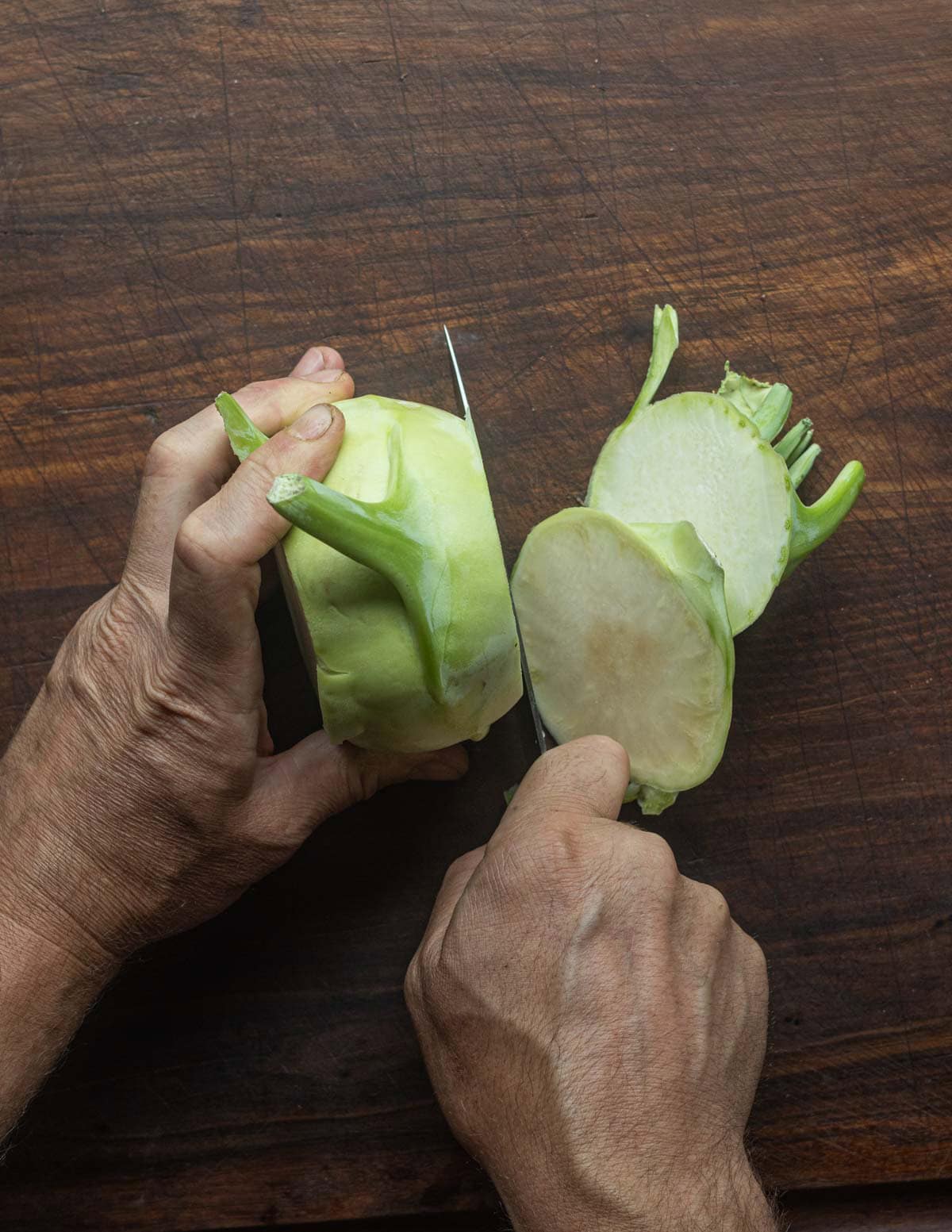
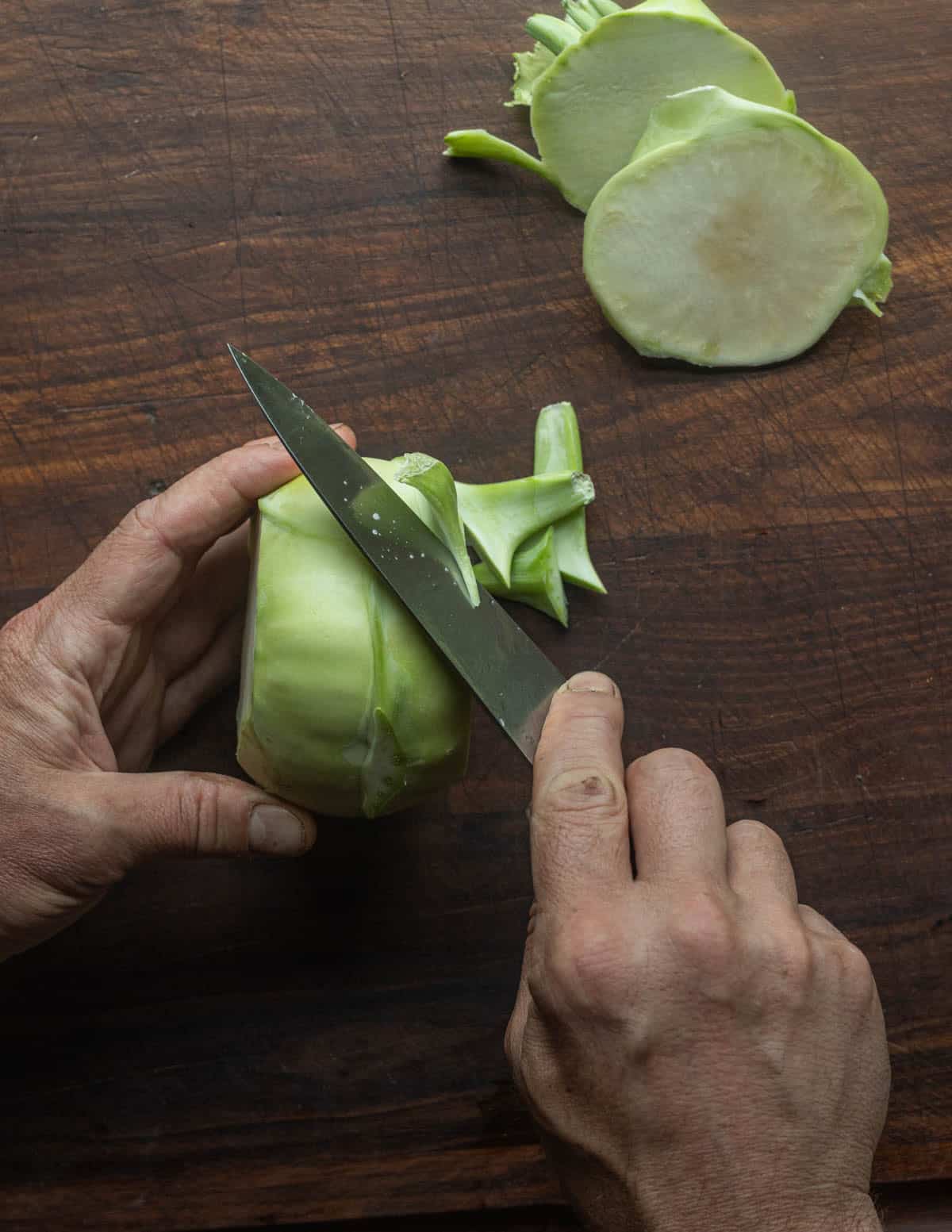
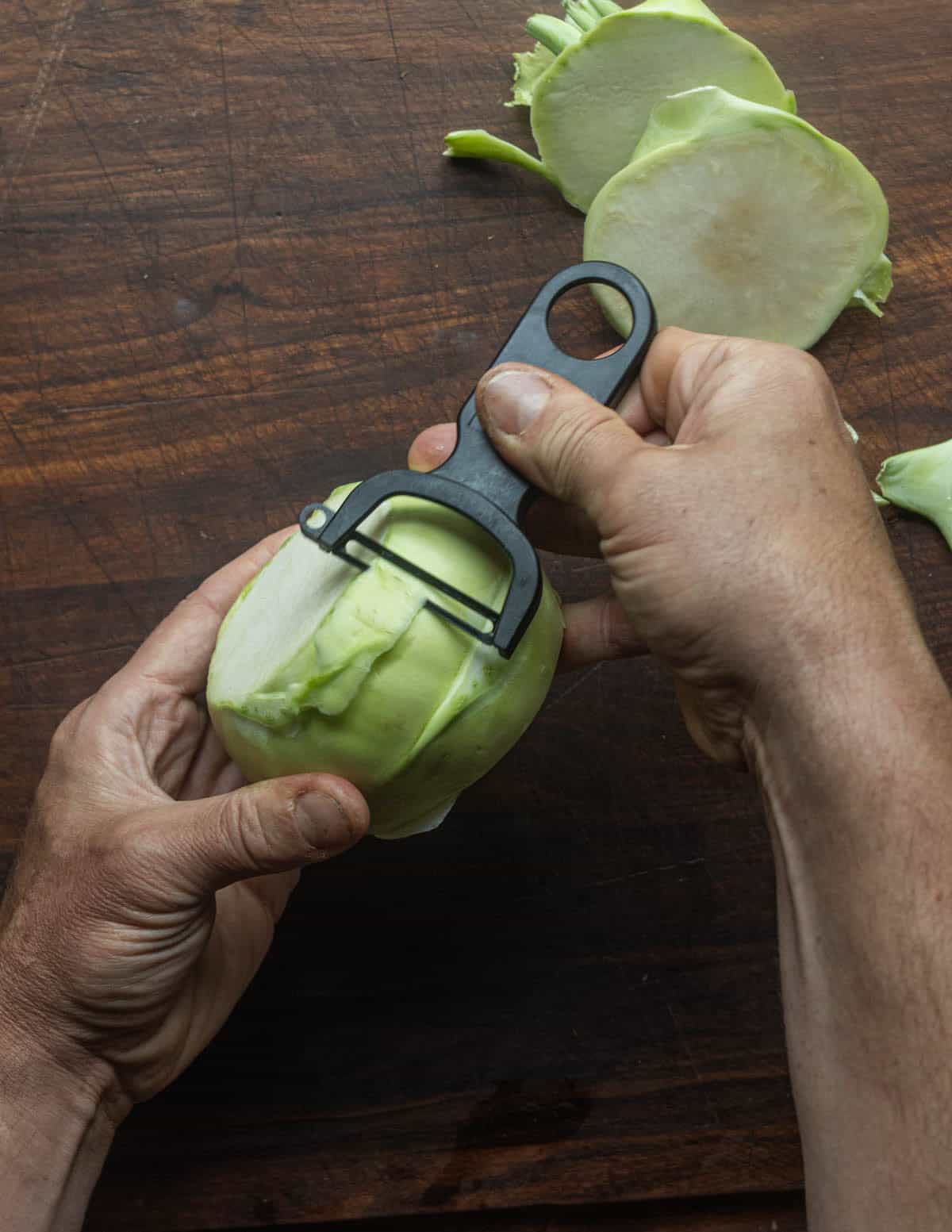
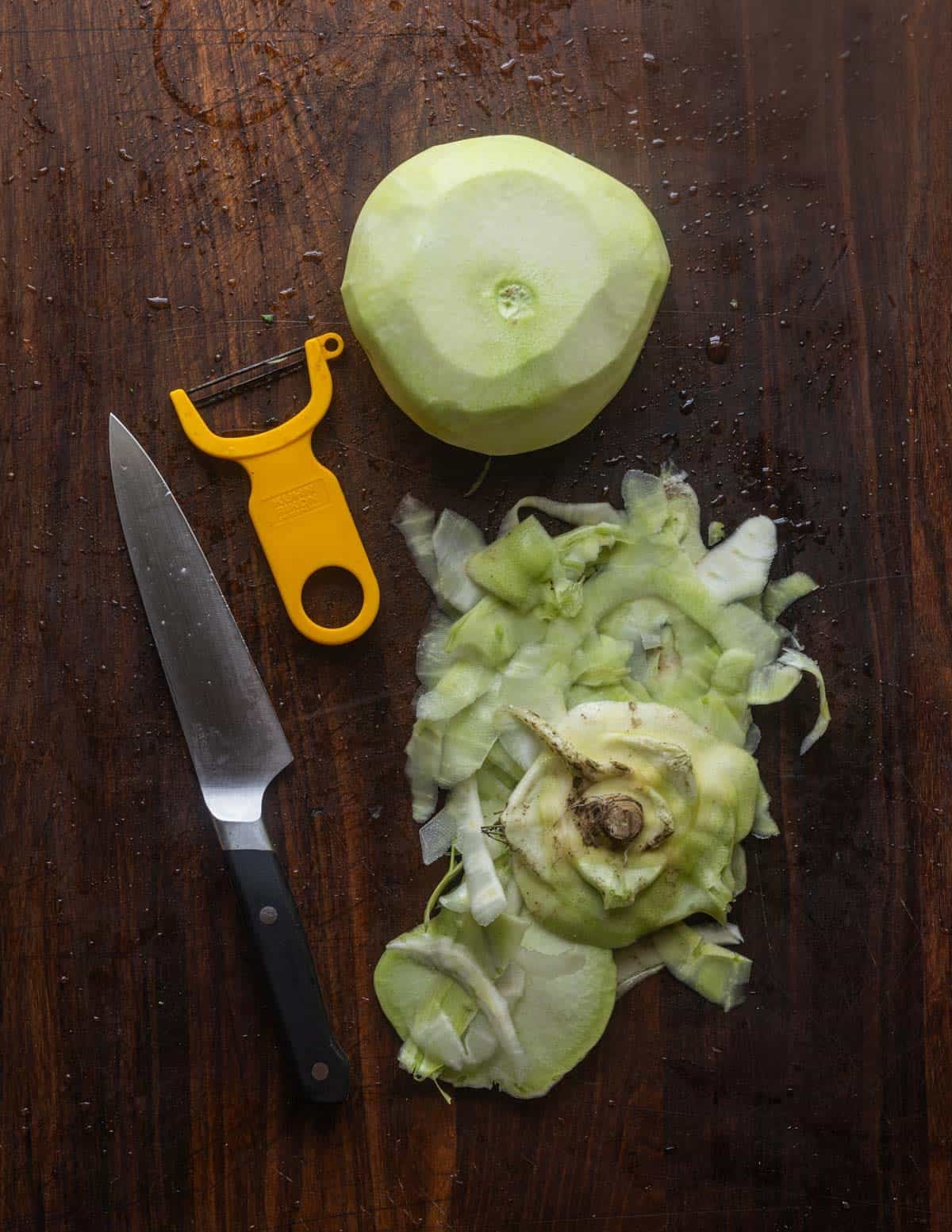
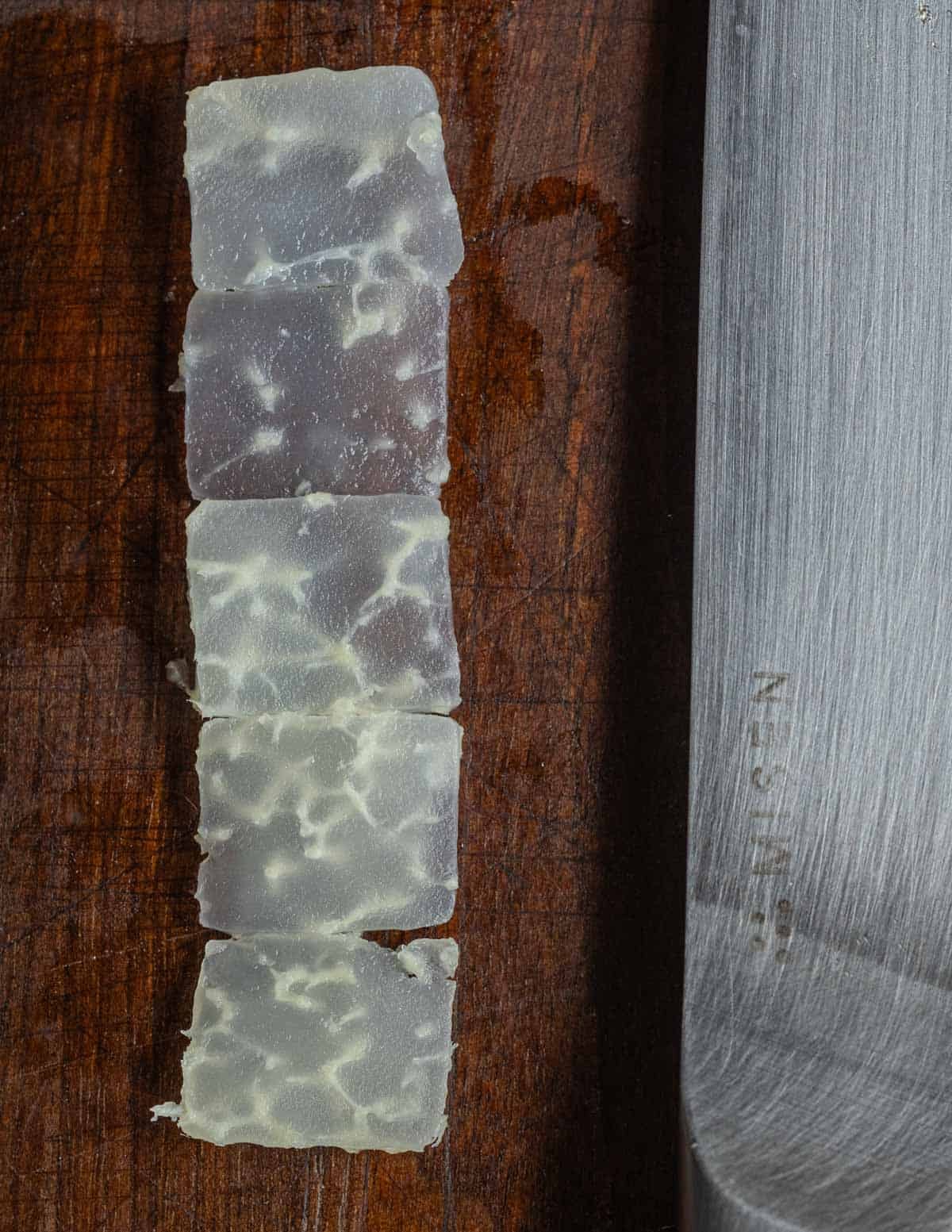
Once the bulb is peeled it's a blank canvas, and a mandoline slicer is your best friend here. Thinly shaved the bulbs are crisp and refreshing, keeping a pleasant texture even after mixed with a dressing and wilted.
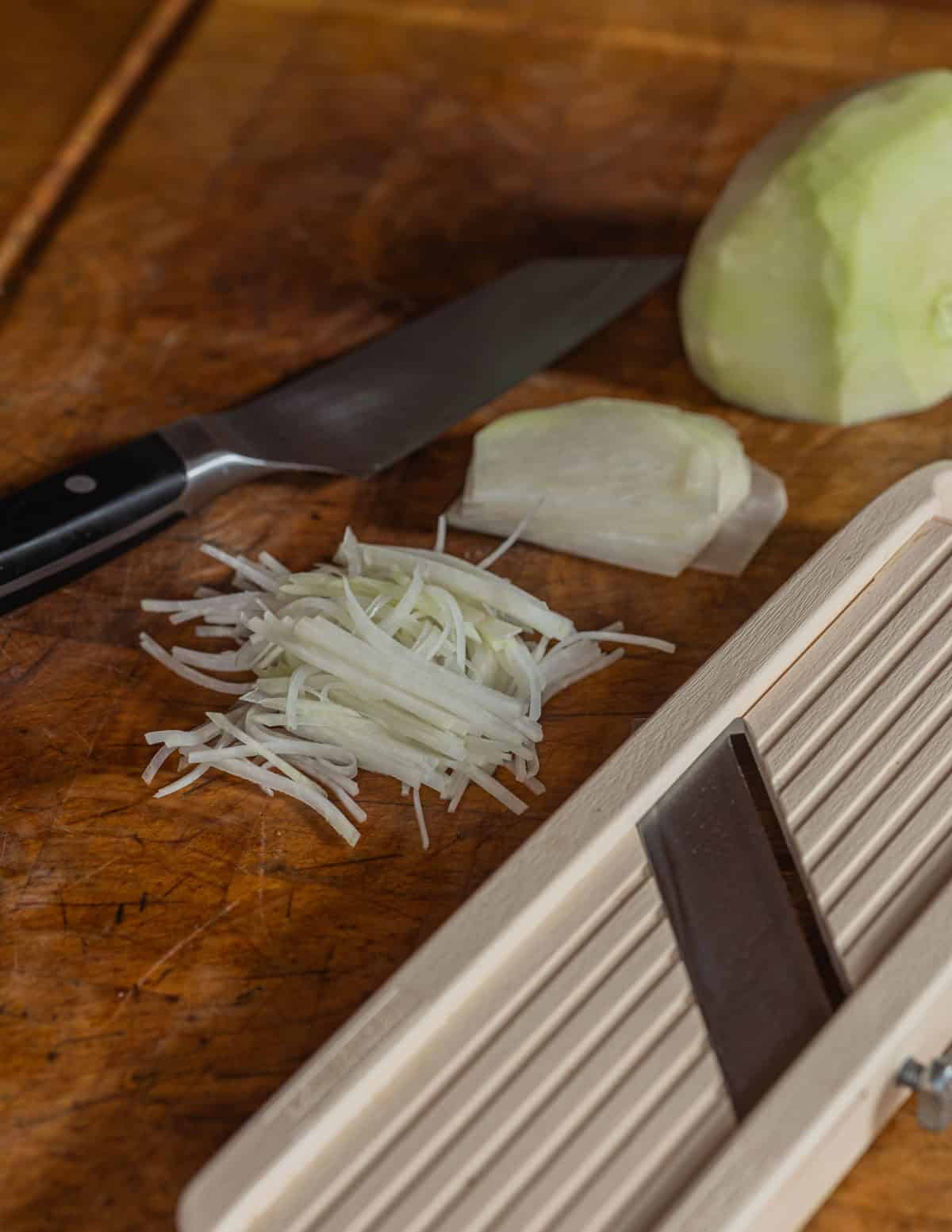
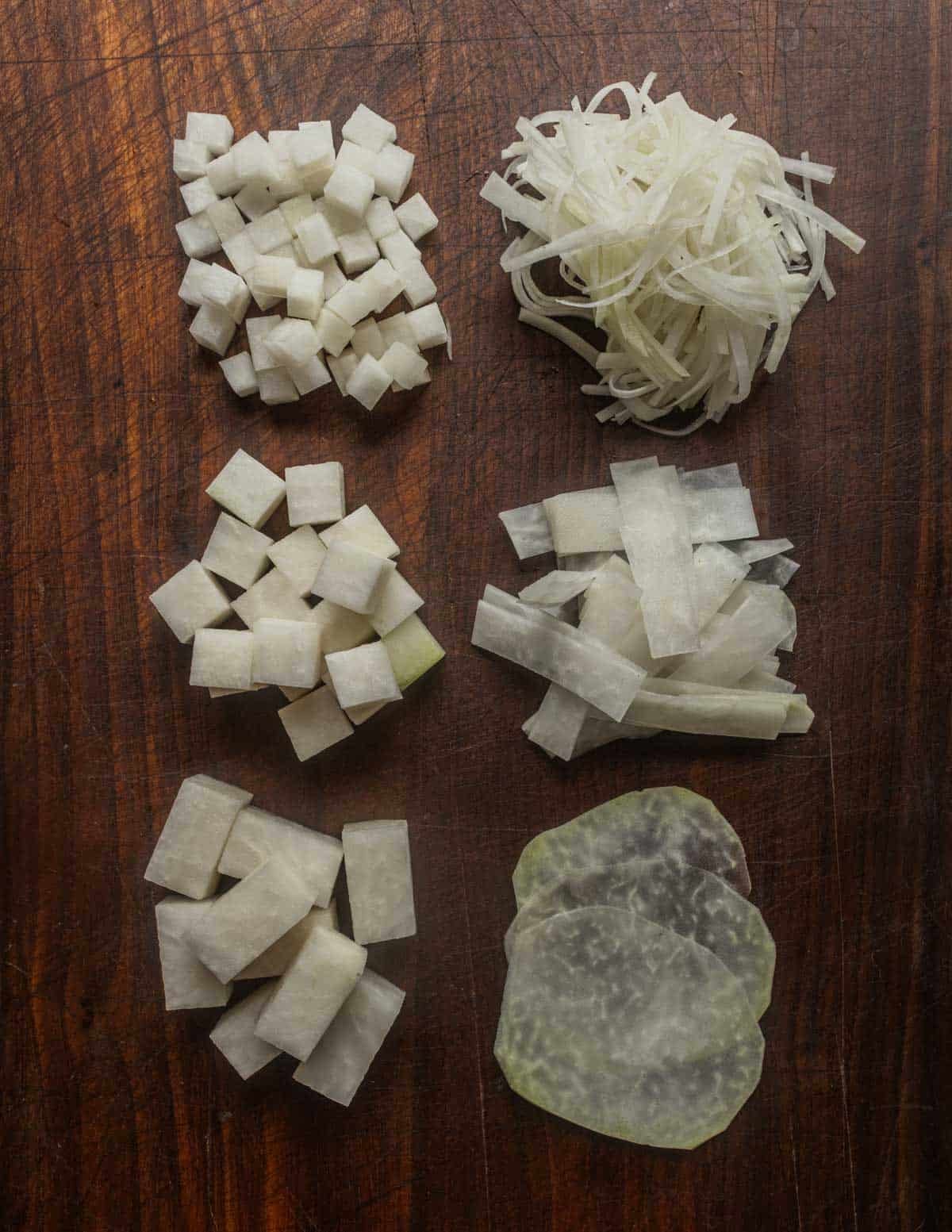
With a mandoline or without, the different ways it can be cut are only limited by your imagination. I did a few examples for you below.
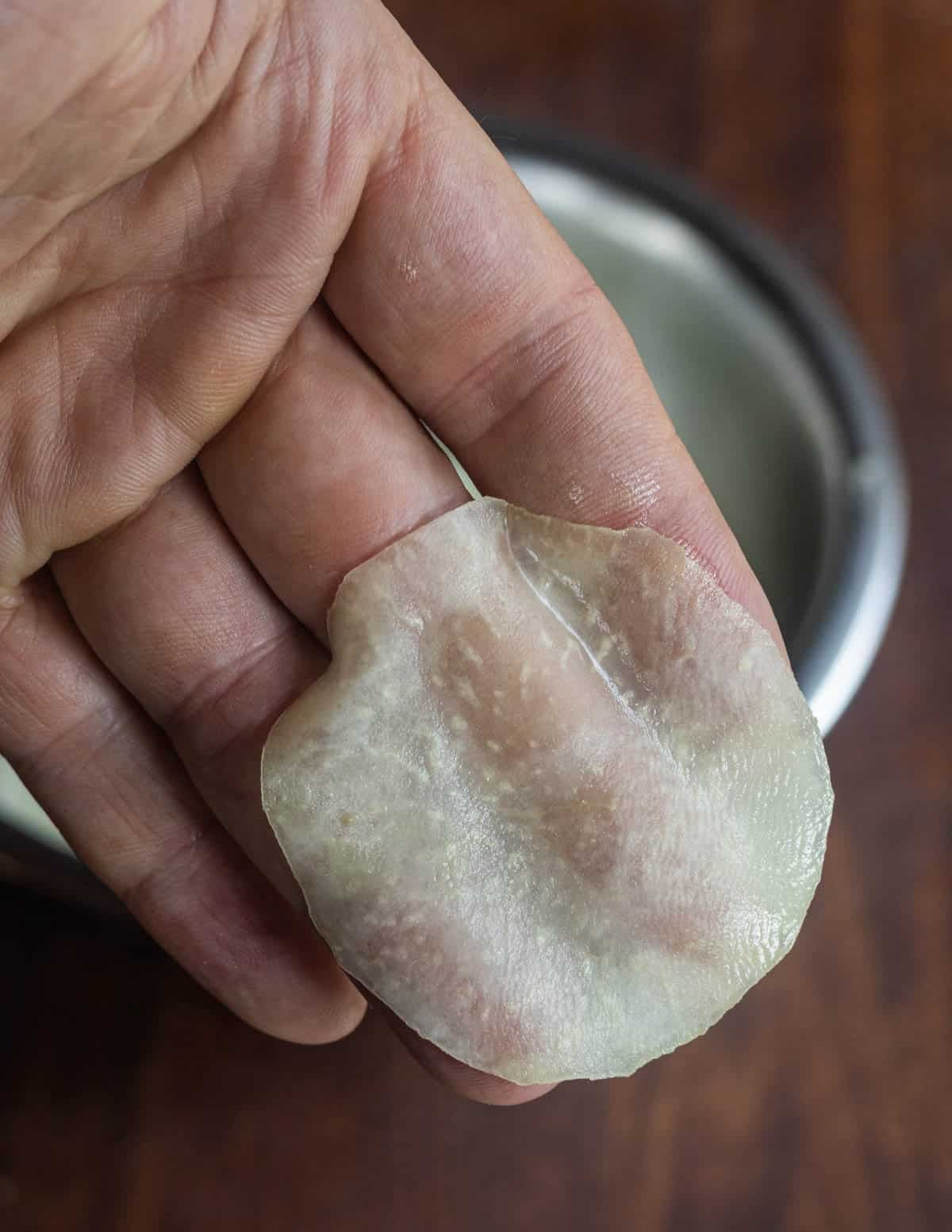
Versatility aside, there's just something about the paper-thin slices that's irresistible to me. Tossed with a pinch of salt they'll quickly wilt into translucent, crisp slices ready to soak up any flavors you want.
Why is my kohlrabi tough?
If you've ever had kohlrabi that was tough, fibrous and unpleasant to chew, you're not alone. As the plant matures it reinforces itself to support a flower stalk by creating a firm, wood-like fibers that keep it erect for the widest dispersal of seeds.
Young kohlrabi are the most tender. Softball size can be dicey. Either way, inspect before you pick or buy. You want smooth, round bulbs. They should be firm, but tender enough a fingernail can pierce the skin. Below is a fresh bulb from the farmers market next to an overly mature bulb from my local Asian market. What kind of differences can you spot between the two?
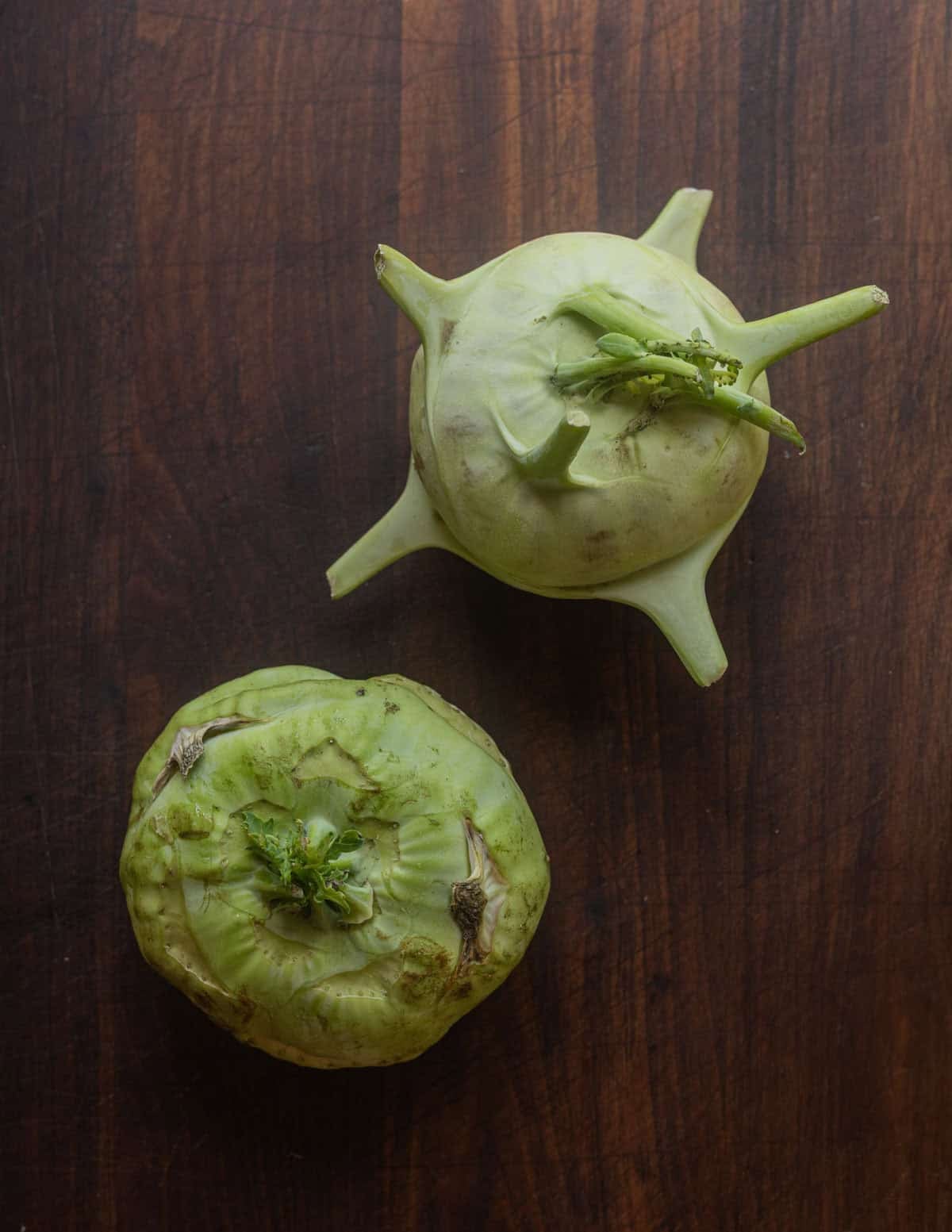
Fibrous bulbs are usually those that were harvested too mature, presumably for a bigger yield, but drought and growing conditions (heat) can contribute too. Light-weight, furrowed or dimpled bulbs as shown above are usually tough and should be avoided. If a knife hesitates when cutting the root end, inspect them thoroughly.
The fibers are no joke and can potentially ruin a dish, just imagine a potato with fishing line in it. Short of incinerating the bulbs to ash in frustration, there's no cooking method that can mitigate the fibers. They're often located directly beneath the skin, so extra peeling often helps, but not always.
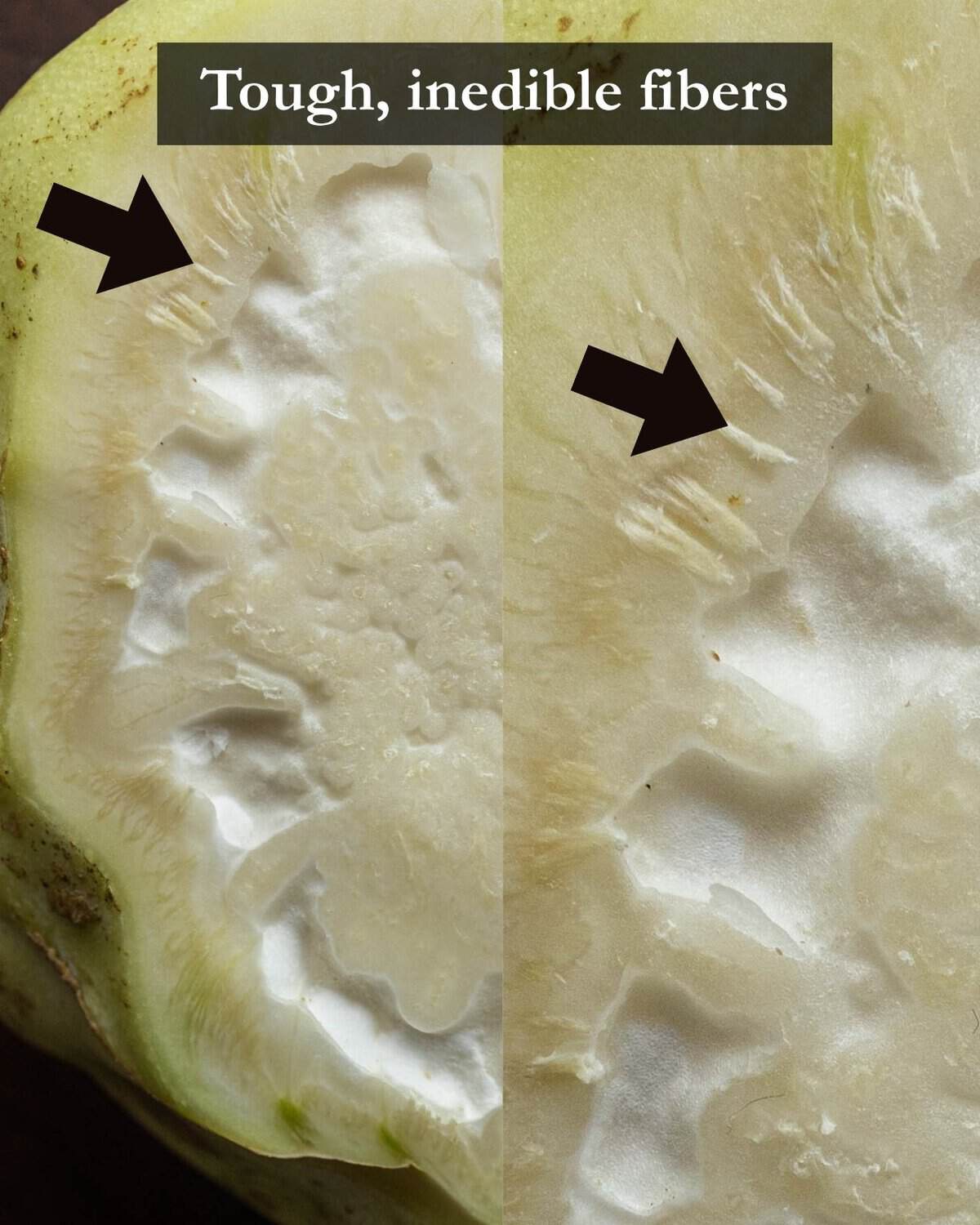
Some bulbs are beyond saving and can have fibers throughout, under the skin, concentrated in the center, or all of the above. This has ruined the vegetable for a few people I know and is the biggest deterrent in my opinion-see below.
How to Cook Kohlrabi
The word cooking can be deceiving here as it implies heat. Like all of its Brassica cousins, the plump bulbs can be cooked, but kohlrabi truly shines when served raw.
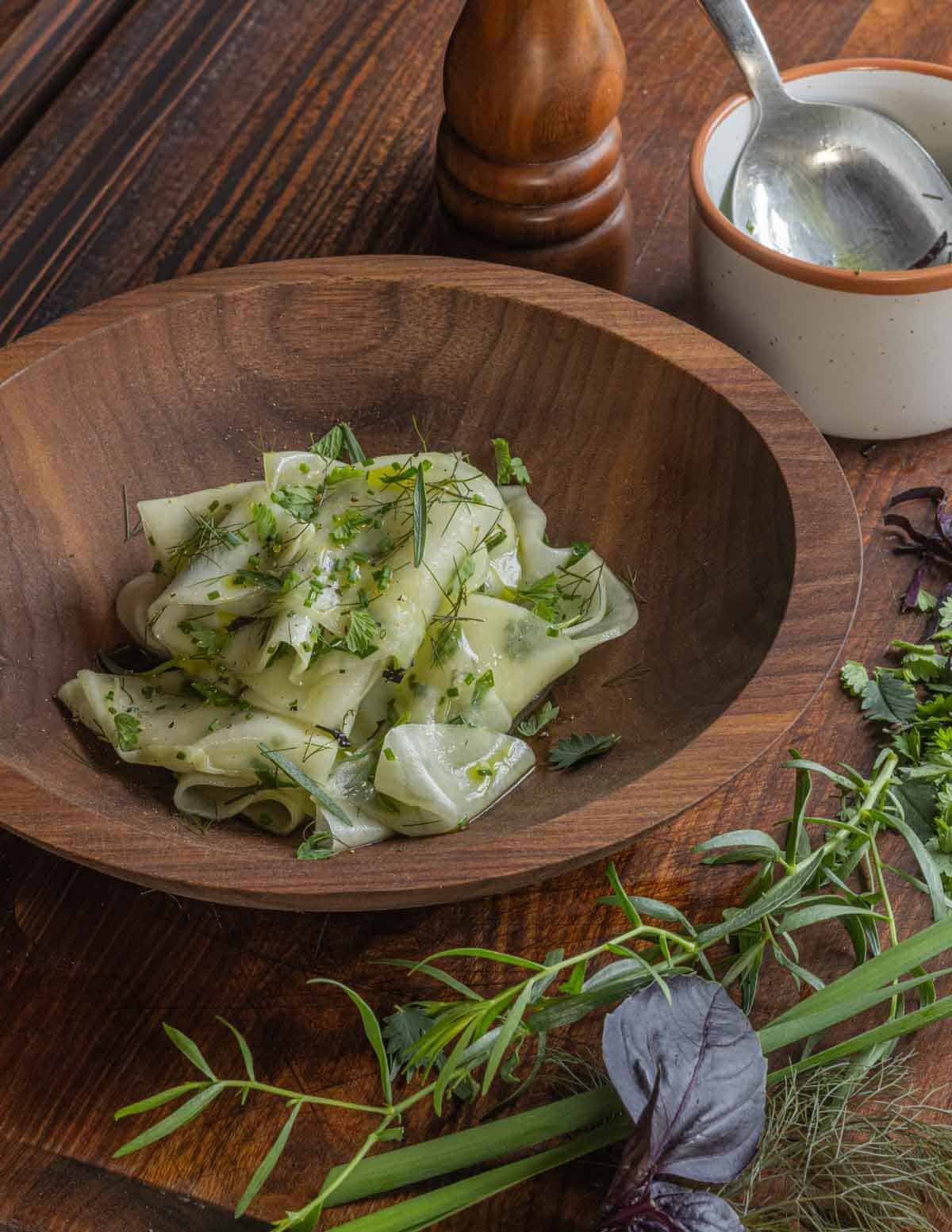
The flavor affinities are similar to turnips, fennel, broccoli and potatoes. Here's a few examples:
- Raw they love soft herbs like mint, dill, tarragon and basil, as well as citrus. Cooked they can stand up to stronger herbs like thyme or sage, ideally mixed with potatoes.
- They're surprisingly good shaved and mixed with potatoes in a gratin Dauphinoise with nutty gruyere cheese.
- A riff on a classic Austrian dish could be shaved thin, drizzled with pumpkinseed oil and garnished with crumbled farmers' cheese.
- Kohlrabi tastes like a mixture of cabbage, broccoli stem. Like cabbage, they work well with both mild flavors (sauerkraut) and aggressive ones (kimchi).
- A good chef pairing is nut oils. Try walnut, almond, or hazelnut oil instead of
If you have excess, the bulbs can also be used in recipes in place of diced potatoes or turnips. One thing to keep in mind here is they take a while to cook when diced. Give them a blanch in boiling, salted water until a cake tester or paper clip pushes through without resistance and they're ready for the pan.
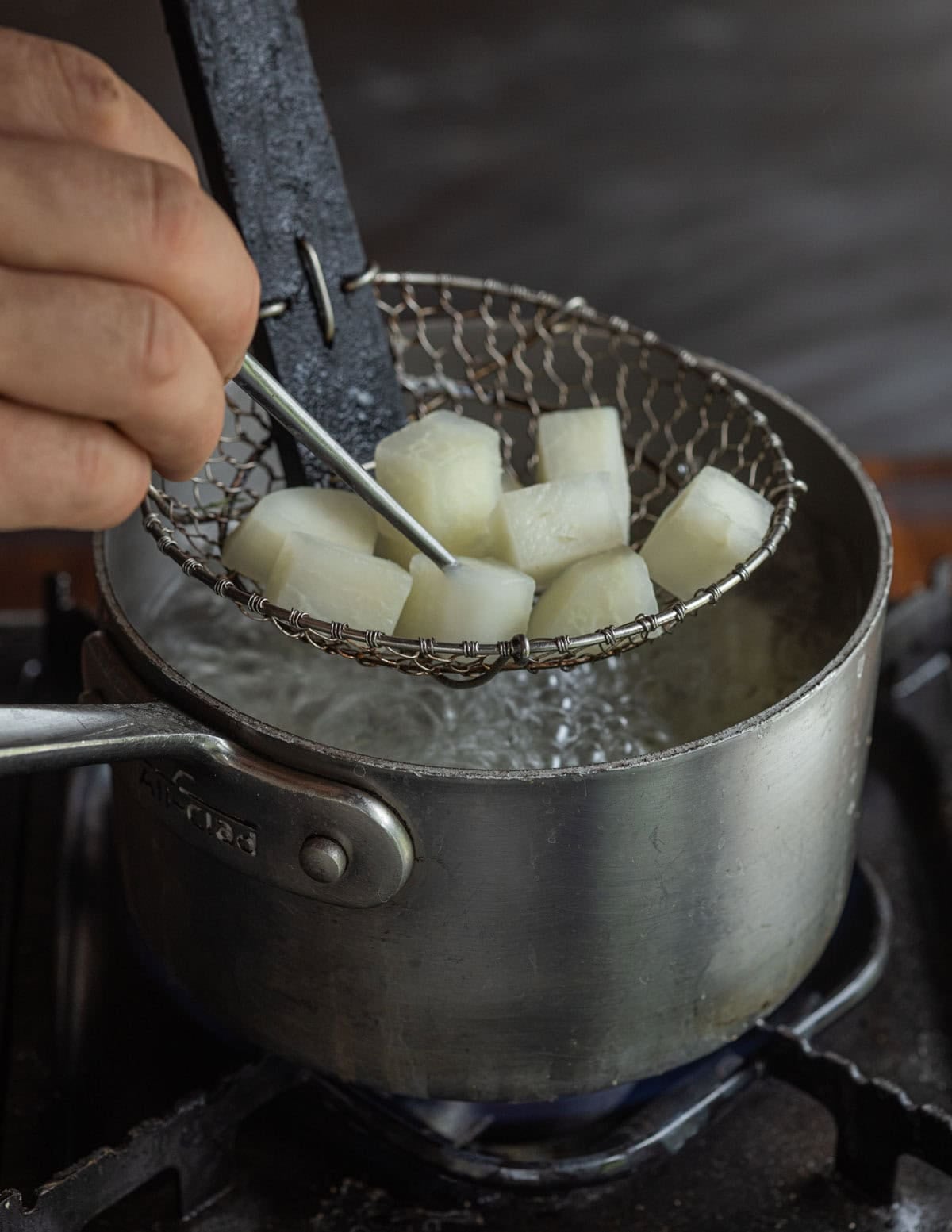
Kohlrabi Leaves
While they're often tossed in the compost, kohlrabi leaves are perfectly good to eat and taste like collard greens. If they're still attached and in good condition I eat them first as they don't last as long as the bulbs.
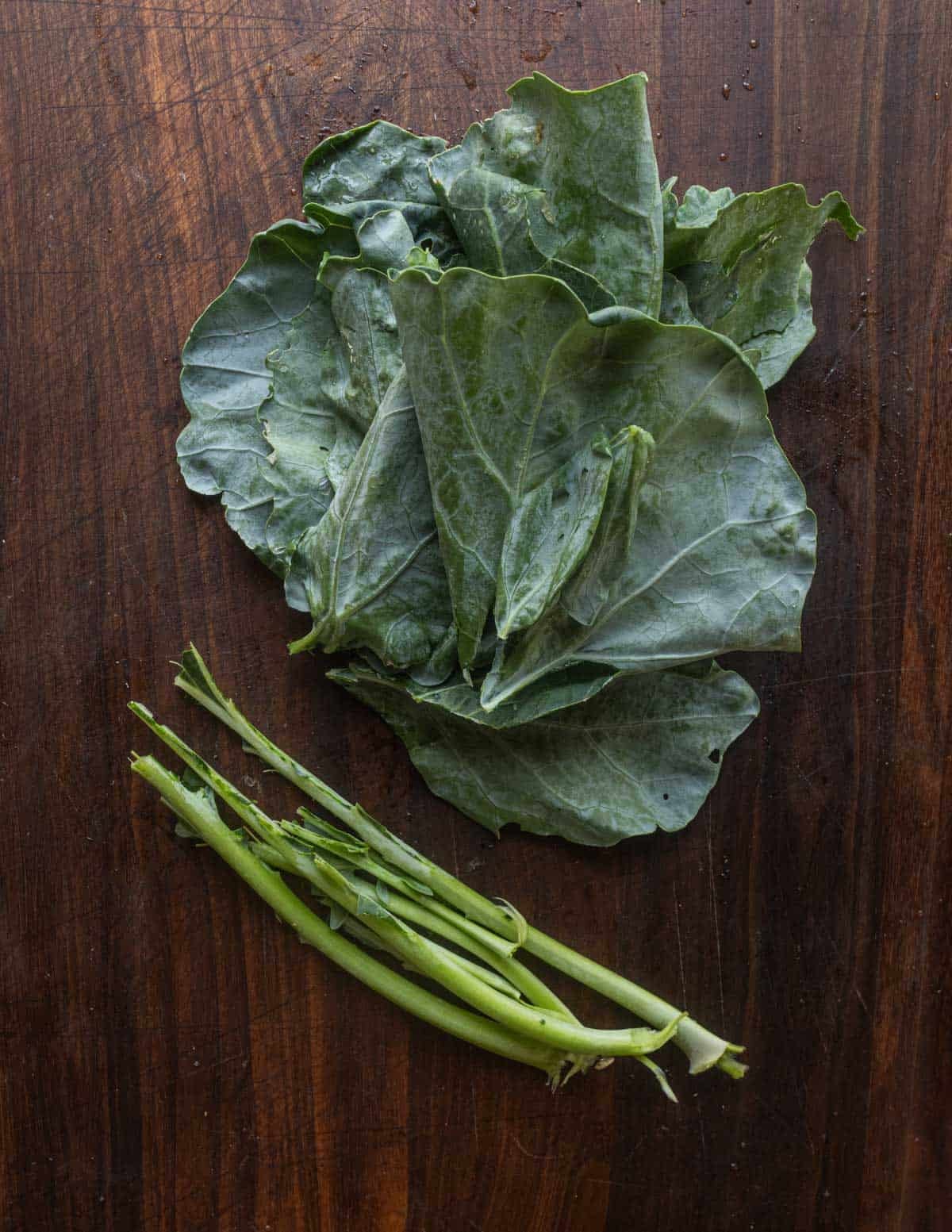
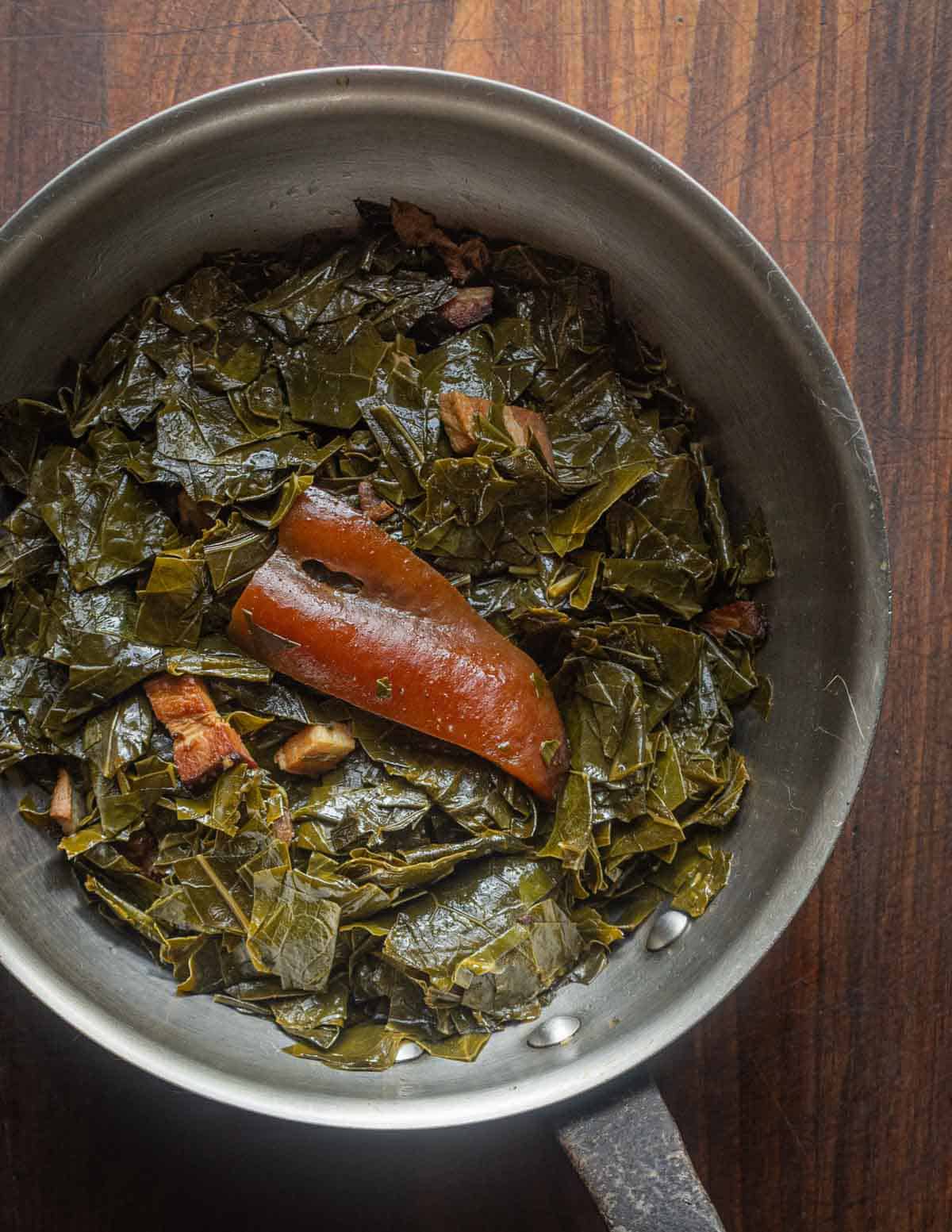
These are a slow-cooking green best used in recipes where you'd use collard greens, broccoli leaves, or kale, but you'll need multiple bulbs to get enough greens to make a side dish. If you braise them until tender or put them in a soup, you don't necessarily have to remove the stem, although I usually do.
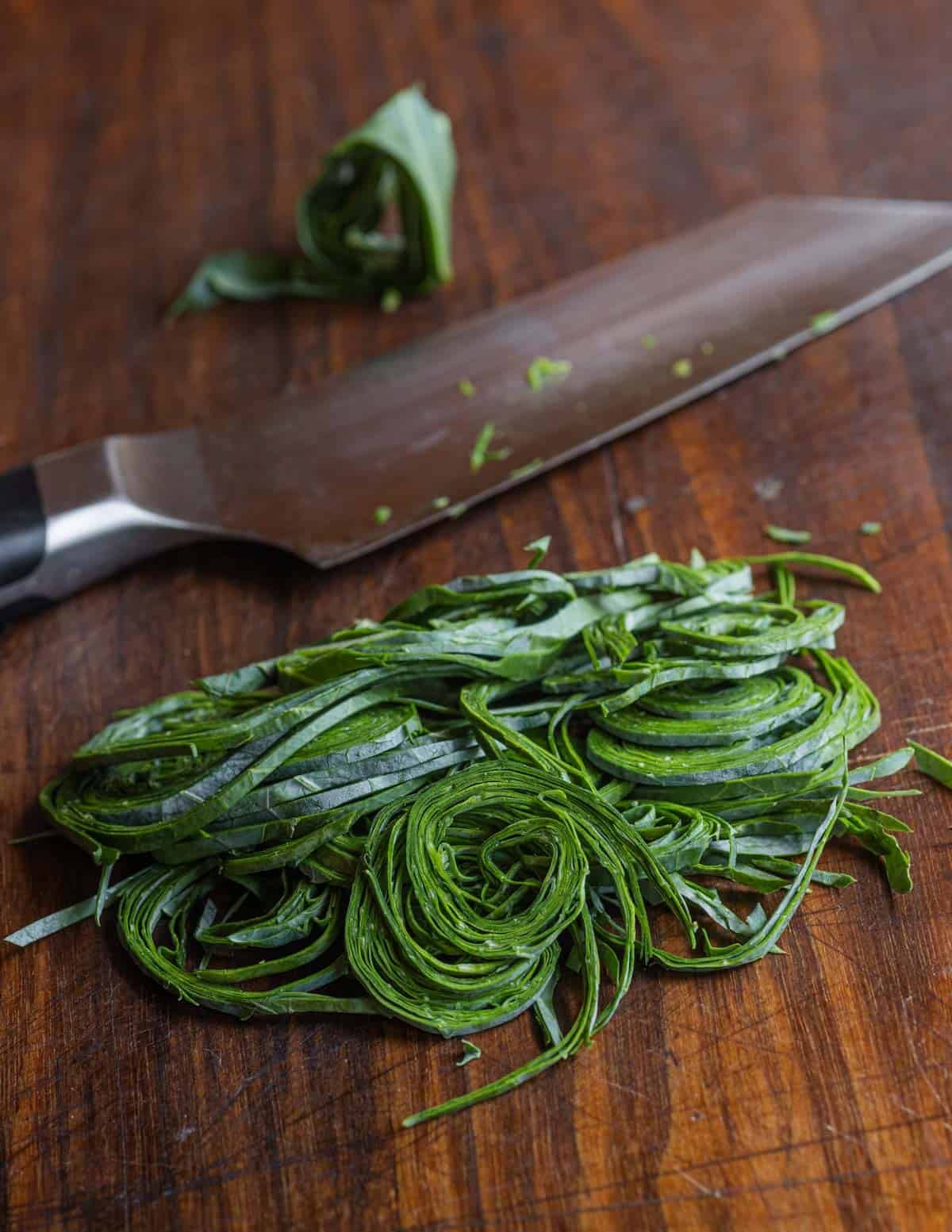
If the stem is removed the leaves can be rolled and cut into fine chiffonade of julienned threads, then massaged with a dressing and served as you would a massaged kale salad. it comes together lightning fast and makes a perfect summer salad. Furry borage leaves aside, I've yet to find a leafy green that doesn't like the chiffonade treatment.
Kohlrabi Recipes
Cooked, raw, fermented, roasted, mashed or pureed, there's so much this plant can do. Here's a few things I made this week.
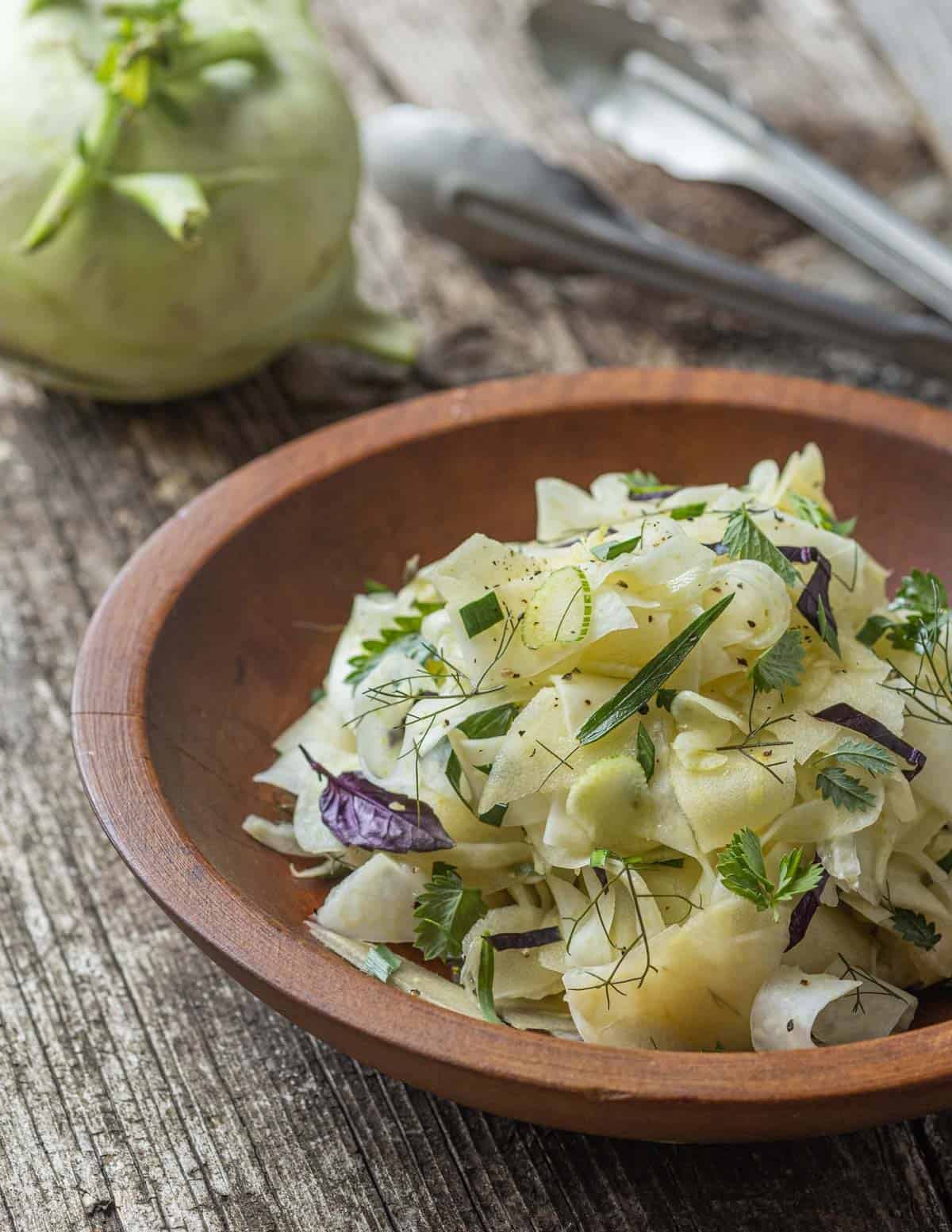
Kohlrabi, Apple and Fennel Slaw
Apple and fennel make a great slaw, and it's even better with kohlrabi added. For a pound of shaved vegetables (equal parts of each), add 1 tablespoon extra virgin olive oil, 1.5 tablespoons fresh lemon juice and a few gratings of zest, 1 teaspoon maple syrup, ½ teaspoon kosher salt and a handful of fresh herbs.
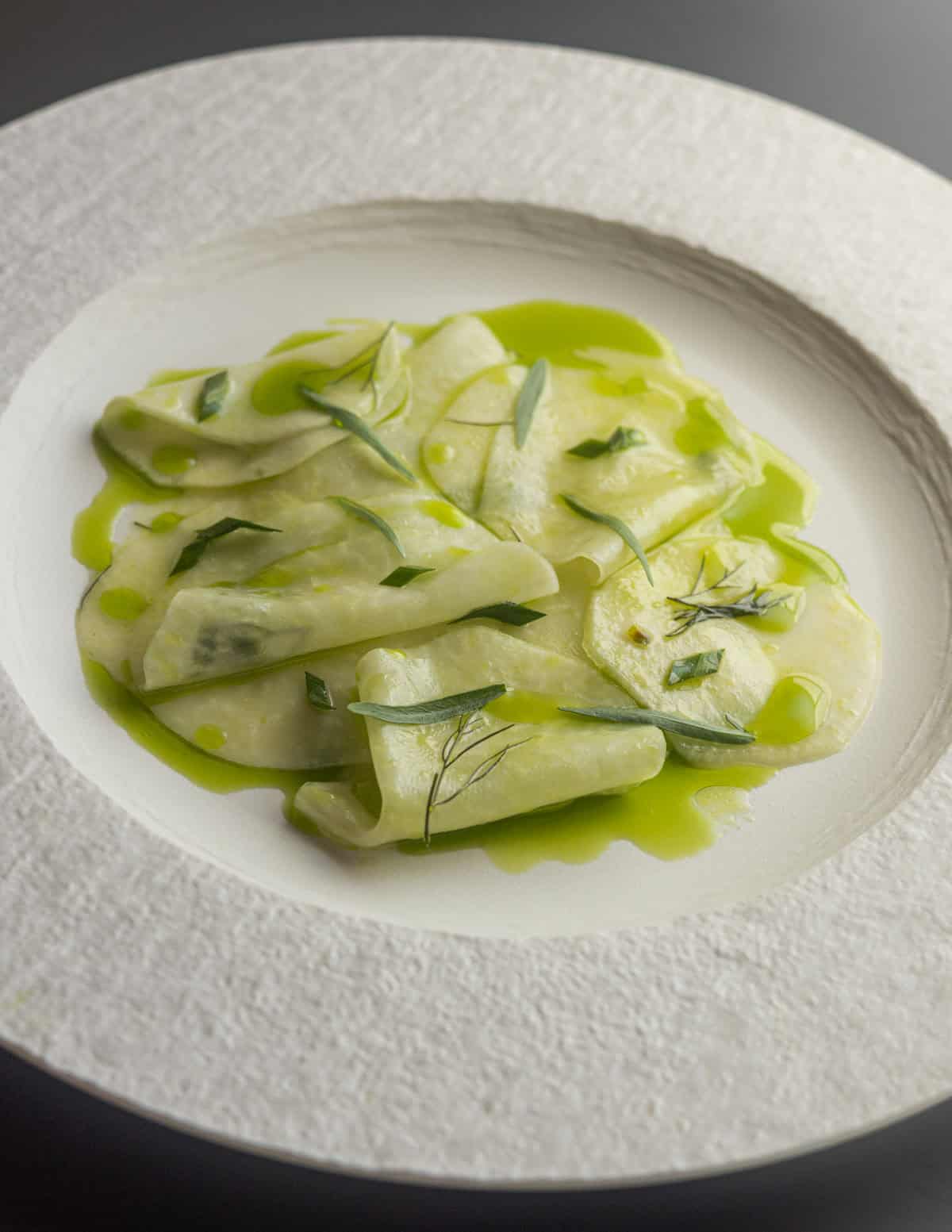
Simple Carpaccio / Shaved Salad
A popular restaurant preparation, this was inspired by my colleague Sami Tallberg's new book from Finland on cooking with micro seasons. If you can shave whole rounds they become a bit like a raw, free-form lasagne. It's really hard to beat. See the formal recipe here.
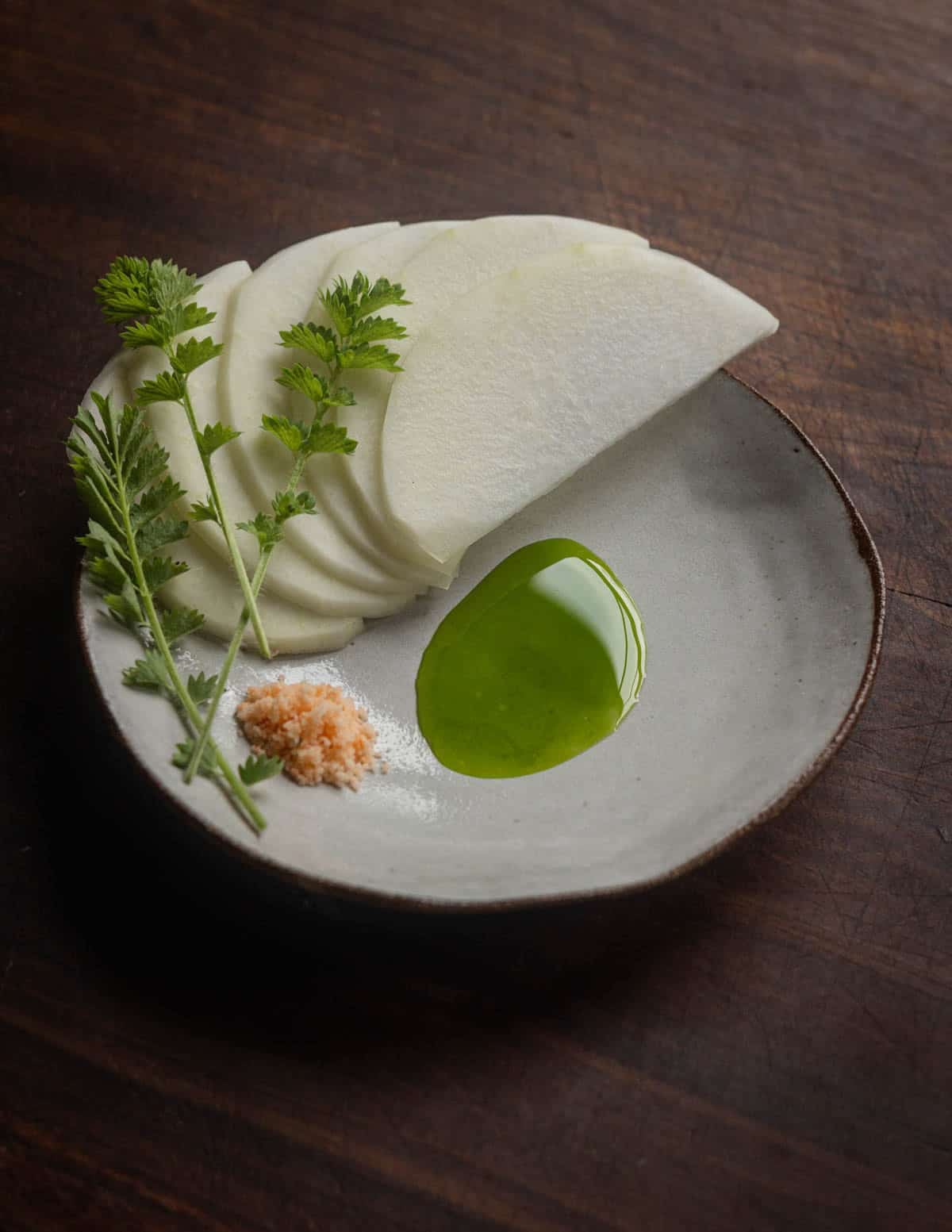
Raw with Salt and Oil
One of the most classic ways to prepare the bulbs is simply cut into thin (¼ inch) slices and eaten fresh with salt. Add a drizzle of flavorful oil and it makes an elegant snack. Dip a corner in the oil, then the salt and eat.
Soups and Stews
You can add the diced bulbs to any soup, stew, or recipe where you'd use potatoes or turnips. I made a quick stew of leftover sausage, brisket drippings, a can of tomatoes, mirepoix, potatoes and diced kohlrabi to use up the last bulbs I had.
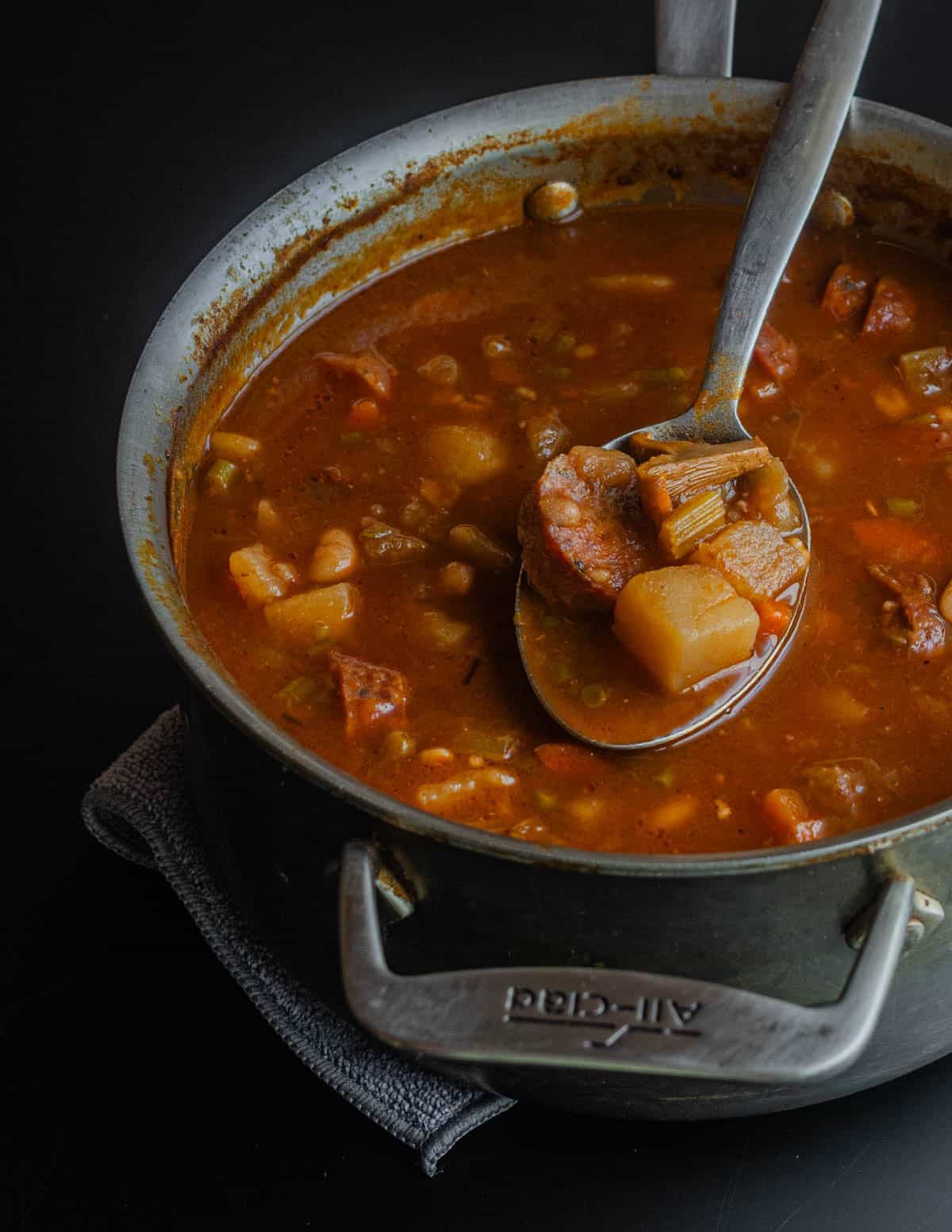
While often mentioned as a potato substitute, the texture is far less starchy and they'll taste nearly identical to cooked turnips or radishes.
Fermented
Just like their Brassicaceous cousins, the bulbs make a great ferment. Thin slices are the best for this. Below I used a fine julienne for garnishing noodle bowls, but strips or whole shaved rounds are fine too.
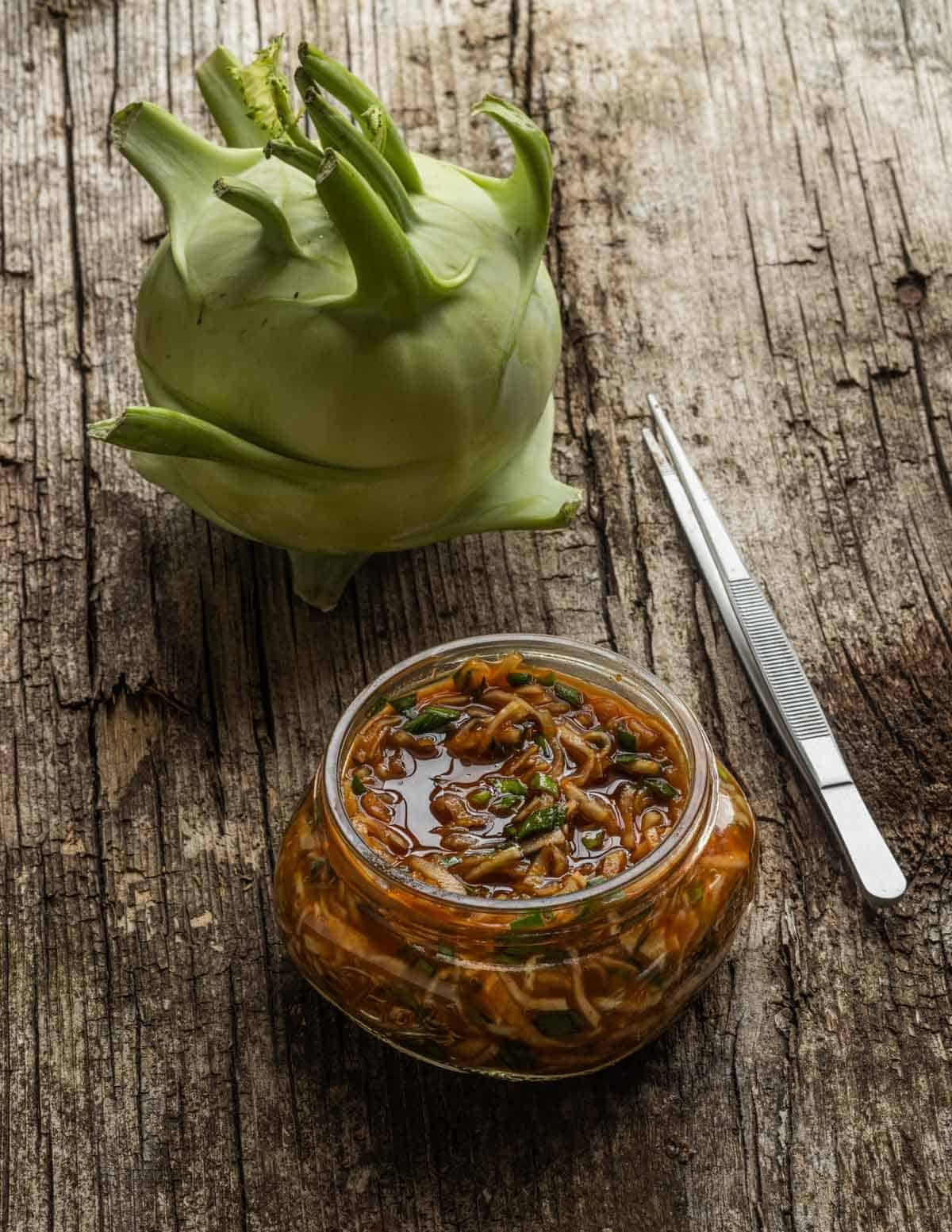
I used my dandelion kimchi recipe as a starting point, but you can make a mild, sauerkraut-esque ferment too.
Sauteed in a Vegetable Medley
After eating your fill of slaw, if you have an abundance of bulbs they're good in a mixed vegetable saute. To make it, take a pound of vegetables including peeled, diced kohlrabi. Blanch the vegetables individually in salted water until just tender, shock in ice water and drain.
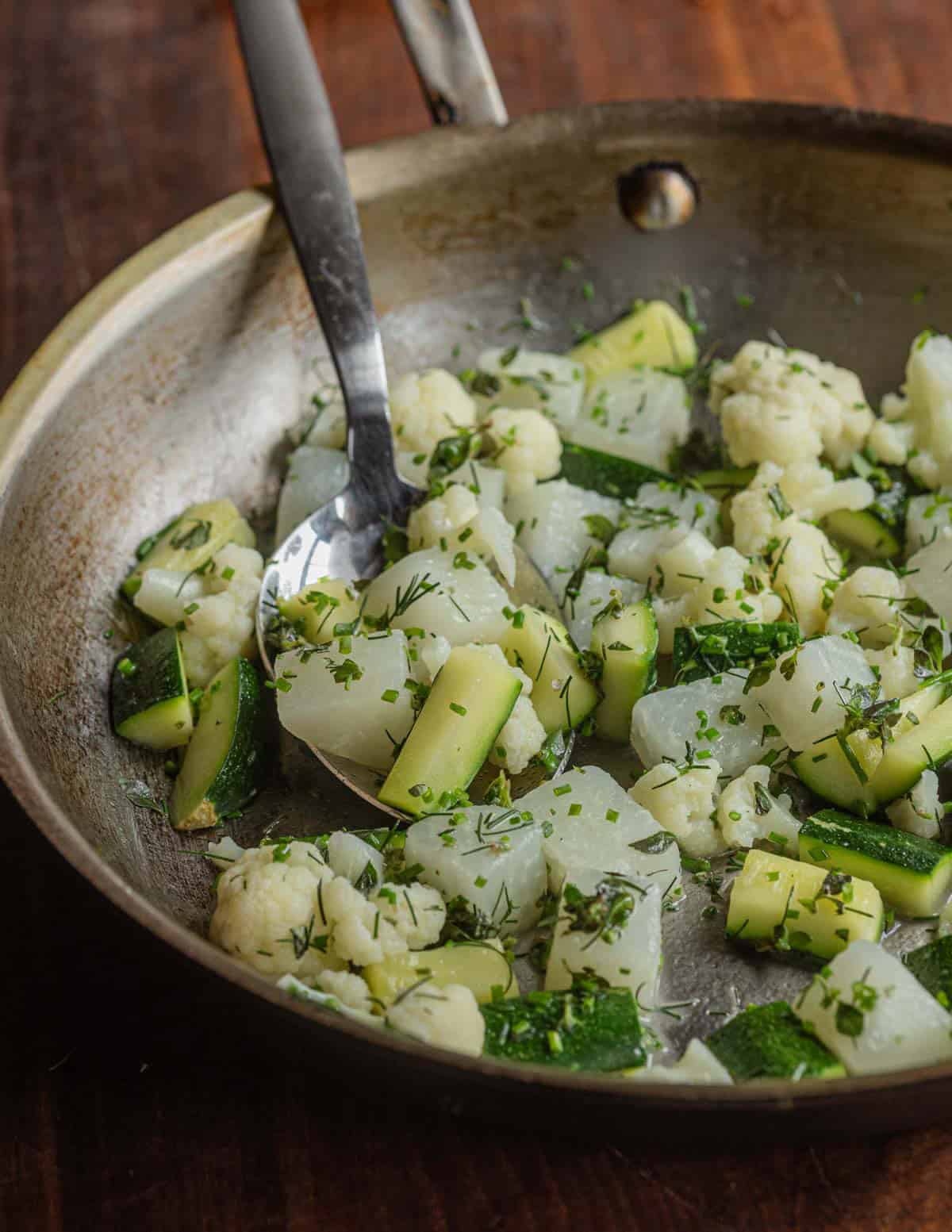
Bring the vegetables to a boil in a 10 inch saute pan with ½ cup strong chicken stock and a tablespoon of butter. When the juices become syrupy, turn the heat off, add a handful of mixed, chopped herbs (dill, mint, thyme, chives, etc), adjust the seasoning and serve.
Massaged Greens Salad
To make a simple massaged salad for two, take 4 oz of fresh greens and cut them into 4-5 inch rectangles. Roll them up and cut into thin strips-you want them just long enough that they can be twirled around a fork.
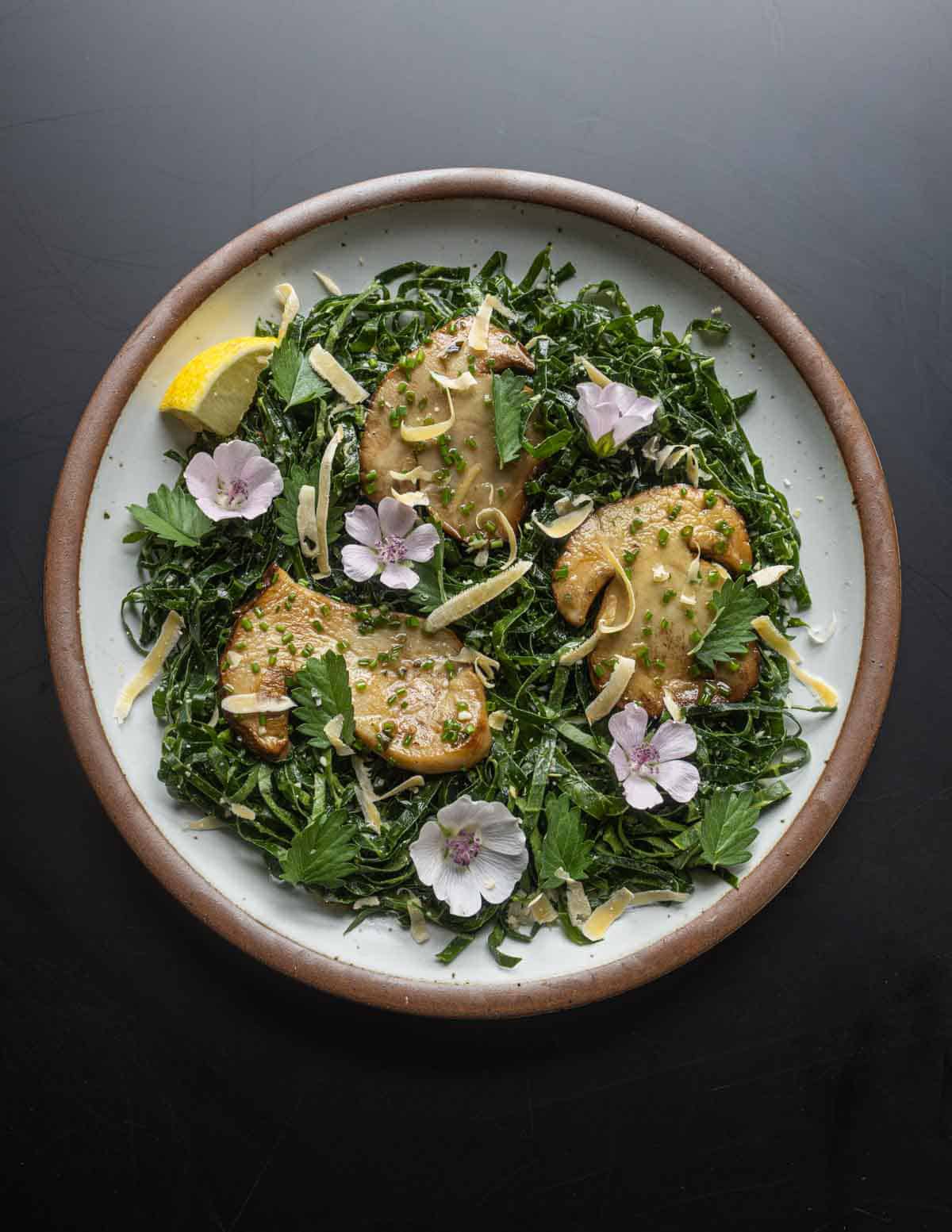
Mix the greens in a bowl with a tablespoon of dressing. I used my chive blossom vinaigrette from the other week. Add a spoonful of pecorino or parmesan cheese, a pinch of salt and a squeeze of fresh lemon juice to taste. It's also fine with just olive oil, salt, pepper and lemon juice.
Have you tried kohlrabi, grown it or have anything to add? If so please leave a comment and share.
Related Posts
Keitha Sixberry
I too grew up eating kohlrabi right out of the garden, but we just peeled it with our front teeth!! When my mother gave me her bread machine years ago, I found a recipe for kohlrabi and rosemary bread that stayed very moist and dense with whole wheat flour. It is great toasted. I have both purple and white in my garden right now. We eat roasted veggies these days and the flavors are amazing compared to the boring old boil it til it's soft.....Thank you for all the knowledge and recipes you've shared over the years. Lobster mushroom cakes and matsutake fried rice are favorites here.
Pete
Thank you for all of the great ideas (and photos). When I was a kid, we would go into the garden with nothing but a paring knife and a salt shaker and have at it. This will always be my favorite preparation.
Alan Bergo
Thanks Pete. Raw with salt fresh from the garden is hard to beat.
Dean G Sherwood
My ex returned from Europe as a teenager and was practically obsessed with kohlrabi. Her parents grew it, and later, we never had a garden without it. I've had it every way you've suggested, and tried a few you didn't, but I've never fermented it or eaten the leaves. I don't have a garden now (renting) but that won't keep me from fermenting.
Alan Bergo
Thanks Dean.
Skadi
Beautiful pictures of your lovely presentations. I'm inspired to get out to the farmer's market and indulge in kolrabi!
Alan Bergo
Thanks Skadi
Alan Chomica
What a timely post. Kohlrabi is our friend in our food forest and has become a staple in our diets. Right now in early July we are about to harvest the little ones like you are showing but our main focus is on the gigantic Supershmeltz kohlrabi that we grow to over 20 pounds by the end of winter here on the mild west coast. We grow and eat eight of these beasts every year. Our favourite use is to add with cabbages we grow to make sauerkraut but recently we found yet another amazing use for it. We candy it! I cut it into small cubes to resemble candied fruit like cherry, orange etc., like the kind of fruit one uses in Christmas cake. I simmer the cubes in sugared apple juice along with a pinch of citric acid and then semi-dry them. The are sweet and tart at the same time and go perfectly in my Seven Summit Energy Bars recipe instead of dried fruit. Can't get enough kohlrabi at our place...
Alan Bergo
Thanks Alan
Elisa M Gray
I love kohlrabi! Two nearby farmers grow it just because I asked them to. I do my best to thank them by convincing other shoppers to give it a try. I usually just cut it into sticks to eat, but I'm going to try some of your ideas. On a humorous note, I served it with lunch to my grandson. His comment was, "It tastes like nothing."
Jill Kurek
I’ll have to give Kohlrabi another try. The paper thin slices look delicious as well as fun to eat. Thanks for another great and informative post!
Alan Bergo
Thanks Jill. Years ago when I was given some to cook with I didn’t really understand it. The shaved raw salad is so good.
Big Mike
Cook Kohlrabi's? I eat them raw and rarely cook but i might try. Your description of sliced with salt is the best if they are not woody as you describe. Leaves are just too tough to bother with. I've grown these for 30 years and the best way to peel is not with a peeler. Cut the top and bottom off, use your knife with thumb to get under a small area of the fibrous skin and pull, it comes right off. Continue around the globe and do the same at the other end.
Sliced and then cut into bite sized pieces they are excellent on a vegetable tray with peanut sauce or Bleu cheese dressing but you just can't beat a fresh juicy one with salt.
Alan Bergo
I don’t cook them unless I have way more than I need. Raw or in a salad/slaw is the best. If that isn’t obvious from the post I should fix it.
Aaron
I have always tried to cook kohlrabi and not been that impressed. Maybe I'll be more choosy and try to only get young ones. Also, tangentially, do you have any recipes you actually like for borage greens or do you just eat the flowers? I keep trying to put them in salads chopped finely cuz I like the cucumbery flavor, but then my partner complains about the texture and tbh I'm not a huge fan either.
Alan Bergo
Thanks Aaron, yes raw is the way to go here, unless you have a ton. Funny you should mention borage, I’ve been meaning to write about that one too. Borage is widely documented as an edible, but 99% of the time I see it used it’s in fillings as the greens fall apart when blanched. They’re one of the key ingredients in pansotti, and erbazone. Both in my book and on this site.
phil devries
Alan,
Excellent and very informative piece on how to treat and eat kohlrabi. Looking forward to laying siege to a bunch of kohlrabi in the near future using your suggested recipes.
Thanks for including the description of how human selection on Brassica oleracea has produced many types of edible plants. Incidentally, many years ago a botany professor told me that all of the varieties (cabbage, broccoli etc.) revert to wild type in long abandoned European homesteads near the North Sea coasts.
Cheers, Phil
Alan Bergo
Thanks Phil
Manisha
When learning, I tend to make fries and kohlrabi fries have become a staple when in season. So fun and delicious! I use the greens for pakoras or bajhiya which is another go to while learning about a vegetable. I rarely had anything raw while growing up in an Indian household. I see now that’s the influence on my life. I’m looking forward to pulling out the mandolin to give your recipes a try! Thank you!
Alan Bergo
Thanks for commenting