
Coarsely ground, flecked with aromatic wild fennel seed, peppercorns and red pepper flakes, my all-time favorite sausage is still one of the very first I was taught to make. The recipe was passed to me from my friend chef Andy Lilja. It was passed to Andy from Filipo Caffari, a master butcher from Rome, while working at Osteria I Nonni in Lilydale, Minnesota.
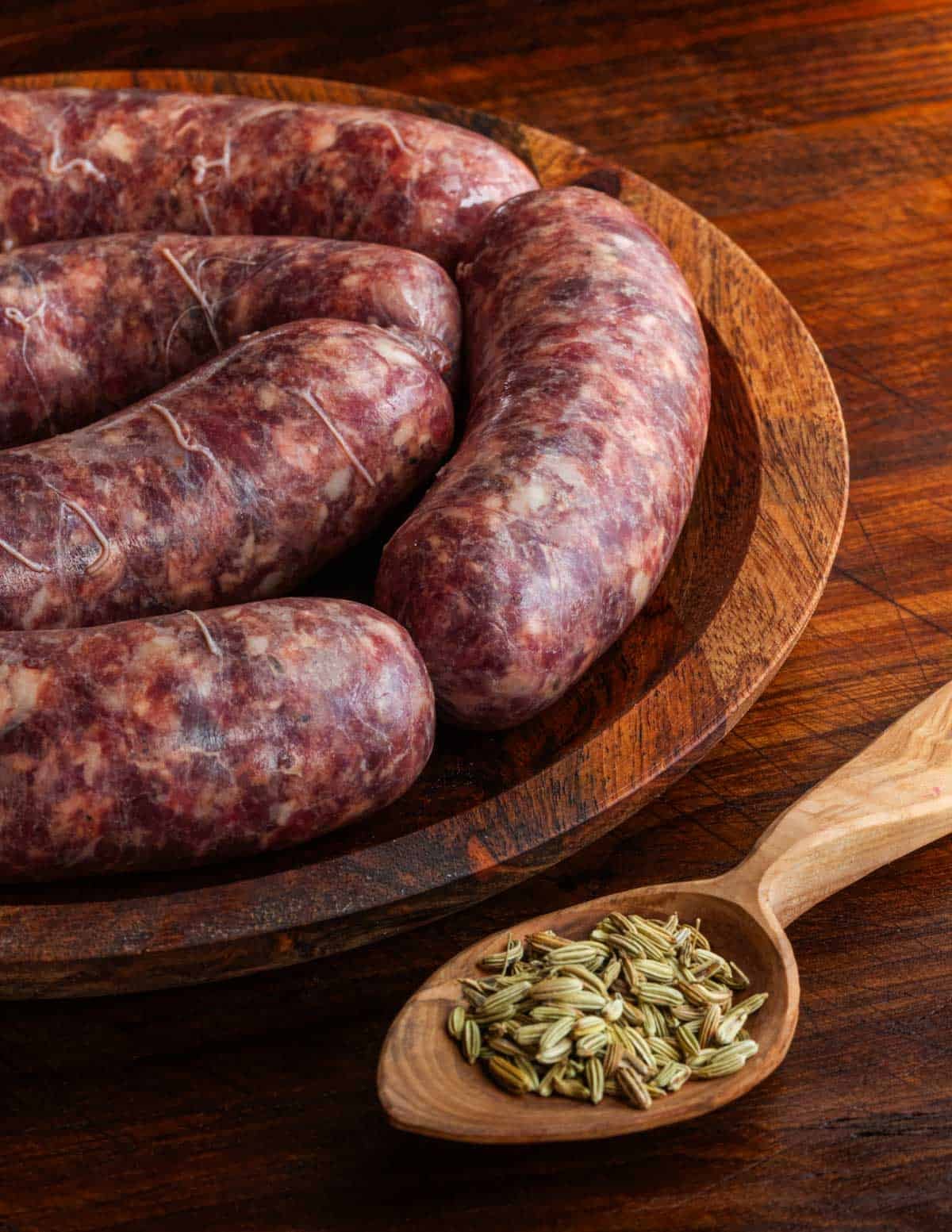
When I worked at the now closed Il Vesco Vino in St. Paul (the former sister restaurant to Inonni) the house fennel sausage was used liberally throughout the menu.
Pasta sauces, baked ziti, pizza, grilled and served with stewed sweet bell peppers, or even stuffed in a bun it was the only sausage we needed. I scribbled down the recipe the first chance I had, and couldn't believe it only used five ingredients.
How to Make Italian Fennel Sausage
This is a great example of a recipe that's so simple it's complicated. There's only a few steps, but each one is important for the right flavor.
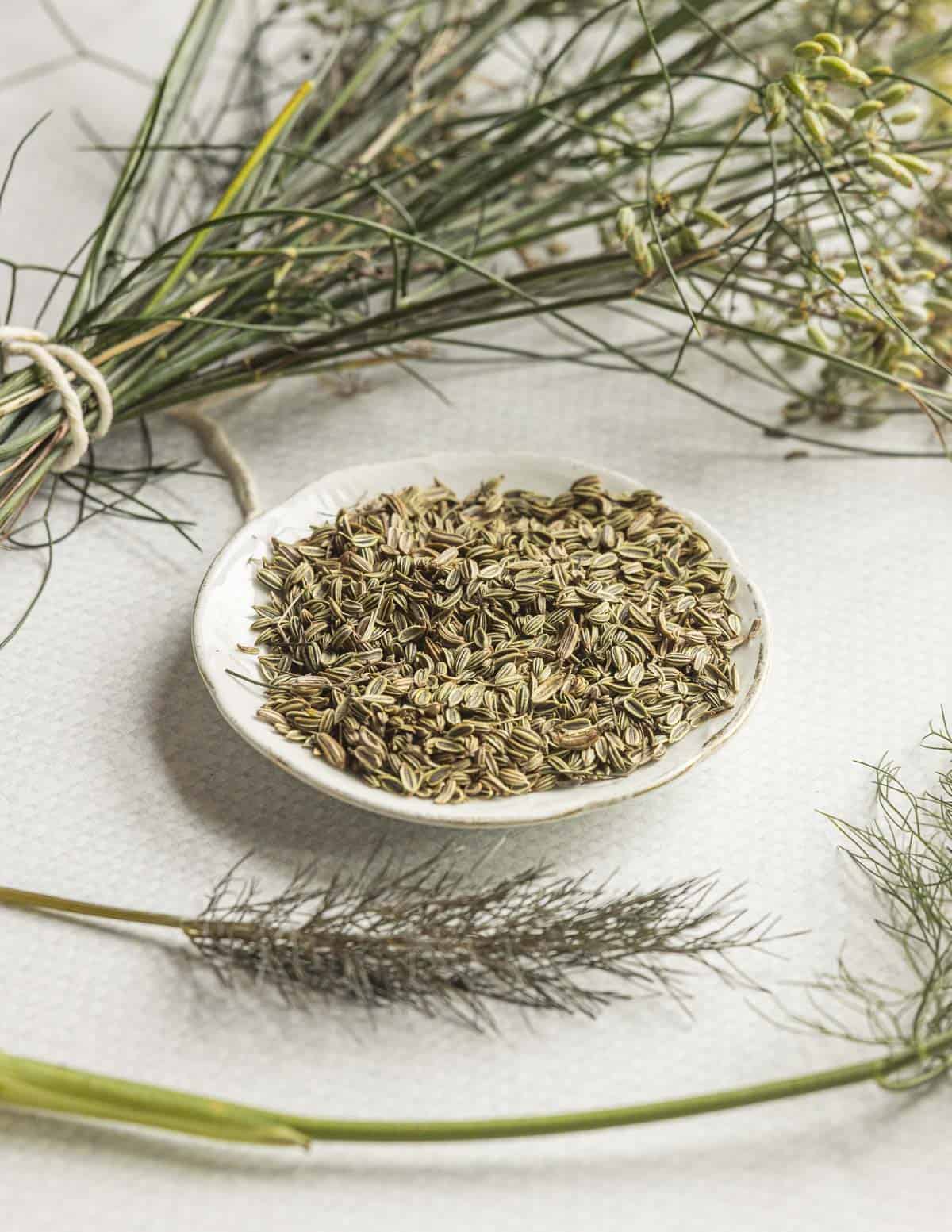
First the spices need to be prepared. There's only three: whole fennel seed (ideally wild or homegrown) whole black peppercorns (ideally the large tellicherry) and red pepper flakes, which should be as fresh as possible.
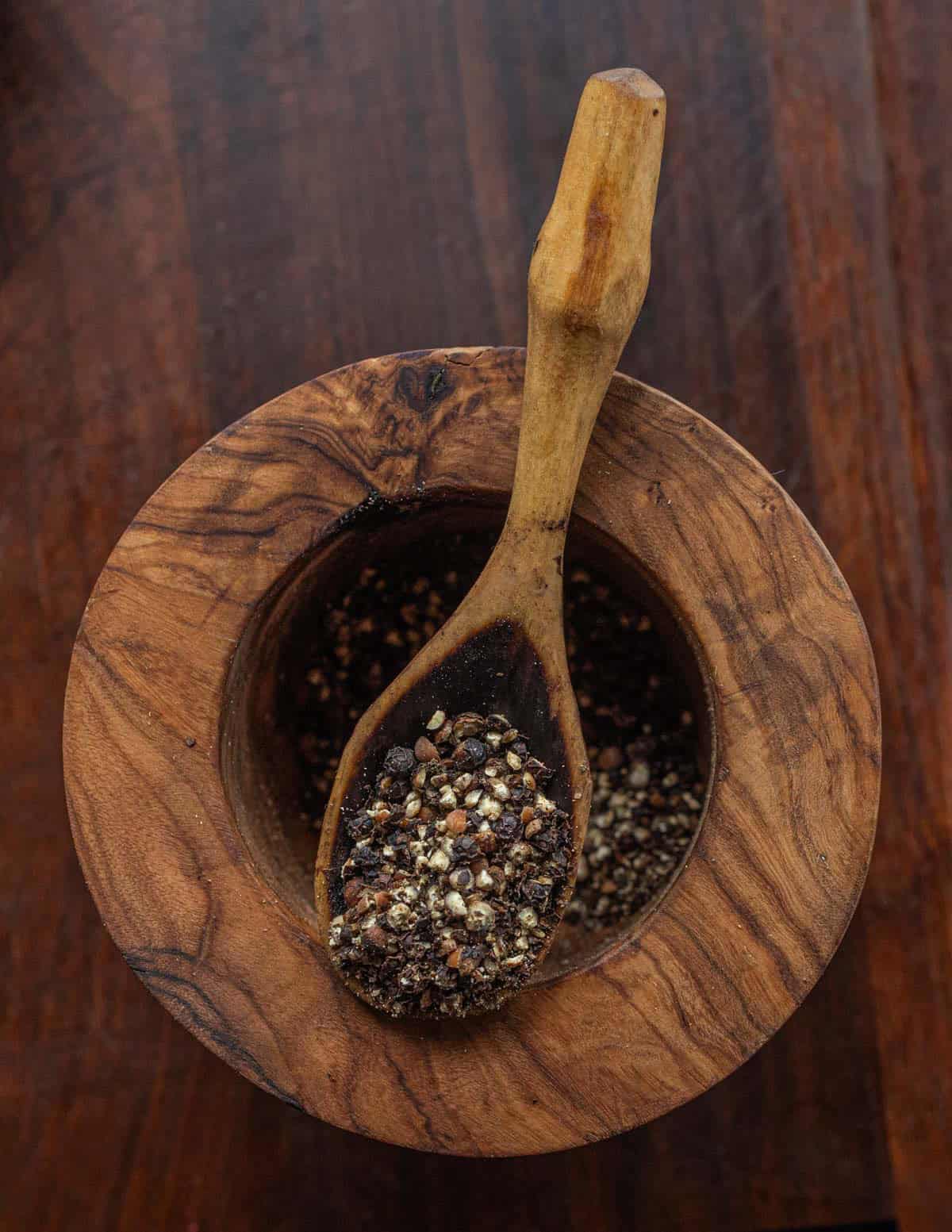
For the correct texture, you want to toast the fennel seeds and peppercorns in a pan separately then coarsely crush the peppercorns in a mortar and pestle so there's no whole corns.
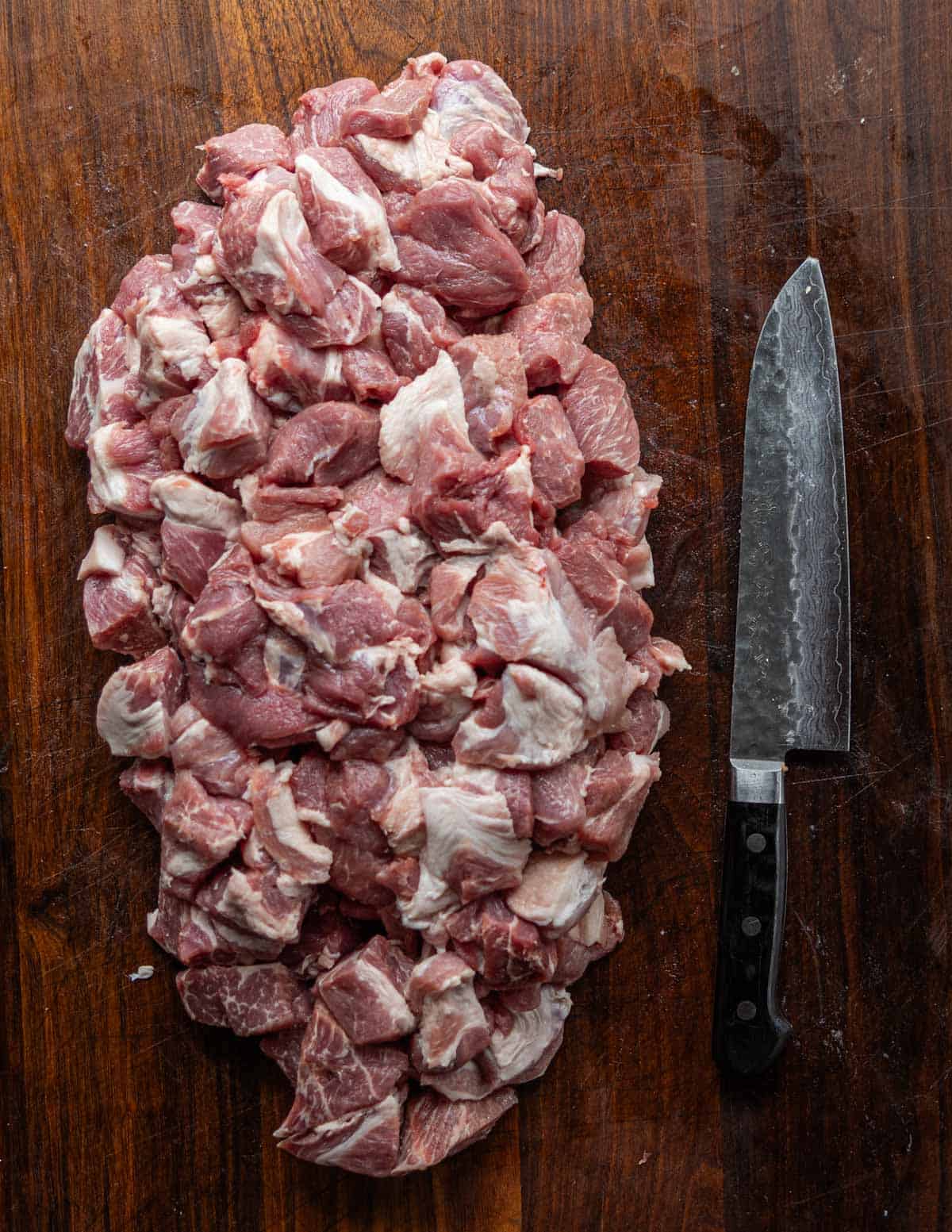
Next the meat is cut into pieces that will fit in a meat grinder, I like to weigh it to calculate the seasonings, which will ensure the flavor is nearly perfect out of the gate. Pork shoulder, with it's perfect composition of intramuscular and intermuscular fat ensures a solid, juicy emulsion.
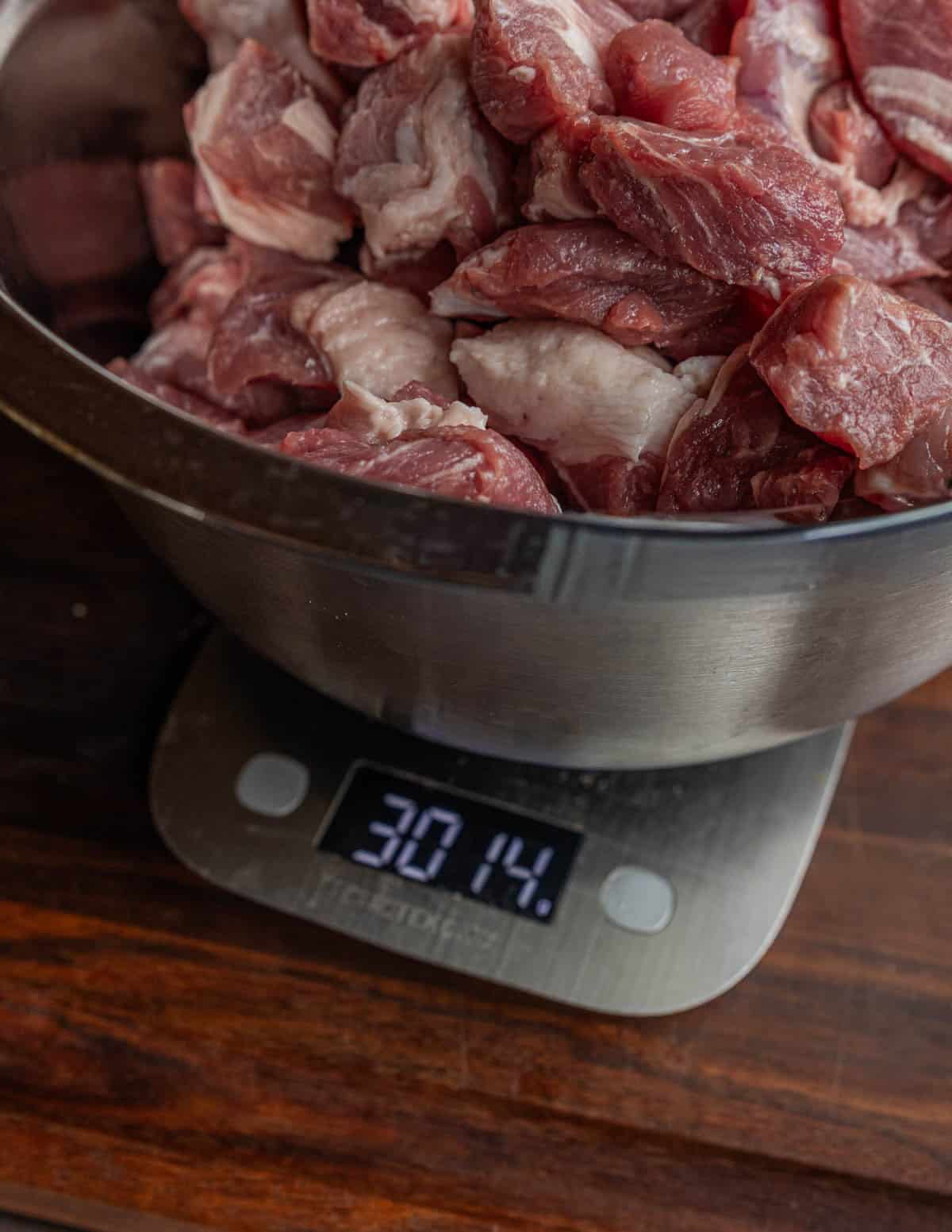
Mix the large chunks of meat with the spice mixture and salt, then refrigerate overnight. Refrigerating the meat chunks with the seasonings beforehand is critical here, and something I do with most sausages I make, thanks to this recipe. The salt activates the myosin in the meat, making it tacky and helping the sausage bind, which keeps it juicy.
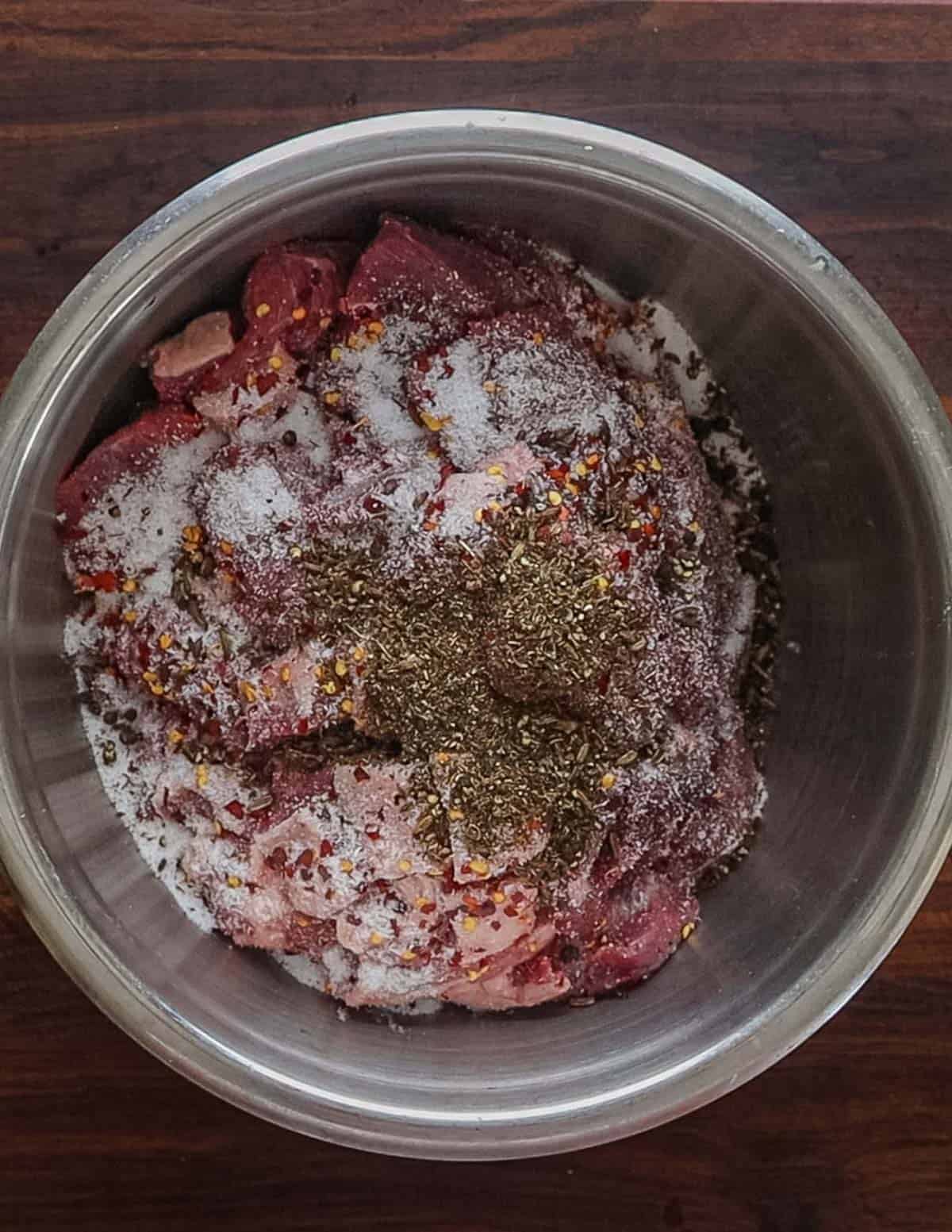
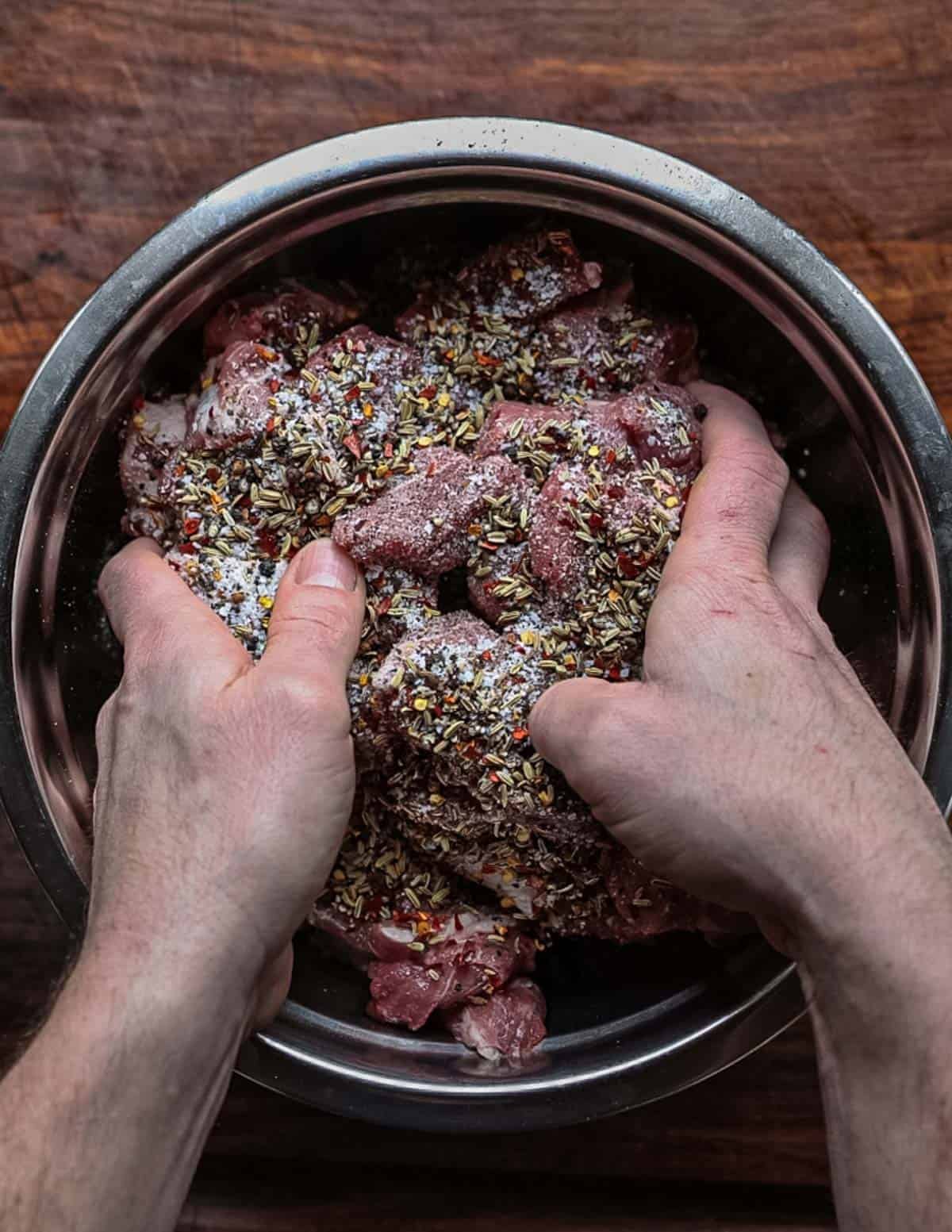
The next day it's time to grind the meat and pack into casings. Chill the meat in the freezer for an hour to firm it up, then pass through the grinder using a medium die. As the meat passes through the grinder, the large fennel and peppercorn chunks will get cracked again, infusing the meat with their aroma.
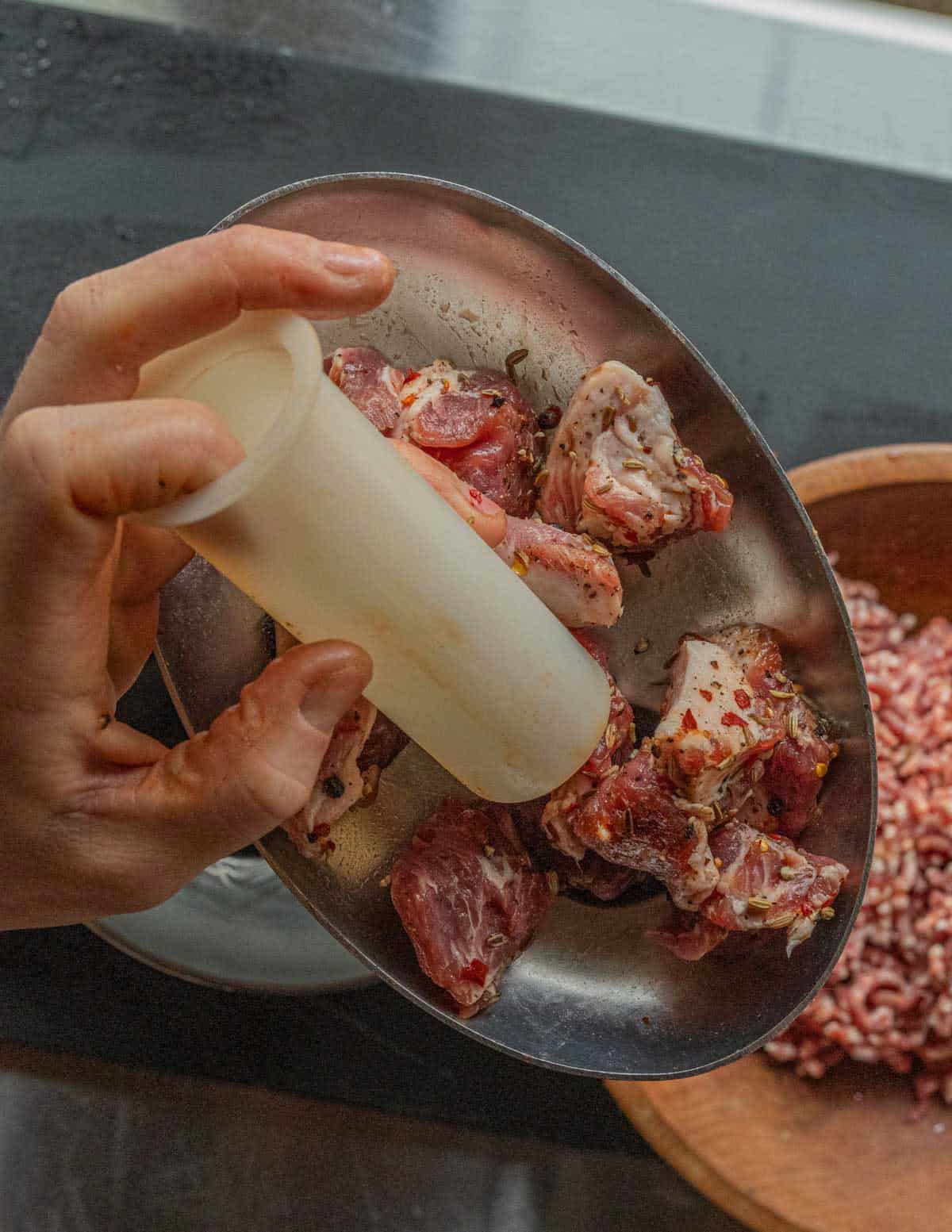
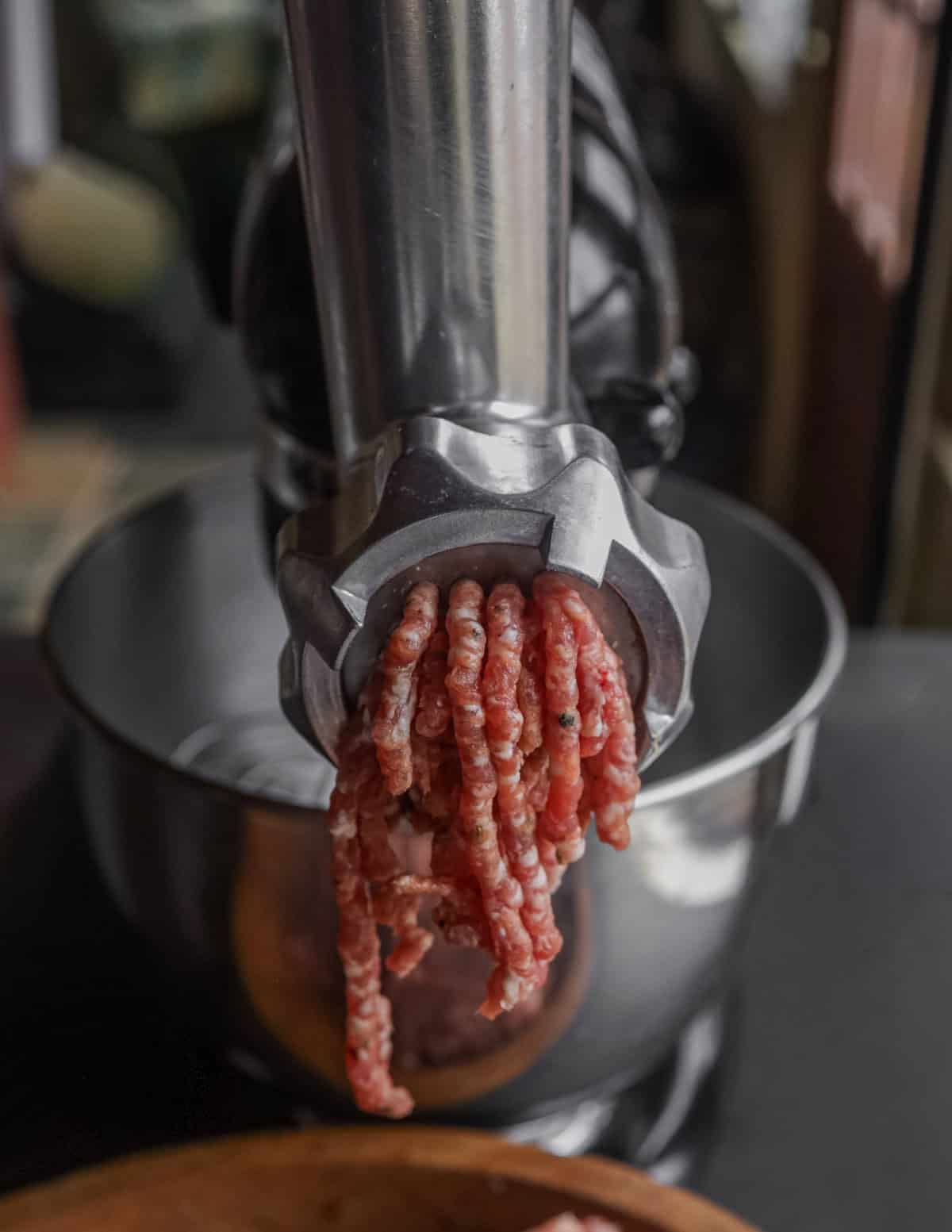
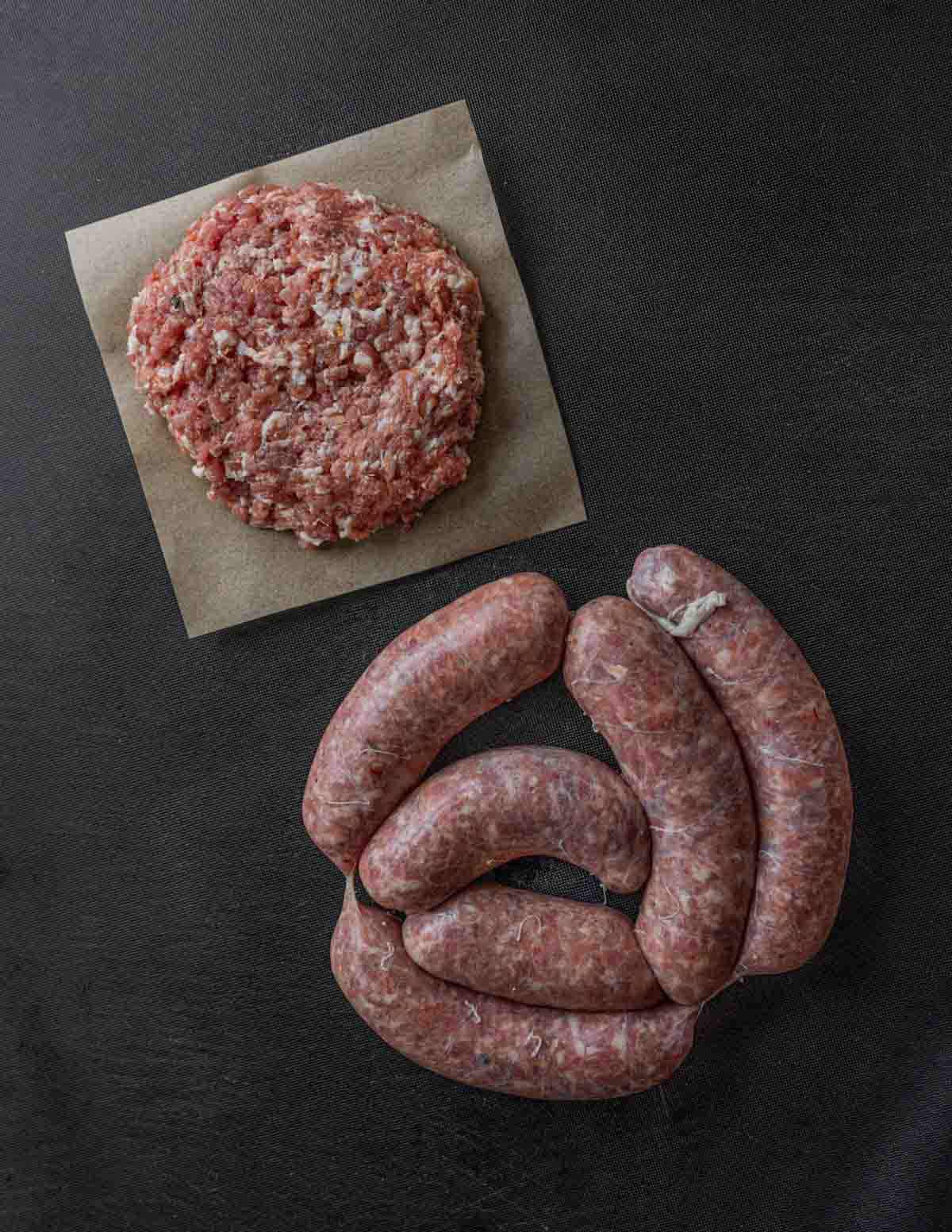
After grinding you can leave it lump, or pack it into casings. If I leave it lump I pack it in butcher paper, or freezer paper, then vacuum seal and freeze.
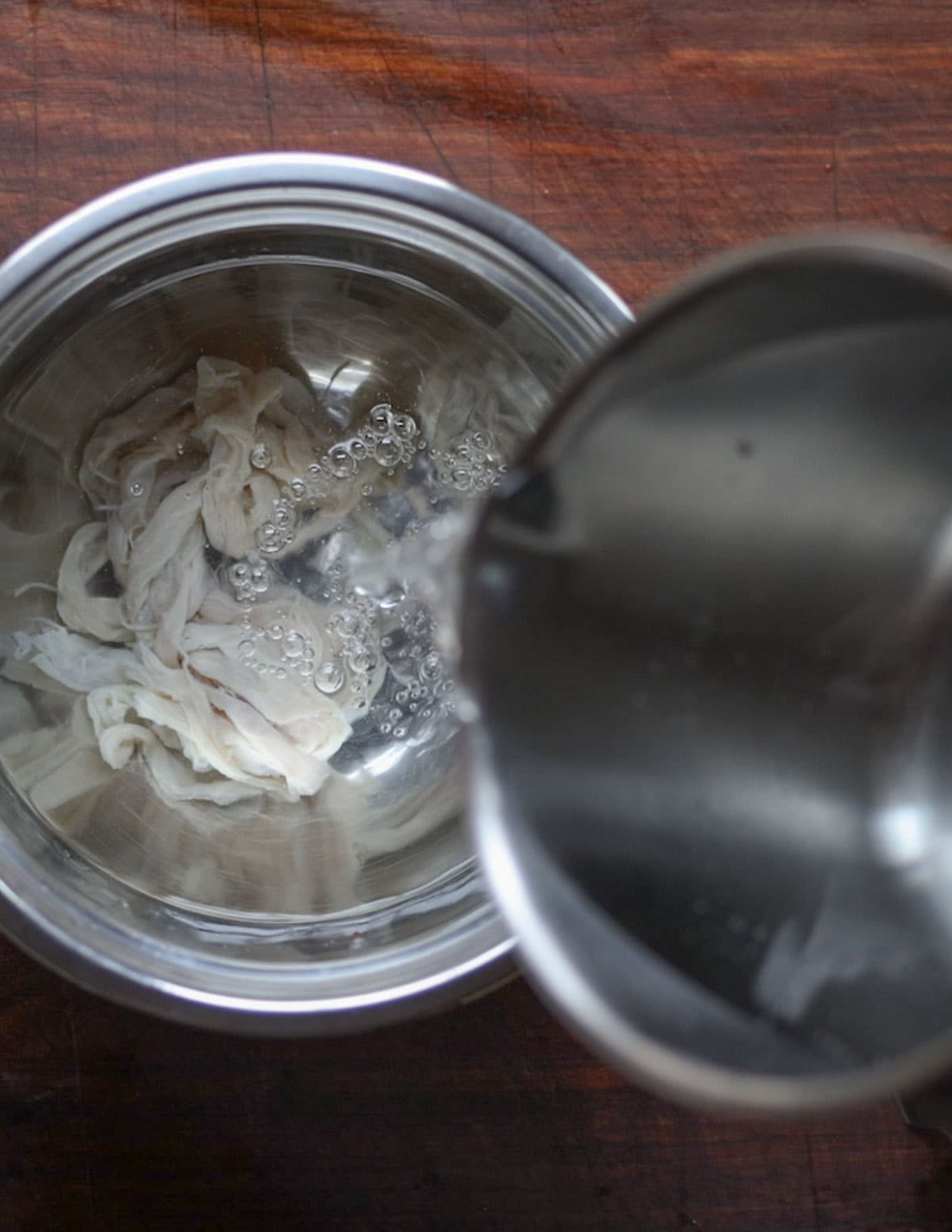
If you want to pack it into casings, which I recommend, you'll want to soak the casings in water, changing it once or twice until it no longer tastes salty. While they can be intimidating to work with or seem hard to find if you're new to sausage making, you can usually beg a few feet from a butcher if you ask nicely.
I usually buy what's called a "hank" or large coil of casings from Butcherpacker.com which will make over 100 pounds.
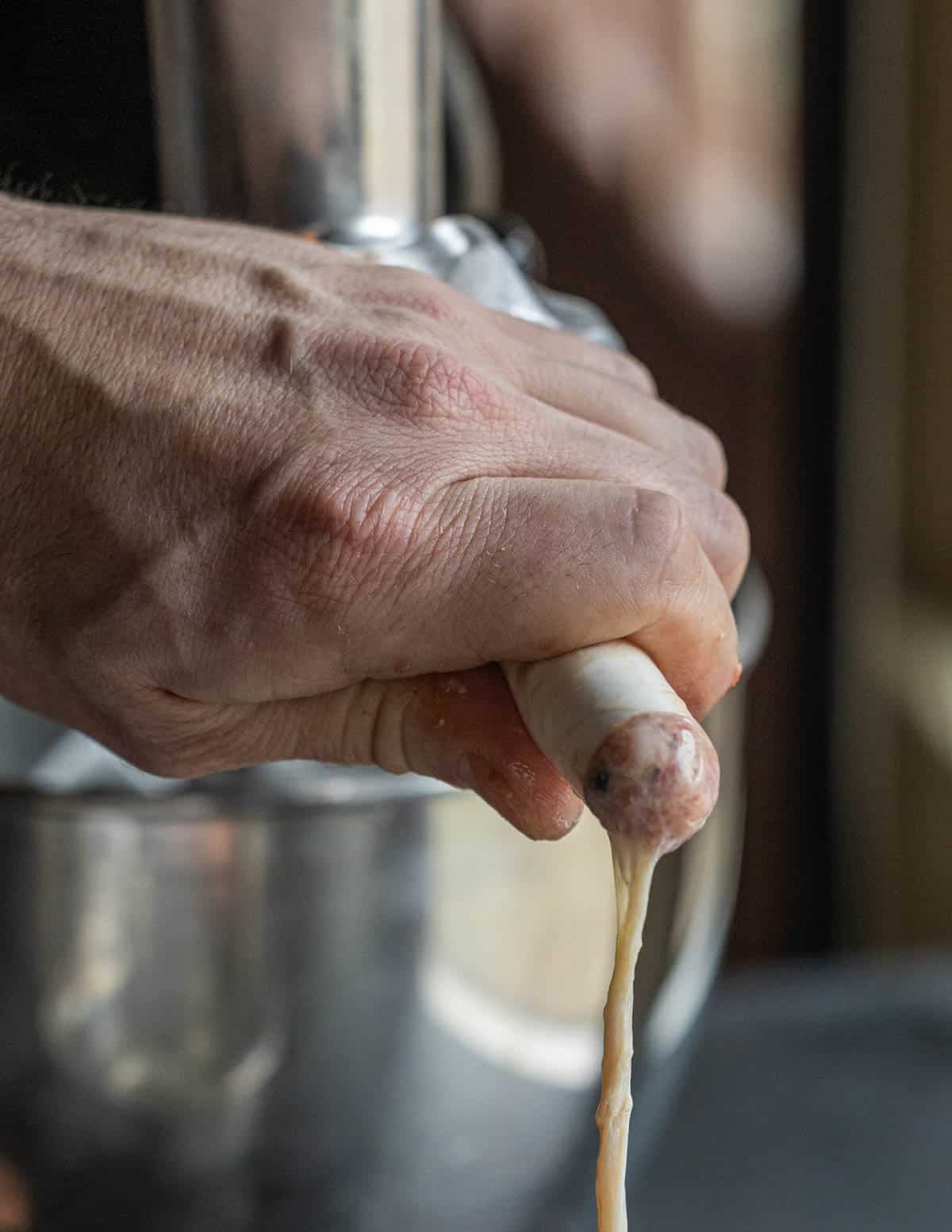
Once the casings are soaked they're threaded onto the stuffing attachment or stuffer tube. Lubricating the tube with water always help them slide on for me.
For casing the sausage, I can't recommend a sausage stuffer enough. A Kitchen Aid meat grinder attachment can work to make sausage at home, but it isn't ideal. A dedicated stuffer makes packing the sausage into casings easy, and it can be done efficiently by one person.
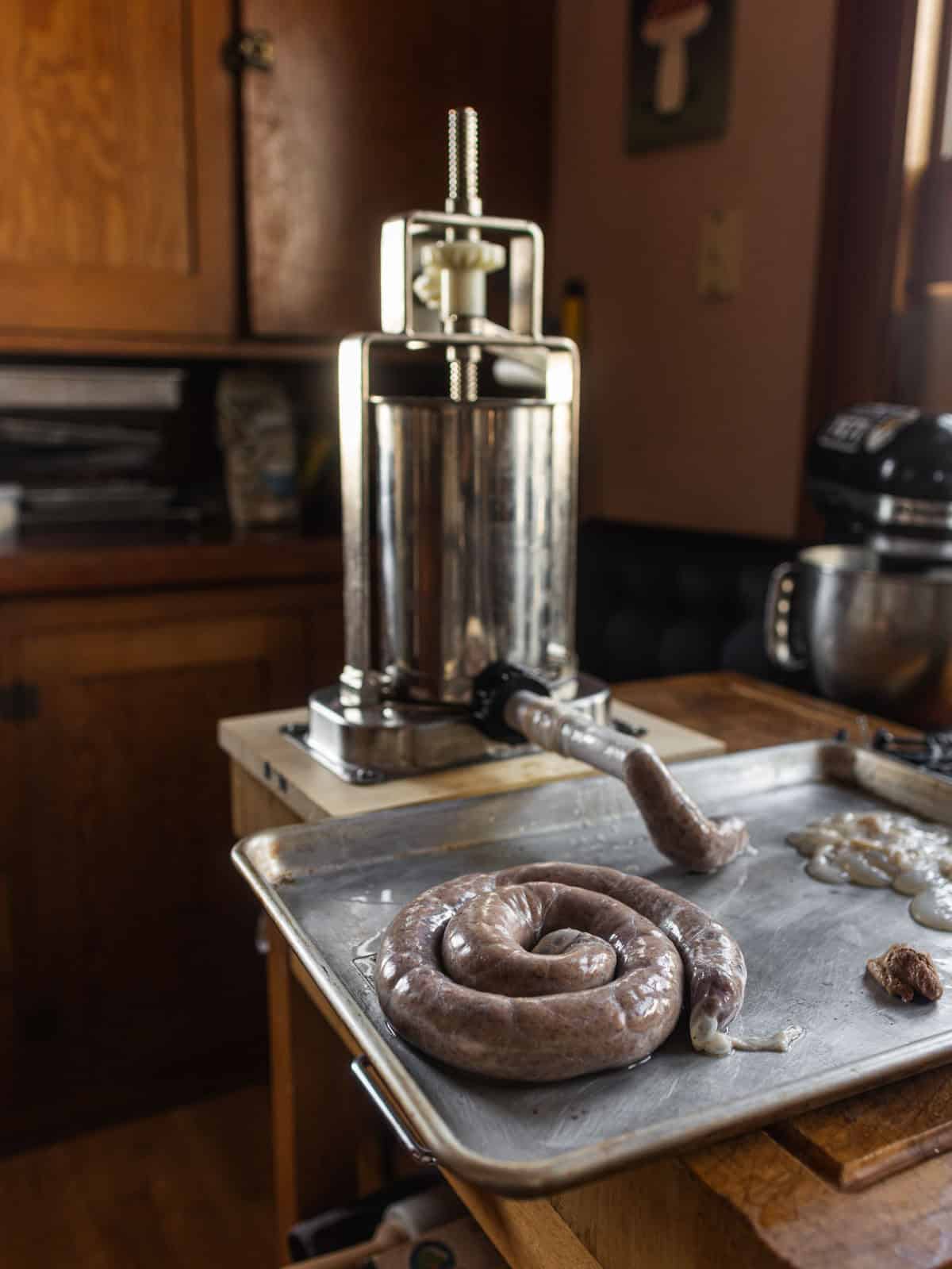
The sausages can be frozen right away after packing, but I often leave them in the fridge overnight to dry out a bit, which makes them brown like a dream.
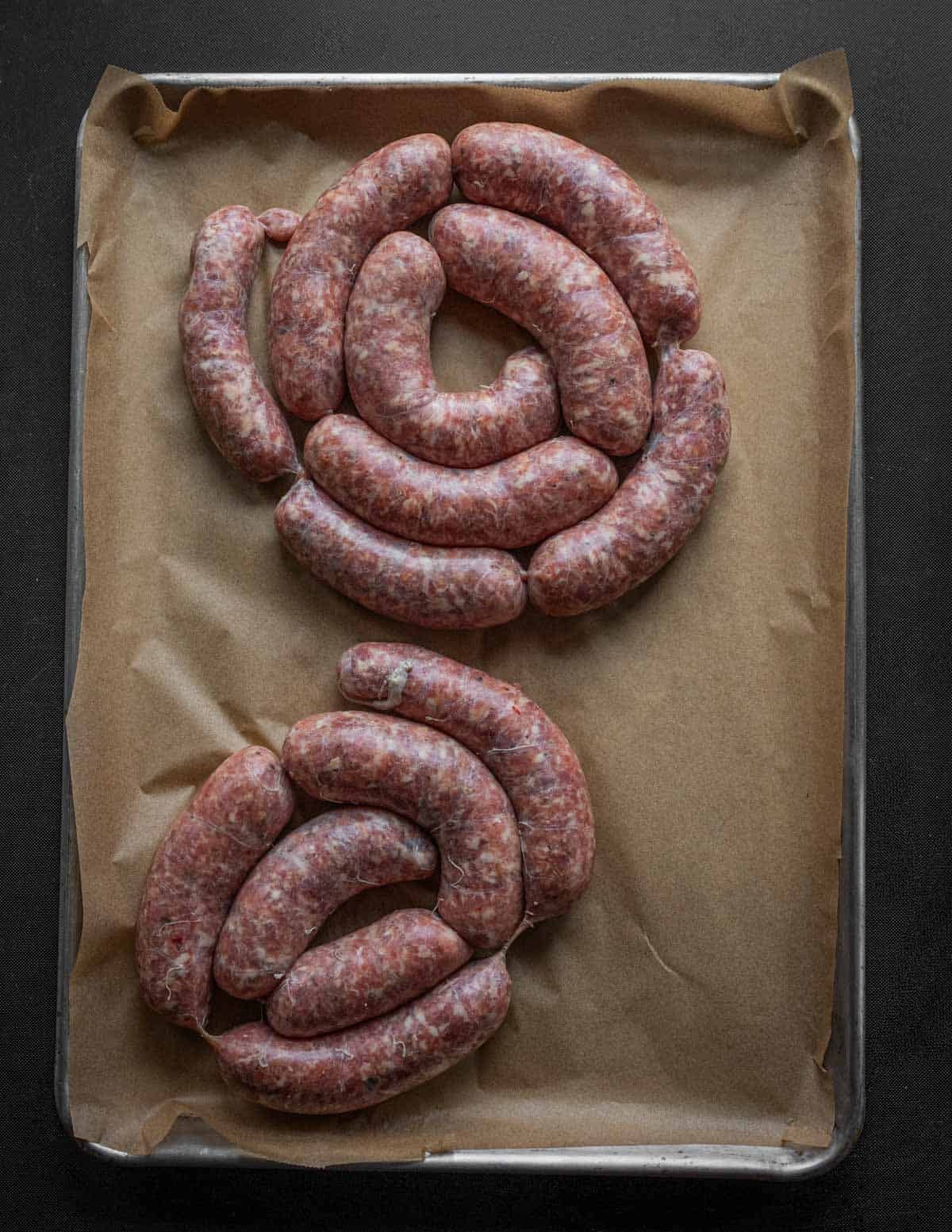
Once the sausages are packed into casings and twisted to form links it's a good idea to inspect them for air-pockets. You can use a sausage pricker, needle, or a cake tester to remove air. This is optional and won't affect the finished product that much, but is something I usually do.
Chef's Tips
Using different types of fennel is the most exciting way to change the flavor. The best I've had is wild fennel from the West Coast. It has an intense, savory note and is a bit sweeter than conventional.
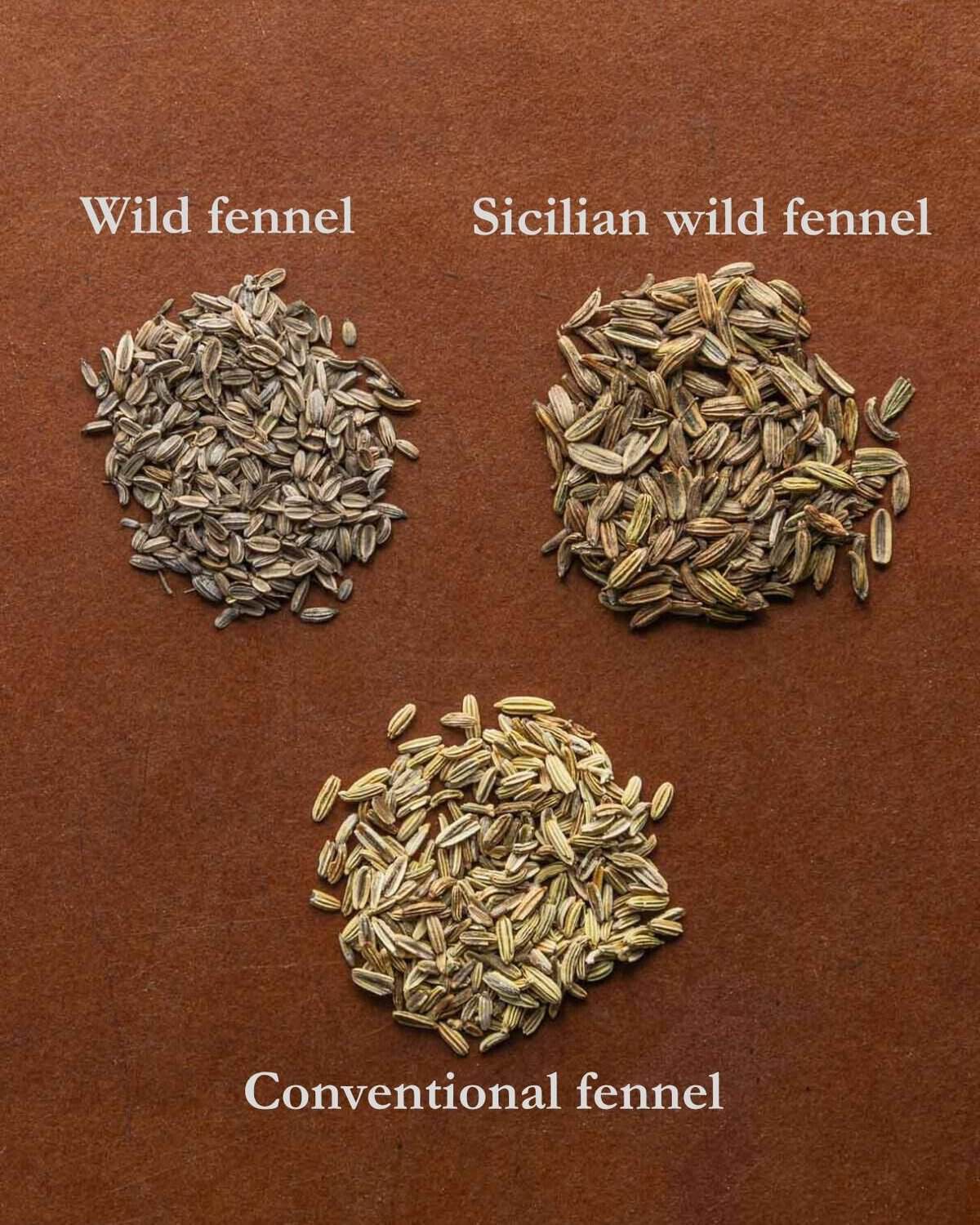
A good compromise is bronze fennel, which is somewhere in between the two, and very easy to grow.
Unlike other charcuterie, this recipe does not use instacure or pink curing salt. It's a fresh sausage, and as such it has a shorter shelf life of 3-4 days in the fridge.
How to Use it
This is an extremely versatile sausage useful in everything from meat sauces to lasagna, pasta, pizza, stuffing, fillings, soups and more. I usually dream of them as a meal by themselves, grilled whole and lightly charred, served with sauteed peppers and onions, a hunk of sourdough and nuggets of parmesan, all washed down with one of those cheap bottles of Chianti in the grass skirt.

A simple stew of sweet peppers, onions and tomatoes is also easily transformed into a simple sausage pasta. I love farfalle, ziti and penne for this.
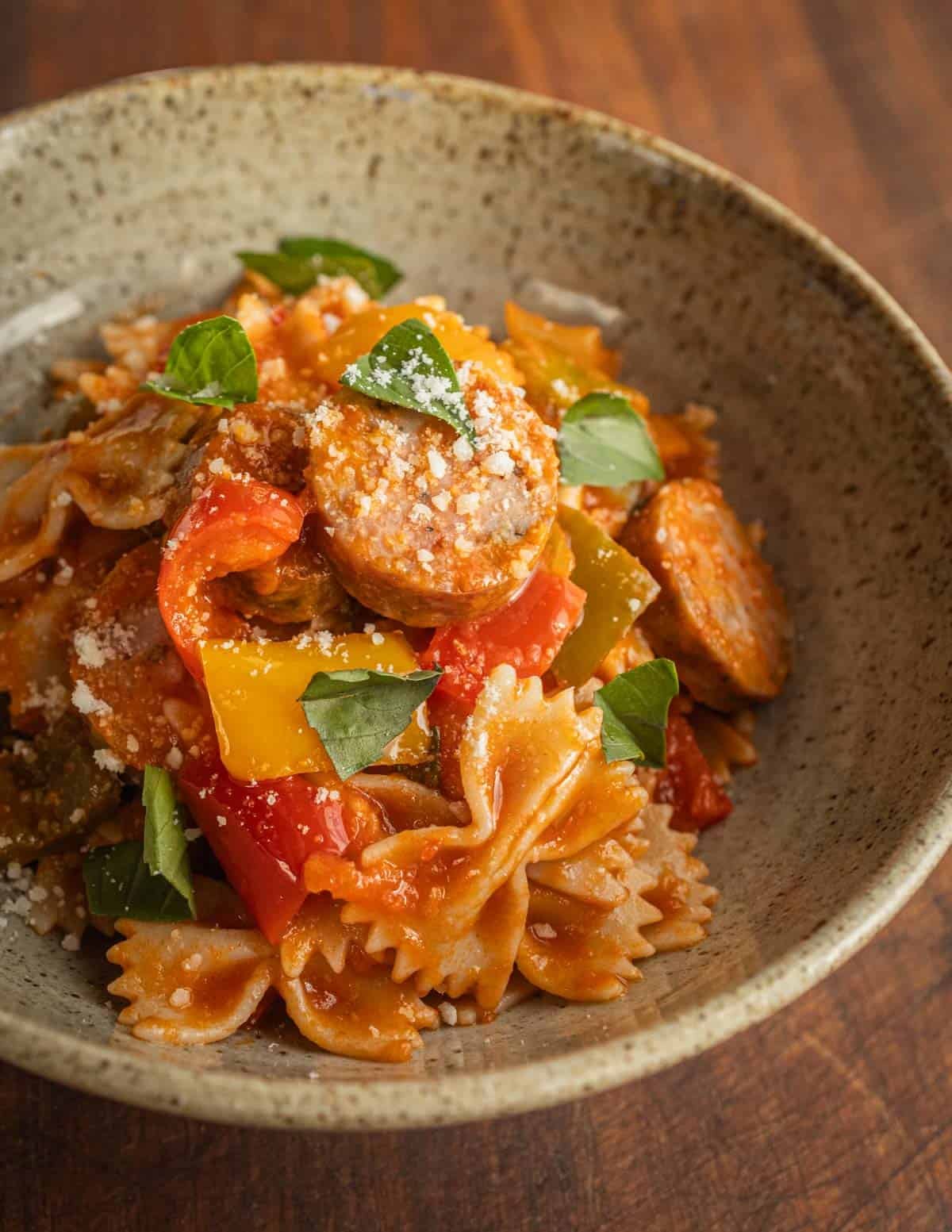
Besides cooking from fresh or using as a loose sausage, another preparation I love is slowly braising the sausages in tomato, often with mushrooms, until they can be cut with a spoon like pot roast. See that recipe here.

Have you ever made homemade Italian sausage or have some notes or traditions to share? Leave a comment if you do.
Related Posts

Italian Fennel Sausage
Equipment
- 1 Meat Grinder
- 1 Sausage stuffer or sausage attachment for a stand mixer
- 1 8 inch chef's knife
- 1 2 gallon mixing bowl or similar
Ingredients
- 5 lbs pork shoulder diced
- 22 g kosher salt (1.3 tablespoons) 1% the meat's weight in salt
- 1.5 tablespoons tellicherry black peppercorns
- 2 tablespoons fennel seed preferably wild
- 1 tablespoon red pepper flakes fresh, see note
- 20 ft natural hog casings contact your butcher or buy online
Instructions
Prepare the Meat
- Separately toast the black pepper and fennel in a dry cast iron skillet until aromatic. Coarsely crush the peppercorns in a mortar and pestle and combine with the fennel, red pepper flakes, and salt.
- Put the meat in a large bowl and refrigerate overnight, covered.
Grind and Pack the Sausage
- The next day, soak the casings in a change or two of fresh water, swishing them around to remove as much salt as you can.
- Freeze the meat for an hour to firm it up, this is optional, but improves the texture of the finished product and protects against the meat smearing in the grinder.
- Grind the meat through a medium die of a meat grinder, then chill while you clean the grinder parts, and set up a sausage stuffer attachment or a dedicated stuffer.
- Cook a small patty (1 oz or so) in a pan and taste the sausage, if you want to adjust the seasoning for heat, fennel, or salt, knead in a bit more and repeat with another test patty until you like the flavor.
- Wipe the stuffing tube with water, then thread the casings onto the stuffer attachment or stuffer, leaving the end untied to prevent air pockets.
- Pack the sausage into casings, twisting them to form links.
Storing
- As it's an uncured sausage, it will have a shorter shelf life than others. It'll only keep for 3-4 days in the fridge, so I prefer to make it in advance and freeze it so it's ready in a flash.
- Wrap the sausage in butcher paper, then vacuum seal, label, date and freeze until needed.
- The sausages can be grilled, sauteed, braised, or cooked loose for crumbled sausage. When preparing whole links, cook them to 150 F internal temperature and allow to rest for at least five minutes before slicing.
Leave a Reply