
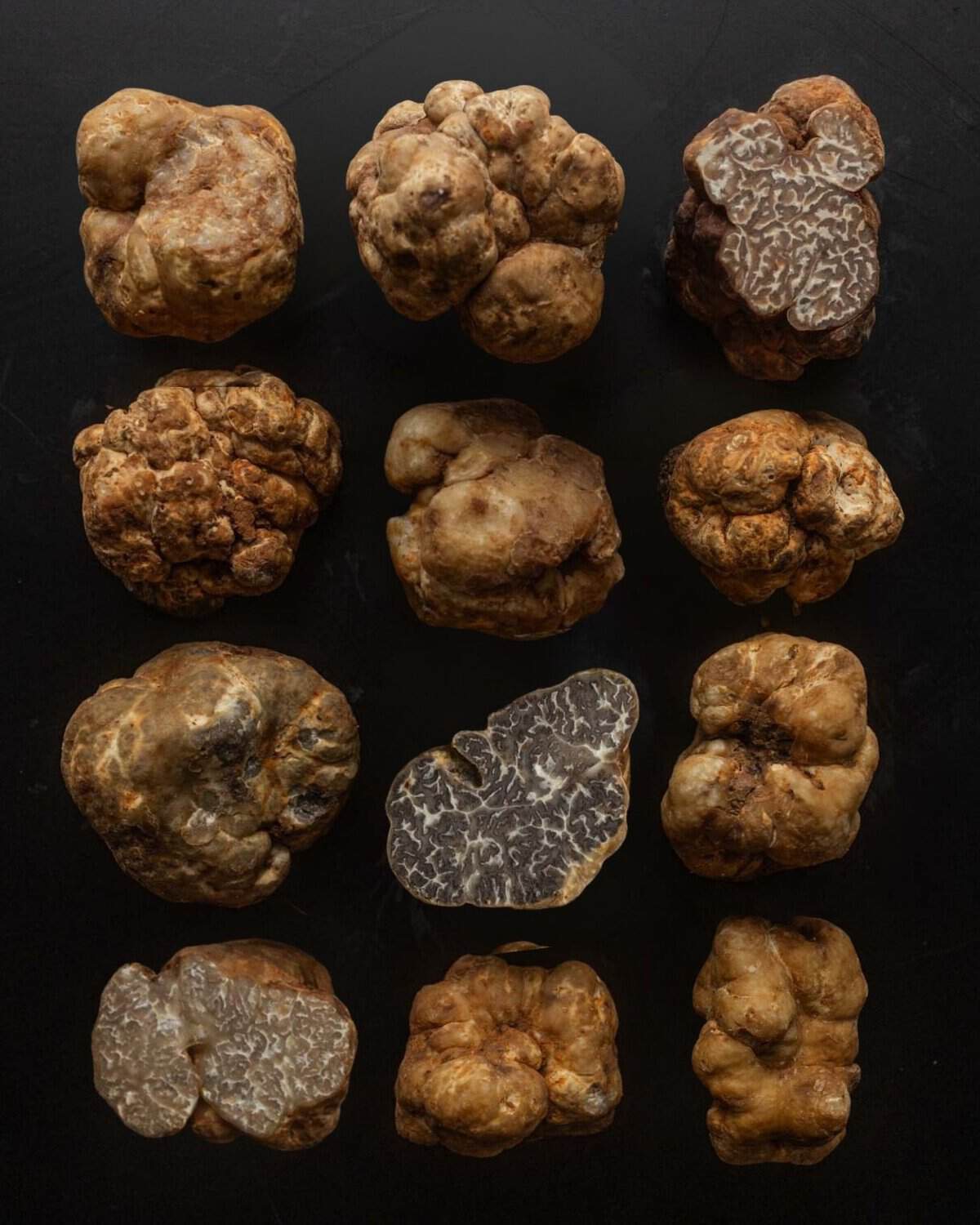
A new species of truffle from China referred to as the Silken White Truffle, Tuber panzhihuanense is one of the more interesting things I've eaten in a while, with a complex flavor of peat smoke, mushrooms and goat cheese. Today we'll go over what little I know about its history tasting notes, and a few ways I've been using them in the kitchen.
Background
The words "Chinese truffles" don't carry the best reputation. Until I tasted the truffles in this post, all I knew was the reputation for tasteless, prematurely harvested truffles unearthed with rakes in China. That reputation should change as more Asian truffle species are described and, (presumably) dogs are used to harvest truffles at peak aroma.
Truffle science is burgeoning around the world. At the time of writing, there's now over 60 species of truffle identified in China alone. Out of the ten new species of white truffle discovered in China from 2010-2011, Tuber panzhihuanense is thought to have the best commercial potential.
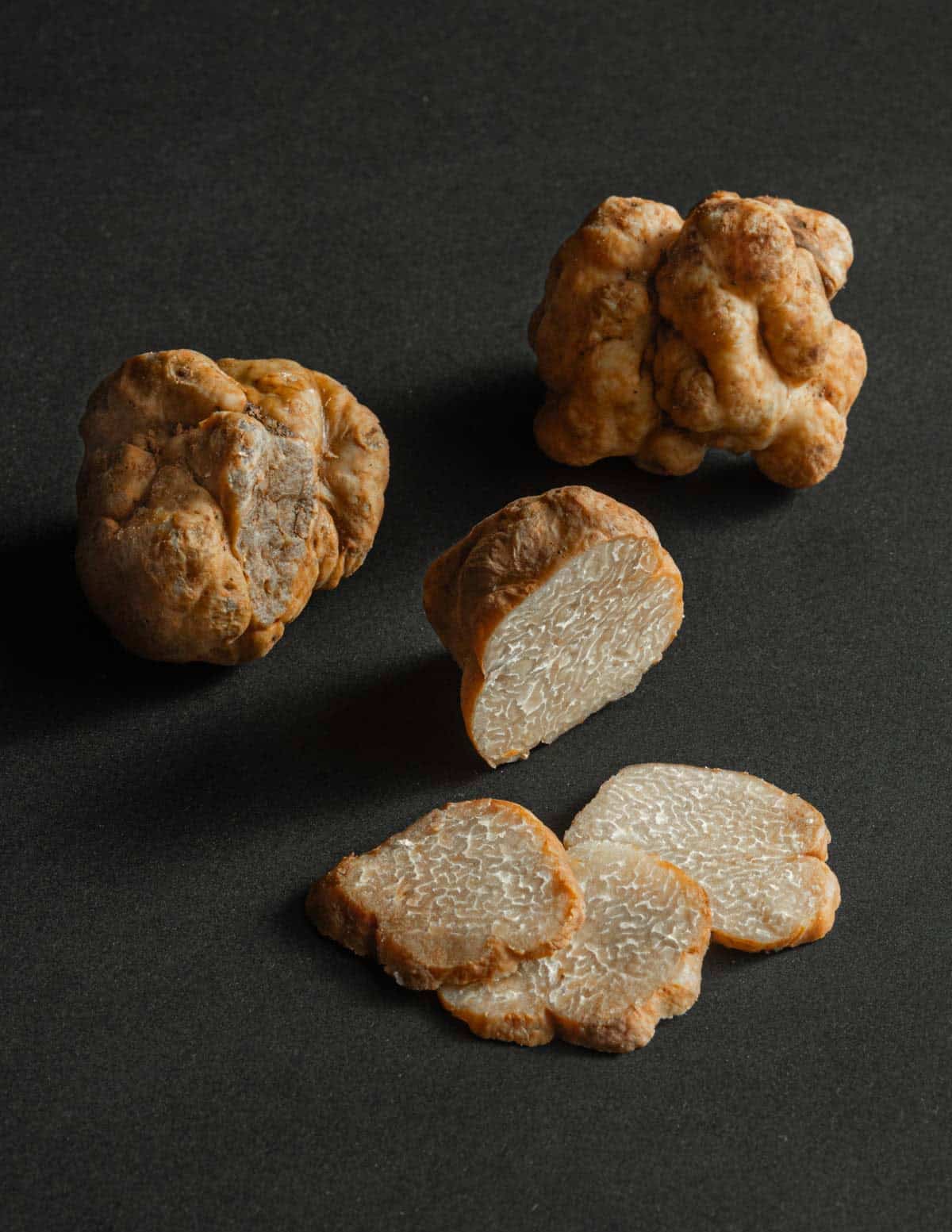
Named for the Panzhihua province in Southern Sichuan where it was found, T. panzhihuanense has a symbiotic (mycorrhizal) relationship with trees, specifically Yunnan pine in limestone-rich soil. It's a cold weather truffle, with a season overlapping with winter black truffles from Europe, being available from October through February or March.
While they're technically a white truffle in the genus Tuber, they're nothing as strong as Tuber magnatum pico, the Alba White Truffle, which, as you might expect, is reflected in the price.
My friend Besart at Trufflecart.com has T. panzhihuanense listed at ~$400 per pound, where the Alba truffles will be around $2500-3000 per pound. While I've seen online claims that the T. panzhihuanense's endangered, their presence on the commercial market makes me skeptical of that. If you have more information there, let me know.
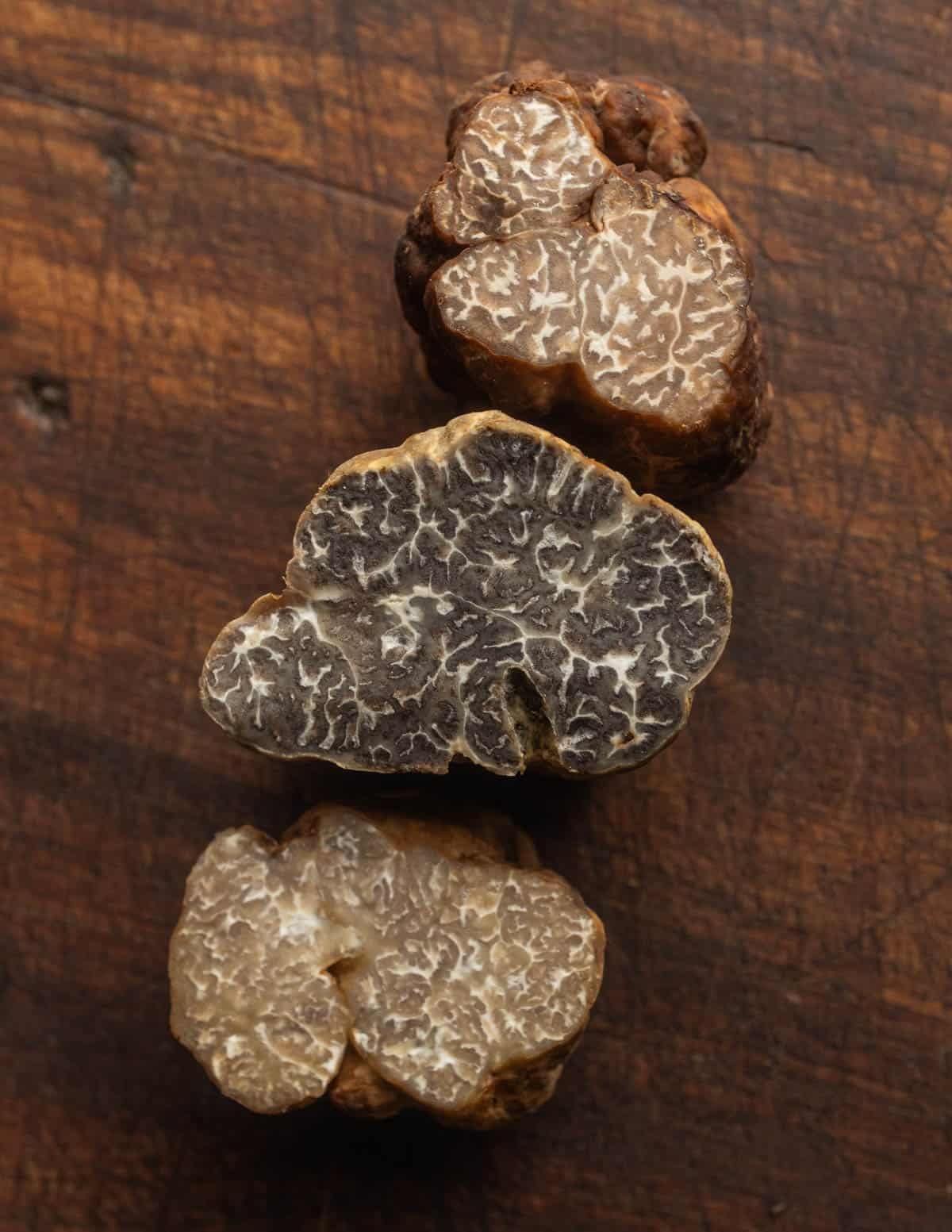
It's not just China either. The King of Bhutan is hiring a friend of mine to locate species in Southern Asia, and another friend found a new edible species in Minnesota last year.
What Does it Taste Like?
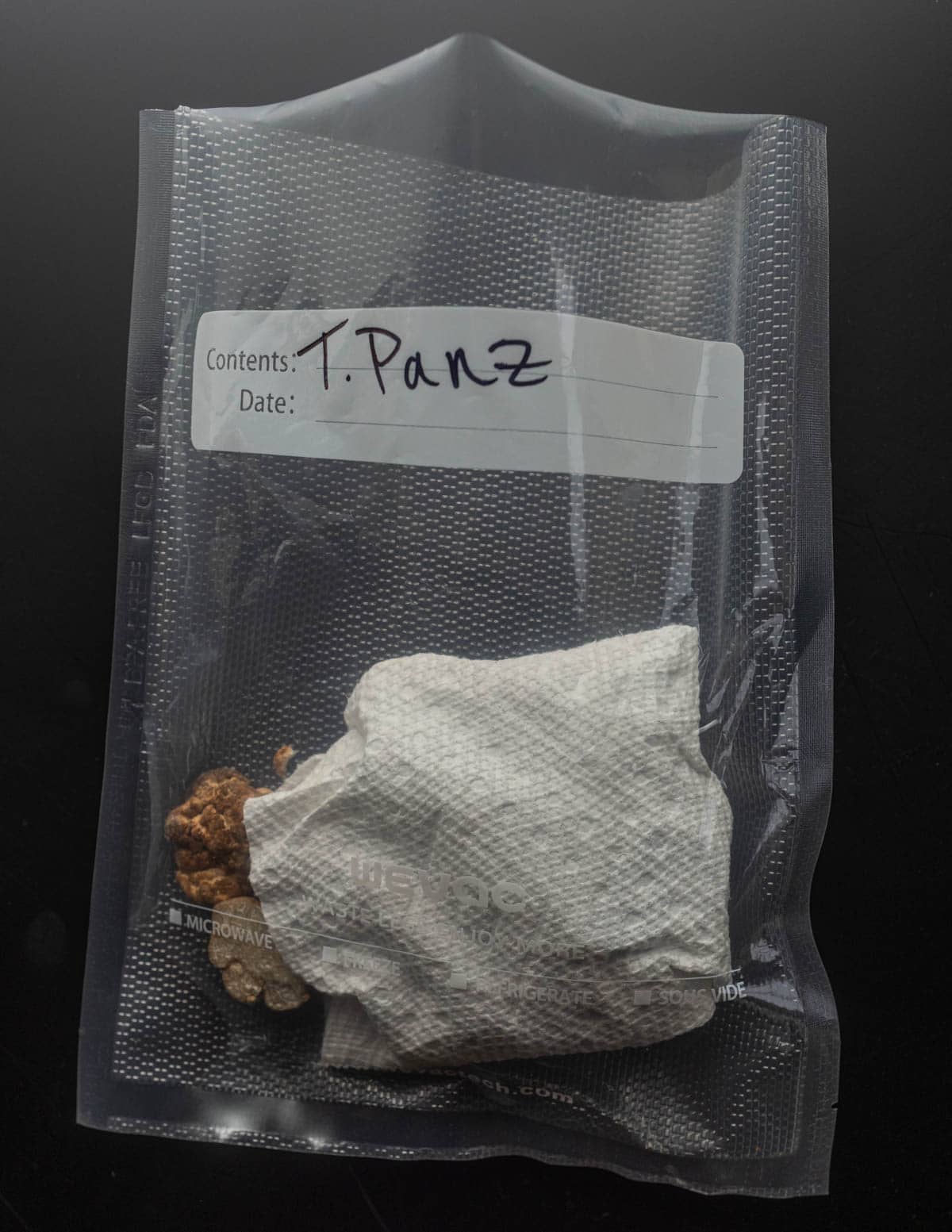
At least at first, T. panzihuanense is a roller coaster of flavor that won't be for everyone, and that's ok. Opening up a vacuum sealed bag of them released a strong chemical odor of ammonia, which also happens with other some other truffles like the Bianchetto (Tuber borchii). But, just like wine, the truffle's aroma will transform over time as they're allowed to beathe and off-gas, as it's called.
After the initial ammonia scent dissipates their true flavor appears, but also changes with time. For the first week, the flavor was a blend of peat smoke similar to some winter black truffles, mingling with a cheesy funk that reminded me of goat milk, followed by a mild, buttery, mushroom aroma.
A week after receiving, the ammonia scent was gone and the truffles didn't need to breathe before using. The scent of peat smoke moved to the background, with the mild mushroom-funk aroma in the forefront. The caveat was that, for better or worse, the aroma at large wasn't nearly as strong, which is to be expected after a week.
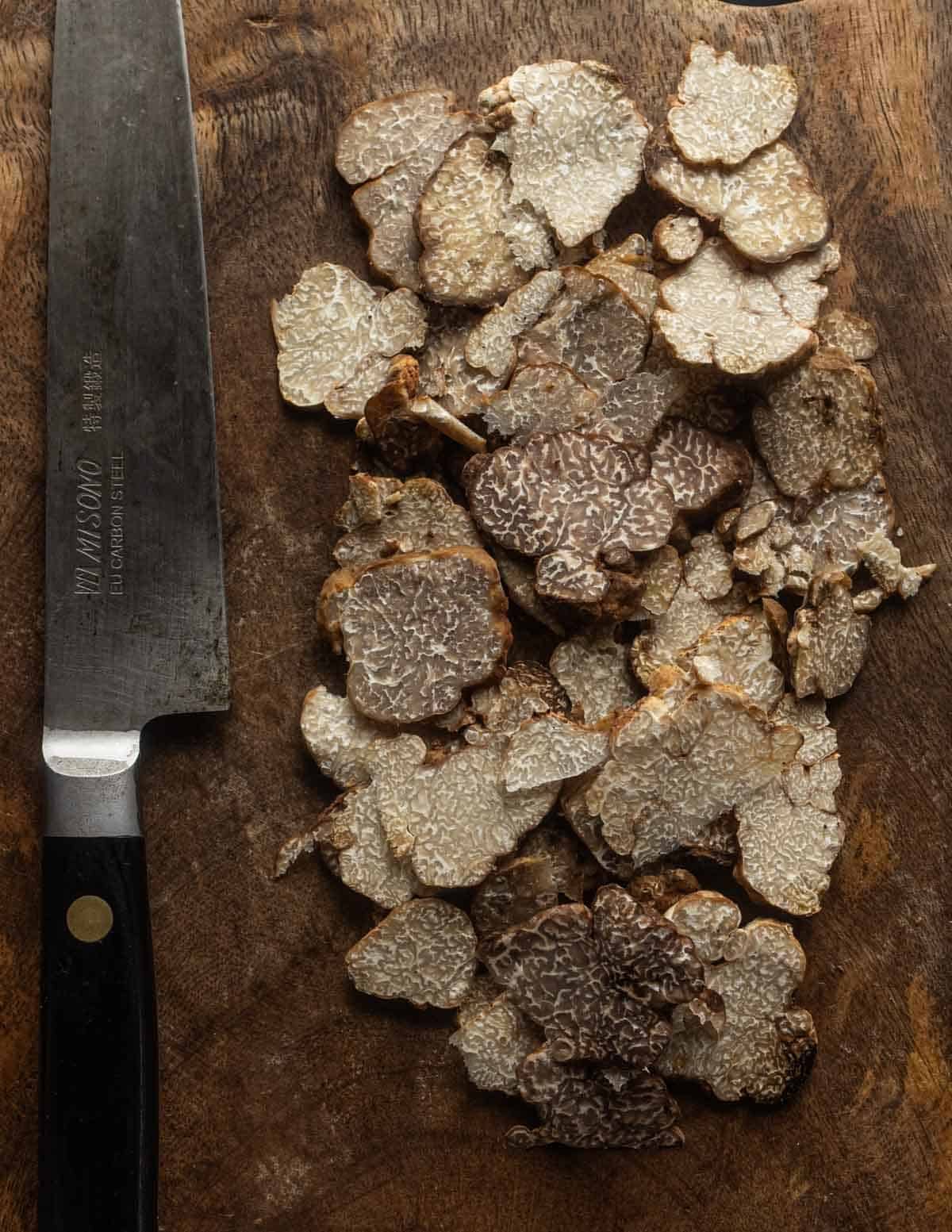
In the end, I think the most important thing to take into consideration with this species is that they need to breathe for their true flavor to develop more than any other truffle I've tasted. 15 minutes at room temperature is usually sufficient.
General Cooking and Tips
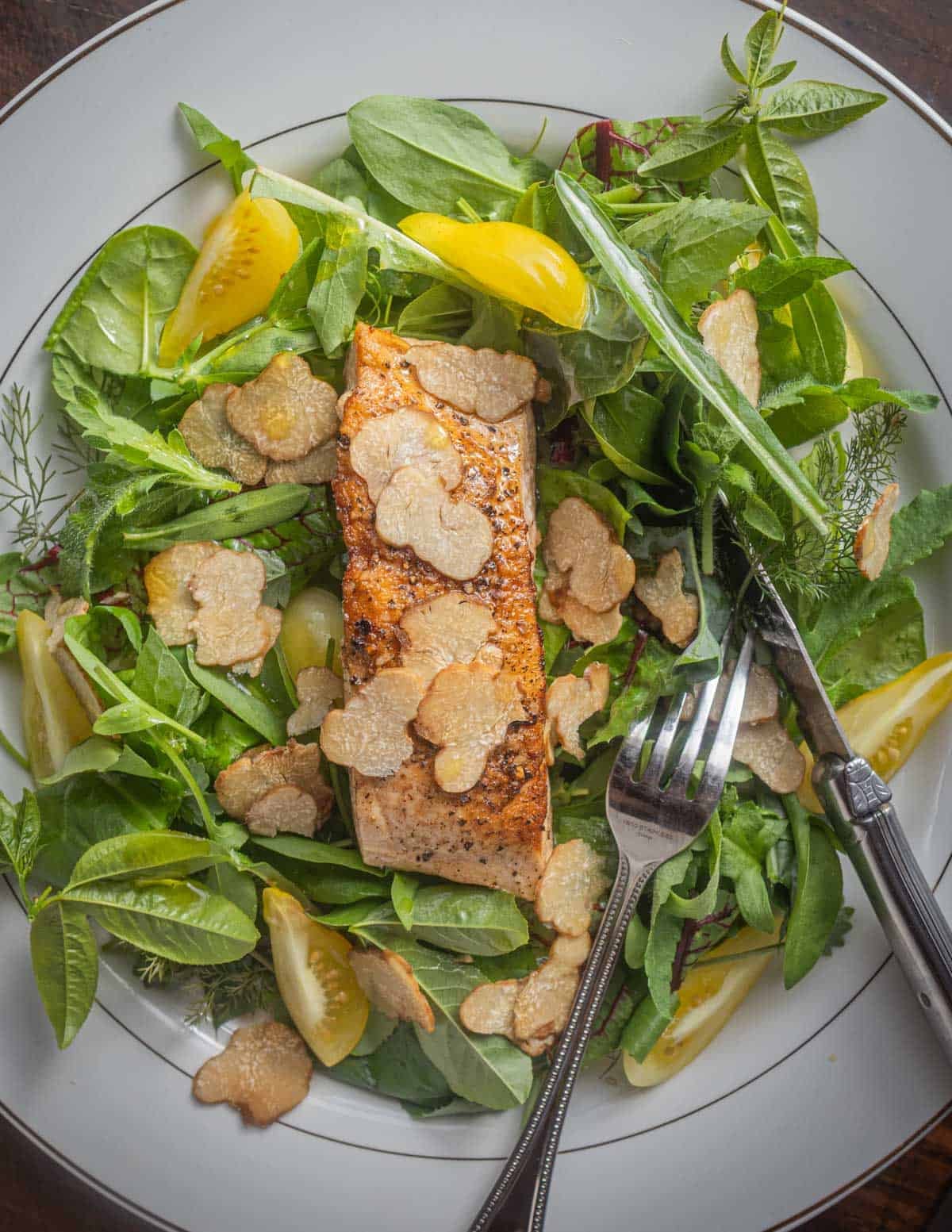
In a general sense, T. panzhihuanense can be used like any other truffle, with the exception of desserts. These are a savory species for my tastes, and I'd forget about making truffle Ice cream or dairy-based desserts. Instead, think mild cheeses, eggs, potatoes, cooked cabbage, or fish.
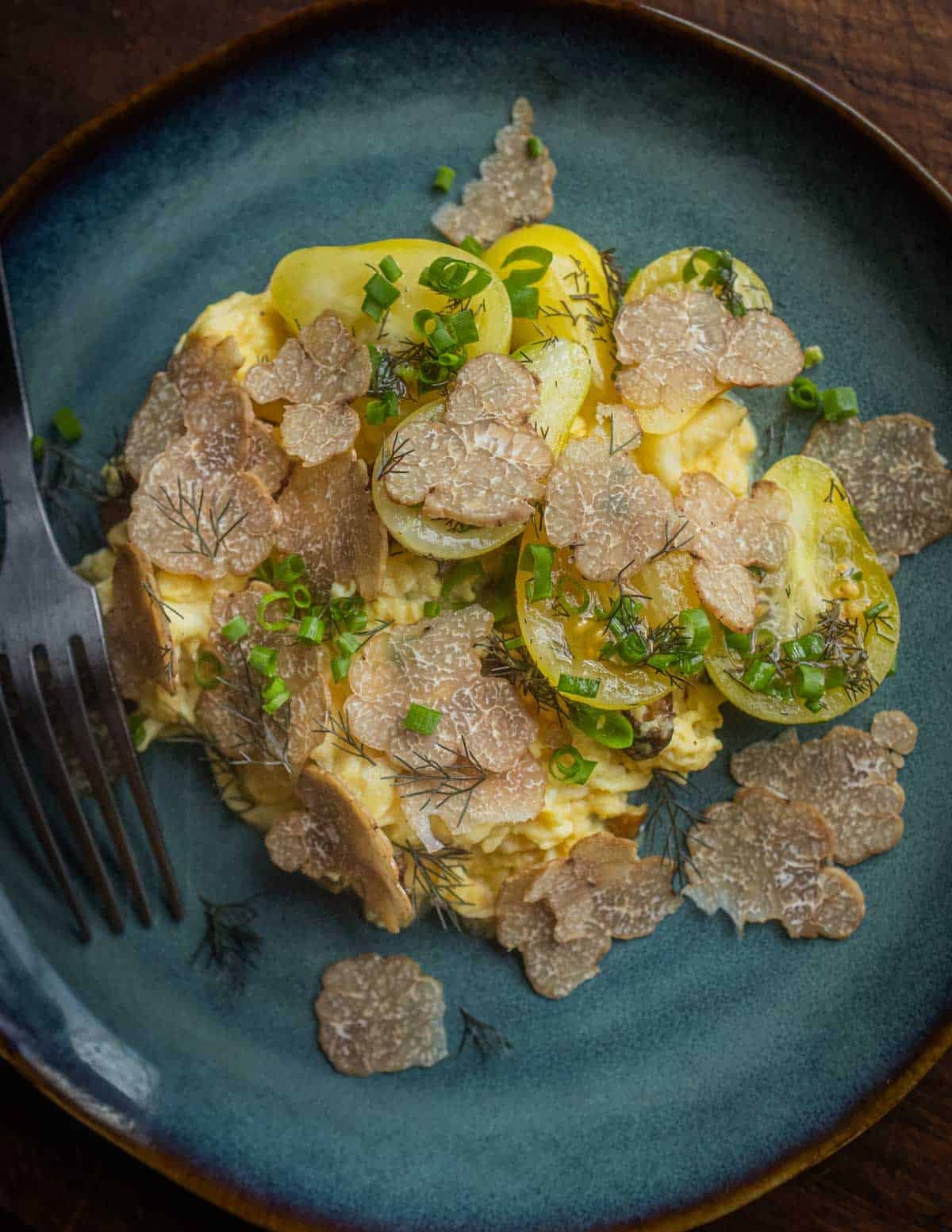
After the peat smoke aroma had mellowed, they had a mild, buttery mushroom flavor very similar to Tuber borchii, but less potent. I enjoyed them just about anywhere I'd use a mild-tasting white truffle.
Storage
Like other fresh truffles, they should be stored in a sealed container with a paper towel to absorb moisture that should should be changed every 1-2 days. Expect a shelf life with peak aroma for about 5-7 days. If they're very fresh, they could last up to two weeks but the aroma will be weaker.
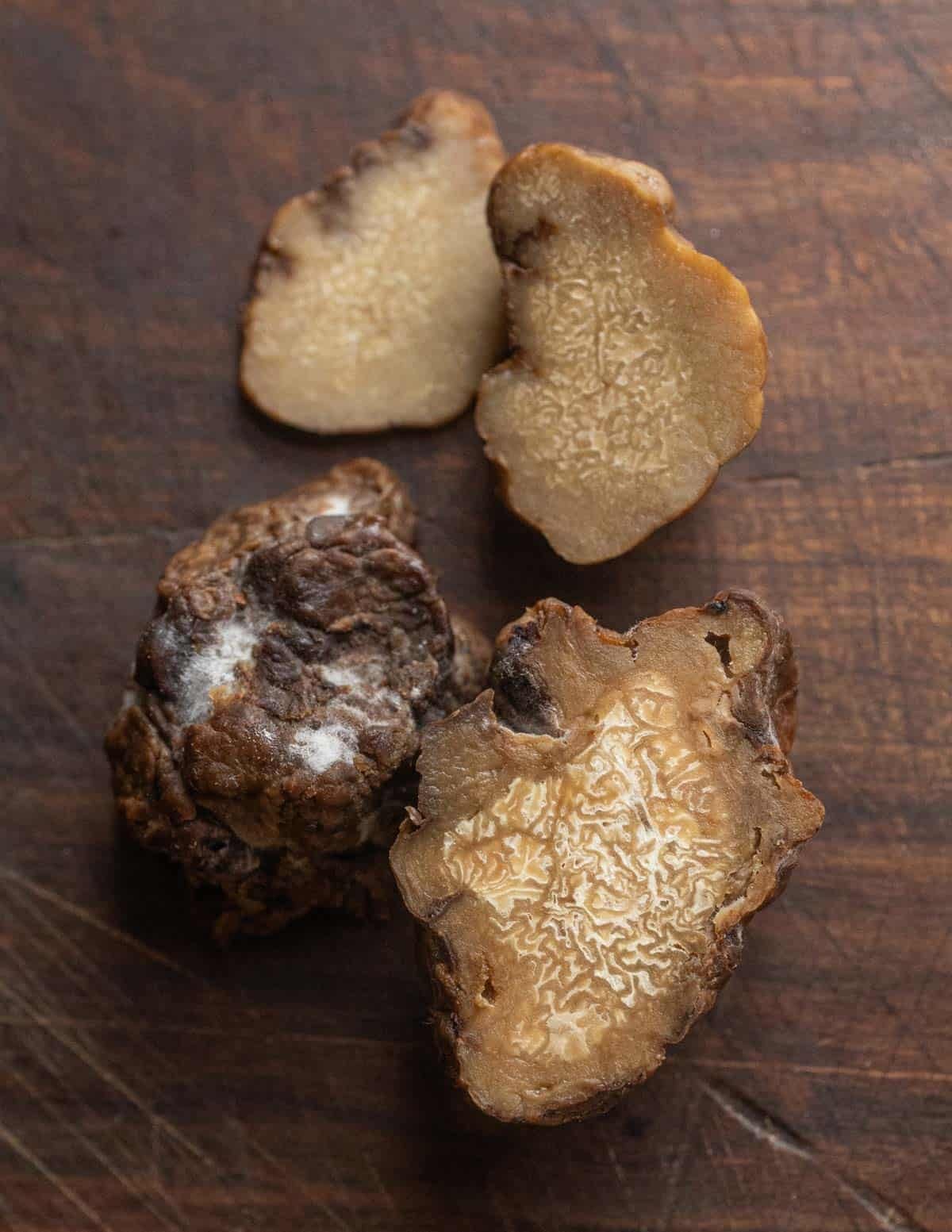
Past prime truffles will have their gleba start to turn opaque, starting around the edges. They can become slick, wet, or develop mold, as shown below. If you receive truffles in that condition, contact the supplier for a refund or replacement, with pictures.
Preservation
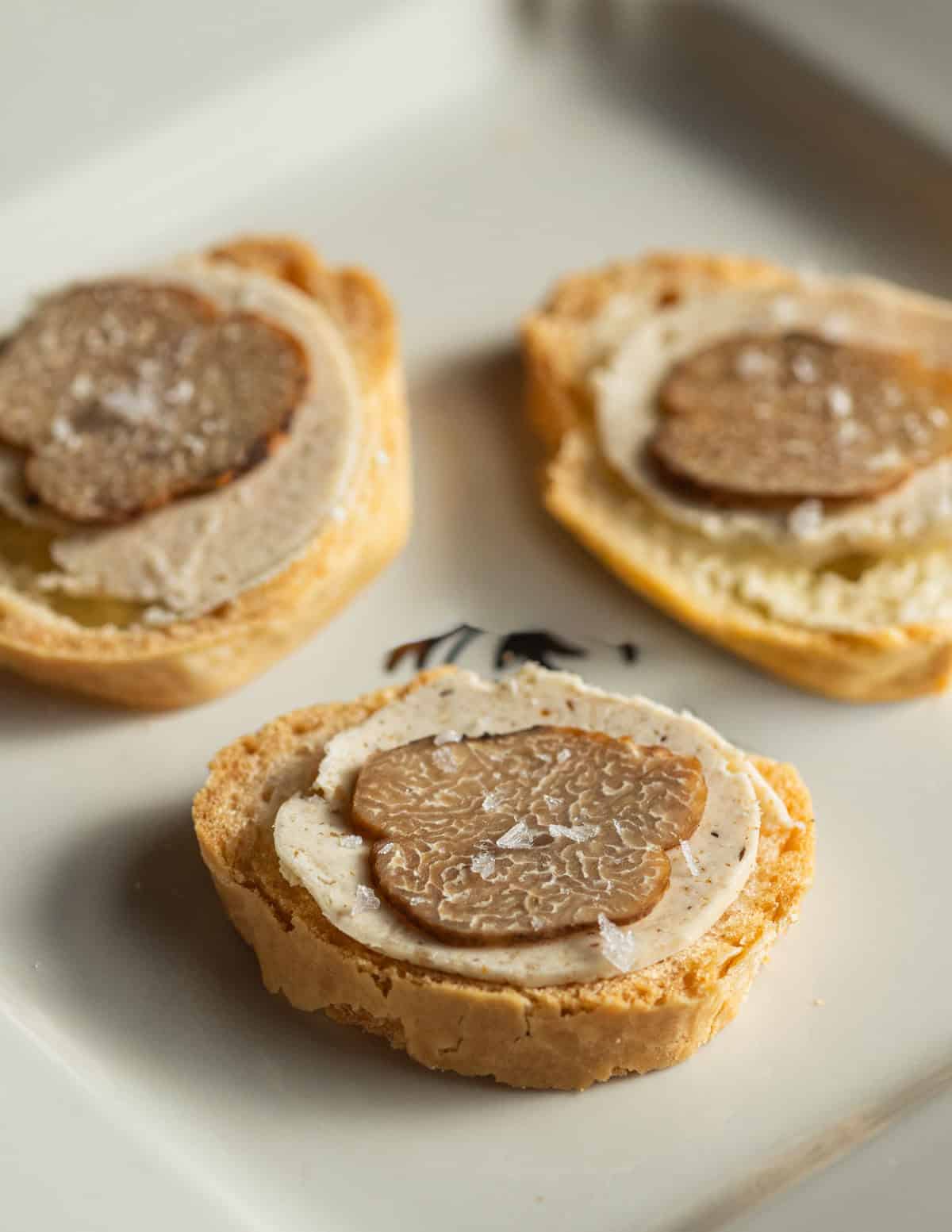
When the truffles came in the mail, the first thing I did was make truffle butter to preserve the flavor at its peak and store in the freezer. With Tuber panzihuanense, this made a butter that tasted mostly of peat smoke followed by a goat funk so intense I struggled to find ways I enjoyed eating it, at least at first.
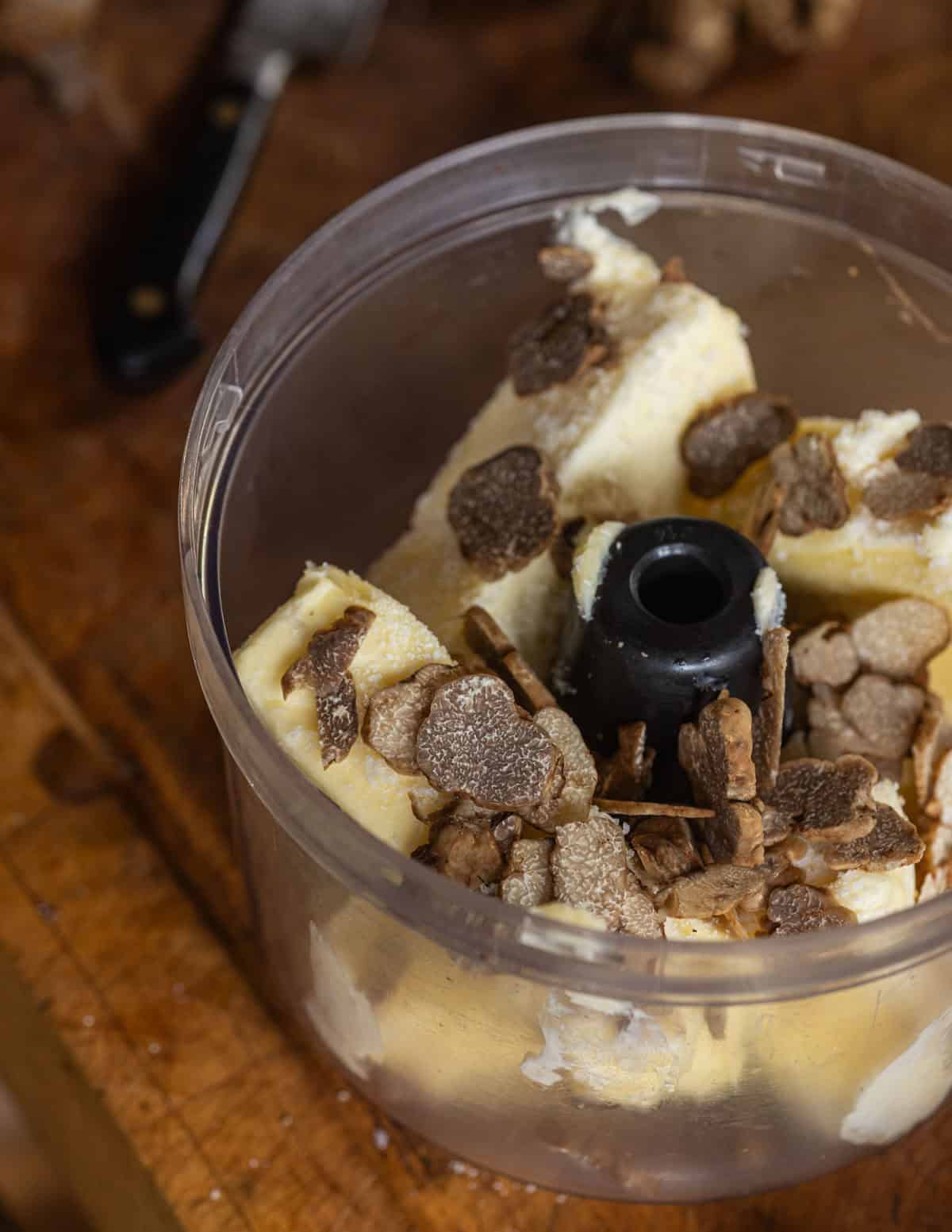
Leaving the butter in the fridge for a few days prior to freezing worked wonders, and what's left was a mild, pleasant truffle butter with notes of cheesy mushroom, and less of the aggressive peat smoke taste.
Cooking Suggestions
Here's a few notes of how you might enjoy them, if you have the chance sometime:
Mild, submissive flavors are always good with truffles. Eggs, potatoes, mild fish and cheese all worked well for me.
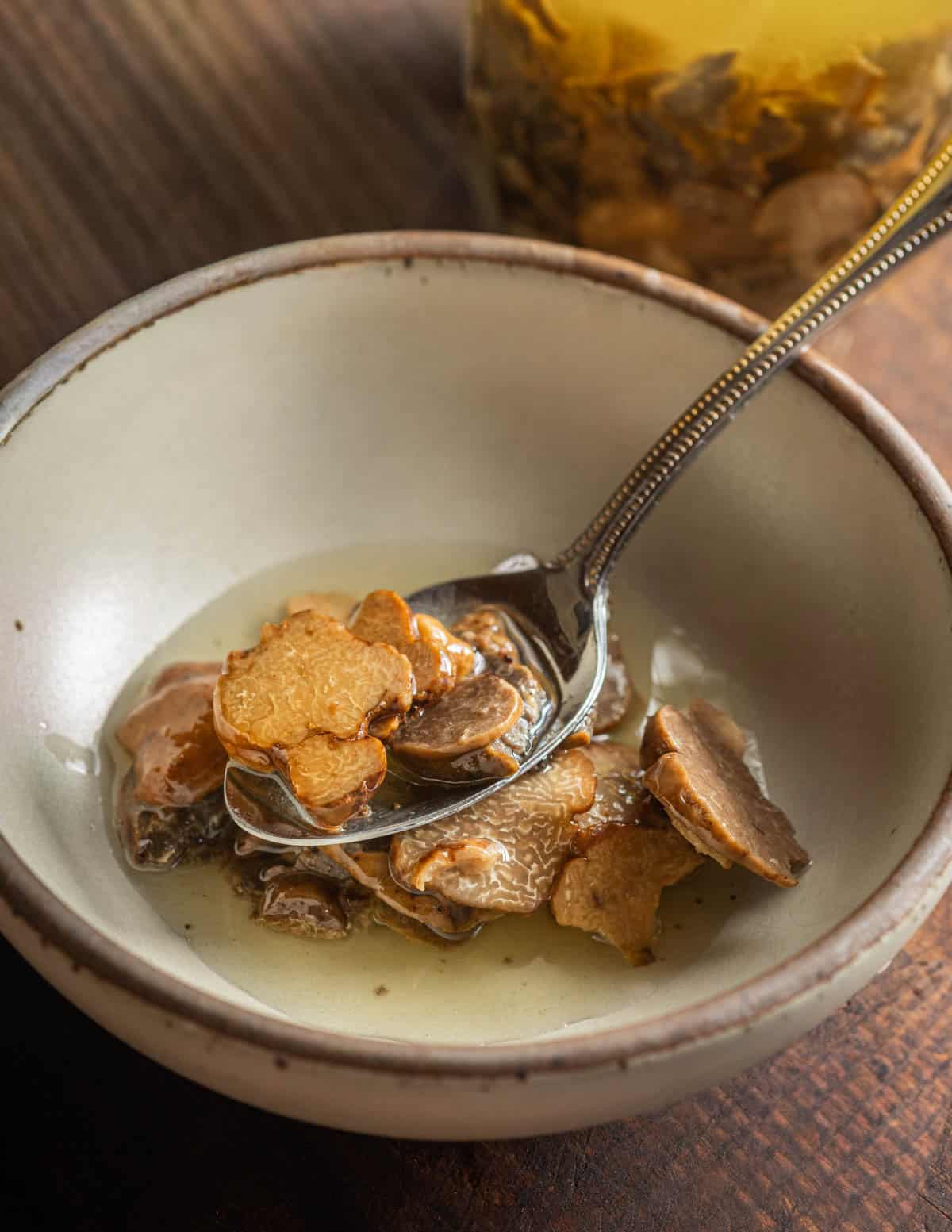
Putting salted slices in oil to make truffle carpaccio preserved the truffles while allowing them to breathe and mellow for a milder flavor. I might like this preparation the best of all.
When very fresh, they can be used with more assertive flavors. While it would be out of place with European species, the aggressive taste could stand up to flavors of some stir fries and traditional Chinese cooking where other, more delicate truffles would be wasted. I'd start with fried rice.
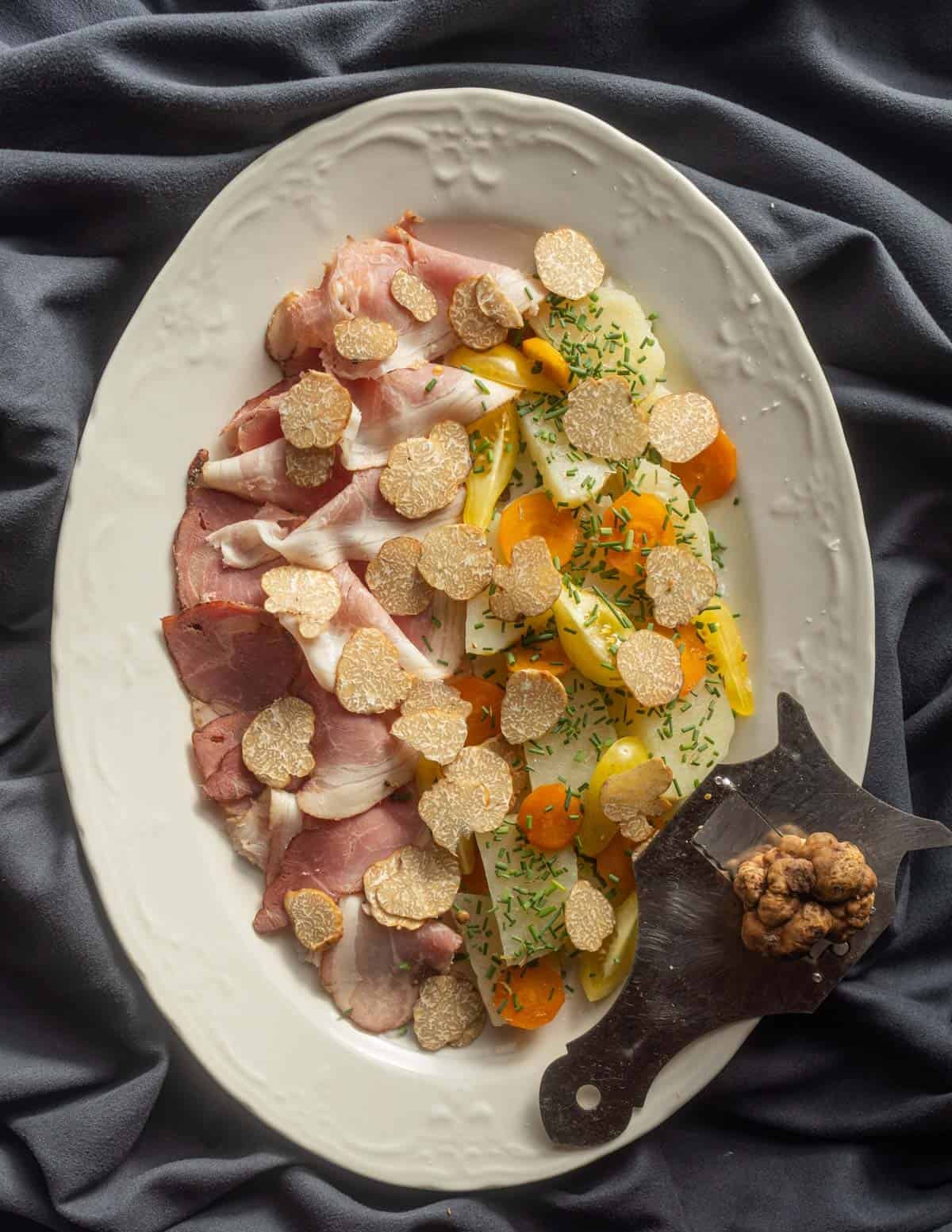
My favorite preparation was a dish I served to the team at Wisconsin Foodie earlier this year: a plate of hot, steamed potatoes and the last of the garden's vegetables with herbs, a pile of shaved, homemade ham, truffles, butter and bread.
In closing, Tuber panzhihuanense is a truffle native to Asia with a complex taste of mushrooms and goat cheese, with an overtone of peat smoke. When very fresh, they have an ammonia-like aroma that needs to be removed before consuming by allowing the truffles to breathe in the open air, like a good wine. In the kitchen they make a good substitute for Bianchetto truffles (Tuber borchii), if you can find them.
Leave a Reply