
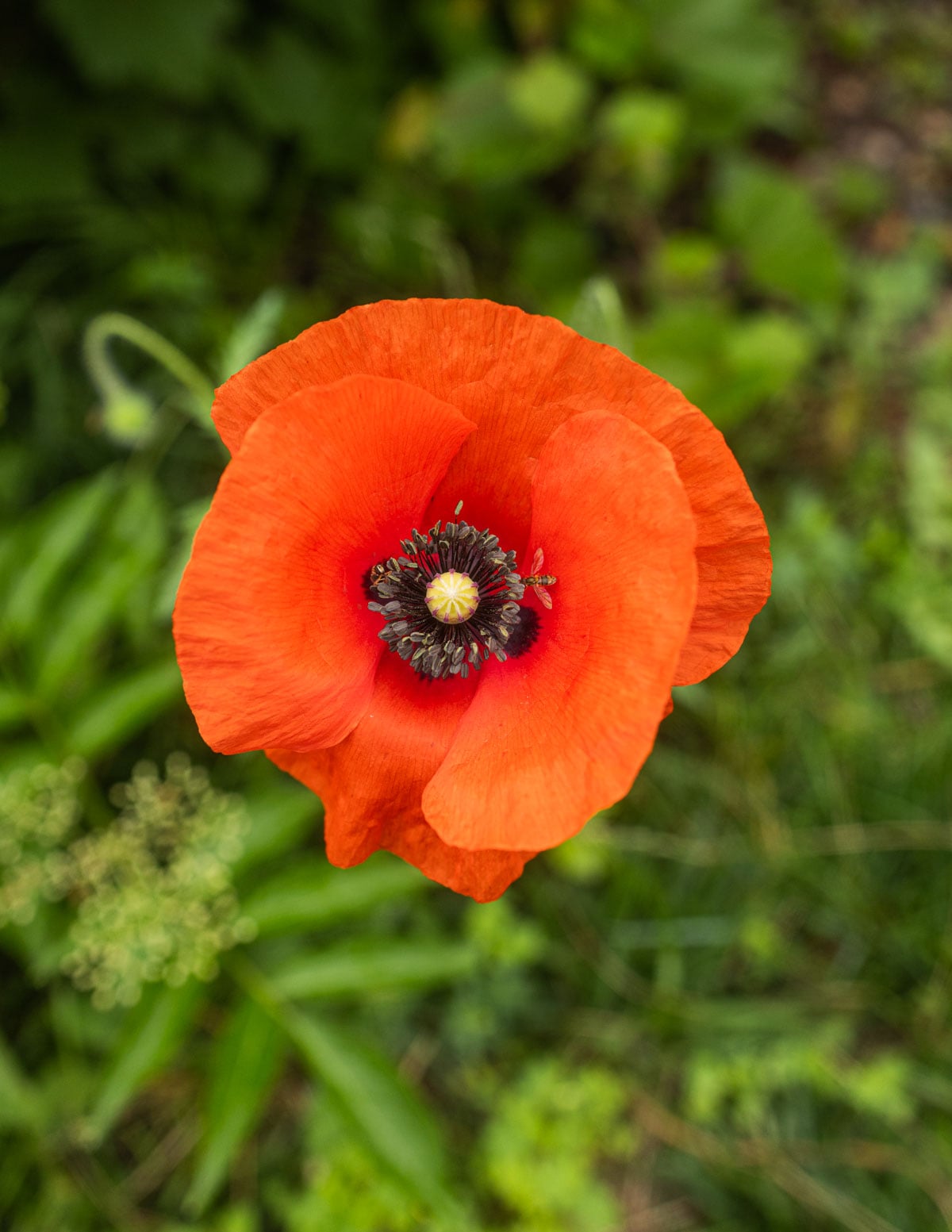
While mostly known for their beautiful flowers and seeds, edible poppies are also foraged as a wild food and easy to grow in a garden. There's many varieties, but the corn poppy (Papaver rhoeas) was the first, and most heavily documented I came across. Today we'll take a brief look at its history and my experience growing and cooking it.
Background and History
Also known as the Field Poppy, the Corn Poppy is an edible, annual flower in the genus Papaver. The poppy family (Papaveraceae) is also home to the Breadseed or Opium Poppy (P. somniferum) grown for its narcotic properties as well as the edible seeds used in baking and confections. It's native to the Mediterranean and Western Europe, found from the Azores east to Spain, France, Italy, Greece, and Turkey.
Humans have a long history with the corn poppy, with medicinal uses dating back at least 2,000 years. It's called out by name as "Mekon Rhoeas" in Dioscorides' De Materia Medica, the ancient Greek book of medicinal plants. Although it doesn't contain morphine, flower petals and other parts of the plant have been brewed to use as a mild sedative.
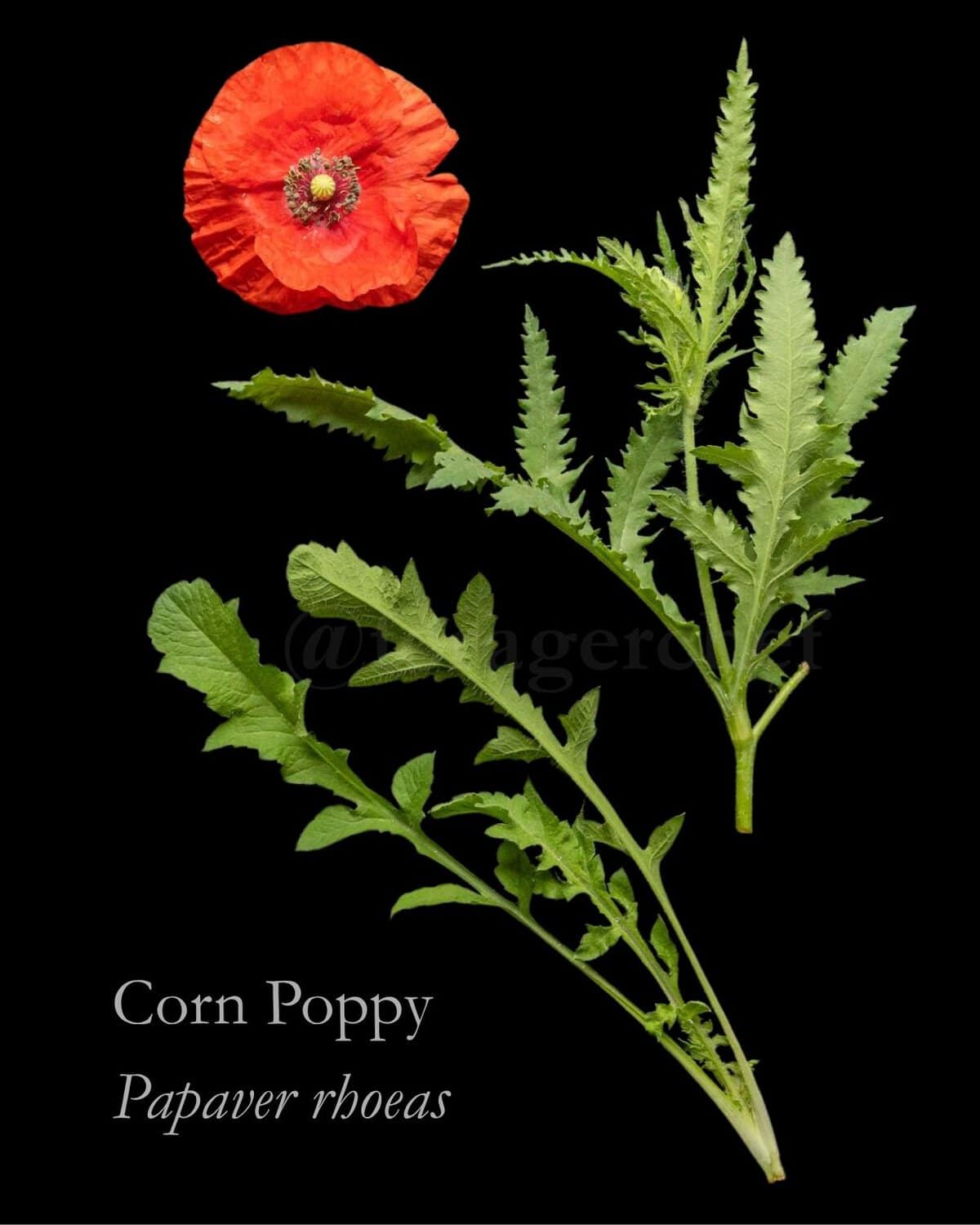
Similar to other wild edibles, corn poppies are a weedy plant of disturbed areas and agriculture, specifically cereal grains like wheat and barley. In addition to the usual country roads, abandoned fields and gardens, there's also historical references to the plants colonizing battlefields. Another common name for the plant is Flanders Poppy, coming from the famous WW1 poem "In Flanders Field".

While corn poppies are said to be found wild in North America, I have yet to read an American foraging book that describes any species in the genus as food. If you have, let me know.
Books focusing on plants from Mediterranean are a different story. I have three books that call out edible plants in the Papaveraceae, one including 8 different species that can be harvested similarly. In each book, Papaver rhoeas is either the only species mentioned, or presented as the most commonly eaten.
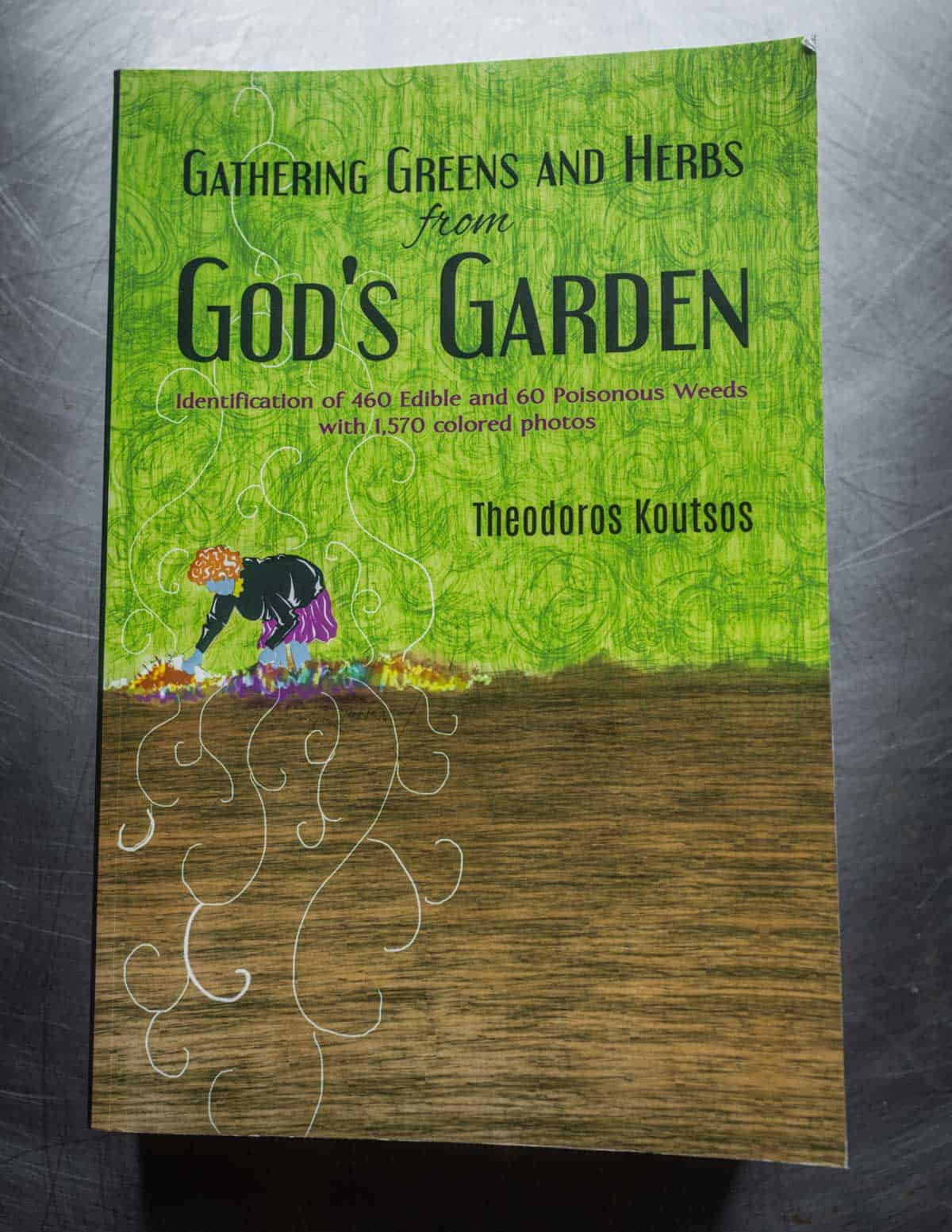
The most comprehensive account I've seen comes from the book "Gathering Greens and Herbs from God's Garden" by Greek Author Theodoros Koutsos.
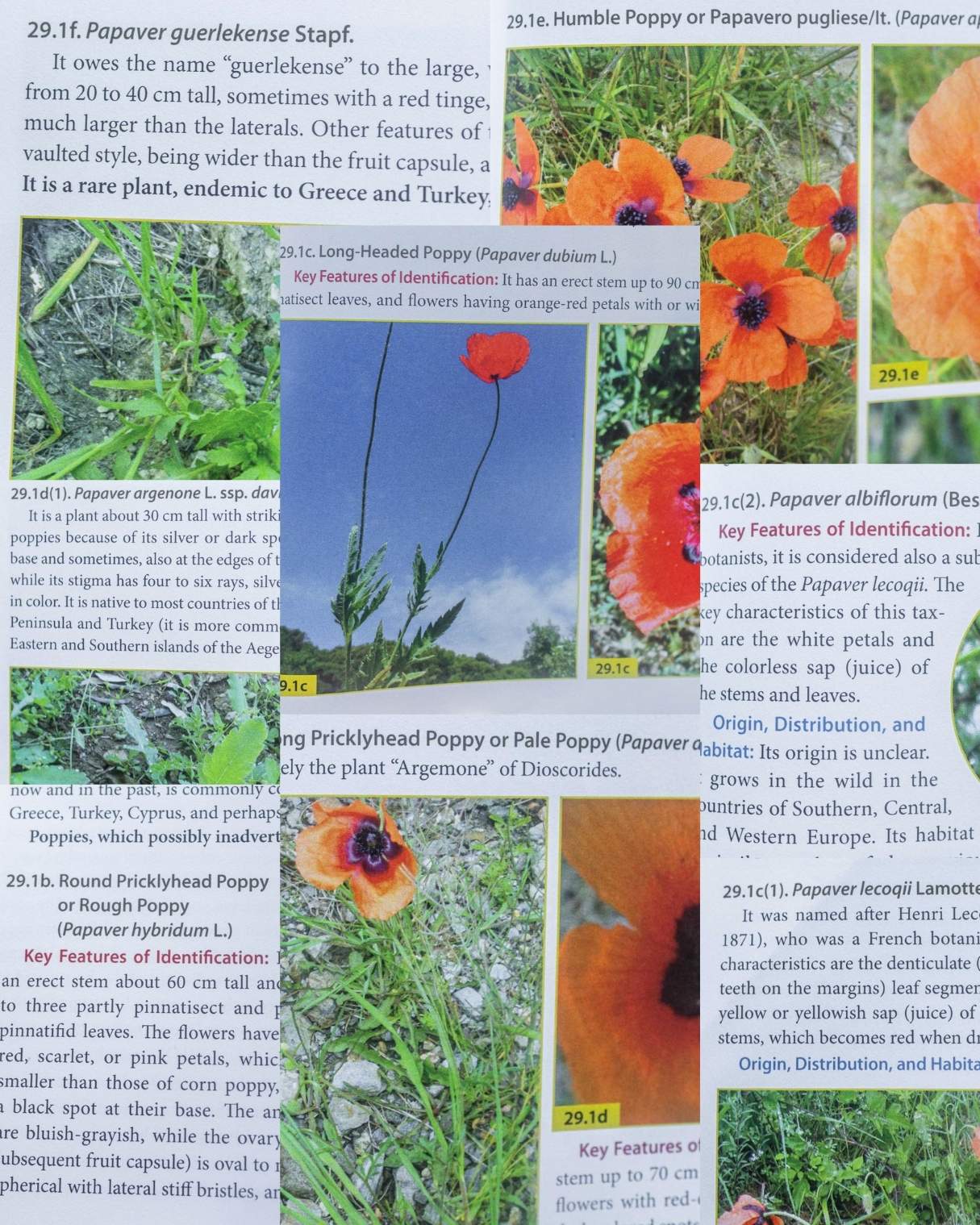
Besides P. rhoeas, other edible species he mentions are:
- Round Pricklyhead Poppy (Papaver hybridum)
- Long-Headed Poppy (Papaver dubium)
- Papaver Lecoqii
- Papaver albiflorum
- Pale Poppy (Papaver argemone)
- Papaver argenone
- Humble Poppy / Papavero pugliese (Papaver apulum)
- Papaver guerlekense
Out of all the information on poppies in the book, my favorite is probably how potential plant toxicity is addressed: simply, and without getting lost in minutia:
"It should also be noted that there are some reports for toxicity of Corn Poppy. On the other hand, there are reports that even the young leaves of Opium and Breadseed poppy are safe for consumption after boiling. Ultimately what is certain is that Corn Poppy, now and in the past, is commonly consumed as a vegetable in Spain, France, Southern Italy, Greece, Turkey, Cyprus, and perhaps elsewhere as well." -Theodoros Koutsos
Growing Corn Poppies
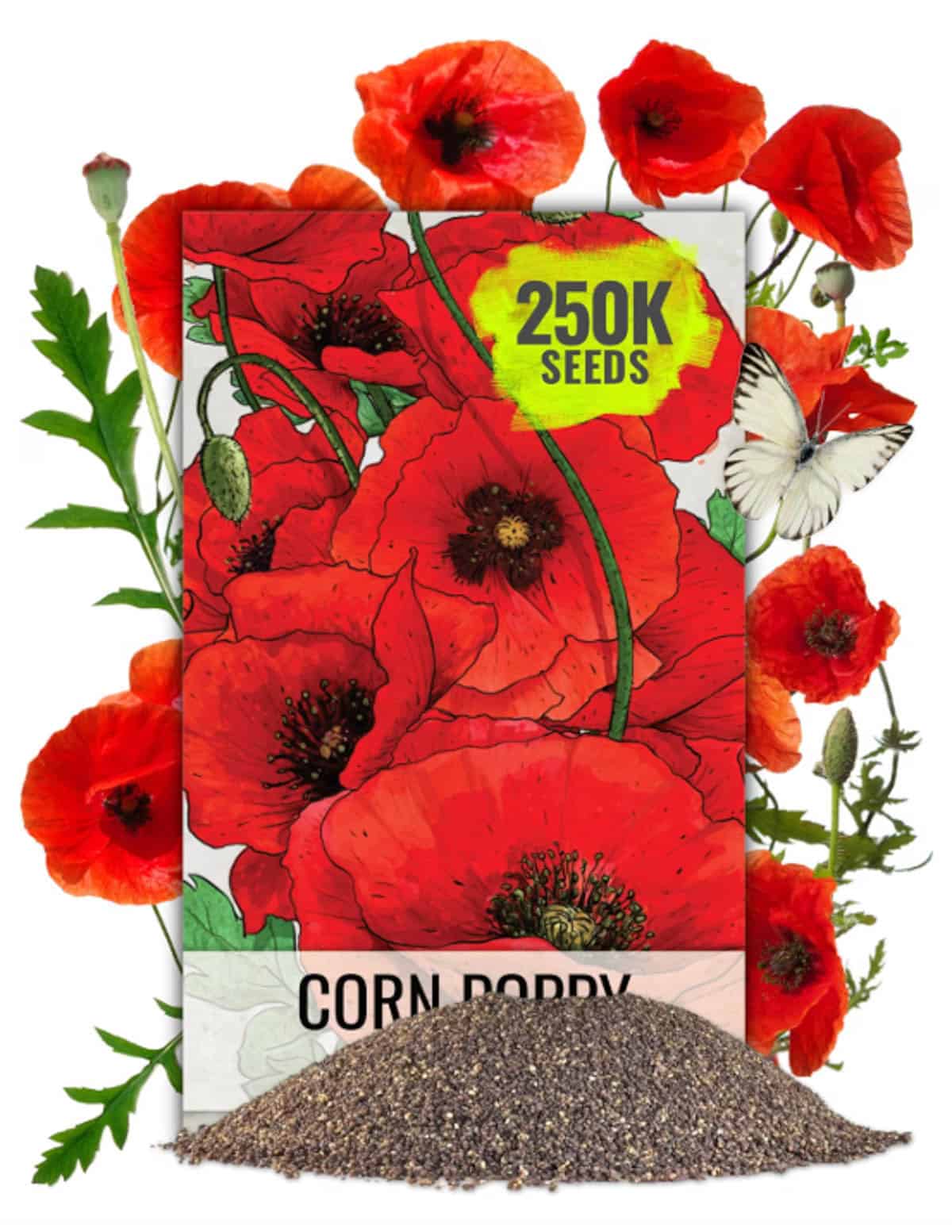
Corn poppies are one of the easiest plants I've grown. The seeds are cheap enough you could plant acres of them, often sold in bulk by the ounce. The packet I bought last year read "250,000 seeds for $9.99".
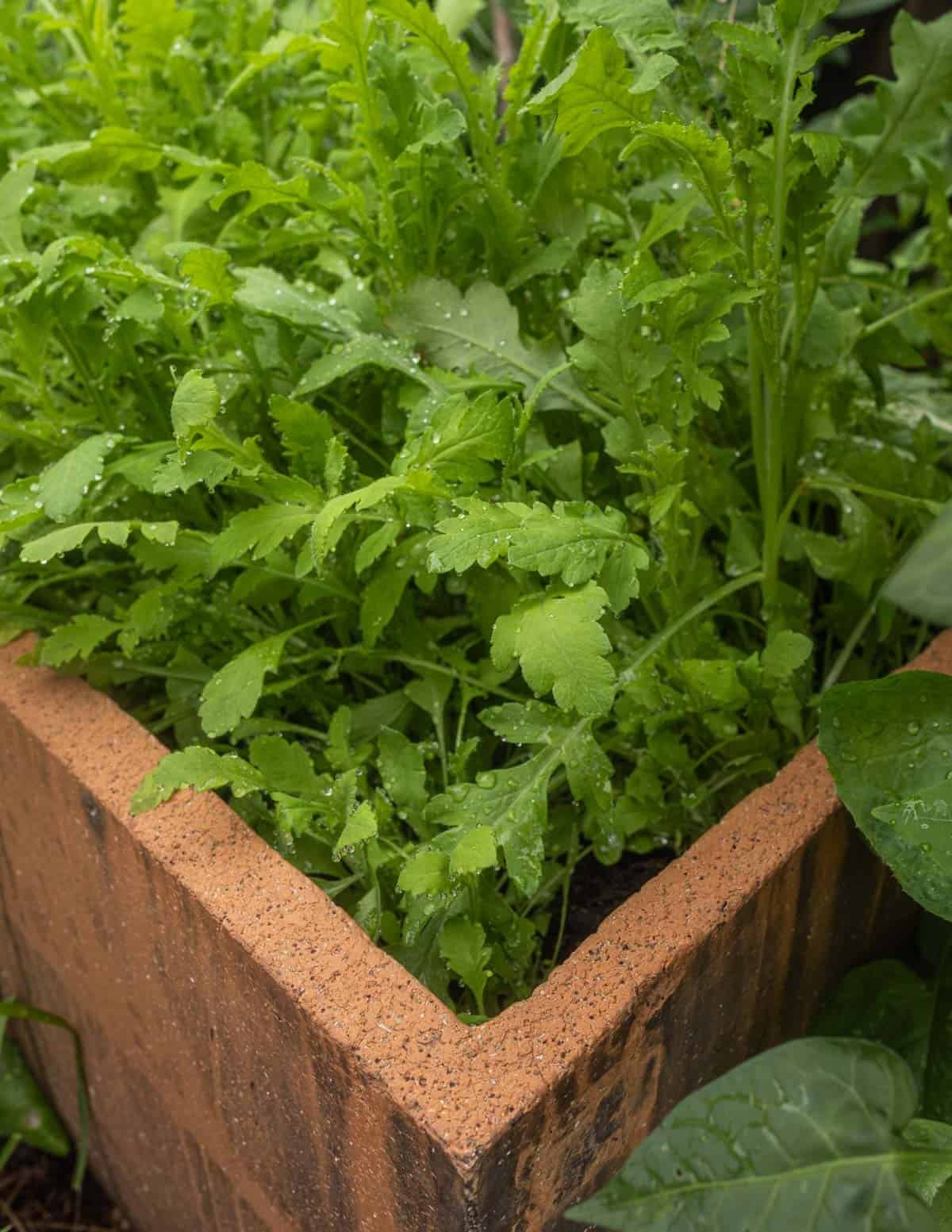
The first year I sowed seeds in a small planter box with a yield I'd compare to arugula. The next year I started planting the greens more spaced out in the ground, mixing the seeds with an equal amount of sand for a more even distribution.
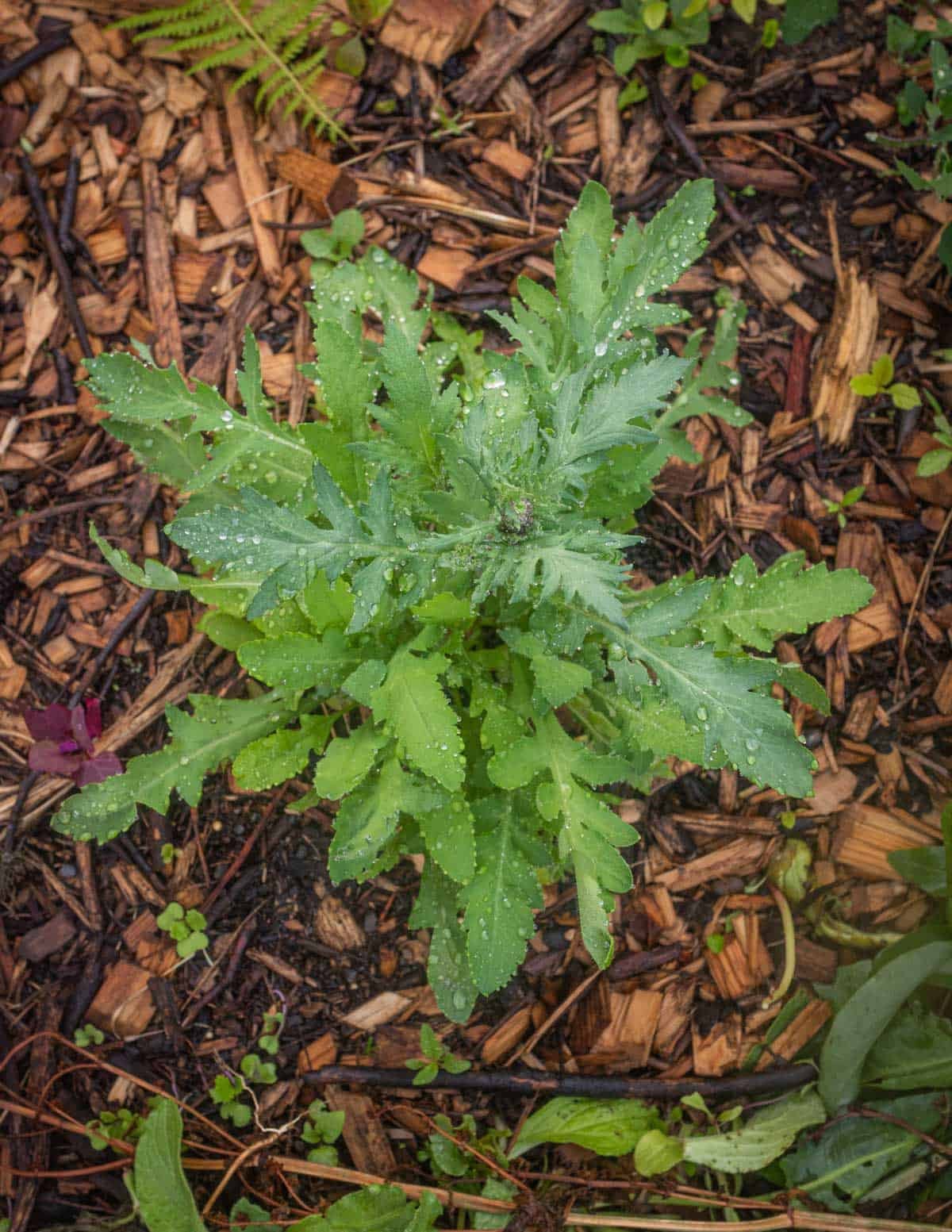
I sow the seeds over ground I've scratched with a rake after the last spring frost in Minnesota. They prefer full sun, but once I saw how attractive the plants are I started sprinkling seeds all over to help control other weeds. If I had the space, I would plant many more.
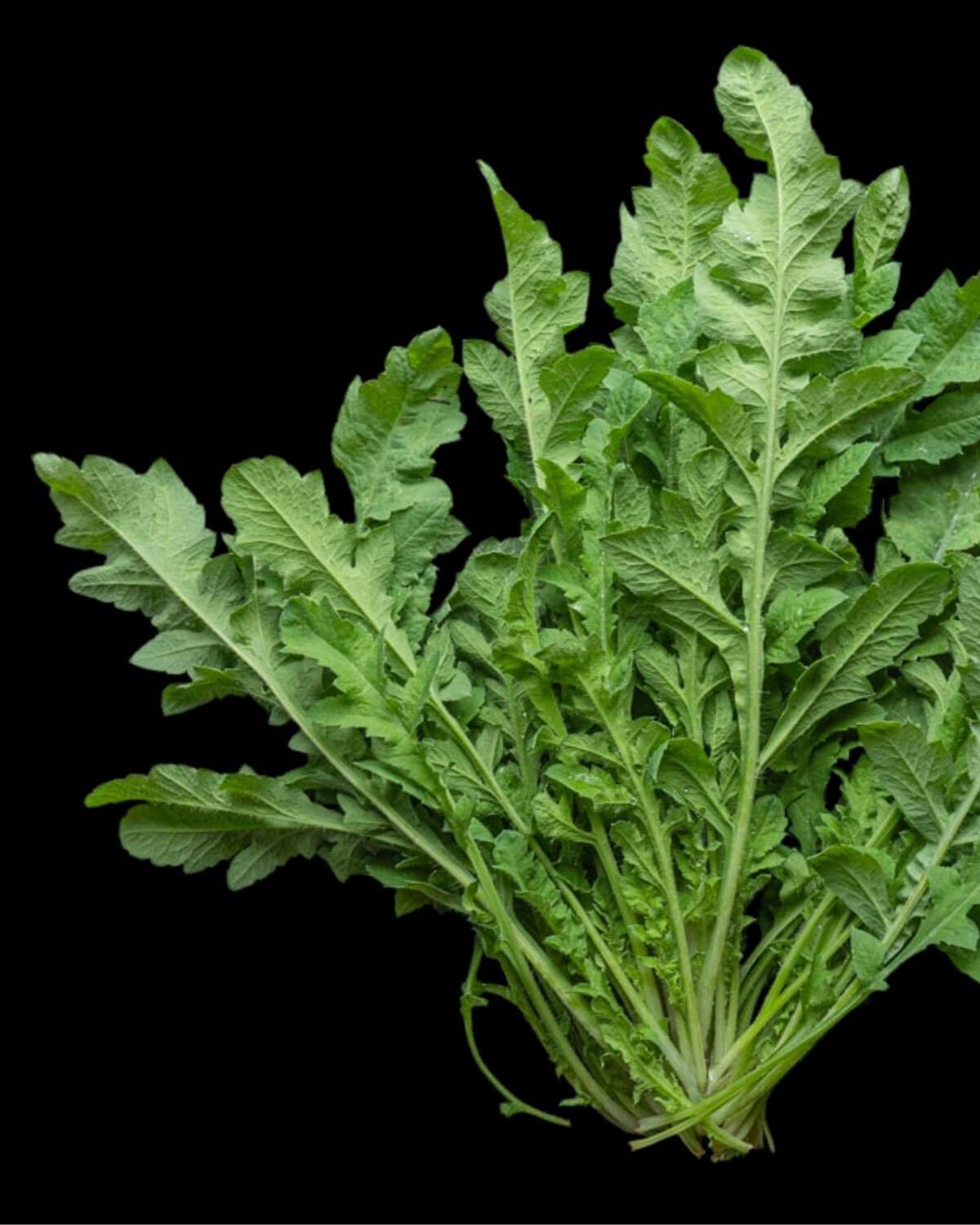
A few weeks after sowing seeds, lush, attractive basal rosettes appear. Taking pictures of them after a spring rain made my mouth water.
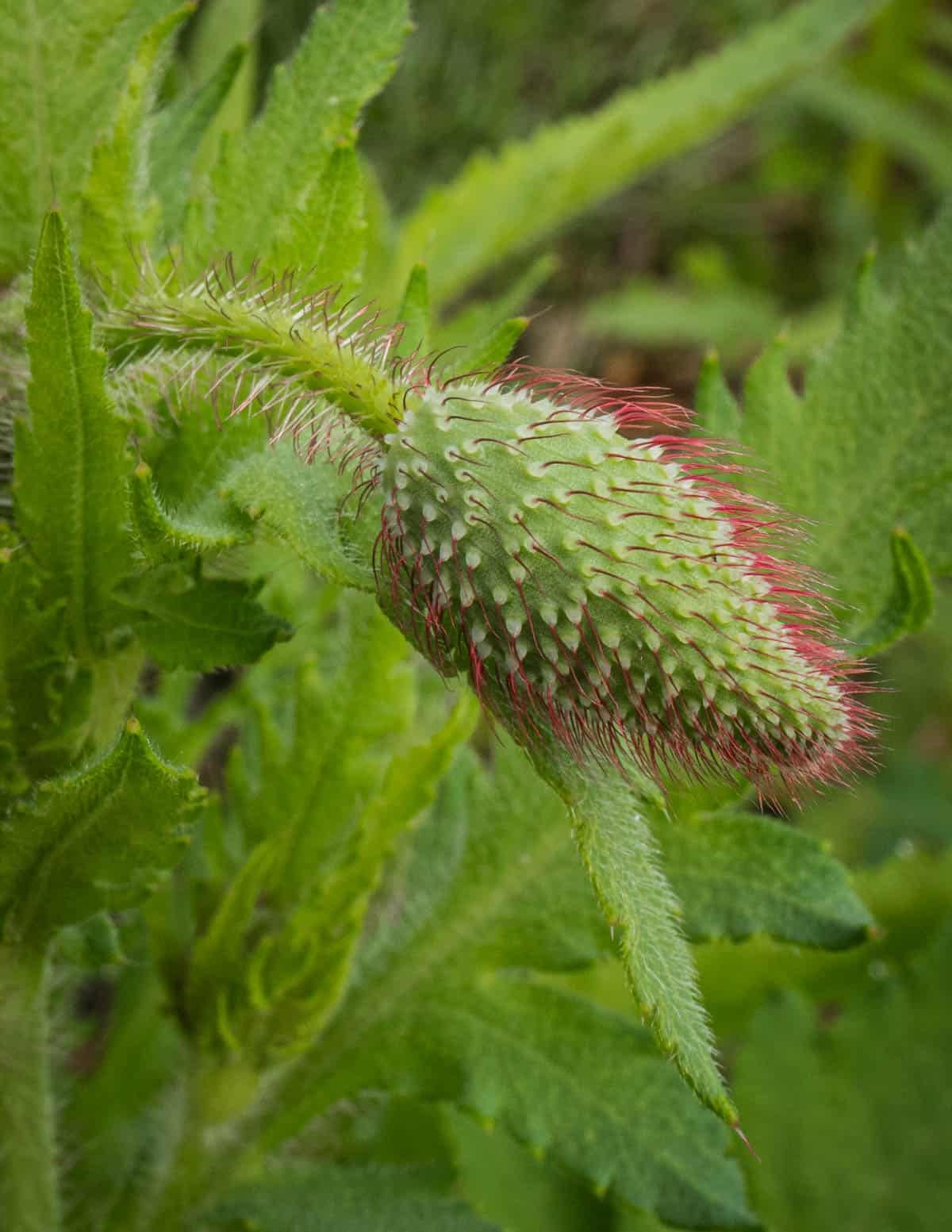
As the plants mature they'll begin sending up a gradual procession of fuzzy-stemmed flower stalks for a month or two. The hairs on the stems and leaves aren't noticeable when cooked.
As the flower buds open you'll be treated to fleeting, bright red flowers. They may only last only a day, maybe two, but they're attractive and the bowing flower buds are whimsical and unique.
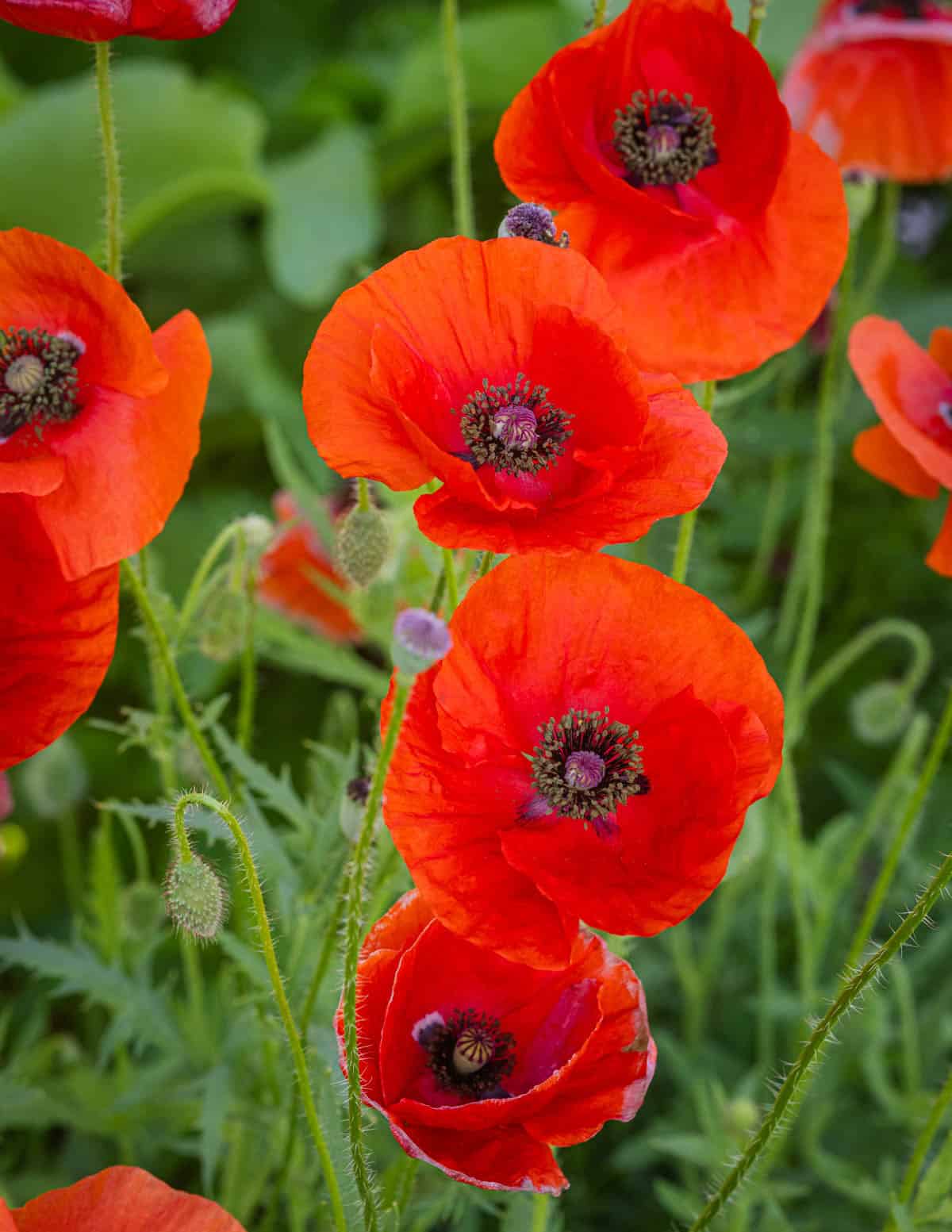
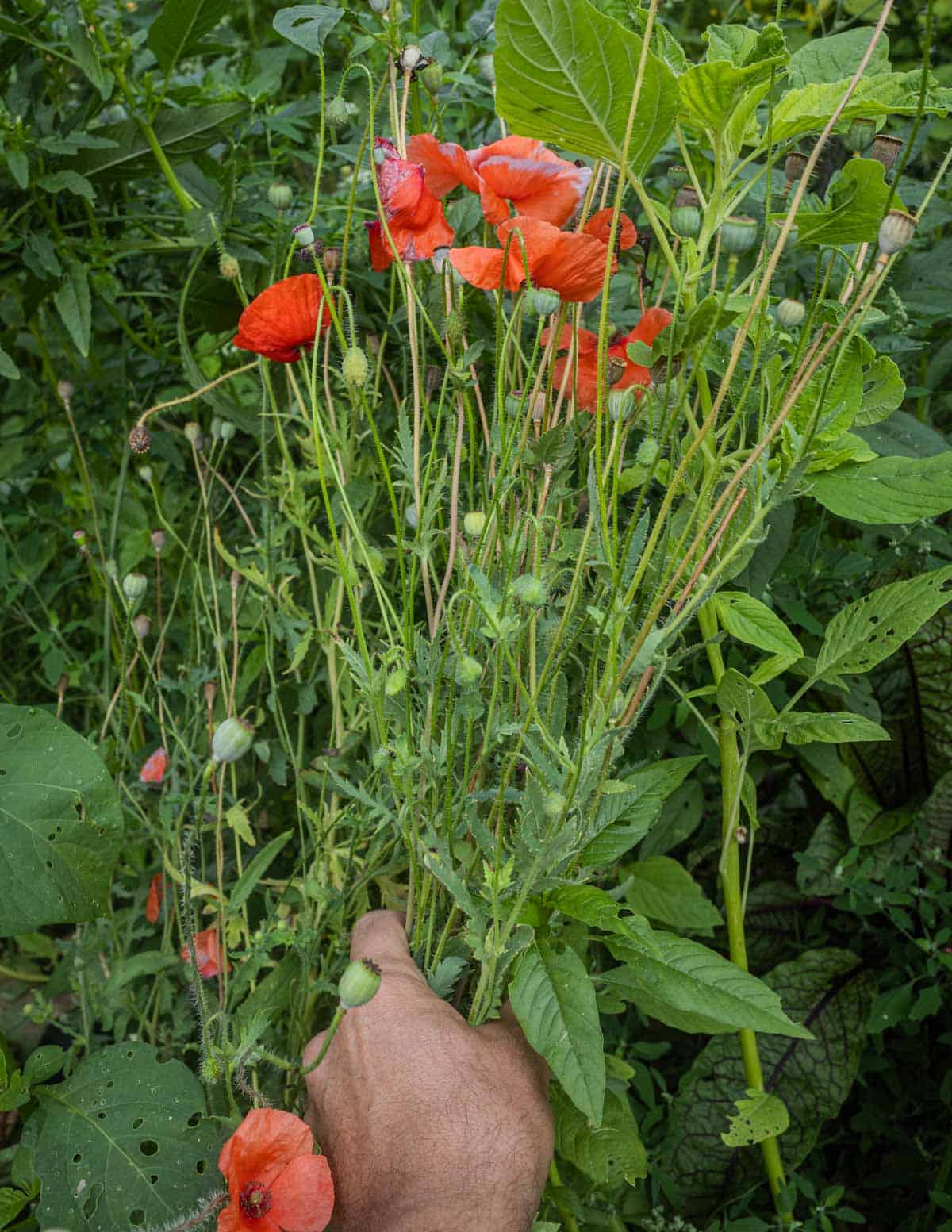
A vigorous rosette (inadvertently planted over a buried deer head I planned to clean the previous fall) produced over thirty flowers in a season, dwarfing all the other in my garden. I can only assume well-composted soil will produce more robust plants.
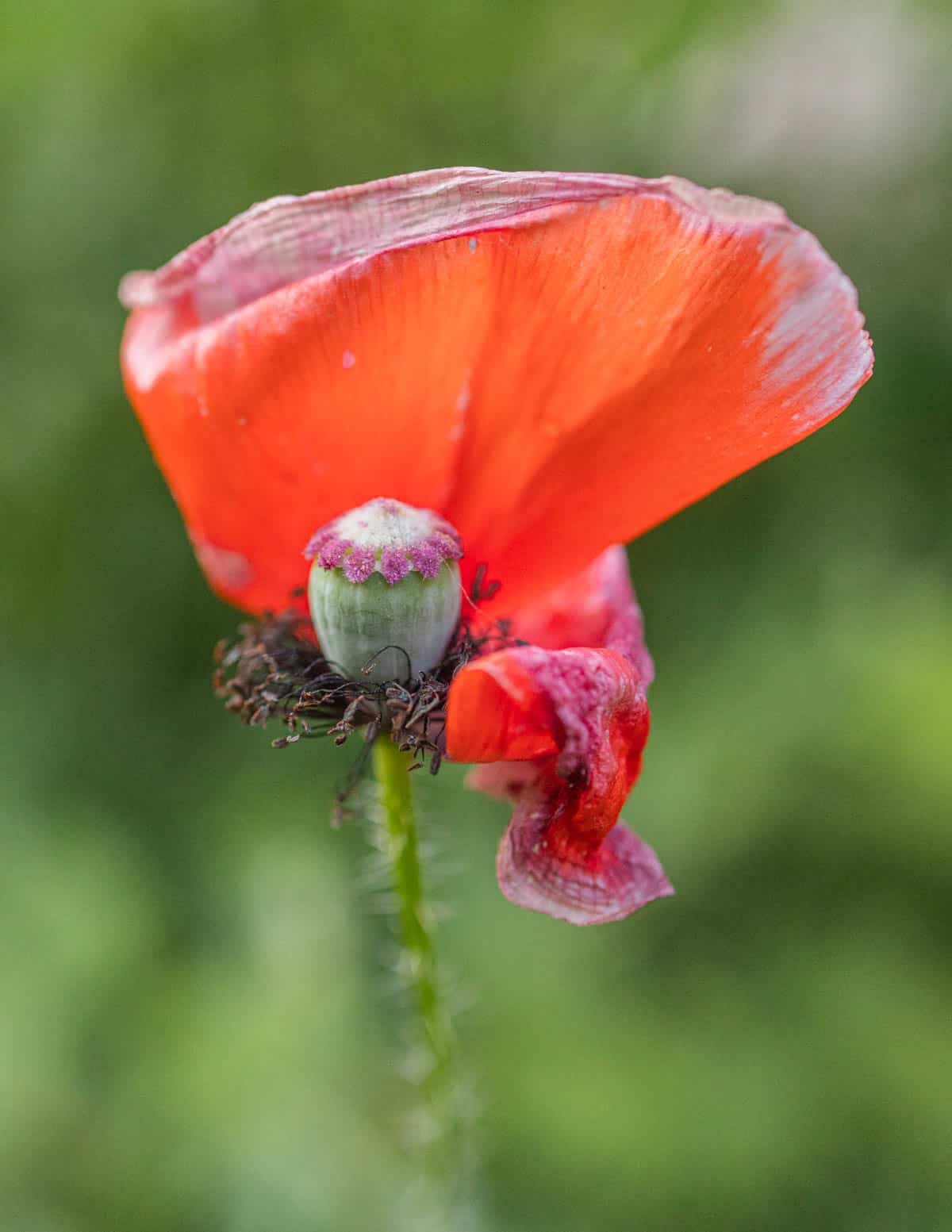
Eventually the petals will fall, revealing the ovaries that contain the seeds. They look similar to other poppies but are much smaller.
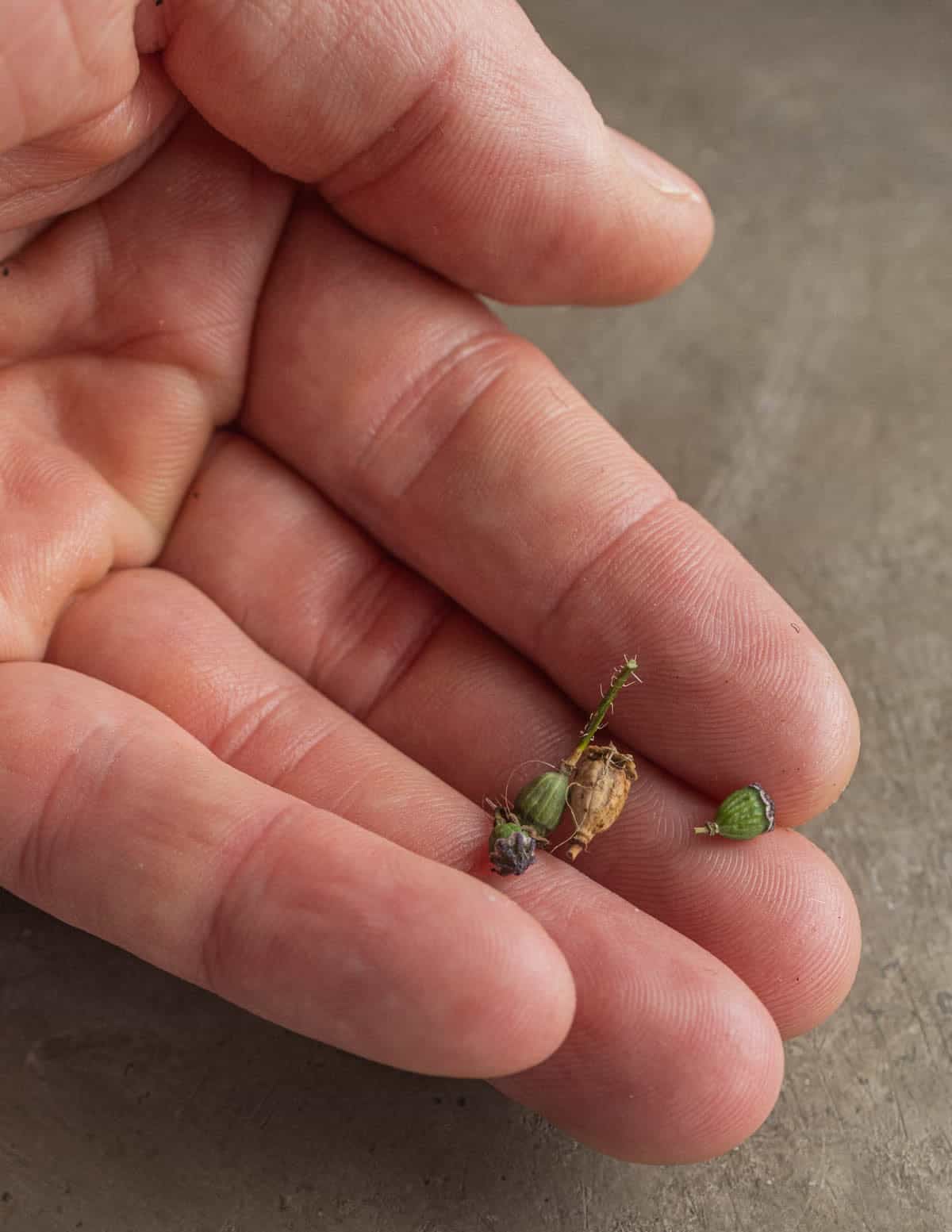
The seeds are edible and could be used like regular poppy seeds, but as the greens of the plant are the real prize I've been saving my seeds for planting. The seed heads are also small and hardly worth the effort, in my opinion.
While the plants are non-native in North America, they're not aggressive ecosystem disruptors and aren't classified as an invasive species where I live, unlike other European plants like wild parsnip, buckthorn or garlic mustard.
That said, they're heavy self-seeders, and while they don't come back for me in Minnesota, they may re-seed and thrive in more temperate regions of the United States. Unlike the Opium Poppy, they're legal to grow and commonly planted in gardens.
Cooking
Eating poppies may conjure up images of muffins and salads with flowers, but the young basal leaves are generally what's eaten, although I've also heard of syrups made from the flowers in France.
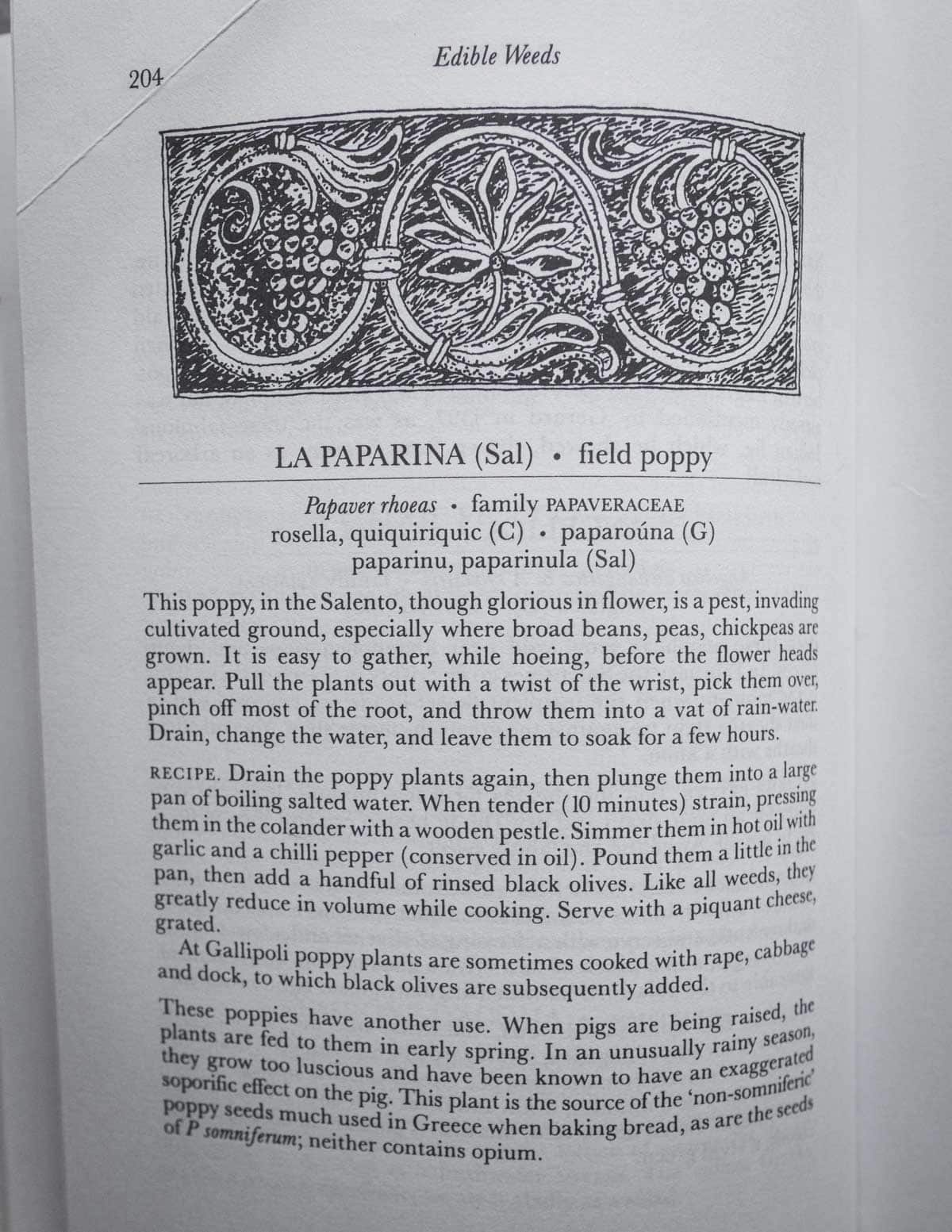
The only specific reference I have for cooking them comes from Patience Grey's Honey From A Weed, a book I've mentioned many times on this site. Her entry is shown below.
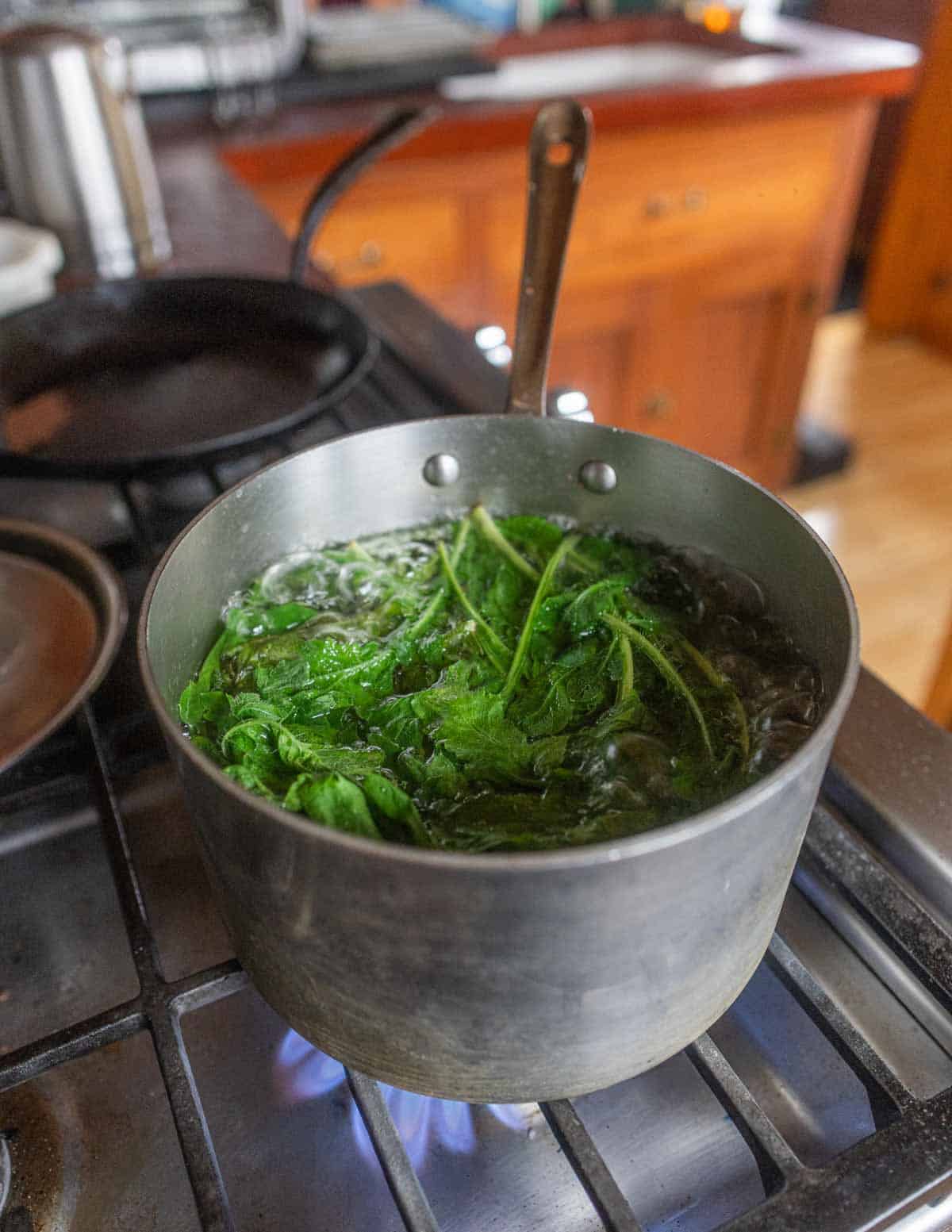
I only had enough greens this year to try them two ways so far: boiled, and cooked in a pan with a splash of water. I assumed boiling would be the best, but I found them near tasteless and uninteresting. Ten minutes would be far too long for my greens, and they cooked in about 60 seconds at a rolling boil.
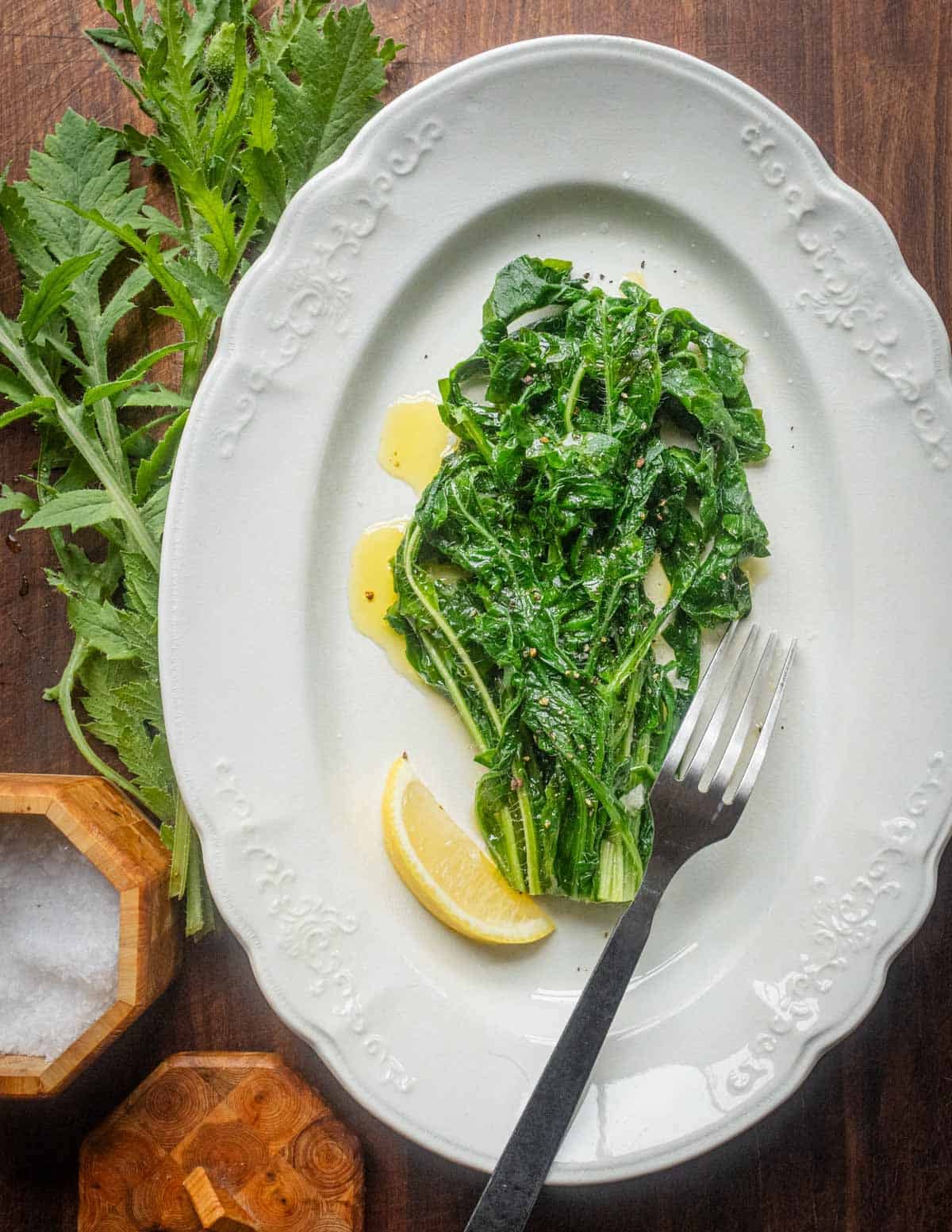
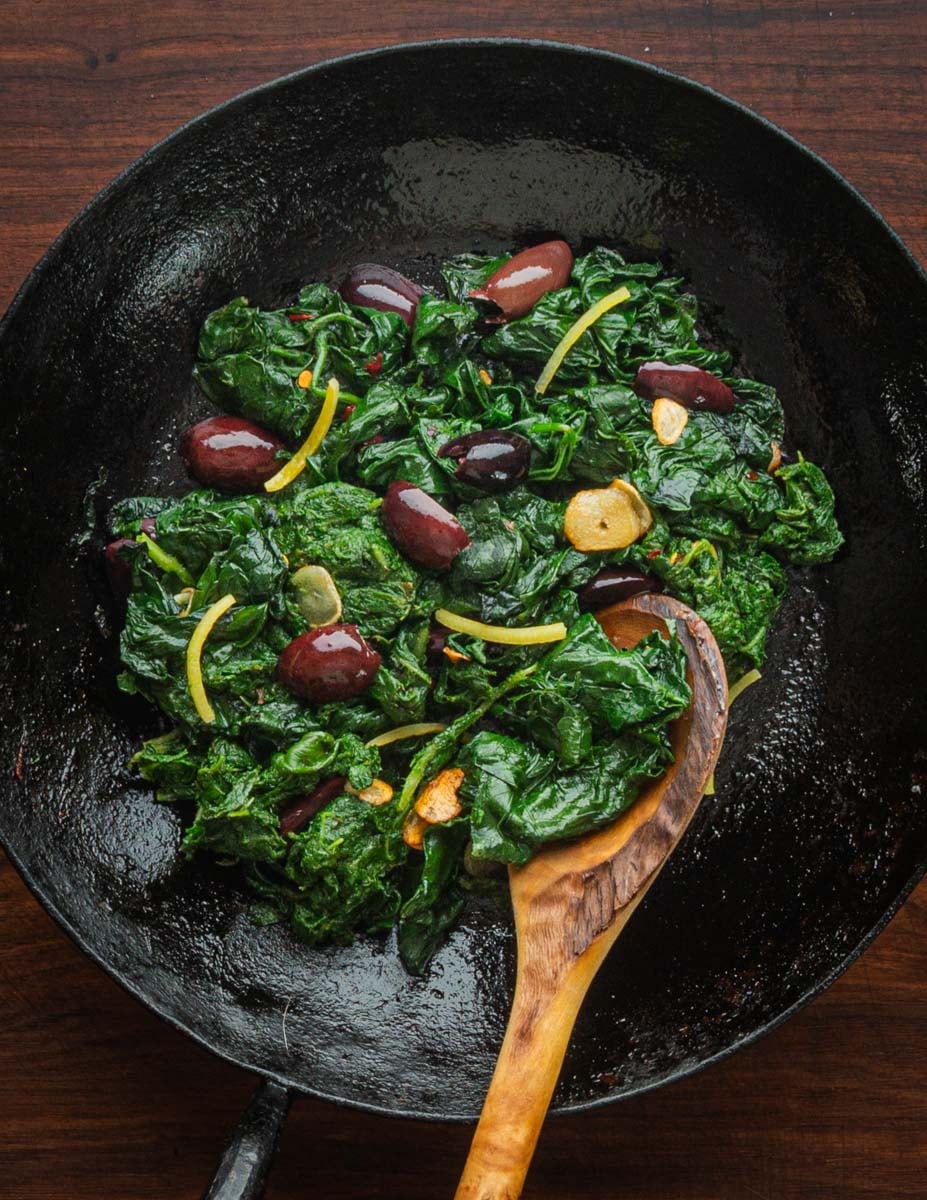
Chopped and cooked in a splash of water produced mild greens with a distinct, gently grassy flavor I'd compare to Asters like sochan. Drizzled with good olive oil, salt, pepper and a squeeze of lemon they're delicious. Just remember to start with modest amounts as with any new food. 2-4 ounces is a good place to start.
The mild tasting greens are traditionally used in blends of greens, stuffings and pies like Italian Erbazzone. Thanks to the book Local Mediterranean Food Plants and Nutraceuticals, I can also tell you they're documented in the following:
- Minestra delle 18 Erbe: A soup from Italy including ~18 greens
- Insalata del Campo: A salad of raw greens including sow thistle, chicory, poppy and others seasoned with olive oil, salt and pepper from Spain.
- Bqula: A dish from Morocco often made with purslane, mallow, olives, and preserved lemon.
- Horta: the famous dish of boiled greens from Greece and the surrounding area.
Have you eaten poppy greens, grow them in a garden for flowers, or have anything else to add? If so please leave a comment.
Leave a Reply