
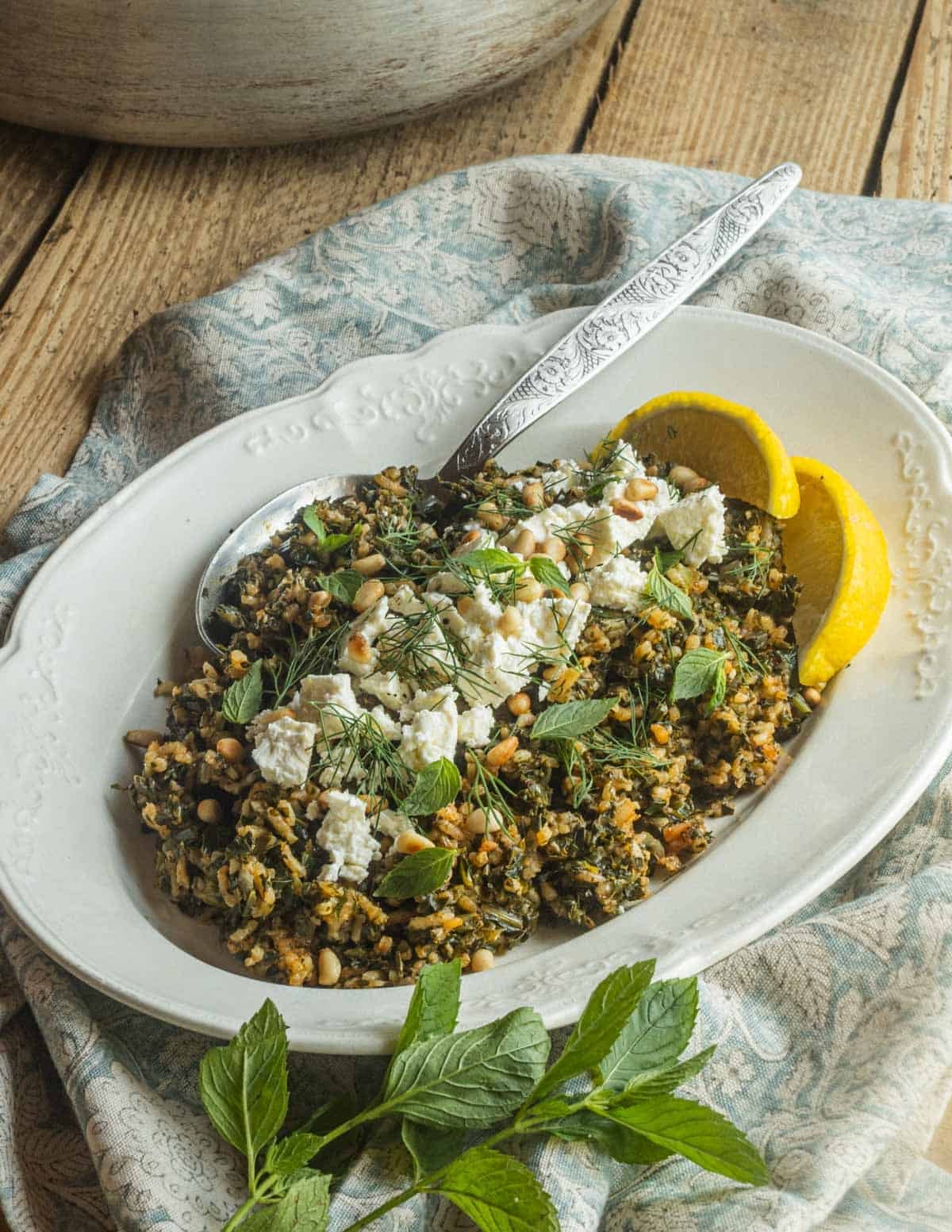
Known by many across the Mediterranean, Spanikorizo is essentially a heap of leafy greens and rice. Also known as Greek spinach rice, it's an ingenious way to sneak leafy greens into a meal and irresistible garnished with salty feta cheese and toasted pine nuts. This is one of those dishes I make again and again, with each version slightly different from the last. Today I'll walk you through the recipe, made with as many wild greens as I can pick.
Background
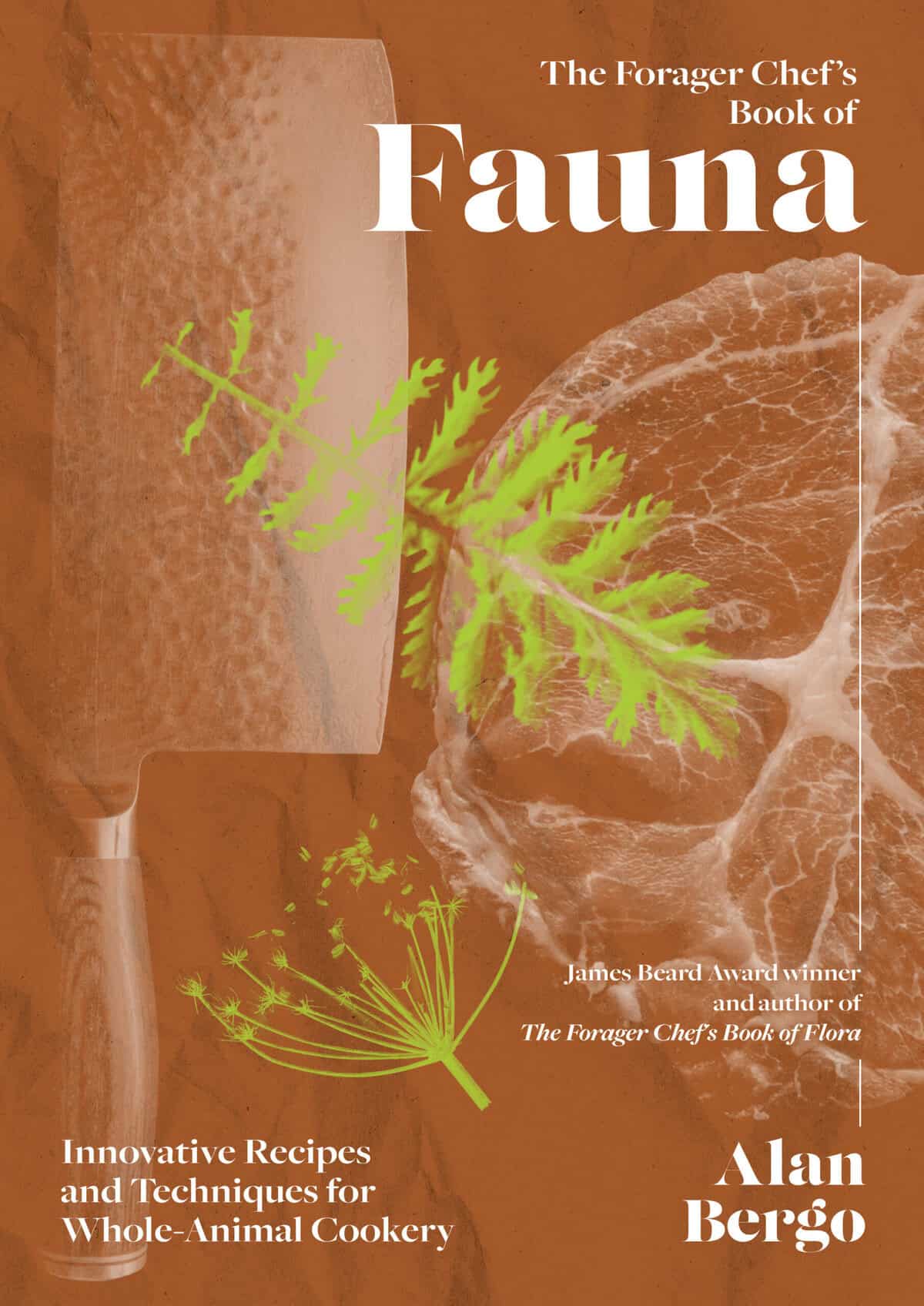
This is one of my favorite side dishes from my next book, which is now in pre-order. I will do more announcements on social media once I'm done with my busy season. For now, here's the link from Penguin Random House. Pre-ordering is one of the best ways you can support my work and future books.
The name spanikorizo might mean spinach rice, but ancestral versions of the dish used wild plants. As with spanakopita, spinach gradually replaced more labor-intensive (and uniquely flavored) wild greens used to make its ancestor hortopita, which is made with wild greens.
While wild spinach (Beta maritima) was and is undoubtedly used, it seems silly to me to use only one leafy green. Think about it. The Greek word horta can refer to around 300 species of edible wild plants, so why would they pass down a recipe only calling for spinach? Commoditization has, and continues to dilute our culinary heritage in favor of accessibility, and economy.
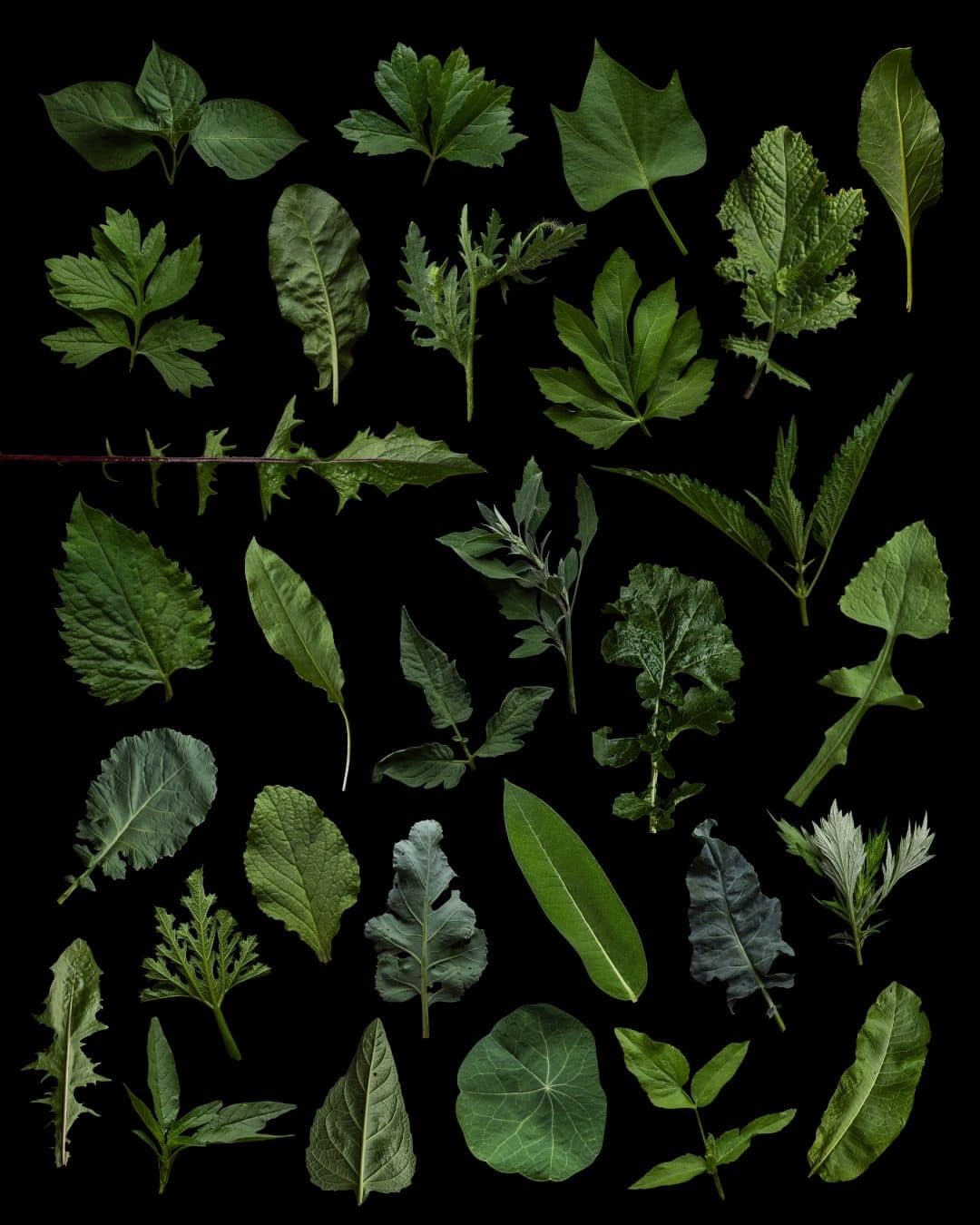
Made with wild greens the depth of flavor's unmatched. I picked a few from my garden. Thirty of them are shown below.
Traditional Spanikorizo Recipes
When I see a dish with as many variations as this one I make sure to pay attention. The preparations around the Mediterranean Sea that combine rice and leafy greens are legion, but looking over recipes in my library from Greece to Crete and Istanbul, one thing I found fascinating was the proportion of leafy greens to rice.
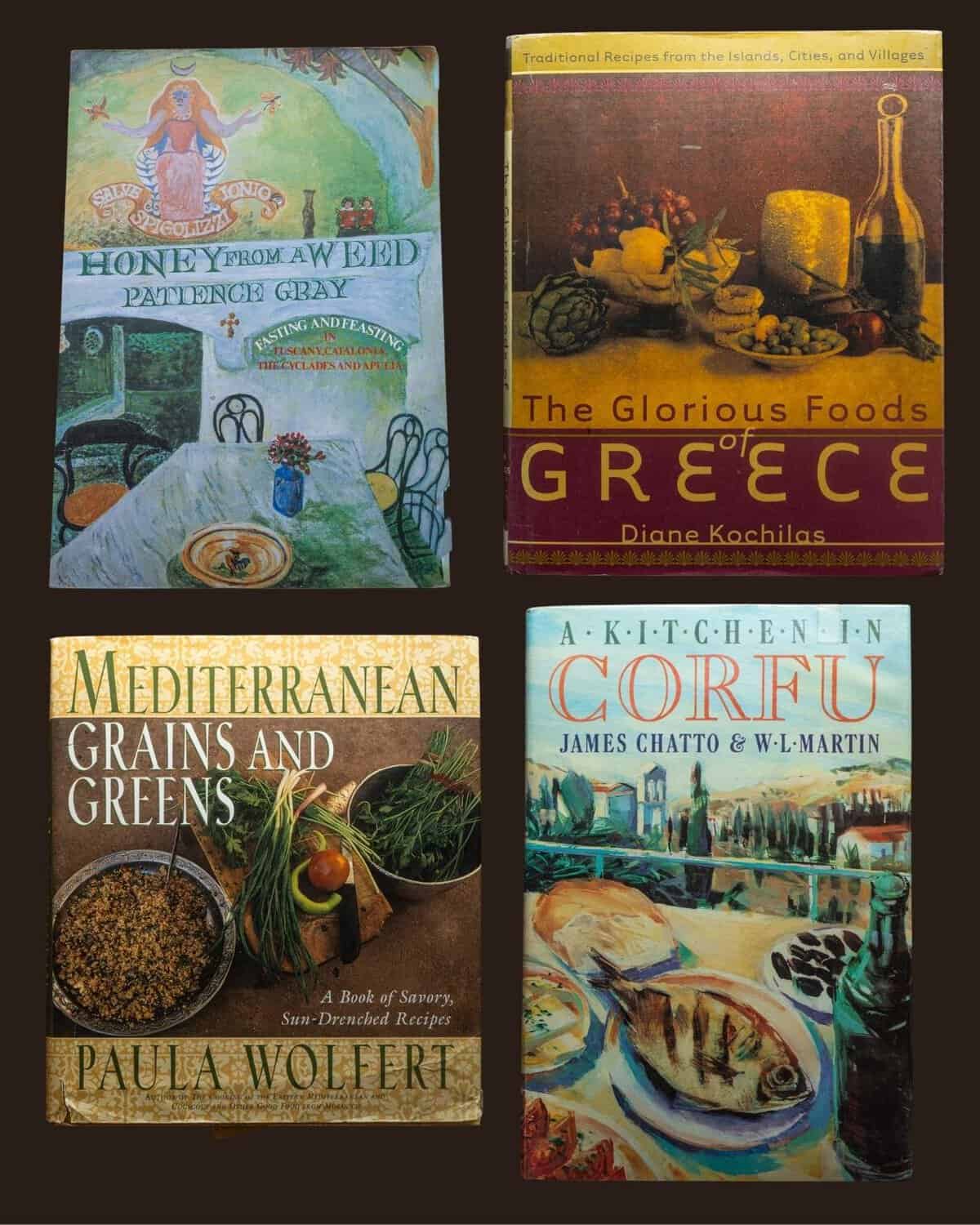
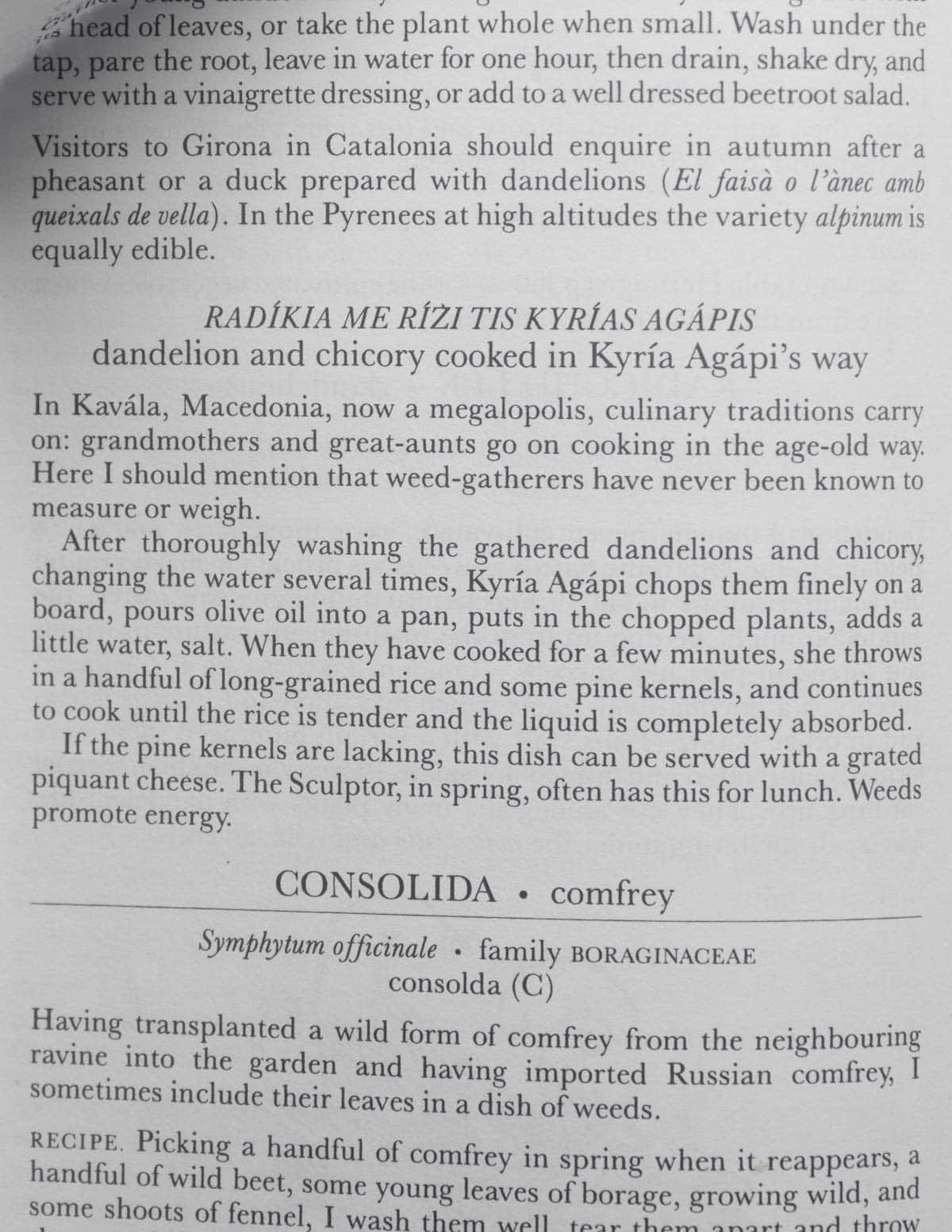
Many of the older recipes simply instruct the cook to boil wild greens in a wide pot, adding a handful of rice and cooking until the nutritious cooking liquid's absorbed, often without measurements. In these recipes the rice is intentionally overcooked, as you can see in the chicory version from Patience Gray below.
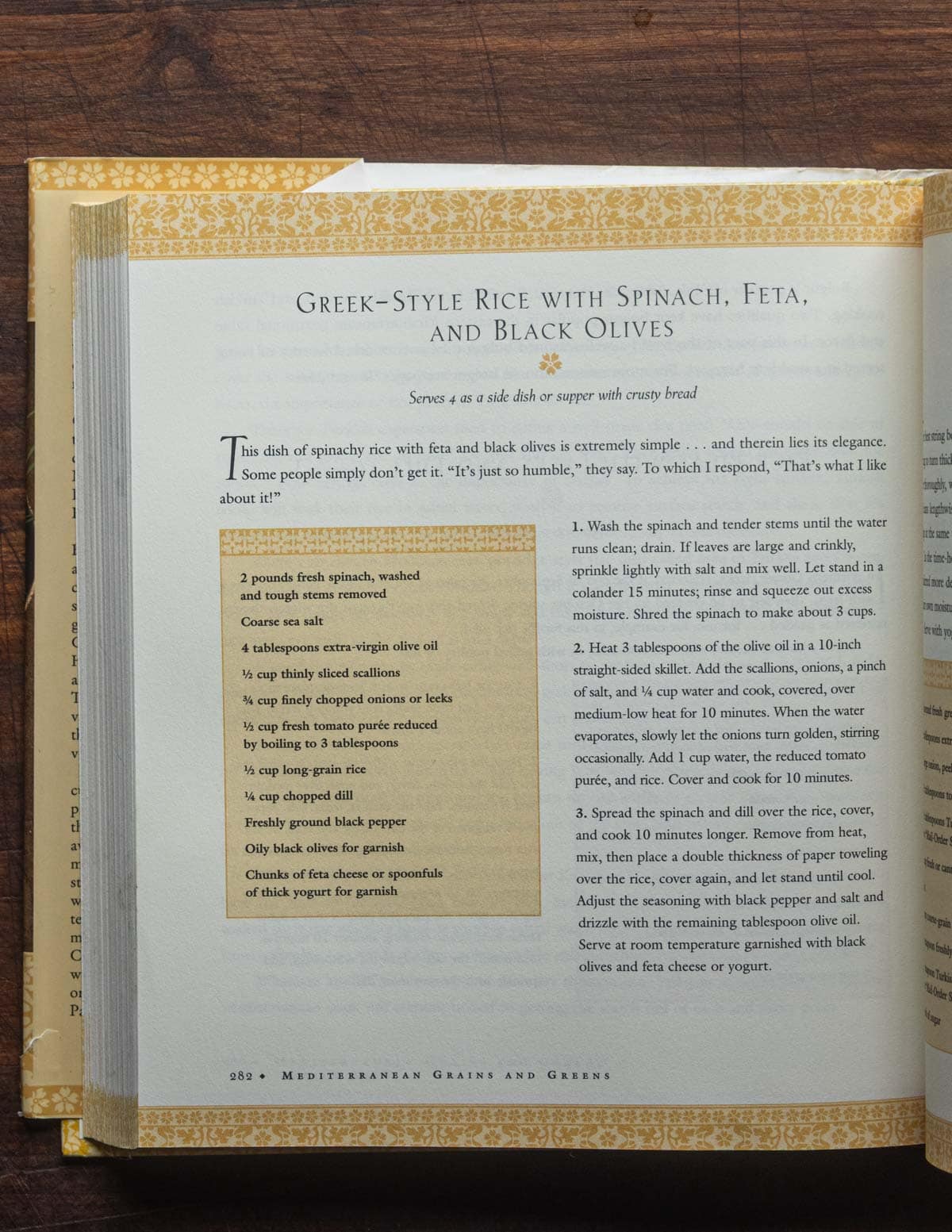
Others may not use the name Spanikorizo, but the measurements are near identical, as with the version from Mediterranean Grains and Greens below.
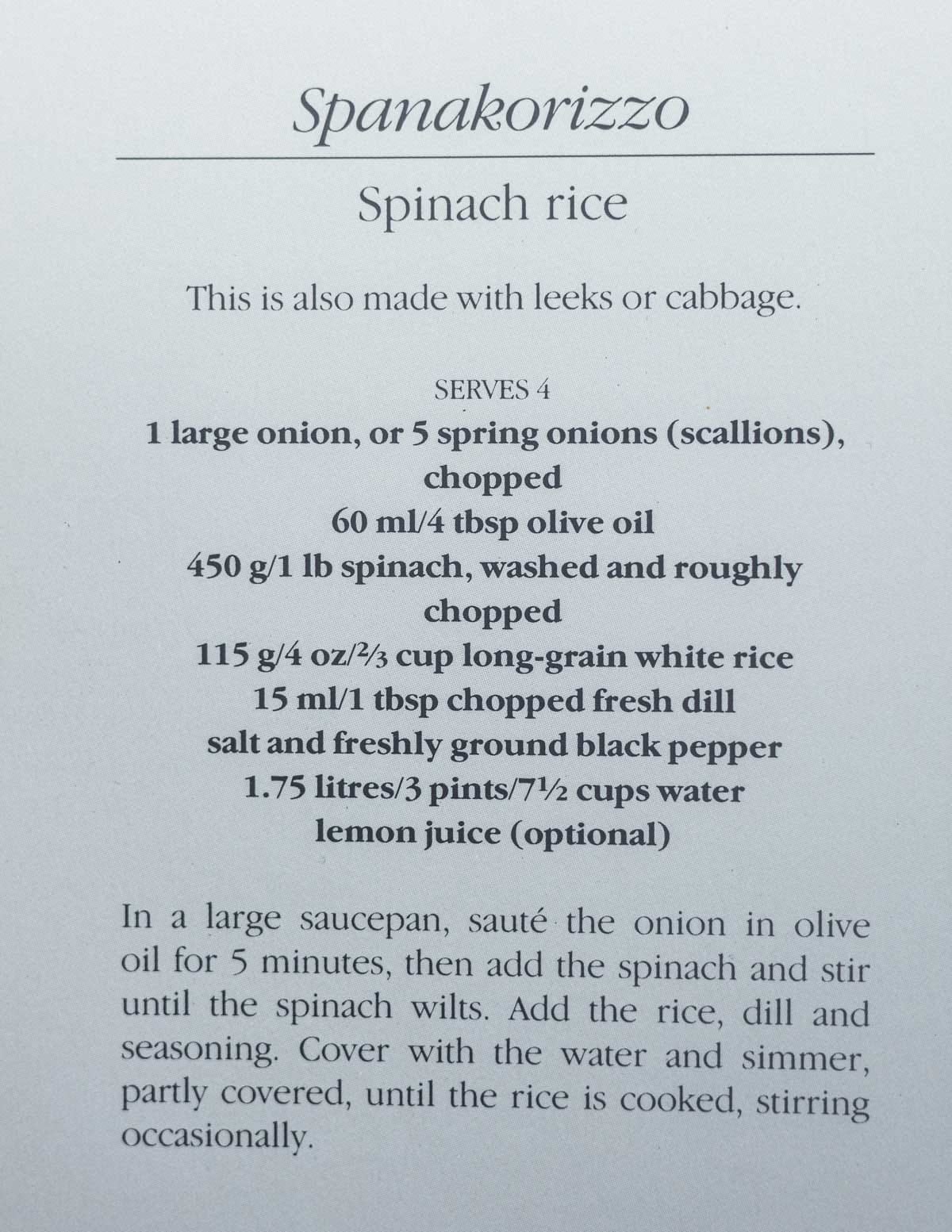
Modern recipes have evolved to become a dish of wilted spinach and rice cooked together into a sort of pilaf. Most have a paltry amount of greens compared to the ancestral dish, as in the recipe below.
What I've done is try to distill the heart of the heart of the dish into something where I get the best of both worlds: a variety of interesting leafy greens, and perfectly cooked rice. This is done by cooking the rice and greens separately, as wild greens take up much more volume than spinach and will always cause the rice to cook unevenly.
How to Make it
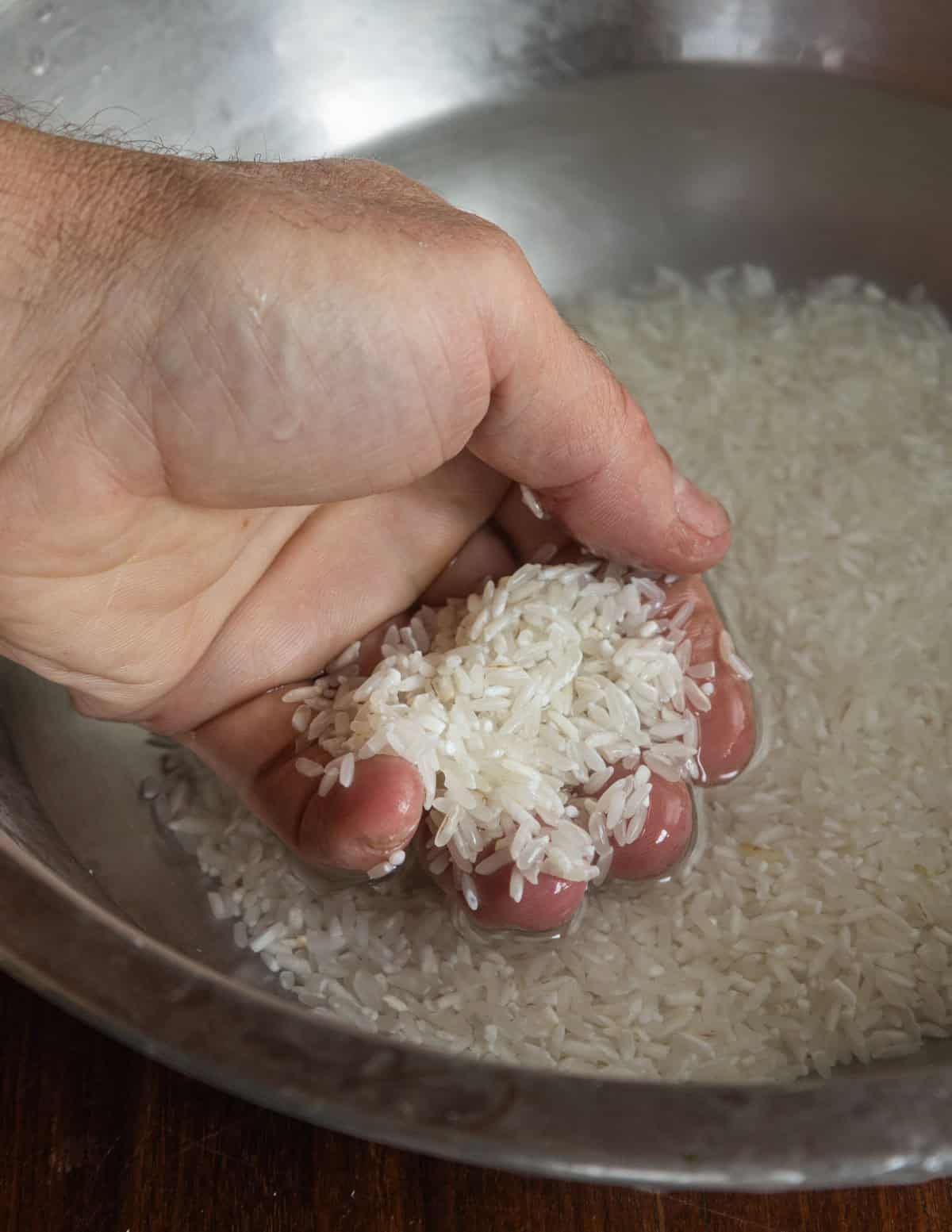
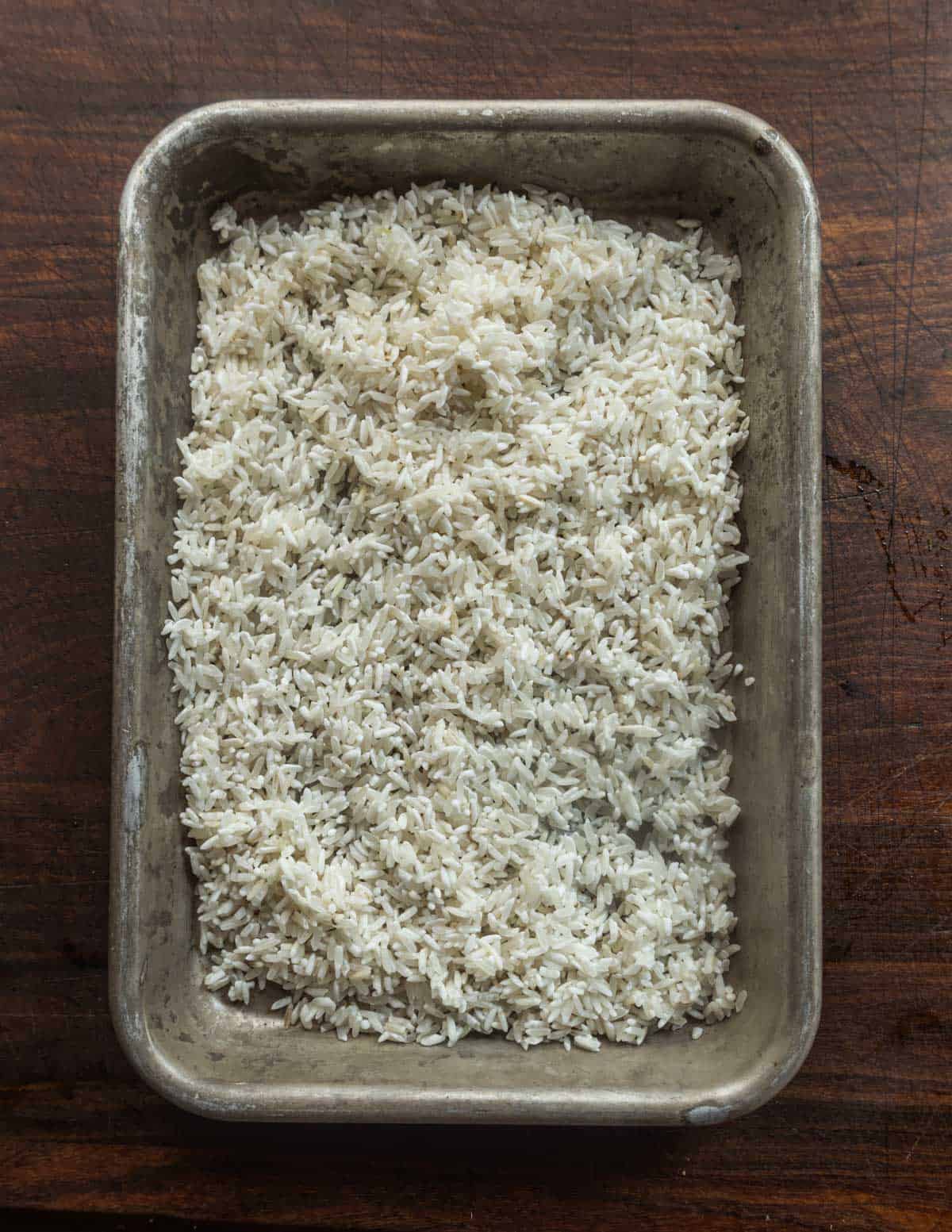
First, rinse the rice in a bowl of cold water to remove the starch. This ensures even, tender grains of rice that won't stick together. I've used long grain rice as well as medium-grain arborio used for risotto, and some recipes call for short grain, so you have some options. If I use wild rice, which also works, I don't rinse it. After the rice is rinsed it should be allowed to dry completely.
Tomato or Paprika is Optional
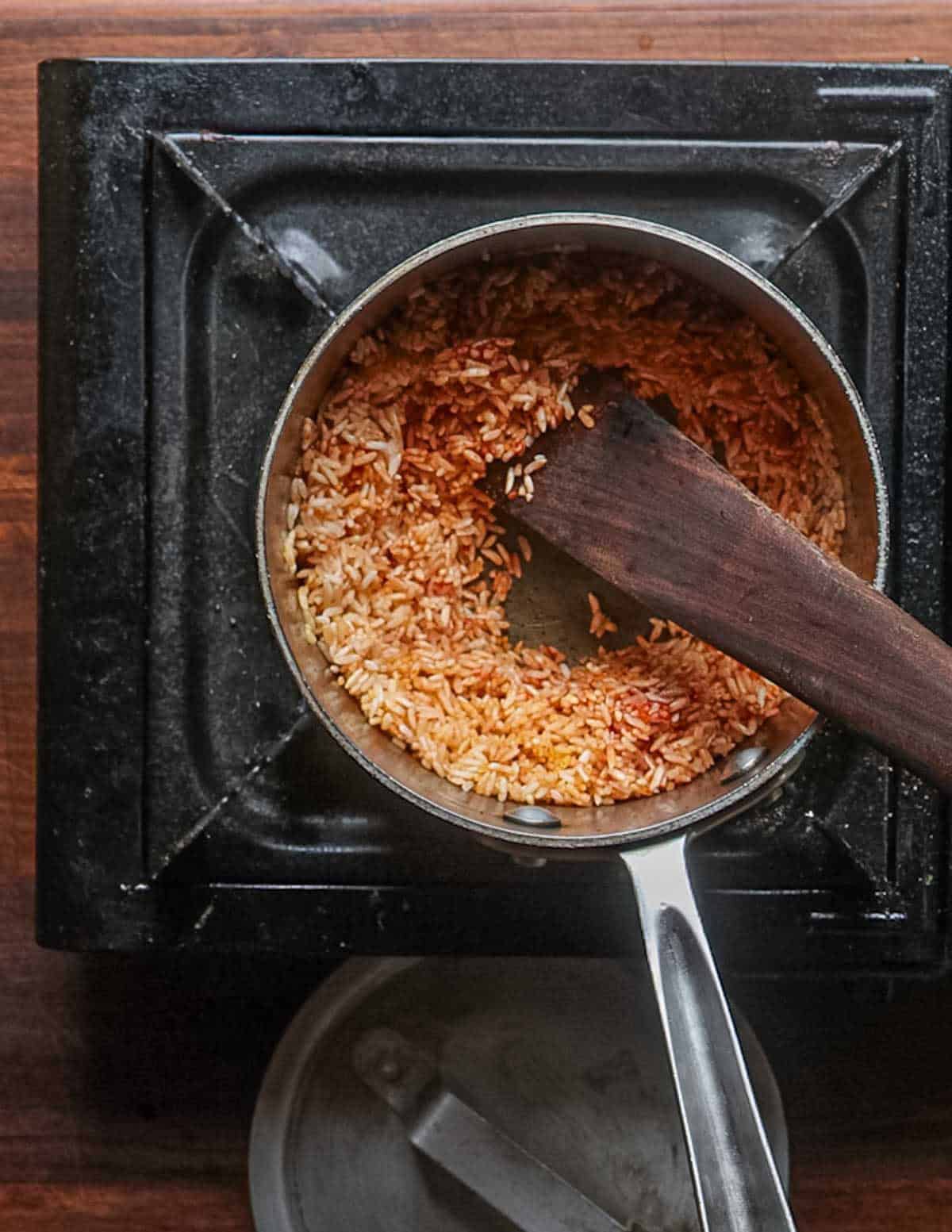
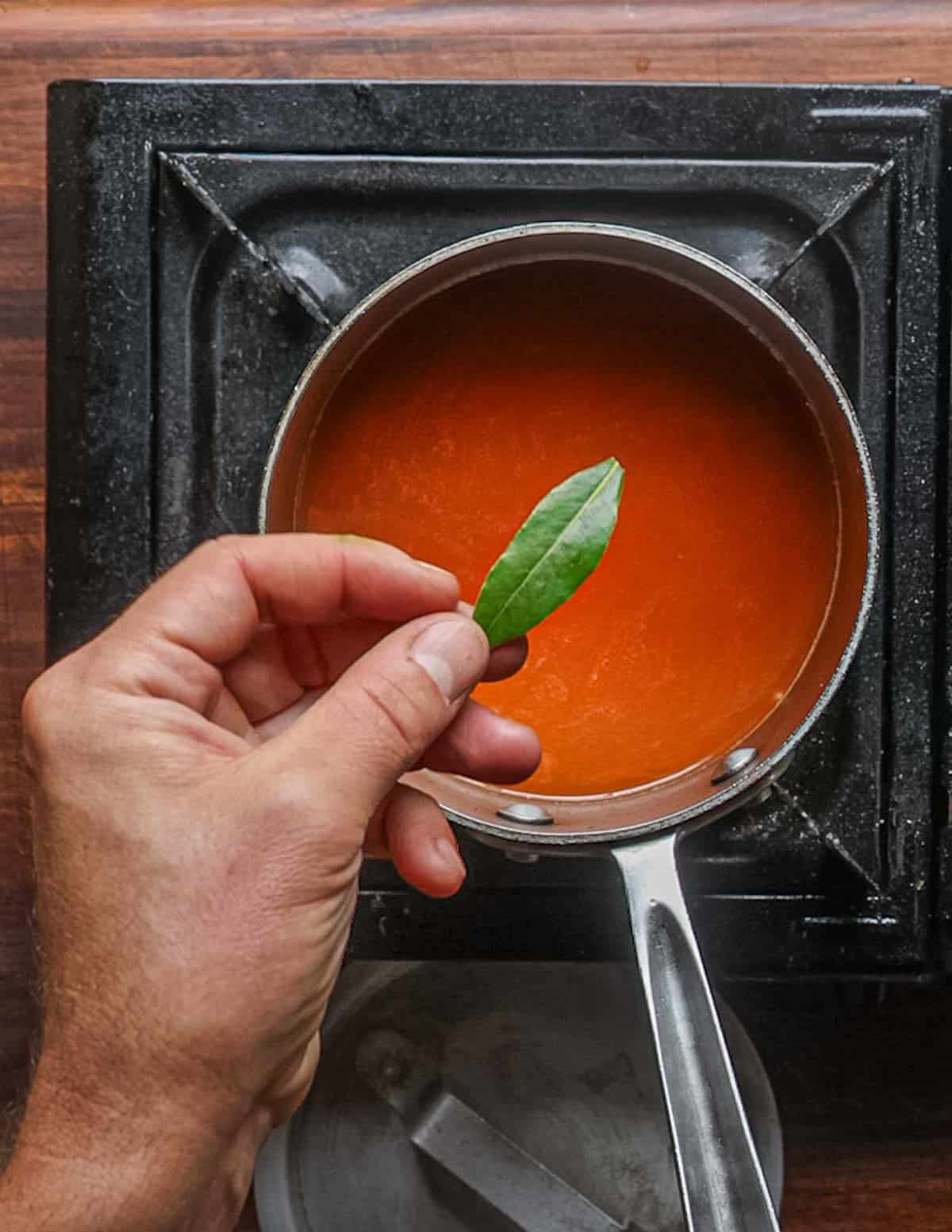
While it's optional, many recipes include tomato in some form. As the rice is cooked separately from the greens, you can add some tomato paste and a bay leaf to give it some character. Tomato helps add body, but it's also fine to skip it and I recommend trying it without first. As with the Cretan Tsigarelli, some recipes call for paprika instead, so that's another option.
While the rice is cooling, prepare the greens. As spinach cooks down to nothing and is very tender it's often added whole, but a variety of leafy greens takes a bit more work. The best version will be made with the biggest variety of greens you can harvest, ideally edible weeds like purslane, amaranth, chicory, dandelions, lambsquarters, etc.
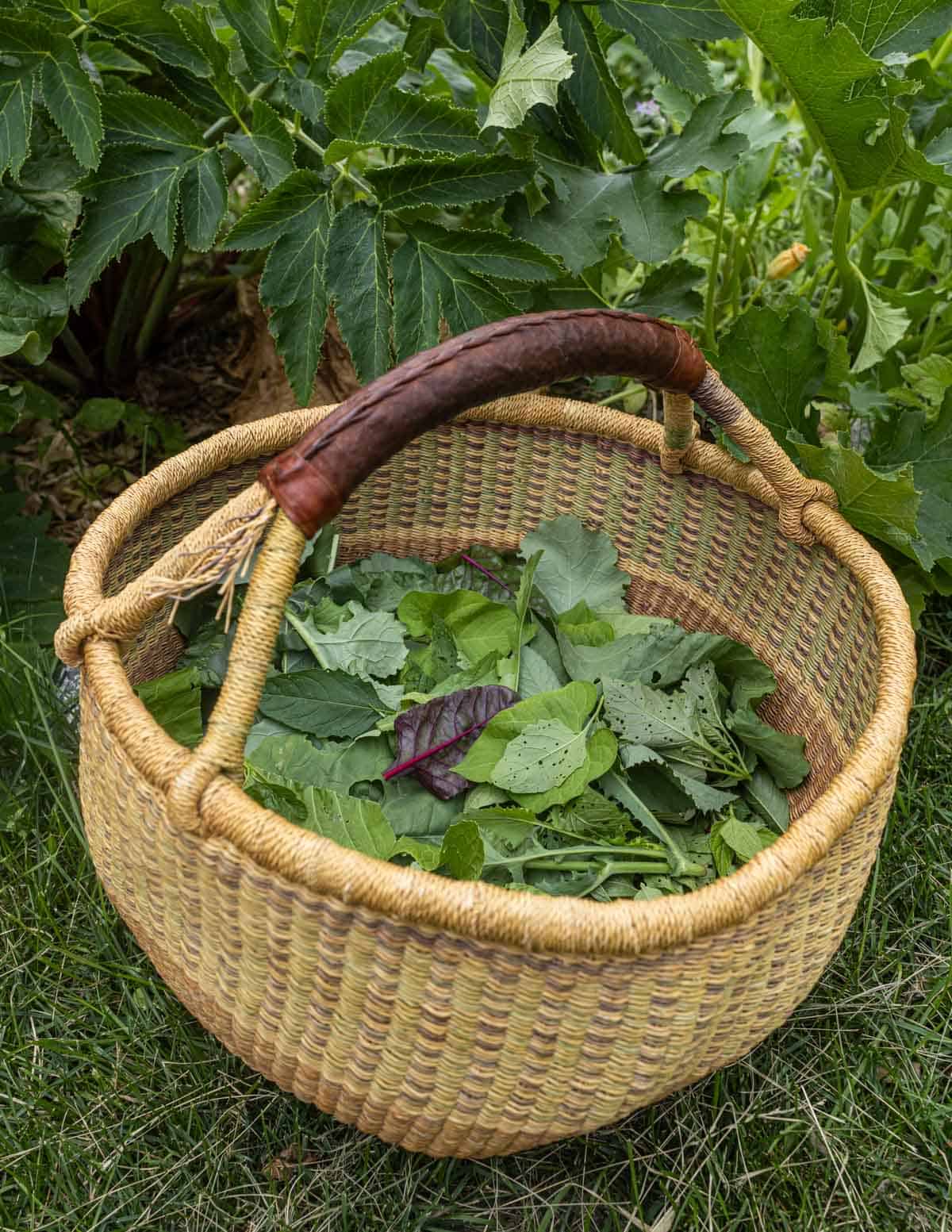
I prepare the greens one of two ways depending on time: chopped with a food processor, or by hand. First, as much as possible, any stems should be removed, then the greens are roughly chopped.
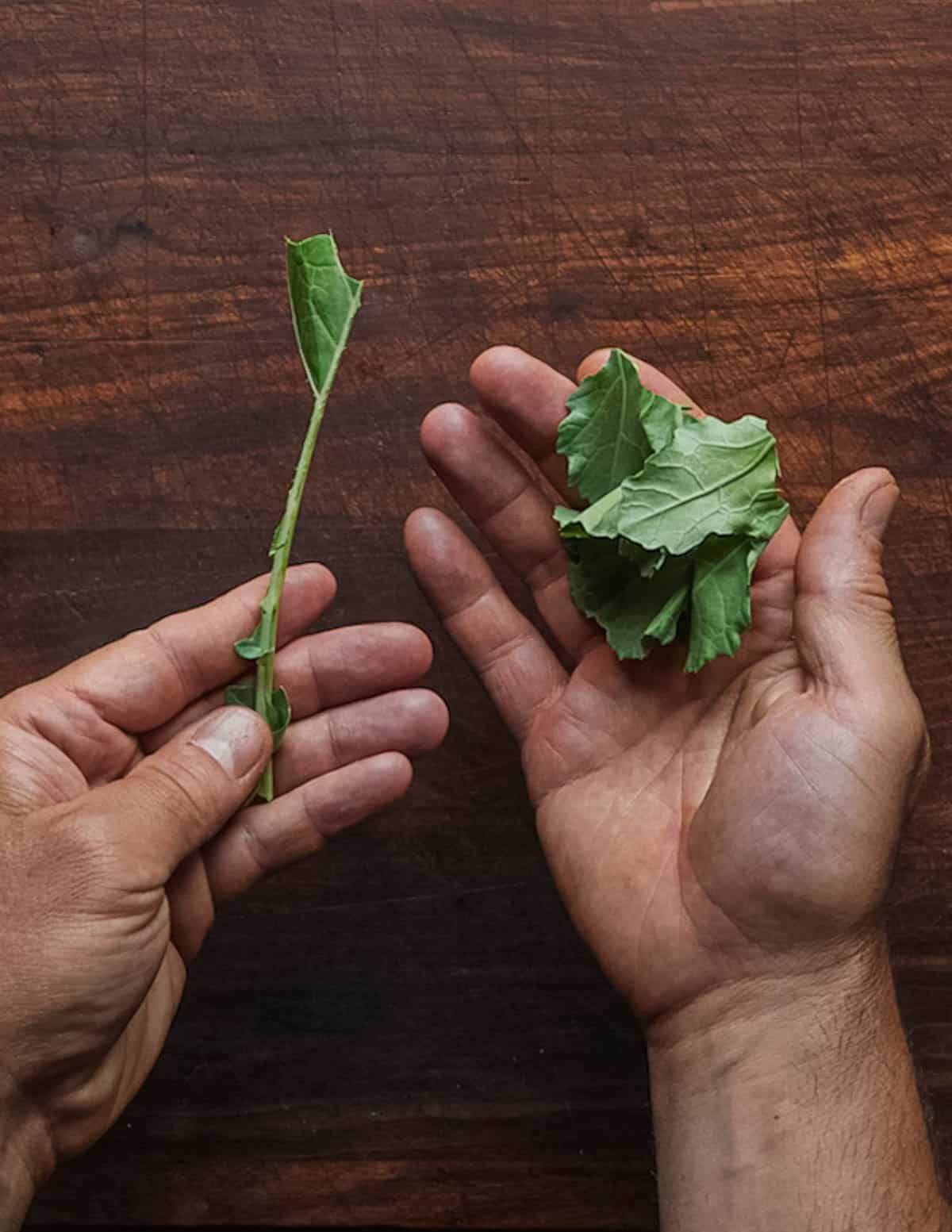
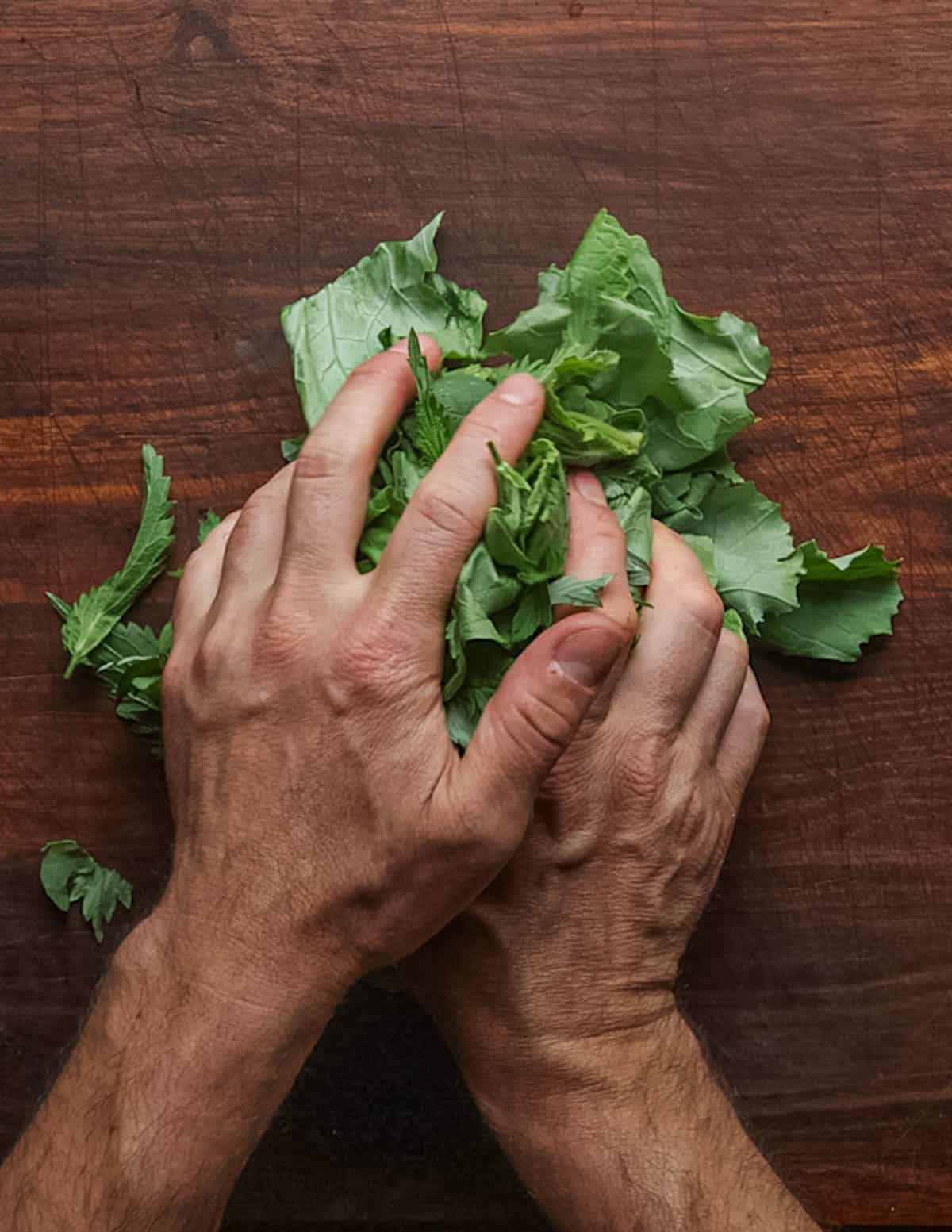
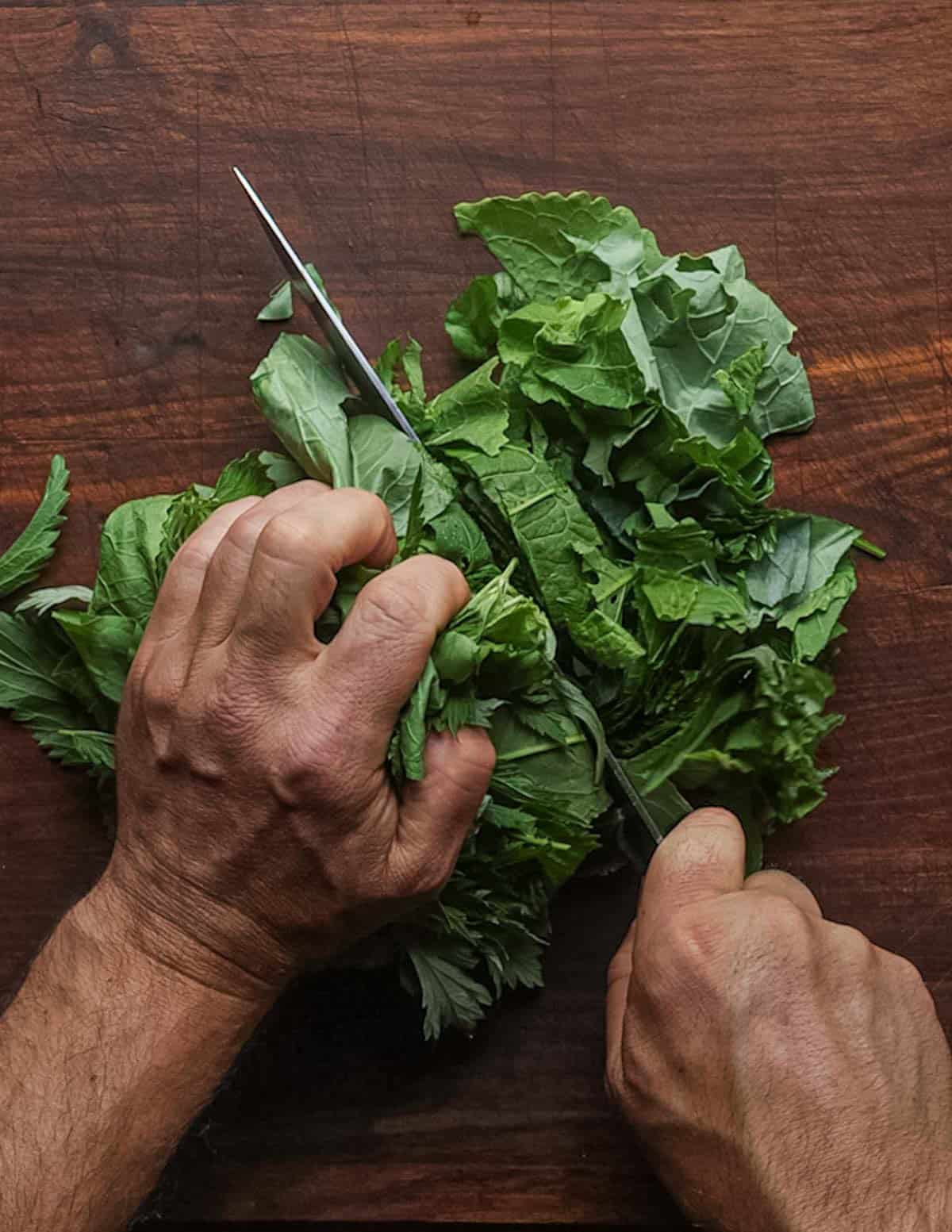
If you have the arm strength and a long, heavy chef's knife you can mince the greens by hand which will give the finest texture.
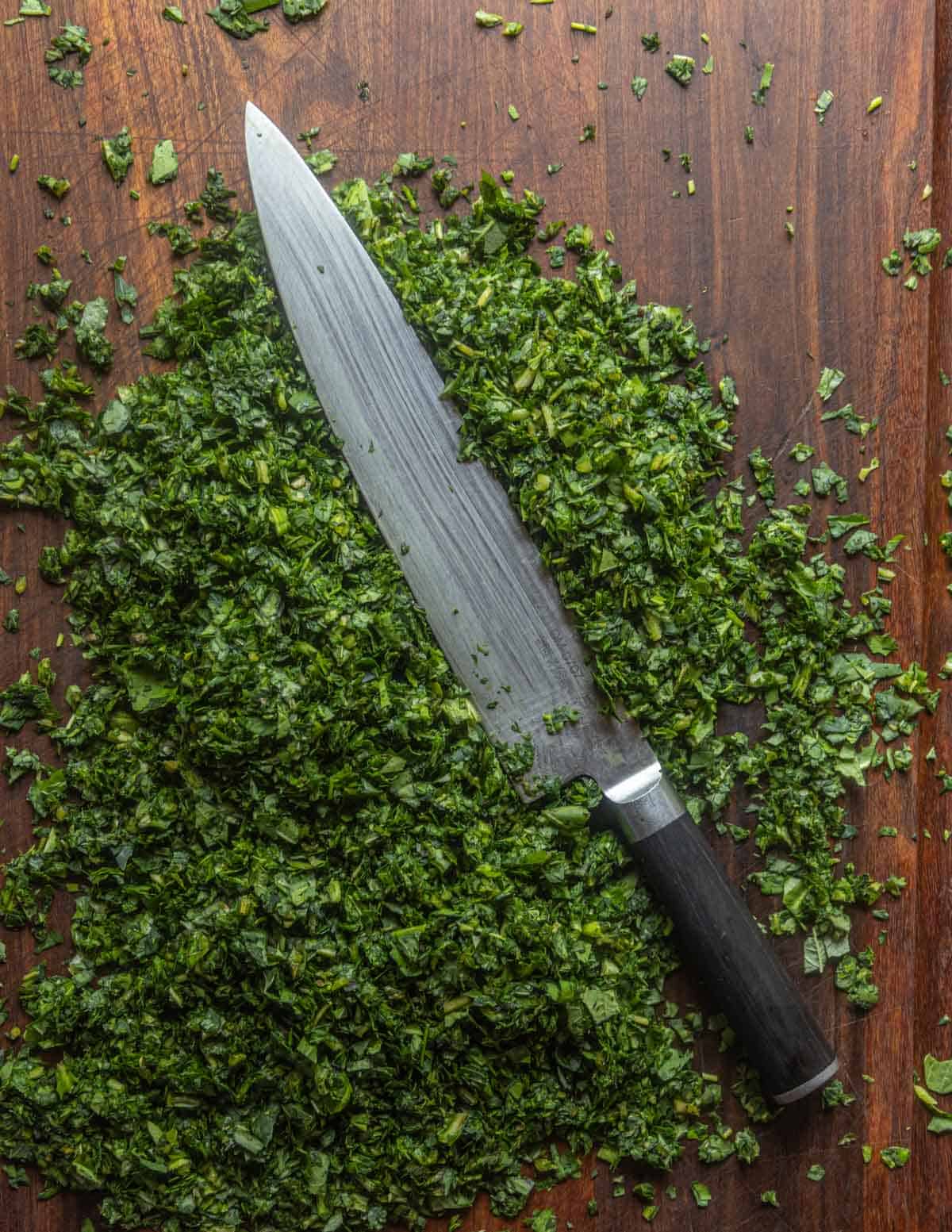
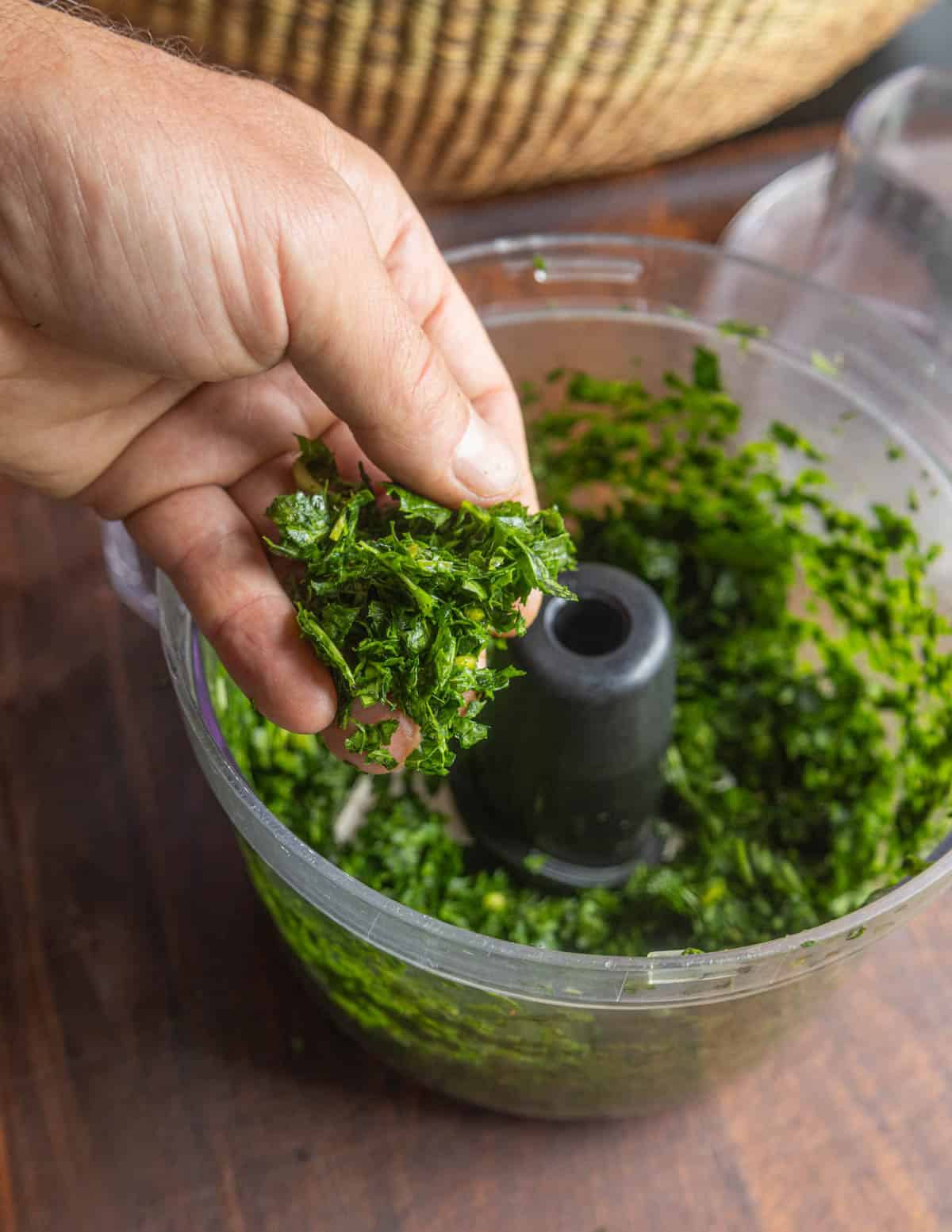
To use a food processor, working in small batches, pulse the greens until finely chopped but not a paste. To chop the greens by hand, use your largest cutting board and a long, sharp knife and mince them as well as your arm will allow.
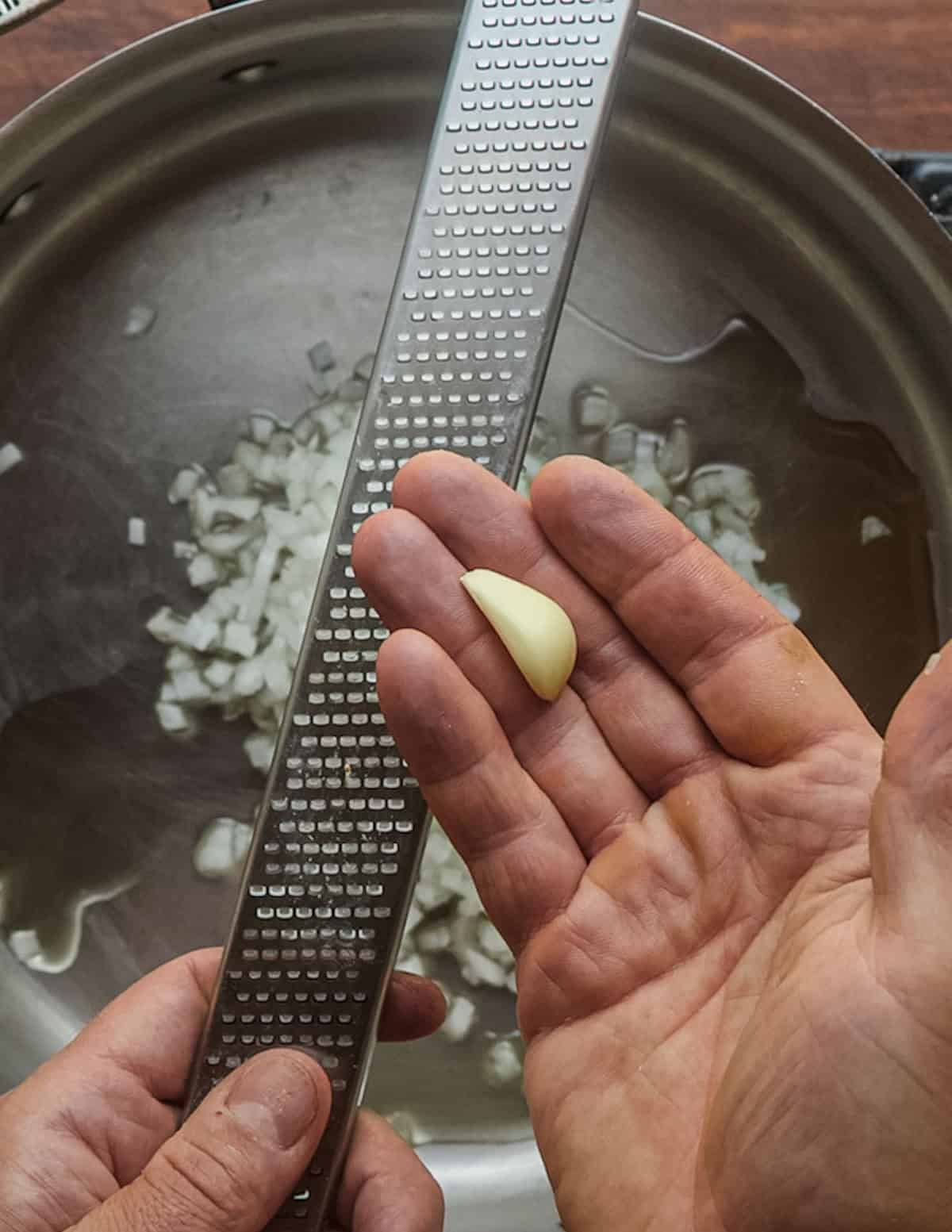
Next, sweat some onion and grated garlic in a wide, shallow pan. Add the greens, stir to wilt, then add the water or stock, bring to a simmer, turn the heat to medium and cook until the greens are tender and the pan is dry.
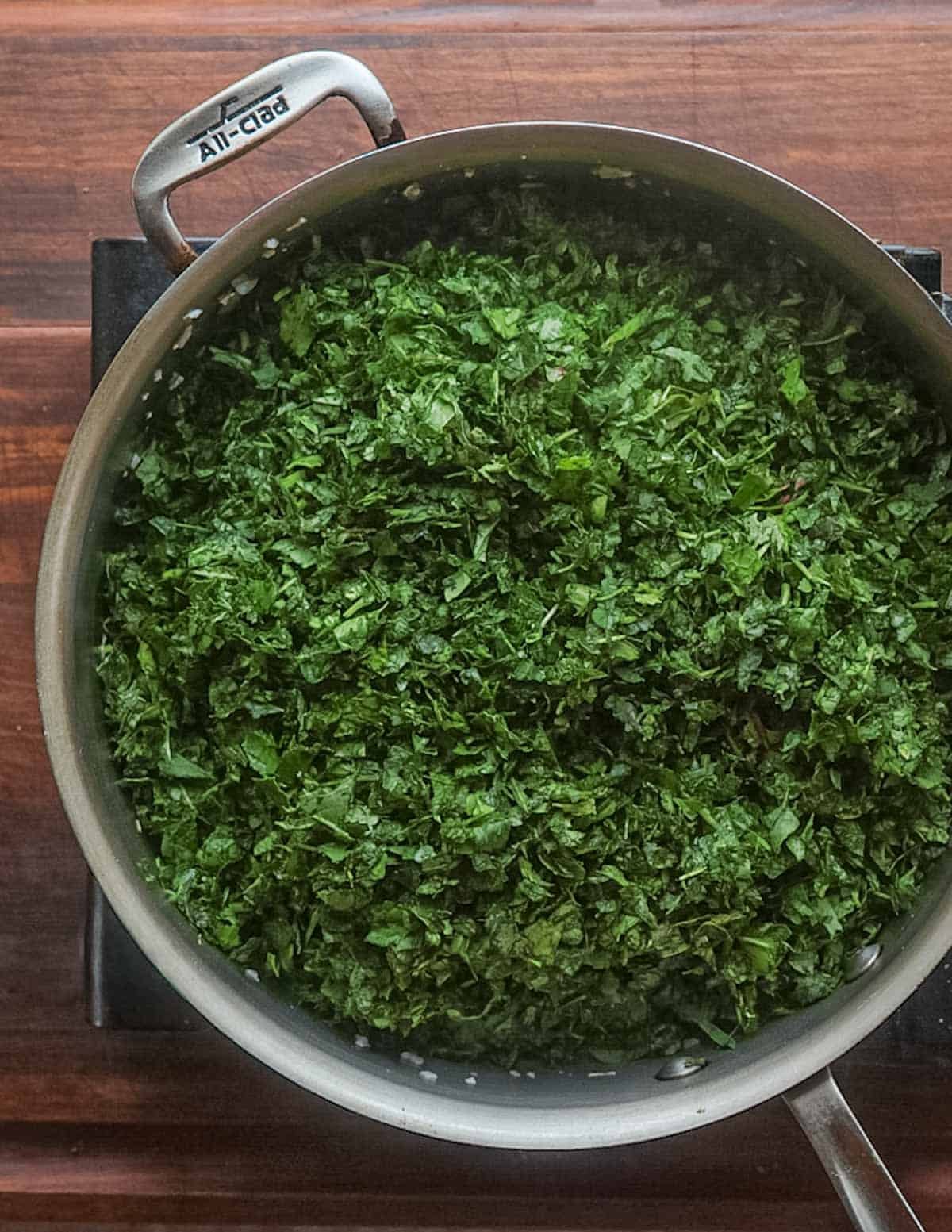
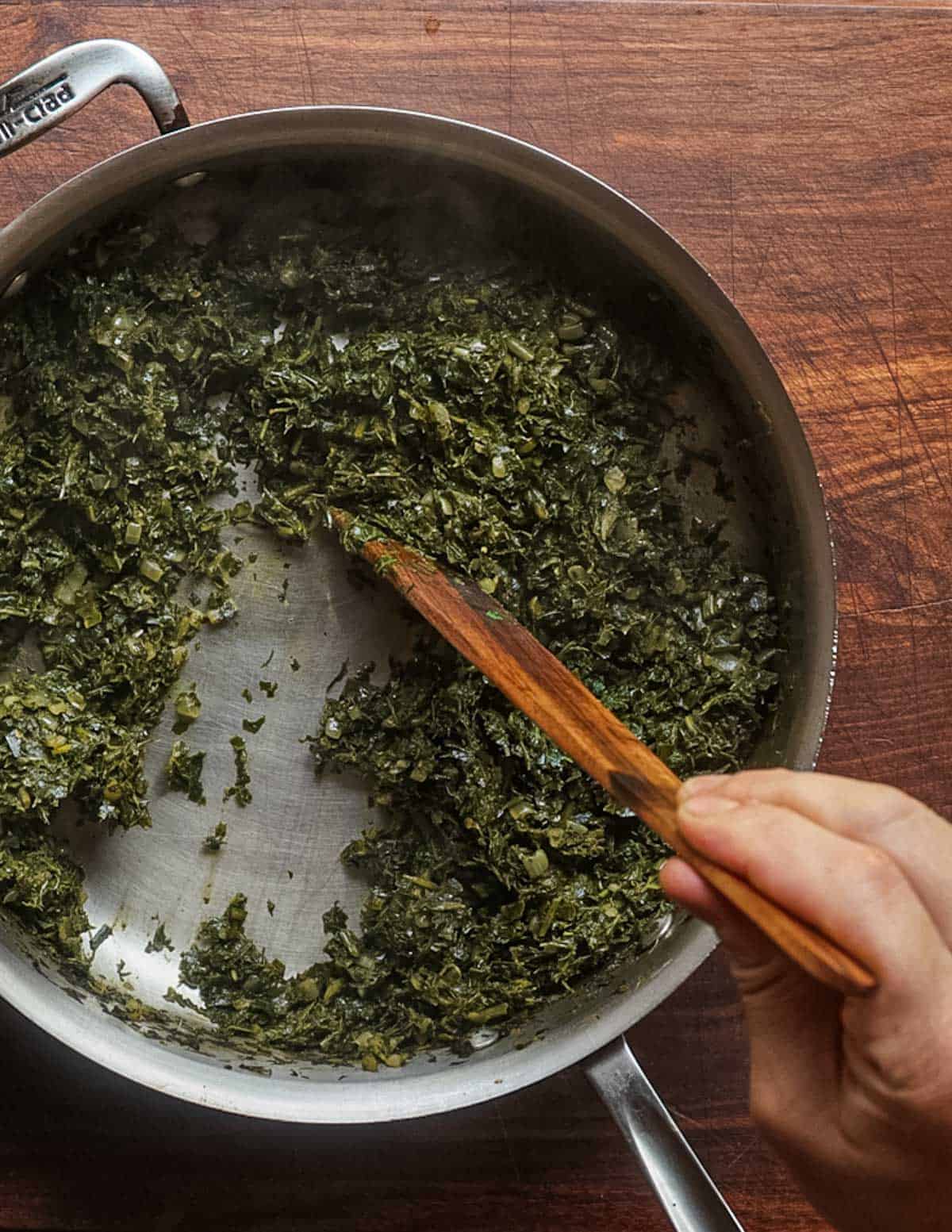
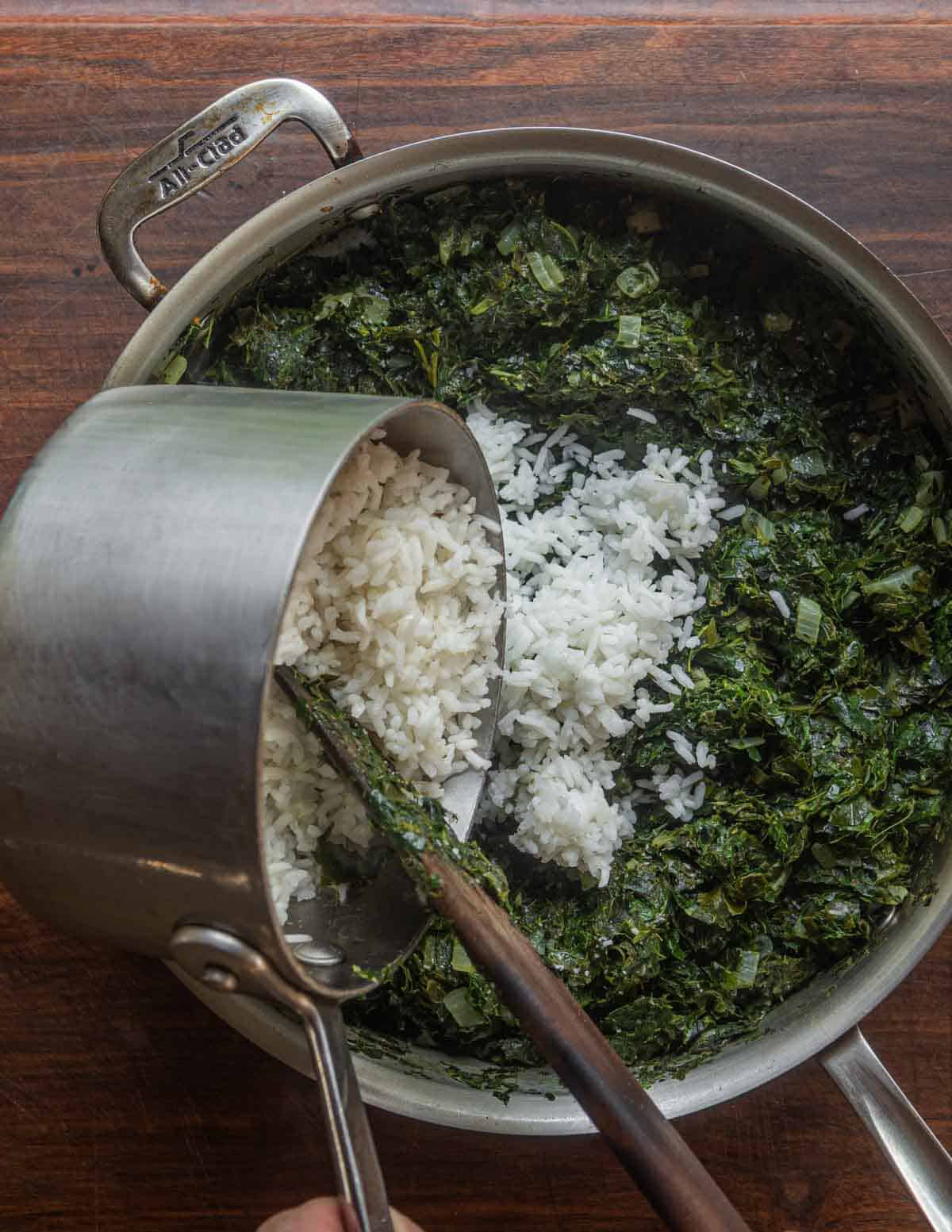
By the time the greens are tender the rice should be done resting. Add the rice to the pan of greens, gently combining with a spoon. Thinly slice some fresh mint and dill and add them, too.
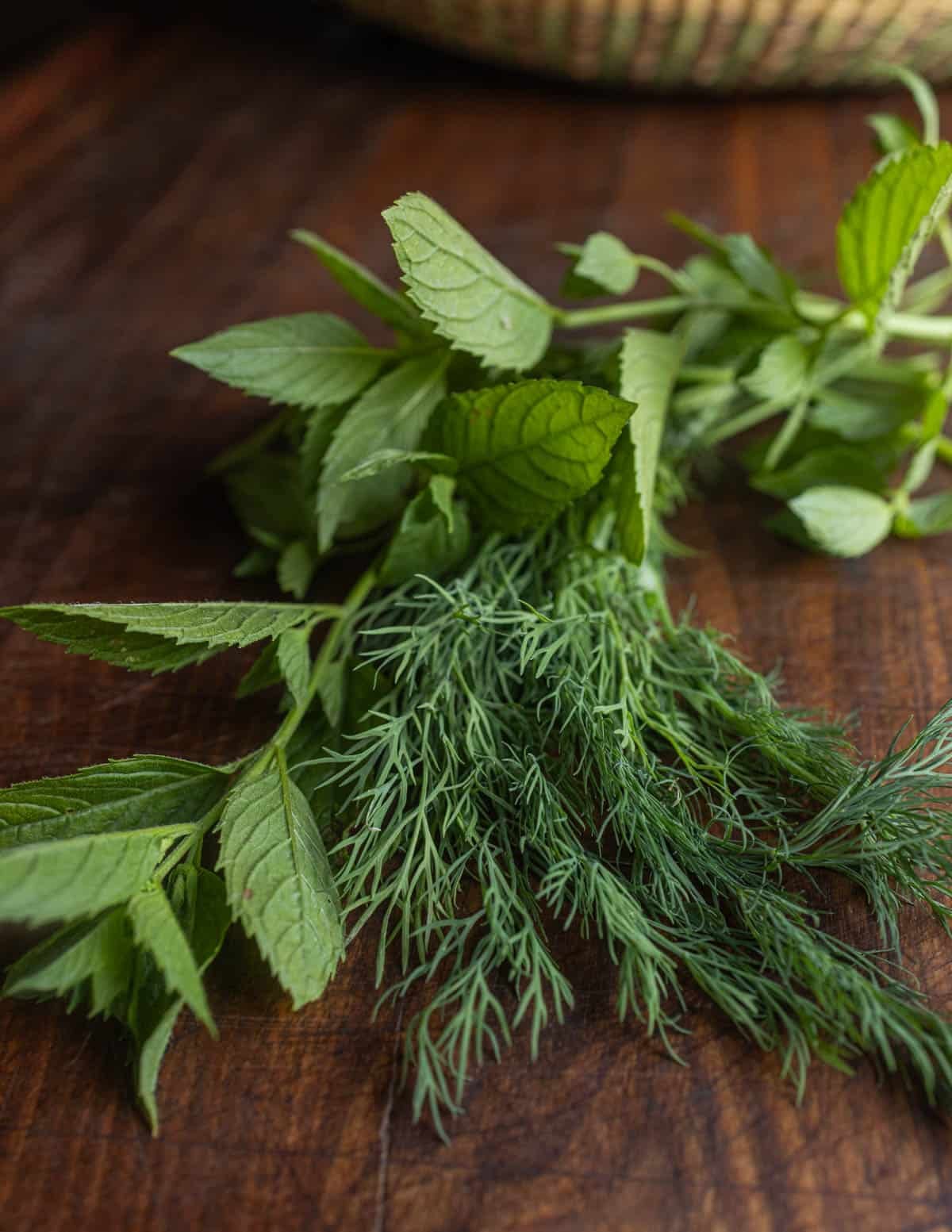
If at all possible, try to use both herbs as they work very well together here.
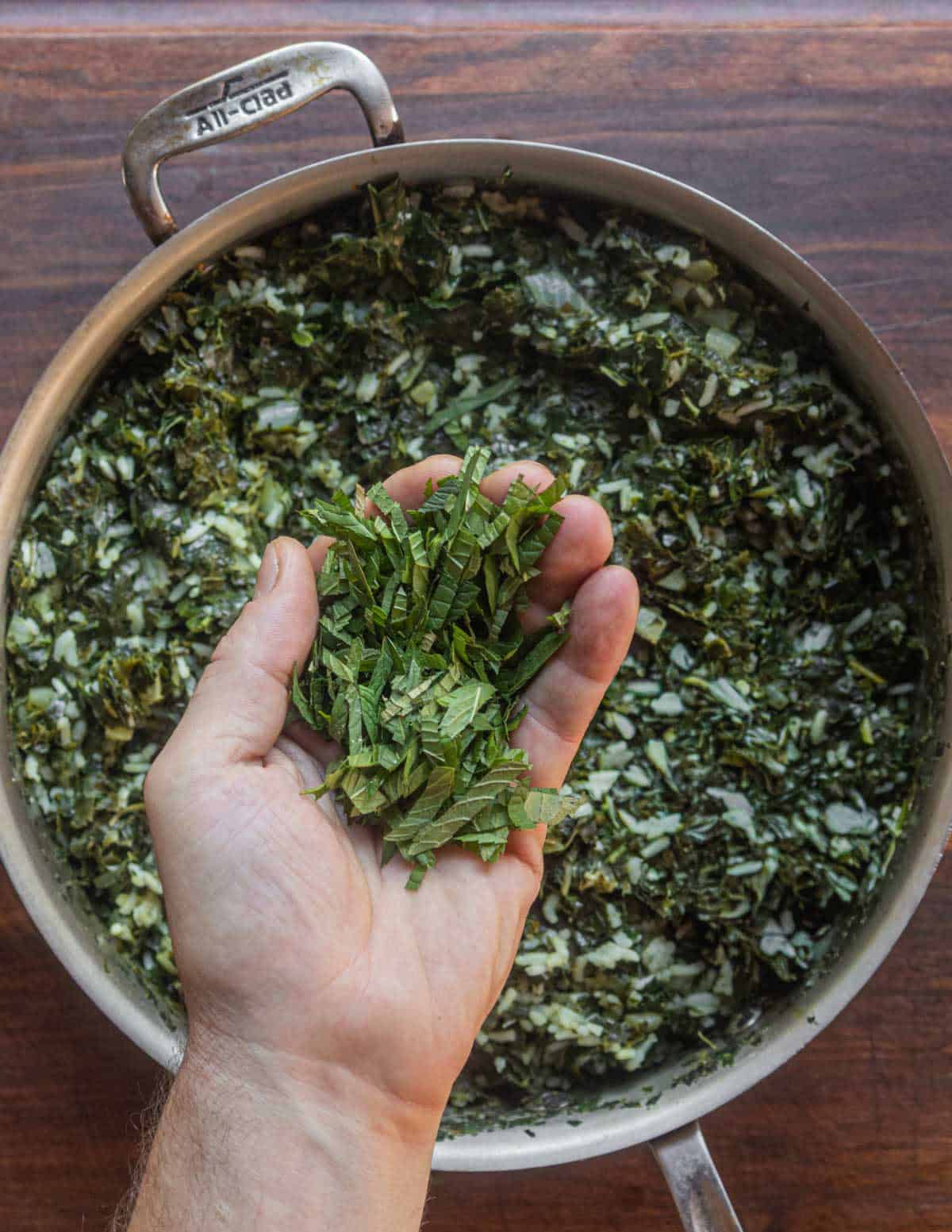
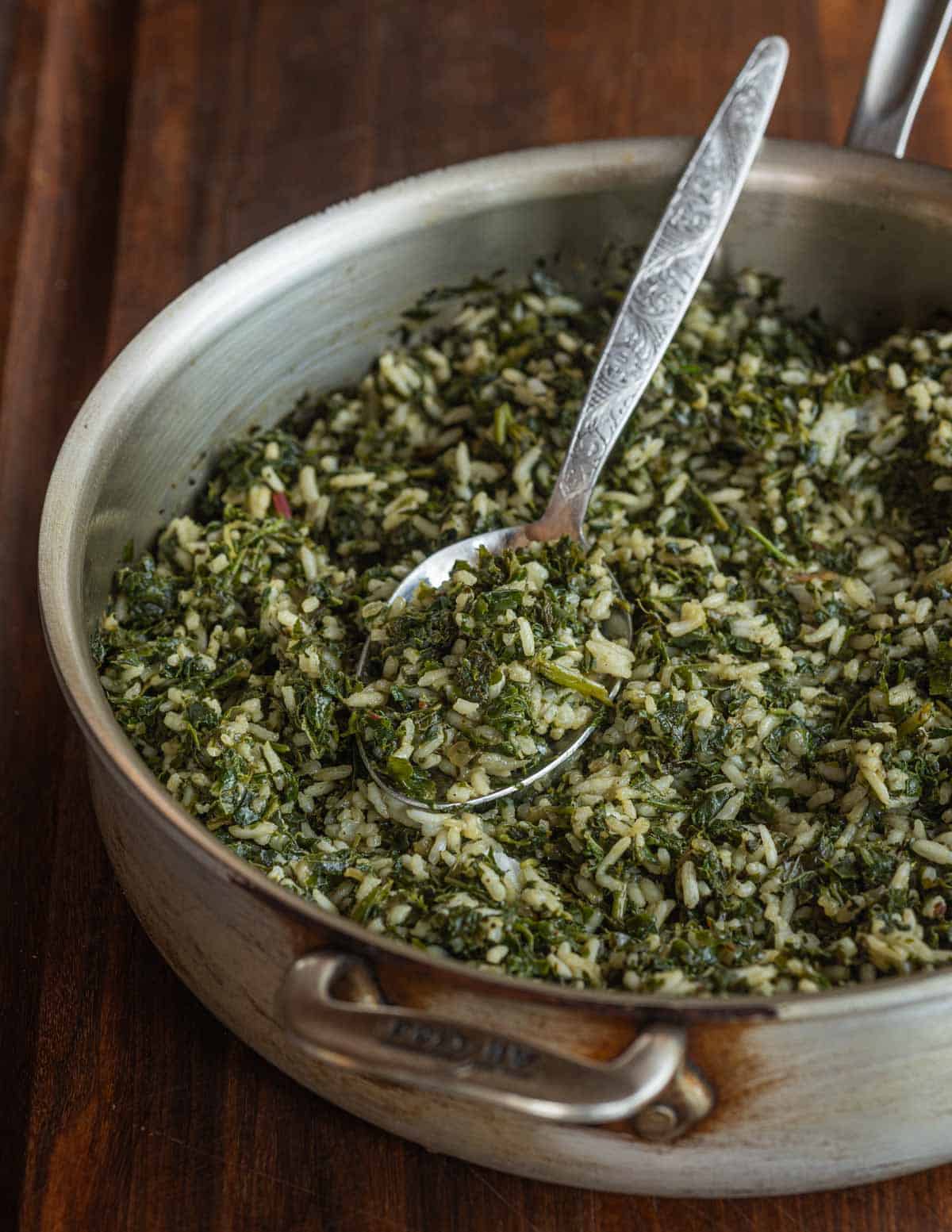
After the herbs are added and the seasoning corrected, the rice can be served right away or refrigerated. It travels and reheats well-great for cooking in advance, or if you're me, for events.
Additions and Variations
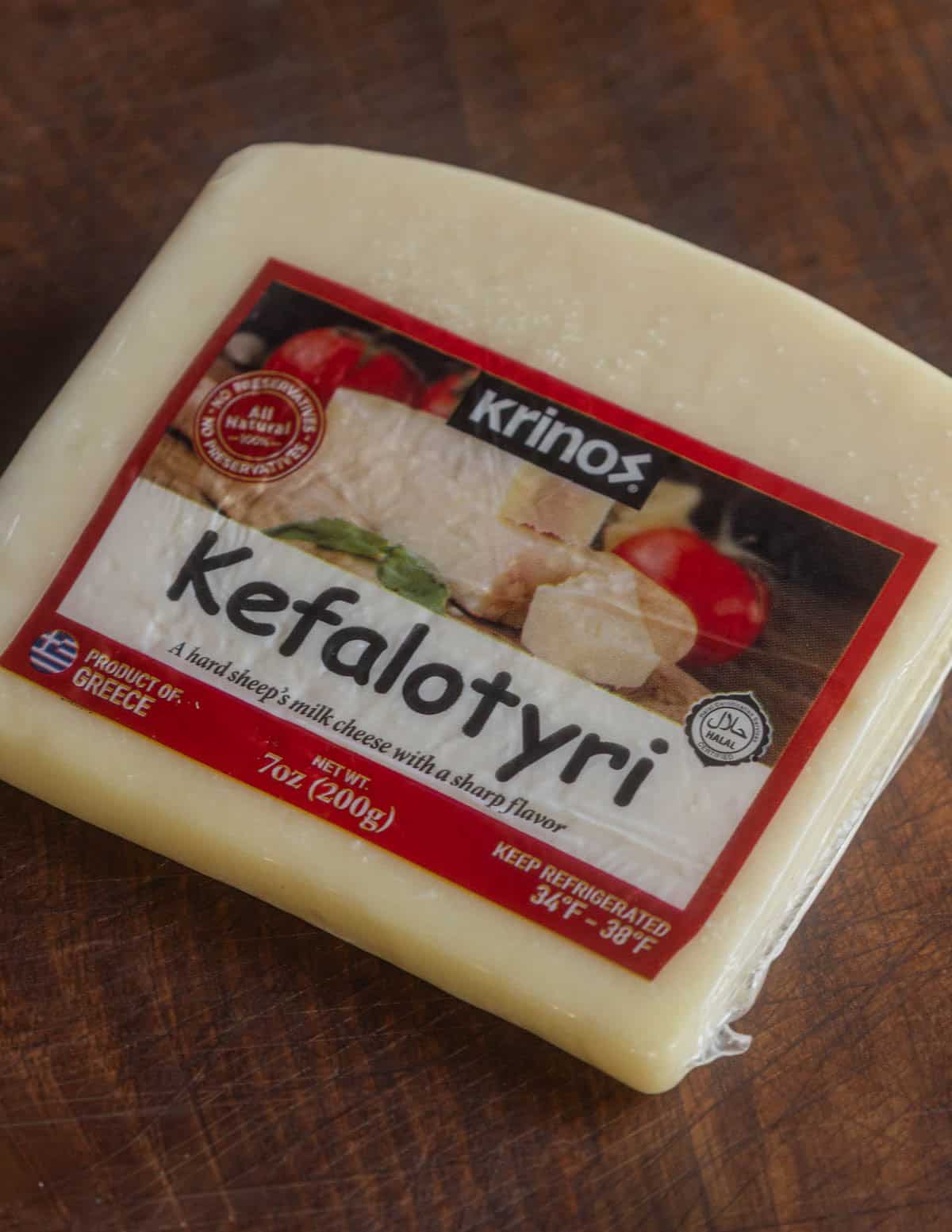
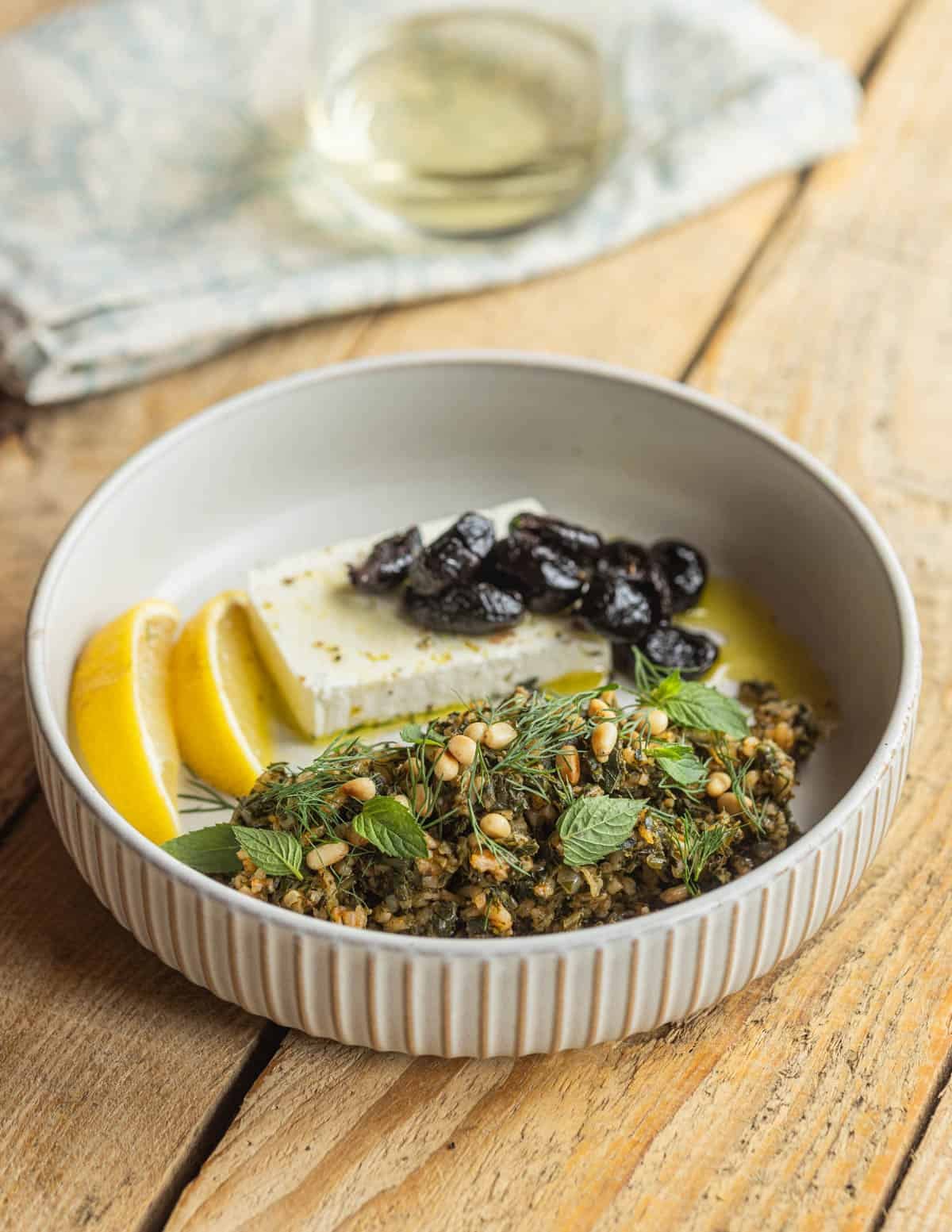
Another throughline I noticed was that many recipes have additional ingredients. Rice and leafy greens can be mild, so some version add salty cheeses like feta or grated kefalotyri-a firm Greek sheep's milk cheese comparable to young pecorino.
Others add the wrinkled, oil-cured black olives, which are saltier and very different from black olives from in a can.
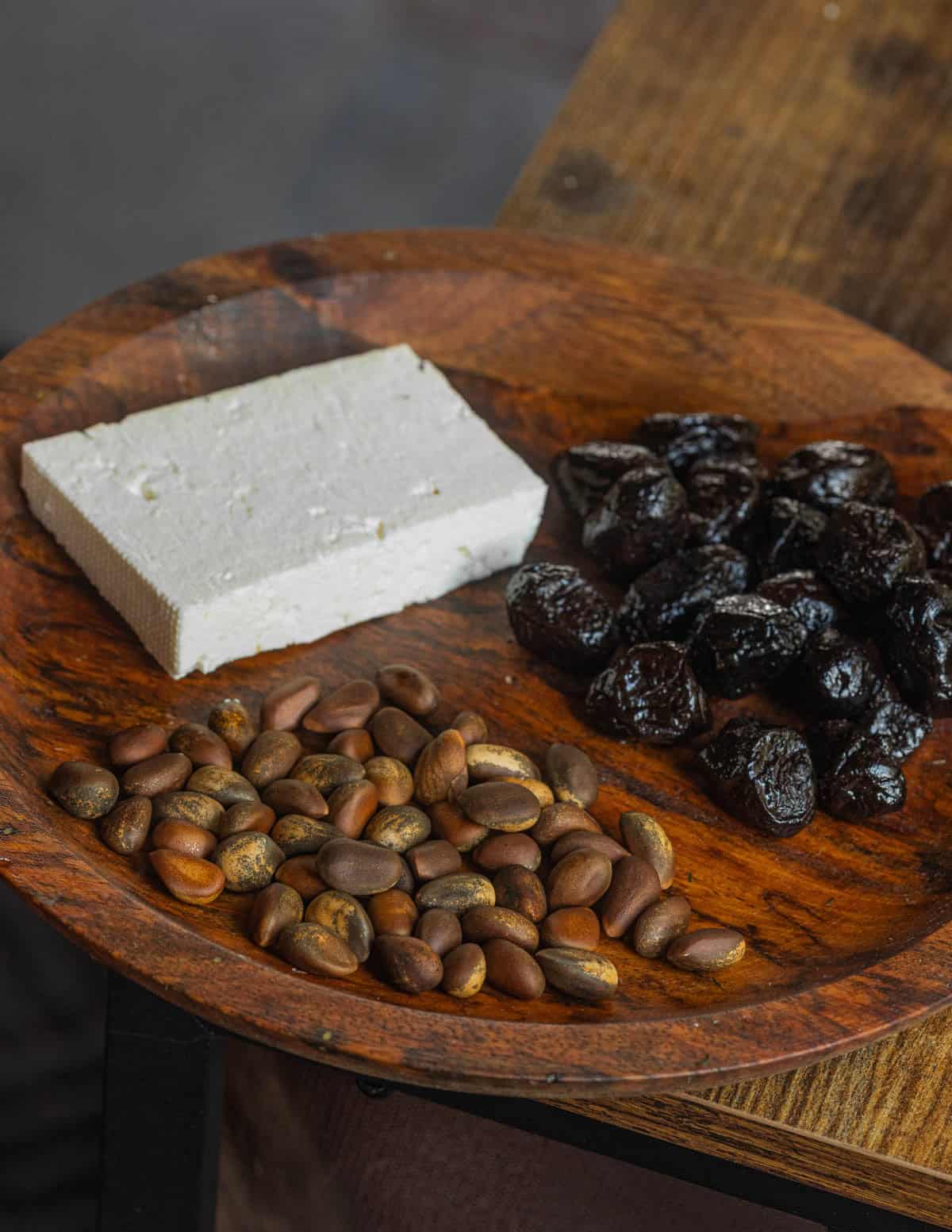
Patience Gray and a few others online add pine nuts (often referred to as pine kernels) at the beginning or end of cooking, presumably to add fat and heft to what can become a wonderful vegetarian meal, although it's a perfect compliment to lamb and fish, too.
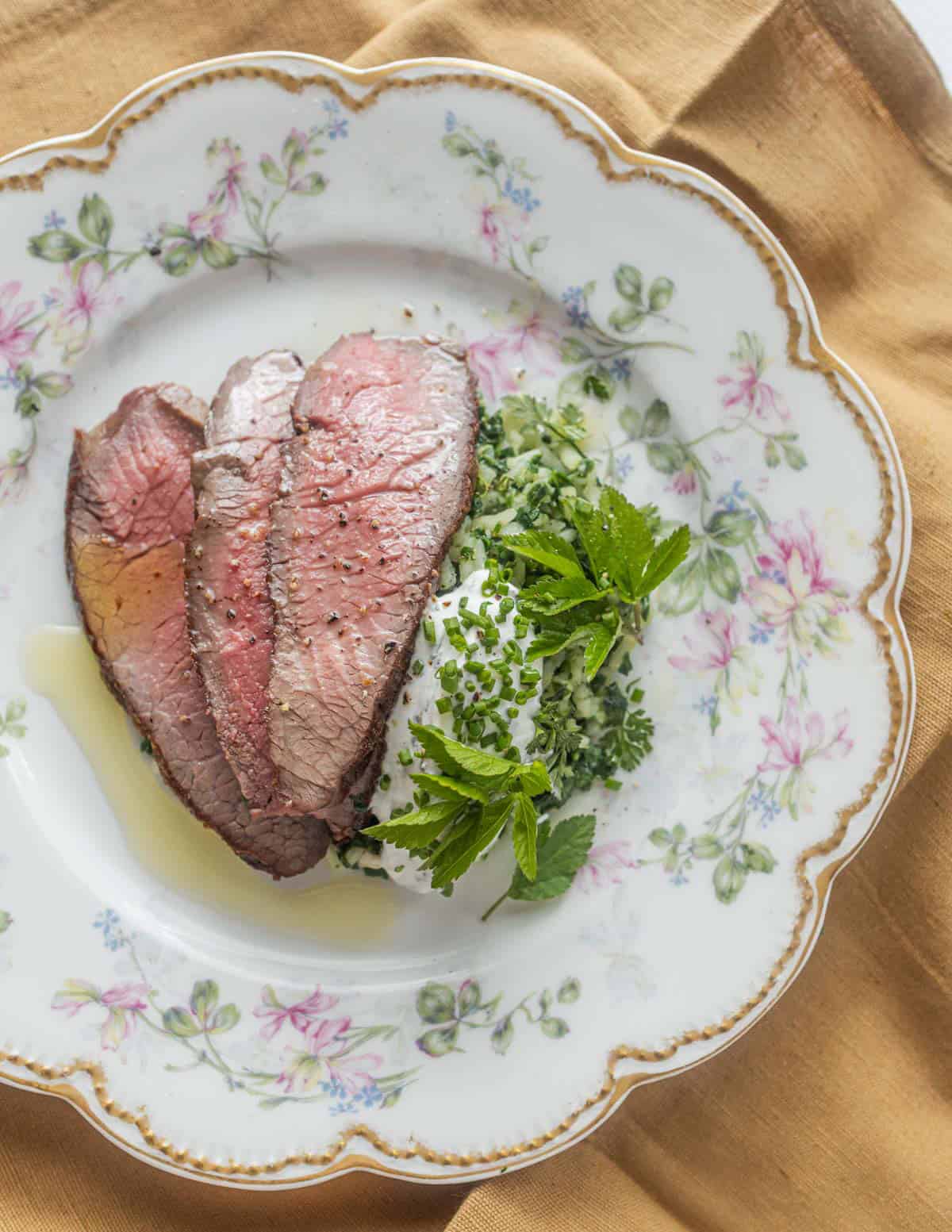
Of course, the flavors also pair well with lamb or goat. Below is an image from the cutting room floor of my next book: lamb roast with spanikorizo and a dollop of ramp yogurt and Cretan olive oil.
I know I have plenty of readers with Greek heritage. Are you familiar with this dish or have anything to add? Leave a comment and let me know.
Related Posts
- Horta: Greek-Style Wild Greens with Olive Oil and Lemon
- Vegetarian Stuffed Grape Leaves
- Fermented Grape Leaves
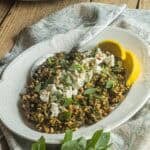
Spanikorizo: Greek Spinach Rice
Equipment
- 1 2 quart sauce pot for the rice
- ` 12 inch skillet with high sides and a lid for the greens
Ingredients
Rice
- 1 tablespoon mild olive oil
- 1 cup long grain rice
- 1-2 tablespoon tomato paste or sweet paprika optional
- ½ teaspoon kosher salt
- 1.5 cups Chicken stock or water
- 1 bay leaf fresh or dried
Greens or Spinach
- 1-2 lb mixed leafy greens largest variety possible-see note
- 2 tbsp mild olive oil
- 1 large (5 oz) white or yellow onion or leek minced or diced ¼ inch
- 2 large cloves garlic grated
- ½ teaspoon kosher salt
- 1 cup chicken stock
Finishing and serving
- 1 large lemon cut into wedges for squeezing
- 2 tablespoon extra virgin olive oil for drizzling
- 8 oz feta cheese for serving
- 4 oz (½ cup) oil-cured black olives pitted and roughly chopped (optional)
- ¼ cup toasted pine nuts optional
Instructions
Rice
- Rinse the rice in cold water until the water runs clear. Lay the rice out on a tray and allow to dry completely. I like to do this the night before if I can.
- Heat the oil in a small sauce pot and add the tomato paste or paprika if using. I recommend trying it without tomato first. Stir and cook until translucent, about 5 minutes.
- Add the salt, rice, stir to coat, then add the stock, cover, bring to a boil, turn the heat to low and cook for 15 minutes. Turn the heat off, fluff with a fork and allow to rest while you prepare the greens.
Greens
- While the rice cooks, prepare the greens. Remove any long, tough stems, although with greens that will become tender after cooking like dandelions and chicory I leave them in.
- Ball the greens up on a cutting board and roughly chop, trying to work in a cross-hatch pattern. Put the greens in batches in a food processor and pulse until they look finely chopped.
- Alternately, finely mince the greens by hand with a heavy, long chef's knife. A ten inch length is good.
- Heat the oil in a wide pot with high sides (12 inches is good). Add the onion and grated garlic and cook until translucent, about 2-3 minutes.
- Add the salt, greens and half of the stock, along with the chili pepper if using. If you have dried mint and dill instead of fresh, you would add them now.
- Cover the pot and cook on medium heat until the liquid's absorbed, the greens are tender and the pan is nearly dry. If the greens aren't tender by the time the stock's evaporated, add some more.
Assembling and Serving
- Add the rice to the pan with the greens, along with the dill and mint.
- Double check the seasoning for salt and herbs, adjust as needed. If you want to add black olives, stir in a handful now.
- Serve garnished with crumbled feta or grated Greek cheese like kefalotyri and the pine nuts, a drizzle of olive oil and wedges of fresh lemon.
Claudia Marieb
This was fun - gathering all sorts of greens to make it, and delicious. Great comfort food with lots of greens hidden in it. I could eat it every day.
Mariama
This looks absolutely gorgeous!
Allison Flint Lenzi
Thank you for this fantastic recipe, always inspirational. I had an abundance of tomatoes from my garden, so I roasted those with garlic to accompany and put on top of the rice. Local farm had beautiful Escarole so those were the greens.
Katerina
Looks great! I' ve never seen it with pine nuts. I will definitely try it. I also do my own version. Super simple: green onions, spinach and/or anything else green, rice, a lot of lemon, olive oil, salt and pepper.
LaRae
Fabulous flavor and a nice simple side dish!
Alan Bergo
Thanks for being a Guinea pig mom!
Janie Wise
This sounds great but I'm not seeing rice listed in the ingredients. Is it 1/2 cup as in the photograph of the recipe from Mediterranean Grains +Greens? Thanks!
Alan Bergo
Thanks, I adjusted that. In the middle of cooking breakfast for a few hundred people rn 🙃.
Janie Wise
In the age of ai, an honest mistake somehow feels reassuring 😉
Alan Bergo
I really couldnt agree more. I used to best myself up over my constant litany of typos but now it’s really nbd. It’s good to be human, and let others see it.