
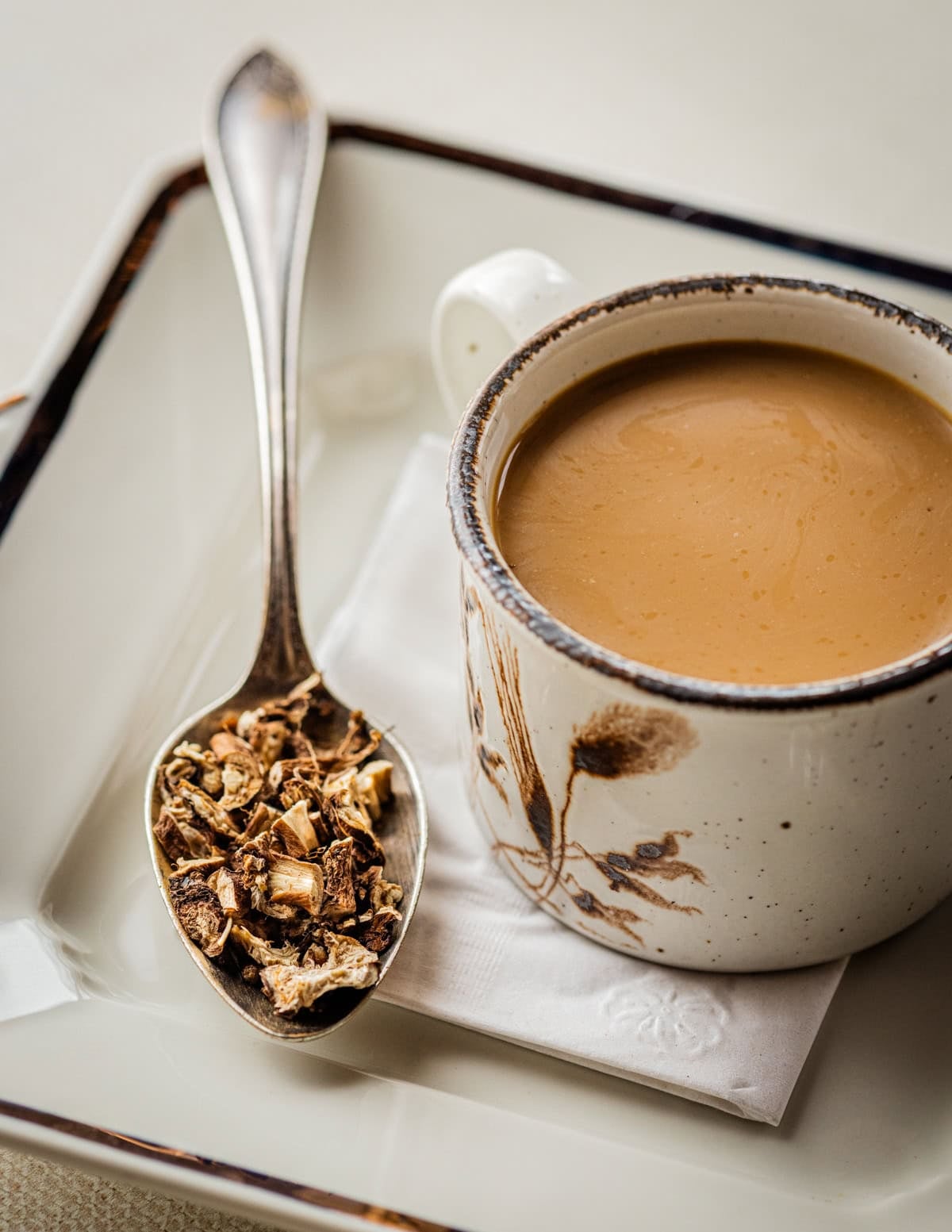
Coffee alternatives are having a revival and seem to be everywhere. Chicory and dandelion coffee is one that took hold and became its own thing. It's a great little piece of history, and interesting to consider as the time to dig roots is coming soon. Today we'll take a deep dive into the background and where it came from, what it tastes like, and how I use it is different from what you might expect.
Background
To understand how a bitter, wild root could be found for sale as a drink (and is currently having a resurgence) we need to go back to old herbalism traditions of Europe. The roots of dandelions and chicories and other plants with robust roots like burdock were long known to have medicinal properties, reputedly used to treat things like digestive issues, jaundice, and liver problems.
One I can attest to is that the roots of some Asters are a strong diuretic, the potency of which I was reminded of after a few glasses of dandelion root tea this week. This should come as no surprise as the name in French (pissenlit) directly translates to "wet the bed".
So it's obvious boiled wild roots were a known quantity long before coffee came to Europe by way of Africa around the 16-17th century. During that period, coffee became a major urban beverage in Europe. However, as a colonial import, it was still relatively expensive, and disruptions in supply through things like wars and taxes increased the price.

From there, it's basic economics: a low supply and high demand means people, coffee houses and suppliers didn't want to be without their new drink. Inevitably, some industrious people (accounts I read attribute it to the Germans and / or Dutch) started turning to local plants that could bridge the gap, either to stretch the coffee, or simply as a substitute.
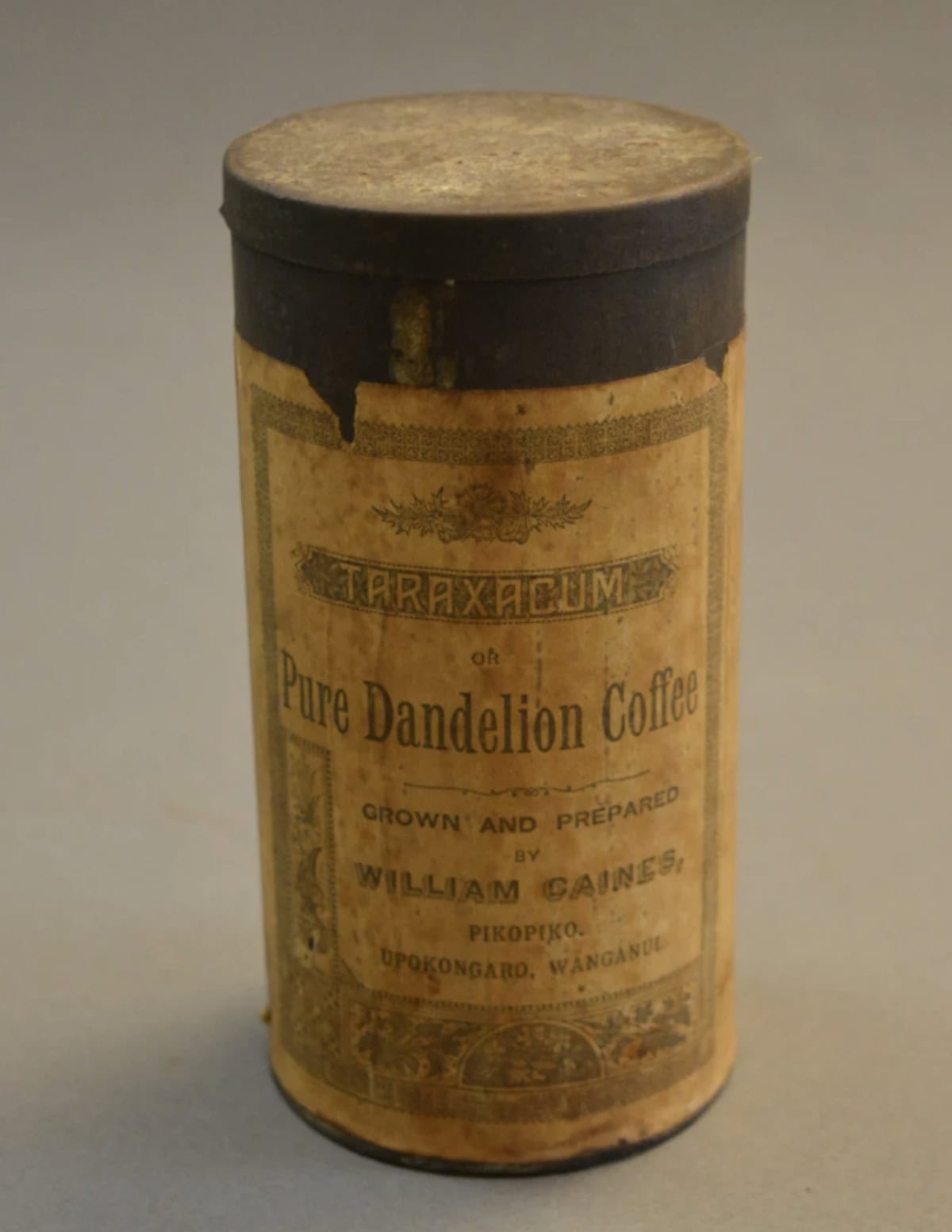
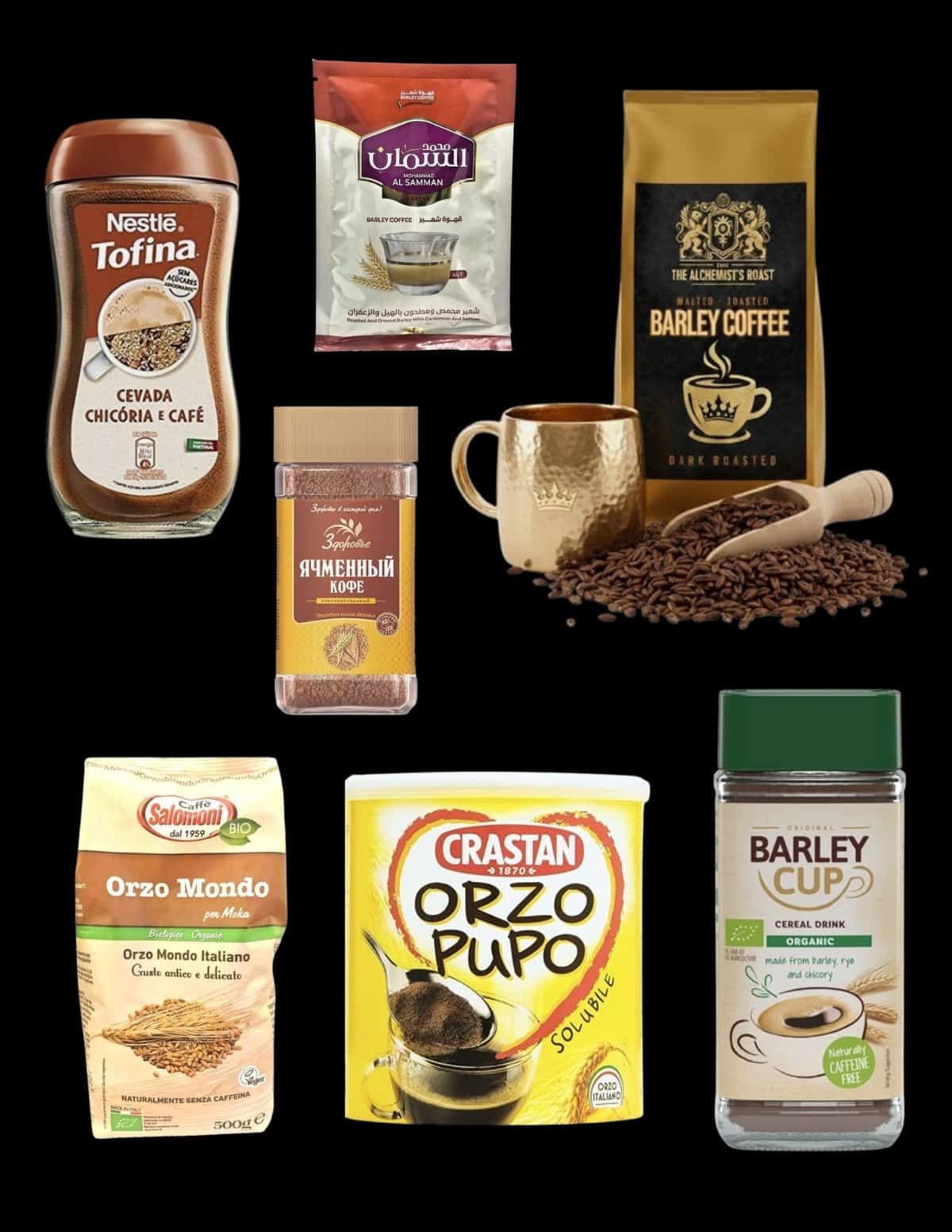
The roots of many plants that could be roasted were used: beets, burdock, dandelions, parsnips, chicory, and even grains like barley. To this day, Nestle still makes a chicory-barley coffee that's sold in Portugal and other places in Europe.
New Orleans Coffee
In the U.S., the most notable example of chicory root coffee taking hold is from New Orleans where it's still served to this day. Instead of being seen as a substitute, coffee and dried, roasted chicory root are mixed together to make New Orleans Coffee: a strong, dark brew tempered with milk, served with sweet beignets to counter the subtle, bitter edge.
Natural Foods Revival in the U.S. (1970's-present)
The health food movement started around the 1970's and has continued, evolving over time, becoming more industrial and standardized to meet the growing market demand. Things like whole grains, minimally processed food and caffeine-free herbal tea gained a lot of popularity, and dandelion coffee and tea came along for the ride.

Fast forward to the present, there's now numerous brands of dandelion coffee and tea. The most recent innovations I've seen are blends of mushroom and chicory sold by brands like Rhyze. The ones I've tried don't taste very good.

What Does it Taste Like?
Well, dandelion coffee tastes more complex than you might think. While it isn't coffee, it's much closer than Kentucky coffee seeds and other coffee substitutes I've tried. When well-roasted and dark, the aroma is surprisingly similar, considering it comes from the root of a weed. The flavor is a bit lighter, with a noticeable bitterness that screams boiled Aster roots to me, in a not-unpleasant way.
Preparation and technique is important here, and I have friends who've given me cups of light brown dish water that simply taste bitter. Long, slow roasting at a low temperature, and boiling, not infusing, is key to unlocking the flavor in my world. You can cook the roots darker than you might expect.
My Modern Uses of Dandelion Coffee
While I might occasionally have a cup here and there, dandelion root is valuable to a forager who serves food to the general public as the roots are cultivated. While I demonstrate digging the roots in the video and post, it's more for posterity since digging up enough roots to serve a few hundred people would be a lot.
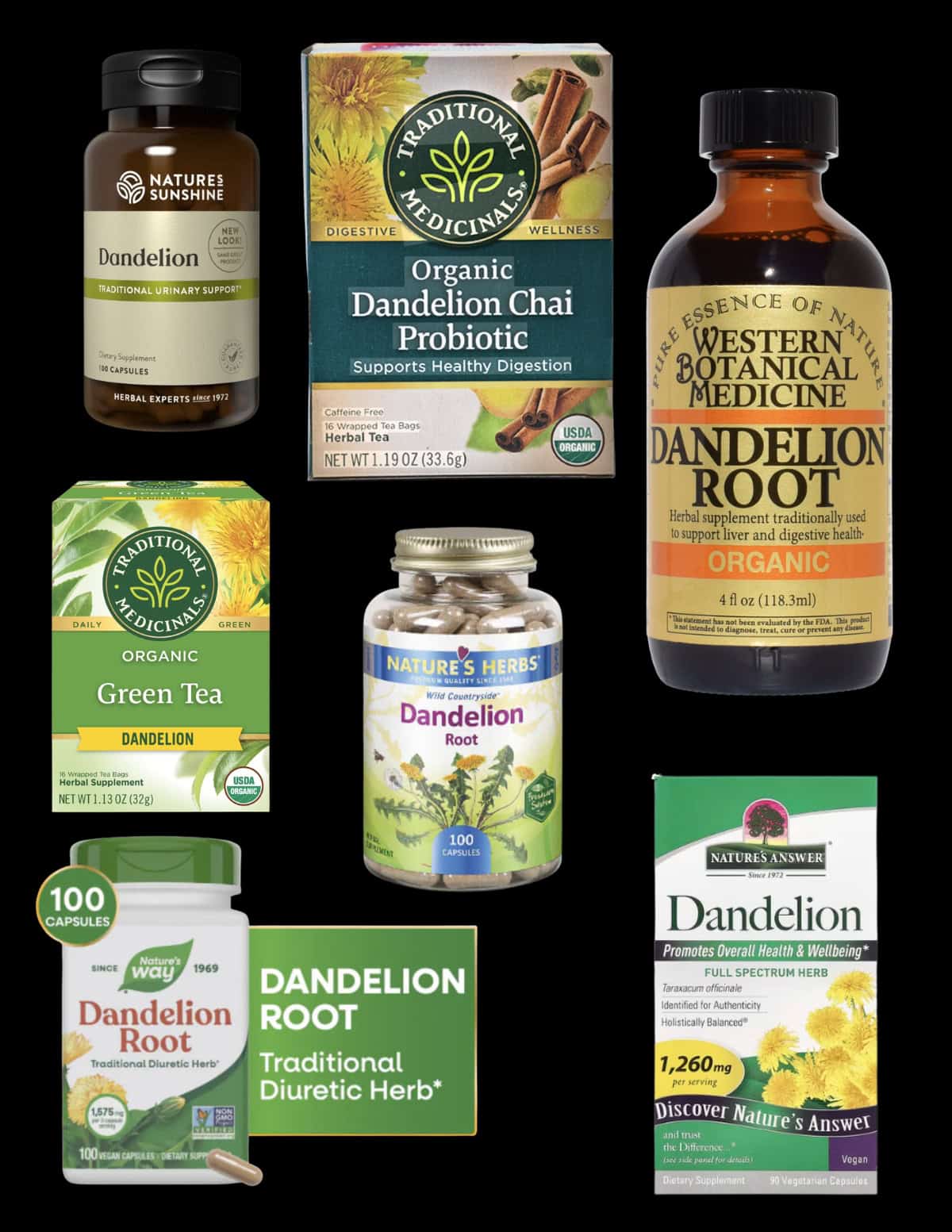
Most coops sell dried dandelion roots in the bulk section, and while it's spendy at $40/lb, the time saved on labor allows me to focus on other things. Cheaper sources are easy to find online.
So how do I use it? For me, dandelion coffee is an ingredient as opposed to a beverage, particularly for desserts, but savory dishes can work too. While a cup of the "coffee" won't fool anyone, like regular coffee, it has an affinity for dairy, and custards, ice creams, mousses, puddings, cakes and sauces made from it are deliciously unique.
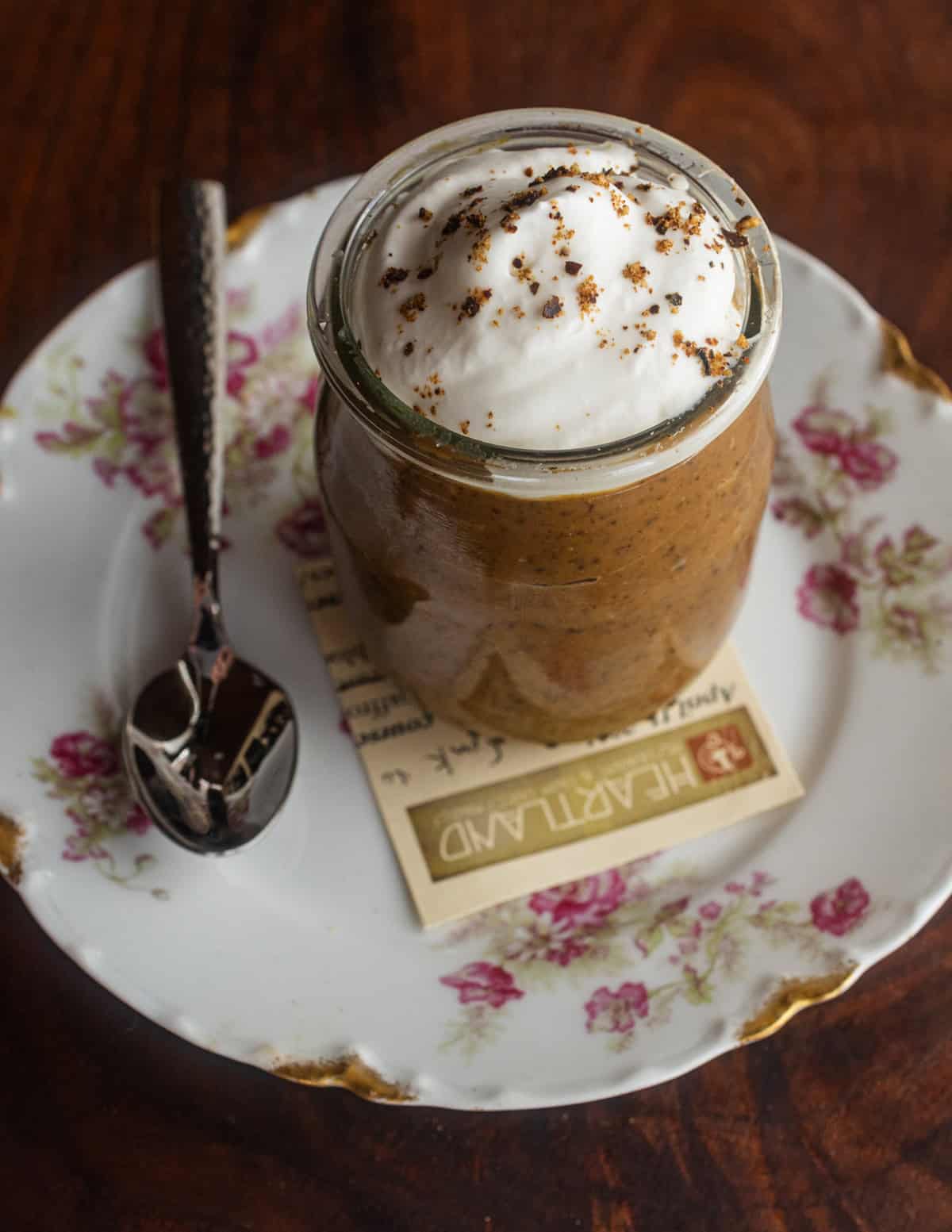
Mixed with dairy the flavor softens and transforms. There's notes of cocoa, mocha, and sort of peanut-aroma underlined by a subtle bitterness perfectly suited to parry with sugar. If you've made Linden tree chocolate, the flavor is similar enough that many people wouldn't be able to tell the difference.

Although not originally my goal, I've become a foraging educator by default, and I can tell you: no other preparation I've made will turn the uninitiated into dandelion lovers so quickly.
I don't strain the coffee either as the small particles of caramelized root are the best part. Rehydrated, they soften and sweeten, creating a texture that will make you shout dandelion cookies and cream, or your money back. See my dandelion ice cream recipe for more.
Another preparation I've done is to reduce the liquid and roots together with maple syrup. The flavor and texture is so good I've considered calling them wild cocoa nibs. There's tons of things you can do with them.
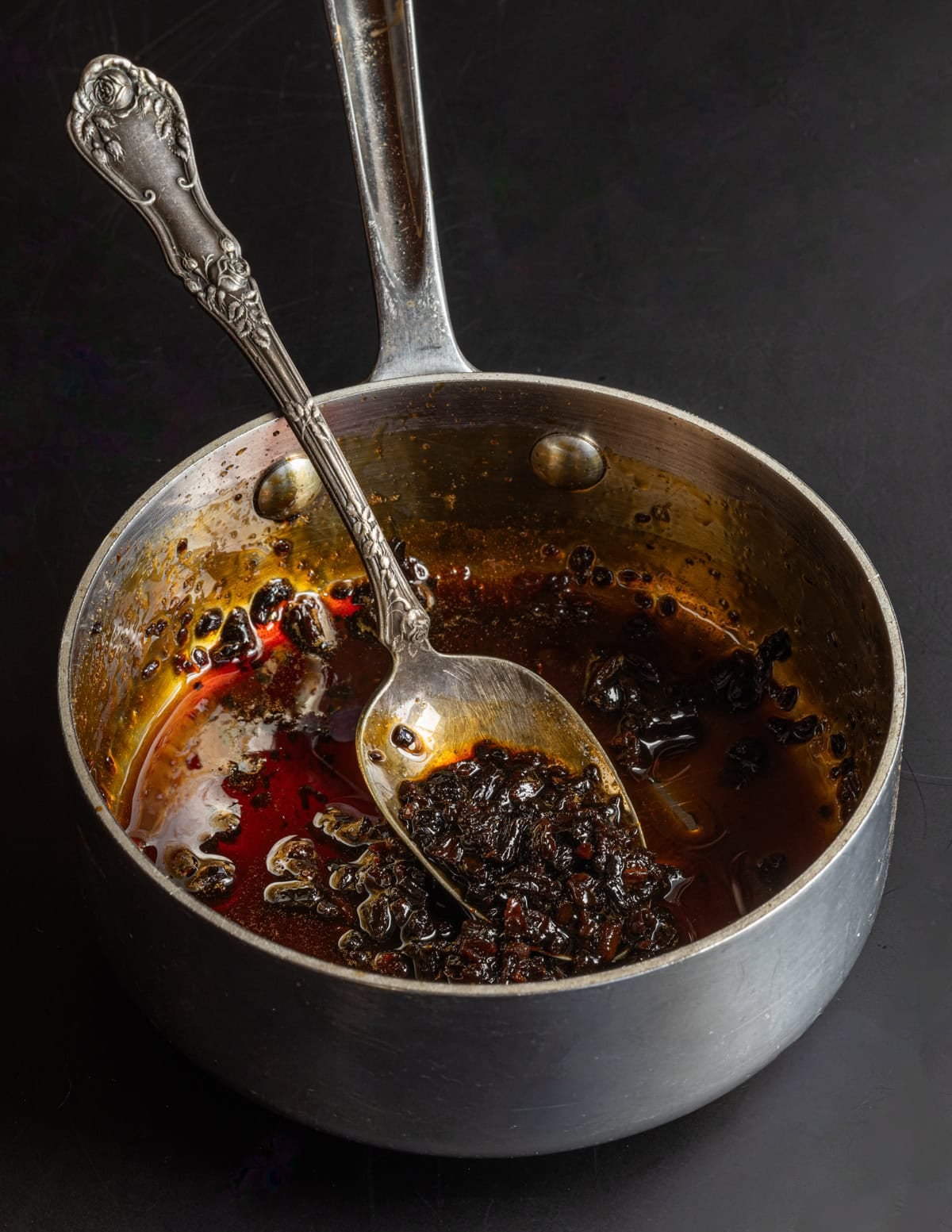
The uses don't stop at deserts either. The dark color of the coffee can enhance all kinds of things, and I've been using it like my Grandmother did that little bottle of Kitchen Bouquet to enhance the color of sauces and gravies.
How to Make Dandelion Root Coffee
If you don't want to buy dried dandelion roots you'll need a shovel and a little elbow grease. Like most wild roots, it's best to harvest them in the Spring or fall-definitely not when the plant's in flower.
Ideally, go out after a rain as it makes the soil easier to dig in. Get a heavy shovel and find the biggest, most vibrant clusters of dandelions you can. The edges of an organic farm field are my first choice. For the thickest roots you want soft earth as rocky ground will make the roots split, making them thin and spindly.
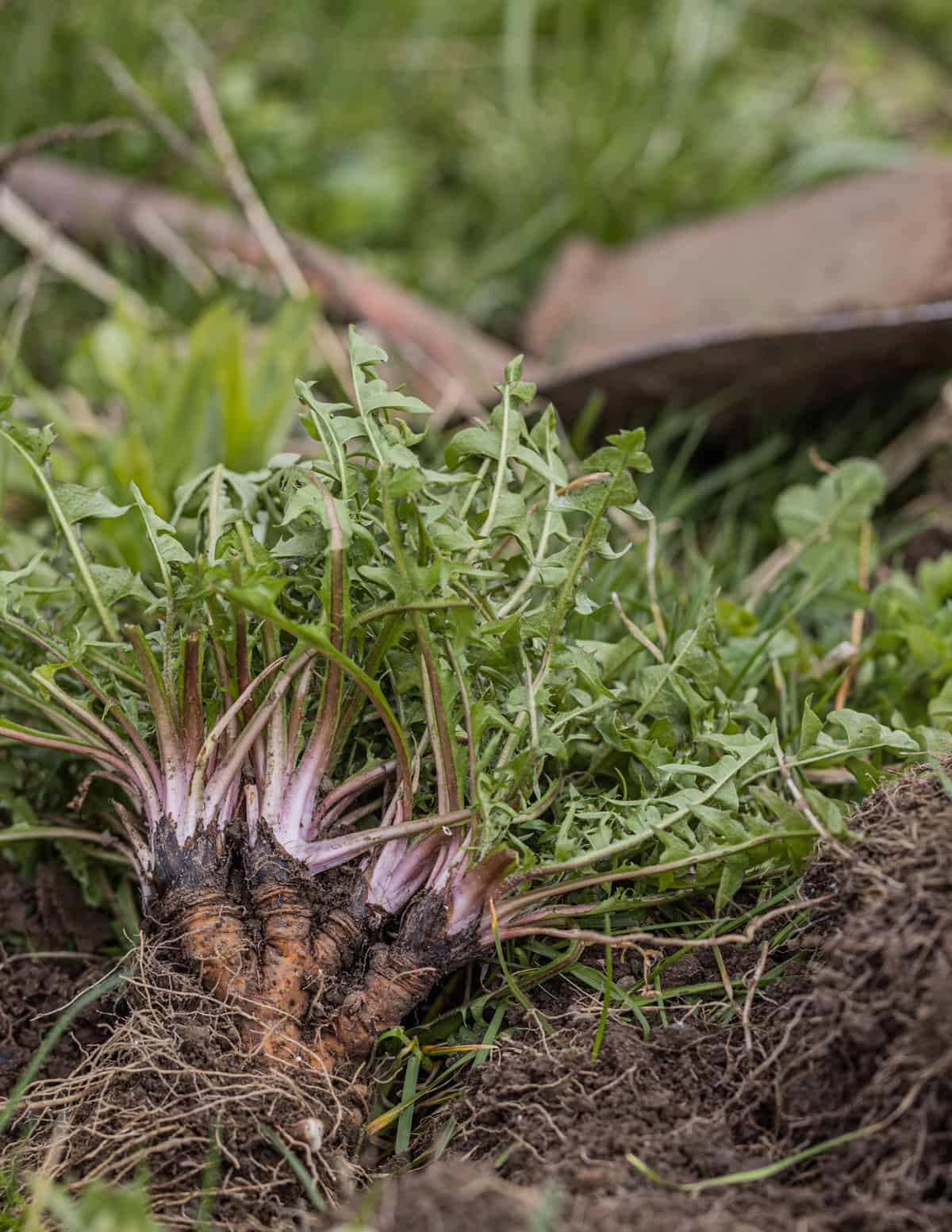
Dig up the roots and remove the small clusters of leaves and the thick portion of stem that connects them at the base. Each of these are dandelion "hearts", and they make a great side dish.
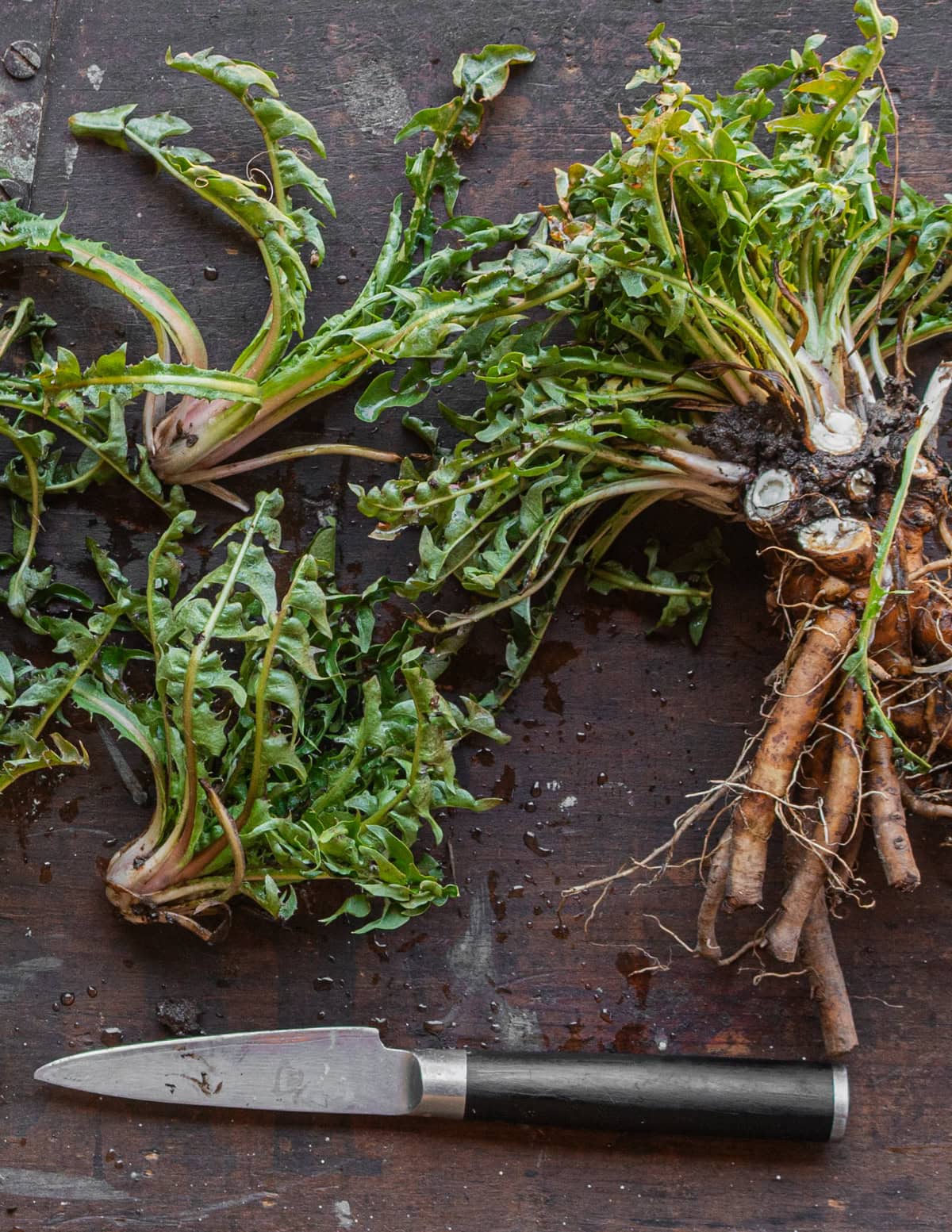
Next, clean the roots. Warm water and an abrasive scrub brush are your best friends here. Cold water, like from a hose can work as a pre-rinse, but a warm water is better at removing dirt. Scrub the roots until they're impeccably clean and the water runs clear, cut into small pieces, then wash again until the water's clear.
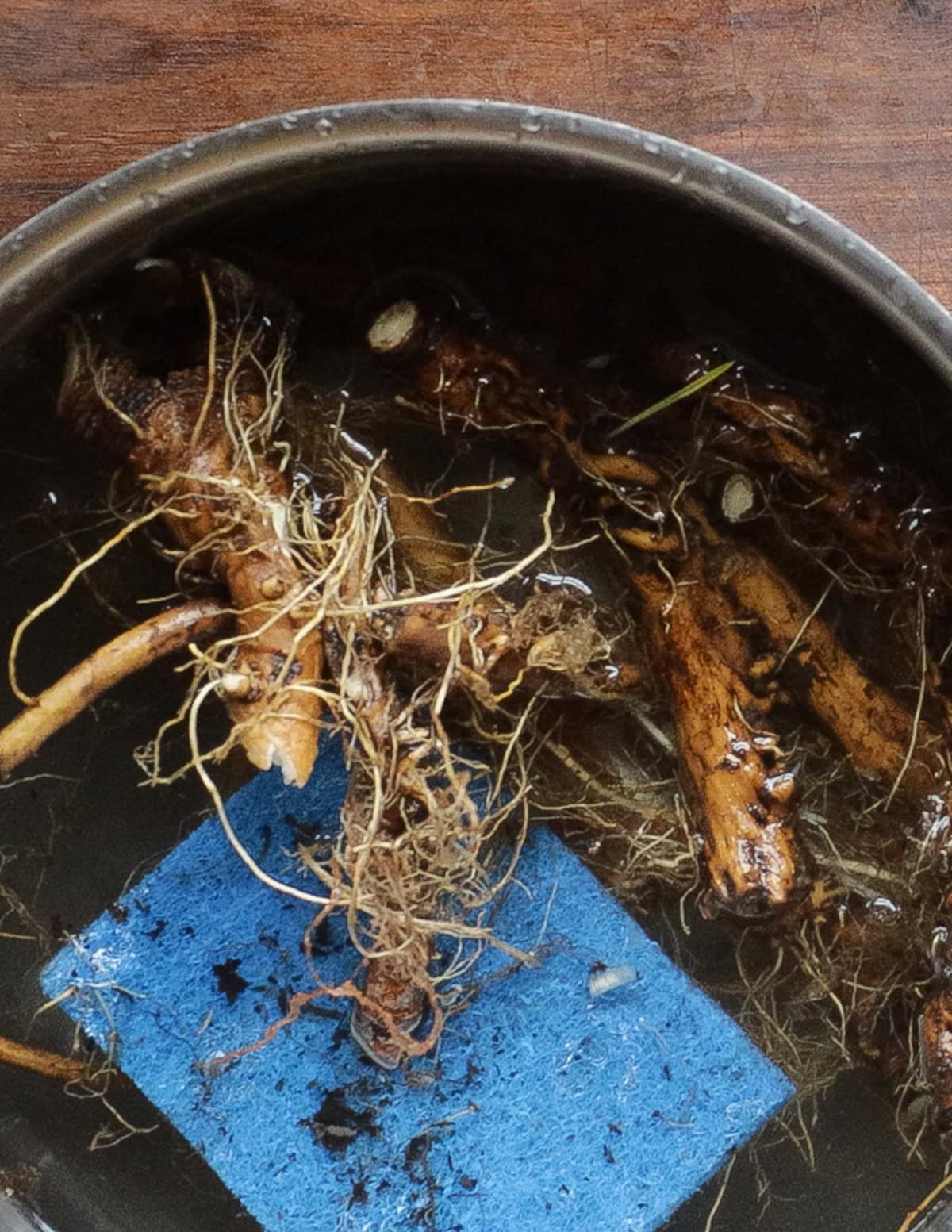
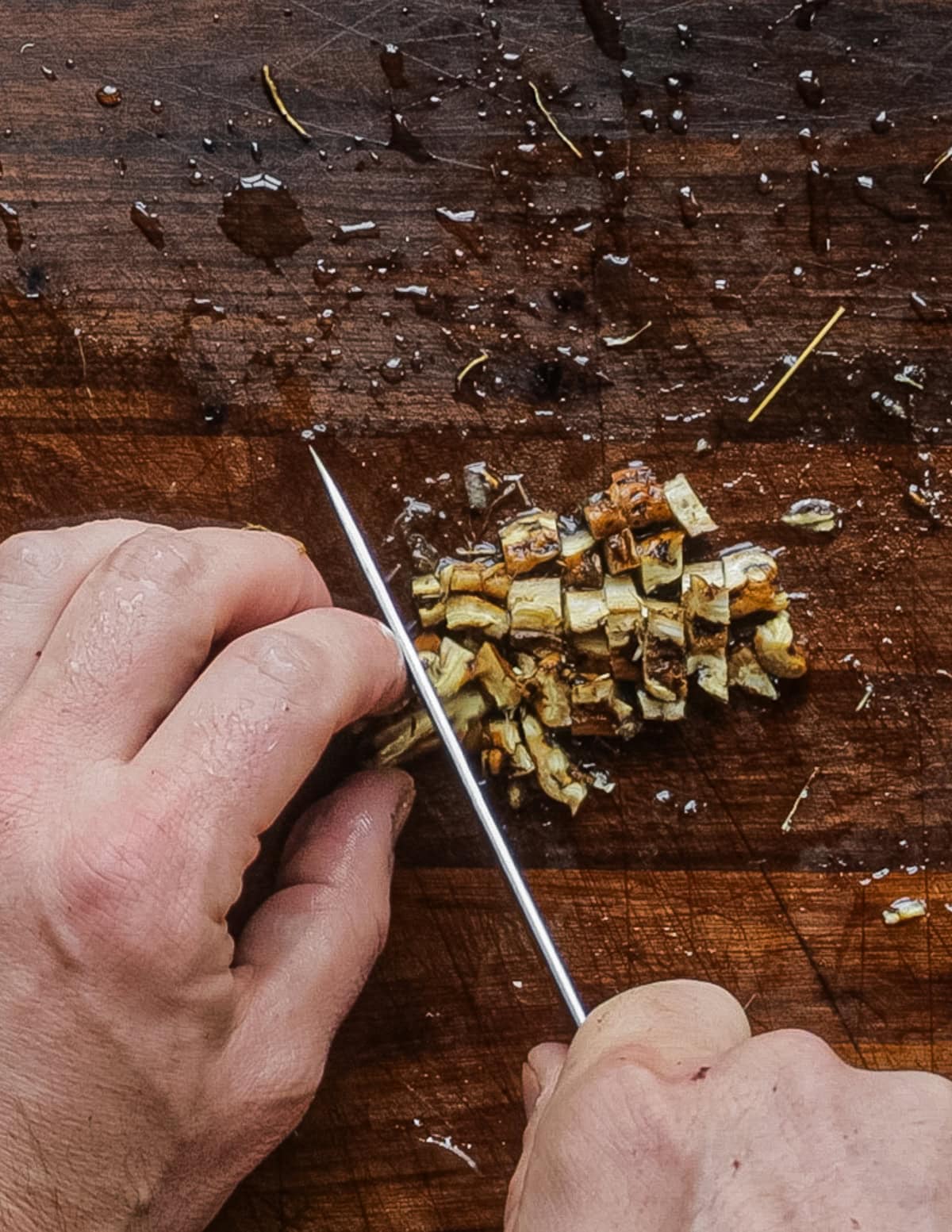
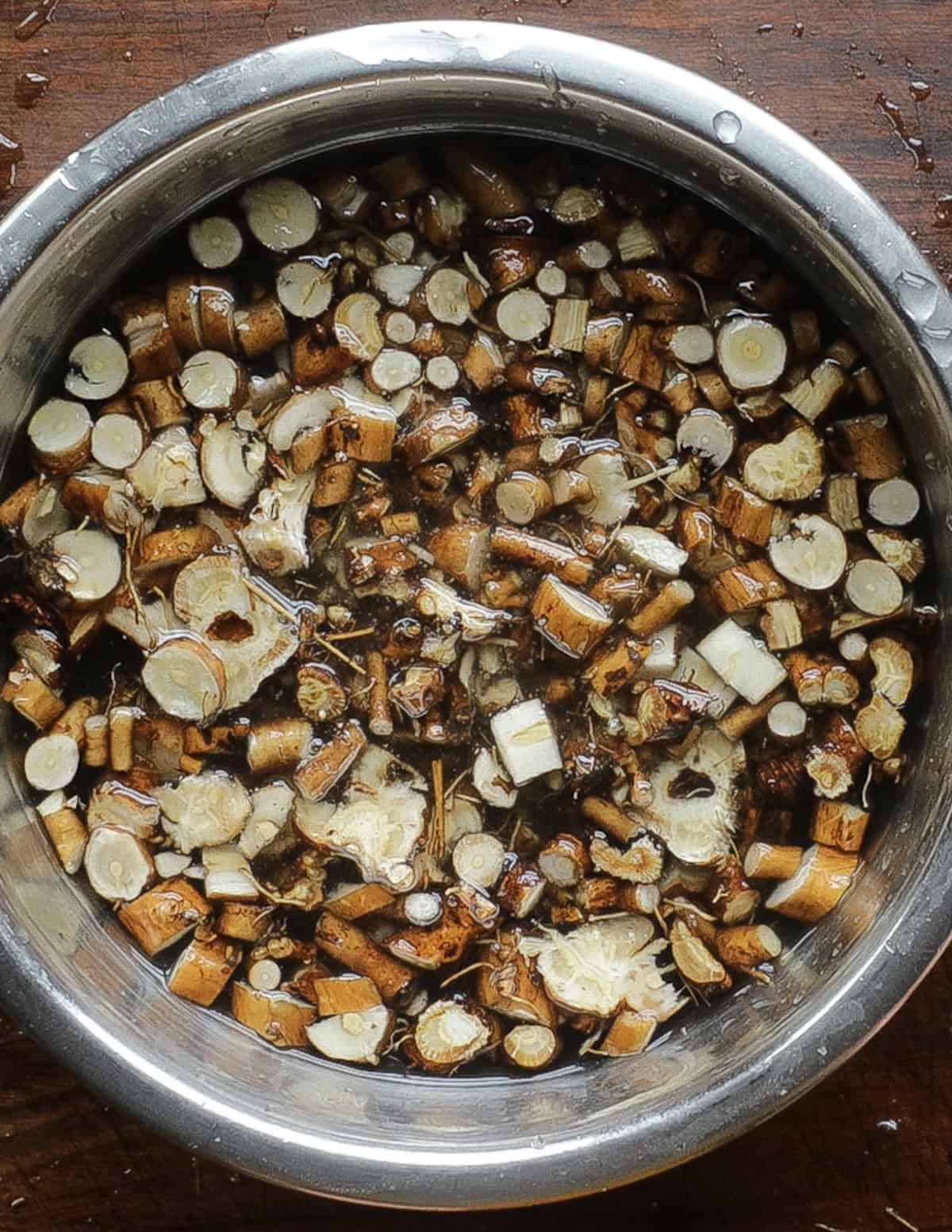
Dehydrate the roots until bone dry. From here the roots can be stored in a pantry until you need them and will last for years.
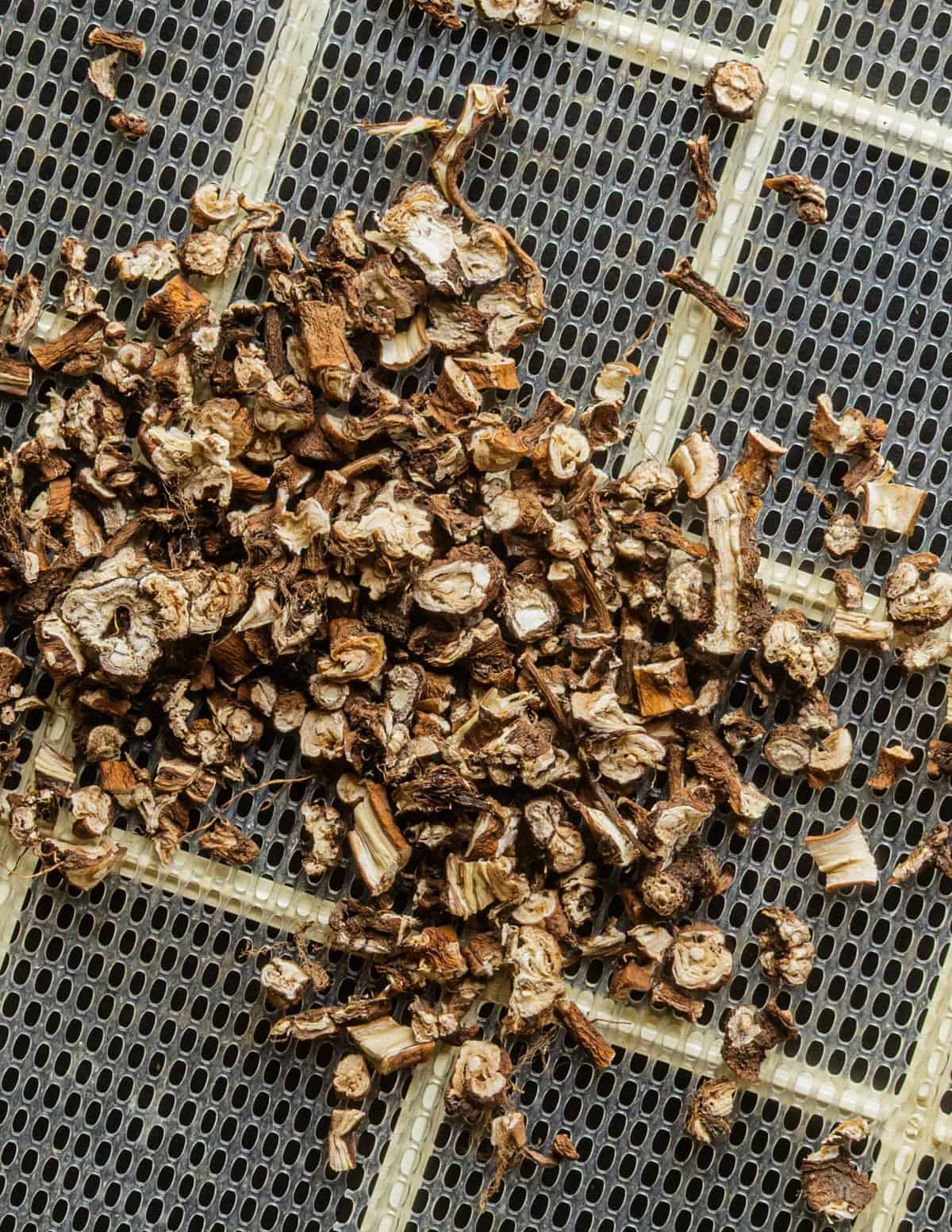
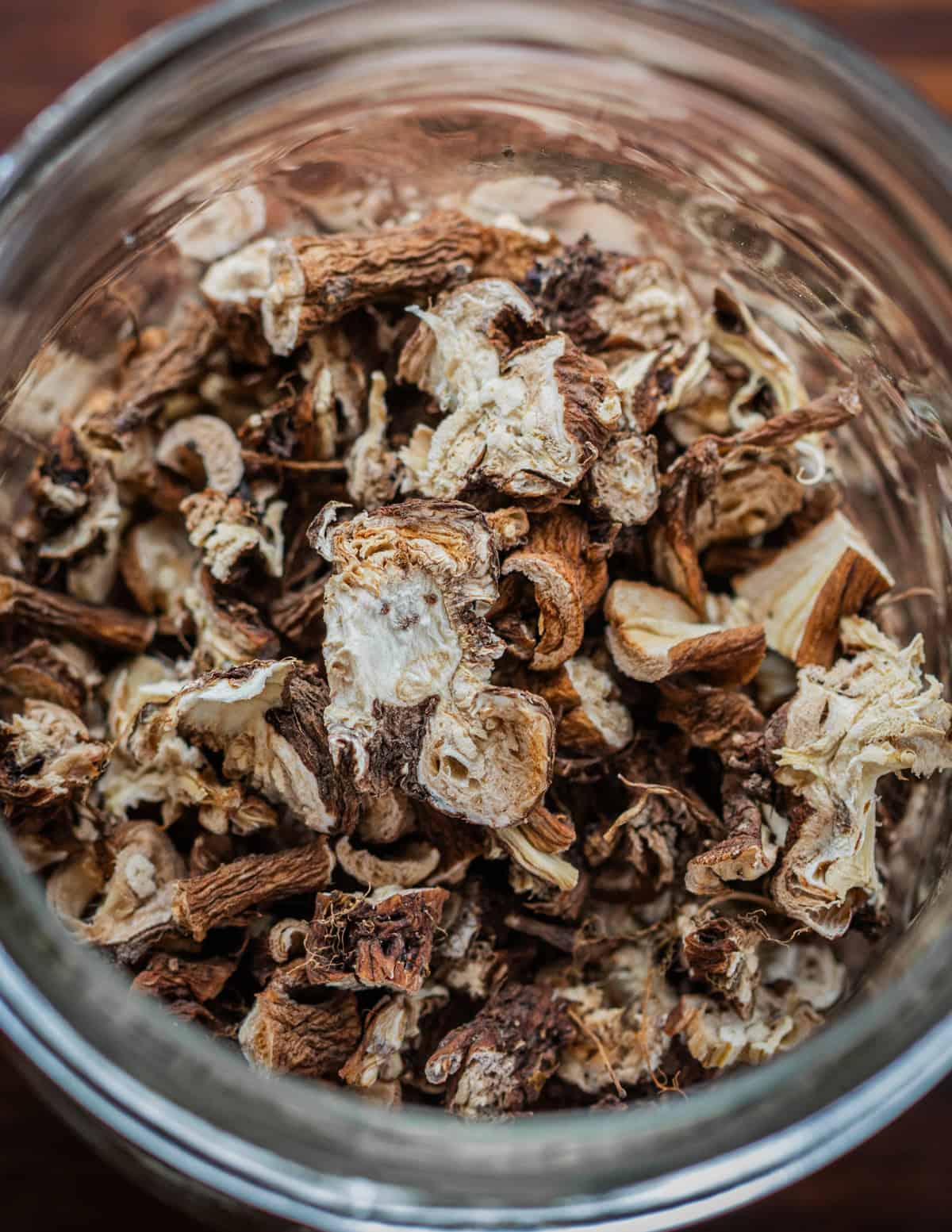
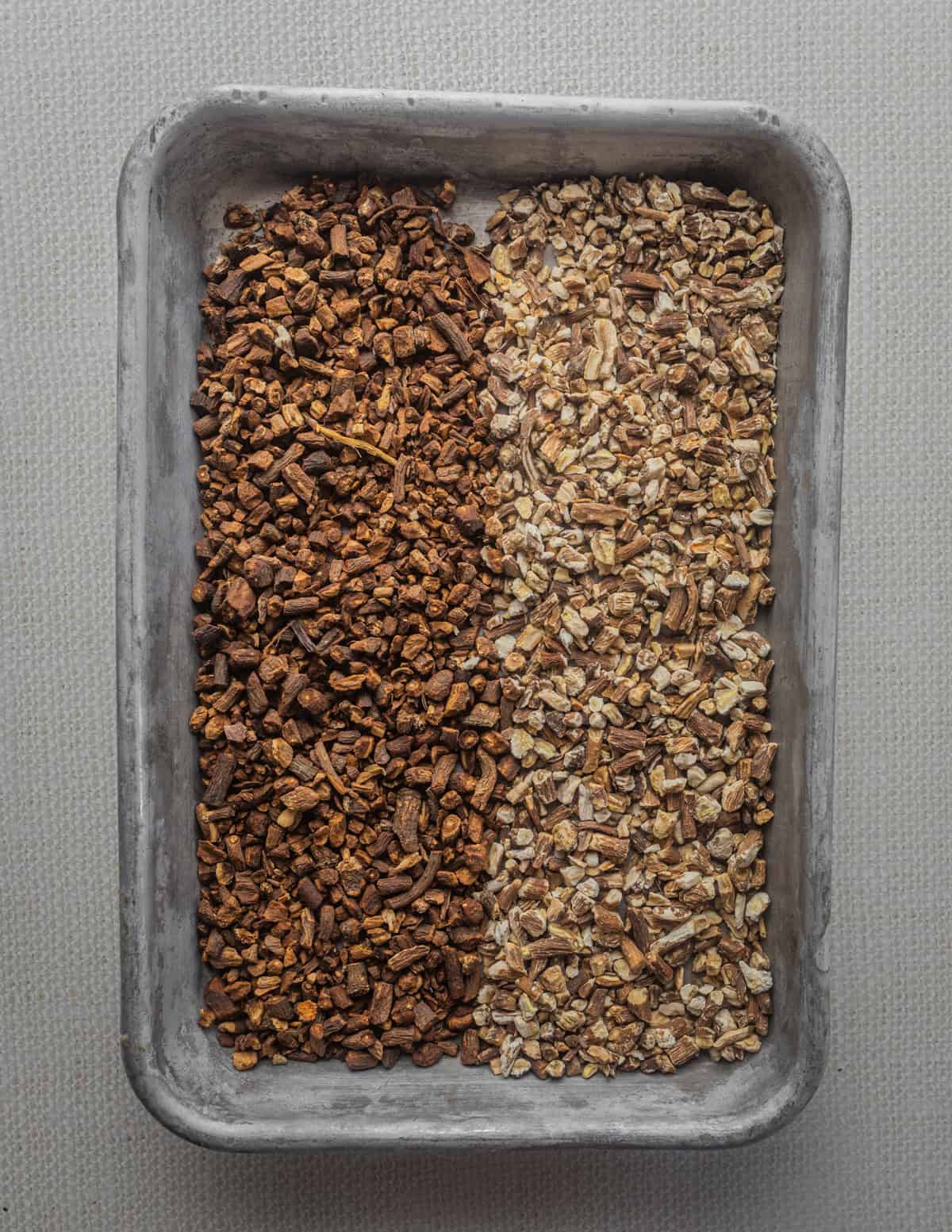
Next the roots need to be roasted. Put them in a cast iron skillet and bake at 300F for an hour. Cool the roots for a moment, then grind to a fine powder in a spice grinder. For maximum caramelization, or if you're using wild roots, toast the ground powder for another 10-15 minutes in the oven. Note the colors of the raw and roasted roots below.
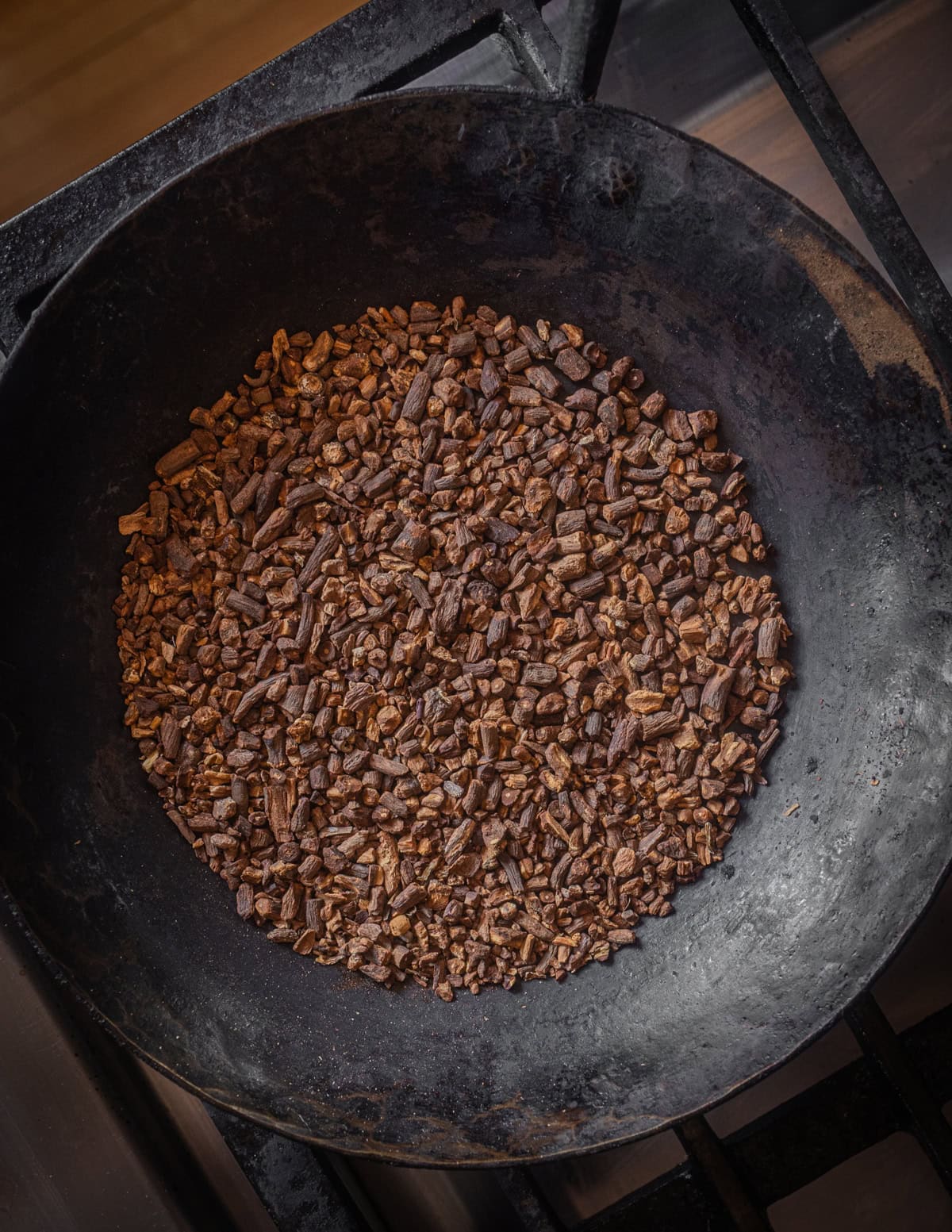
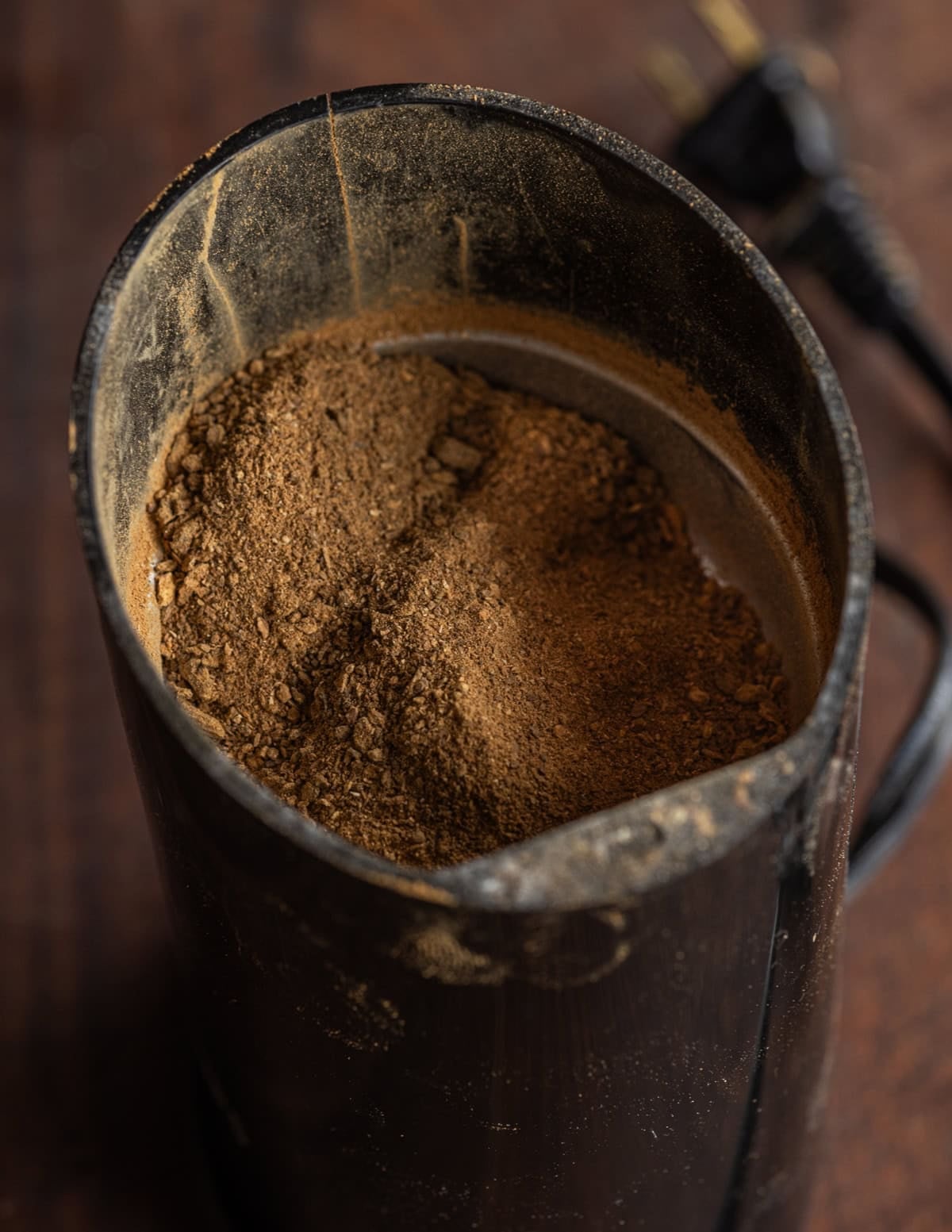
From here the process is similar to making coffee. One tablespoon of ground, roasted roots to 8 oz (1 cup) of water will make a strong brew. As for the brewing, just steeping in boiling water can work, but I prefer to boil it. Technically I know this as a decoction: a boiled reduction of herbs.
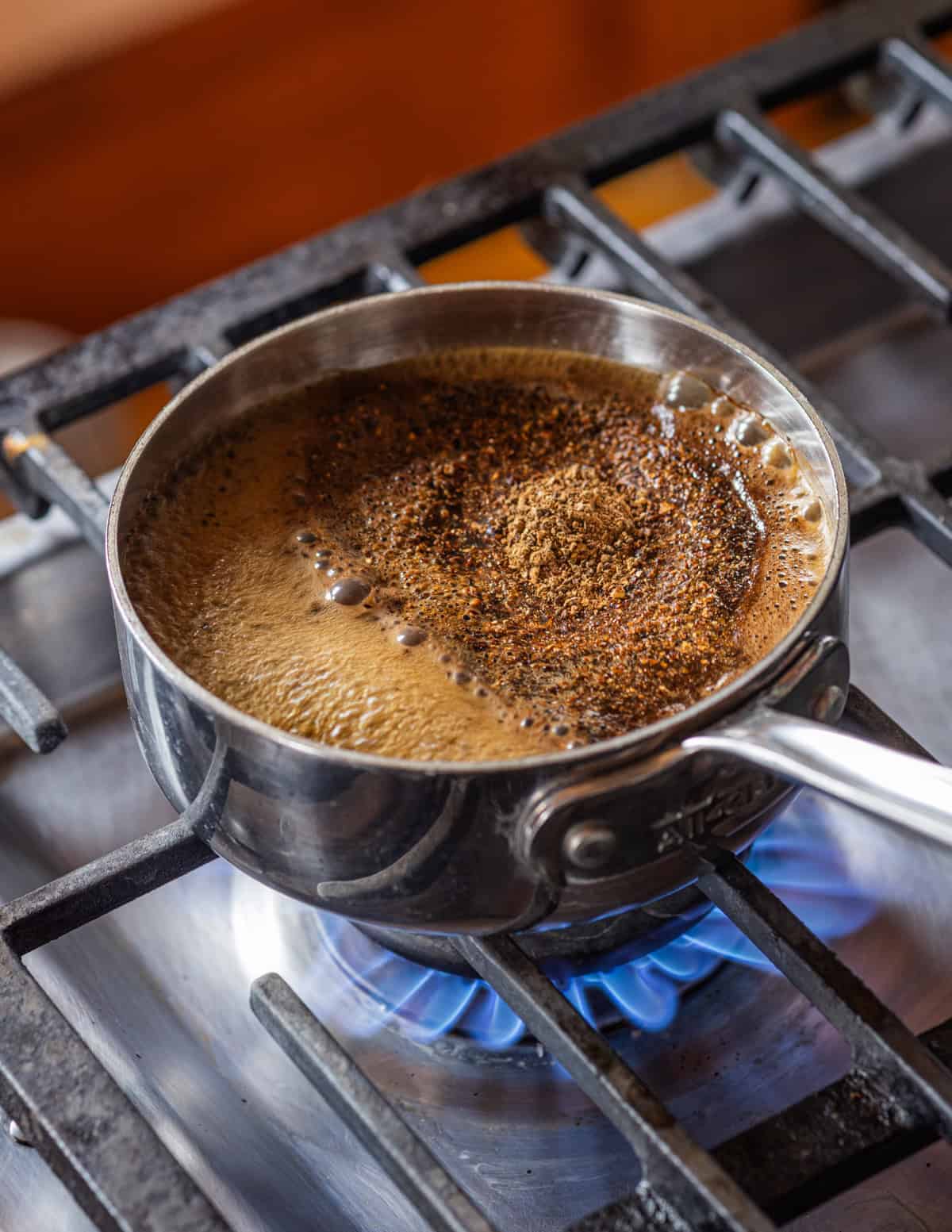
Finally, strain the mixture through a coffee filter and treat as you like your coffee.
Related Posts

Chicory or Dandelion Coffee
Equipment
- 1 1 quart sauce pot
- 1 Spice grinder or coffee grinder
- 1 Coffee filter
- 1 Cast iron pan or baking sheet
Ingredients
Basic Dandelion or Chicory Coffee
- 2 Tablespoons Dried dandelion roots
- 2.25 Cups Water
New Orleans Coffee
- 2 Tablespoons Dried dandelion roots
- 2 Tablespoons Fresh ground coffee beans
- 2.25 Cups water
- 2 Cups Whole Milk scalded
Instructions
Harvest the Roots
- Ideally, go out after a rain when the soil is soft. Dig up the largest clusters of dandelions you can, then trim the "hearts" off and save for another purpose, then break the roots into manageable pieces.
- Scrub the roots with an abrasive cleaning pad in warm water. Trim very dirty areas with a paring knife. Remove and small root threads to make them easier to clean.
- Cut the roots into small pieces and immerse in warm water again just to be safe, agitating them to remove grit. If you'll use them for deserts, inspect them closely as they must be pristinely clean.
- Dehydrate the roots for 24 hours or until bone dry at 145F or a similar temperature. From here the dried roots can be stored in a jar in the pantry for a very long time.
Roast the Dandelion or Chicory Roots
- Note that you can use fresh, cleaned roots to do this as well, without dehydrating first.
- Put the dried roots in a cast iron pan and bake at 300F for 1 hour.
- Cool the roots for a few minutes, then grind to a powder in a spice grinder. For maximum caramelization, or if you're using wild roots which seem to take longer to brown, toast the ground powder in the oven for another 15-20 minutes.
Dandelion or Chicory Coffee
- Combine the ground dandelion roots and water and bring to a boil, turn the heat to a simmer and cook for 10 minutes, then serve as you would coffee.
New Orleans Coffee
- Combine the ground coffee and dandelion roots with the water in a pot and bring to a boil. Turn the heat to a simmer and cook 10 minutes, then strain.
- Combine the strained coffee with the milk and serve.
Carla Beaudet
Not being a coffee drinker, there was little incentive for me to try this for years. However, I was weeding my garden beds and had a quantity of dandelions, which I set aside, somewhat coincident with this posting. All I'll say for it is, I prefer it to coffee, but that isn't saying much. I am dedicated to Camilla sinensis, which unfortunately doesn't grow here. Now the crowns, OTOH, were pretty tasty after a 3 min. boil in salted water. The leaves remained bitter after 5 min., but not unpalatably so. The crowns, I think, are the best part of the plant.
Darcie B
I learn so much from your site! It's too bad dandelion doesn't have any caffeine. Do you know of any foraged foods that do have it?
Alan Bergo
Actually yes. Cleaver seeds and most importantly yaupon holly/yaupon tea contain caffeine. If I remember yaupon is the only native caffeinated plant in N.A.
bdv
Lovely, thoughtful, and inspiring, as always! I have been wanting to try chickory coffee for a while now (the canned stuff fastes like disappointment) and this gives me a solid starting point.
The dandelion cocoa nibs look amazing, too!
Thanks for all the care you put into your work, Chef.
Alan Bergo
Hey thanks. It's a lot of work, but helping others with info I wish I had when I started makes it worth it.
michel
Very interesting. when back to my village et foot of Jura mountain, I will certainly try your recipes.
Thanks a lot.
Michel
Alan Bergo
Thanks Michel.
Jane Rieso
Thank you!
Can’t wait to try, I am seeing dandelions coming up now out here in the country.
Elsa
it’s a tradition in france in springtime to make dandelion jam from the Spring blooms. I will have to go out a few weeks earlier and try to harvest the roots. thank you for this detailed roasting explanation!! we love chicory coffee in france too.
Alan Bergo
Thanks Elsa, I still have to try the jelly.
Tatyana Beer
Dandelion coffee is my favourite, and I was once served a chicory-coffee blend in Mexico that stands out as the best coffee I’ve ever had! I dark roast my chopped roots straight from raw, rather than dehydrating first, and then store it ready to grind and brew.
Alan Bergo
Thanks Tatyana.
Dan F
This was a real big deal back around 1975 or so. There was a big jump in the price of coffee back then, so everyone was trying out coffee substitutes. I seem to remember roasted oatmeal the most, probably because it was so horrible.
Alan Bergo
Thanks Dan.
EC
WONDERFUL!!! Thank you SO very much!