
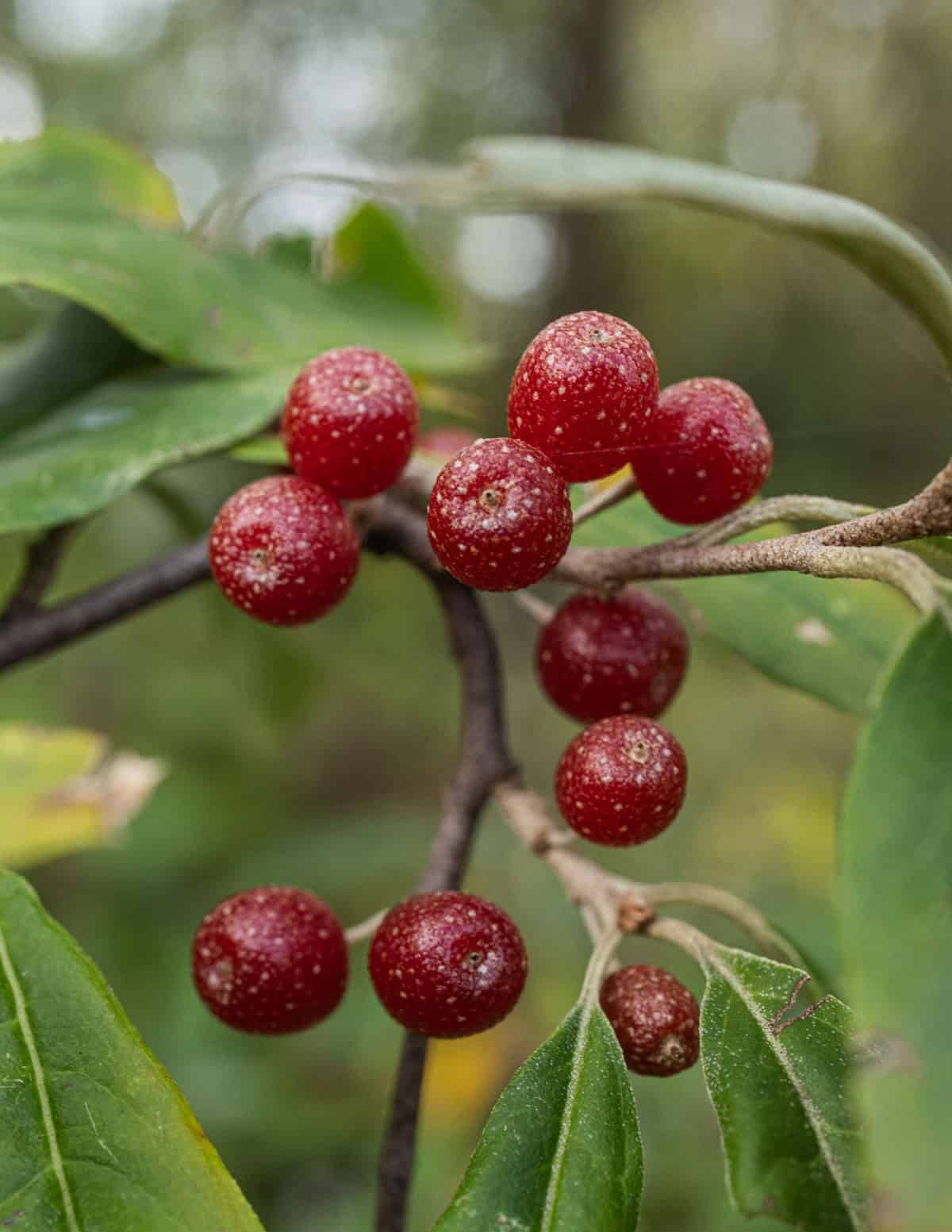
One of the most plentiful wild fruits I know of, autumn olive (elaeagnus umbellata) also known as autumnberry, may be labeled as a noxious weed, but one taste of the fruit and anyone will agree there's worse invasive plants to have around. Easy to identify and simple to process into sauces, jams, jellies, juice, fruit leather and more, the tart, brightly colored fruit are a welcome addition to any forager's pantry.
What is Autumn Olive ?
Autumn olive (elaeagnus umbellata) is a perennial, fruit-bearing shrub. Native to Asia, The plant was brought to the United States in the 1800's. The fast-growing, cold-hardy shrubs were promoted and planted by the government as food for wildlife, erosion control and mine reclamation, among other things.
Similar to buckthorn, over time the clumping stems will make thickets which can crowd out native plants. With help from the birds who eat the fruit, the plant spread quickly and is now naturalized over most of Eastern North America. Here's a few fun facts about it:
- Autumn Olive is a nitrogen-fixing plant. In this study from the USDA it was shown to improve the height and volume of black walnut trees nearby.
- Fixing nitrogen may sound good, but it also helps the shrub crowd-out native species adapted to poorer soils.
- Just one shrub can produce upwards of 200,000 seeds.
- Autumn olive is incredibly rich in lycopene, a compound found in tomatoes reputed to have properties that support heart and skin health, as well as anti-cancer properties, specifically prostate.
- Ounce for ounce, Autumn olive contains17 times more lycopene than tomatoes, which should be consumed with fat for the best bioavailability. Source (USDA).
- Although too chewy for me personally, the seeds are a source of omega-3 fatty acids.
Identification & Similar Plants
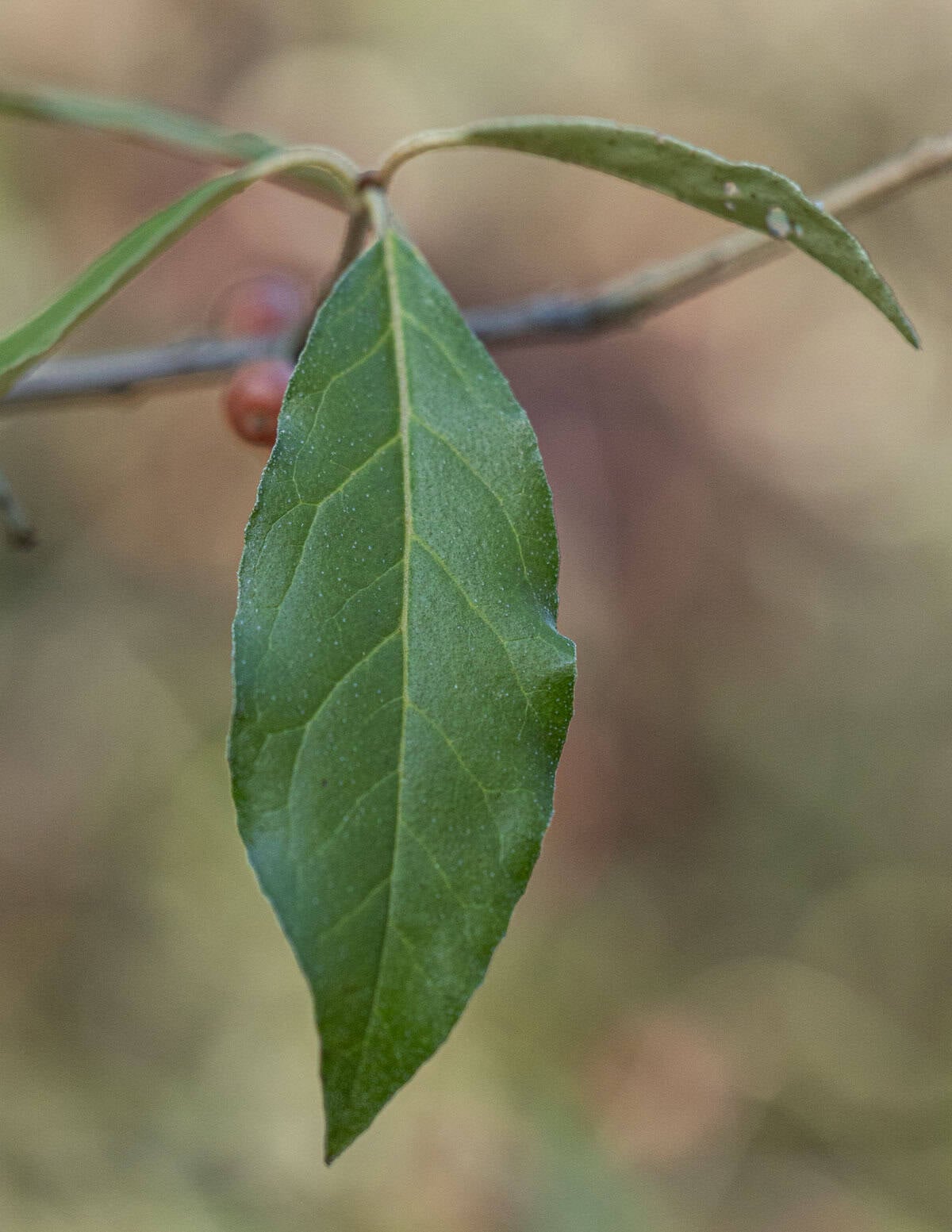
During the growing season the shrubs are relatively non-distinct, but easy to pick out once the fruit is ripe. The leaves are lance-shaped, with a silvery underside.
The small fruit forms in clusters along the branches, first green, then yellow, and eventually deep red, speckled with silvery flakes that make them easy to identify.
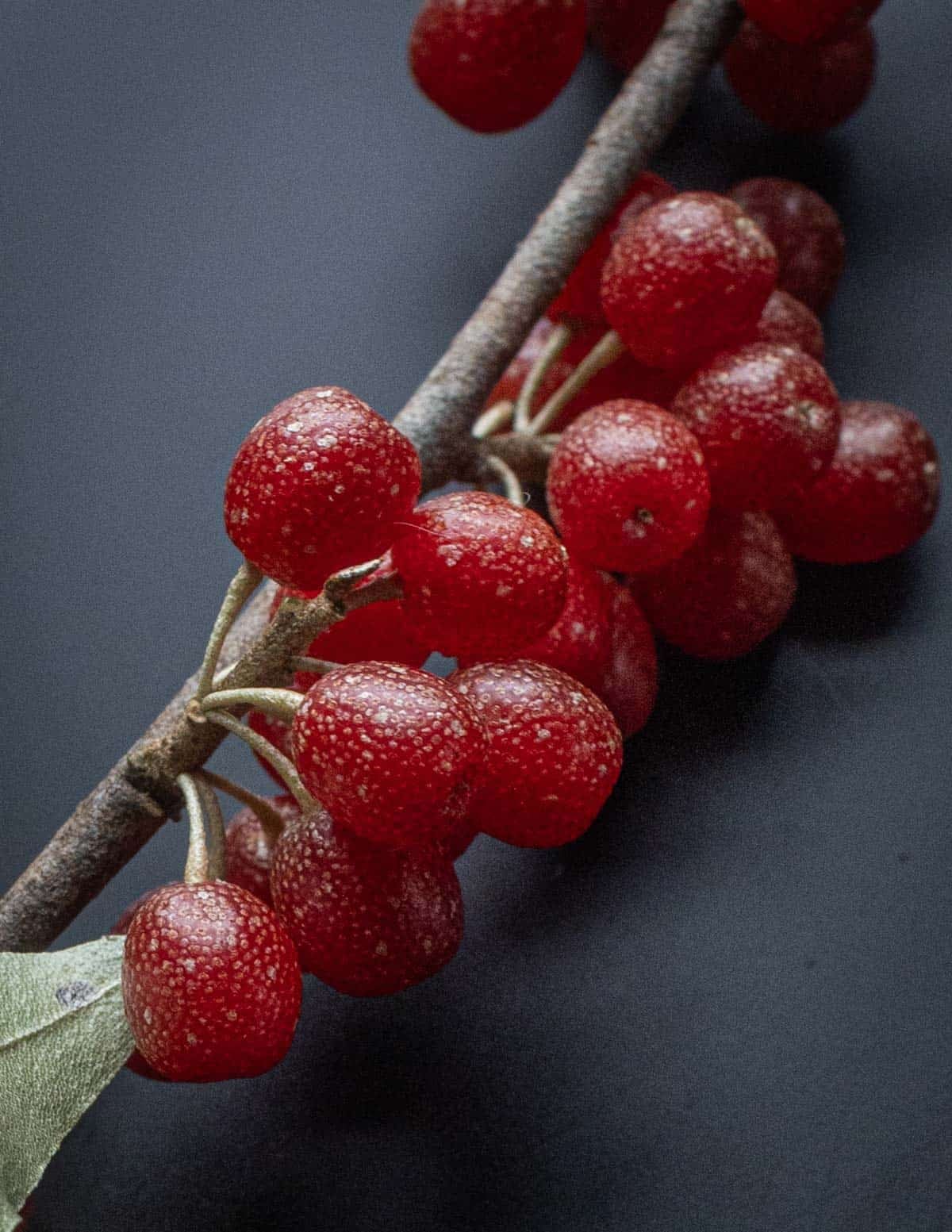
When ripe the fruit should be pleasantly tart, with a flavor I describe as "mild cranberry with notes of apple".
Look Alikes
There's a few similar-looking fruits that could be confused with Autumn Olives. Besides the inedible fruits below, Sam Thayer also mentions buffaloberries (Shepherdia species), which grow in Northern Minnesota and the Dakotas and are still on my list to try.
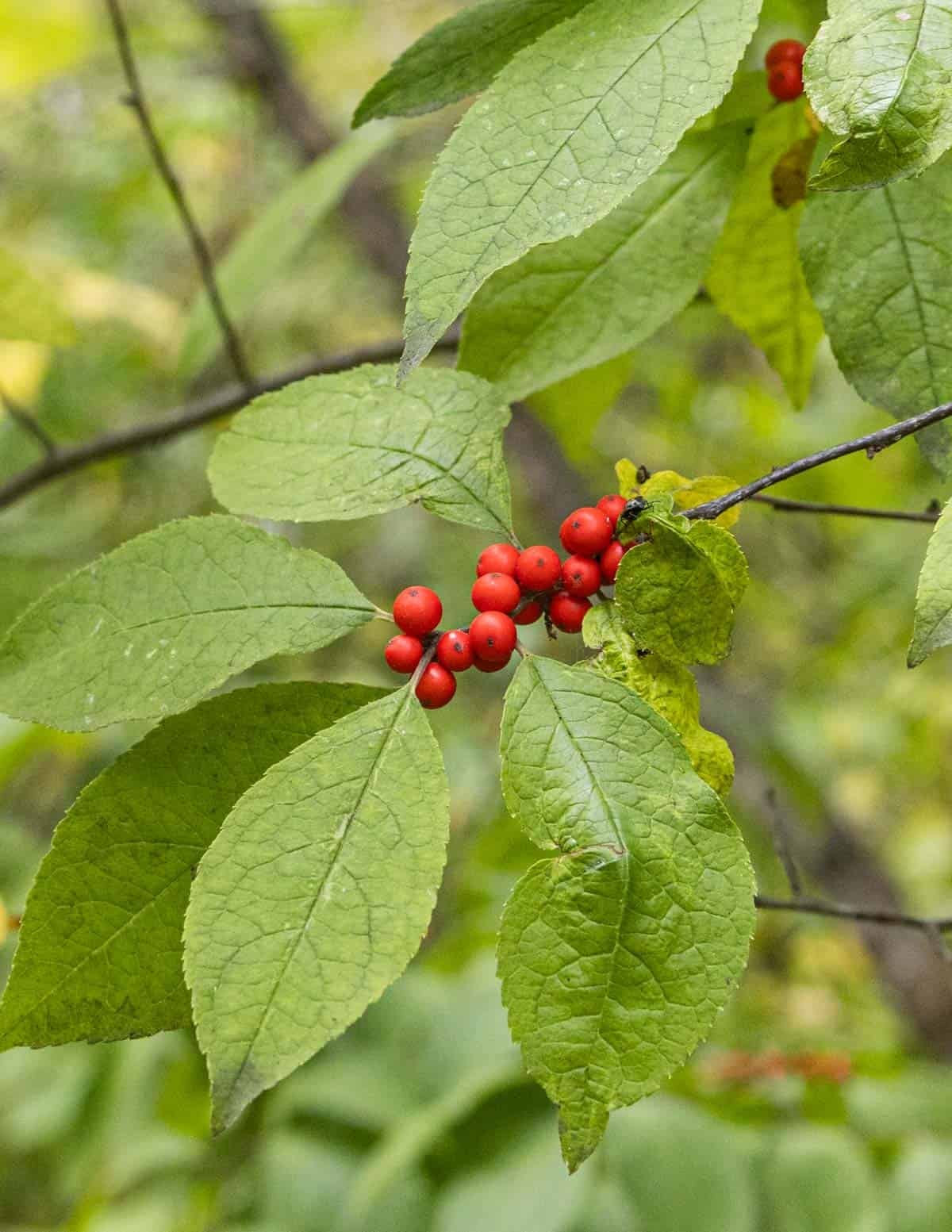
Winterberry (Ilex verticillata)
A type of holly Native to North America. The berries are inedible, said to be mildly toxic, and only resemble autumn olive at a glance. The leaves are wider than those of Autumn Olive and the fruit is circular, brighter red in color, and lack the tell-tale silver flakes.
Invasive Honeysuckles (Various Lonicera species)
Invasive honey suckles are probably the most likely plant to be confused with Autumn Olive. These invasive cousins of honeyberries are a scourge where I live and are found in most of our hardwood forests.
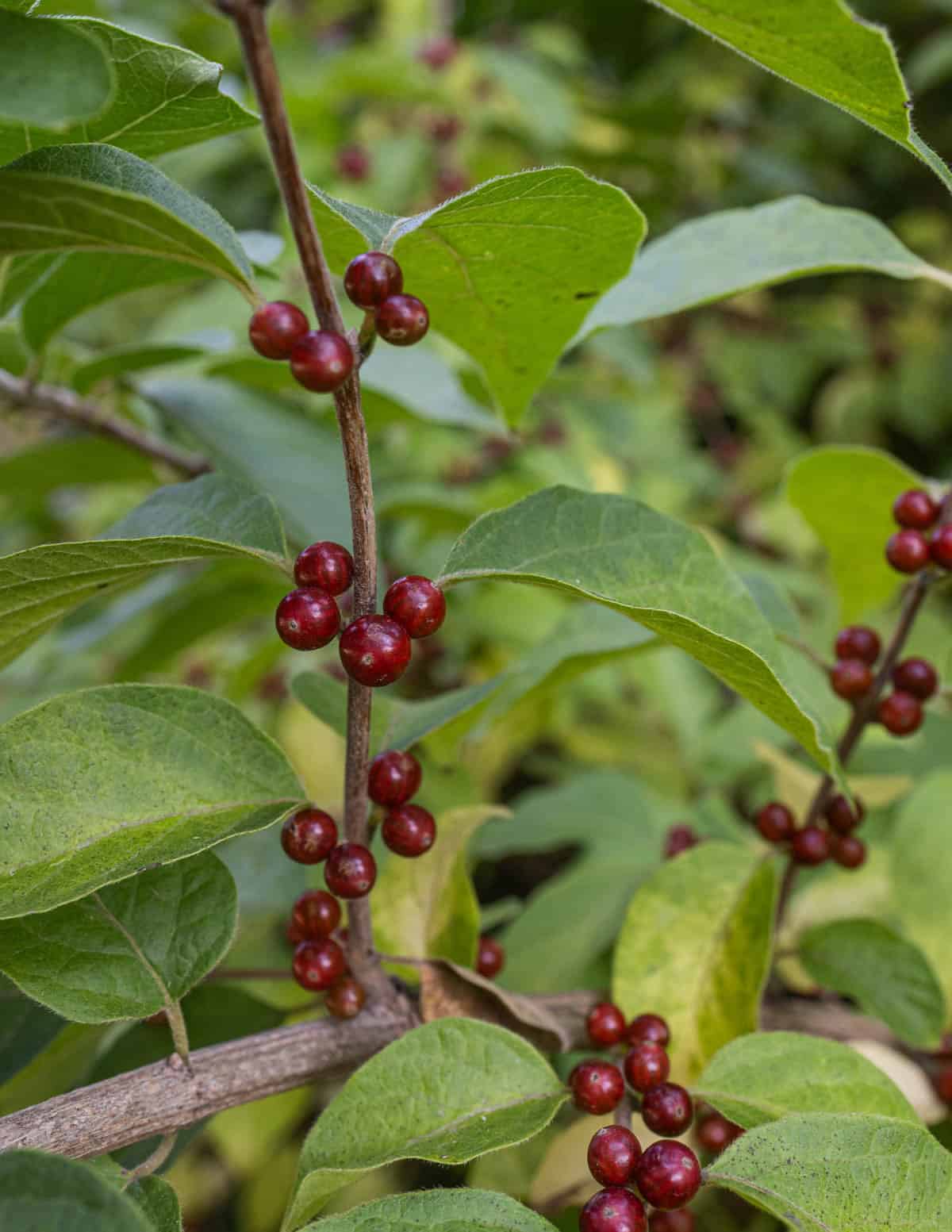
The berries are considered toxic and are said to cause gastro-intestinal distress and vomiting. There's a few different varieties, some of which are lighter red than shown above.
Harvesting and Processing
One of my favorite attributes of this fruit is that it's ready in the fall. Cooler temperatures make harvesting a breeze, allowing you to skip the mosquitos and black flies. Around Mid-September in the Midwest I'll start scouting. While there's not many plants near me the yield is big, and just one shrub can yield gallons of fruit.
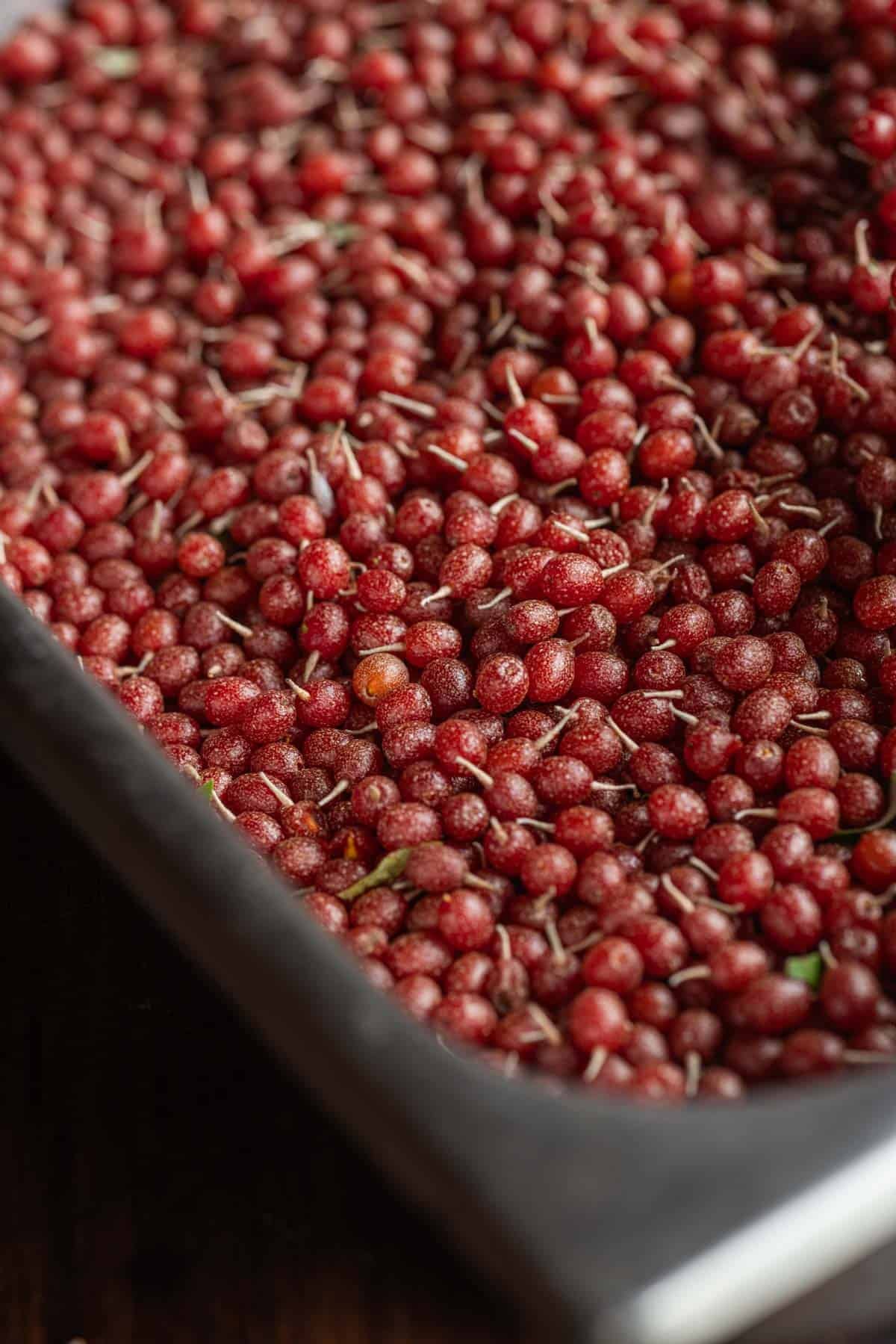
When choosing fruit, make sure they're ripe and evenly red. While some underripe fruit won't ruin a sauce or jelly, the flavor just isn't as good. Furthermore, the fruit can also turn red before they've reached peak flavor. When in doubt, taste the fruit.
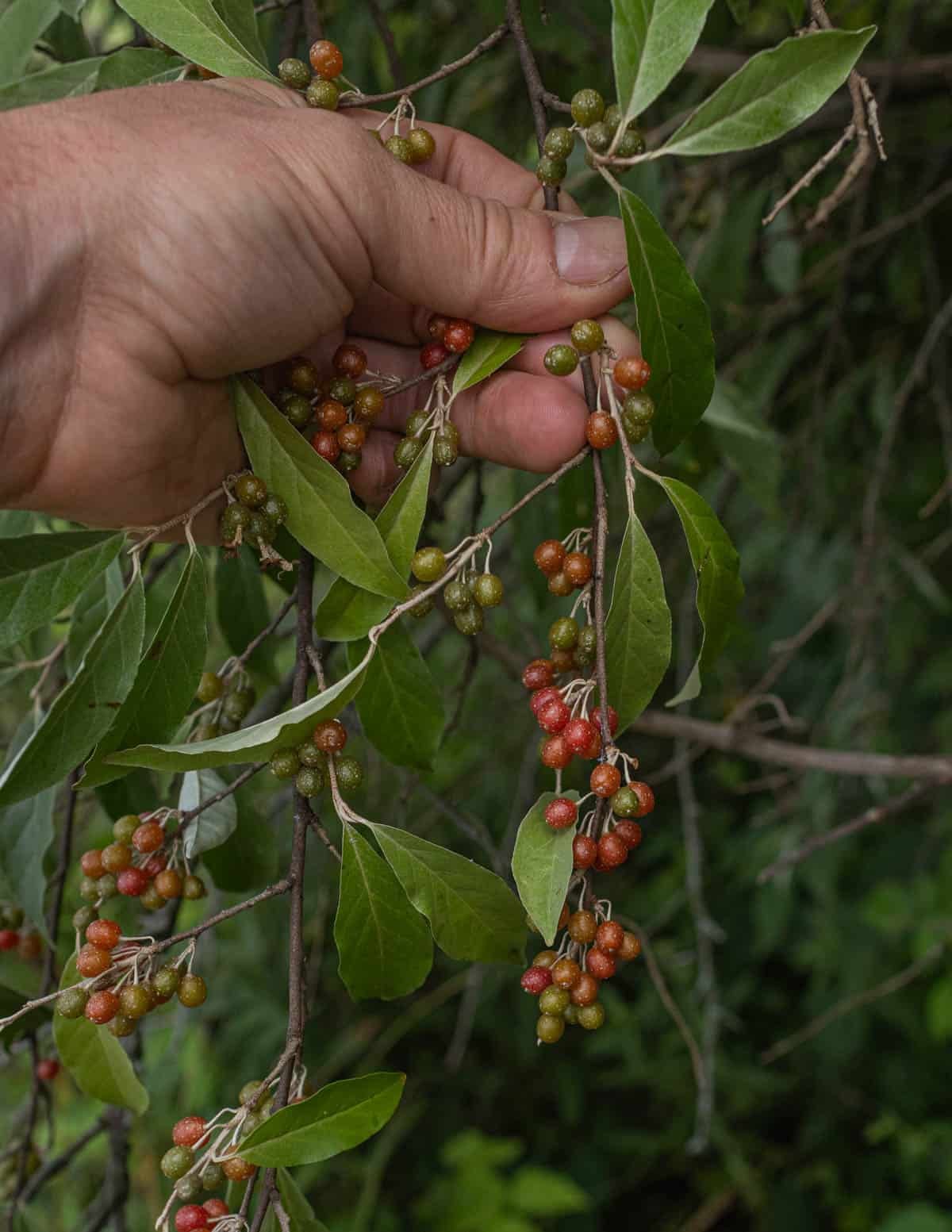
Like most fruit shrubs I know, you can get some berries from plants growing in shade but the largest harvest will come from plants in full sun.
When you find a bush loaded with fruit, the most efficient method I've found to harvest the small berries (which are tedious to pick by hand) is using a blueberry rake. Using a rake means you'll need to pick leaves out after harvesting, but I can easily harvest a few gallons in under an hour this way.
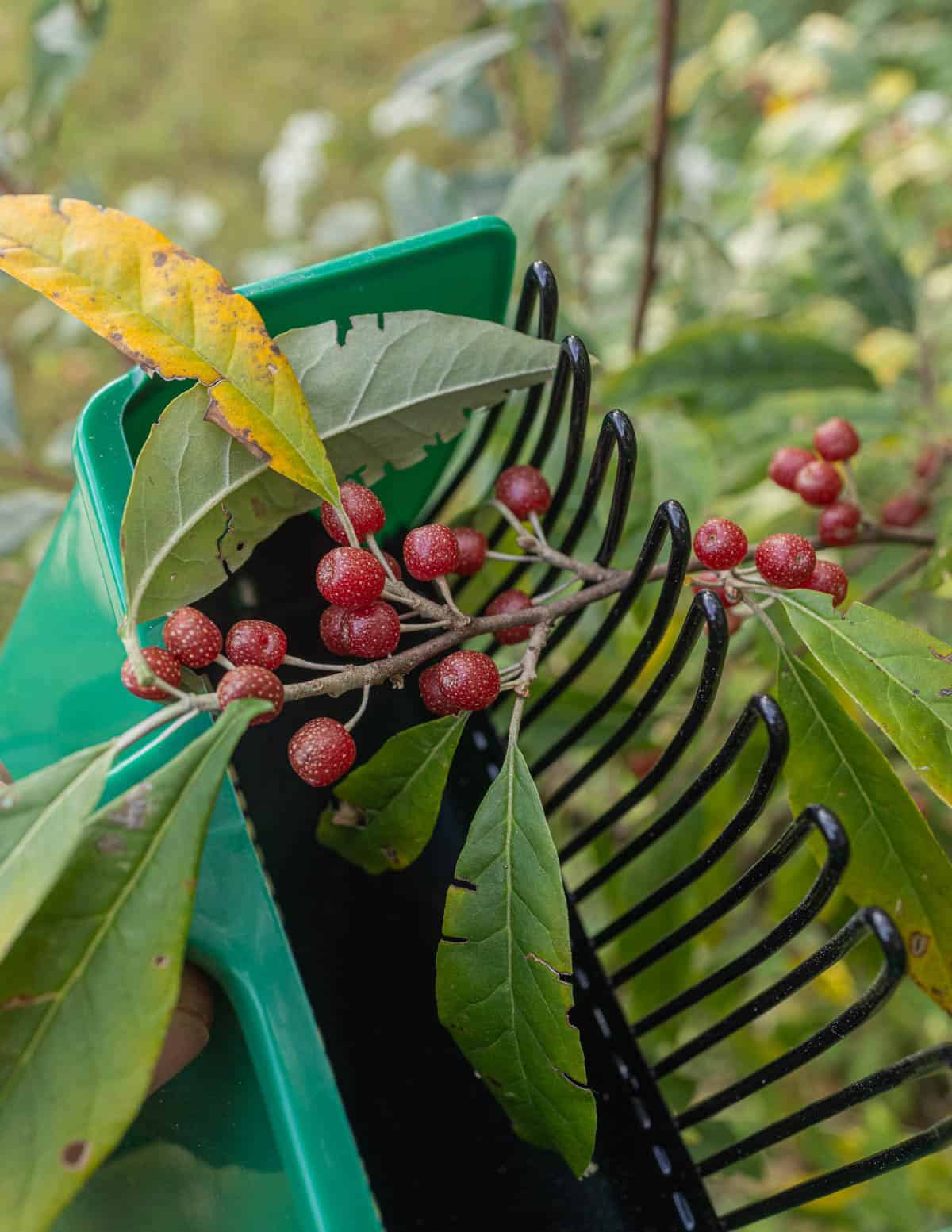
Using the blueberry rake is a learned skill here as some branches will be too thick, but once you see how efficient it is you'll be sold. I can easily get a gallon of fruit or more in thirty minutes from a good shrub.
Next, bring the fruit home and put the leaves, twigs and fruit onto a tray. Removing the leaves by hand goes quicker than you think, but you can also winnow the fruit like wild blueberries, pouring the fruit into a large bowl in front of a box fan. There may be stems attached to the fruit, too, but they'll get strained out with the seeds if all goes well.
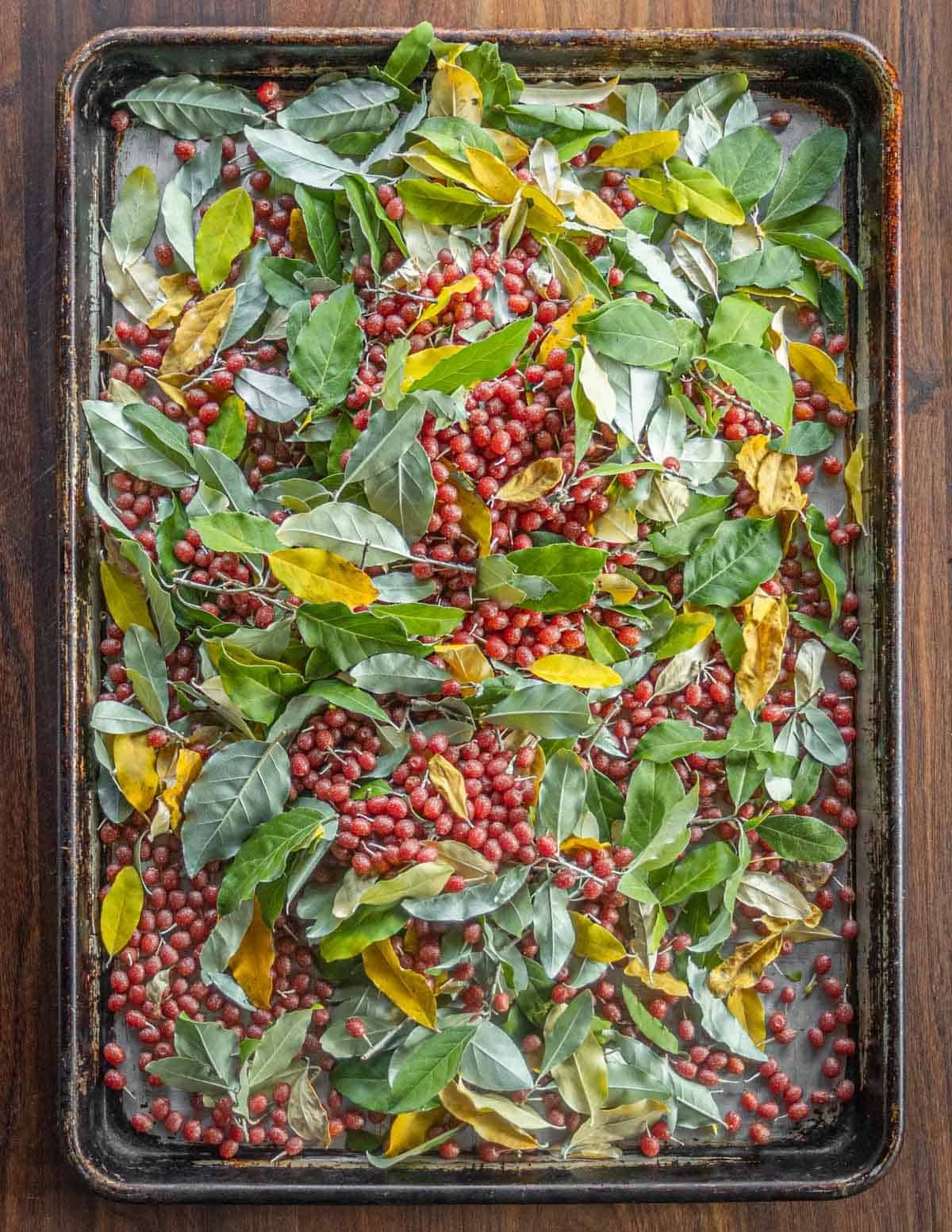
Before spending an hour or two harvesting, taste a few berries from different shrubs. Like mulberries, the flavor can vary from tree to tree, and the berries may turn red a week or two before they've reached peak flavor.
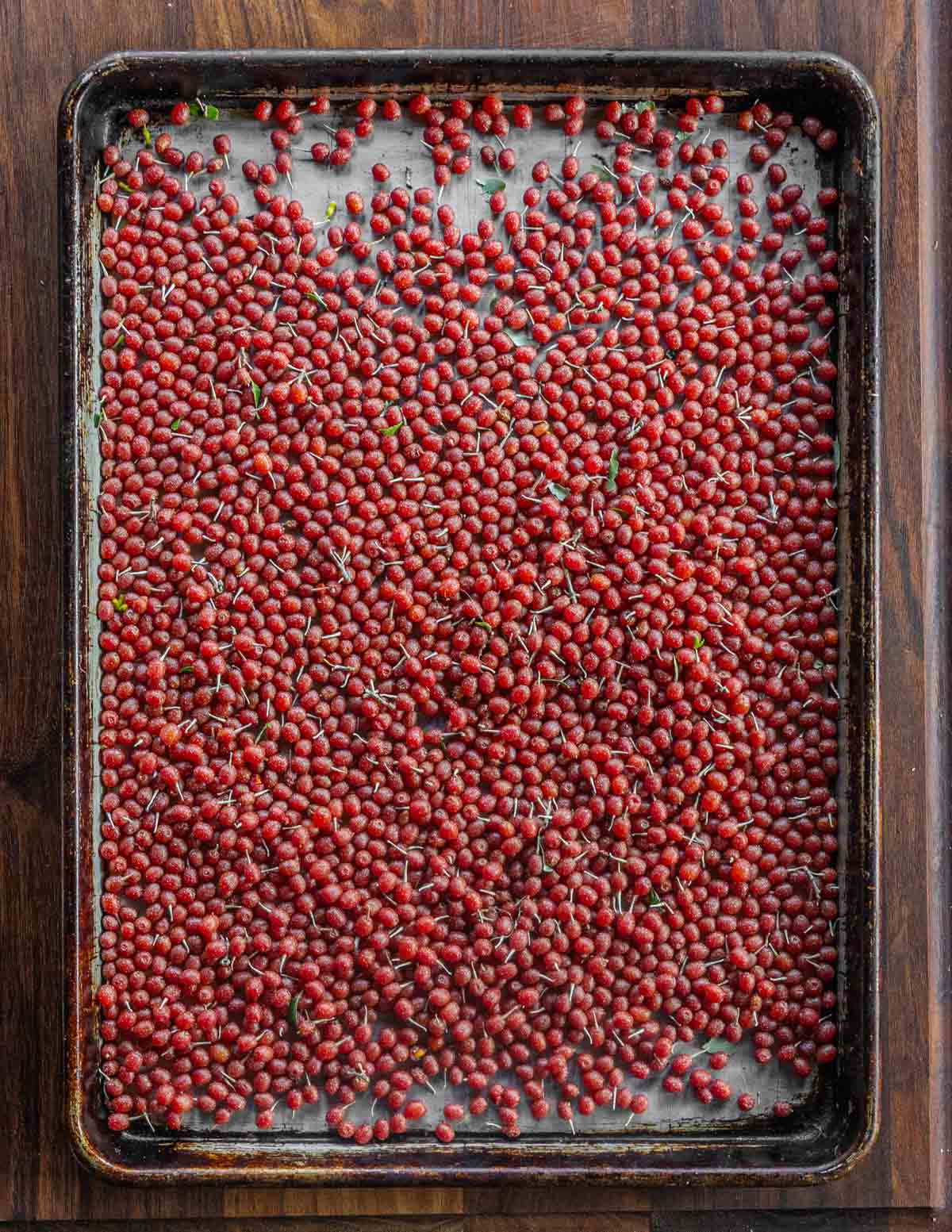
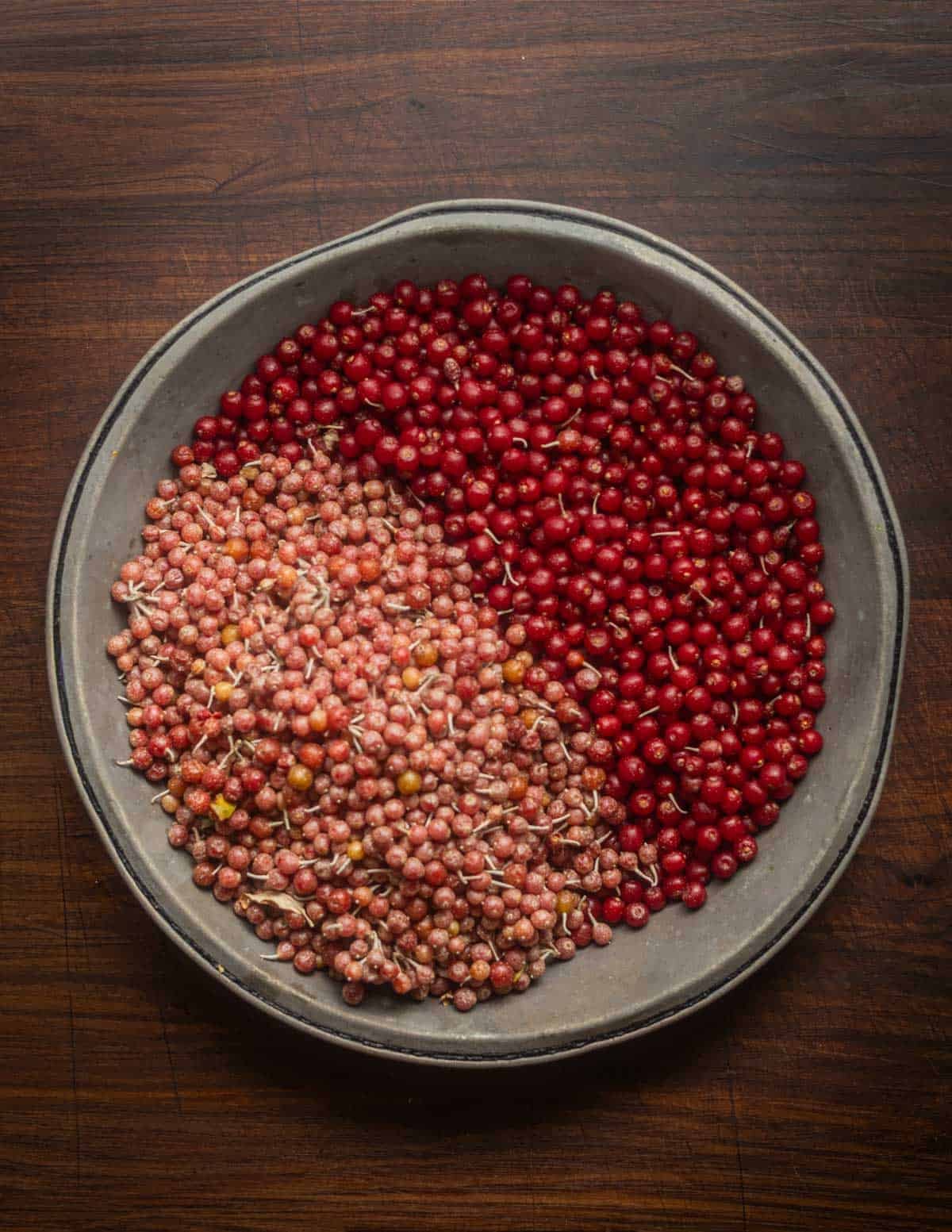
The flavor should be tart (not sour) and mildly fruity. Below are fruit from two different shrubs: one had slightly dried out, sub-par fruit, while the other shrub was plump, red and juicy.
The next step is to process the fruit into a thick juice. It's easy: put the fruit in a pot with some water (1 cup water per pound of berries) then bring to a boil.
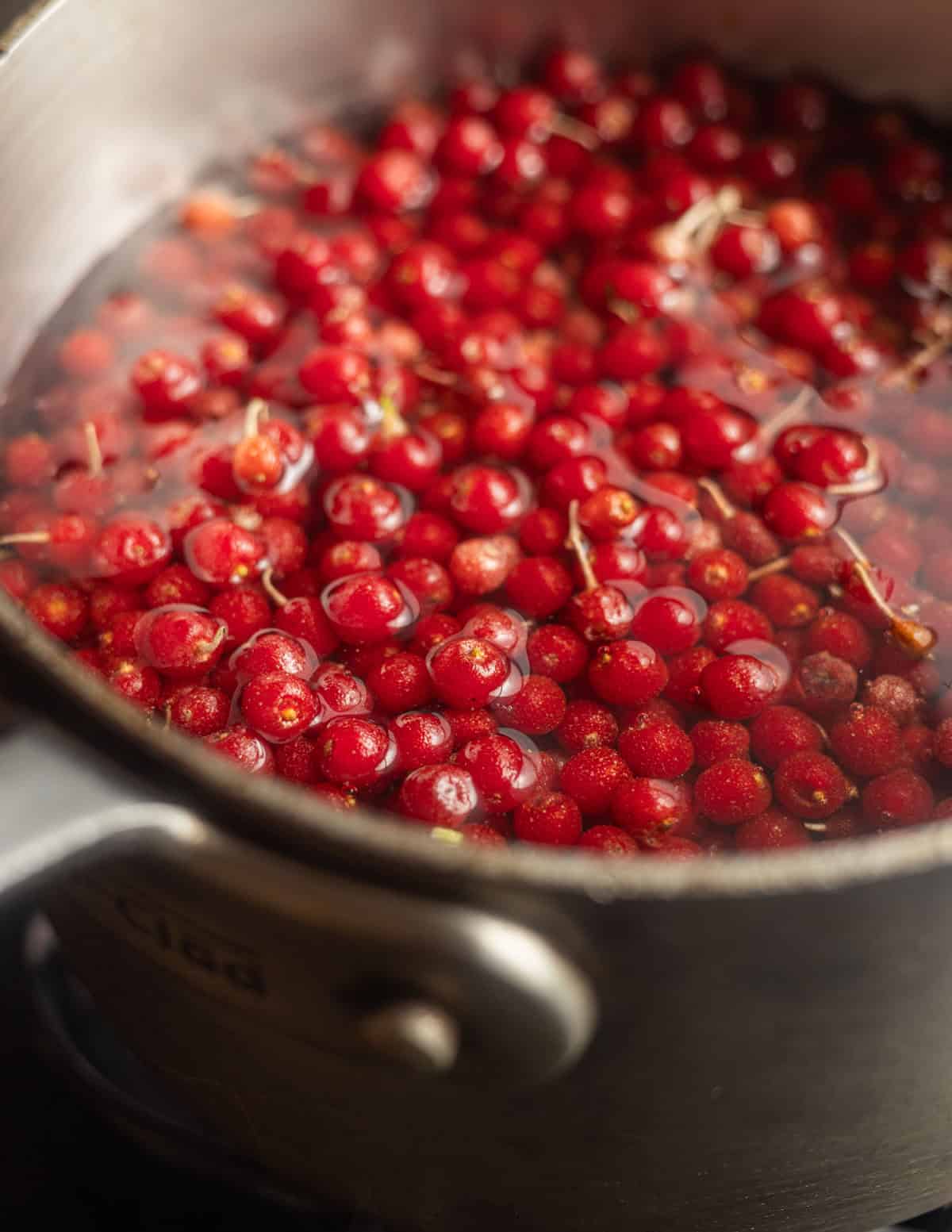
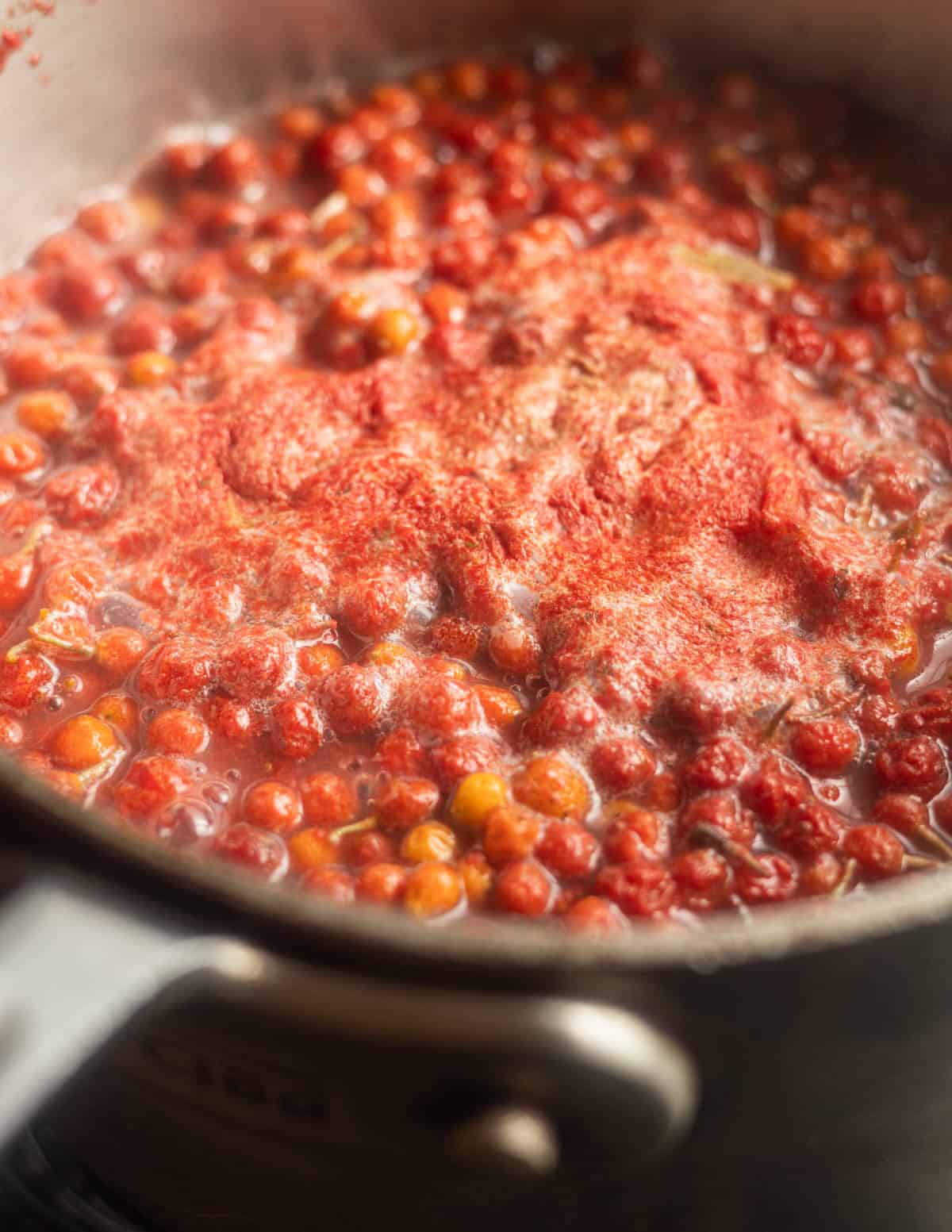
Once the fruit's started to break down, transfer the hot mixture to a blender. Puree the mixture on low speed. The goal is to puree the skins and flesh without breaking up the seeds and stems.
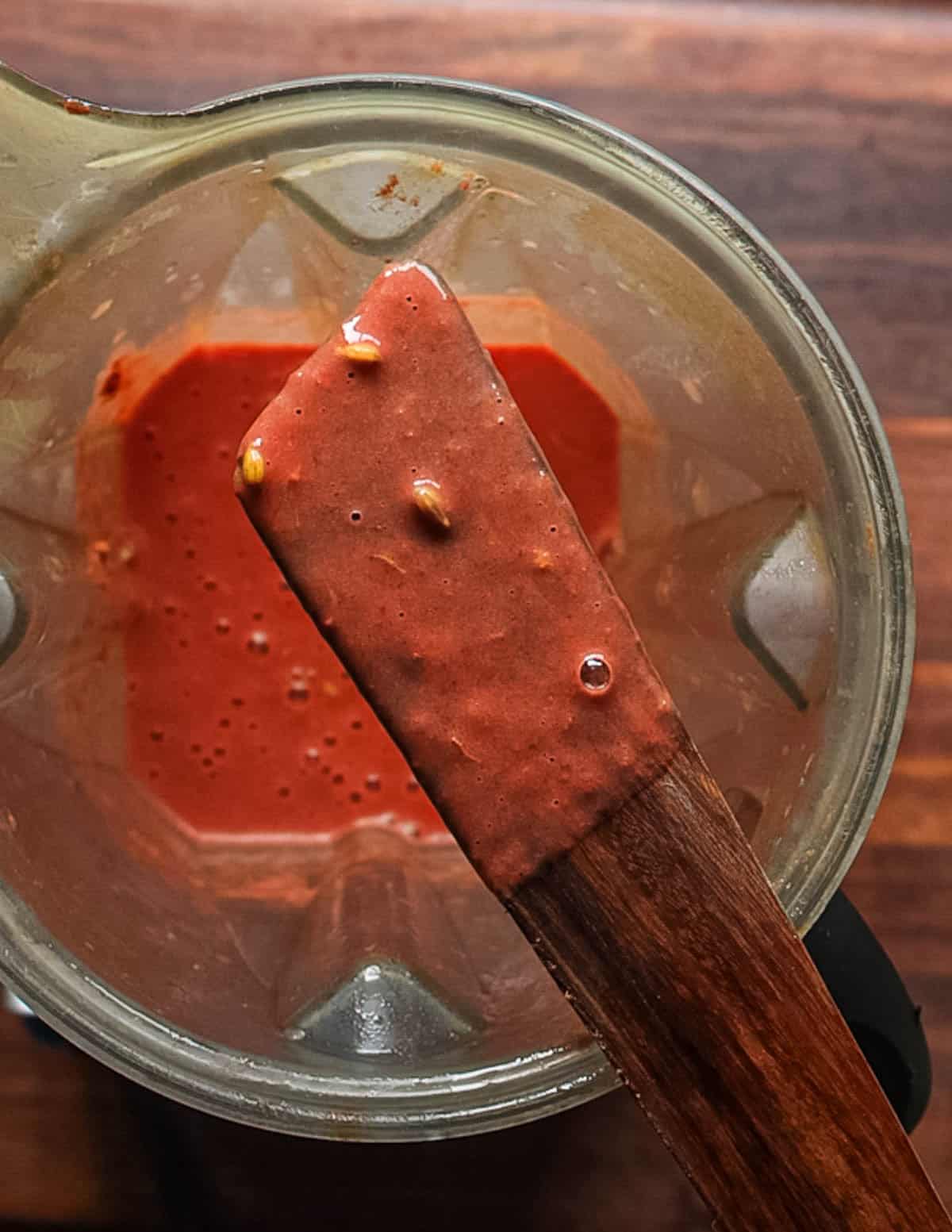
When the mixture looks smooth it will pass easily through a strainer. You'll be left with a thick, tart juice. It can be used as-is for jam, strained for jelly, or reduced until thickened for a concentrated flavor.
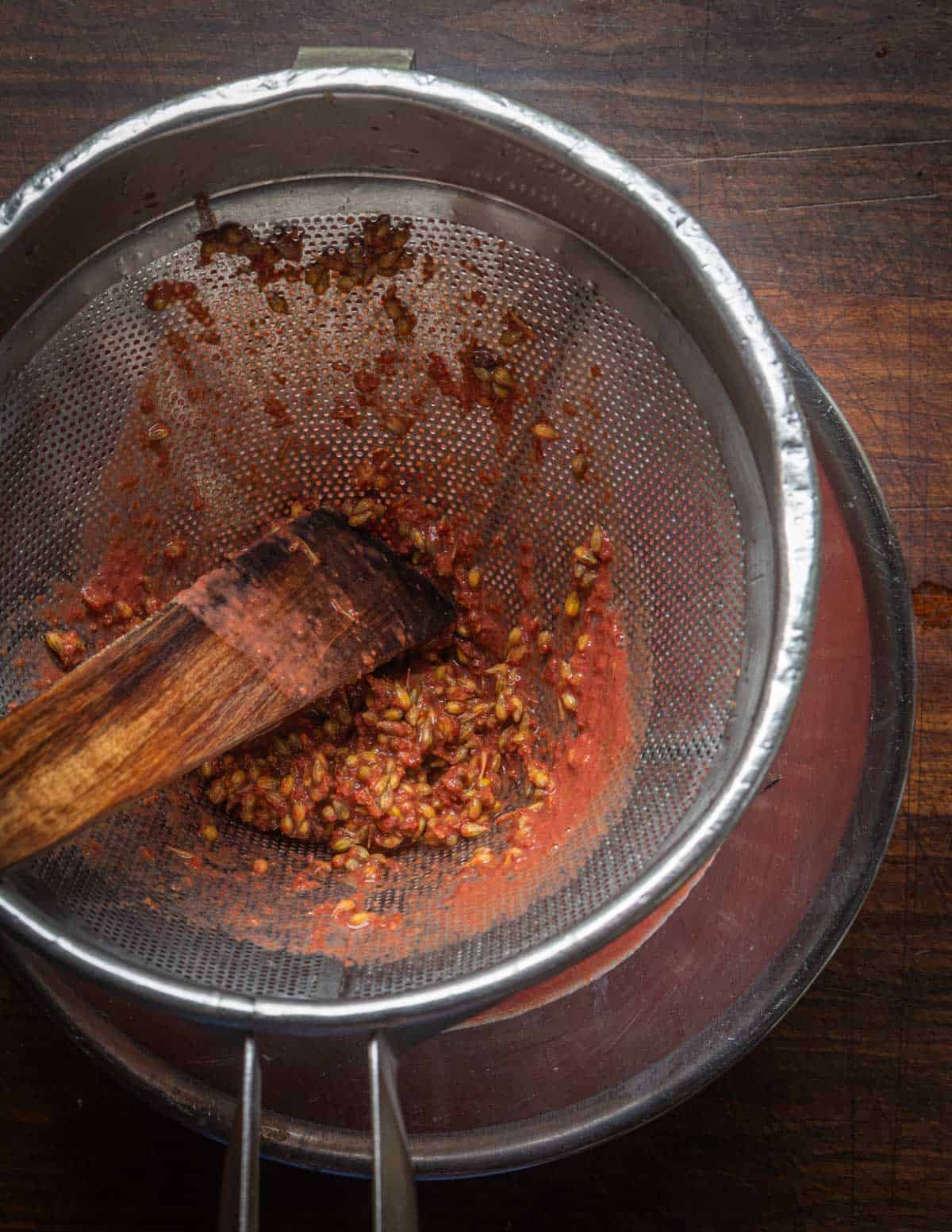
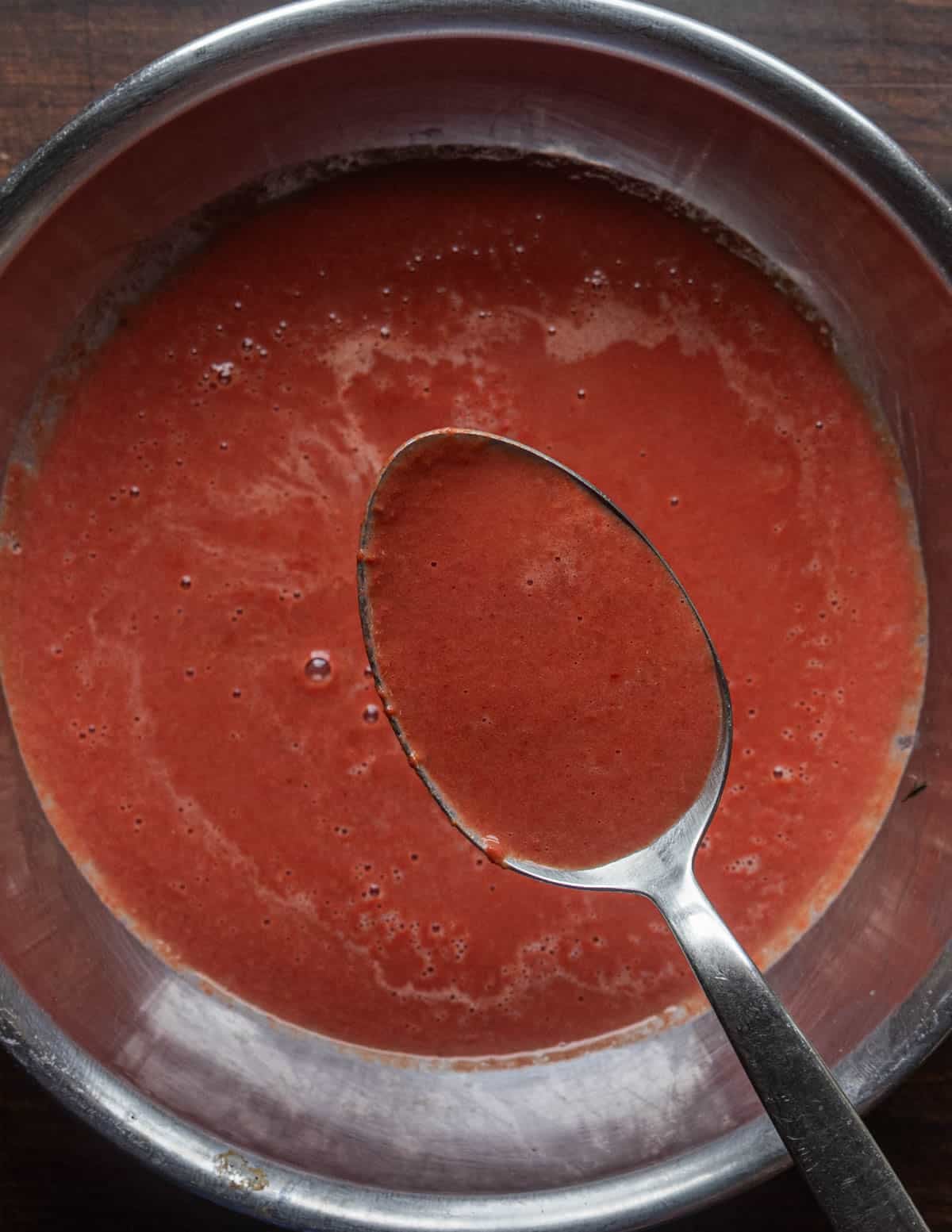
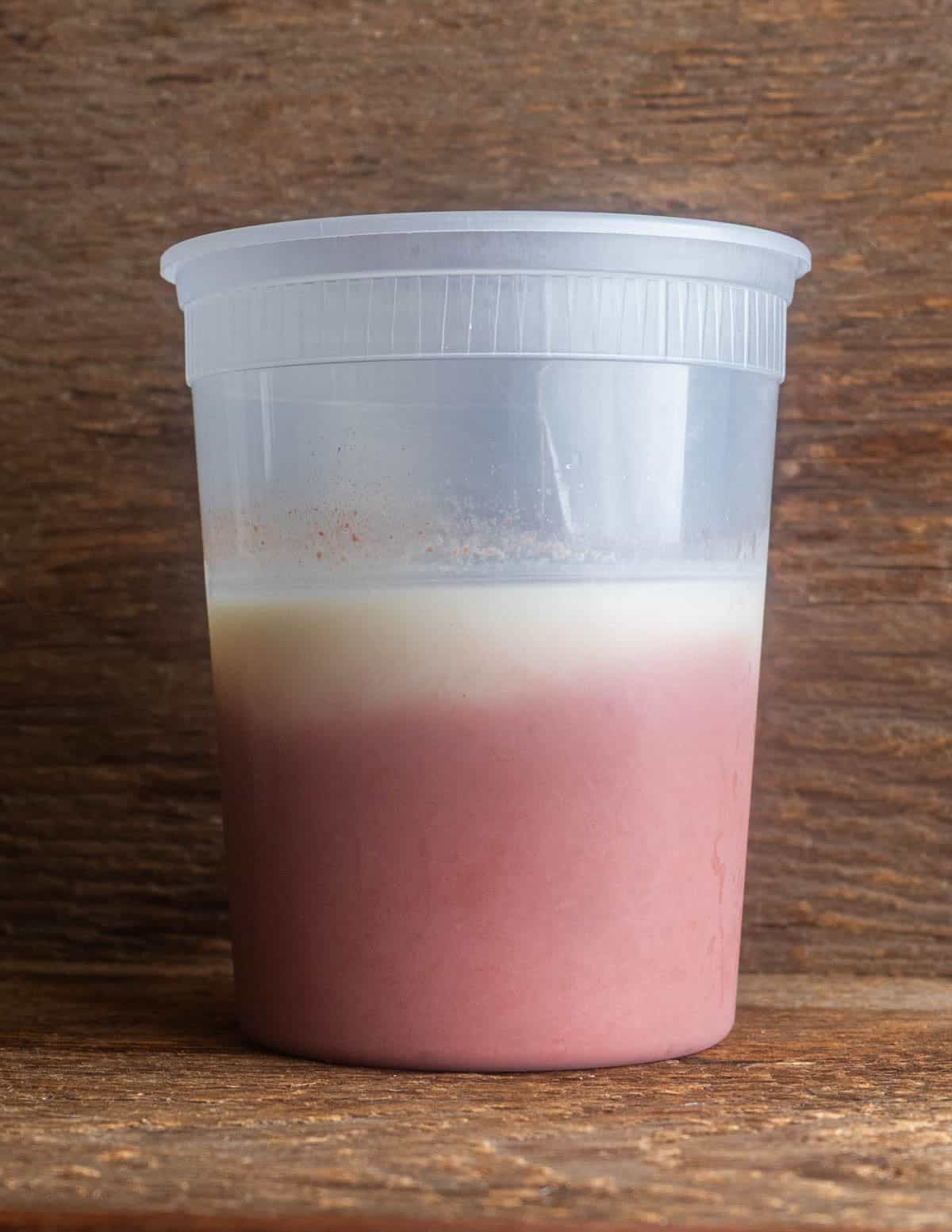
As it settles it may separate, with a white layer appearing on the top. The white layer is a mixture of lipids and epicuticular wax that will disappear once the juice is emulsified into a finished product.
Simple Autumn Olive Recipes
Once the fruit's been pureed and strained the thick juice can be used in sweet or savory recipes. Of course you can make autumn olive jam and jelly, but I typically make a coulis, which is basically a smooth fruit sauce.
All-Purpose Fruit Sauce
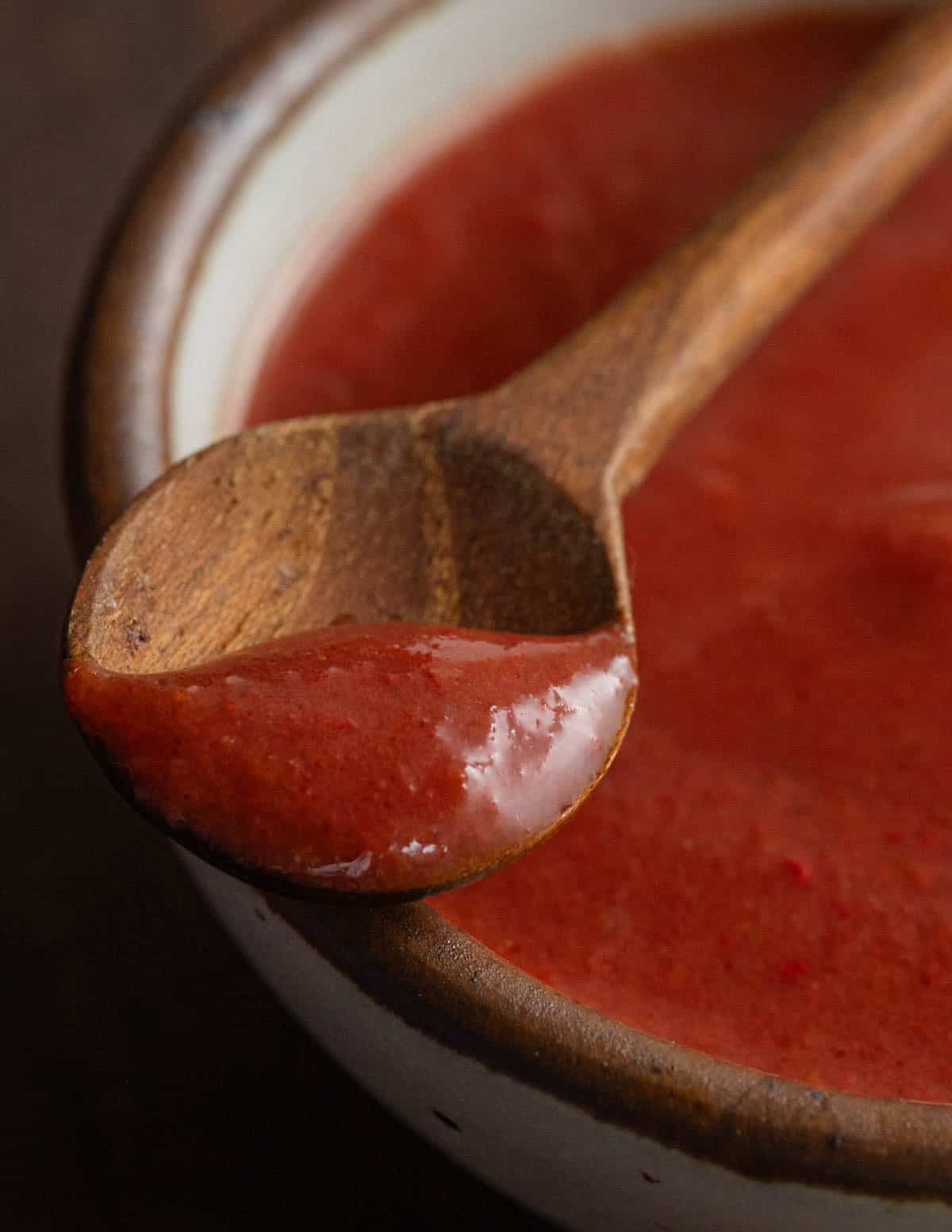
The simplest recipe I make is sweetening the juice with maple syrup and reducing until thickened. This is good for garnishing desserts, spooning over yogurt or ice cream, and eaten straight from the jar. Below the sauce is shown rustic, but it can be pureed with a spoonful of oil for a smooth texture.
Autumn Olive Ketchup
For a savory-sweet sauce, try autumn olive ketchup. Sweat a small shallot, a tablespoon of ginger and a small clove of chopped garlic in oil, ¼-1/2 cup maple syrup, ⅛th teaspoon allspice, a tiny pinch of cayenne, pinch of salt, and half a peeled tart apple cut into pieces.
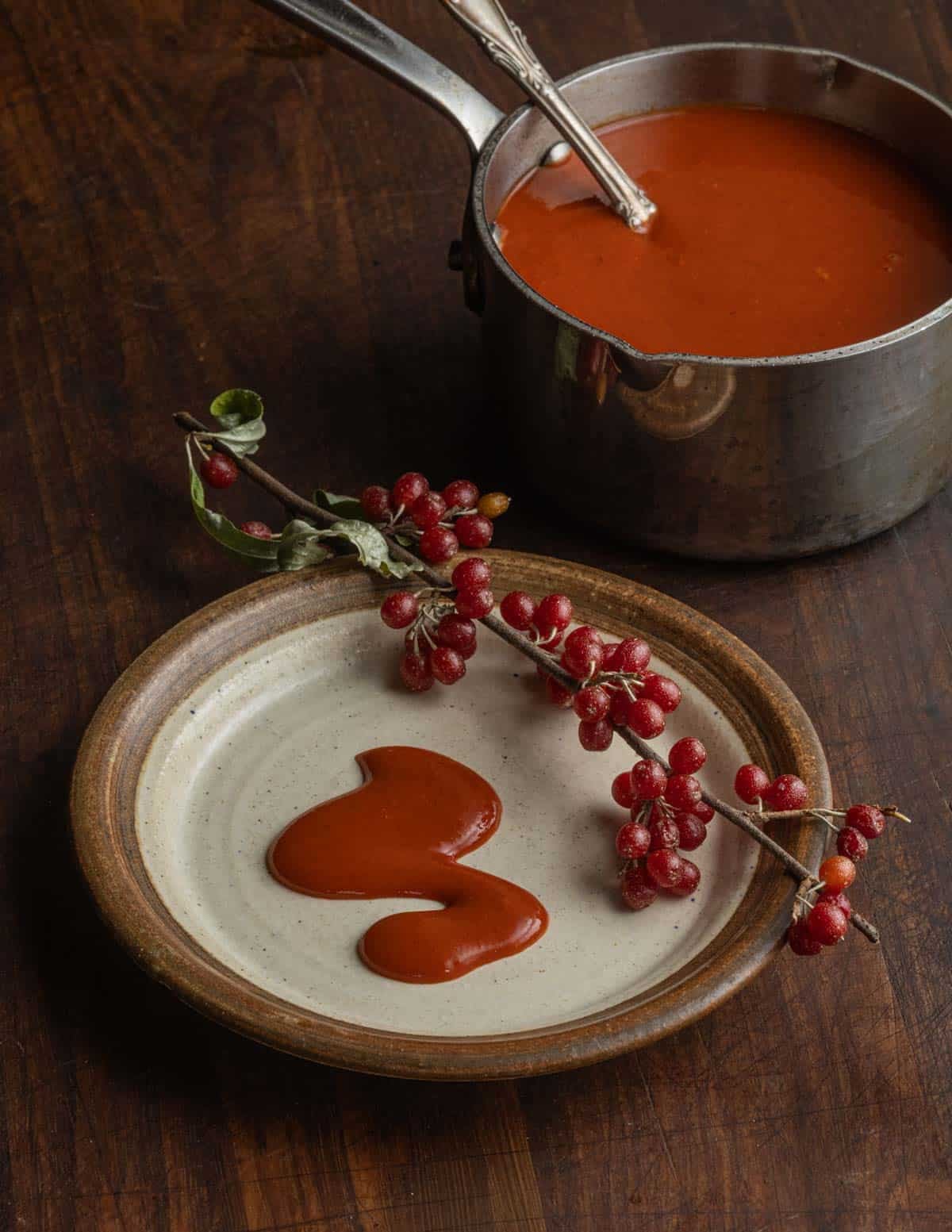
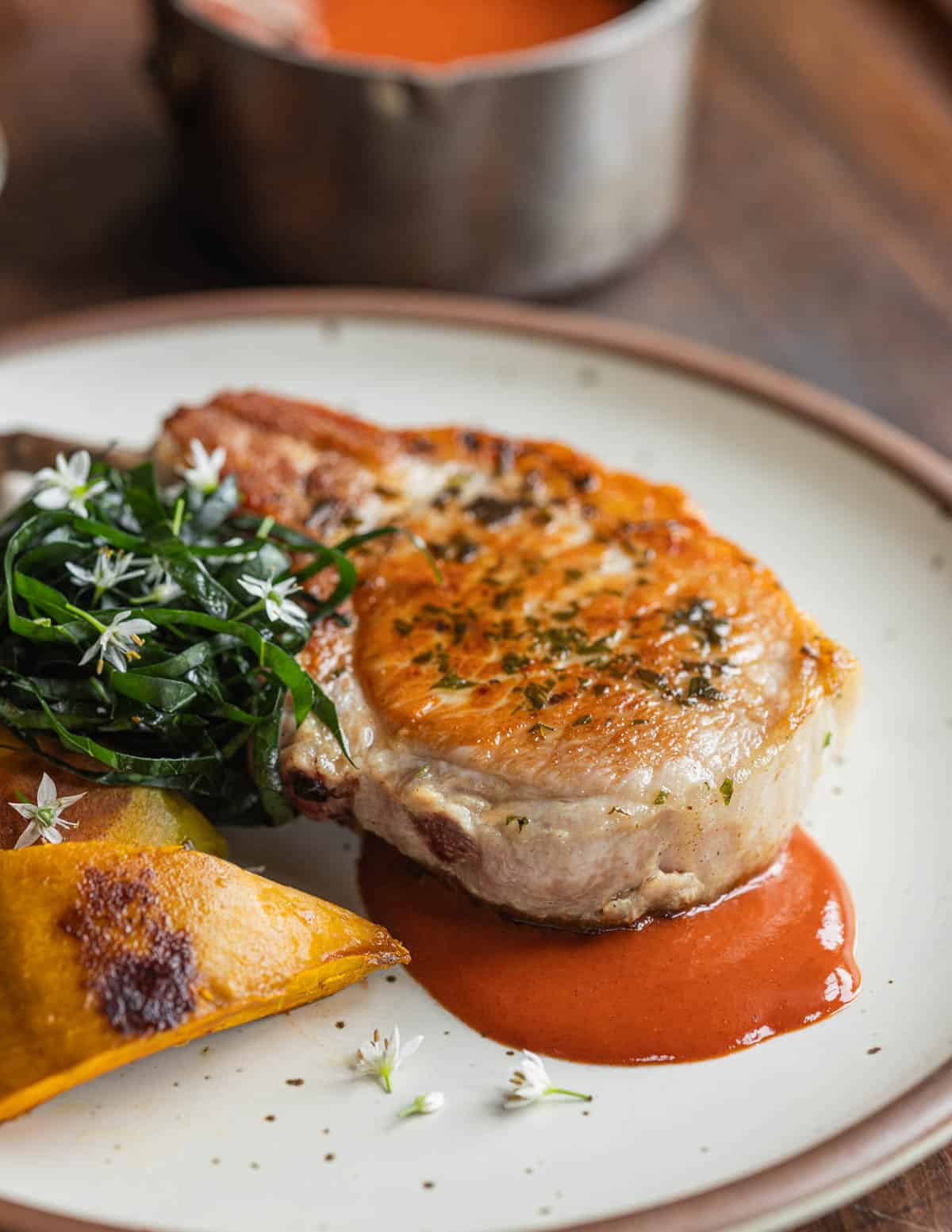
Reduce until the pan's nearly dry, then add 2 cups of autumn olive juice, simmer for a few more minutes, then puree until very smooth. I like it on pork chops and chicken. To extend the shelf life, add ½ cup rice wine vinegar after the maple's been reduced, reducing again until thickened.
Fruit Leather
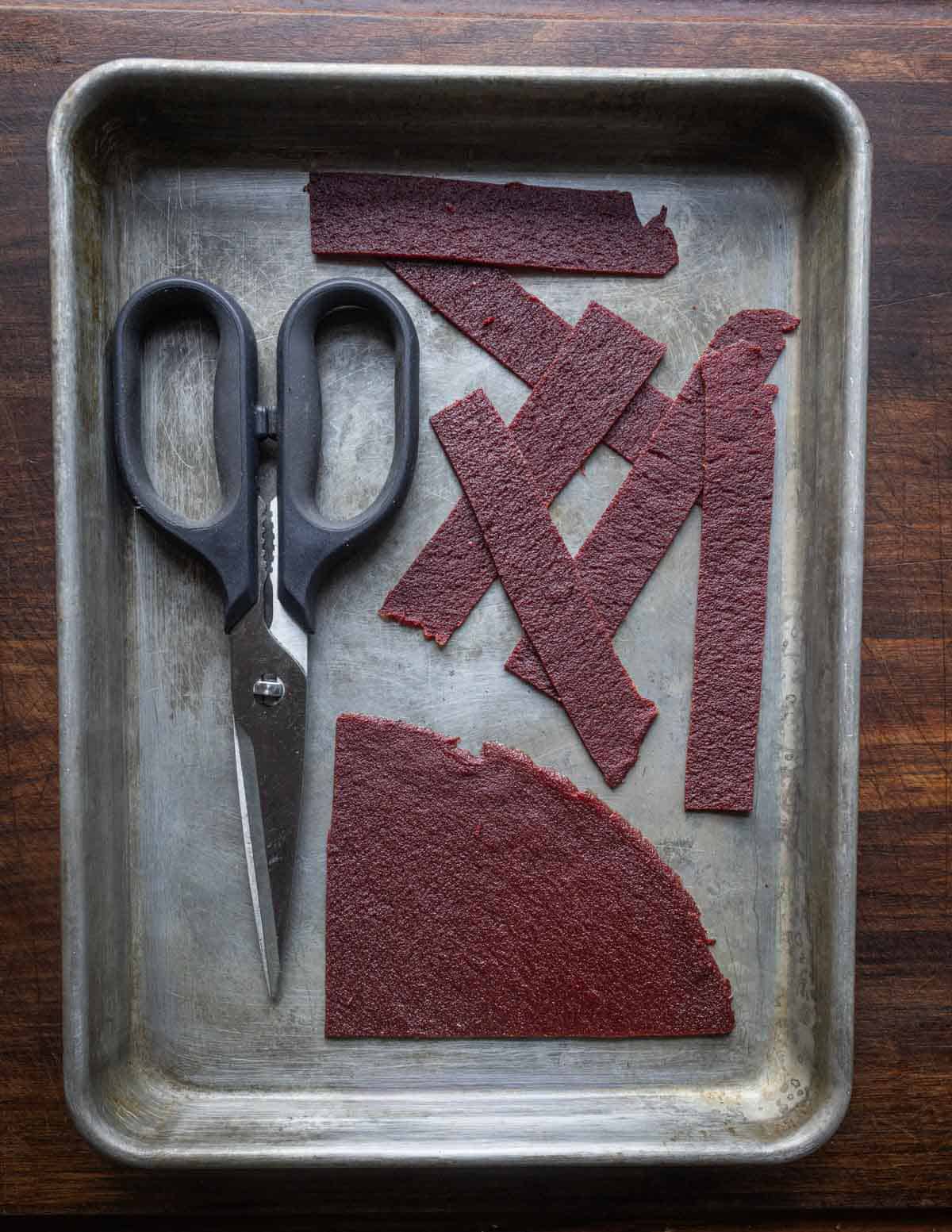
Fruit leather makes a delicious, healthy snack and autumn olive fruit make a great one. For a small batch, cook two diced apples with ¼ cup maple syrup and two cups of autumn olive puree until soft, puree, then simmer until thickened. Spread onto a silicone mat or parchment paper and dry at 145F until just pliable, about 6-8 hours. It can also be baked in a low oven.
Leftover Autumn Olive Seeds
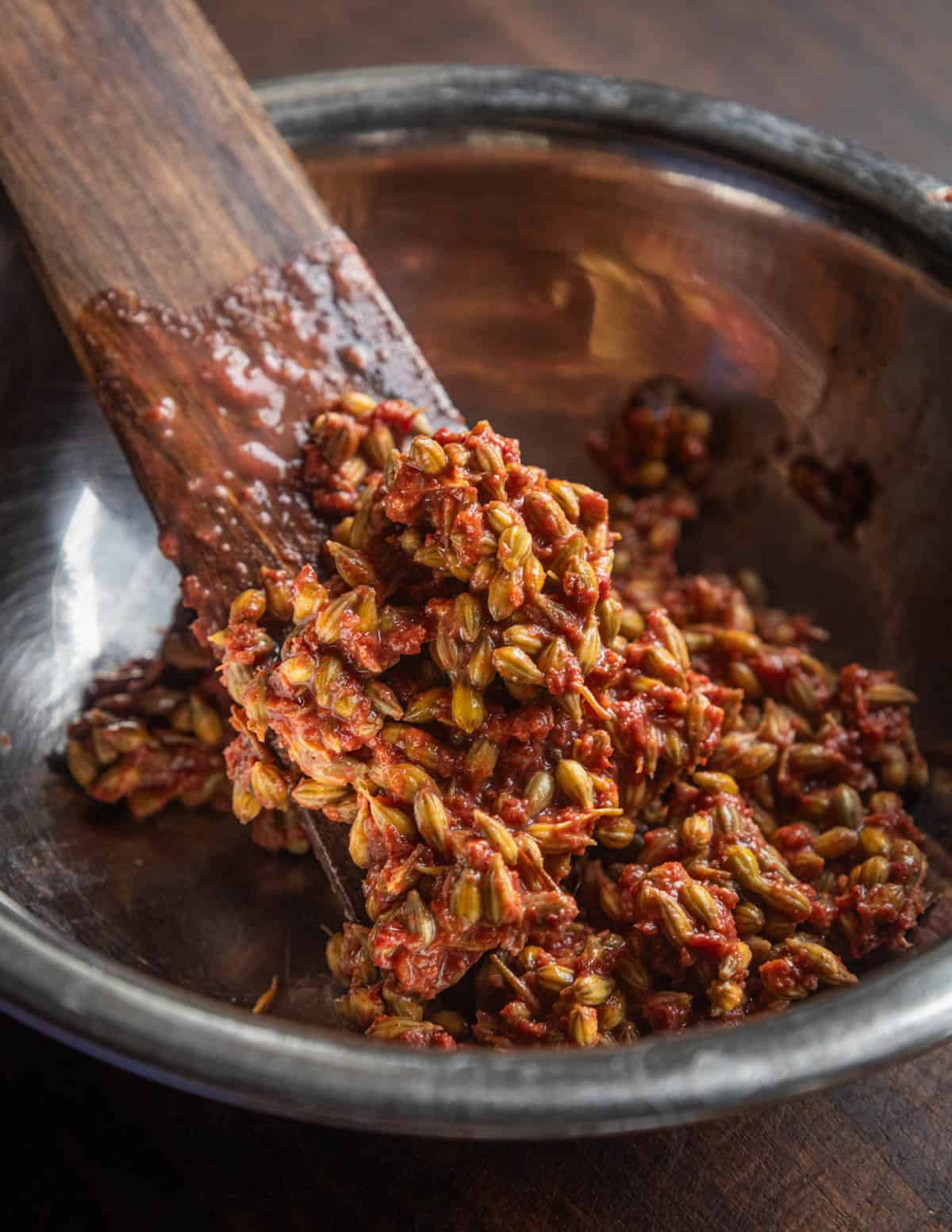
After processing the fruit you'll be left with a mash of skins and seeds. Some people eat the seeds (I assume for health benefits) as they're relatively soft, but I don't care for them personally and neither will most people I know. Maybe they could be dried and ground into a flour, but I'll leave that for someone else to try.
Do you cook with autumn olives or have anything to add? Please leave a comment if you do.
Martin Crawford (ART)
One of my most favourite fruit that I grow here in the UK. Crops well here I've used it for years to make leathers (mixed with plum is very nice), jam, ketchup etc. The Amber variety ripens earlier, is a bit less tart and gives different colours.
Alan Bergo
Thanks Martin
Alex
One year I made a 50/50 wild grape & autumn olive juice. It was nice, but when I added it to some homebrewed kombucha to secondary ferment the result was astonishingly good.
Have not been able to recreate.
Mike Oswalt
I must be missing something. I have tried these berries many times from September all the way through December and they are always so astringent that they are inedible. Is there a certain variety that tastes good?
Alan Bergo
There is only one variety I’m aware of here. As I mentioned they can vary in quality from shrub to shrub.
Richard
LOL, Ellen beat me to it!
Richard
Ellen Zachos dehydrates the whole berry and then grinds them up and sifts them into a flour. This uses most of the seed. There still is some 'dryer lint' fiber left behind.
https://backyardforager.com/autumn-olive-flour-muffins/
Alan Bergo
She already beat ya to it 😉
Richard
LOL, love it! It was a great class she gave on it too....
Ellen
This is one of the plants I miss the most out here in NM. I dry the fruit and make flour (as you do with chokecherries); it makes excellent (and very pretty) baked goods.
Alan Bergo
Oh hey there’s a fun idea. Thanks Ellen.
Lynne
Happy to see this blog. A friend showed me a wild open area only 3 miles from my home (western Massachusetts) that has dozens of autumn olive berry bushes. Dare I say hundreds?! This is a very prolific plant. Easy to see how it spreads. We picked bucketloads and I would agree with you - taste first - as every bush had a different flavor - and some were even overripe! Good to avoid those as they will ferment the juice quickly. (I wonder if it would make good kumbucha?!)
I used some raw in smoothies (blentec) but the seeds made for a slightly chalky texture. I made jam and after cooking I ran them through a food mill to remove stems and seeds. The pureed color is gorgeous. The little silver sparkles on the berry remind me of stars in the night sky. Thrilled to hear the lycopene level is so high!! 'Cuz I've eaten all the fresh tomatoes (and zucchini) from my garden that I can possibly eat right now. LOL.
But honestly, I didn't throw the cooked/milled seeds into my compost pile because I didn't want to chance that they might take root and grow on my land. An opportunistic species for sure.
Thanks for the reminder - it's time to pick!!
Katherine Gray
I make Autumn Olive Berry jam,
It’s delicious!