
Nothing says spring like the aroma of lilacs, and infusing them into lemonade is pretty popular among foragers I know. I'd worked on a few different versions over the years but was never really satisfied with how they came out. They were good, but not quite good enough. This year I tried a few different experiments and finally liked the result. Even if lilac season is over for you, the methods I use here can be useful for harnessing the aroma of many different edible flowers.
Like truffles, harnessing the aroma of flowers is delicate business. Each one I've had seems to play by a different set of rules. Some, like meadowsweet, are easy and can be used like an herb fresh or dried. Peonies are so strong a single petal can ruin a dish.
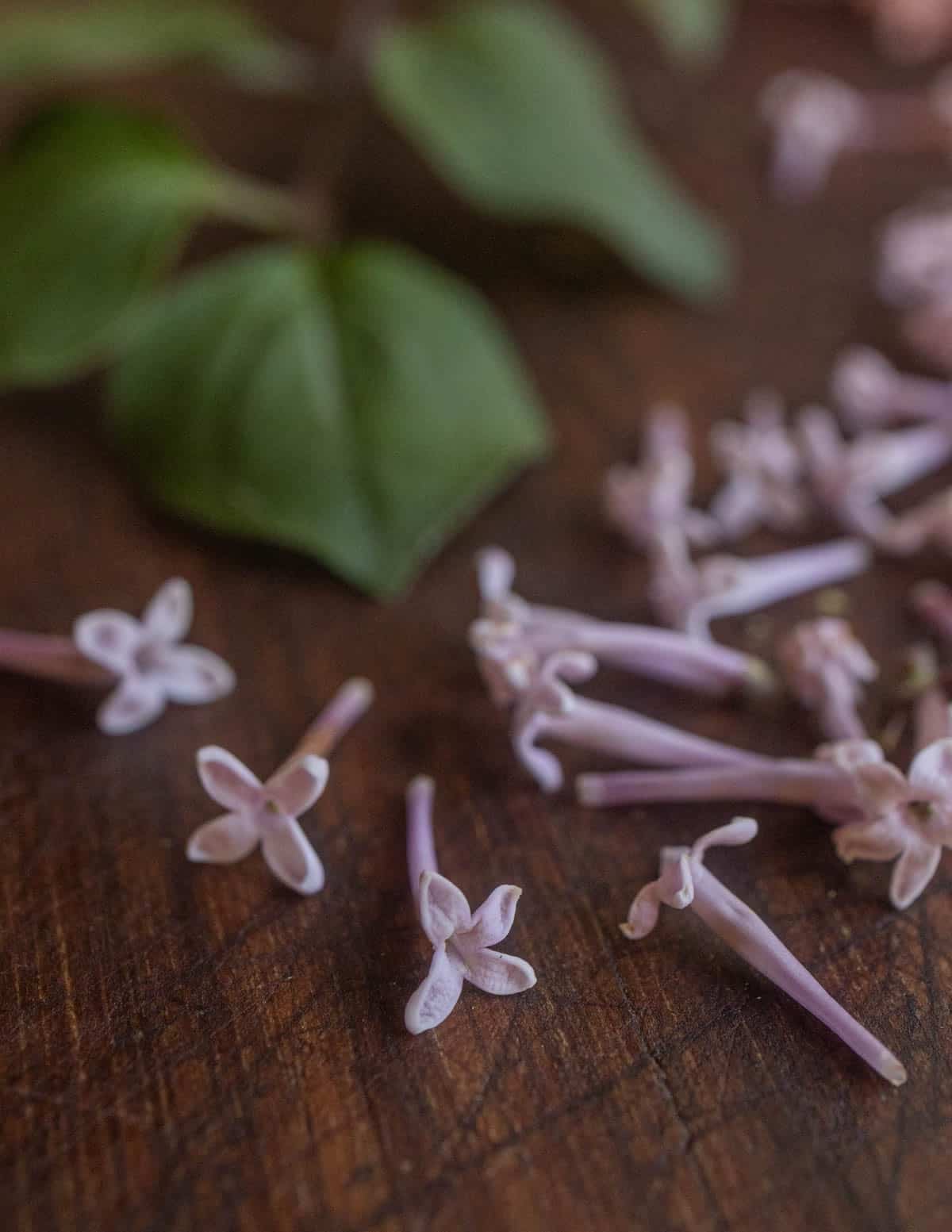
Lilacs have been tricky for me. I have an ornamental lilac shrub in my front yard and every day while they're blooming the aroma is inescapable. The flavor transfers easily to dairy, but syrup, while having a good aroma by itself, is easily overshadowed by other flavors to the point you may not taste them at all in a finished product, like a drink.
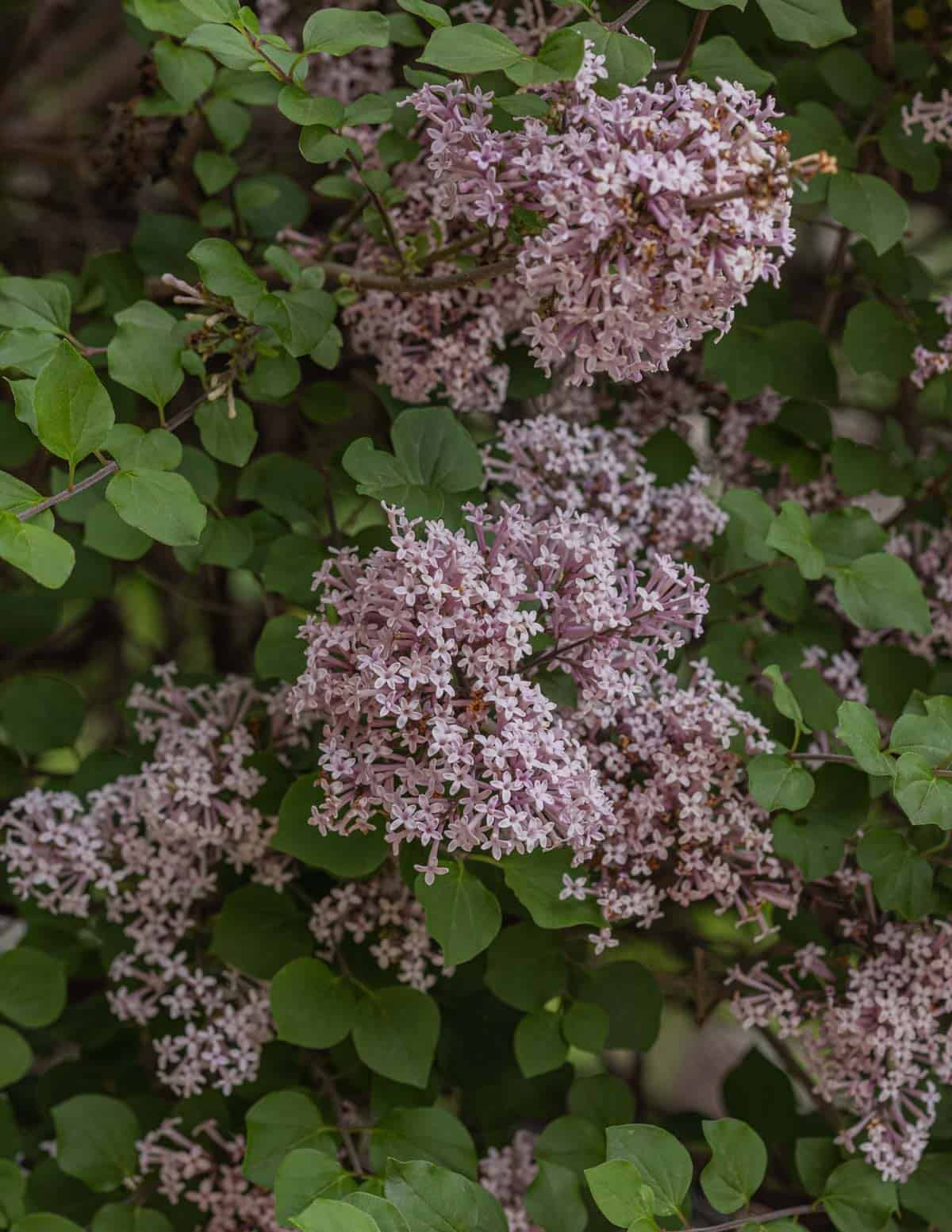
Here's some tips on harvesting lilacs for cooking:
- Think like a parfumier: harvest the flowers in the morning, after the dew's evaporated but before the sun reaches its zenith around noon.
- Flowers should be inspected closely before harvesting and only the most perfect blooms should be used as they'll have the strongest aroma. It's easy to miss wilted flowers or those that are past prime.
- Rain will ruin some flowers, particularly black locust. Lilacs are more durable, but I wait until all the water's evaporated before harvesting.
- Similarly to rain, many people recommend washing flowers to remove bugs. I prefer to gently shake the flowers and lay them out on a tray for half an hour. Most insects will instinctively evict themselves, but I strain the liquid through cheesecloth at the end for good measure.
How to Make Lilac Syrup
There's lots of recipes out there for lilac syrup. Most recipes cook the flowers, which gives a slightly different flavor than a cold infusion, at least for my tastes. After a few years of frustration, this method is the best I've found.
To make the honey syrup, harvest lilac flowers (a good time to trim back the lilac bushes) pick them from the stems and immerse them in a syrup of diluted honey or water and sugar. I will dilute honey with an equal portion of water by volume. If I use sugar I use two parts sugar to one part water.
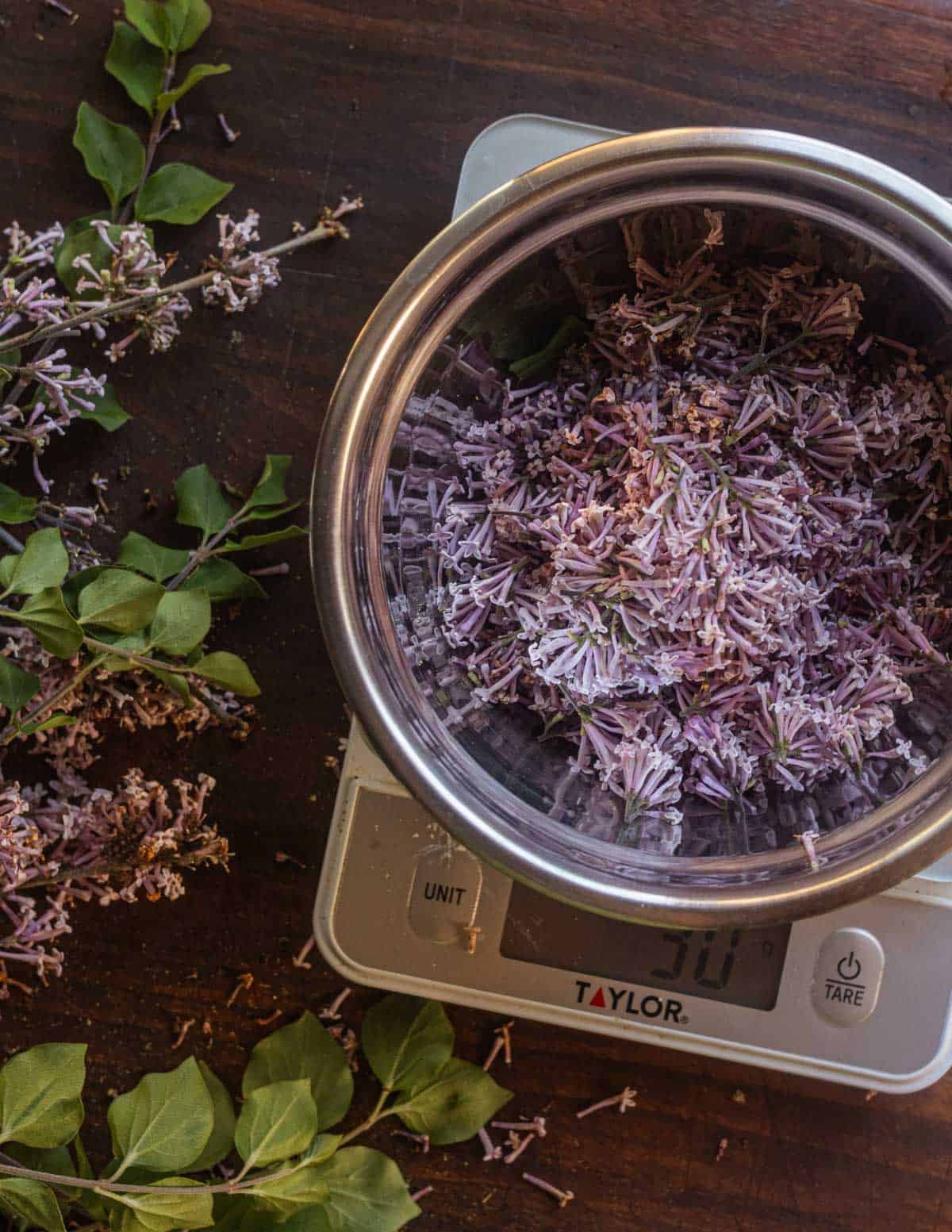
Warm the syrup, then cool, add to a container like a jar with a tight-fitting lid and refrigerate to infuse overnight in a tightly covered container.
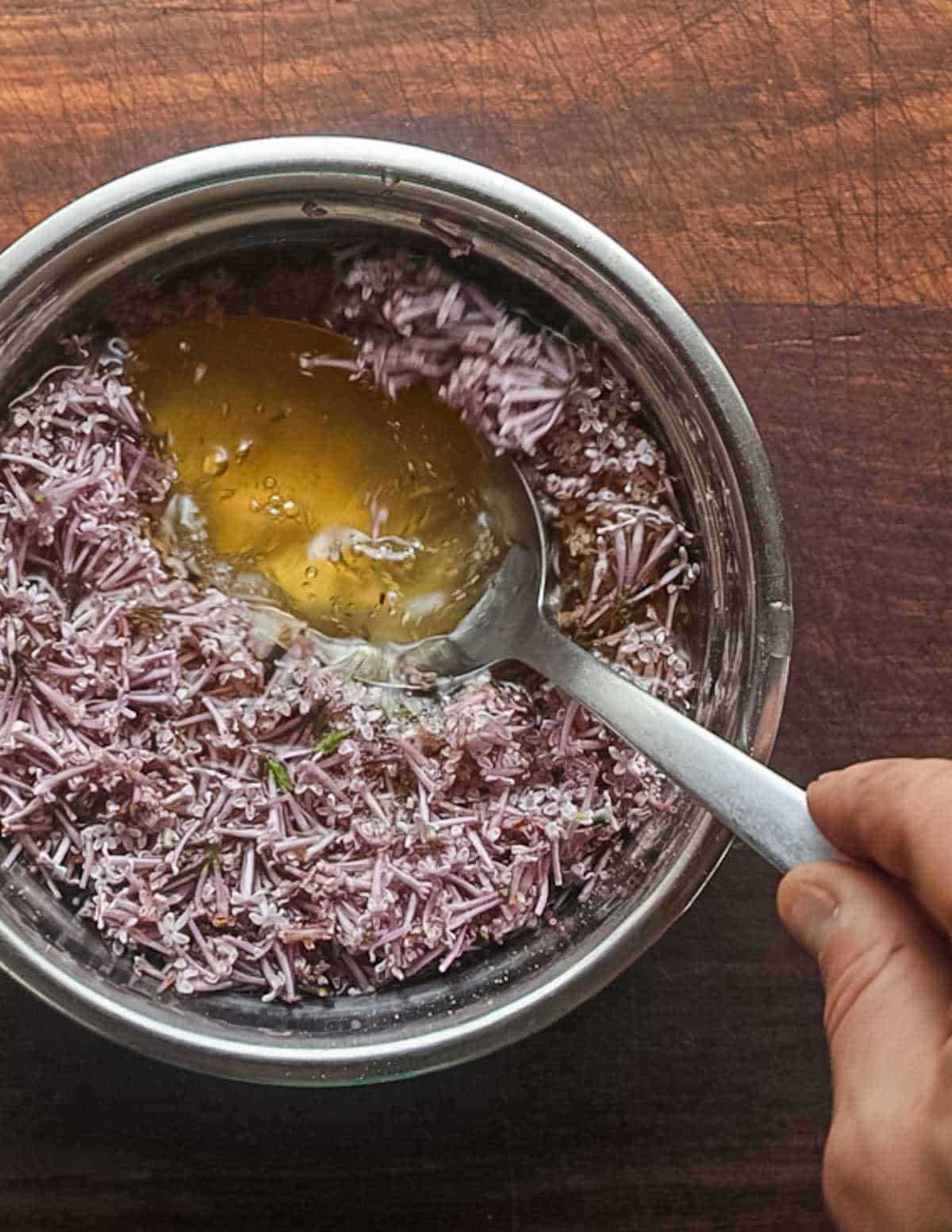
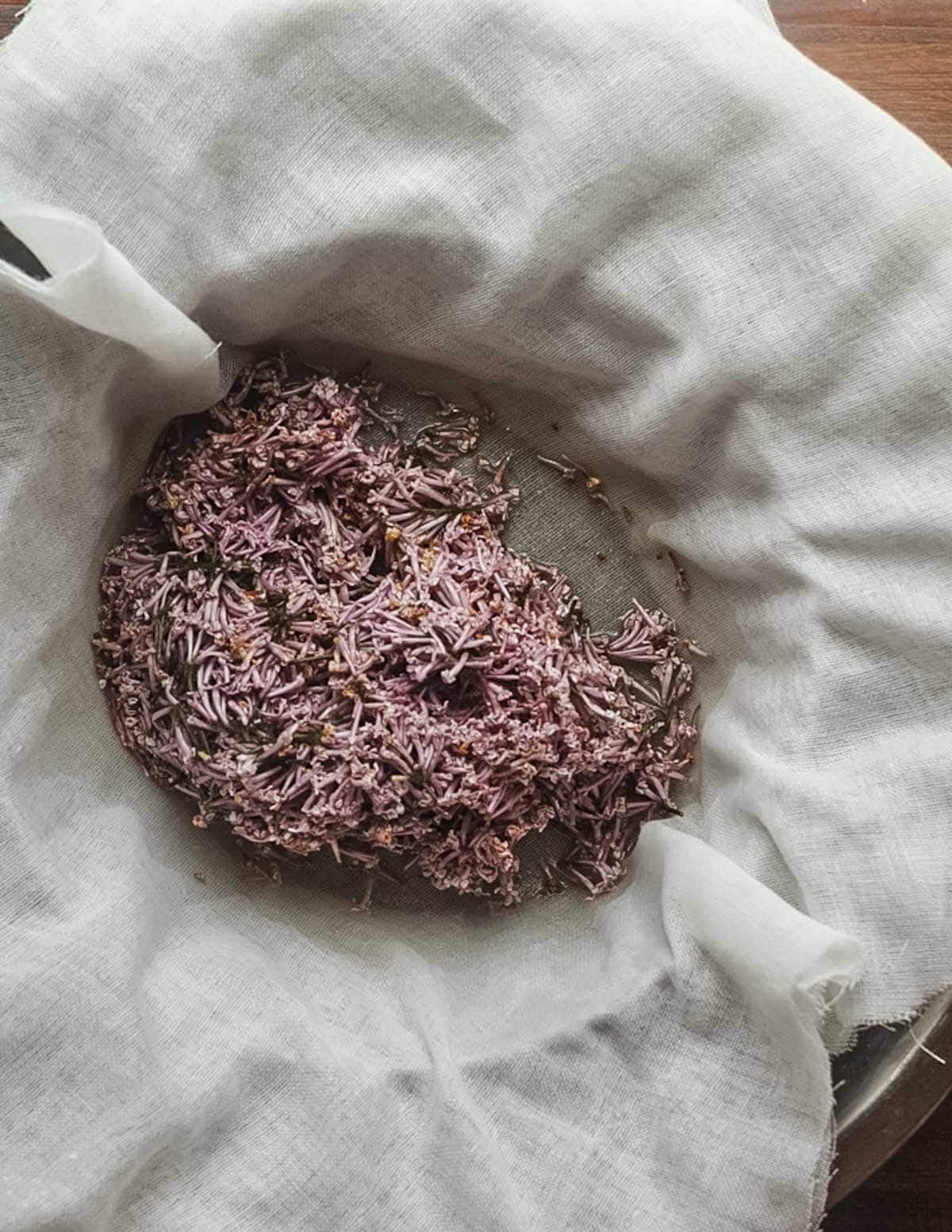
The next day, strain the flowers out, then add another batch of fresh flowers and repeat the process, straining the final syrup through cheesecloth to catch any debris. From here the syrup will keep a good aroma in the fridge for a few weeks.
Lilac Water
While tasting one of the variations I was working on, I put some stems in a bowl of water to keep them fresh. Some of the blooms were underneath the water and instinctively I gave it a sip a few hours later.
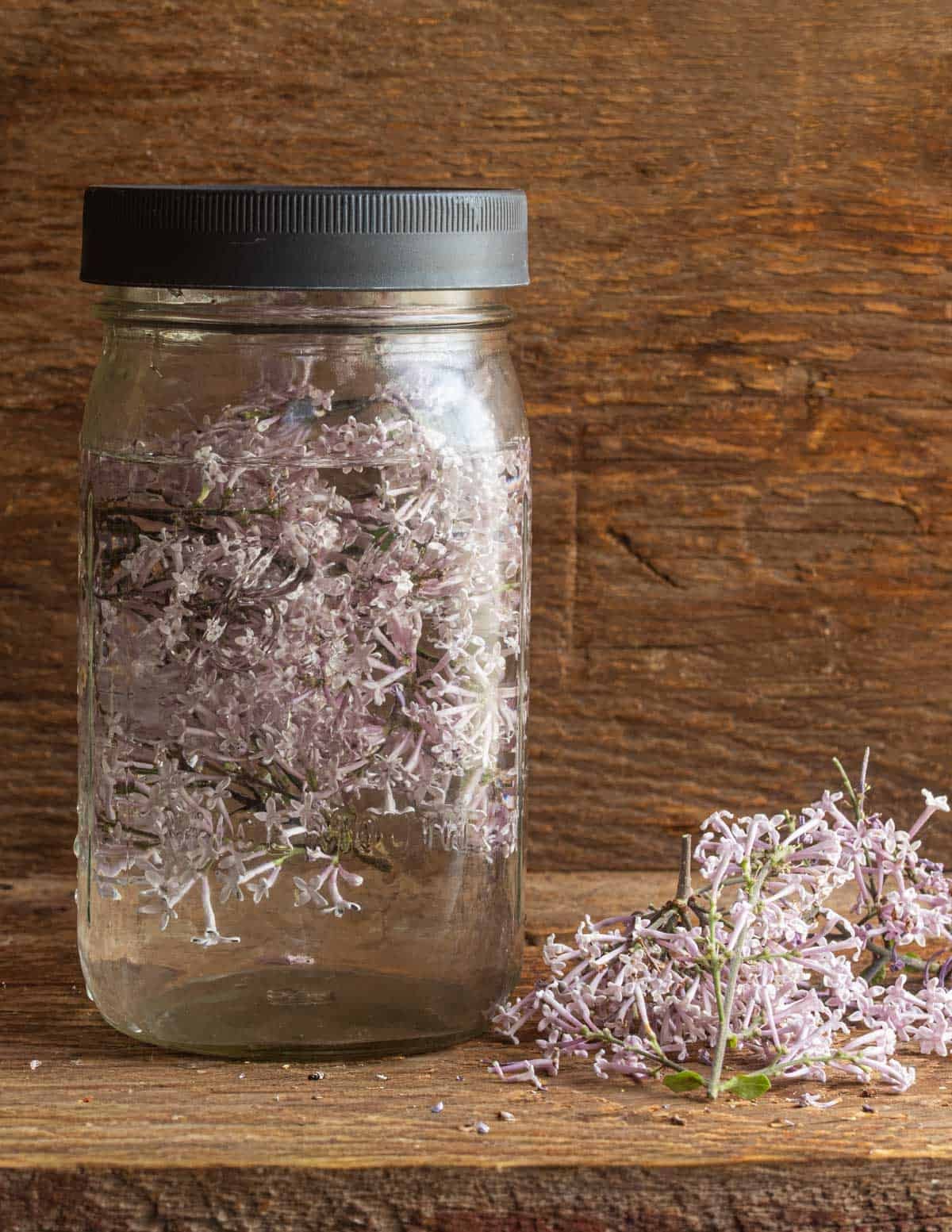
The flavor was potent, clean and fresh, similar to rose water. Mixing the lilac-infused water with lemon and honey was better than the first batch of cooked syrups I made. Armed with my lilac water, I finally felt I had something worth posting.
I should add too that some people immerse the blooms in honey in a jar and allow it to sit for a month or so as I do spruce tip syrup. Unfortunately I missed the peak bloom season for trying that-if you have please leave a comment.
Once you have the lilac water and the syrup, you can combine them to taste with lemon juice, and, ah voila. For a great spring cocktail, add a good splash of your favorite gin. If you don't mind lilac flavor being in the background, adding a few leaves of bruised anise hyssop and letting them infuse for a while is great too.
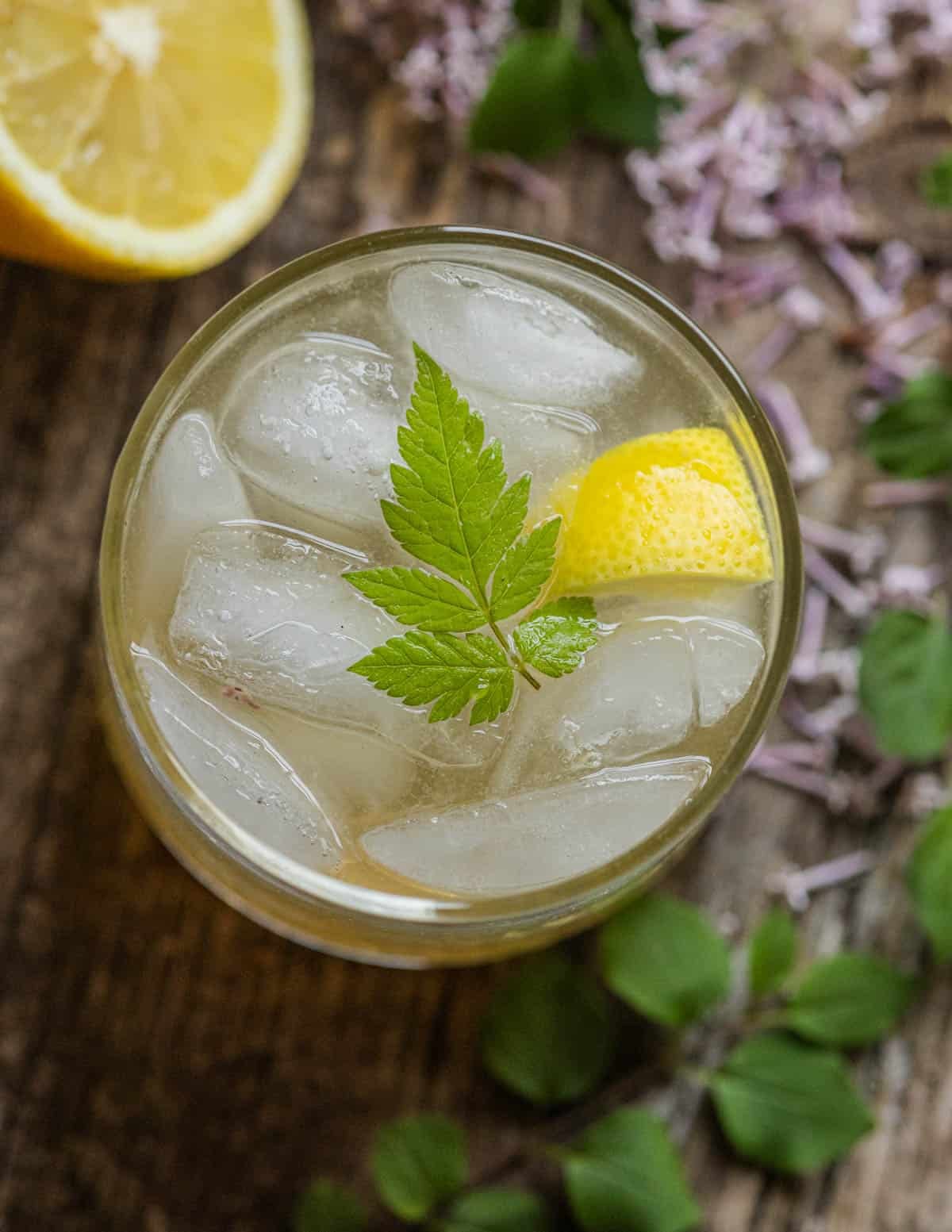
I think it's best served straight away since the aromas will mingle and mellow over time. The syrup will taste strong on it's own, but the finished product is light and delicate. Have you made lilac lemonade, if so, what did you think?
Related Posts
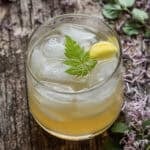
Honey-Lilac Lemonade
Equipment
- 2 Quart mason jars or other non-reactive containers.
Ingredients
Lemonade
- 4 oz Fresh lilac flowers, separated as fresh and pristine as possible
- 4 oz Fresh squeezed lemon juice
- 1 cup gin your favorite kind, optional
Lilac Syrup
- 1 cup mild honey
- 1 cup water
Lilac Water
- 3 cups water
- 1 oz fresh lilac flowers on the branch
Instructions
- Harvest fresh lilac flowers (roughly half a grocery bag) of branches) inspecting the blooms to make sure you're getting them as fresh and perfect as possible. I cut them from the shrub when trimming my lilacs.
- Bring the branches inside, lay them on a tray in a single layer and give each branch a good shake. Wait 30 minutes to give any insects time to evict themselves.
Honey Lilac Syrup
- Combine the honey and water and warm until dissolved. Cool, pour into a bowl or jar, adding the flowers and pressing them under the liquid with a spoon. Refrigerate, tightly covered for 24 hours.
- Strain the flowers from the syrup through cheesecloth, squeezing out as much syrup as you can. Rinse the cheesecloth so you can reuse for the second infusion.
- Add the remaining flowers and repeat the infusing process.
- Meanwhile, fill the other jar half full with fresh lilac sprigs, then pour over the water, top with a lid, and allow to infuse at room temperature for a couple hours, then move the to refrigerator.
- Strain the lilac water through cheese cloth.
- Strain the second infusion of the honey syrup through the same cheesecloth.
Assembly
- Pour half of the lemon juice and ⅓ of the lilac syrup into the lilac water, stir to incorporate, then taste and adjust until it tastes good to you.
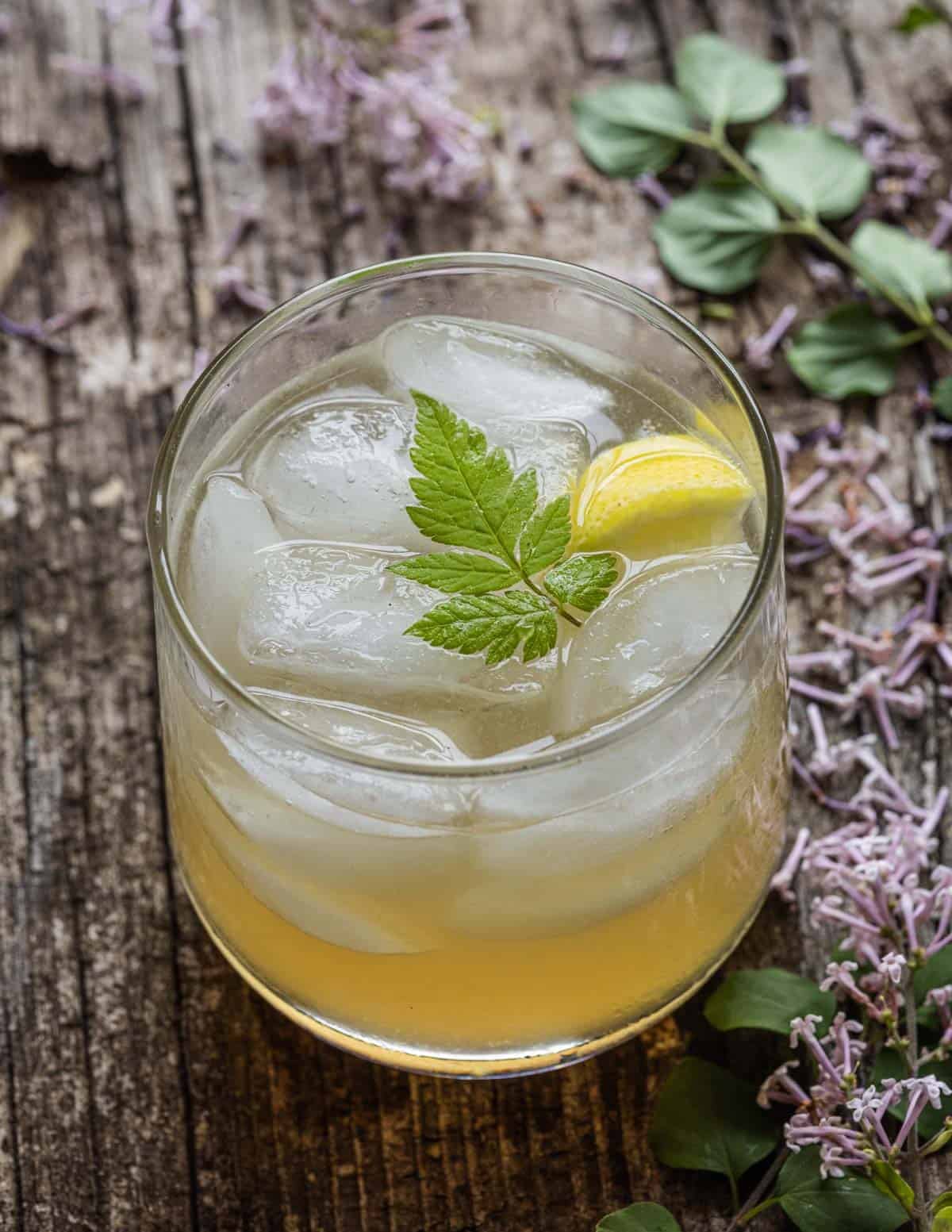
- Serve the lemonade on ice, garnished with a sprig of anise root or anise hyssop (optional) and a wedge of lemon.
- I think it has the freshest taste served right away. Over time after mixing with the other ingredients the aroma will mellow.
Lilac-Gin Cocktail
- Add your favorite gin for a refreshing cocktail. I'd start with 1 cup total for the quart jar batch to serve four people.
LaRae
Spring in a glass! Beautiful, sweet and refreshing!