
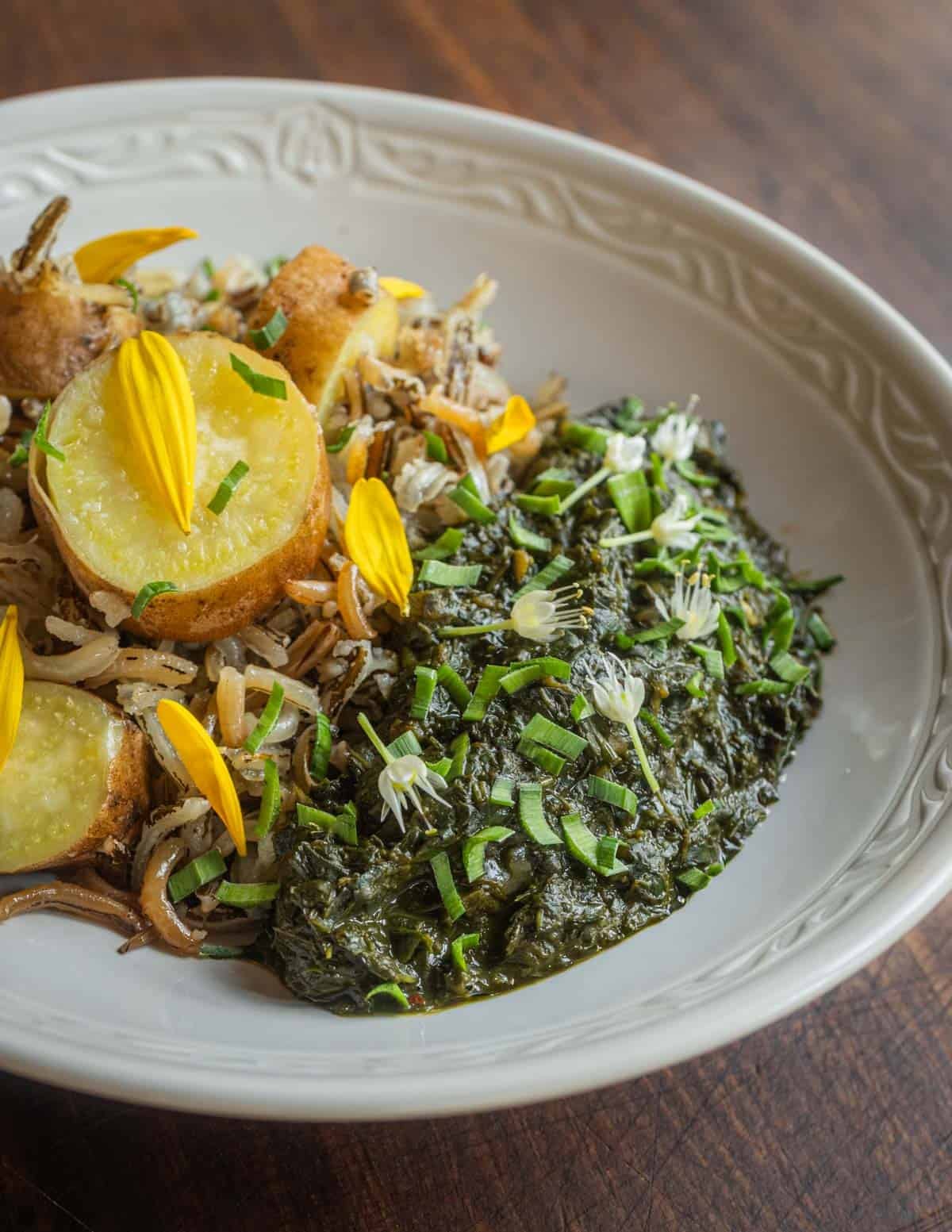
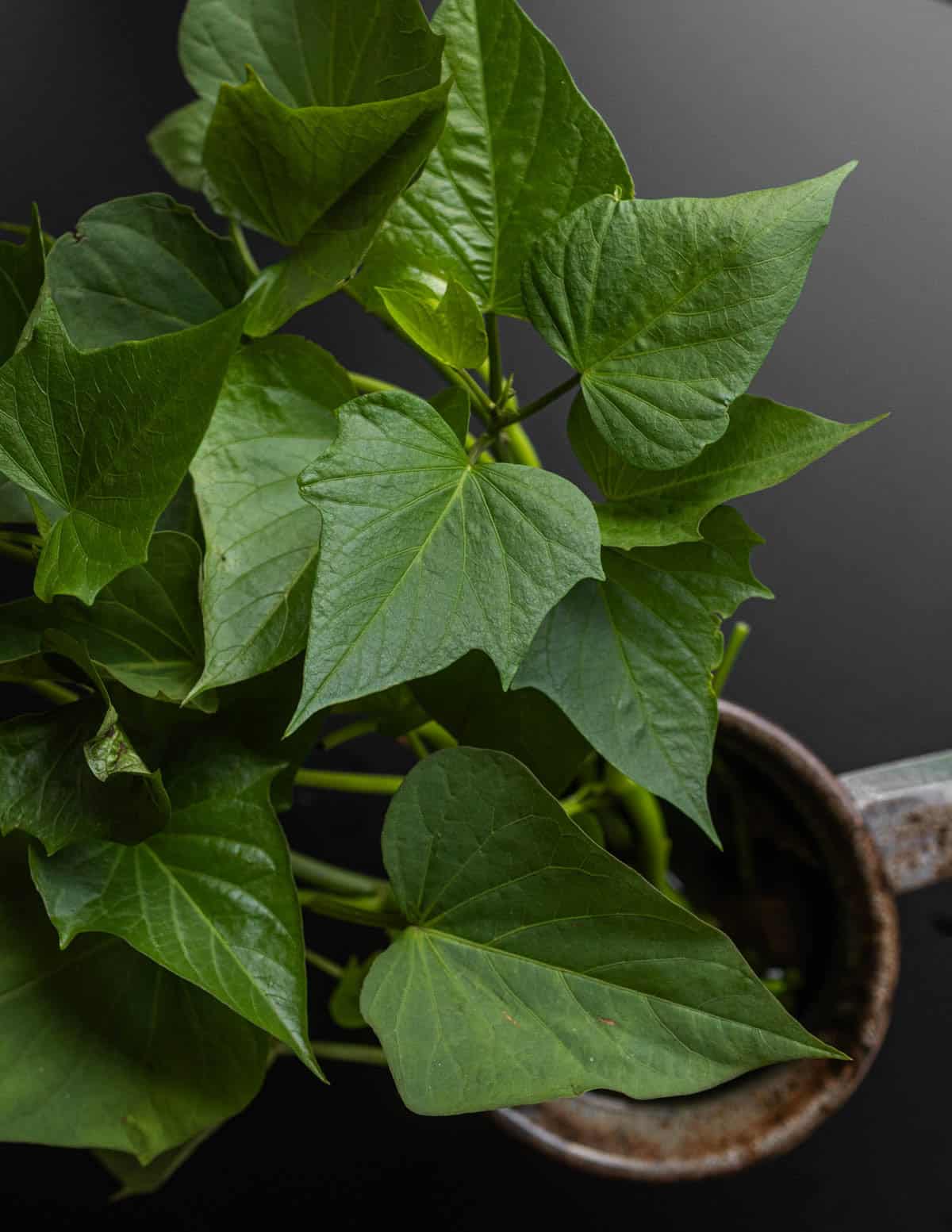
Rich, mildly spicy, packed with aromatics and herbs, this is a simple recipe for sweet potato leaves (often erroneously called yam leaves) as they might be prepared in Guinea, West Africa, although similar dishes are made across the continent. Whether you give it a run or not, take a look at the process as it's a great lesson in layering flavor to make a simple dish of greens taste hauntingly rich and unique. If you like spinach curries like saag or dips and spreads scooped up with rice you'll enjoy making a batch, or something similar with whatever you have on hand.
This recipe I based this on comes directly from Guinea-one of a few places in West Africa my friends Larry and Judy Moses taught sustainable goat husbandry methods through USAID for decades.
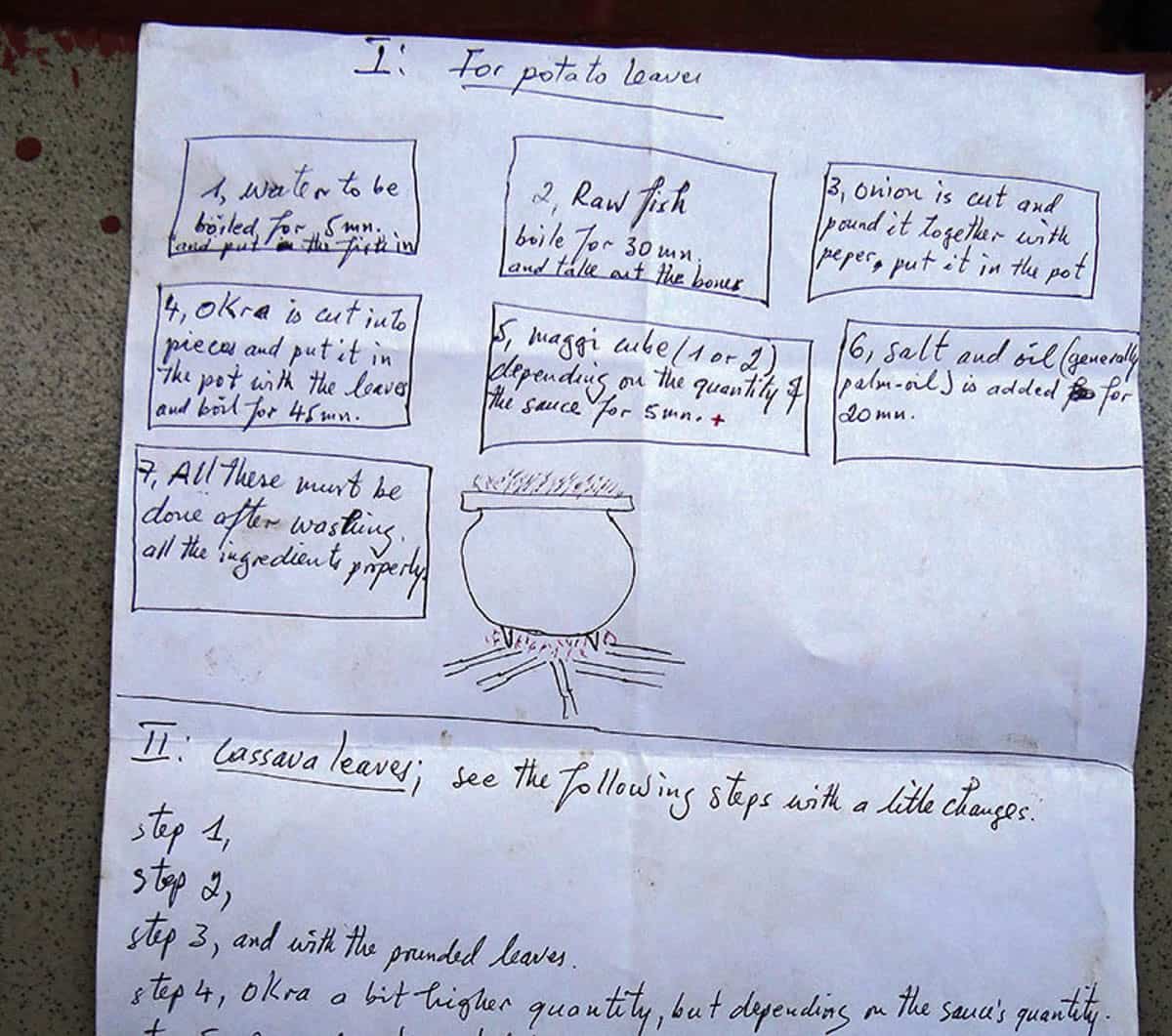
We'd planned for me to photograph some of their work in Mali before the pandemic dashed my hopes. I figured making some of the recipes they'd shared with me would probably be the closest I'd get to a visit, and this stew of sweet potato leaves was the first on my list.
Chef's Notes
The dish is similar to Njama Njama, the stewed black nightshade greens eaten with balls of cooked cassava (fufu) as the vehicle. Traditionally it's eaten with your right hand, scooping up the thick, tasty paste of greens with rice, but it'd be just as good with a flatbread.
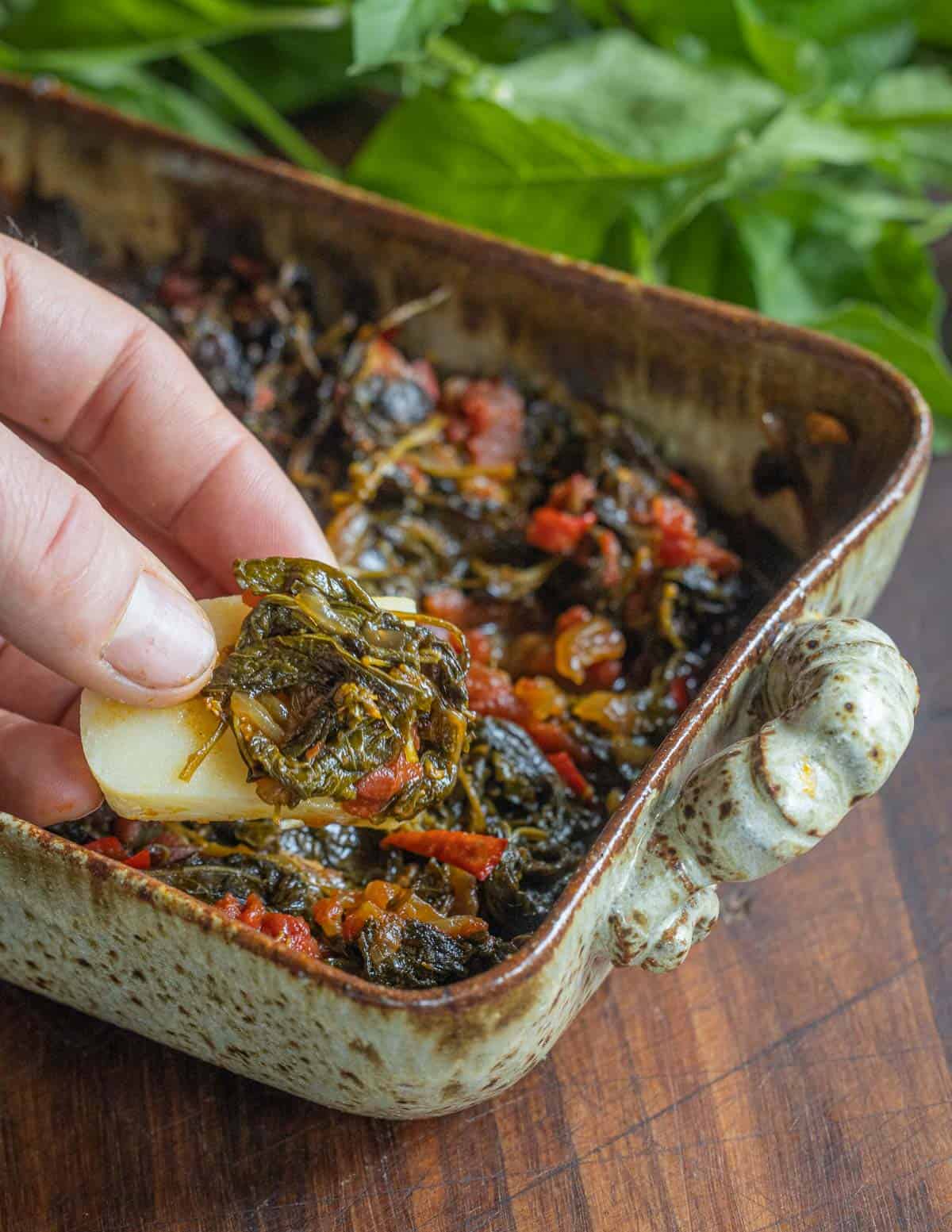
The end result is a bit like a thick curry, but with less spices and seasonings and more fresh ingredients.
If possible, you really want palm oil here for a traditional flavor and texture. I also wouldn't make it without the peanut butter, which helps tighten the mixture so it's easy to scoop, as well as adding heft and protein to a dish that can be vegetarian, or is easily made so.
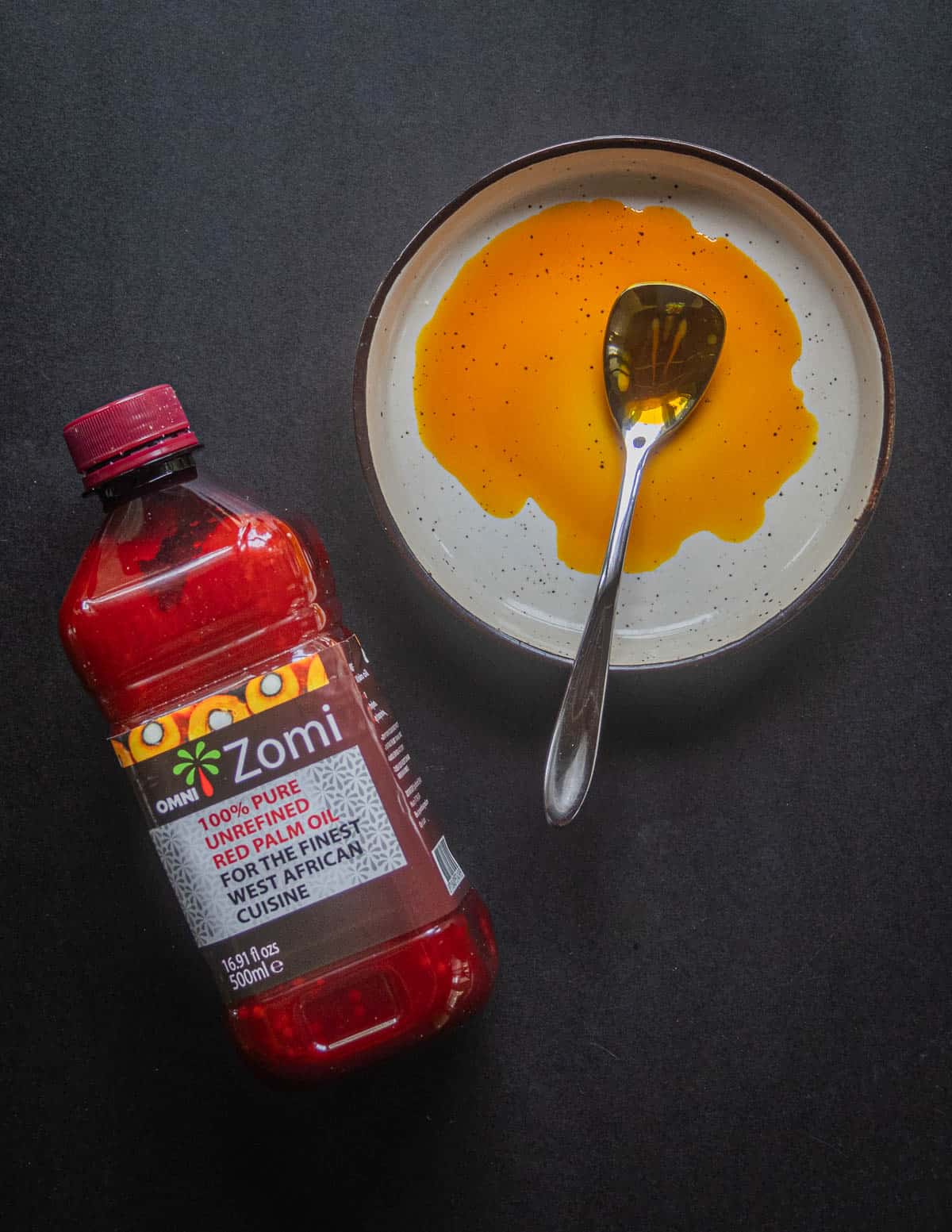
This is a distilled version designed to be approachable for home cooks. If you want a more traditional flavor, consider adding a spoonful of dried, ground crayfish, shrimp, simmering with a cardamom pod or two and a fresh bay leaf to make a quick stock. Fresh or dried fish is also used.
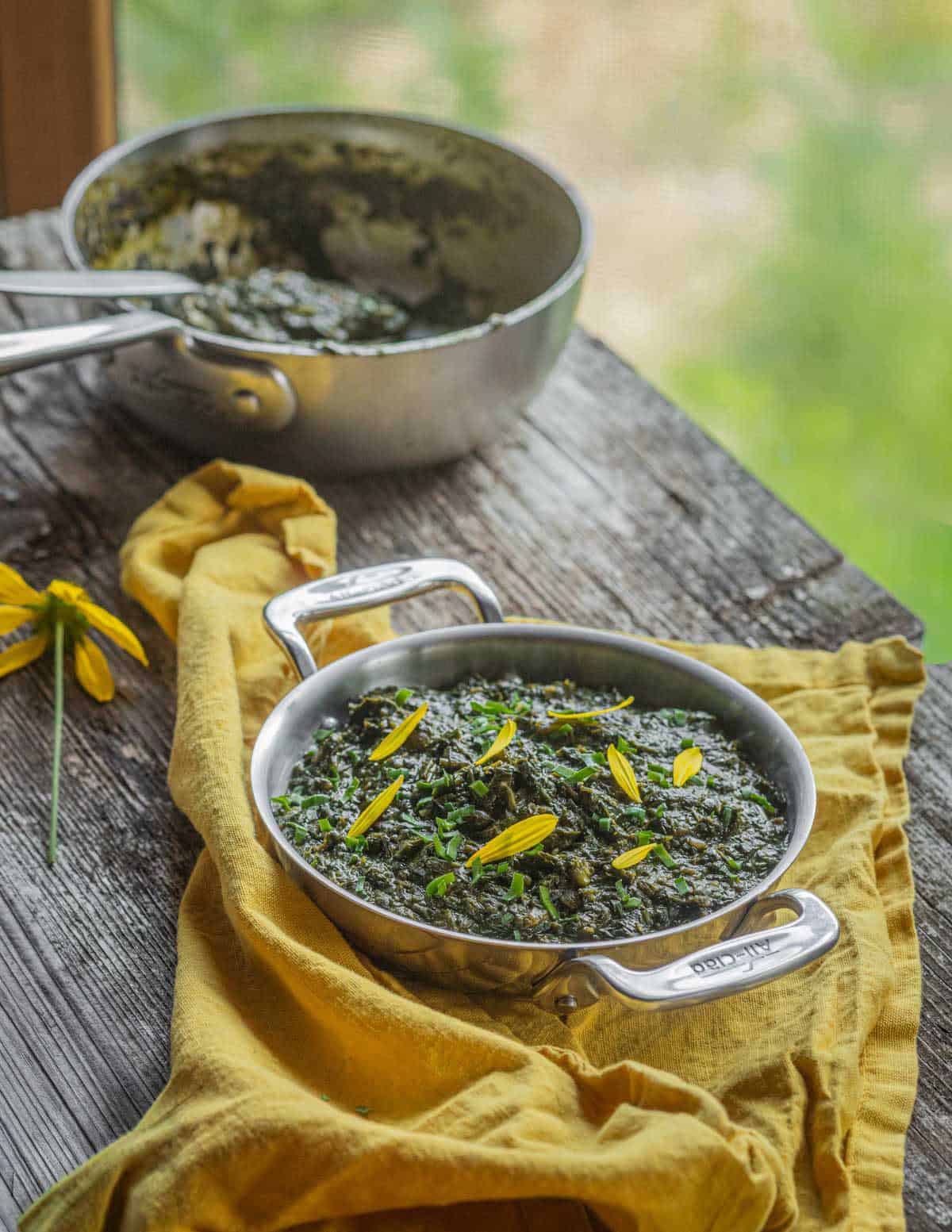
While I use sweet potato leaves here, you can make a great version using different leafy greens. A few traditional ones to consider I know of are bean and vine leaves like cow pea greens, comfrey, and garden huckleberry greens (Solanum melanocerasum).
How to Make it
Pulse some garlic, leek, and shallot in a food processor, mince by hand or pound to a paste. Like Spanish soffrito and Italian battuto, you're making an aromatic base that will be cooked down to build a rich layer of flavor for the greens.
While it might seem odd to put eggplant in this, I found it easier to incorporate it this way instead of mincing by hand. As long as it's cooked down slowly it works fine.
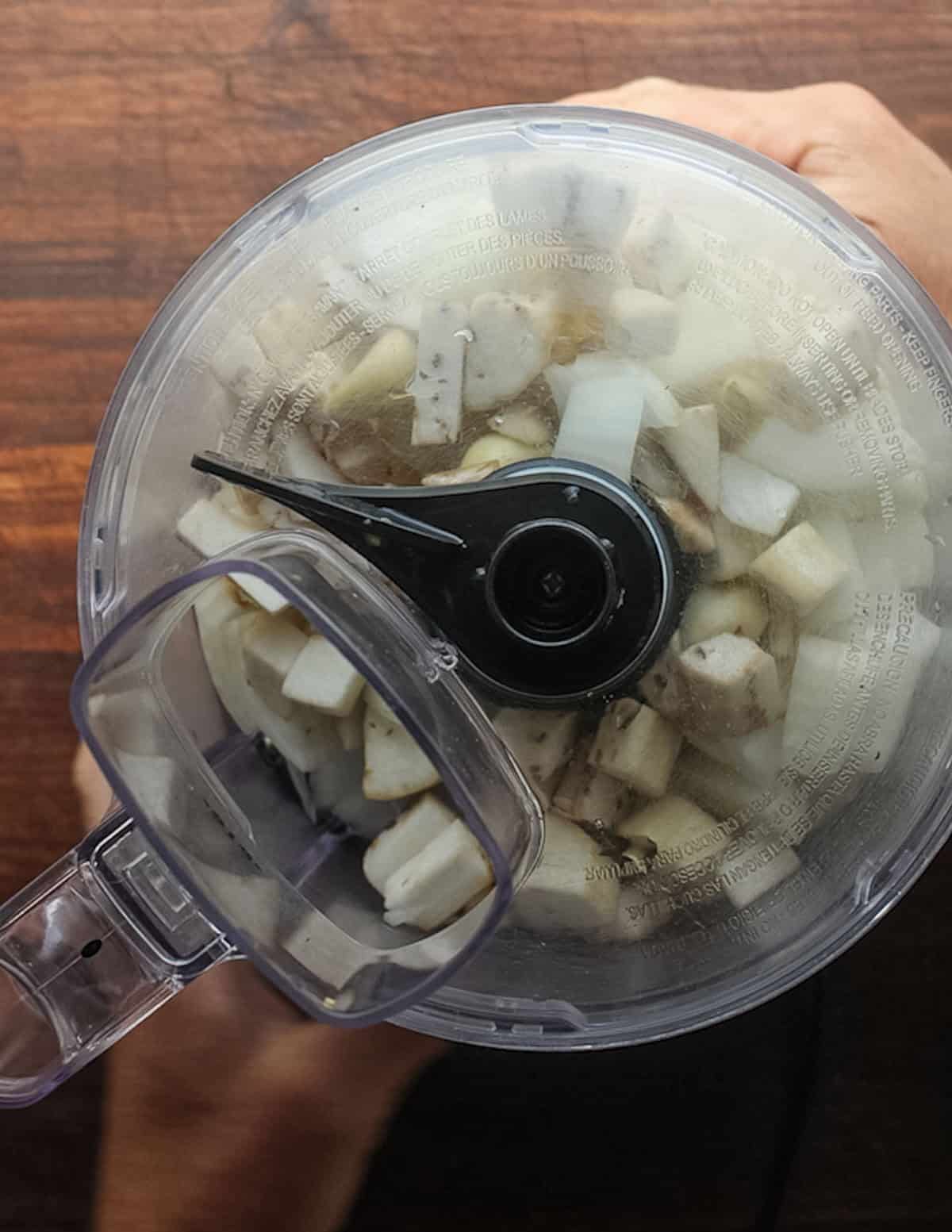
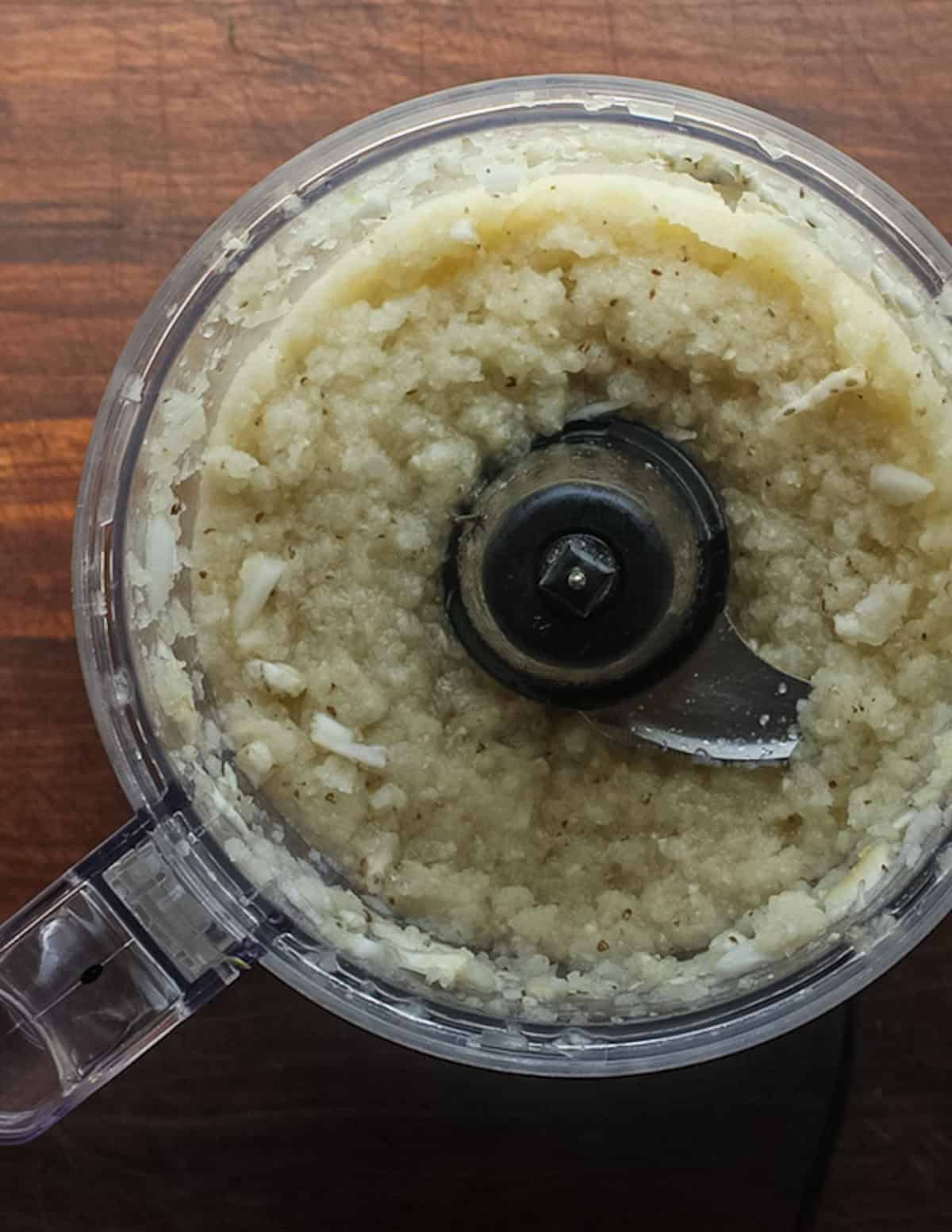
Warm the palm oil in a wide pan and add the pureed aromatics. Bring the mixture to a simmer, keeping the heat low to prevent splattering as it contains water. If you have cheesecloth or a strainer you can squeeze the liquid out, which will reduce the cooking time, adding it back and reducing before adding the stock.
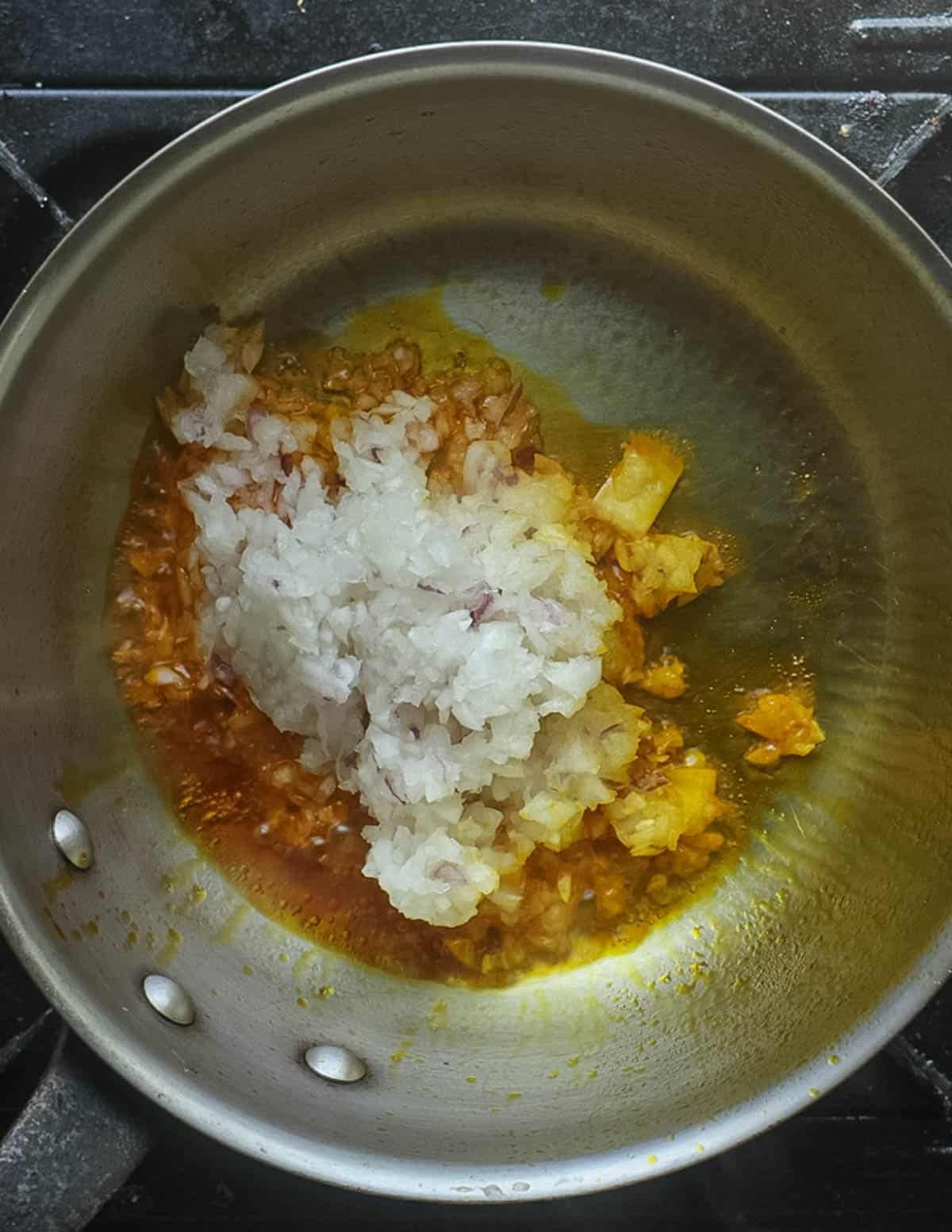
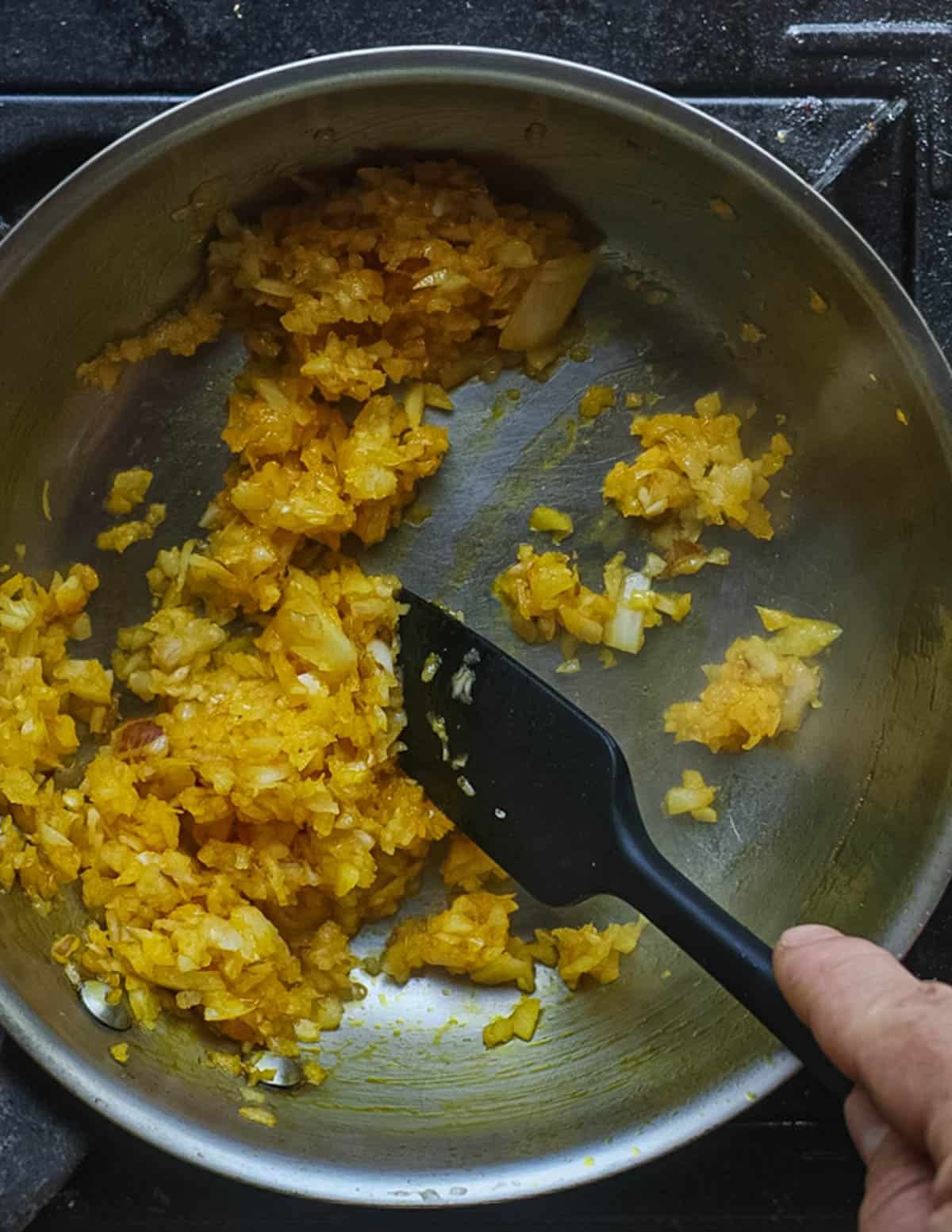
While the aromatic base is cooking, remove the sweet potato leaves from the stems and pulse them in a food processor. The goal here is to mimic the texture of pounded or finely chopped leaves, without processing them to a paste. The villagers in Guinea put them through a meat grinder.
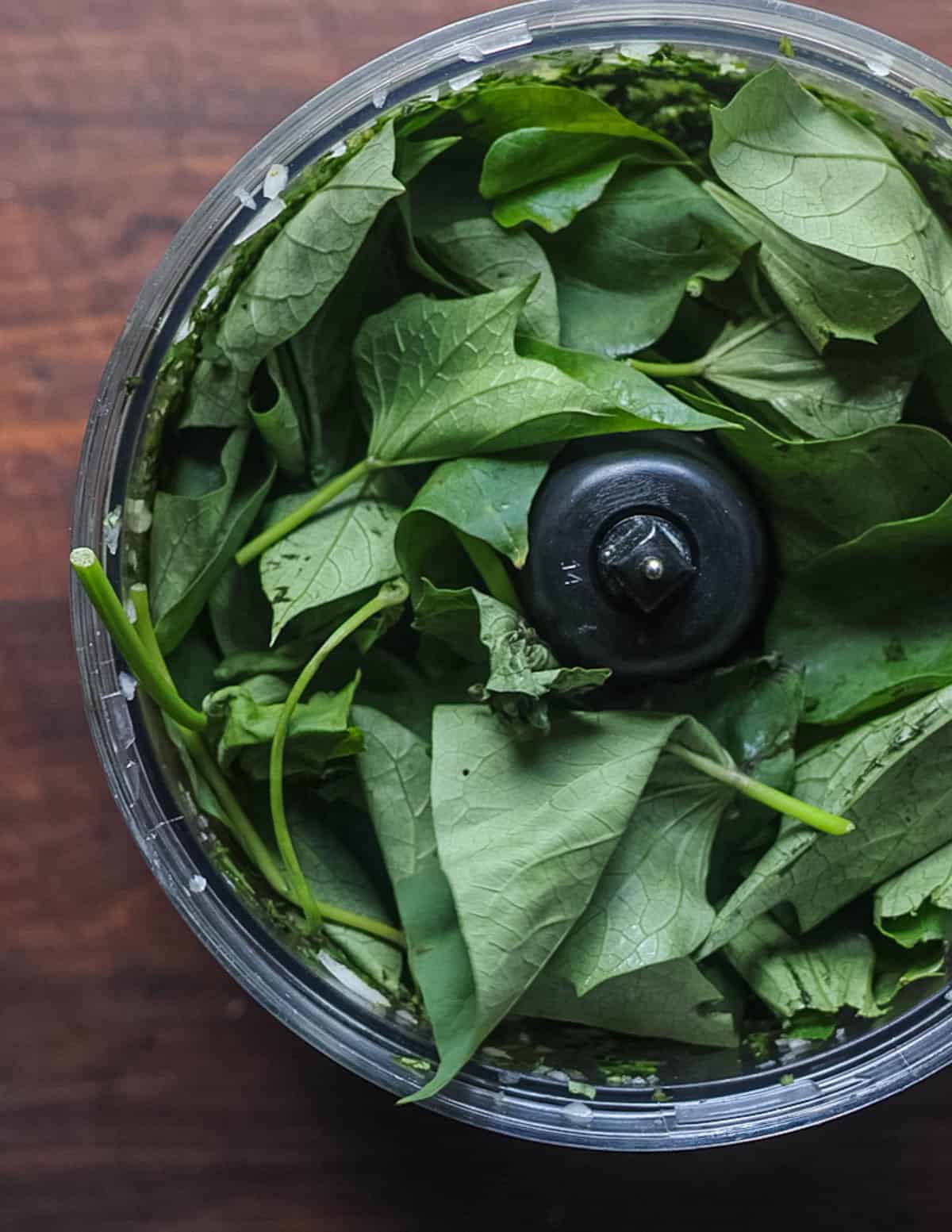
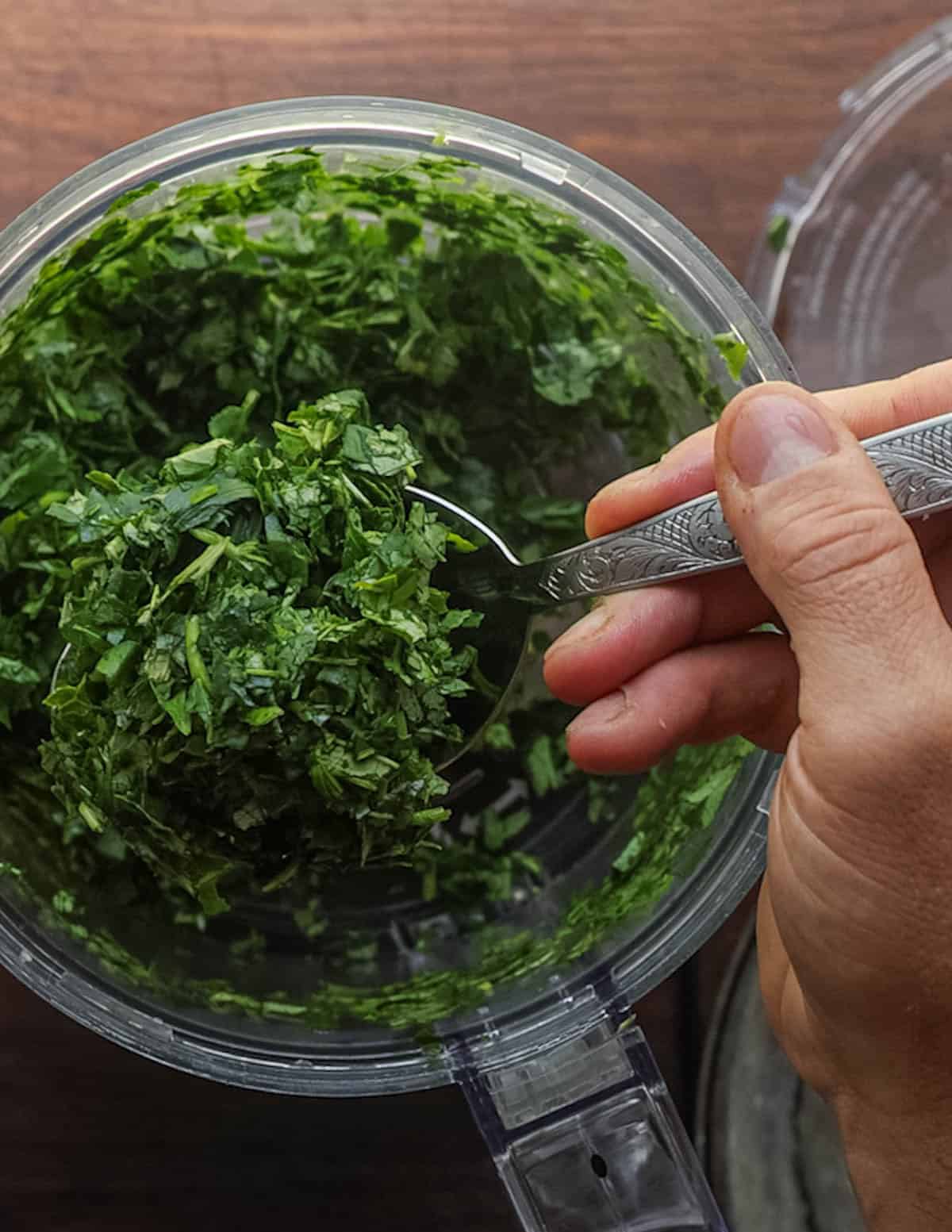
Once the leaves are processed, add a cup of very strong homemade stock to the aromatic base, along with a spoonful or two of peanut butter. A whole scotch bonnet chili or habanero is often added too. It may sound overly spicy, but adding hot peppers whole and discarding afterward gives a mellow heat instead of making it intolerably spicy.
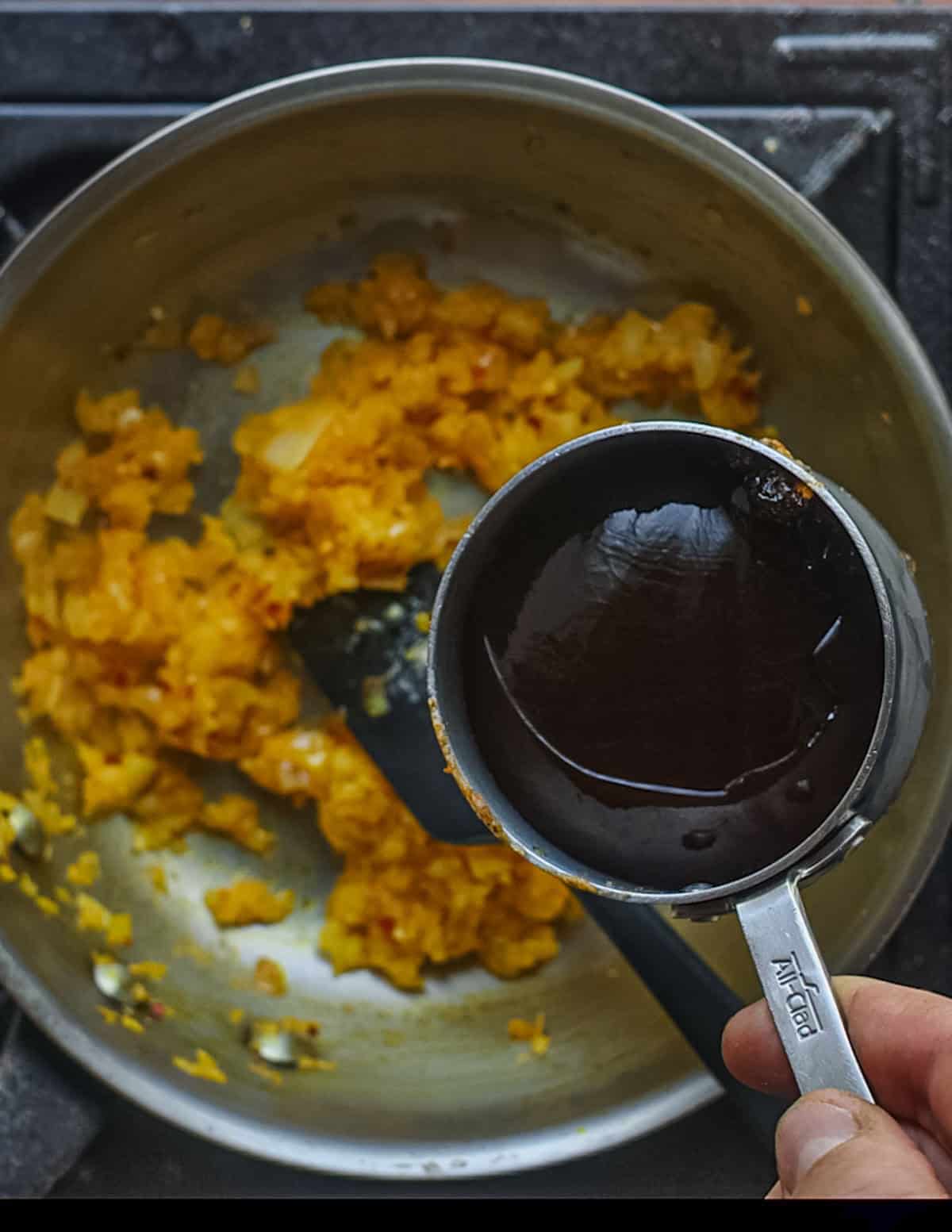
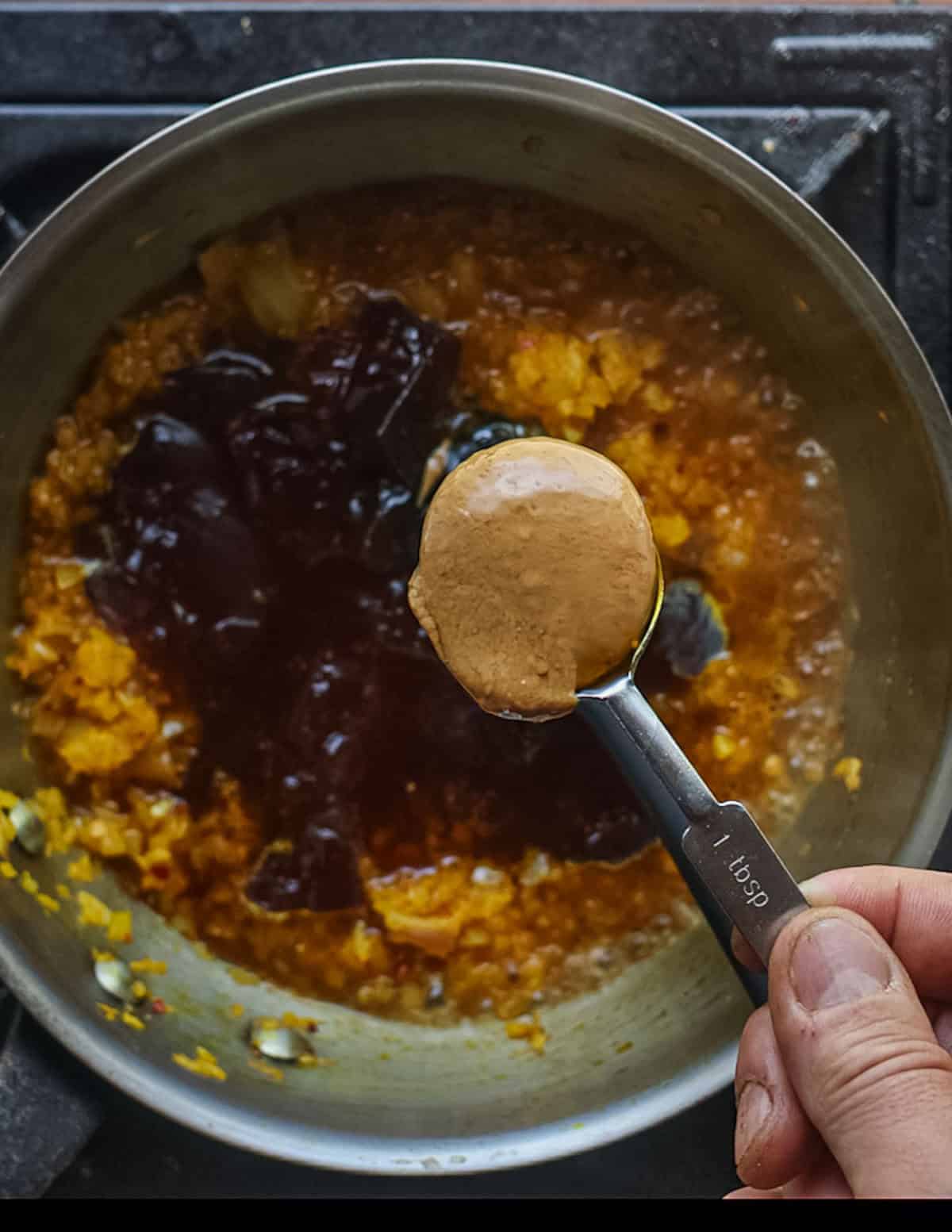
Add the greens to the pan, along with a large, chopped, peeled tomato, stir and bring to a simmer. Cook the greens until they're tender and taste good to you, finishing with a handful of fresh herbs.
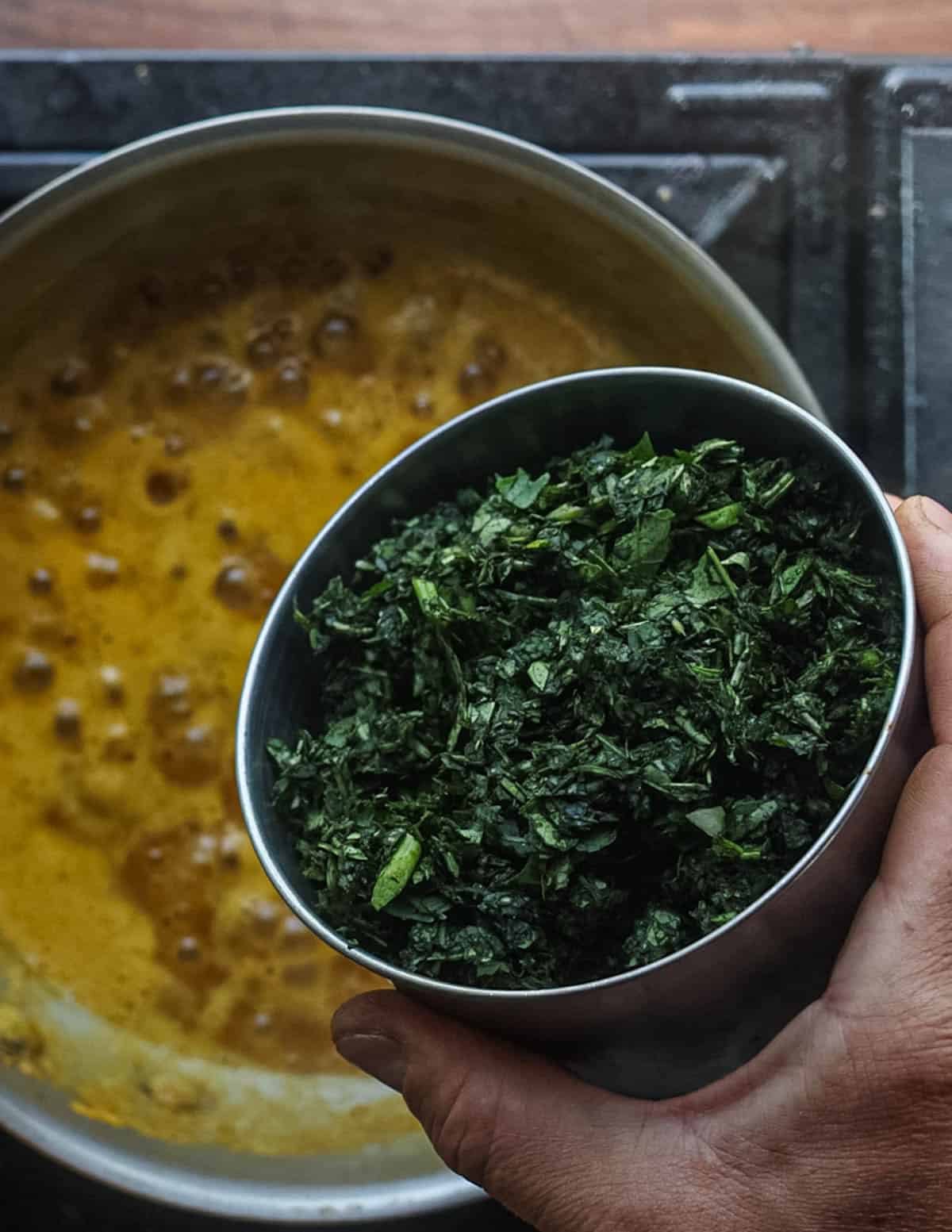
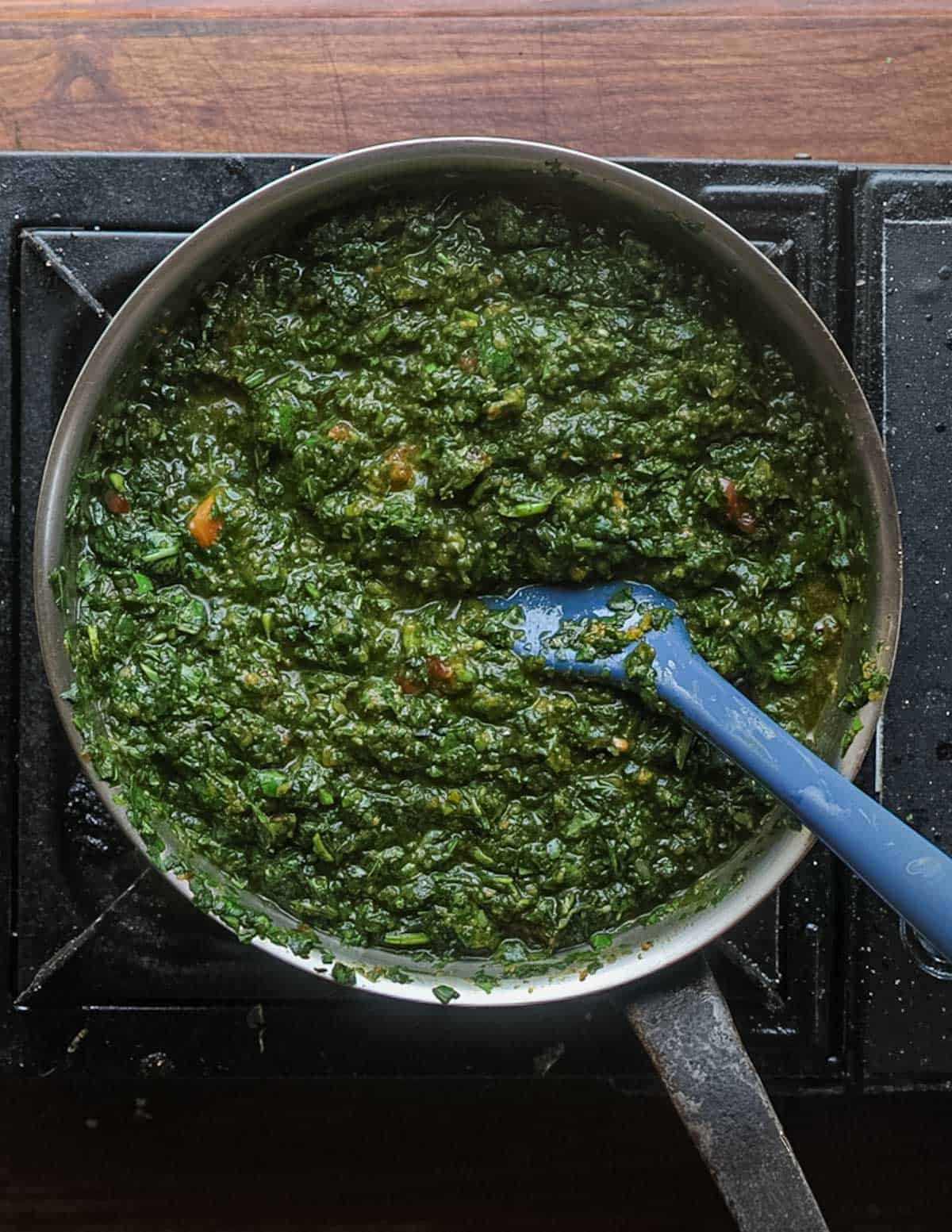
Serve with rice or another vehicle for scooping up the greens. I like serving sweet potatoes alongside to showcase the two parts of the plant together. If you have some, hot chili pepper salt makes a great sprinkle to finish.
Have anything to add? Leave a comment and let me know.
Related Posts
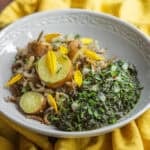
West African Style Sweet Potato Leaves
Equipment
- 1 3 quart sauce pot
Ingredients
Aromatic Base
- 2 oz (1 medium) shallot quartered
- 1 1x1 inch square fresh ginger peeled
- 2 large cloves garlic crushed with the back of a knife
- 4 oz leek or onion or a combination
- 4 oz peeled Japanese eggplant optional
- 2 tablespoon African palm oil see note
Final Stewed Greens
- 8 oz sweet potato greens picked
- ½ cup strong homemade meat stock see note
- 1 small habanero pepper optional
- 1 large roma tomato blanched, peeled, seeded, and finely chopped
- 1 handful fresh cilantro or basil roughly chopped, optional
- ¼ teaspoon Kosher salt plus more to taste, depending on the saltiness of your stock
- 1 tablespoon peanut butter organic and unsweetened
Instructions
Aromatic Base
- Process the garlic, shallot, leek or onion and eggplant in a food processor until smooth.
- Heat the palm oil in a wide pan and add the pureed aromatics and a pinch of salt. bring to a simmer and cook slowly until all the water's evaporated and the oil's begun to separate.
Sweet Potato Leaves
- While the aromatic base cooks, process the greens. You're trying to approximate the texture of ground, minced, or pounded leaves. Pulse them until they're finely chopped.
Final Stewed Greens
- Add the stock to the aromatic base, along with the peanut butter, scotch bonnet or habanero, and chopped tomato.
- Add the greens, bring the mixture to a simmer and cook until the greens are just tender and you can see the bottom of the pan when stirring.
- Double check the seasoning and adjust for salt and heat to taste. Discard the hot pepper if using and serve with rice, or another vehicle for scooping up the greens, like fufu.
- I really like serving the stewed greens with steamed, sliced sweet potatoes. If you can find the white or purple ones at an Ethnic grocer they're more firm than the watery orange variety most Americans know.
Fasineh
As a west African (Sierra Leonean) I respect and love the attempt but there’s a few things you’re missing that could’ve turned it better!
Alan Bergo
Instead of leaving some passive aggressive comment, you might consider posting a comment that’s actually constructive and can help me improve things.
Sylvie
Thank you for sharing that dish, Alan. The aromatic base is unlike anything I am familiar with, and it really looks fantastic. I love eggplants but have never seen it used that way. I am assuming it's a tablespoon or so of peanut butter? I don't see the amount listed.
Alan Bergo
Hey thanks for the copy edit, yes1-2 T is fine. Typically the eggplant or okra are minced. Usually would worry about the additional moisture preventing the onions from cooking properly, but I figured since they’re all getting cooked way down it’d work, and I really liked the result. Eggplant and okra are optional though, the most important thing is the leaves.