
Dried meat mixed with fruit and tallow is a food tradition so ancient it likely predates anything else I've shared on this site. Pemmican and it's cousin wasna may seem like a labor intensive trail snack, and they are. They're also useful teaching recipes, and portable, nutrient-dense foods. Smoky, earthy, salty, and slightly sweet, it's an amalgam of flavors you can adapt and make your own.
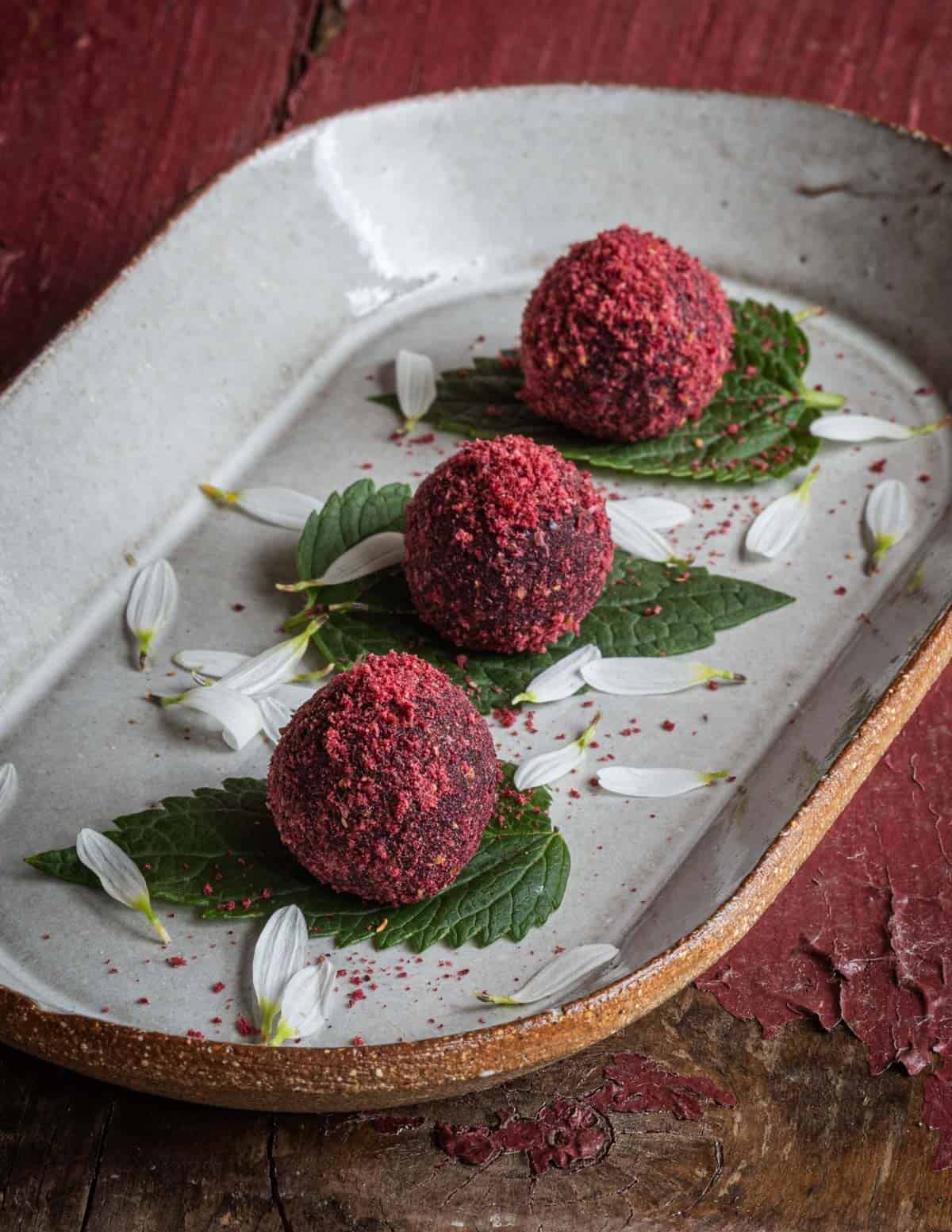
What is Pemmican?
While most people associate pemmican with tins of powdered beef jerky, and it's similar in some ways, but the two are different. The word pemmican comes from a Cree word ᐱᒦᐦᑳᓐ or pimîhkân.
Essentially it's sun-dried meat that's pounded, mixed with dried fruit and bound with melted tallow. There's numerous traditional variations and permutations, most notably in my mind the Lakota / Souix wasná which is similar, but more flexible in the ingredients it may contain.
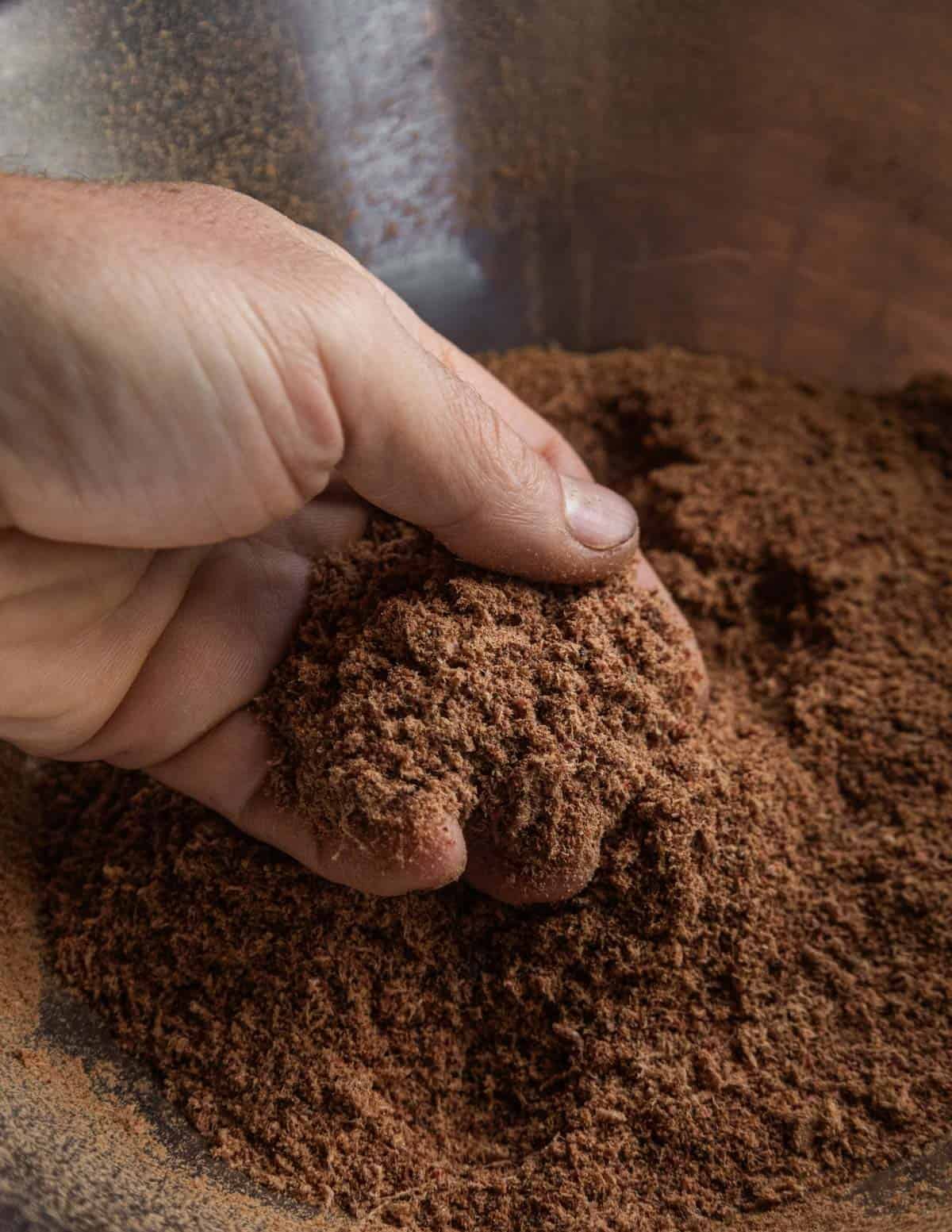
Where pemmican is simply dried meat, tallow, and possibly fruit, wasná can include other ingredients like dried parched corn or nuts and seeds. I've even seen my friends Luke and Linda Black Elk (who heads Chef Sean Shermans' non-profit NATIFS) make vegetarian versions of wasná using dried ground corn, fruit, nuts, and oil.
Traditional Fruit Used to Make Pemmican
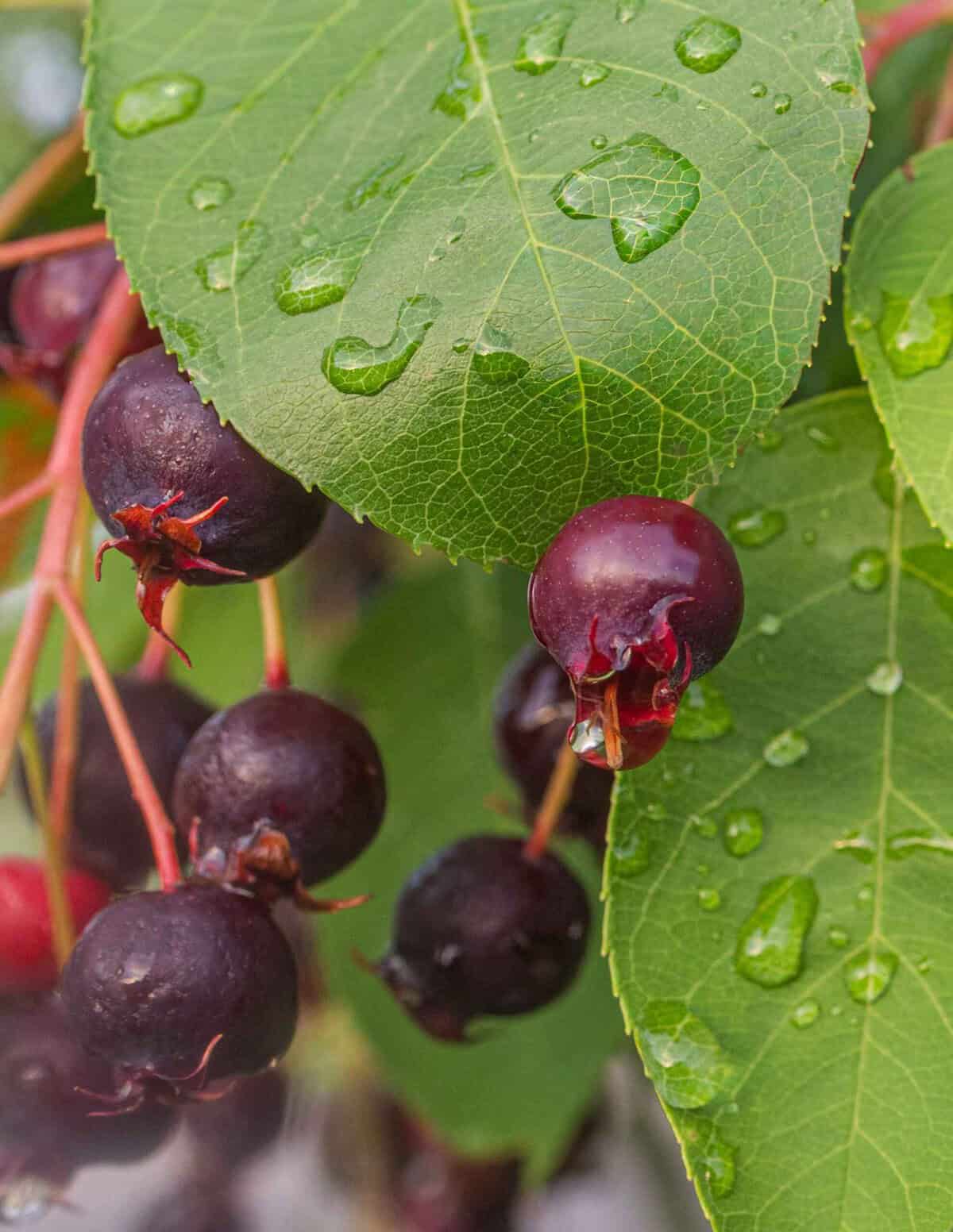
People undoubtedly used any fruit they could get their hands on, but cranberries, chokecherries, and serviceberries are the most heavily documented that I know of, particularly serviceberries.
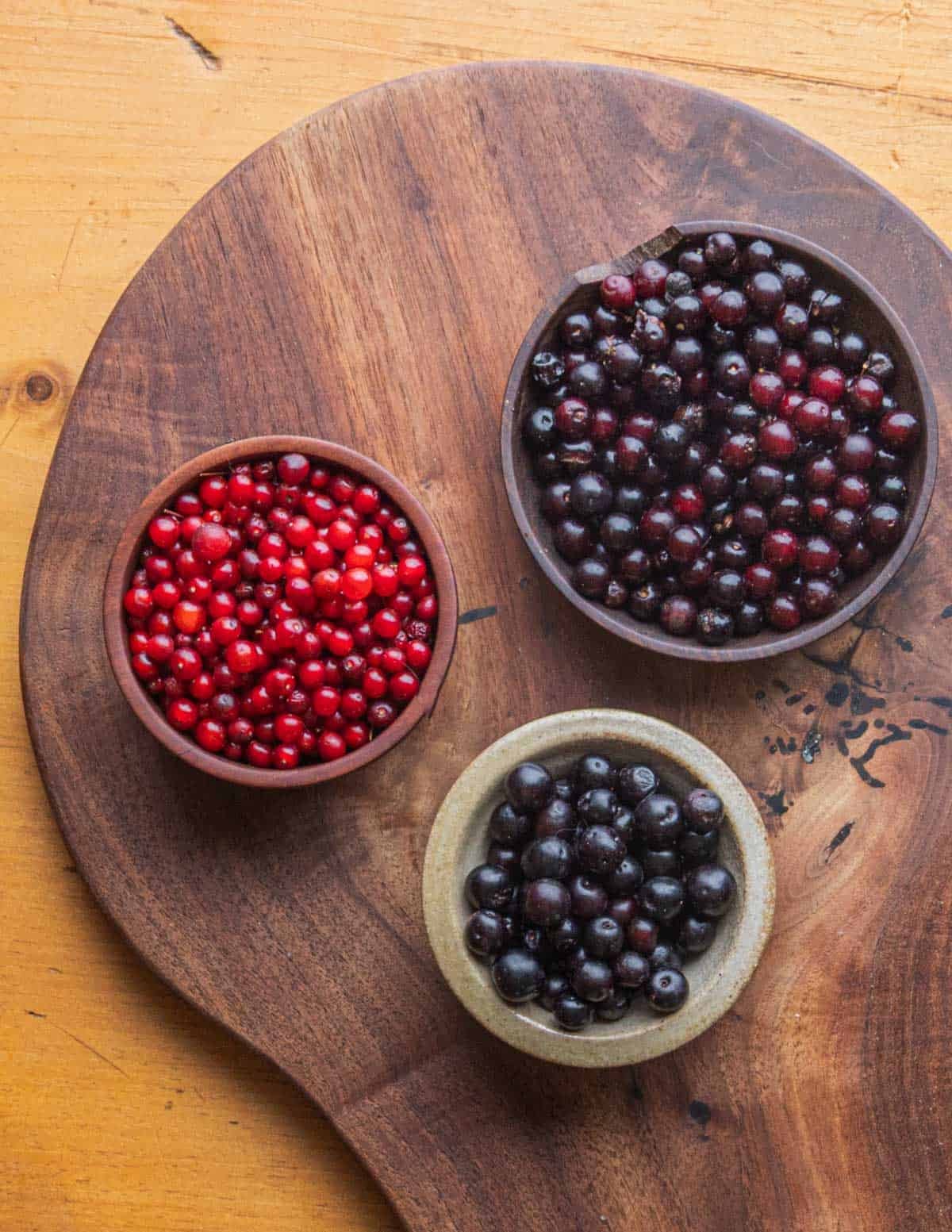
With wild cherries like chokecherries, it's important to know that they're dried and crushed in their entirety, including the shell and pit. Of the cherries below, sand cherries are my favorite (bottom) with black cherries and chokecherries being my second choice. Pin cherries contain a much higher proportion of seed, making them better for wild cherry jelly and syrup.
The shells will never completely break down and will retain a crunchy texture. Instead of a spice grinder, I like to use a Vitamix dry bowl to grind cherries, which I sift afterwards to remove large pieces of shell.
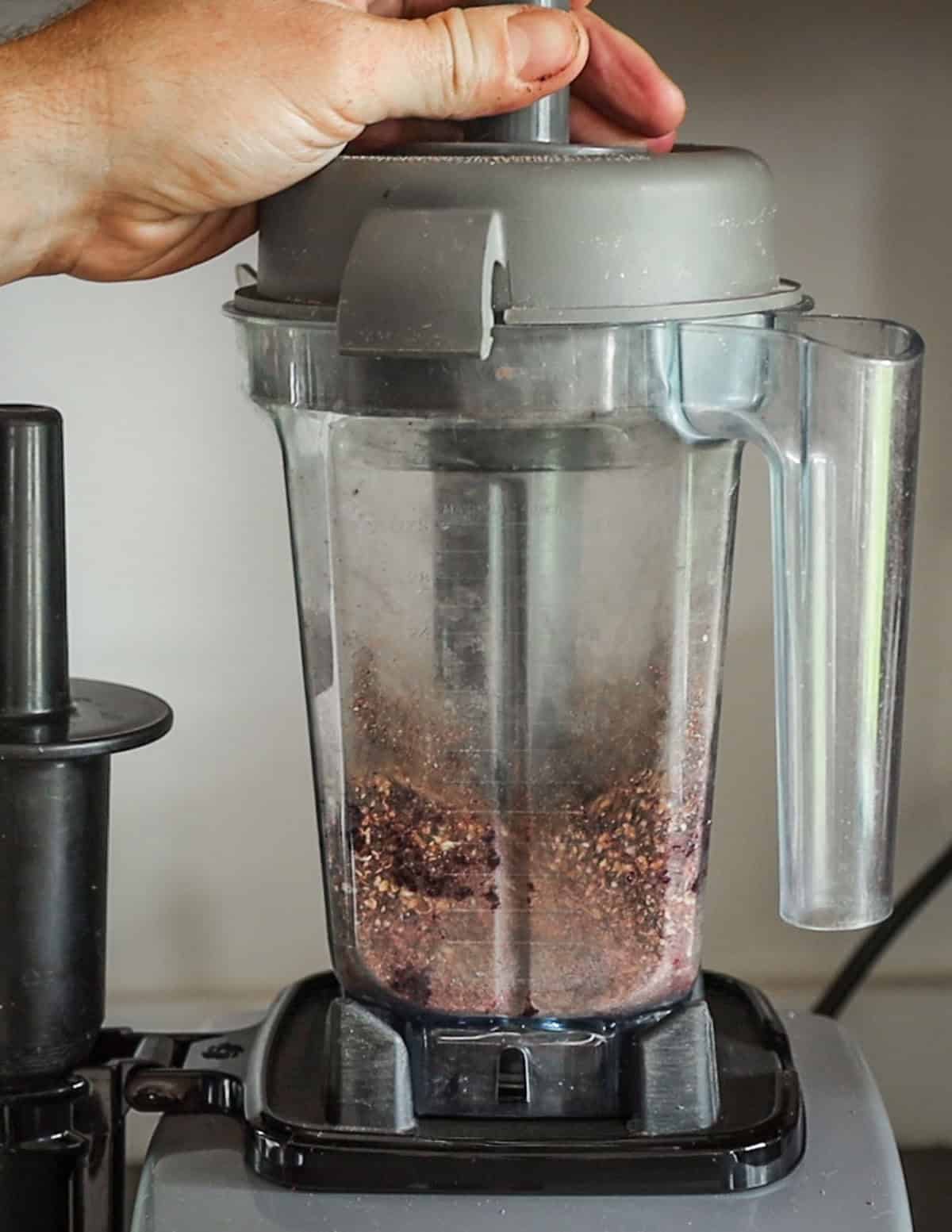
While the thought of cherry shells will sound off-putting to some, it's traditional, and Linda's told me that some people crave the robust crunch of the cherry shells. They can also be sifted to lessen, but not completely remove the crunch.
While most recipes online will instruct you to use dried cranberries or other fruit from a store, I avoid using these as any dried fruit from a store that's pliable and soft has been soaked in a sugar-syrup. Home dried fruit preserved without sugar should be cracker dry and easy to grind to a powder.
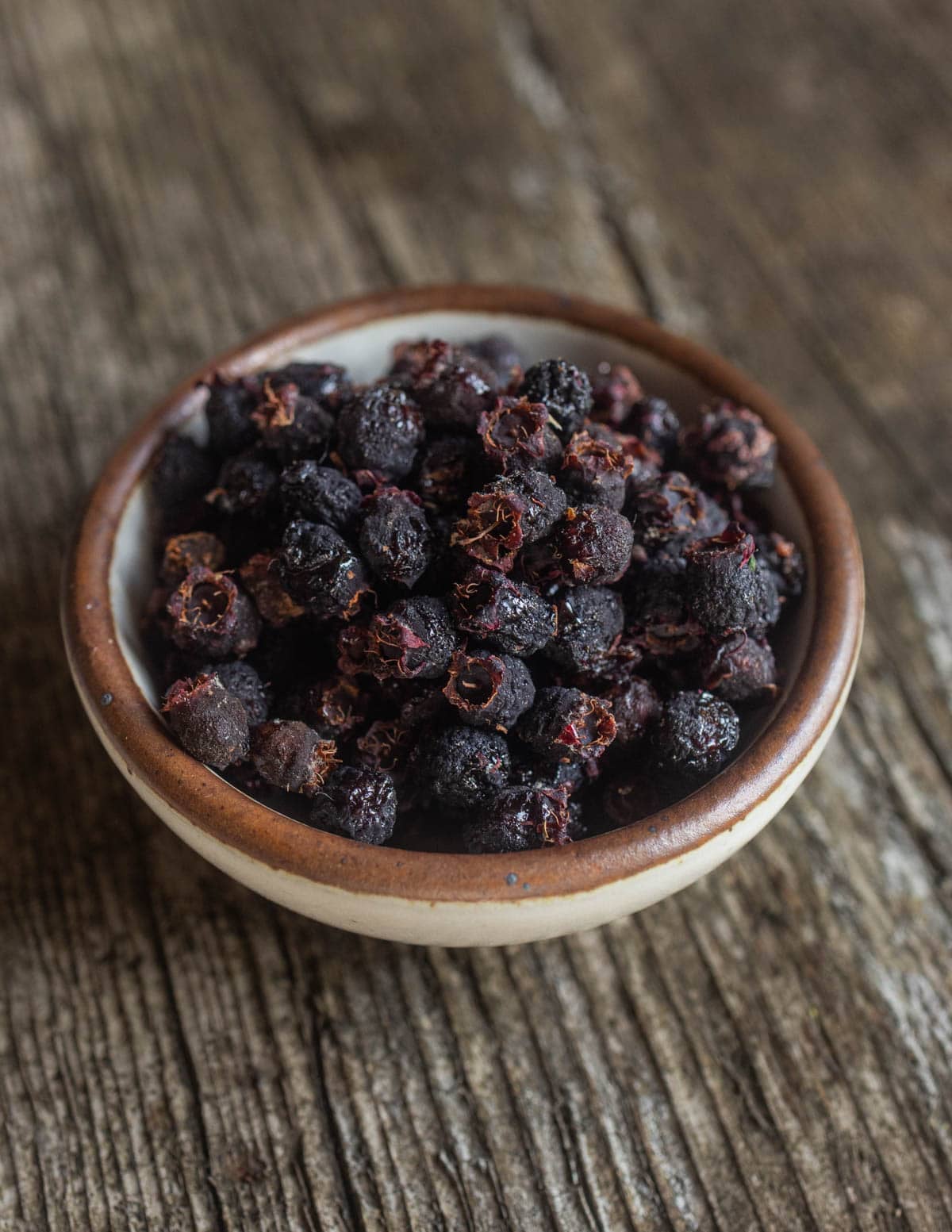
Small fruits like chokecherries and serviceberries can simply be dehydrated whole until cracker dry, but cranberries should be crushed or halved. If cranberries aren't cut or smashed, their skins tend to inflate and they will take much longer to properly dehydrate.
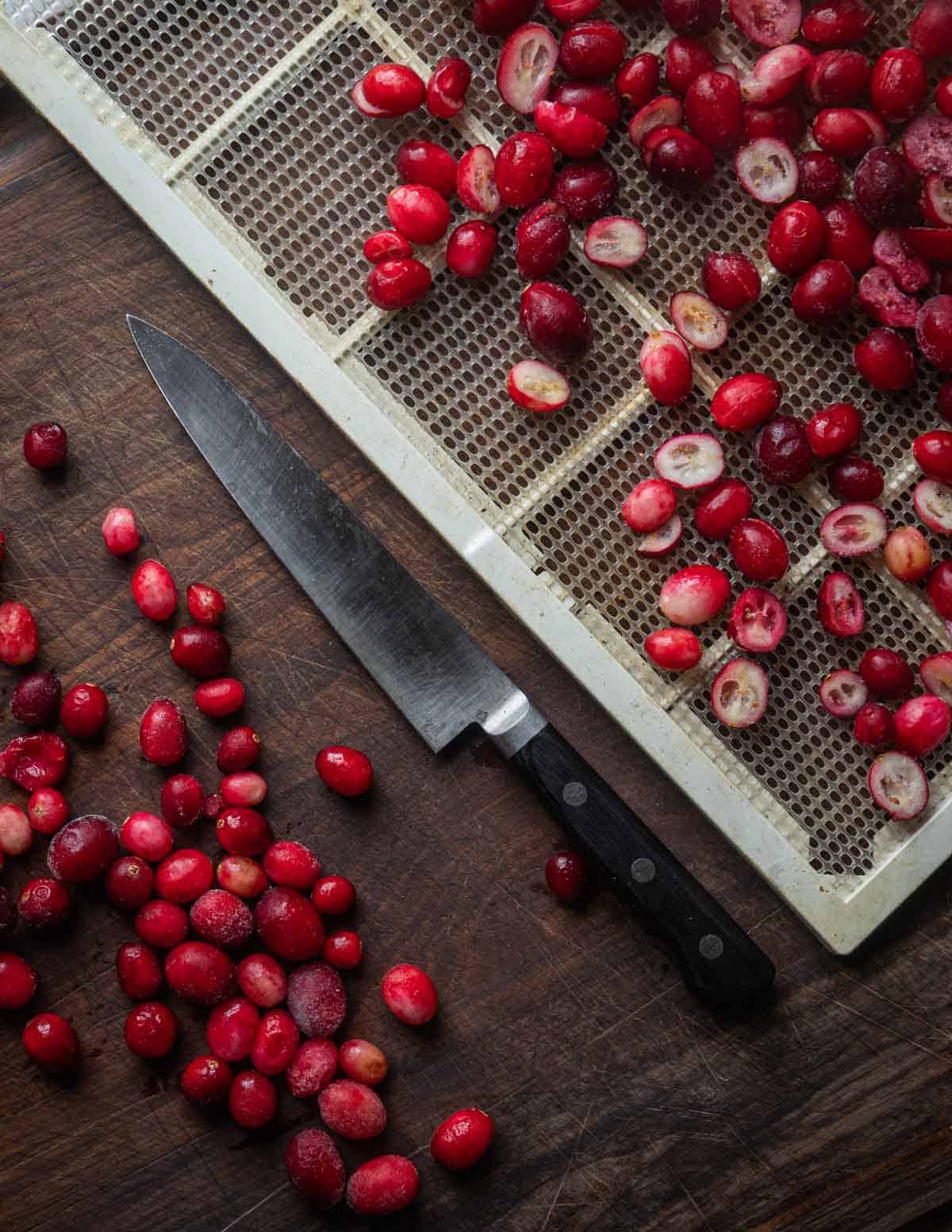
Most berries will be cracker dry after 24-48 hours, depending on size. While fresh fruit is best, you can also dry frozen berries, but they can make a mess of dehydrator trays, as you can see below.
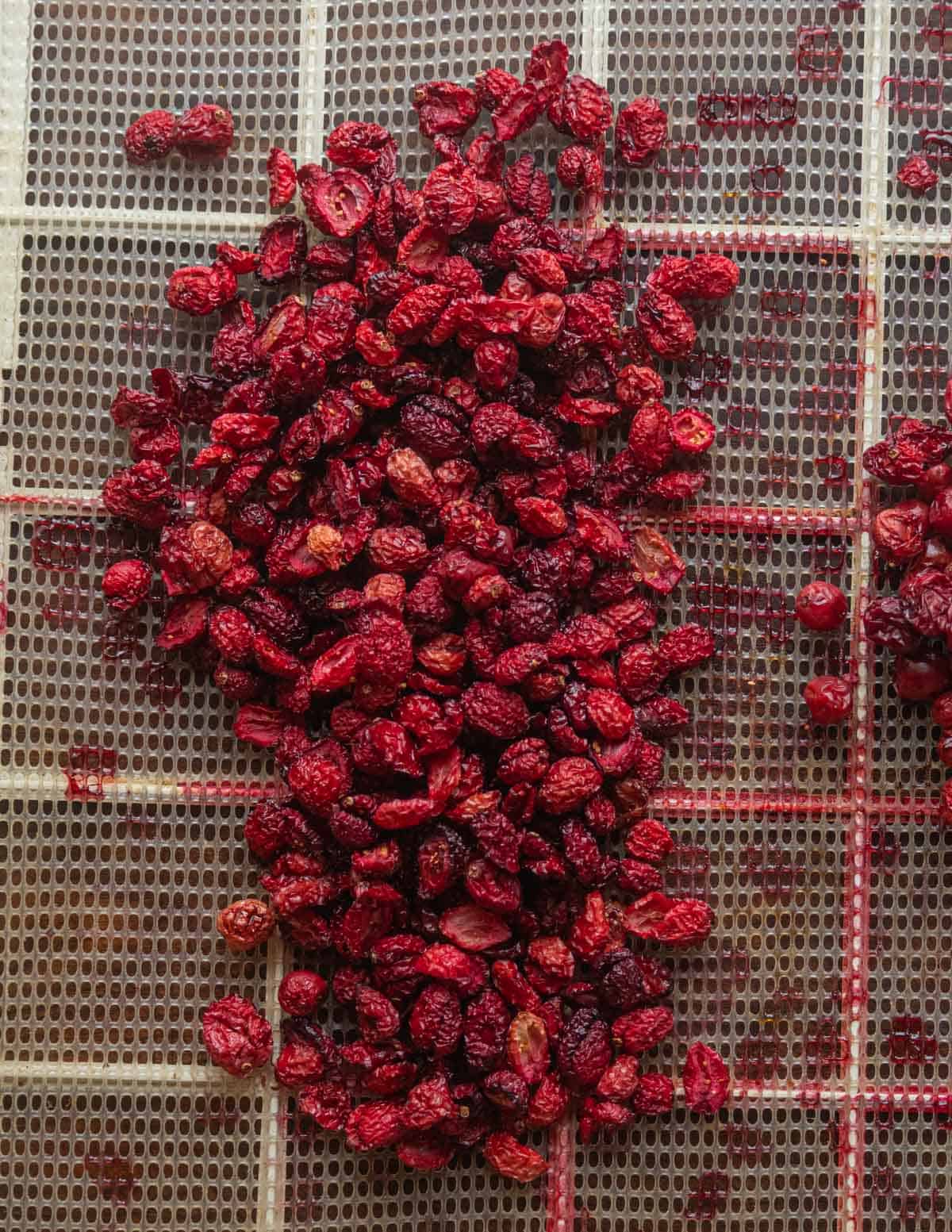
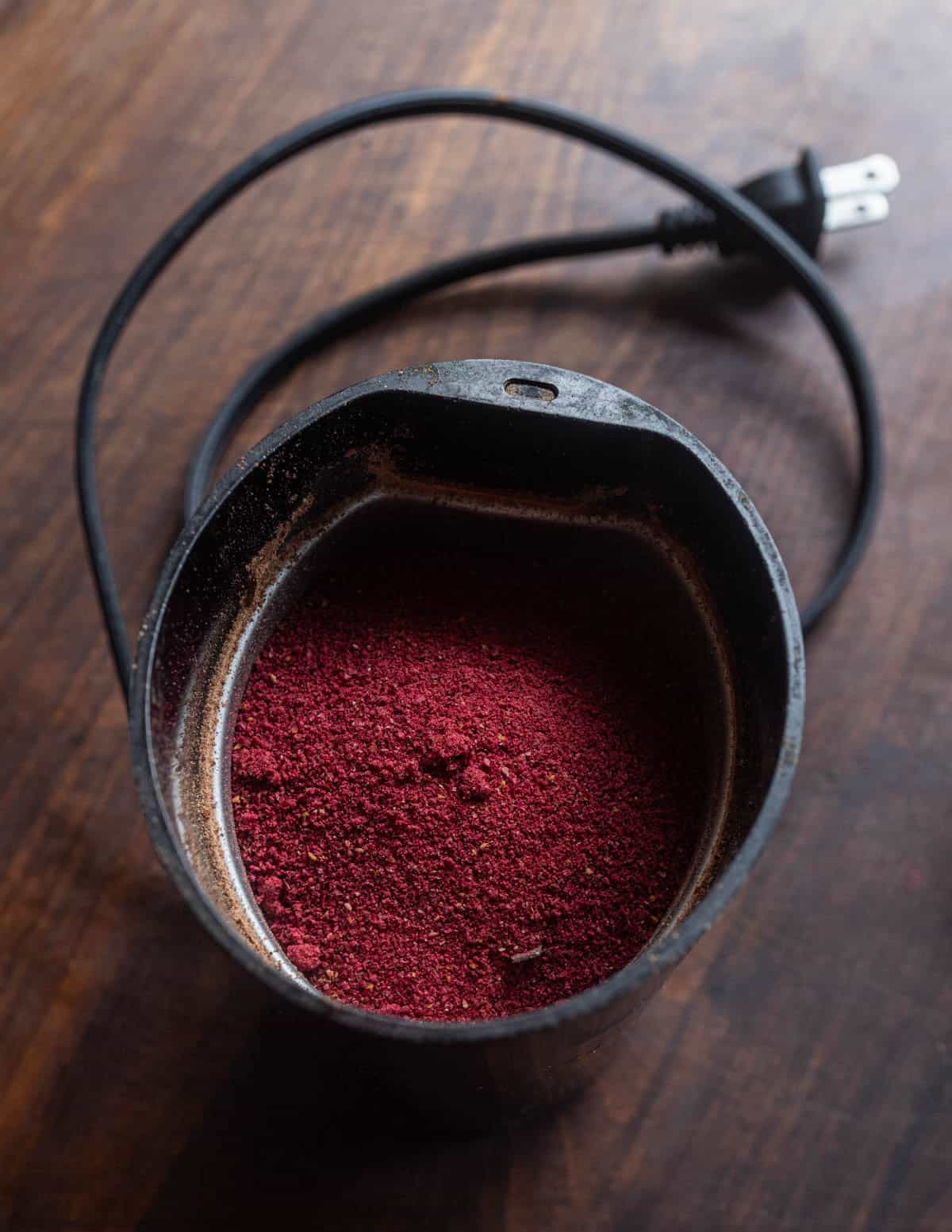
Once the fruit's cracker dry, grind it to a fine powder in a spice grinder. For the finest powder you'll want to sift it after grinding, but it's optional.
How to Make Pemmican at Home
The first step is to trim some meat. Bison and venison are traditional, but beef or lamb or goat work too. Whatever meat you have, the first step in the process is to trim it and remove all silver skin. I've used excess venison scrap I had that was meant for sausage and needed lots of trimming.
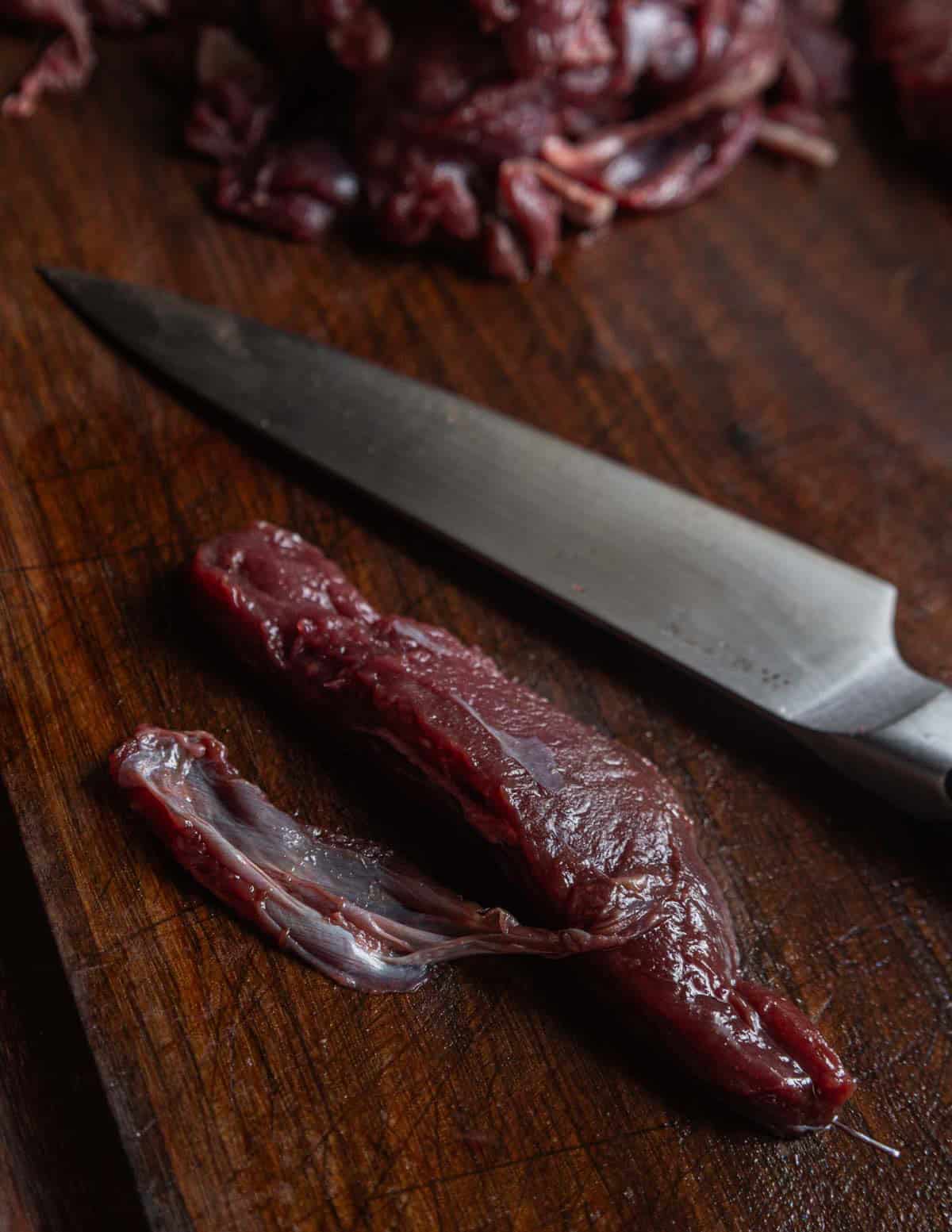
If you use a cut like an eye of round or a sirloin the trimming and processing is much easier and you can simply cut the meat into long, ½ inch thick slices that will dry quickly.
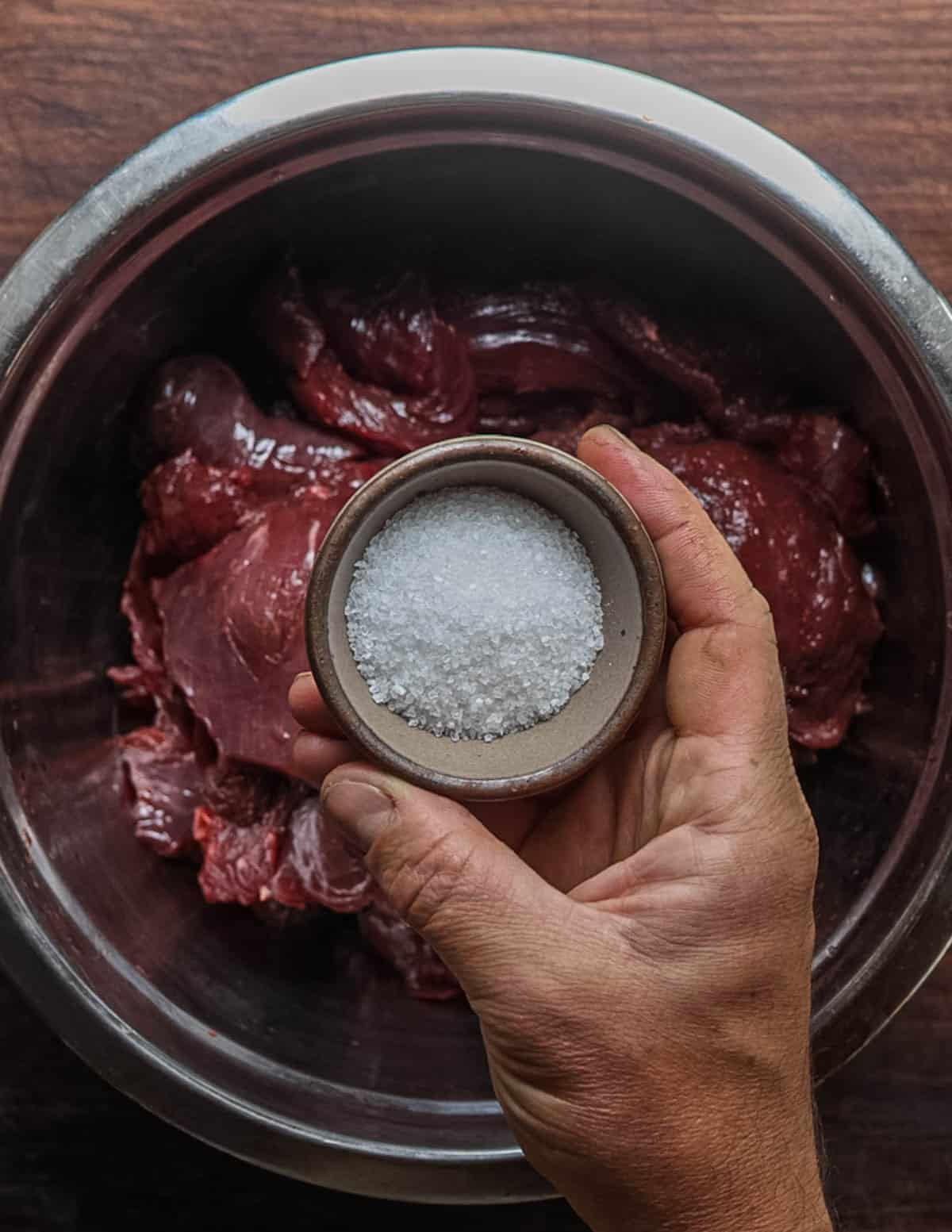
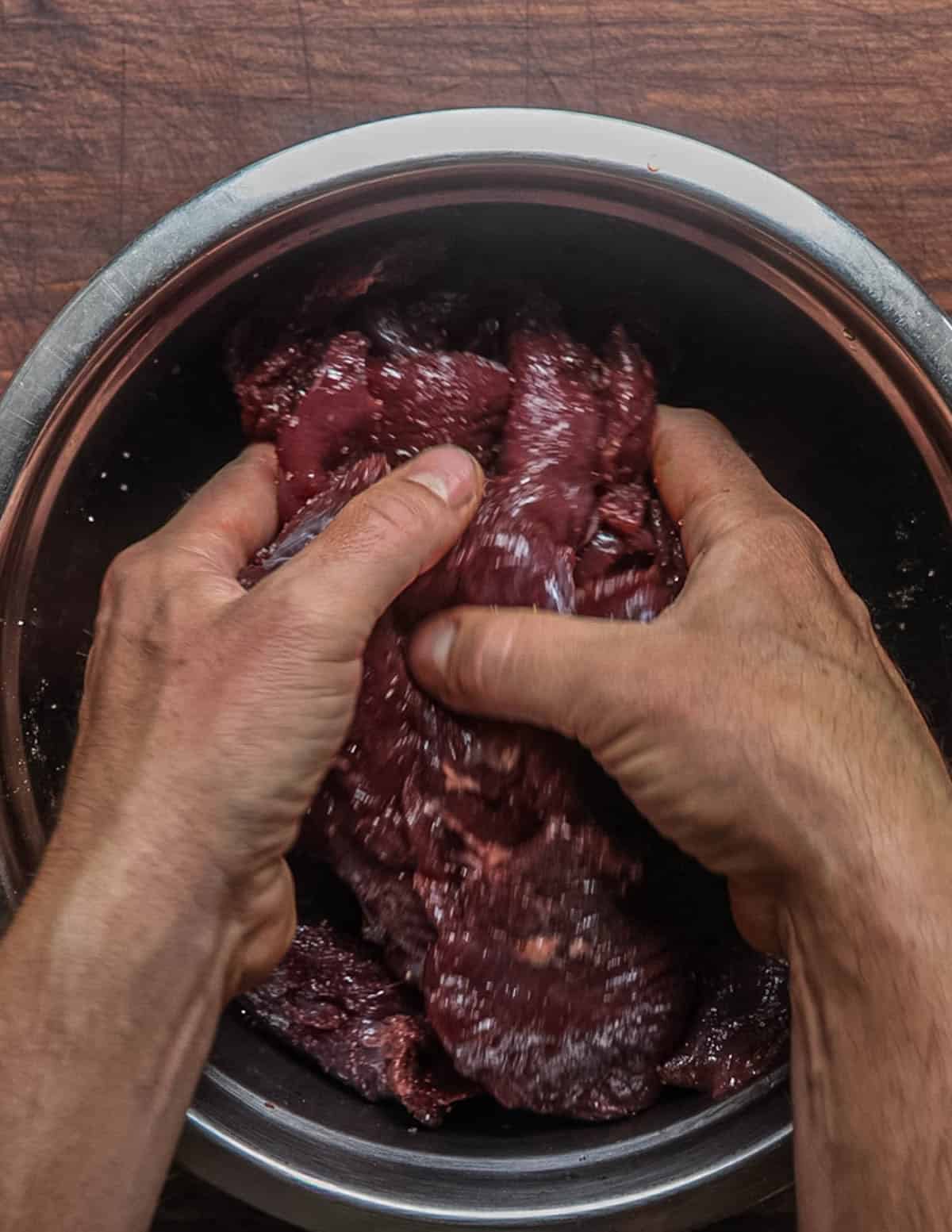
After the meat's trimmed it's mixed with salt. I recommend anywhere from 1-2% of the meat's weight in salt, measured in grams. Mix the meat with the salt and allow it to rest overnight in the fridge.
The next day it's time to dry the meat. Many recipes simply instruct you to put the meat in the dehydrator, but I like to mimic slow-drying over a wood fire by cooking the meat at a very low temperature in a pellet smoker.
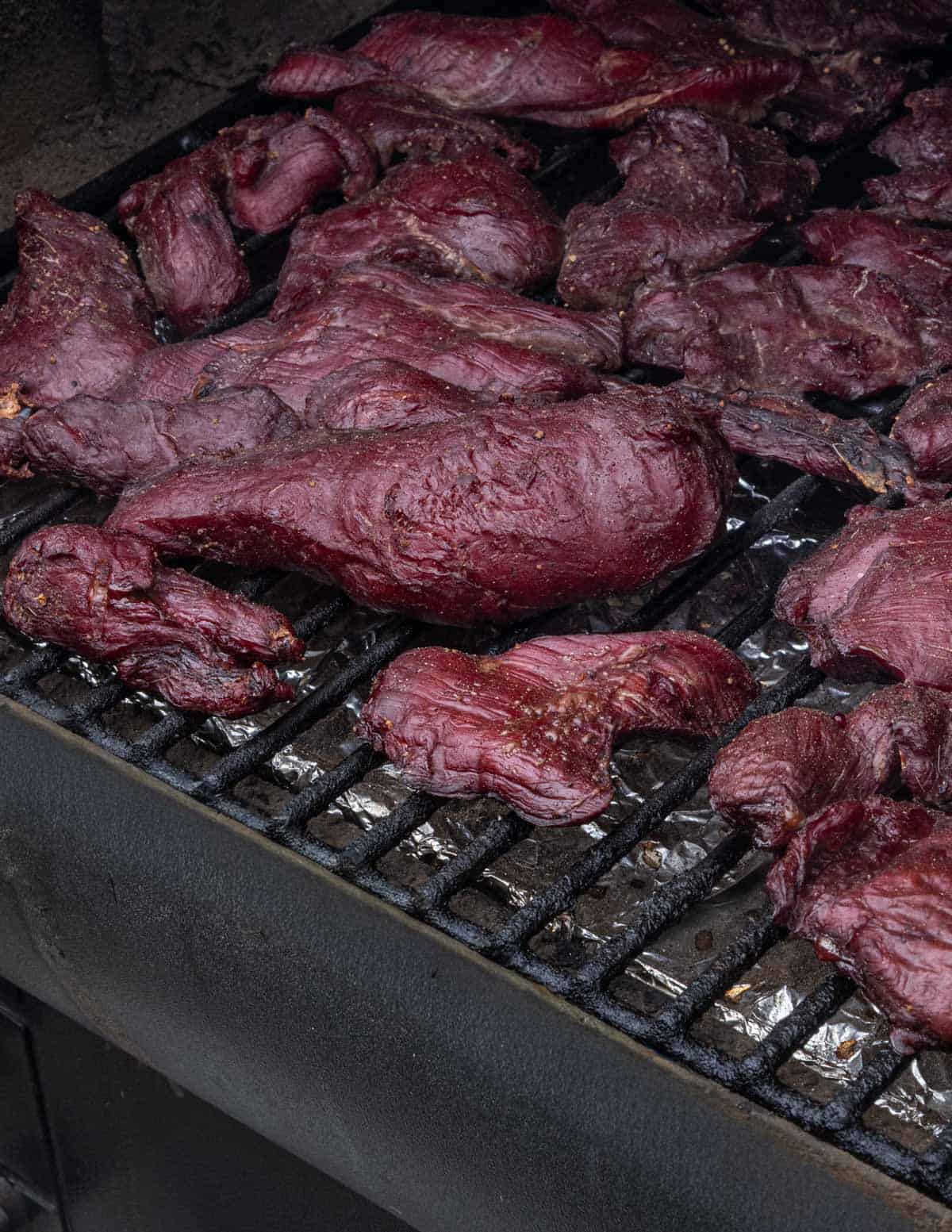
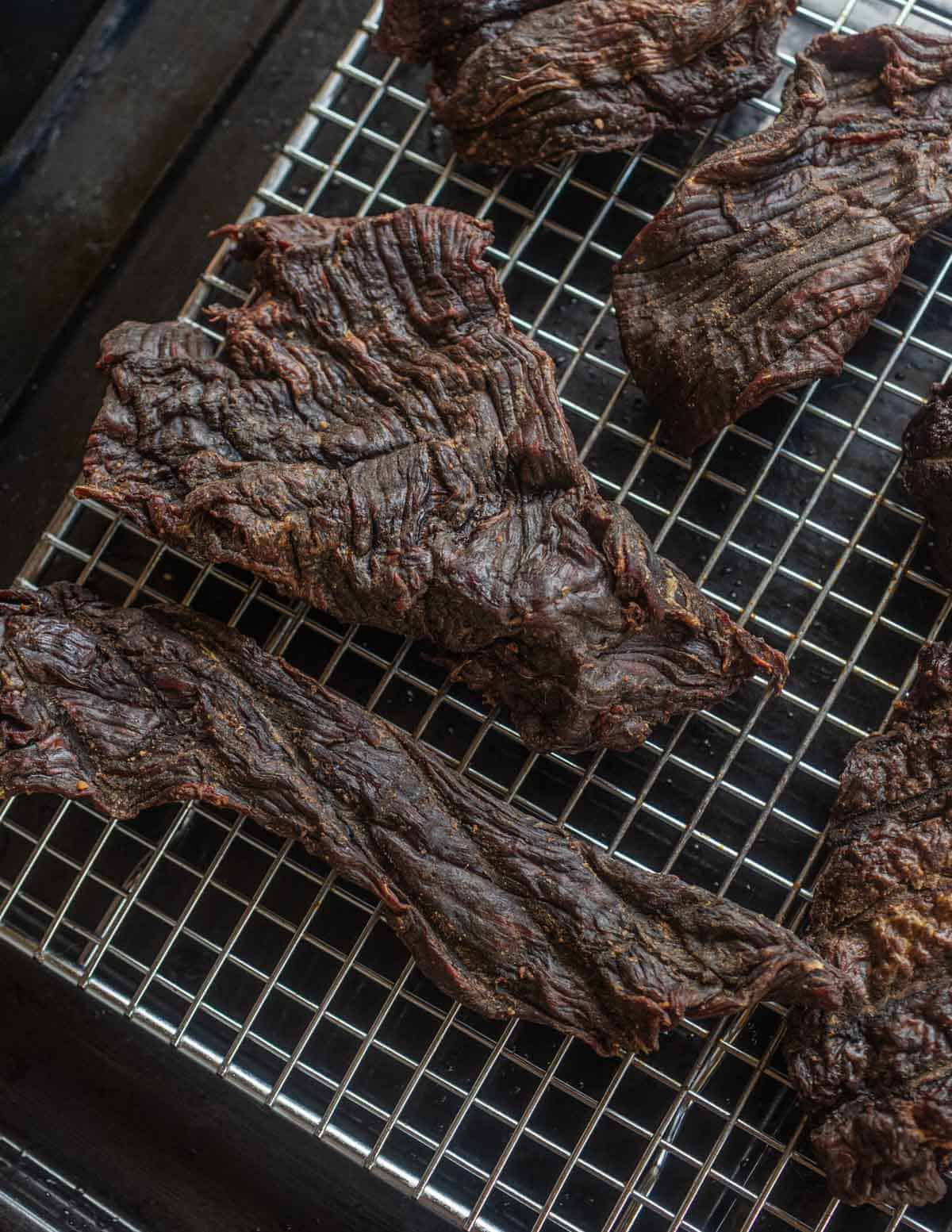
After the meat's cooked in the smoker I remove it and dehydrate until bone-dry in a dehydrator or my air-fryer. This can take 24-48 hours depending on how thick your meat is, so consider cutting any thick slices into smaller pieces if they're taking a long time to dry.
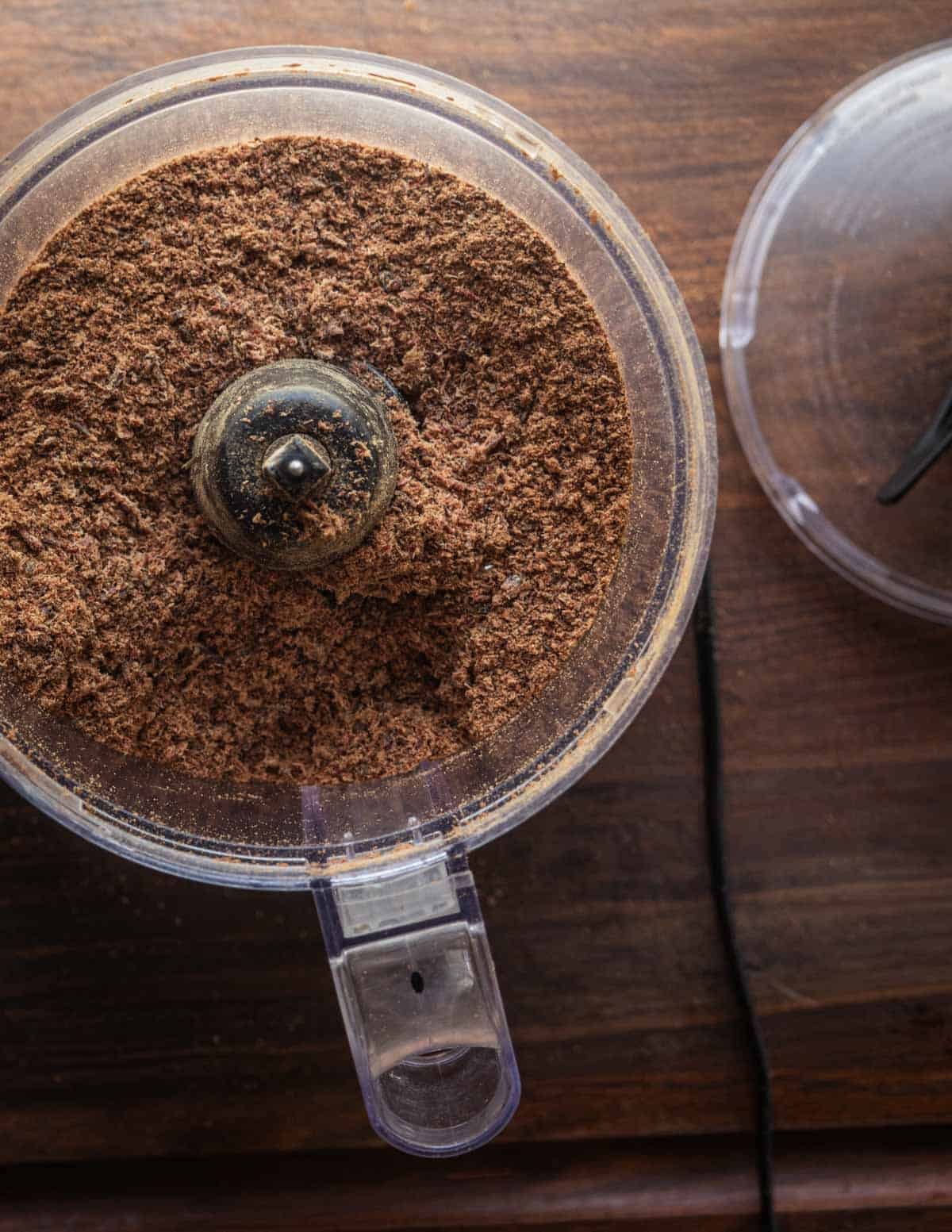
Next, break the meat into pieces and put it in a food processor. Pulse the meat to break it up, then transfer to a spice grinder and continue grinding as fine as you can. Do the same with the dried fruit.
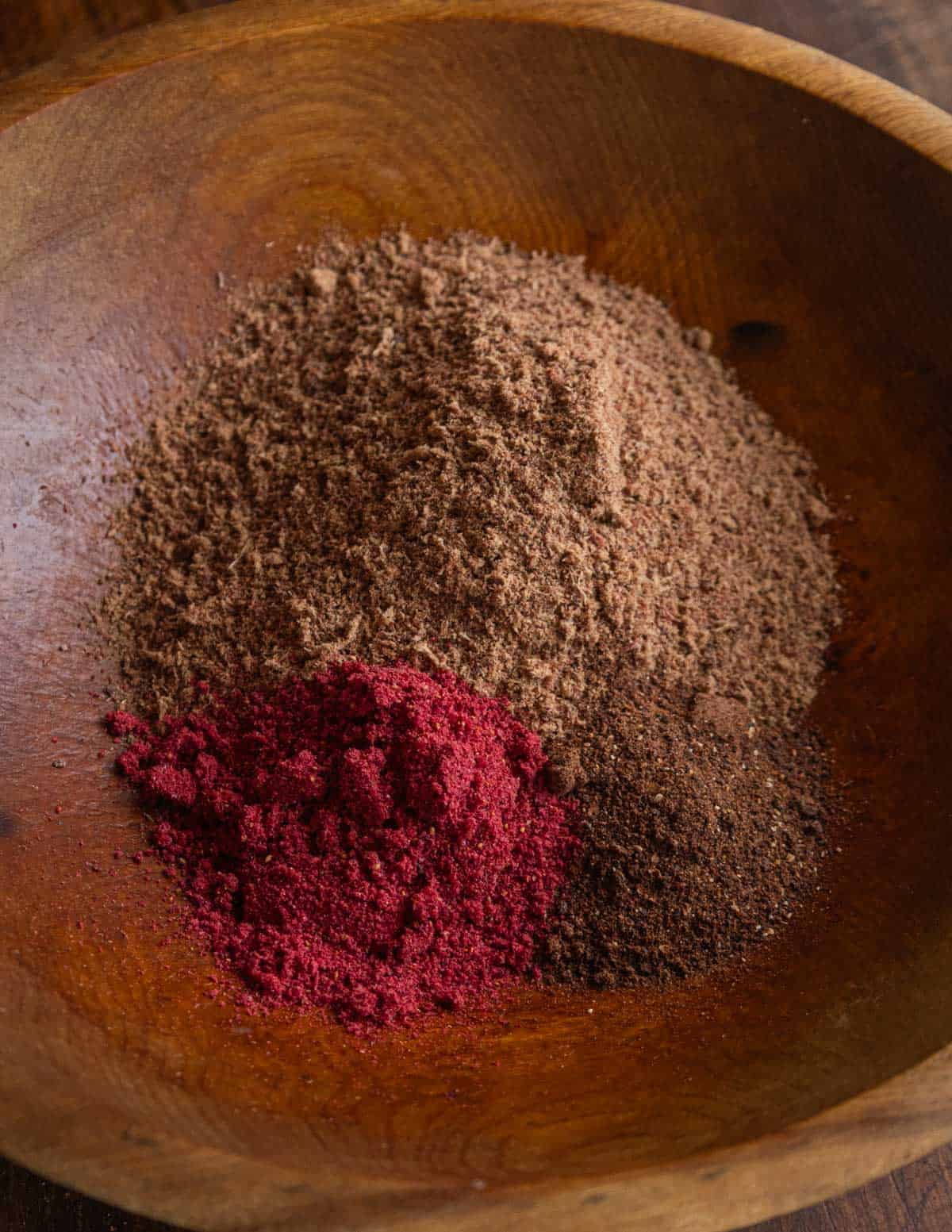
Finally, mix the dried, ground meat in a bowl with the ground fruit, add the tallow, some maple syrup, birch syrup or maple sugar, and mix to combine.
Measurements are as approximate here, and you'll need to go by feel a bit. If the mixture seems crumbly or has trouble staying together, add a little more tallow and mix again until it can be formed into small balls and the mixture holds its shape.
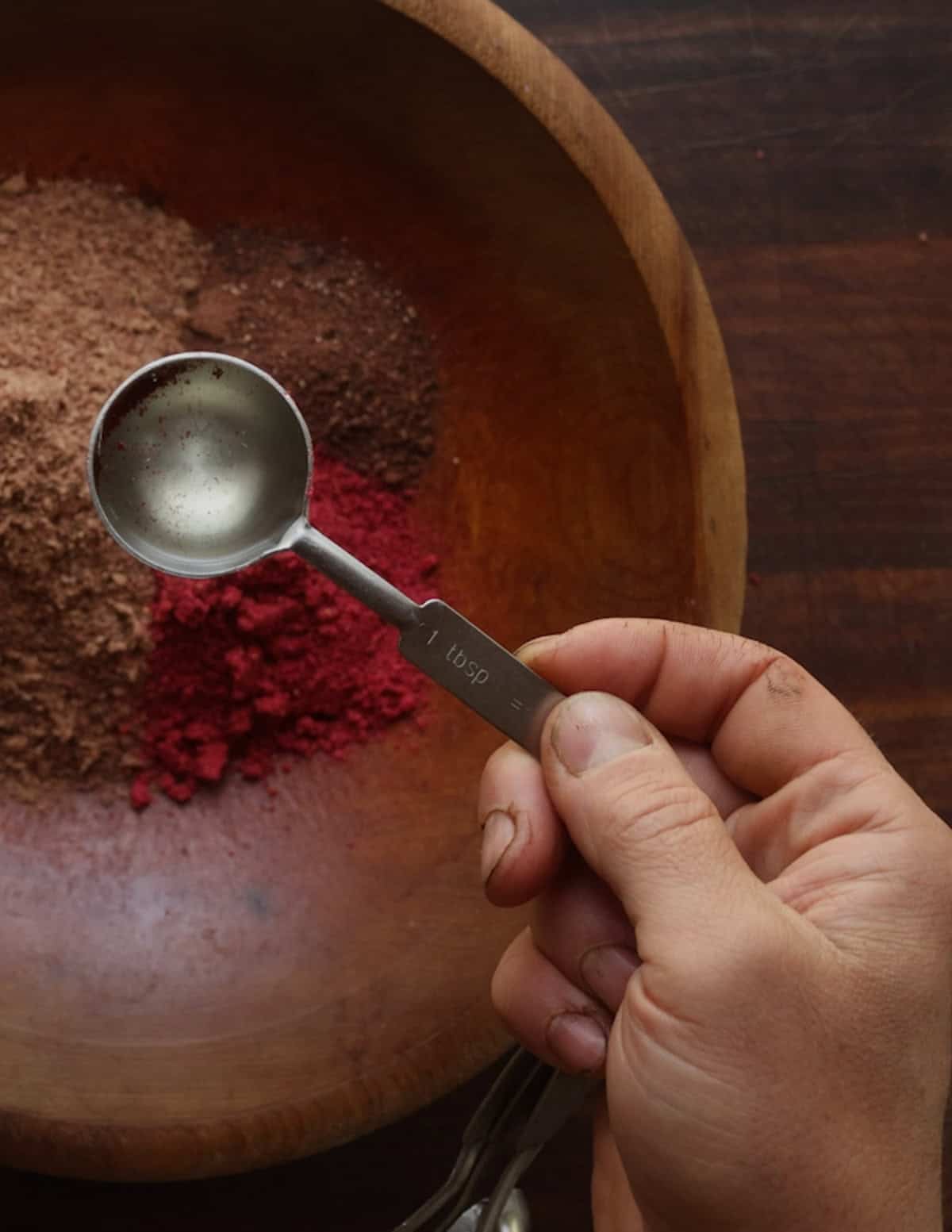
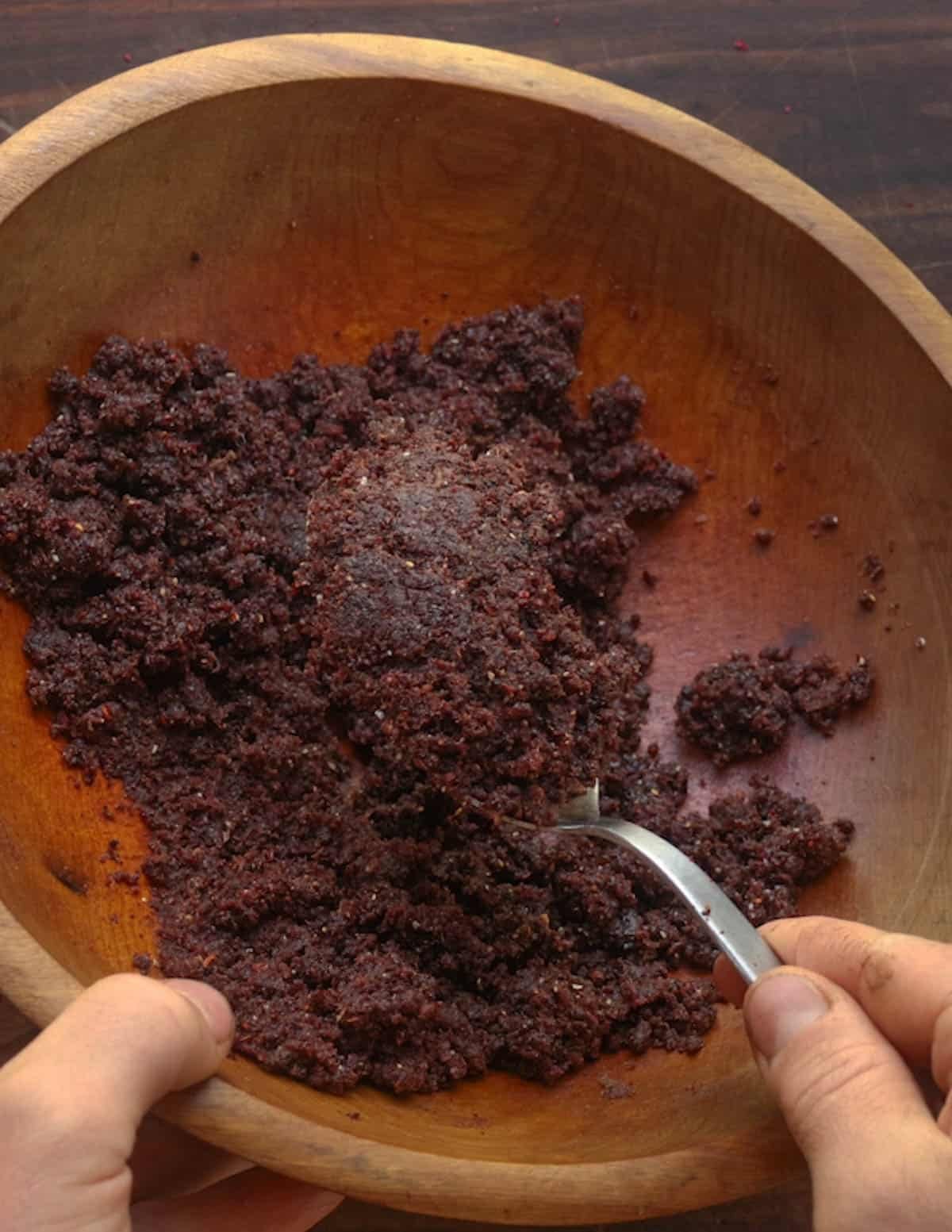
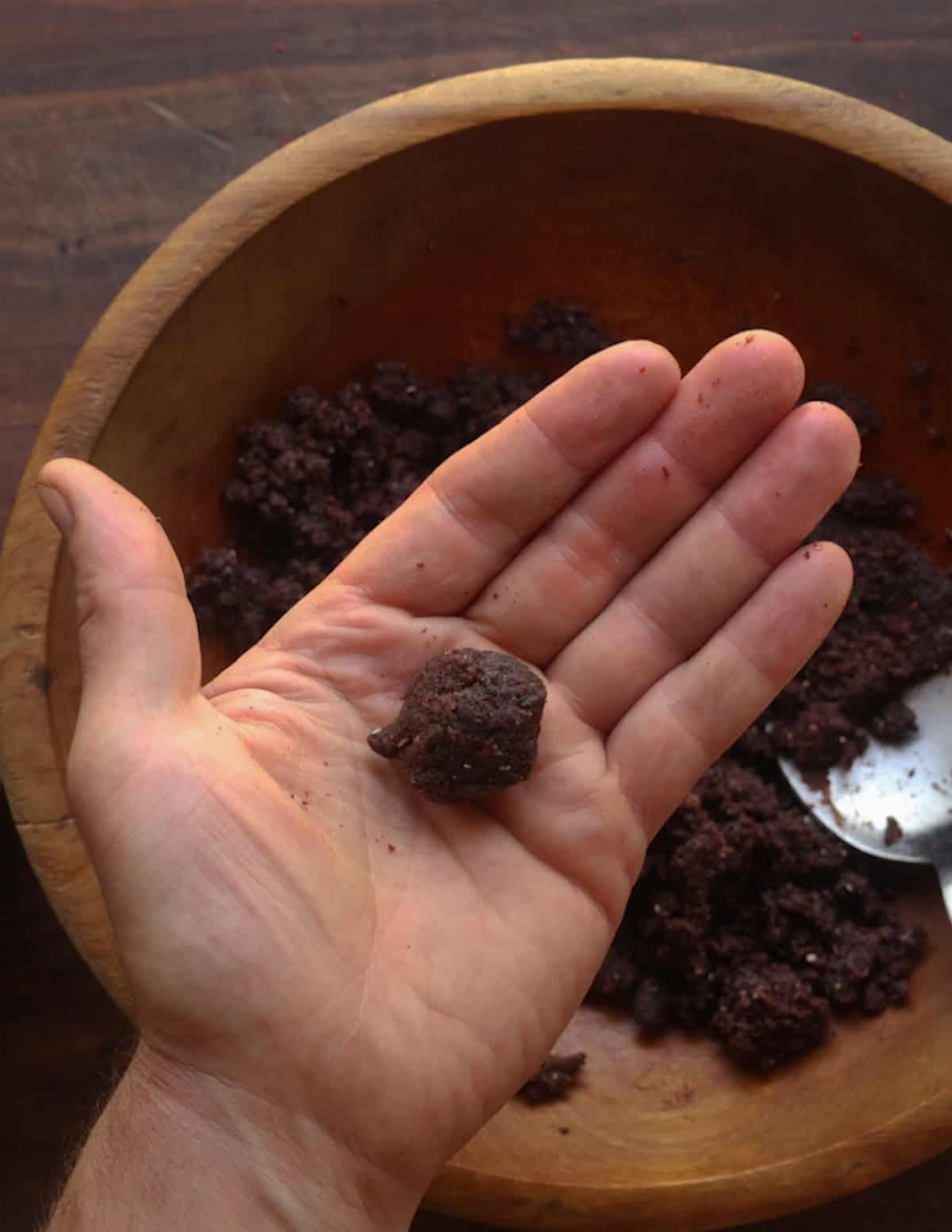
Finally, adjust the seasoning until it tastes good to you. The finished pemmican will keep for a long time in the fridge. While traditionally it was stored at room temperature, tallow will eventually go rancid if not refrigerated so I prefer to keep mine vacuum sealed, chilled or frozen.
Adapting the Recipe
There's tons of ways you can make this your own, or in my case, try to put some make-up on them so you don't get weird looks handing people a jerky ball at dinner.
Besides dusting them with sour cranberry powder as shown at the beggining of this post, I like pressing nuts into a small brownie-bite mold to form little square bars.
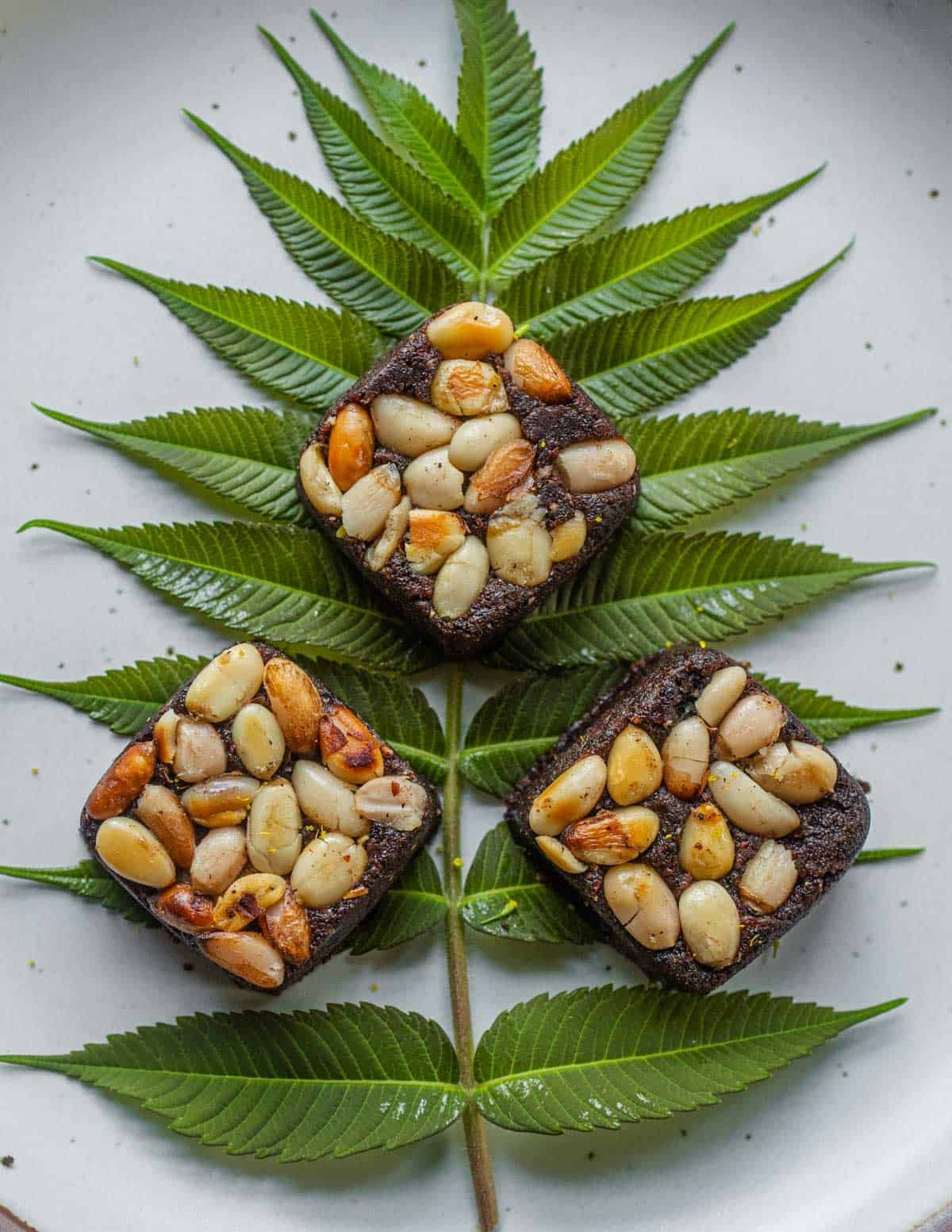
You can adjust the flavors of fruit and meat however you like. Want a really sour version? Add ground wild plum powder. Want them sweeter and less meat-forward? increase the amount of fruit powder, or use acorn flour for a more neutral taste.
I really like serving a powerful, single bite serving that takes the palette on a ride. Sour, salty, smoky, sweet, and even spicy garnished with a pinch of ghost pepper salt. I'm sure you can come up with plenty of interesting variations.
Have you made homemade pemmican or wasna? If you have let me know in the comments.
Related Posts

Homemade Pemmican / Wasna
Equipment
- 1 Dehydrator
- 1 Pellet smoker
- 1 Spice grinder
- 1 Medium mixing bowl
Ingredients
- 1.5 lbs lean bison, venison or beef all fat and silverskin removed
- 1 lb fresh berries such as cranberries, serviceberries, or chokecherries
- 13 grams (roughly two teaspoons) kosher salt see note
- 3 grams (½ teaspoon) fresh ground black pepper optional
- 1 tablespoon maple syrup or birch syrup, plus more to taste
- ½ cup rendered beef or bison tallow melted
- small bite-sized anise hyssop leaves for serving, optional
Instructions
Dried Meat (Bapa)
- Cut the meat into long slices about 1/ 2 inch thick. Toss the meat with the salt and pepper if using and refrigerate overnight in a covered container.
- Lay the meat out in a pellet smoker and smoke at the lowest temperature (mine goes down to 165F) for 4 hours, or until completely cooked through.
- Next, transfer the meat to a dehydrator and dry at the highest temperature (150F) until completely cracker dry and brittle, about 24 hours depending on the thickness of your meat.
- Alternately, you can skip the smoking step and simply dehydrate the meat, but the smoke adds a great flavor and I recommend doing it if you can.
Dried Fruit
- Meanwhile, prepare and dry the fruit. I recommend using a blend of half dried cranberries and half other fruit like serviceberries.
- Fruit like chokecherries or serviceberries can be dried whole, while cranberries should be halved first. Keep the fruit separate to give you better control over the flavor.
- Put the fruit in a dehydrator at 150F and dry until completely bone dry and brittle when crushed, about 24-48 hours.
Assembly
- Break the meat into pieces and pulse in a food processor to break it up. Continue processing until it's as fine as you can get it, then transfer to a spice grinder and process to a fine powder.
- Grind the fruit to a fine powder in a spice grinder. You will have more than you need. Make sure to save some cranberry powder (at least ¼ cup) for tossing the pemmican balls in for serving, if you want.
- For finishing, I like to sift the cranberry powder to make sure it's as fine as possible, but it's optional.
- For each cup (112g) of dried meat powder, you'll want about ½ cup (56 g) dried fruit powder.
- Combine the ground meat and berry powder in a bowl with the tallow and maple syrup. Mix to combine until you can form balls of the mixture that hold their shape. I like to portion it into small teaspoon-sized balls, like a chocolate truffle.
- Taste the mixture and adjust the seasoning until it tastes good to you. Adding additional serviceberries will add sweetness, where cranberry powder will add tartness.
- Finally, toss the balls in some extra cranberry powder to coat, then serve on an anise hyssop leaf as pictured, or just by themselves.
John Smith
The detail about grinding chokecherries whole, shells and pits included, is something you never see in mainstream recipes, and the tip about using a Vitamix dry bowl and sifting afterward makes that approach actually doable at home. I also appreciated the warning about store-bought dried fruit; the sugar-syrup soak explains why my last batch never dried down to cracker texture. Smoking the trimmed meat low and slow in a pellet smoker before finishing in the dehydrator is a great way to honor how this was traditionally made over a wood fire. I've been meaning to try the wasna variations with parched corn, and pressing nuts into a brownie-bite mold for tidy square bars is a clever serving fix.
Michelle ott
About how many pieces does this recipe make? I'm very excited to make it, and will likely be sharing it at a wild dinner 🙂
Alan Bergo
I would estimate 30 teaspoon portions.
Brian
bit of a dumb question, but whenever I make chicken stock I make sure to reserve the meat left after simmering - I usually dehydrate it and grind it to a powder like in the recipe above - and I wanted to ask if you'd have any suggestions for preparing it in a similar fashion? I know it's far from any of the dark meats normally used in terms of flavour, but I'm sick of using it as a flour supplement in breads and I figured this would be a great way to use it up!
Alan Bergo
It could work.
Michael H.
I'm looking at this as a traditional trail food for when I am hunting or scouting to hunt. I need it to be more durable for those rigors of travel in the field. If I packed this in sheep-casing, should I forego all of the initial drying and dehydrating, mix everything together and smoke/dehydrate while in the casing? Kind of thinking outloud here.
Dave
Never underestimate the ignorance of TSA regarding native foods! I live in Minnesota and took 10 pounds of wild rice with me to Salt Lake city via commercial airline. The first TSA agent going through my check in baggage thought he hit the jackpot of dope smugglers! In Minnesota, wild rice is as common as dirt so the people in line and a few other TSA agents were pretty hard on him.
Any time anyone in any sort of law enforcement position runs into foraged natural foods that they have never seen before, it is not at all unusual for them to think it's some kind of drugs.
Alan Bergo
True true. I mean wild rice gives me a certain high, but not that kind 😂.
Laura
I love reading your recipes, but this one really struck a chord with me. When I was a young girl (50+ years ago), and a Girl Scout, about 12 or 13 years old, I was really into foraging and learning about nature. (I still am.) Pemmican was one of the things that had hit my radar early on in my adventures. I’ve never made it, or tasted it, to be honest, but I’d like to. Thanks for sharing, and bringing up old memories.
Kohlmayr Klaus
Excellent. I have made Pemmican a number of times and people always loved it
Beth
I'm interested in the vegetarian version, can you share Alan?
Alan Bergo
Hi Beth, unfortunately I don't have exact proportions. When I've seen and tasted it before, finely ground cornmeal or other grains (wild rice, etc) was used in place of the dried, powdered venison. To that they added different dried fruits and nuts, and unlike the meat version that's bound with tallow so it sticks together, the vegetarian wasna I've seen them make isn't bound with anything so it's kind of like very loose trail mix, with the bulk of it being cornmeal, interspersed with chunks of nuts and fruit, eaten by the palmful.
Kit
Unsourced Sioux version:
2 cups cornmeal
1 cup dried berries/cherries/raisins
~1 cup water
1/3 cup maple sugar
1 cup melted suet or butter
Lightly brown cornmeal on baking sheet at 350F for 30min, stirring often.
Reconstitute berries in water, drain.
Mix meal, berries, sugar. Add fat and mix thoroughly.
Press into 8" pan, freeze, cut into 1" cubes.
From Barrie Kavasch's 'Native Harvests' (1979):
1/2 cup acorn or cornmeal
1/2 cup each hickory nuts and peanuts
1/2 cup each raisins, dried apples and dried pumpkin/squash
1/3 cup honey or maple syrup
Bake cornmeal on baking sheet at oven's lowest setting 15-30min, checking frequently.
Combine dry ingredients and chop finely or grind coarsely.
Add honey or syrup and blend thoroughly.
Divide into 1/4-cup portions, press into cakes, refrigerate.
Alan Bergo
Thanks for the refresher. I think I’d prefer it better with a binder as listed here, and Linda and Luke definitely toast their cornmeal too. Can’t believe I overlooked that recipe as I have that book!
David Griggs
I wonder how dried/dehydrated tomatoes would work as a fruit source? Or dried ground cherries?
And do you think crushed cayenne pepper would lend anything to the flavor?
Further could you use wild goose breast as a meat source? It is more like red meat than poultry.
Alan Bergo
This would actually be a great place for Canadian goose meat. Cayenne is nice, when I served these at a dinner earlier this year I added a pinch of my ghost pepper salt on each of the balls after rolling in cranberry powder and it was good. You could vary the dried fruit lots of ways, tomatoes love smoke and would give a nice umami to it.
Cheri F Collins
I made Sean Sherman’s duck pemmican recipe twice, and love it! The second time, I packed a container full in my suitcase to bring to my son in San Francisco. TSA, with their usual brilliant discernment, had opened the container, probably wondered what the hell it was, and not sealed it shut! It wasn’t formed into balls yet, so the crumbs spilled out all over my stuff and embedded itself into my suitcase! In retrospect, I really should have complained to the airline. Moral of the story: form it into balls, wrap them, and label the container if you’re going to transport it by plane.
Alan Bergo
OMG a suitcase with dried meat and tallow crumbles 😭. Vacuum sealing it works really well, I still have a nice bag in my crisper.