
Perennial vegetables found around the world, dock plants are extremely common and you may have some in your yard right now. Of all the wild edible plants to know, they're one of the most abundant and easy to identify. To me they're a sort of edible artifact-one of a few missing links between foraged and cultivated food reminding us that once upon a time, the vegetables we ate were wild. Today I'll share what I've learned working with them over the years, and now growing them at my home.
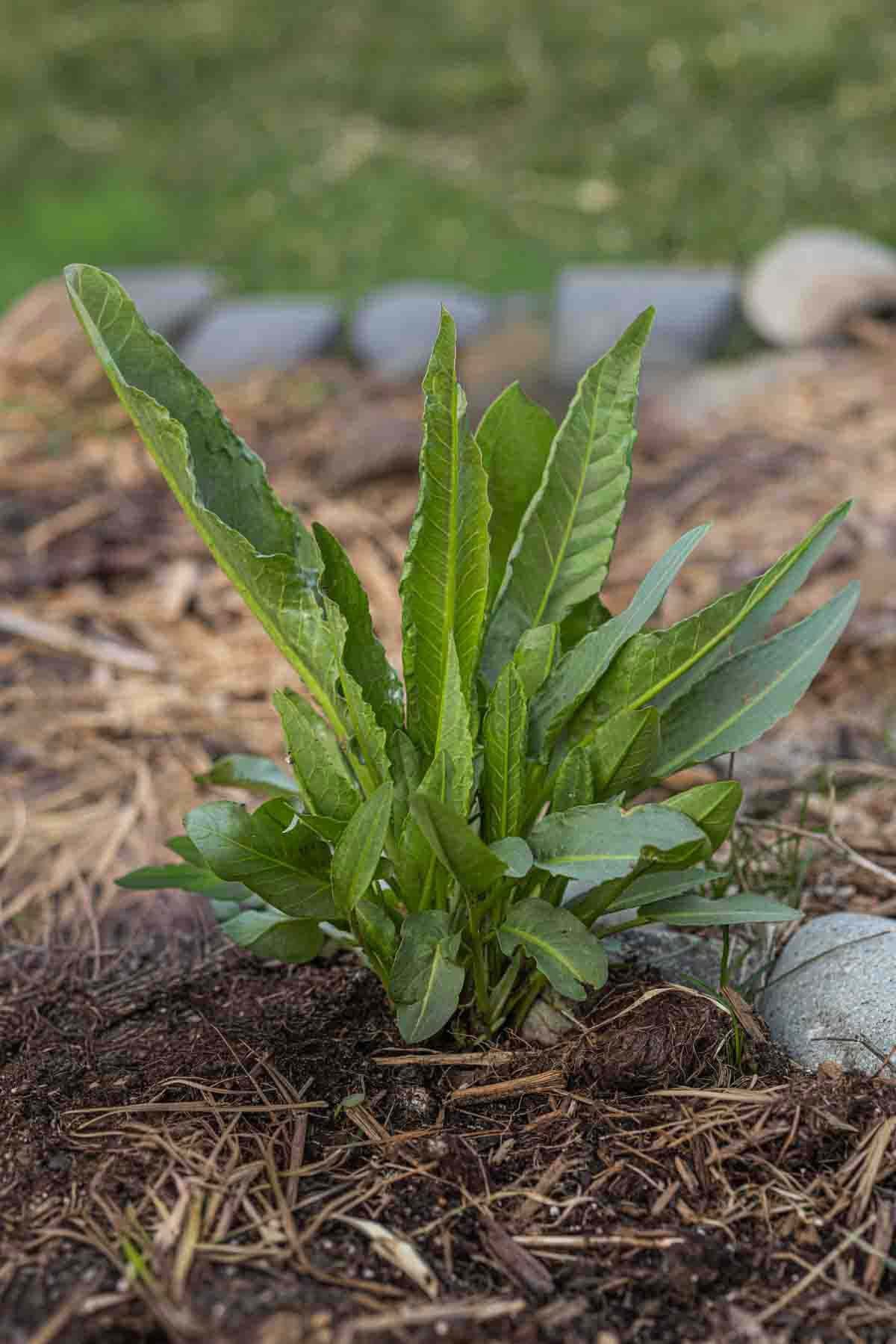
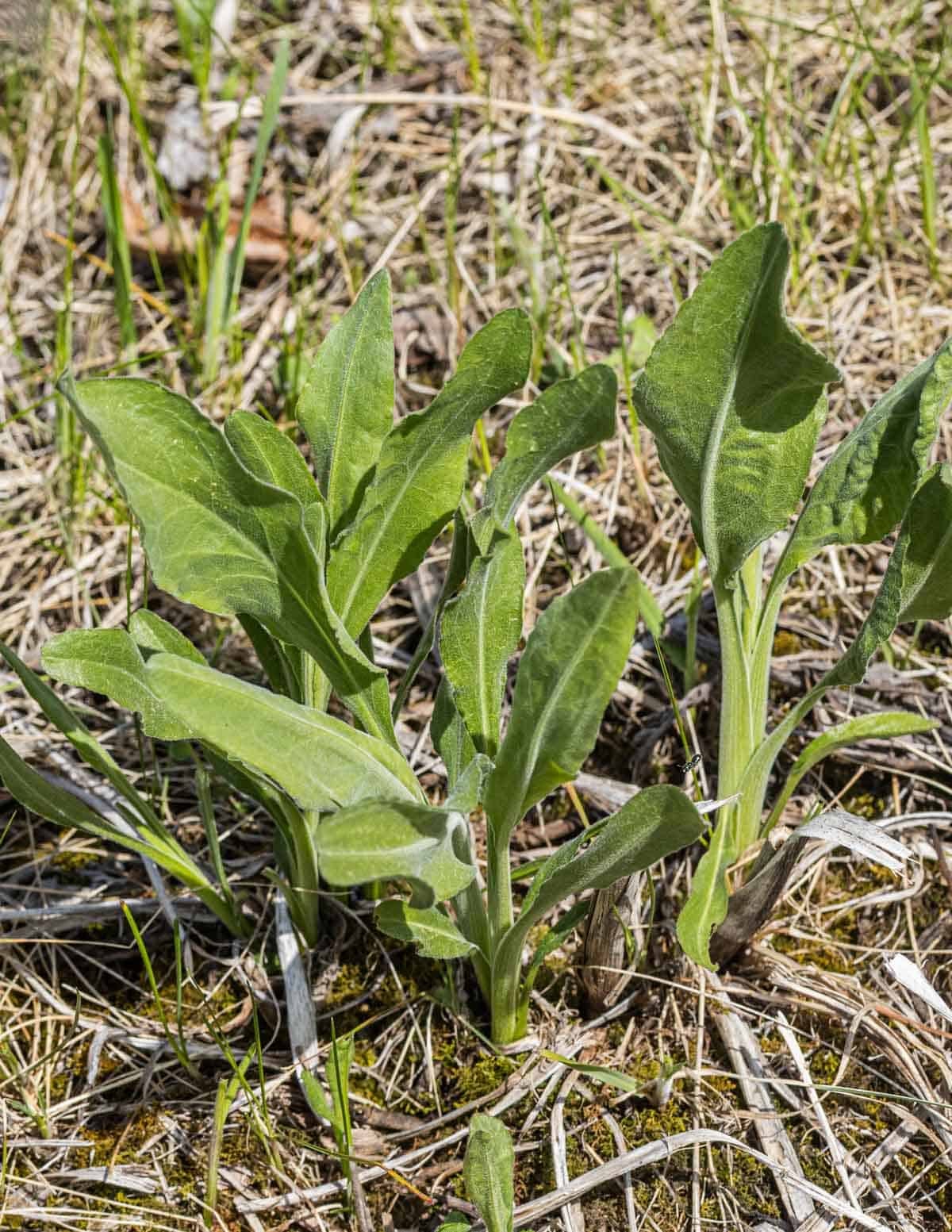
The docks are perennial plants in the greater buckwheat family (Polygonaceae) making them related to Japanese knotweed, rhubarb and lady's thumb, among others. They're one of the first plants to appear in my yard and where I forage each spring, coming up nearly as fast as ramps and spring ephemerals. They start out as a lush basal rosette with many long, slender leaves, and once you notice them, you'll see them everywhere.
Being a relatively distinctive plant with no dangerous look-alikes, dock plants were one of the very first things I learned to identify and the same is true with many foragers. Just about every forager I know has eaten it in some form. What many people don't know is just how rich of a history they have as a food plant.
Background
Across Europe from The Iberian Peninsula to the Caucus Mountains and beyond, dock plants are omnipresent as a traditional food and have many synonyms: sorrel dock, sour dock, and wild sorrel, to name a few. They're also known in Traditional Chinese Medicine as well as cuisine, where they're cooked in general recipes for leafy greens like stir-fries.
They were well known to the Romans who called them "lapathum" and they appear repeatedly in Apicius's De Re Coquinaria-the oldest cookbook we know of. Later books on cooking and gardening mention distinct varieties of dock, specifically patience dock, which we'll discuss.

While some docks were cultivated, around the world they were, and are still mostly foraged. As is common with many wild edible plants, the use of docks as food gradually faded over time, replaced by spinach, chard, and other, more common greens.
Identification
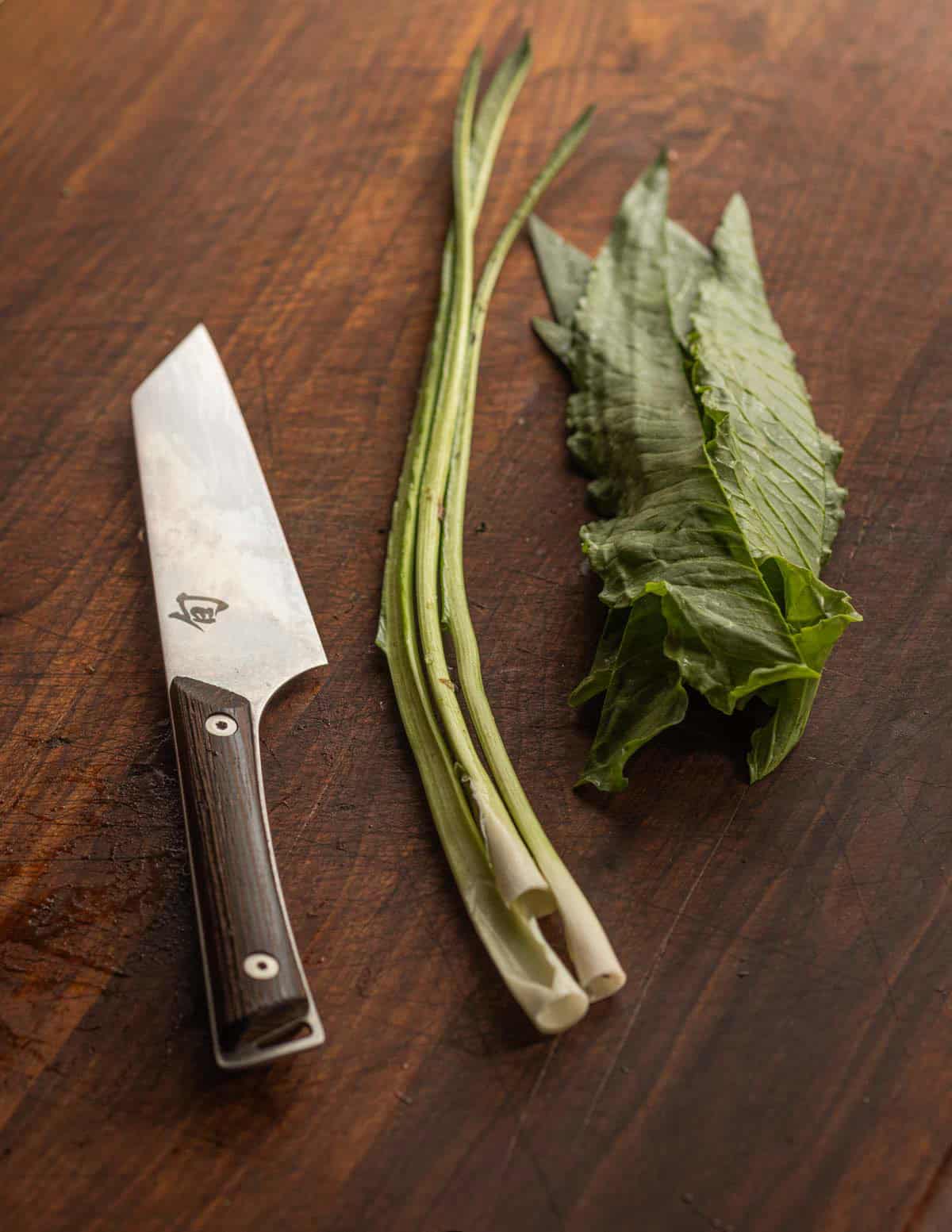
Besides the tell-tale basal rosette of spring leaves, one of the most notable characteristics of docks (but not all Rumex) is the presence of the ocrea or ochrea, a paper-thin sheath that encloses the stems. When a leaf is plucked, it's usually quite slippery or mucilaginous at the base.
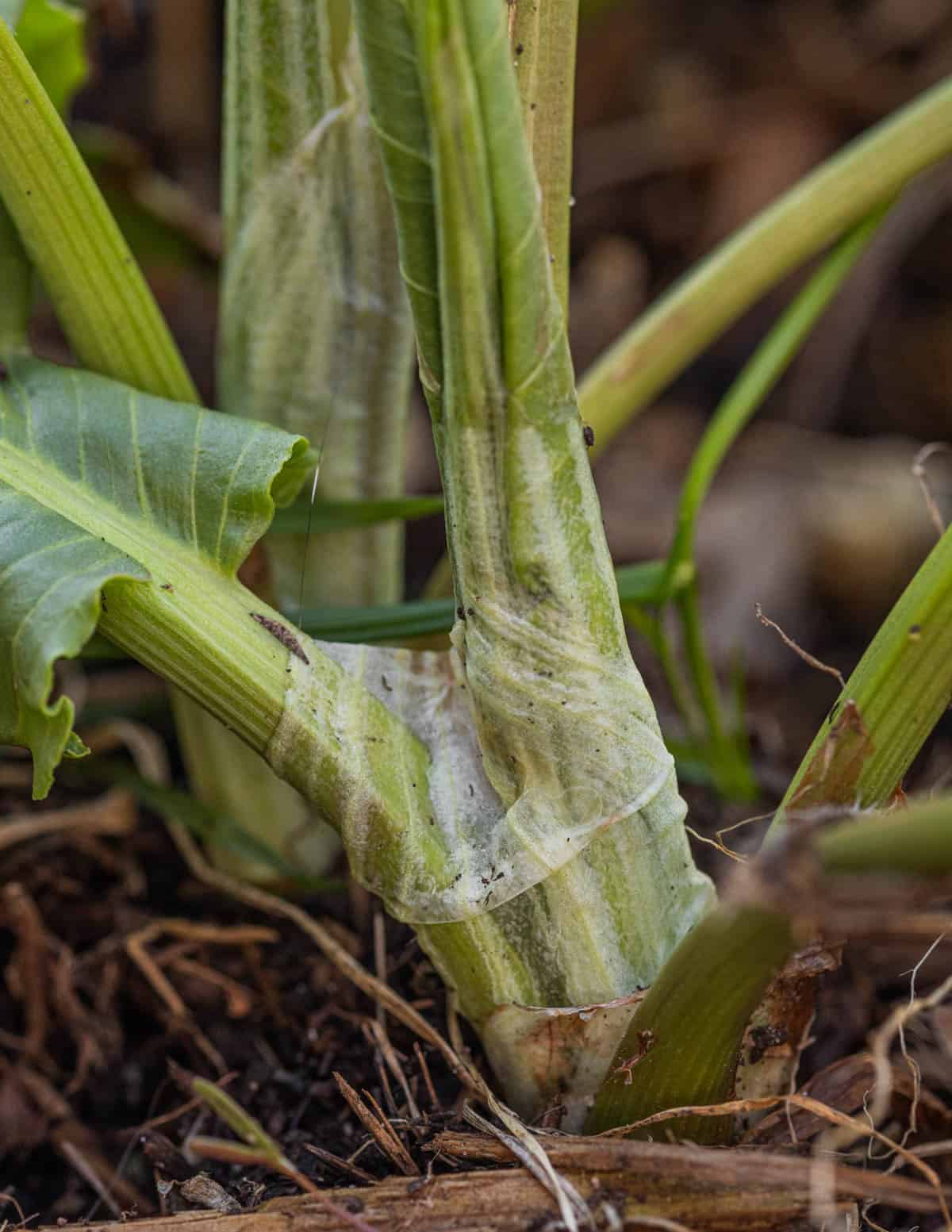
Noticing the ocrea is a good trick to tell that you're looking at a dock, or a dock look alike which won't have one. In Minnesota, stiff goldenrod (Solidago rigida) is the most common look alike in my area, but there are others, none of which are harmful.
In the early summer a flower stalk will appear from the center of the rosette, eventually becoming a slender, asymmetrical organization of green flowers. The flowers are extremely small and can be hard to differentiate from the unripe seeds that appear after the flowers are pollinated.
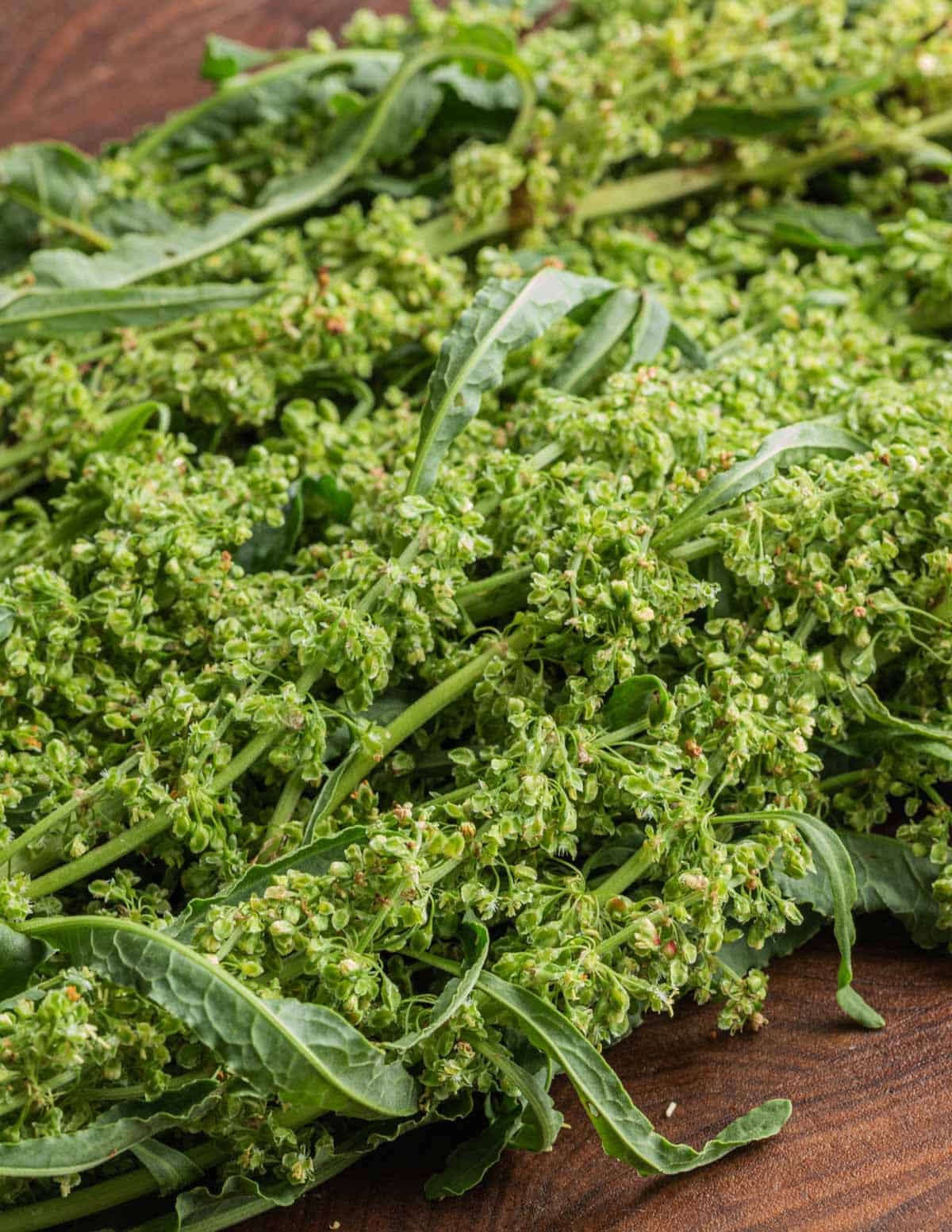
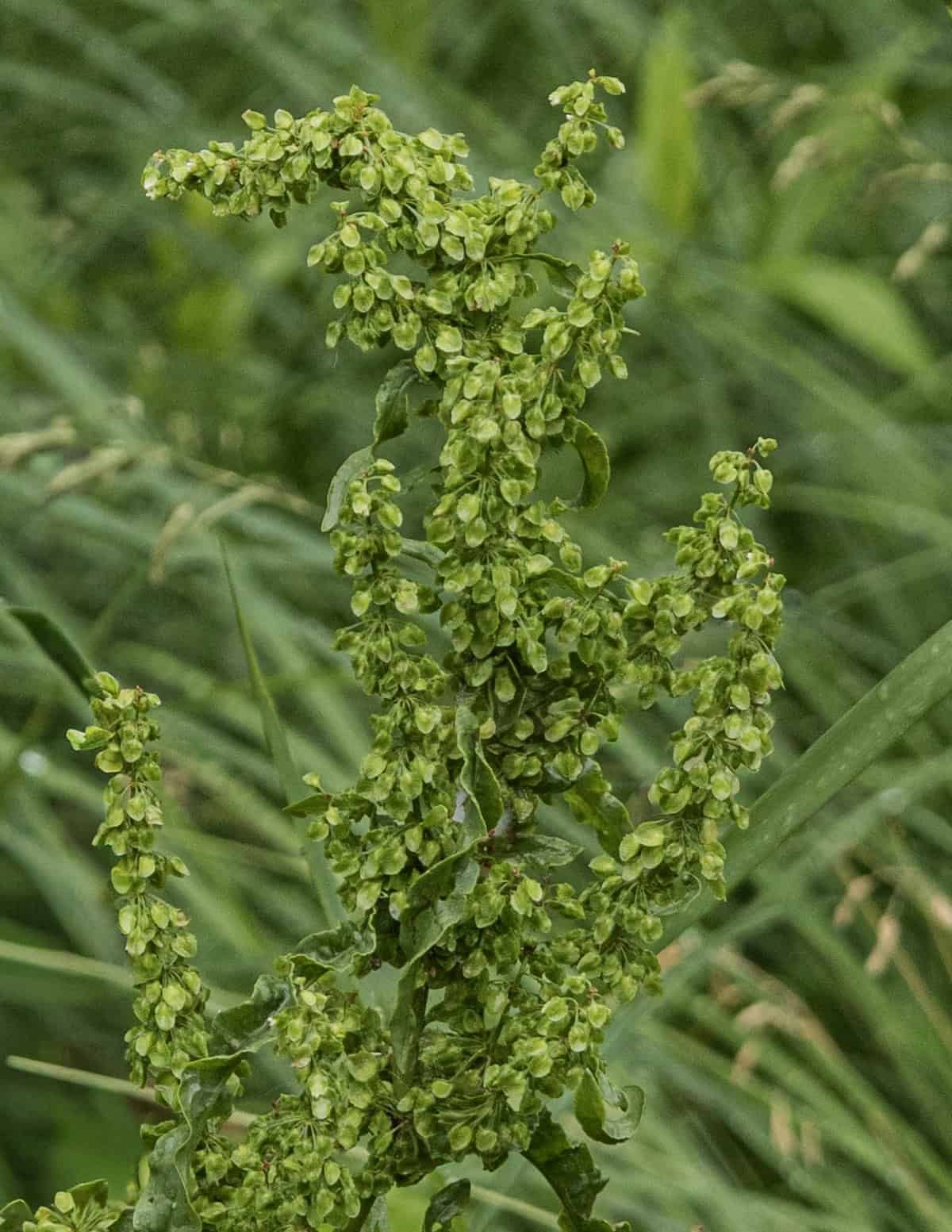
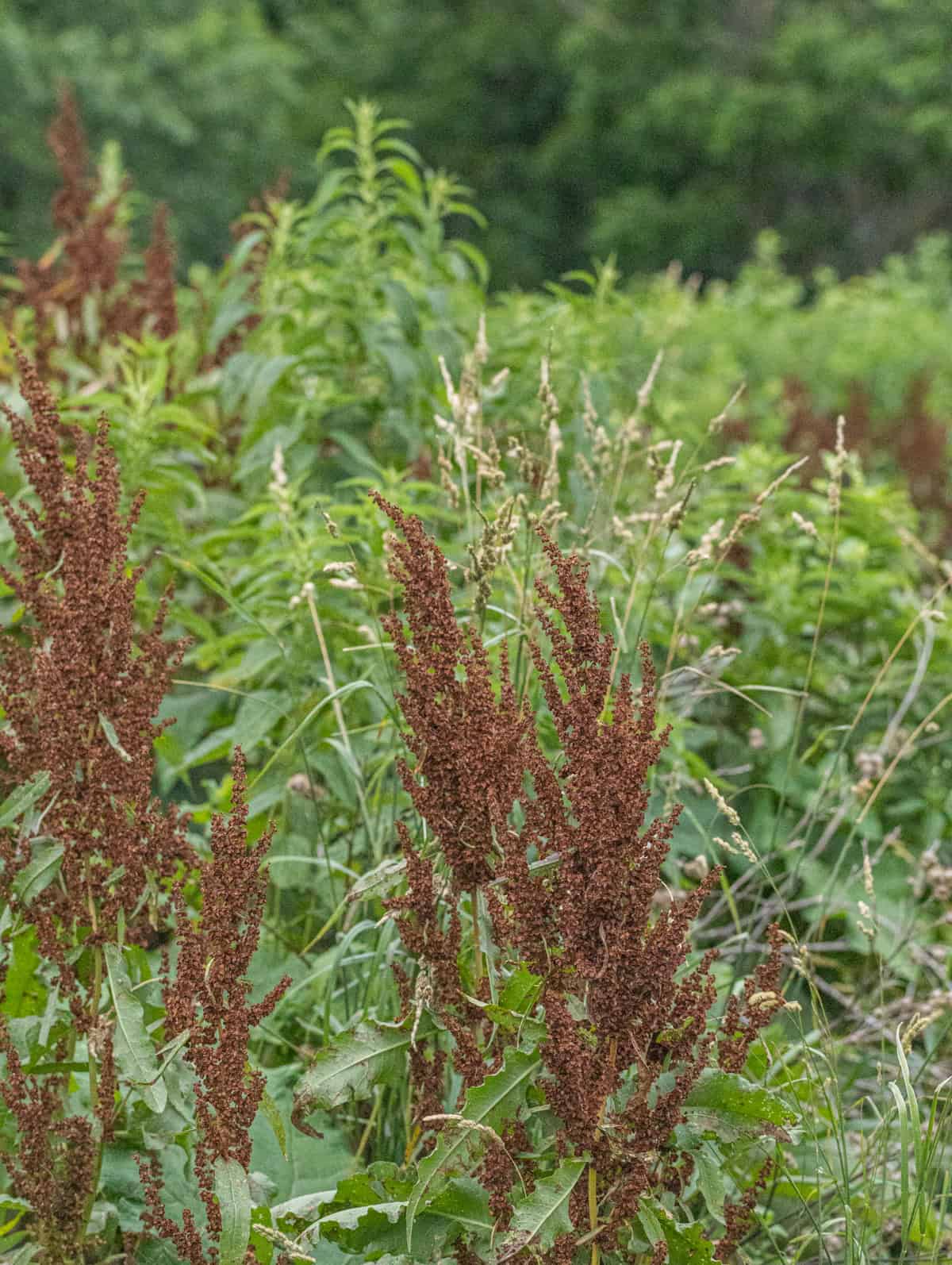
As the seeds mature the husk dries and darkens to a dark, reddish brown color, rising above other plants and standing out against the backdrop of summer green.
Varieties
There's many different docks in the Genus Rumex, around 200 or more. While all are edible, some are better than others, and one particular species is the best of all. I'll briefly cover a measly four, but they're a good four to know.
Curly Dock
By far the most common, curly dock (Rumex crispus) is found around the world and is a common weed of roadsides, yards, and just about everywhere you'd expect wild plants to grow.
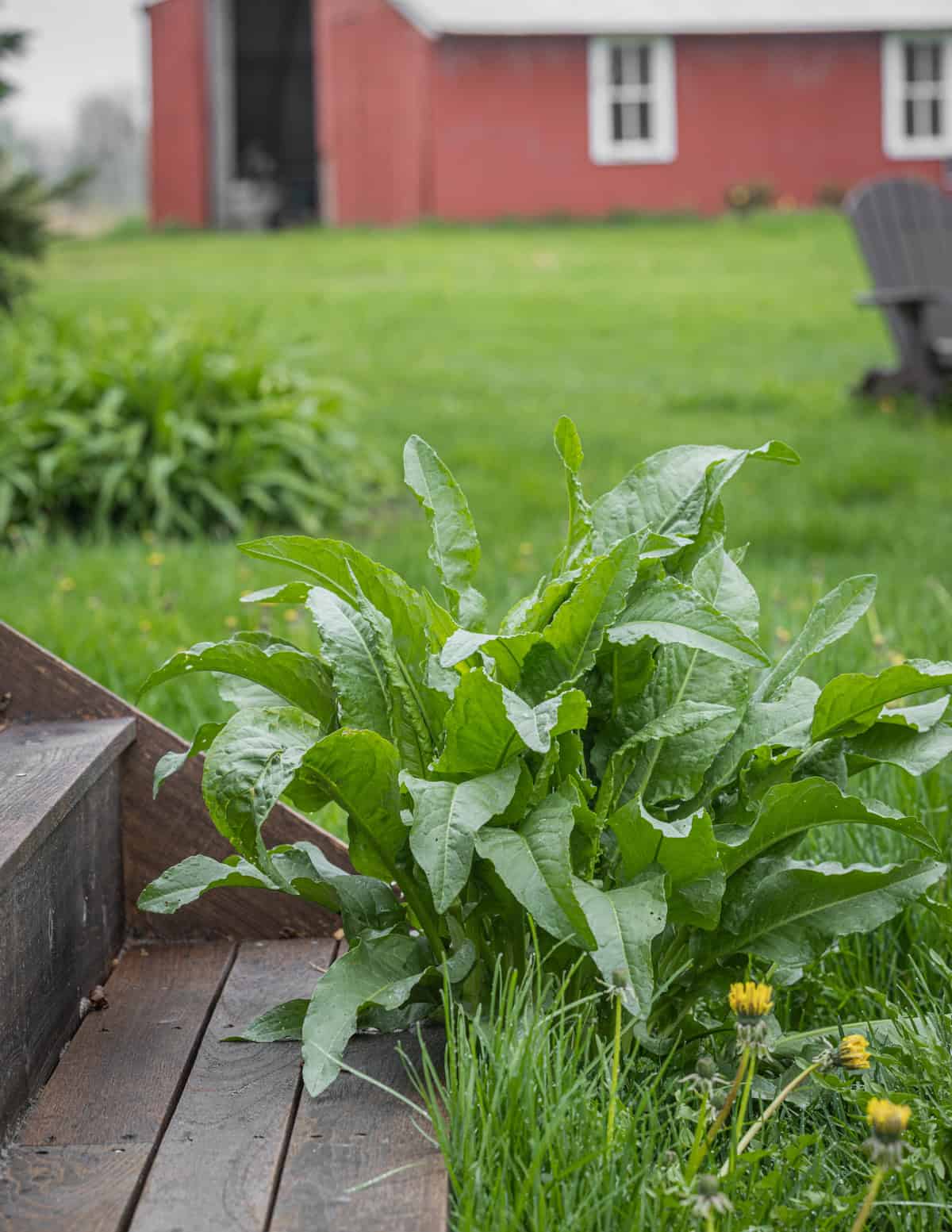
While it's difficult to identify individual dock species, if the leaves are slightly ruffled around the margins as shown below you can be pretty sure you have curly dock.
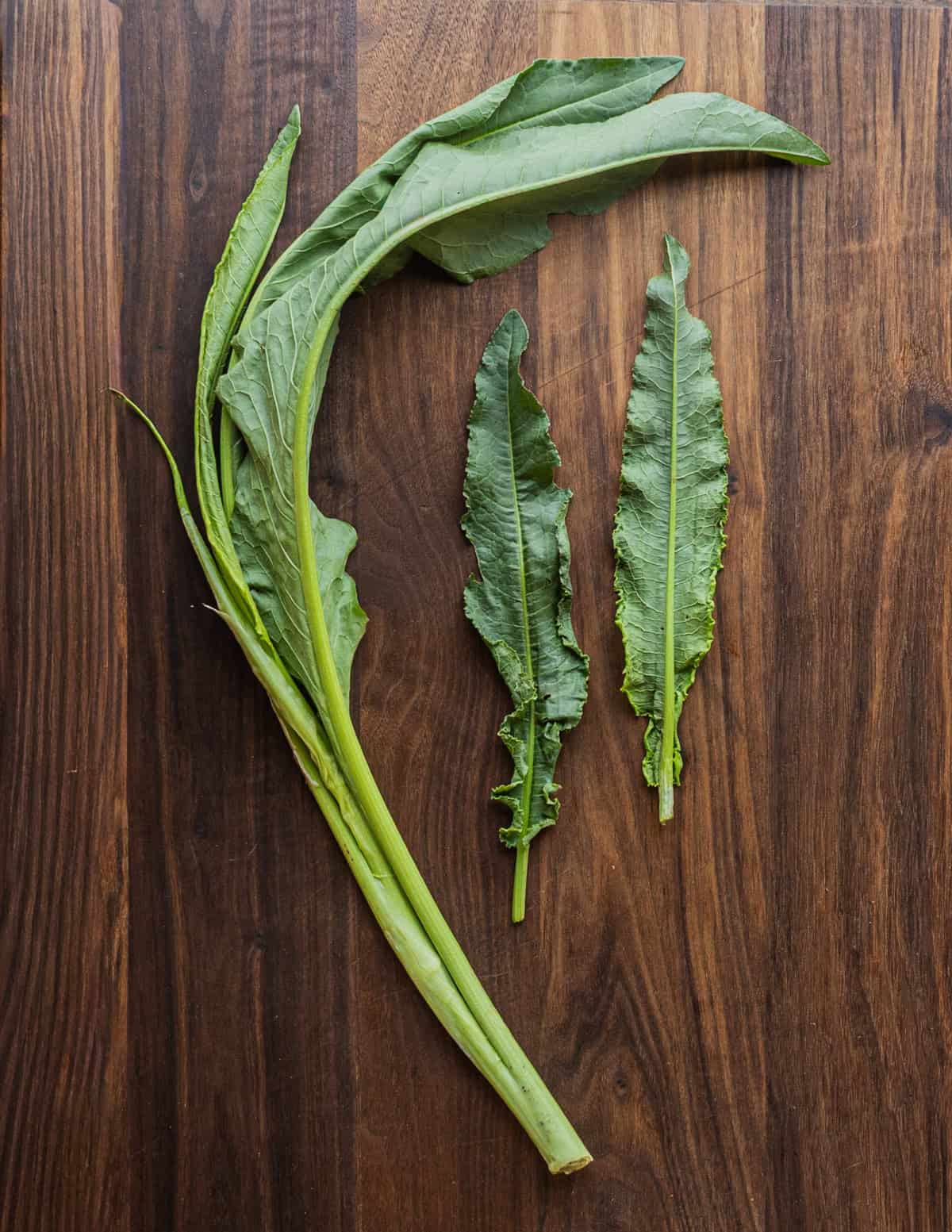
The flavor is mild, gently tart with a subtle bitterness that increases with age. The leaves can be harvested in great quantity in a good patch, and I can easily pick around 10 pounds in half and hour.
Patience Dock
Rumex patienta, or patience dock, stands apart from all the rest. The leaves are thick, supple and can grow to an immense size compared to other docks. In his Field Guide to Edible Plants of Eastern North America, Sam Thayer describes it as "the premier dock for eating" and I couldn't agree more.
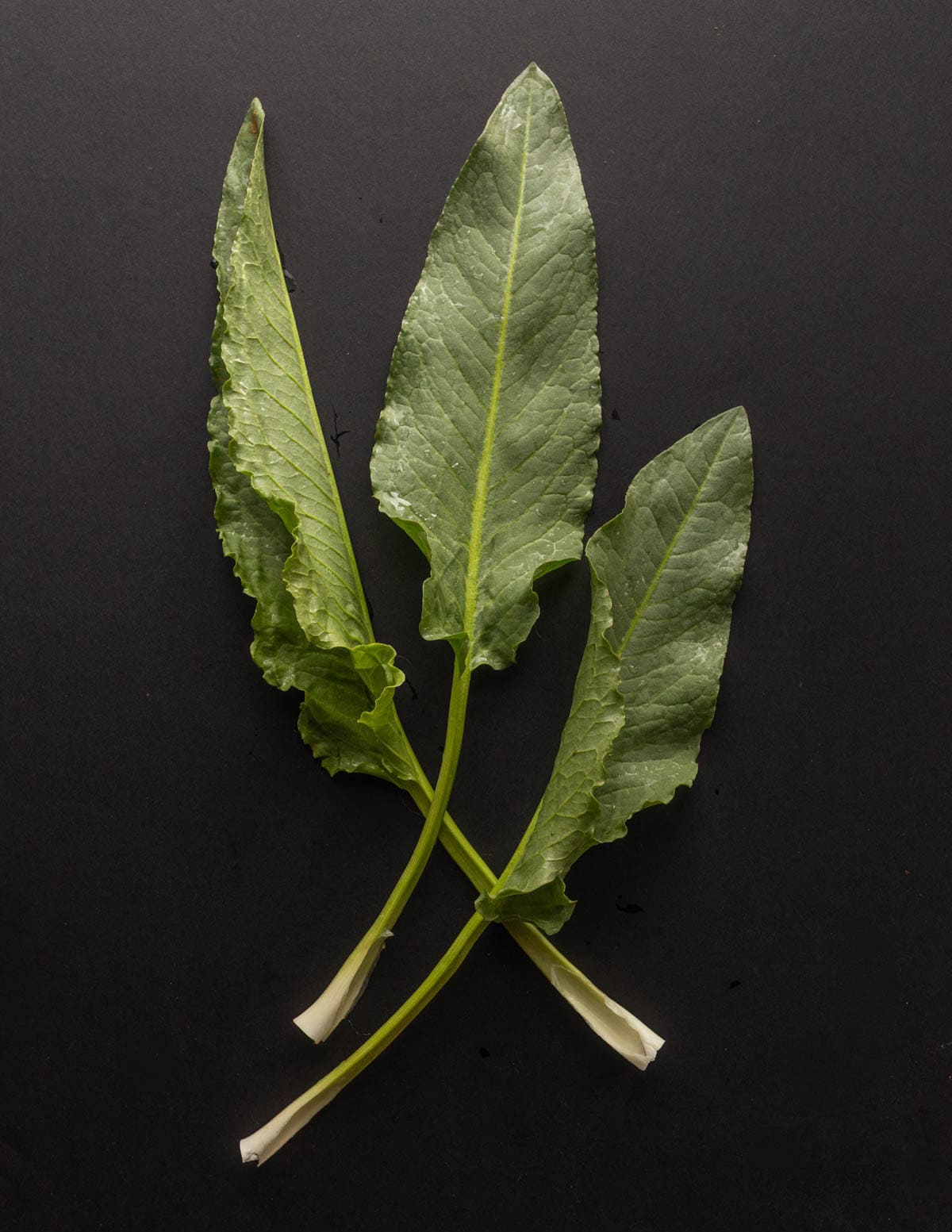
When cooked briefly-even by simply dipping in boiling water if the stems are removed-they have a subtle, almost sensual texture. The flavor's not bitter in the slightest, and their texture holds up to cooking better than curly dock and sorrels that quickly get soft and mushy. Blanched for a few seconds they even hold a bright green color, shown below mixed with curly dock for comparison.
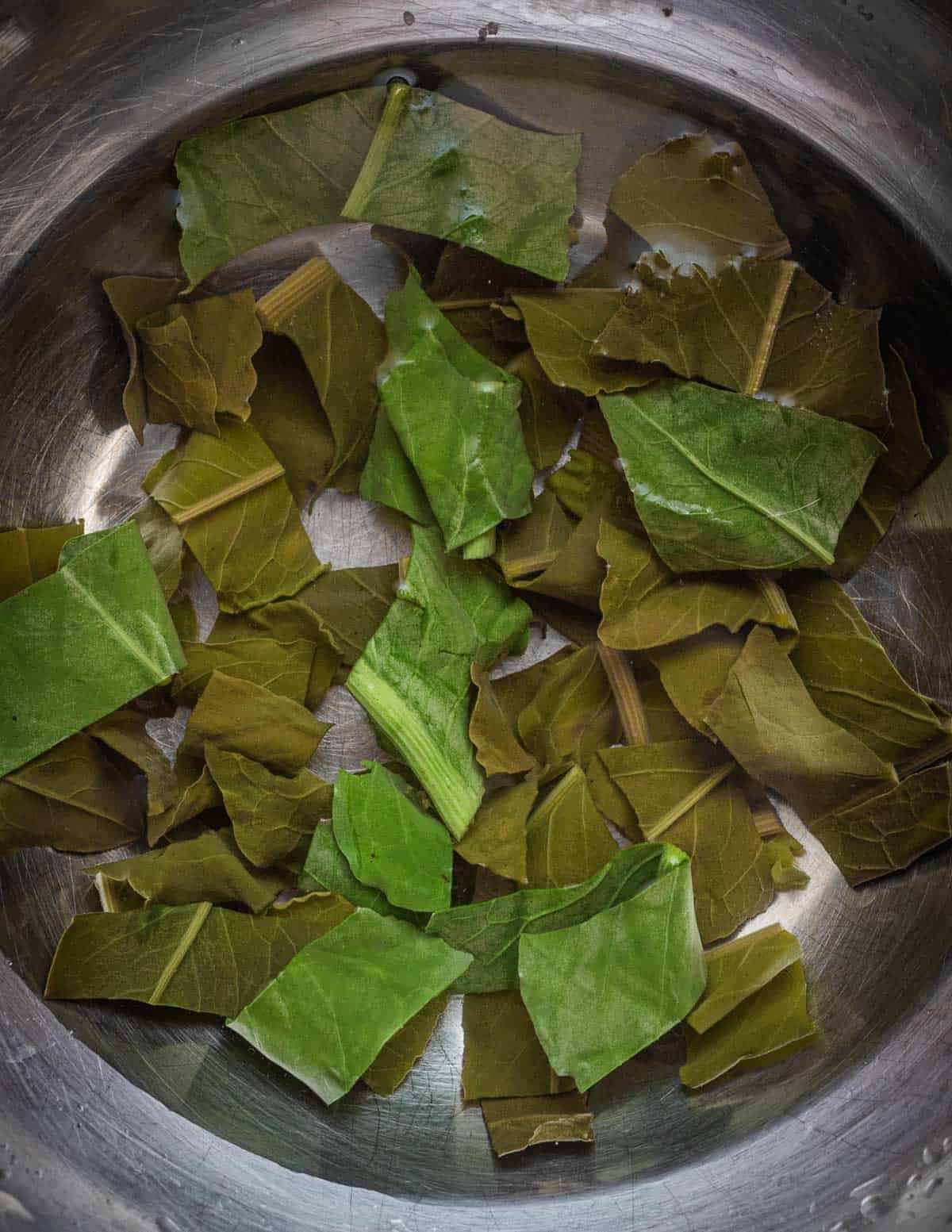
Like good King Henry (Chenopodium bonus-henricus) patience dock was cultivated. It's called out by name in literature starting around the 16th Century in English books like The Good Huswives Jewell. It was known as a leafy green people would grow and eat, often grown or interchanged with sorrels.

Authors seemed to assume the plant was common knowledge, and it was simply referred to as patience in recipes. This is the second year I've been growing them, and I can confirm they're better than all other docks I've eaten.
If you take nothing else from this post, buy some seeds to grow patience dock, it's truly delicious. Special thanks is due to my friend, forager, and musical artist Sean Rowe for turning me onto it.
Bitter Dock
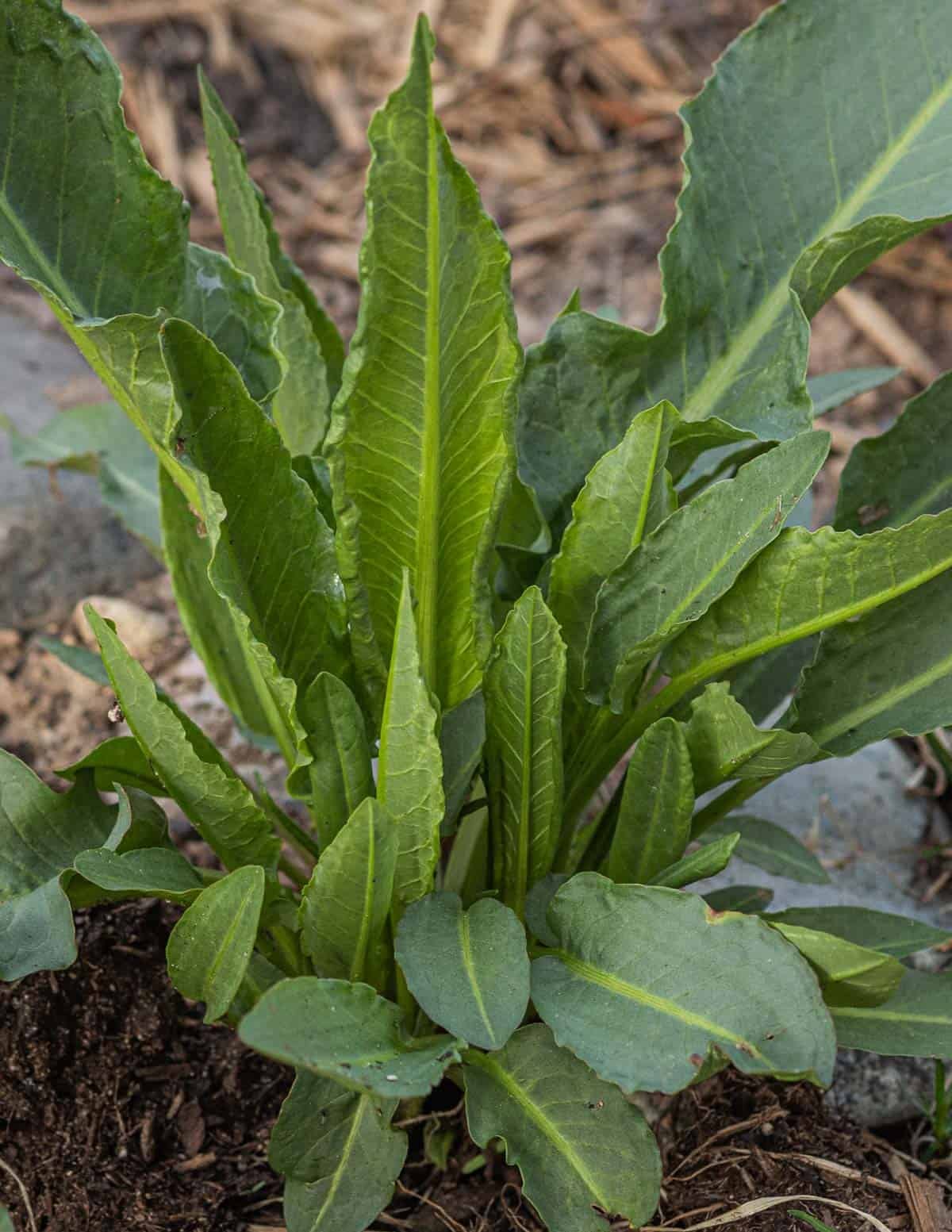
With its red stem and predilection for wet areas, bitter dock (Rumex obtusifolius) is one of the few species I feel confident in identifying. As the name implies, the leaves are bitter. Raw or cooked I don't really care for it, but you could cook them in a blend of greens, or something like my green cakes / green burgers, in small amounts.
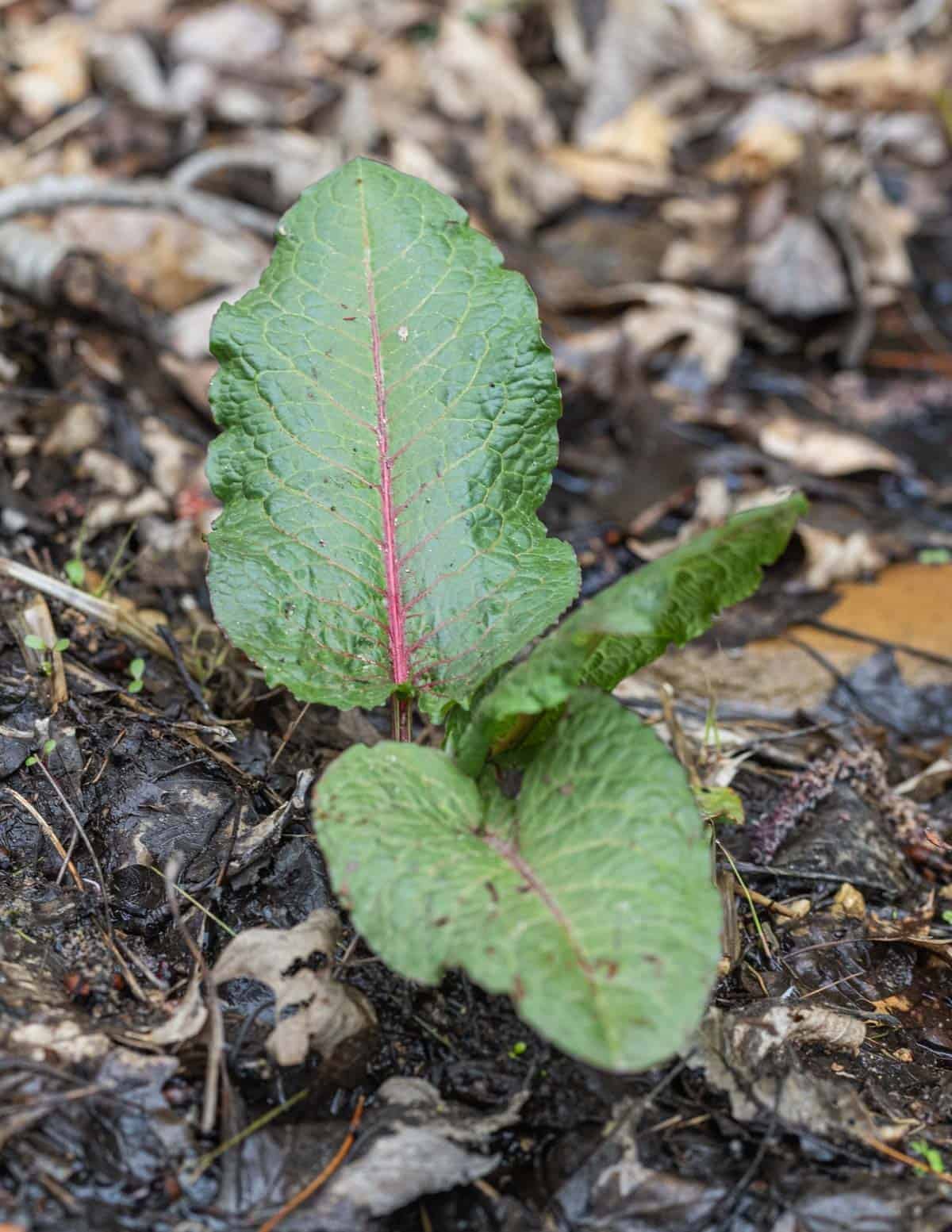
Unlike Rumex crispus, bitter dock I don't usually see in large quantities. Typically it's a few plants at a time, and they usually prefer wet areas as opposed to the general disturbed area habitat of curly dock.
Wild Rhubarb
A distinct variety from the South West I finally got to meet recently. My friend Mike Dechter, who works for the Arizona forest service and is very knowledgeable about desert edibles sent me some great cliff notes-thanks Mike. The image below doesn't due justice to the size of the central stalk!
"Rumex hymenosepalis, or desert rhubarb, grows from large beet-like tubers with bright yellow flesh. They grow in late winter/early spring from sandy soils, putting up the first large rubbery leaves just as the desert heat begins to set in. With favorable conditions, the plant will shoot up a large, light green stalk with reddish coloration."
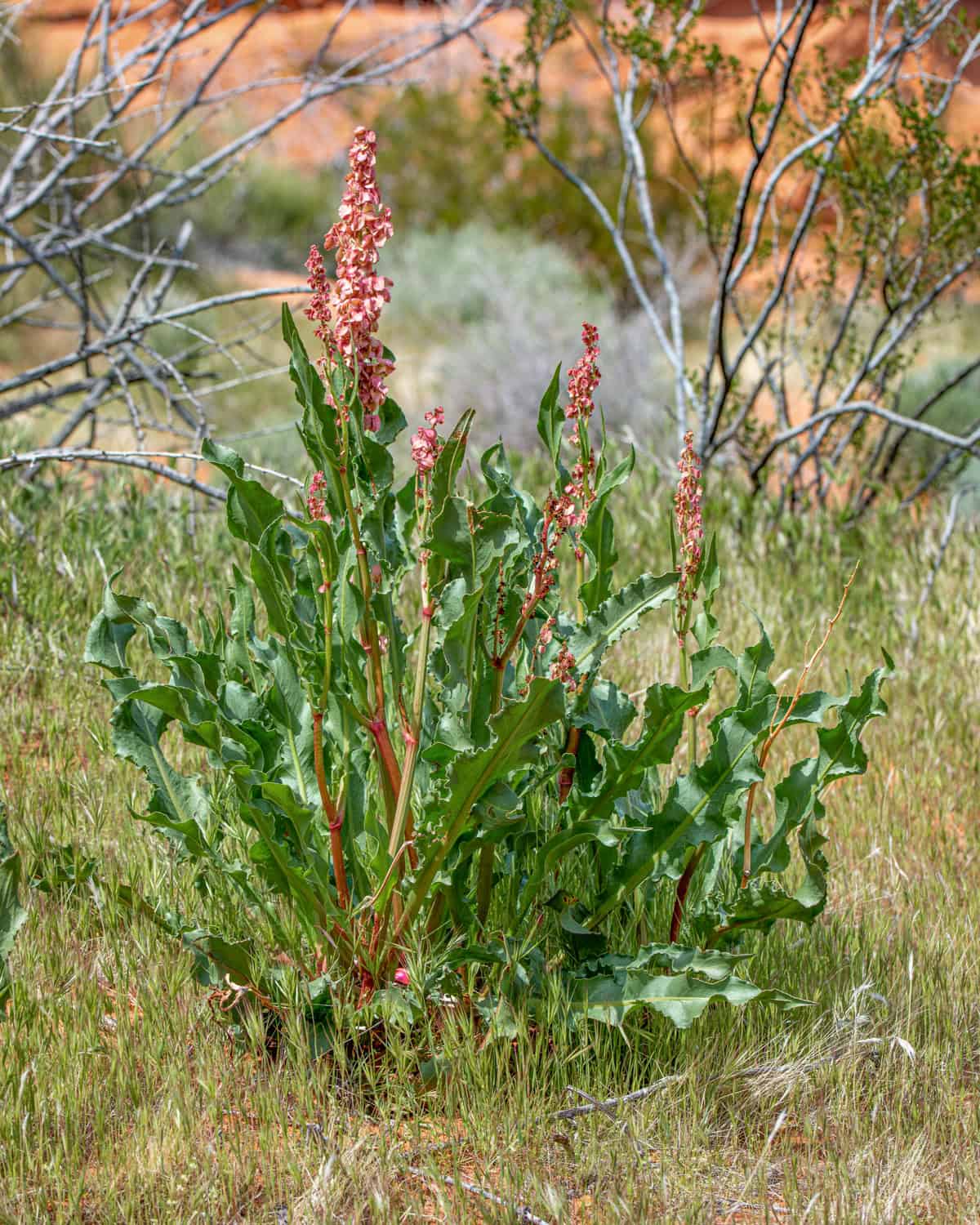
"The flowers, young seeds and stalk can be used for a tasty rhubarb-flavored treat. The stalk is by far the most substantial element and lacks the sour flavor of the garden variety rhubarb you may be used to."
"It tastes strongly astringent with slightly bitter and earthy flavors. Adding sugar and heat enhance the rhubarb flavor, largely hiding the natural astringency and bitterness. The result is an earthy and undeniably rhubarb flavor."
Edible Parts
Generally the leaves are the part of the plant most people will harvest for cooking but the stems and seeds also have their uses. Here's a quick synopsis.
Dock Leaves
Dock leaves are one of the very first leaves to come up in the spring where I live and can be harvested in great quantities if you find a good patch. The leaves cook quickly, and after a quick blanch they can be good gently warmed with butter and a pinch of salt. Keep in mind some varieties are much better than others. In the images I'm cooking patience dock.
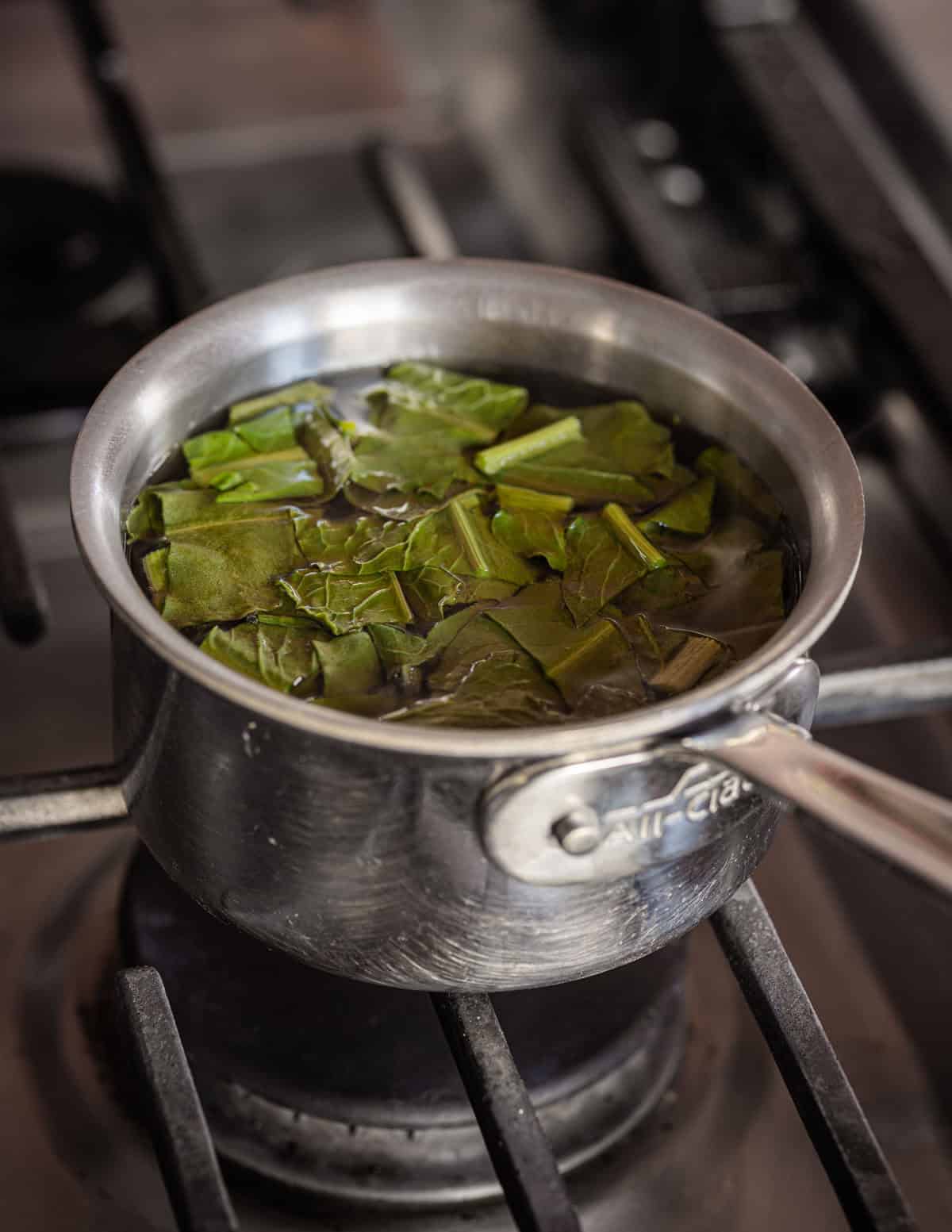
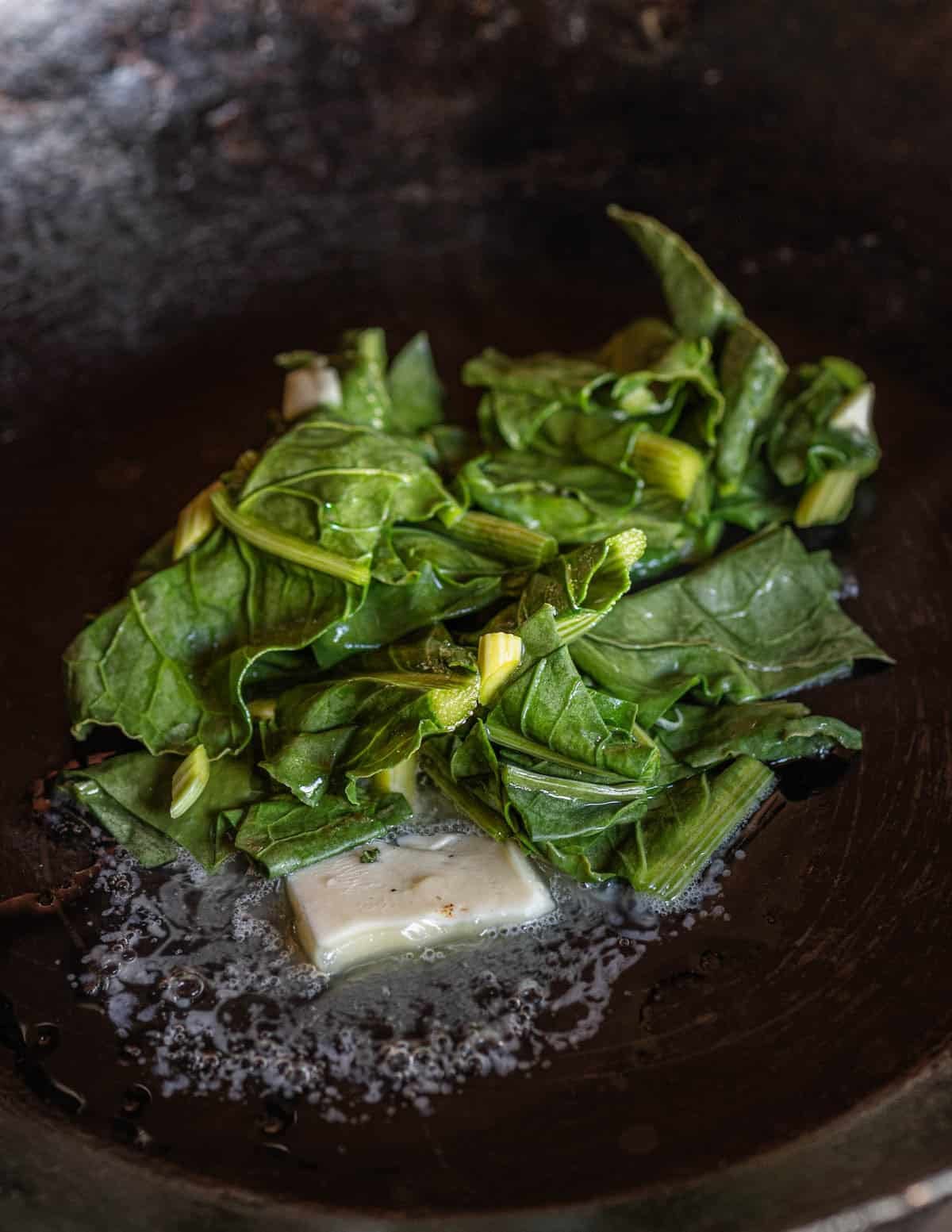
Like sorrels, dock leaves cook much faster than spinach or other greens. Their mild taste is not as sour as sorrel and they easily blend into the background of a dish. A quick boil is traditional and works to remove oxalic acid, which is something to keep in mind if you try to limit oxalates in your diet.
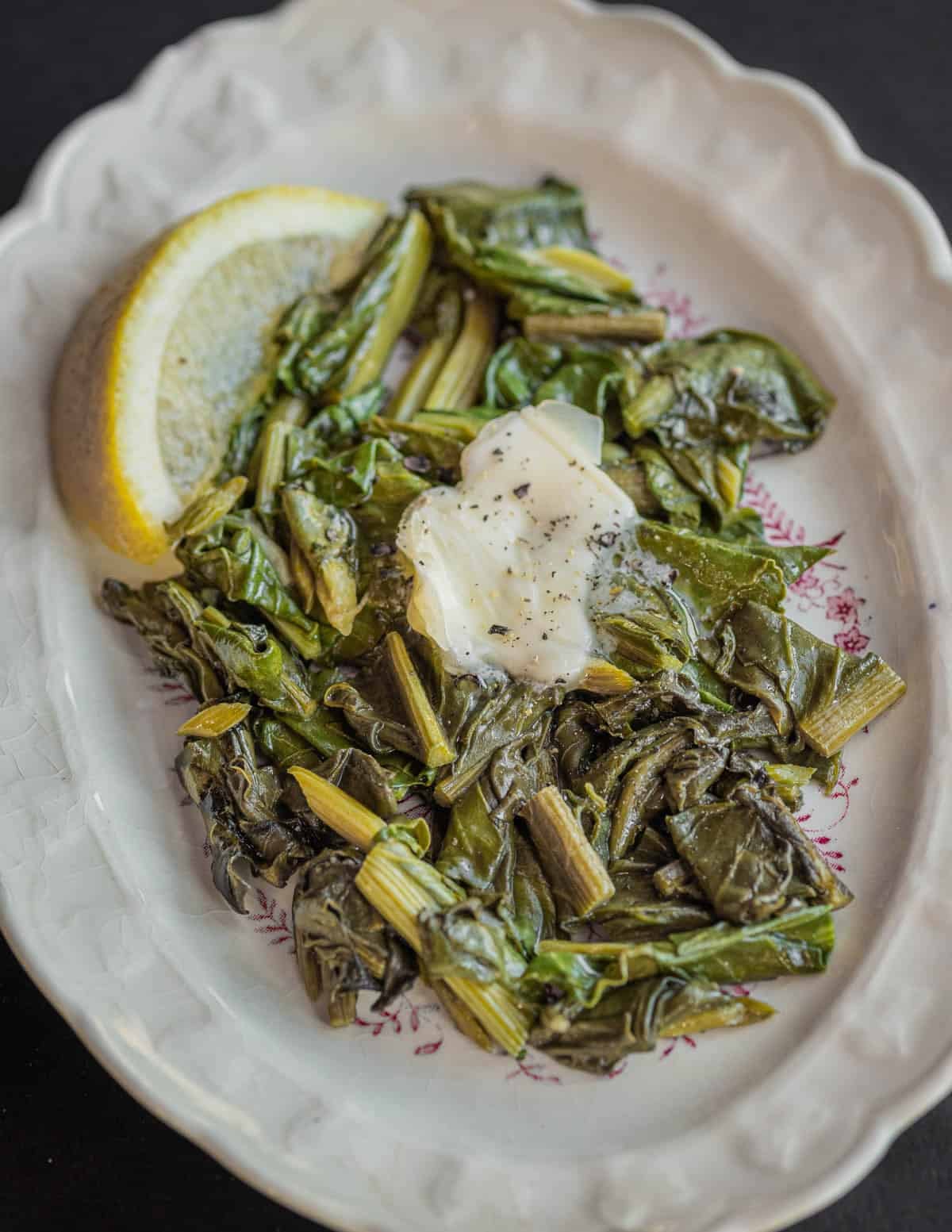
As the stems take longer to cook than the leaves, my favorite way to prepare dock leaves is to strip them from the stems, cook for a few seconds in boiling water, season and eat.
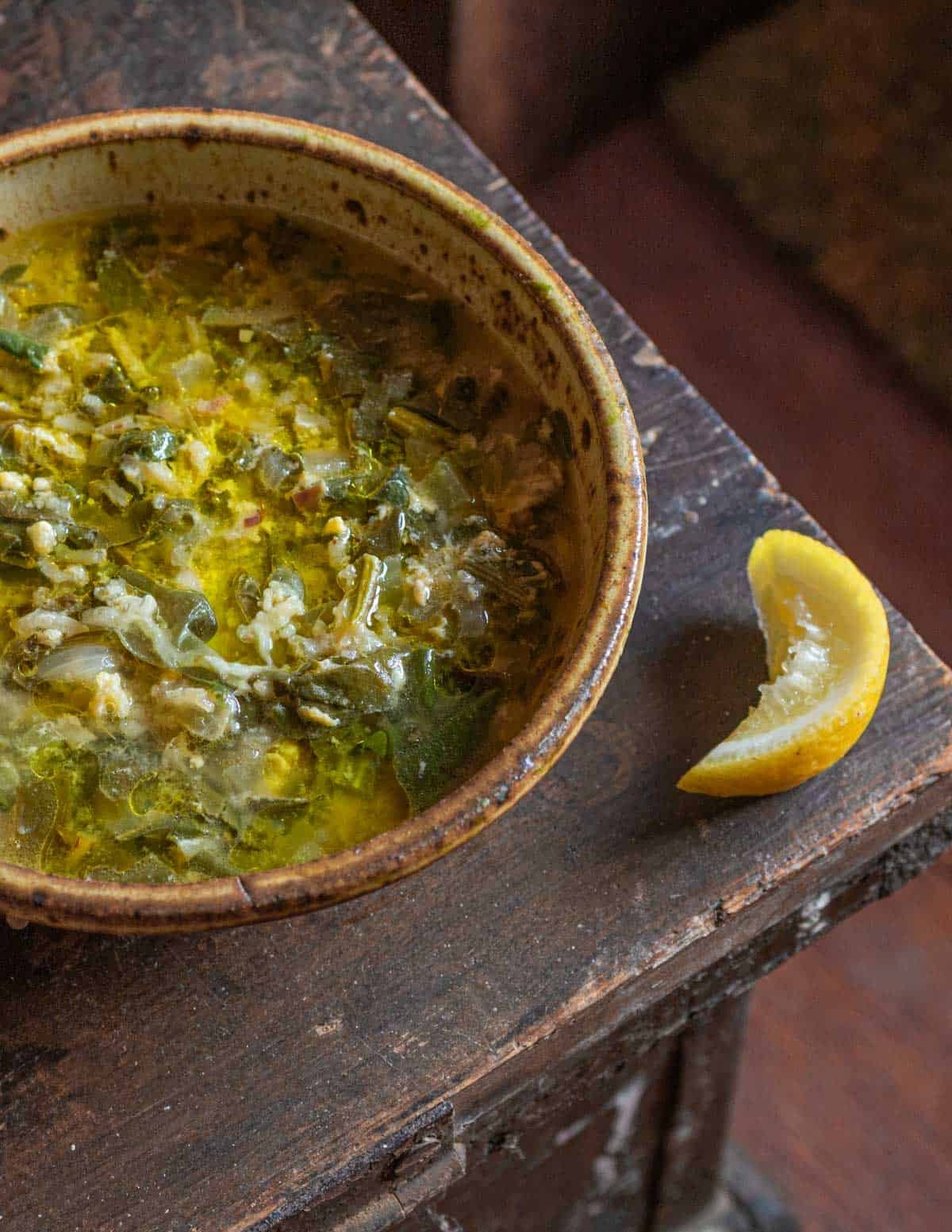
The first young leaves I harvest cook up succulent and tender in seconds if the stems are removed. They also make a good soup vegetable and I like them in a simple Greek inspired broth with rice, lemon and beaten egg.
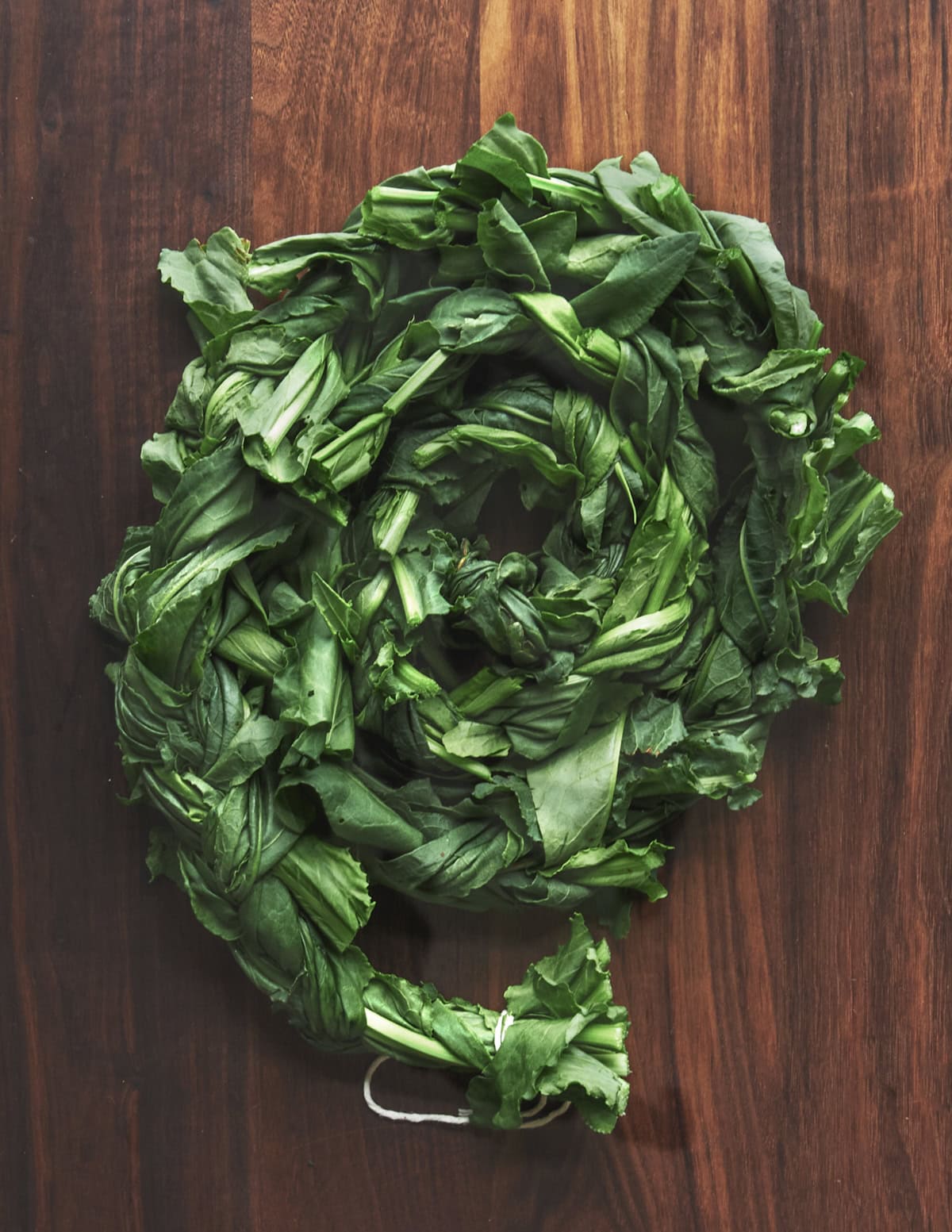
When they're long enough to braid (but not old enough that the bugs have perforated them) I love making them into aveluk, the Armenian preserve of dried, braided dock that's rehydrated and cooked in soup. For more on aveluk see my post linked at the end.
Large, mature leaves can also be stuffed. To make stuffed dock leaves, dip the leaves in boiling water for a few seconds to tenderize them and roll up with a small amount of filling and cook like your favorite dolma / sarma recipe.

Stems
The stems can be trimmed, or removed entirely from the leaves for the most tender result, although either way works. With mature plants there can be a lot of stem. With a little knife work you can transform them into a unique vegetable dish all by themselves.
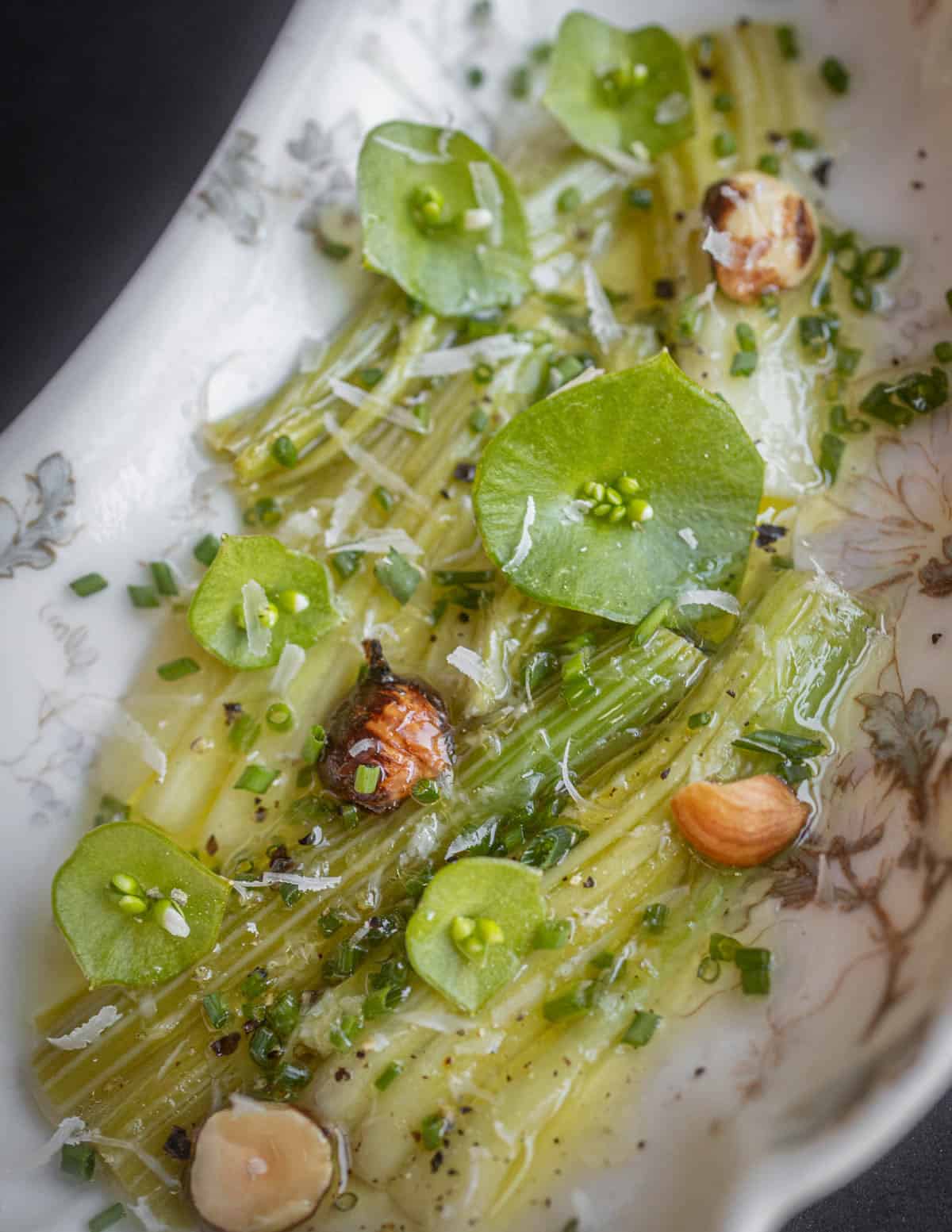
I call these dock creatures and it's a fun technique borrowed from Pascal Baudar. Take thick dock stems a few inches long and make impossibly thin cuts with a sharp paring knife nearly to the base so they hold their shape. Soak the cut stems in ice water to make them curl. This is also demonstrated in the video.
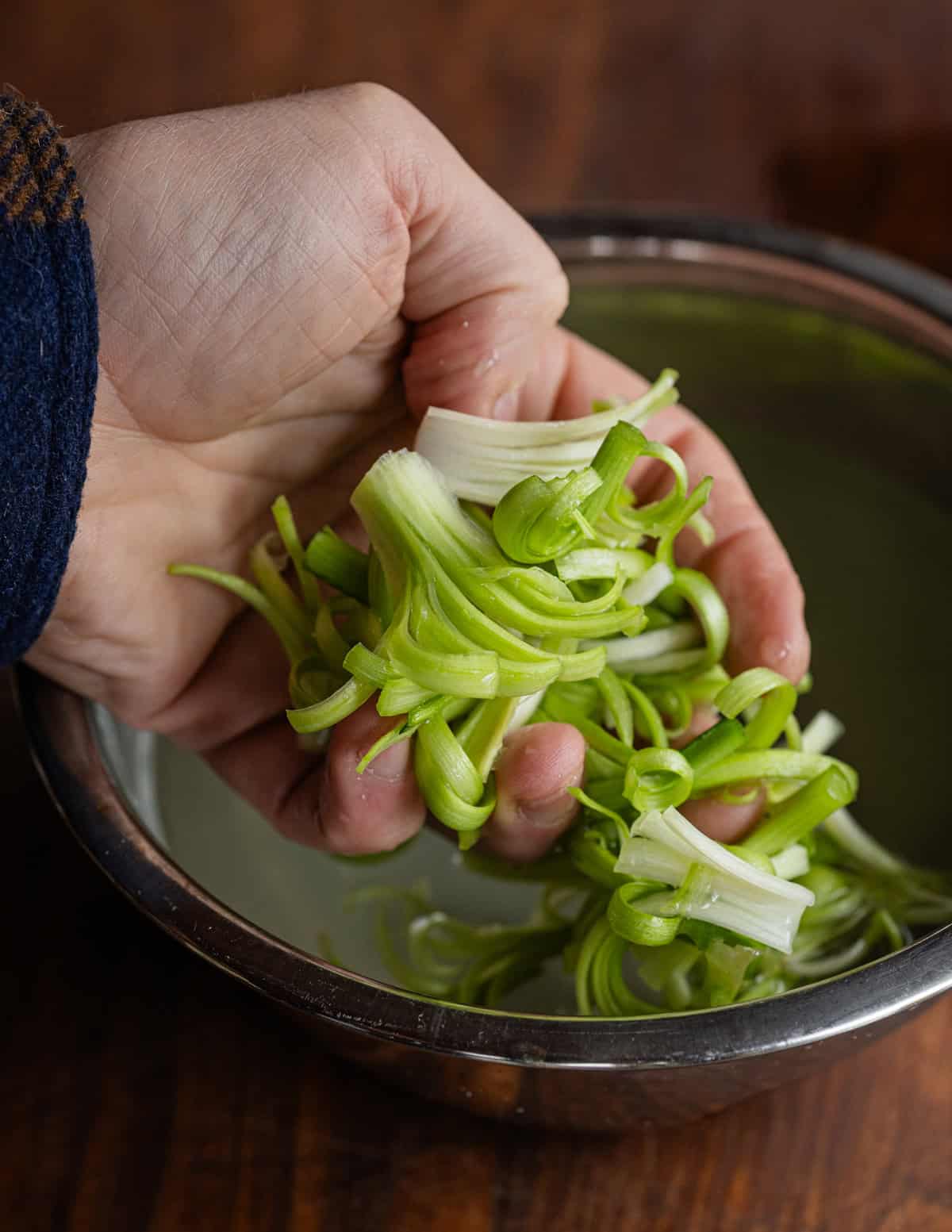
You can serve the curled stems tossed in a vinaigrette raw, or blanch them for a few seconds, chill, marinate with oil, lemon and herbs and serve as an appetizer, for a few ideas.
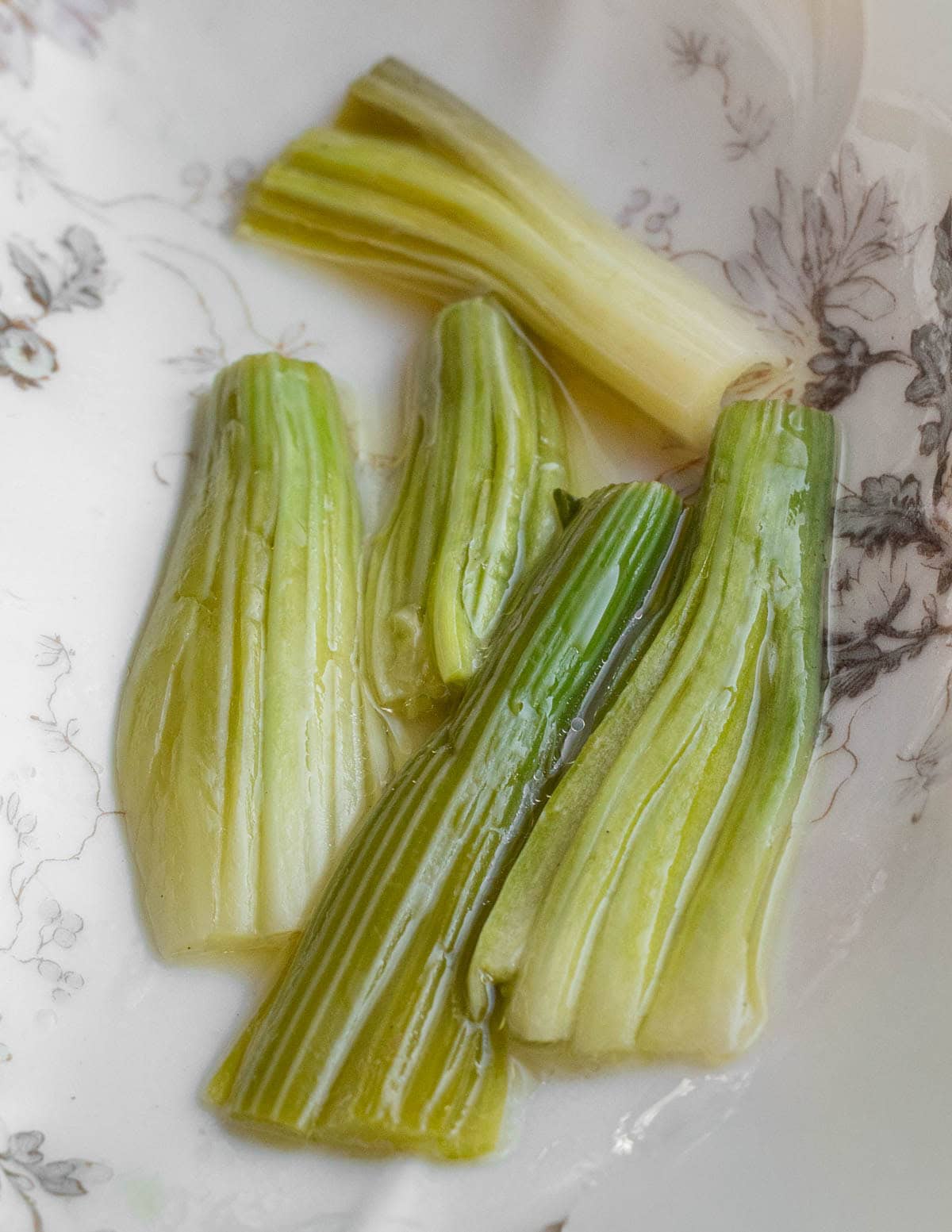
If making impossibly thin cuts in a stem sounds like too much, you can always chop the stems up and use them in soup, or leave them attached to the leaves.
Unripe Seeds
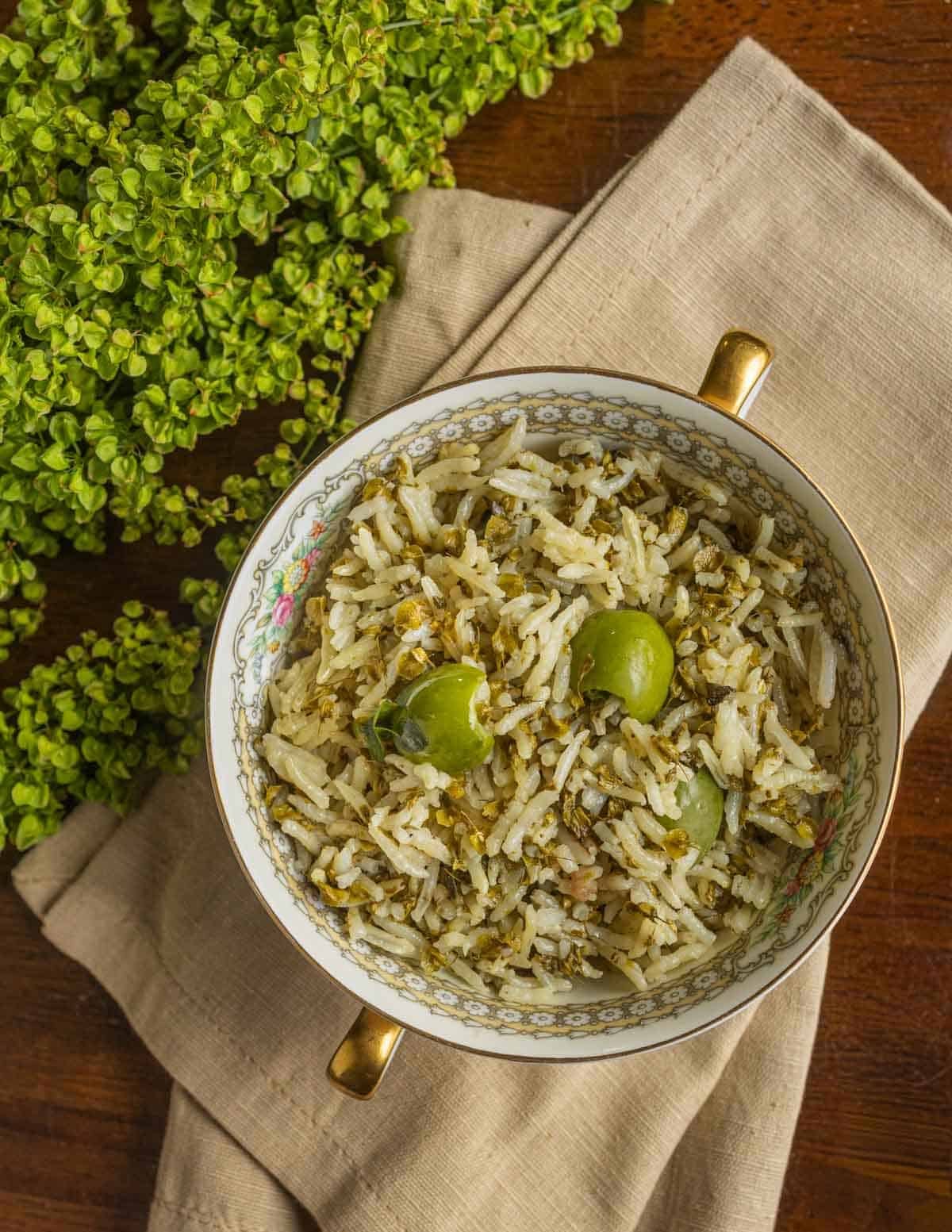
Probably the most obscure edible part of the plant, a friend on Instagram tipped me off years ago that the tender, unripe seeds in their husk make a nice addition to a pot of rice.
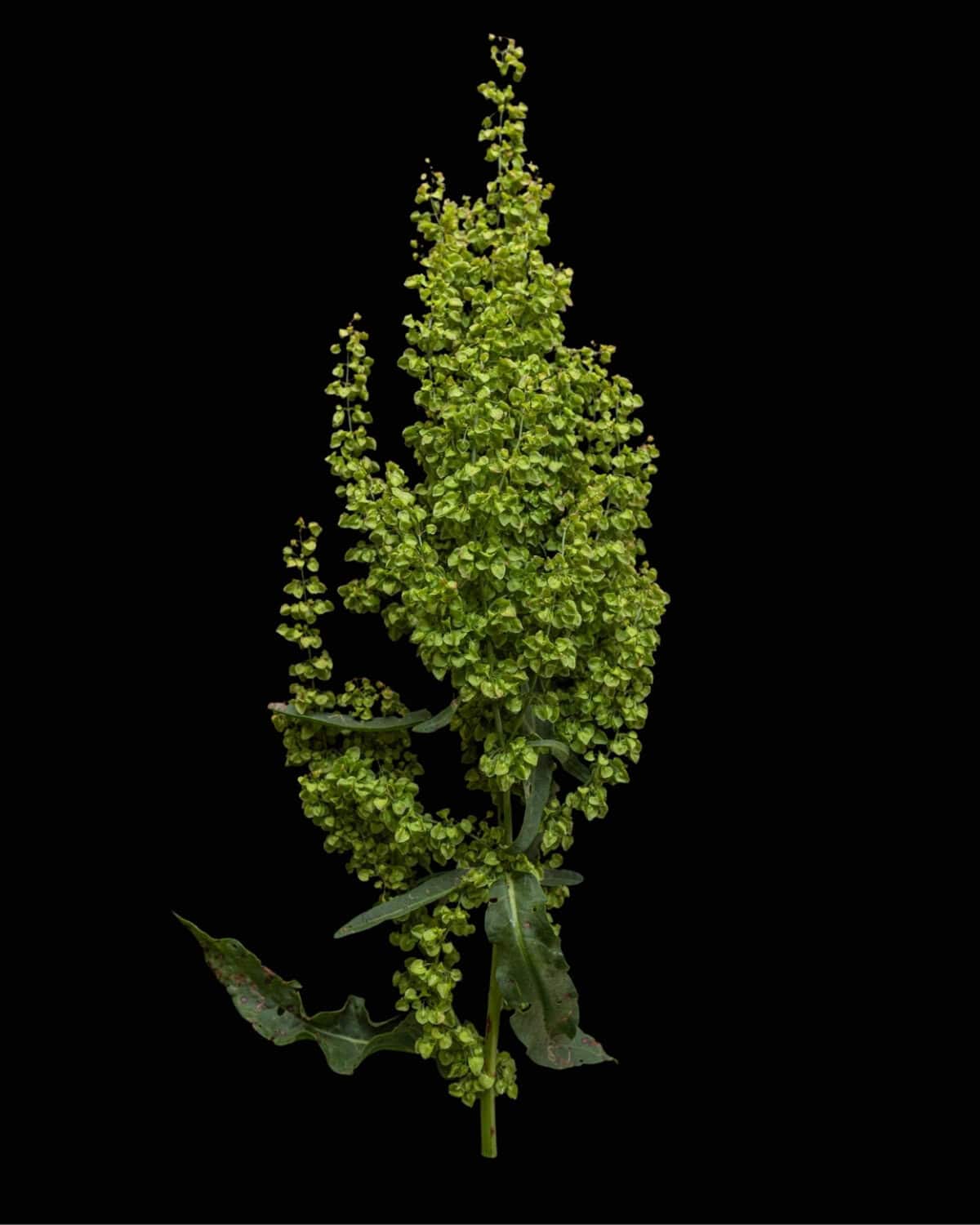
It's important to harvest the seeds when young and tender, and you want to inspect the green seed heads carefully as it's easy to confuse them with the flowers which are slightly tough, astringent, and appear a week or two before the unripe seeds. Besides rice I've also added to soups, and they're not bad steamed and tossed in a grain salad.
Mature Dock Seeds
Around the middle of summer where I live the roadsides will be filled with tall, brown dock seed heads.
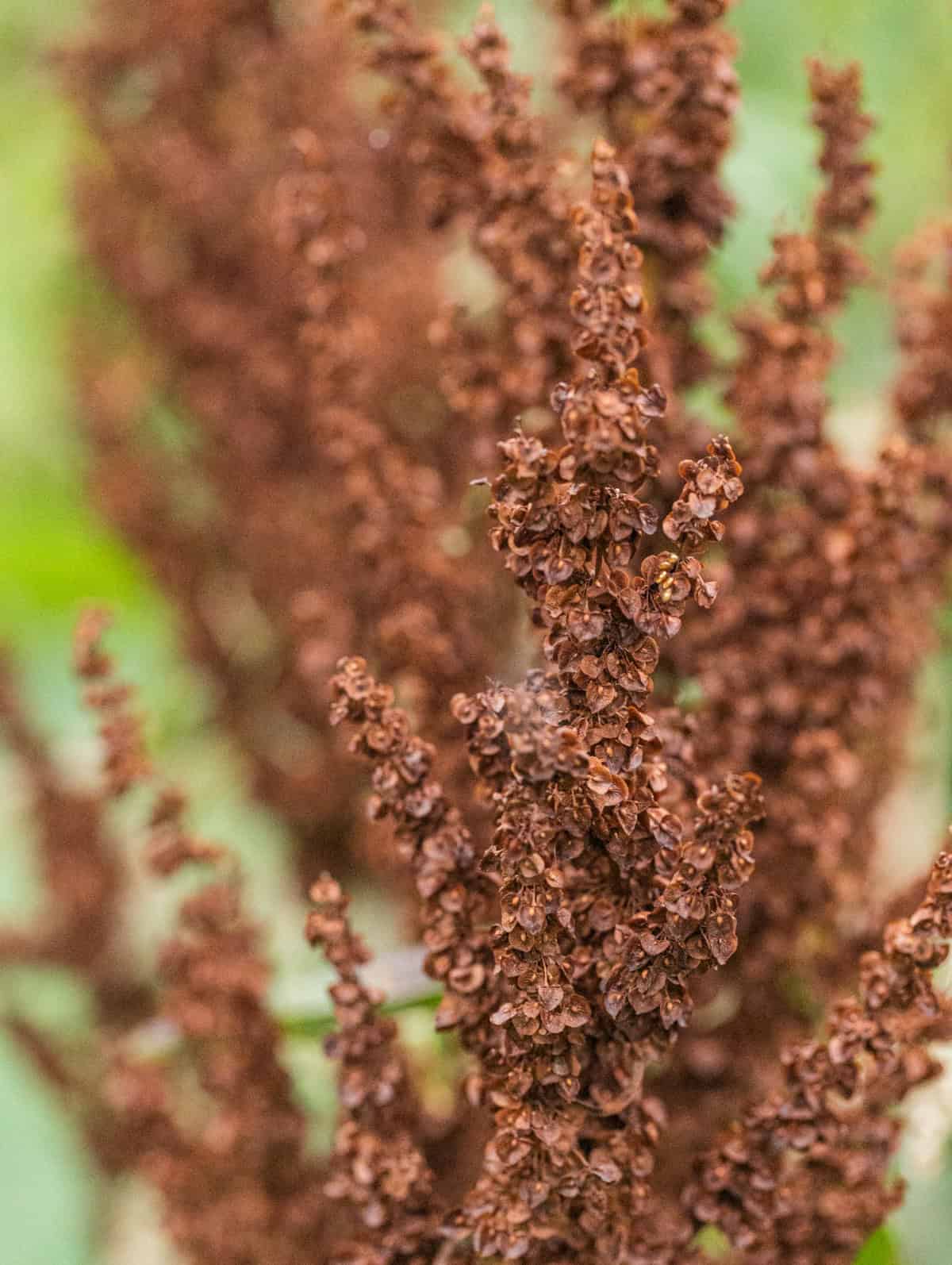
The seeds, along with the brown papery chaff, are well known as a sort of primitive flour among foragers. The chaff provides no food value, but winnowing it is a chore and I've never bothered with it. The seeds by themselves are bitter unless they're leached.
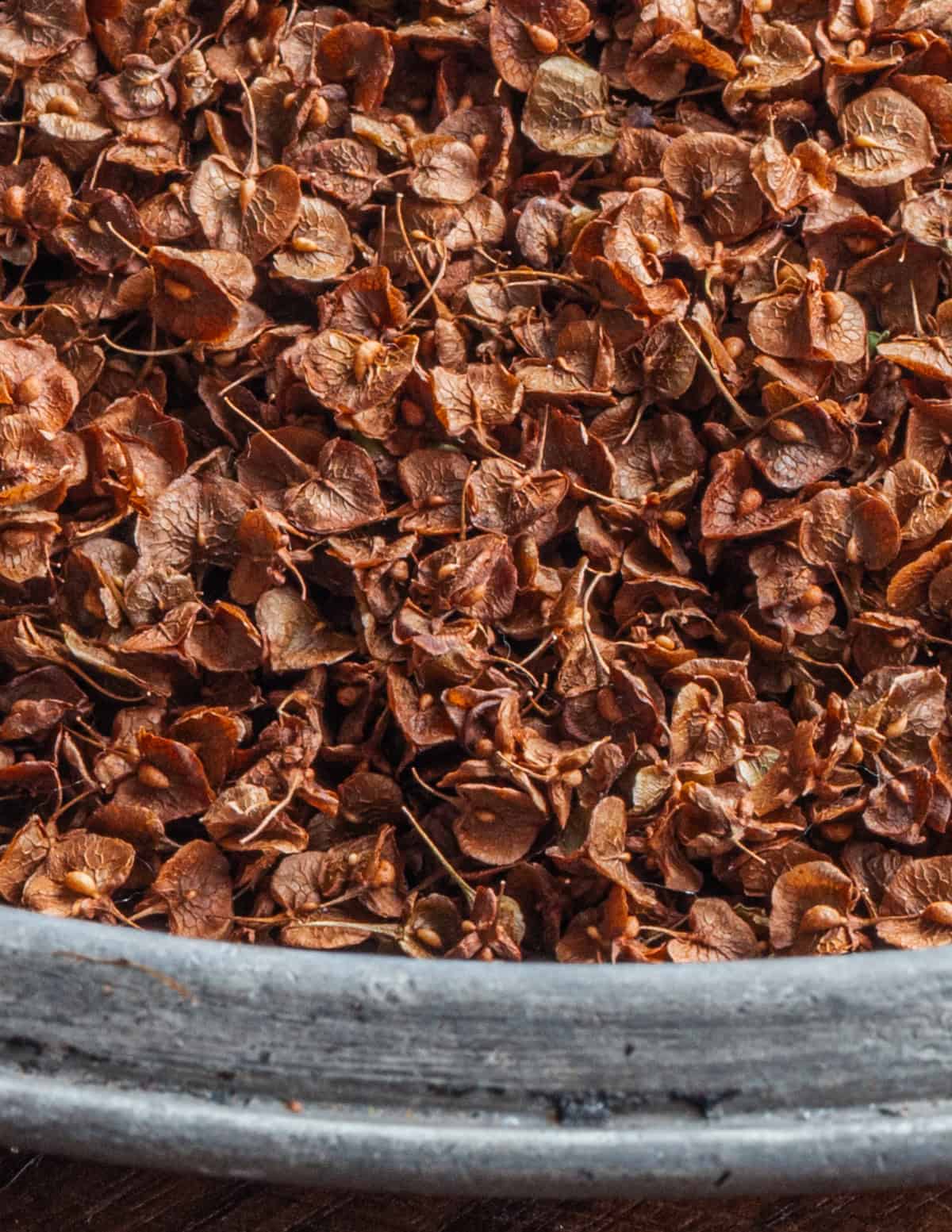
Calling it flour is a bit of a stretch as it's technically mostly ground chaff, but as long as you keep the percentage of it around 25% of the total flour weight in baking recipes it can make an interesting addition to breads and doughs.
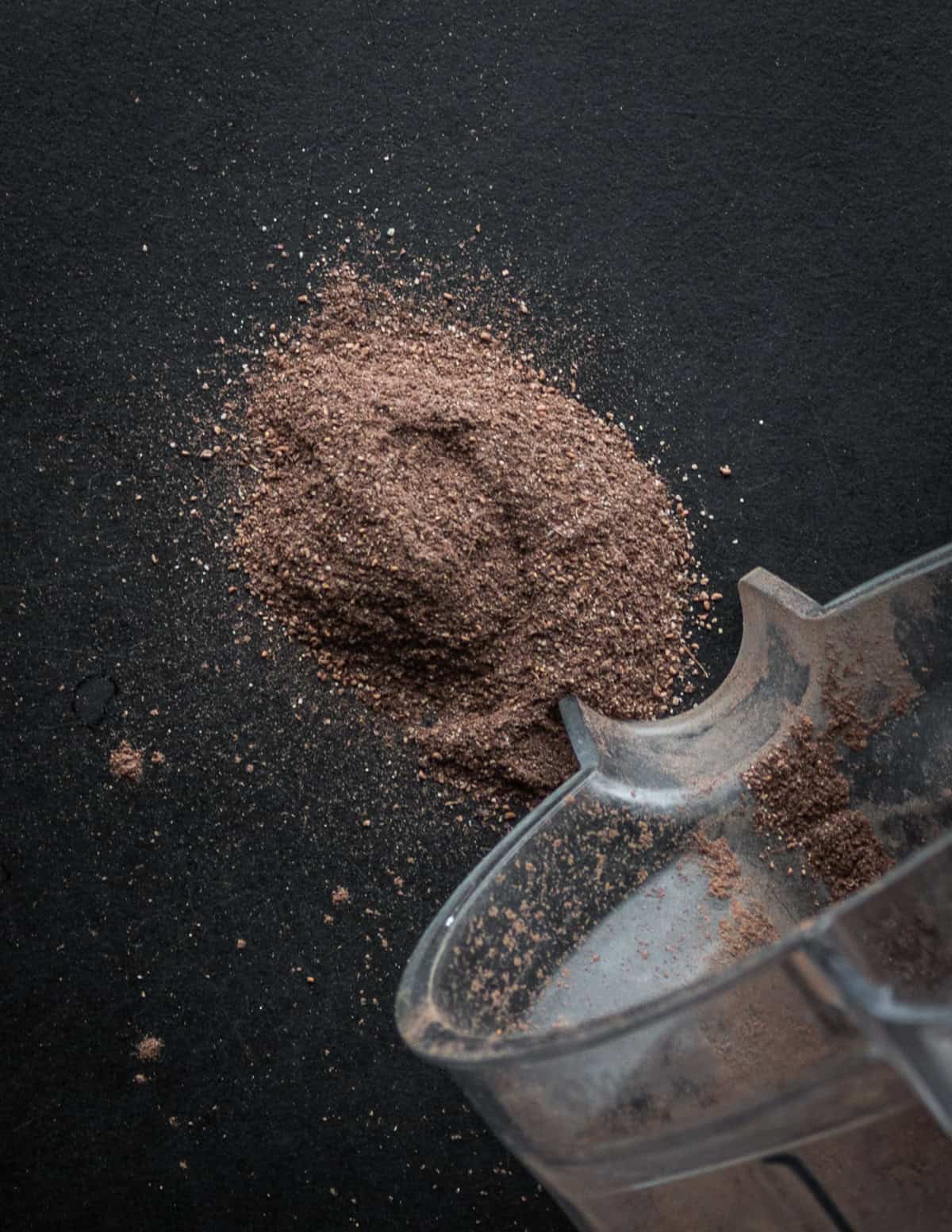
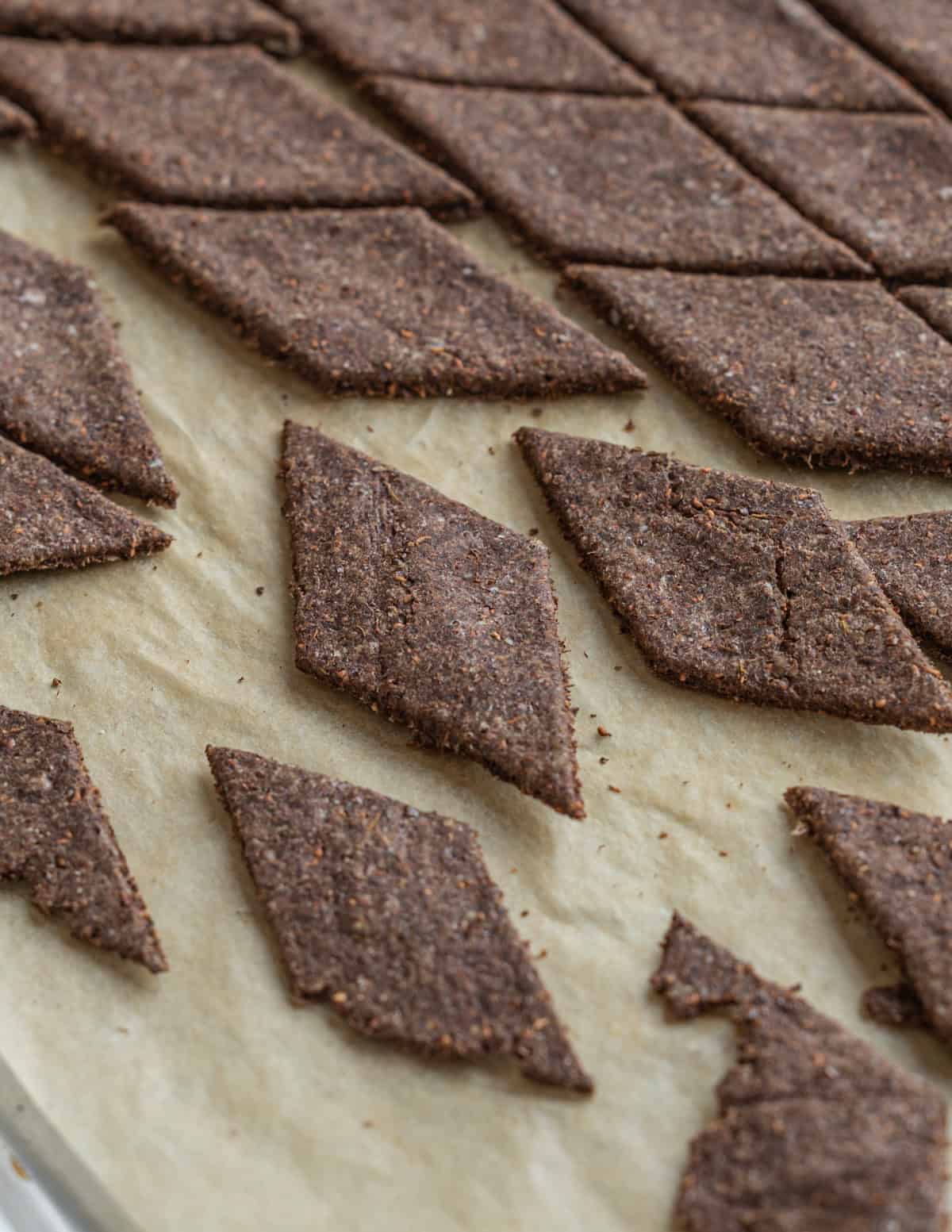
Rustic crackers are probably the most well known dock recipe, but I've used the flour in everything from breads to pasta, spaetzle and crepes. It lends a brown color and a mild flavor I compare to buckwheat flour.
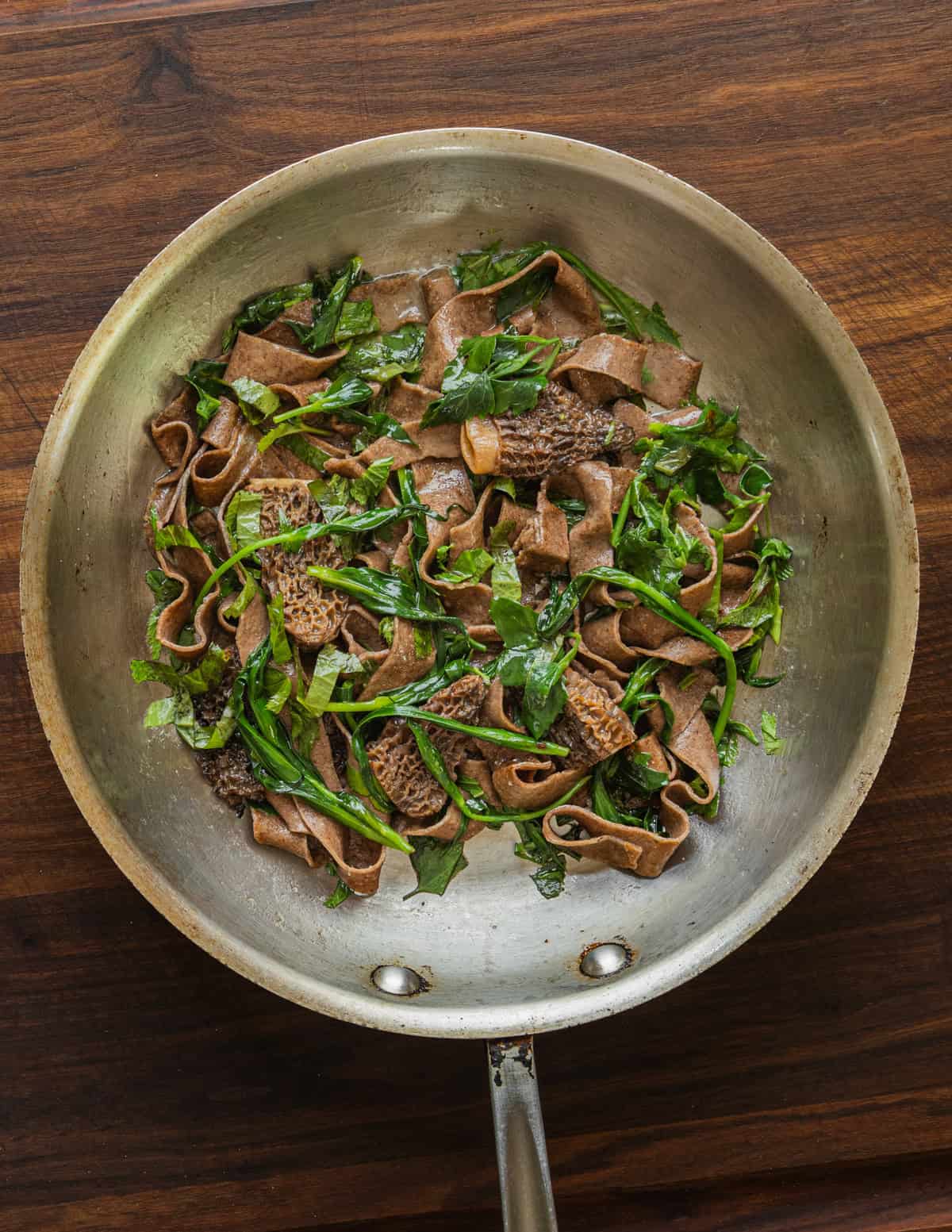
I love hearing your comments on thoughts on plants and what all of you do with them around the world. Do you harvest docks and sorrels, if so, what do you like to do with them? Let me know in the comments.
General Cooking Tips
After cooking with the plants for over a decade now I've learned a lot. Here's a few things that are good to keep in mind.
- While many resources will say the leaves can be cooked like spinach, they will always be softer, and all species eventually lose their bright green color. Young leaves with slightly curled margins are the best for eating fresh.
- To make the texture more palatable to newcomers, cooks the leaves in a blend with other edible plants.
- The gently tart flavor can make a good substitute for sorrel in dishes like sorrel sauce. Add some extra lemon juice to account for the more mild flavor.
- Young leaves are more mild tasting than older ones. Mature leaves are best braided and dried to make aveluk. Drying and soaking before cooking enhances the texture and calms bitter, astringent flavors.
Related Posts
- Aveluk: Armenian Dried Dock Leaves
- Dock Seed Flour and Crackers
- Medditeranean Dock Soup with Rice, Egg and Lemon
Leave a Reply