
One of the first things a chef let me put on a menu was a seasonally changing risotto. I'd make a litany of different versions throughout the year, but a spring risotto made with a variety of green vegetables known to cooks as "the green machine" was one of the best. It's also probably the most complex risotto I make, doubling as a study in how I combine multiple vegetables into a dish. Even if you never make risotto you'll probably pick up a few tricks reading about the process.
Spring Vegetables
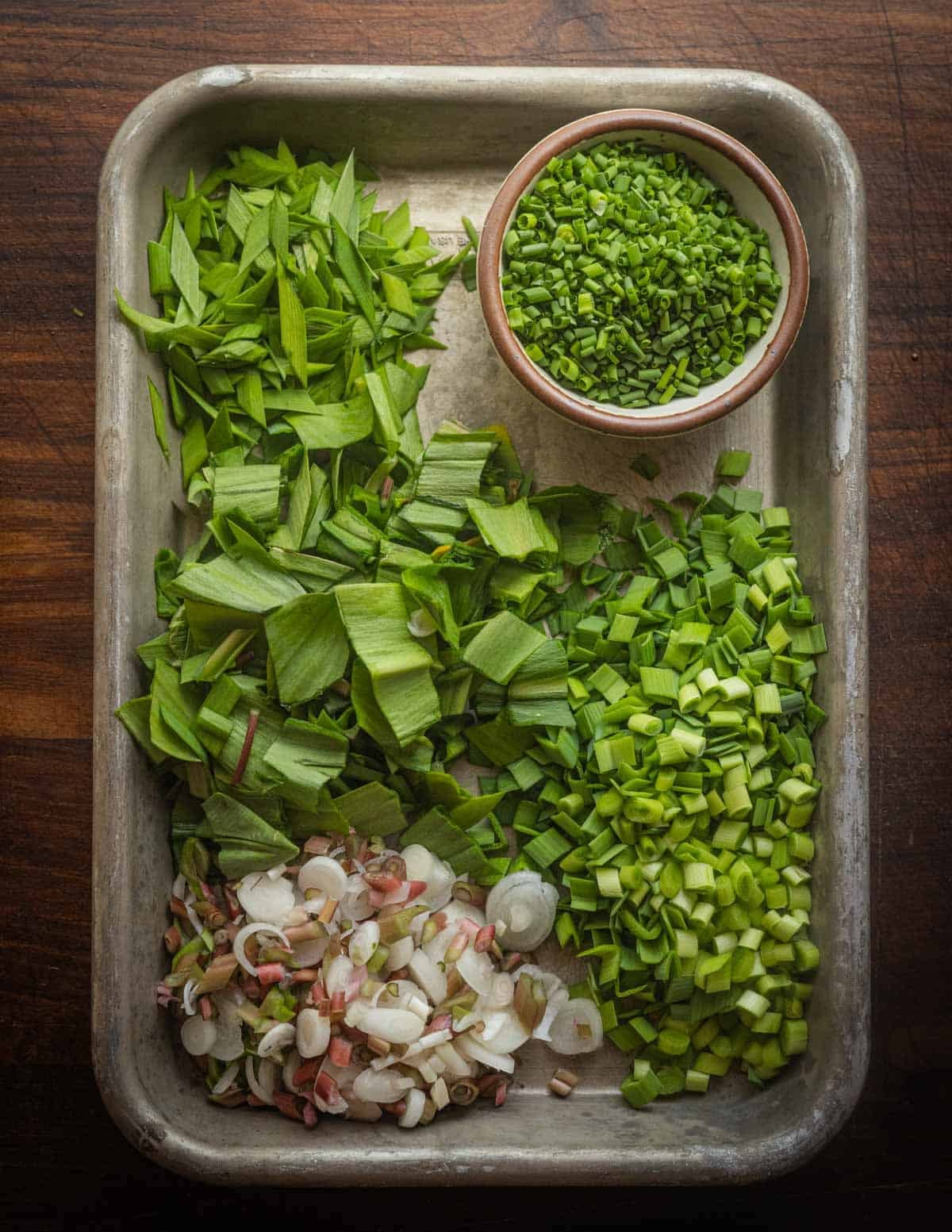
There's lots of wild and cultivated vegetables to choose from as long as they're green and can be cut into a shape that blends well with the rice. One blend I used this week is shown below.
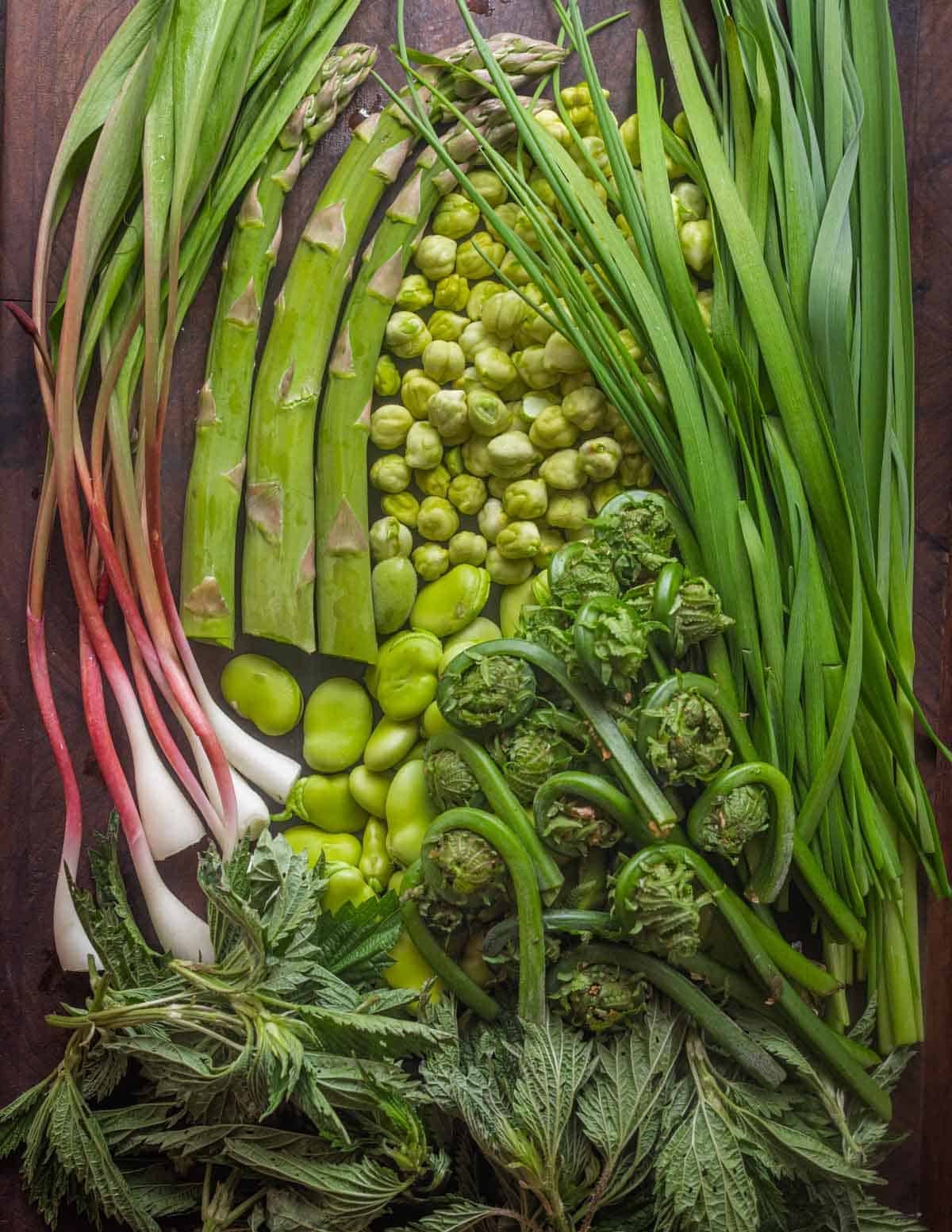
Asparagus is a shoe-in, as are green legumes like fava beans, snap, shell, or snow peas. One I use here you may not have heard of are green chickpeas, which are like firm peas without the sweetness.
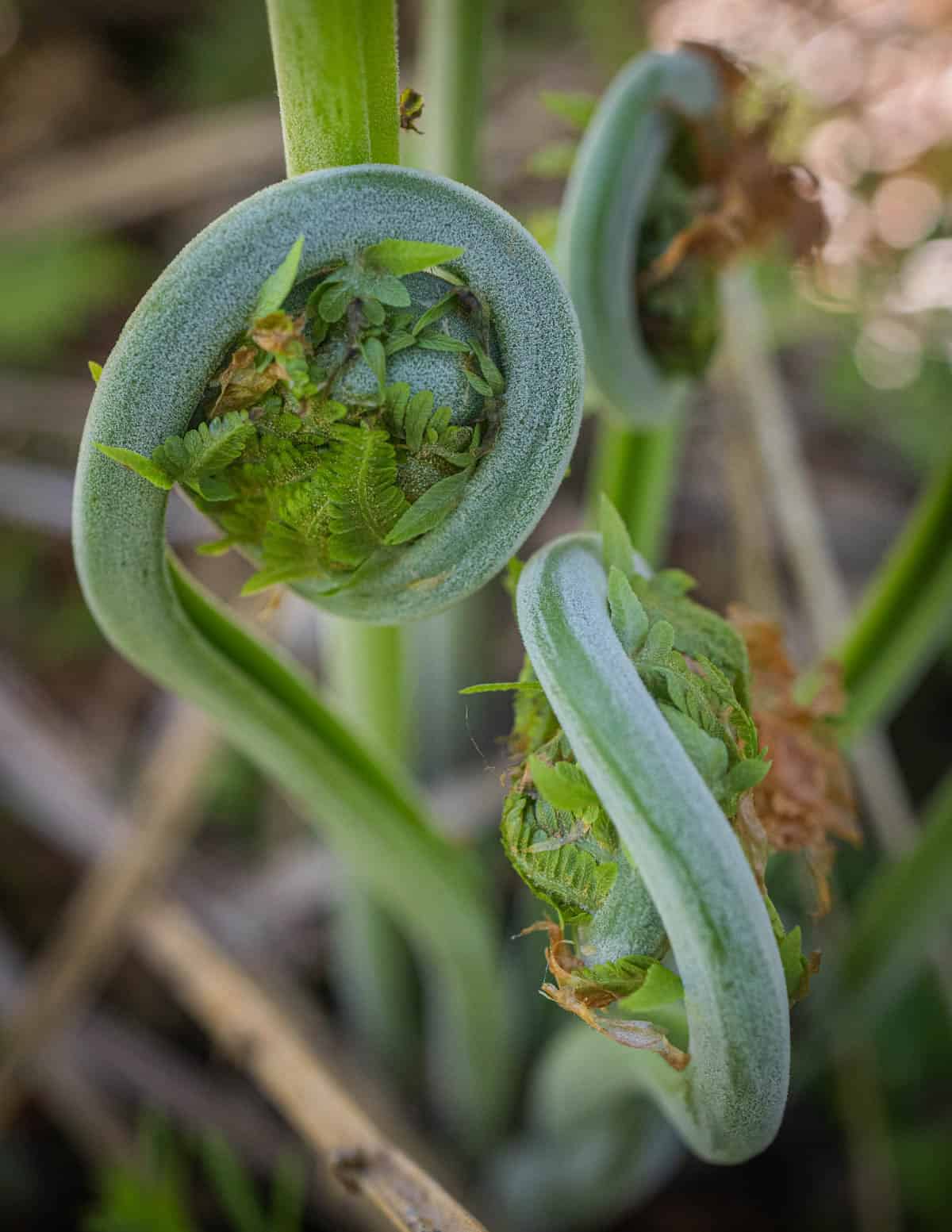
Other things I love to add are fiddlehead ferns and the shoots and stems of things like thistles or milkweed, elm samaras, hop shoots, or the young tops of stinging nettles, finely chopped.
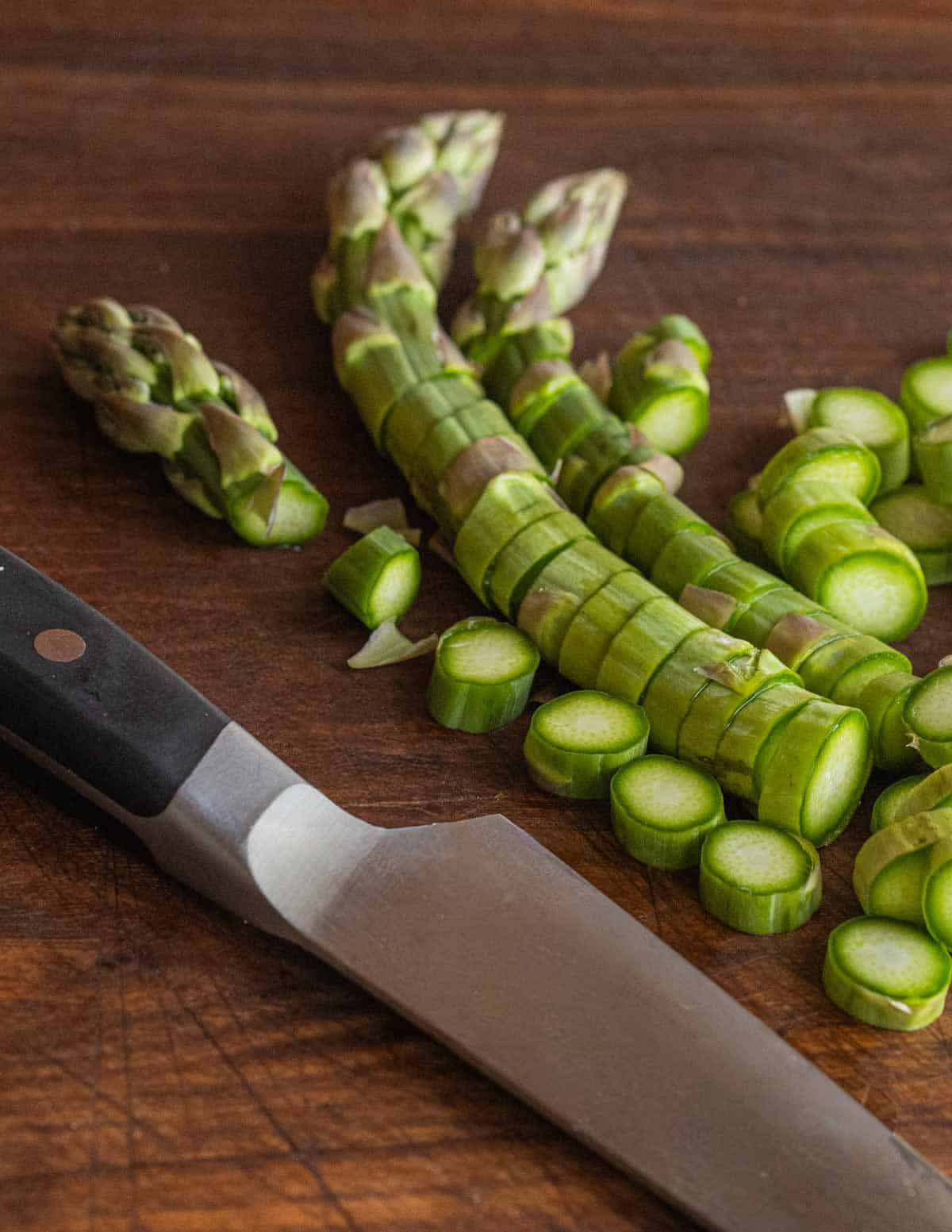
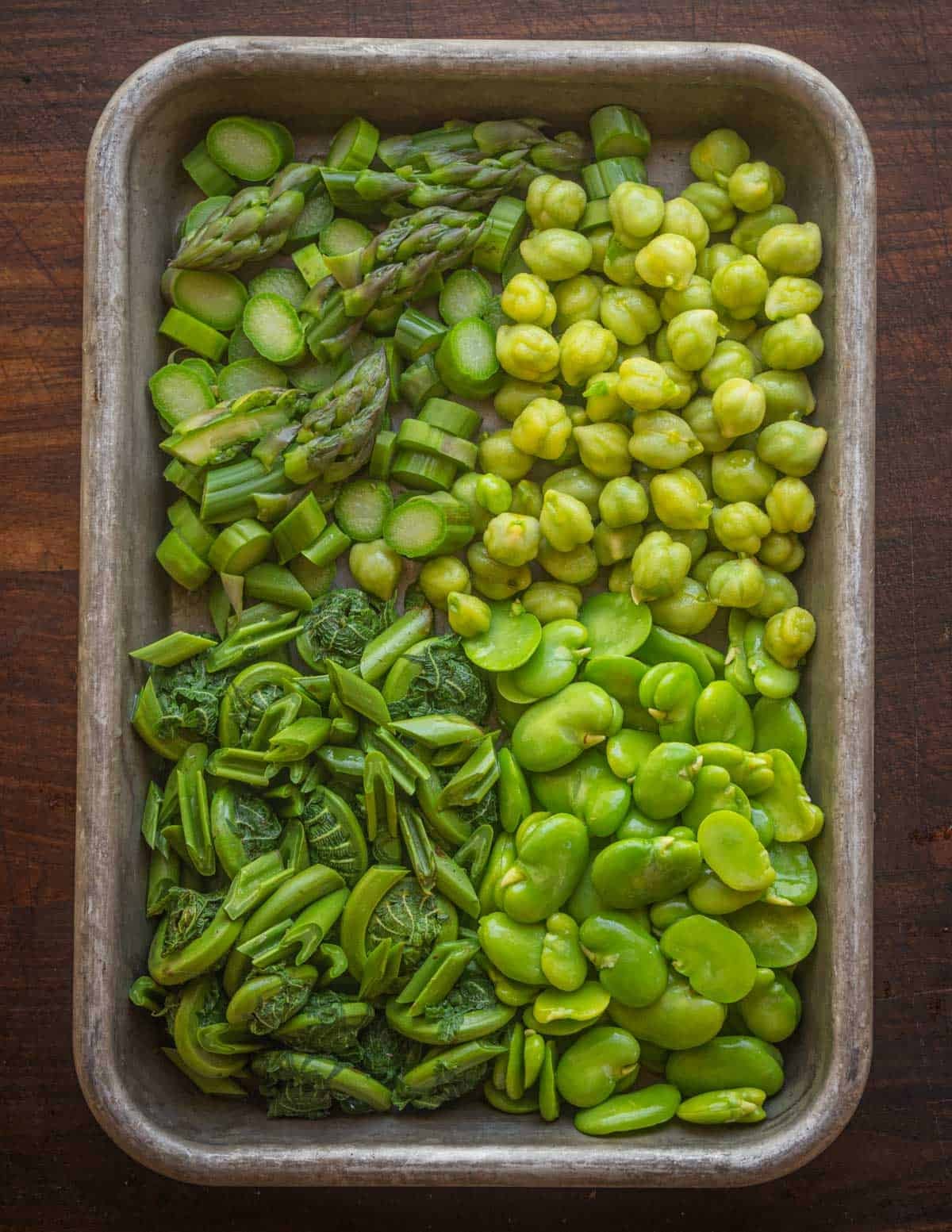
One thing that never changes is that everything must fit on a spoon after cooking. Asparagus should be cut in thin rounds or on a bias, fiddlehead stems should be trimmed to ½ inch pieces, peas and favas can be left whole. Leafy greens can be whole, finely chopped or pureed, depending on size.
Alliums
Young green alliums explode in the spring and I like to use a mix of them here. In my yard I had green garlic, nodding onion, chives and ramps, but if all you have is a small yellow onion or a shallot that's fine too.
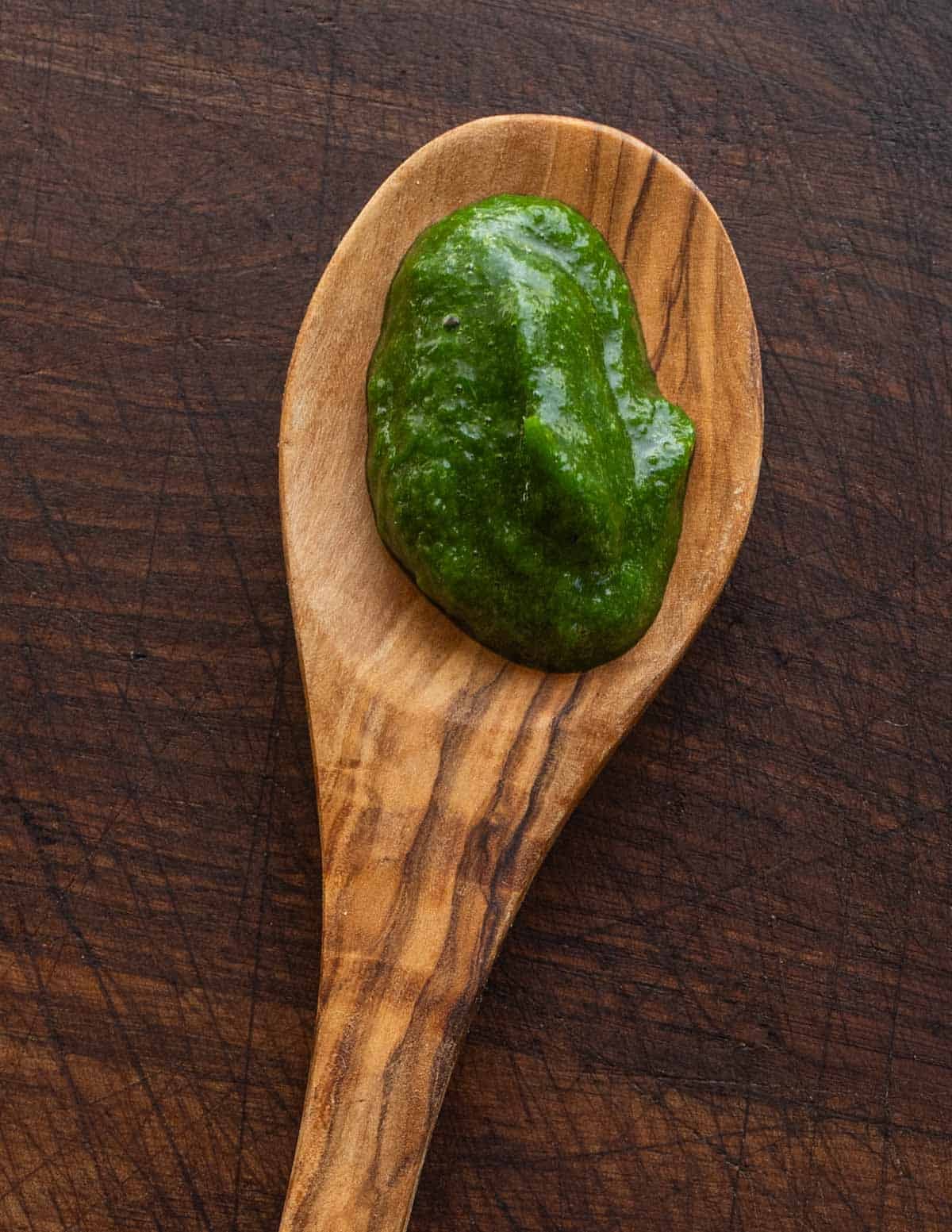
Finally, the namesake "Green Machine" comes from adding a few spoonfuls of blanched, pureed greens at the end of cooking for a color that screams spring. Spinach works fine, but ramp leaves are my favorite, being one of the few Allium greens that can make a smooth puree.
How to Make It
First, every vegetable needs to be individually blanched. Blanching locks in the bright green color, but also brings each vegetable to the same stage of doneness.
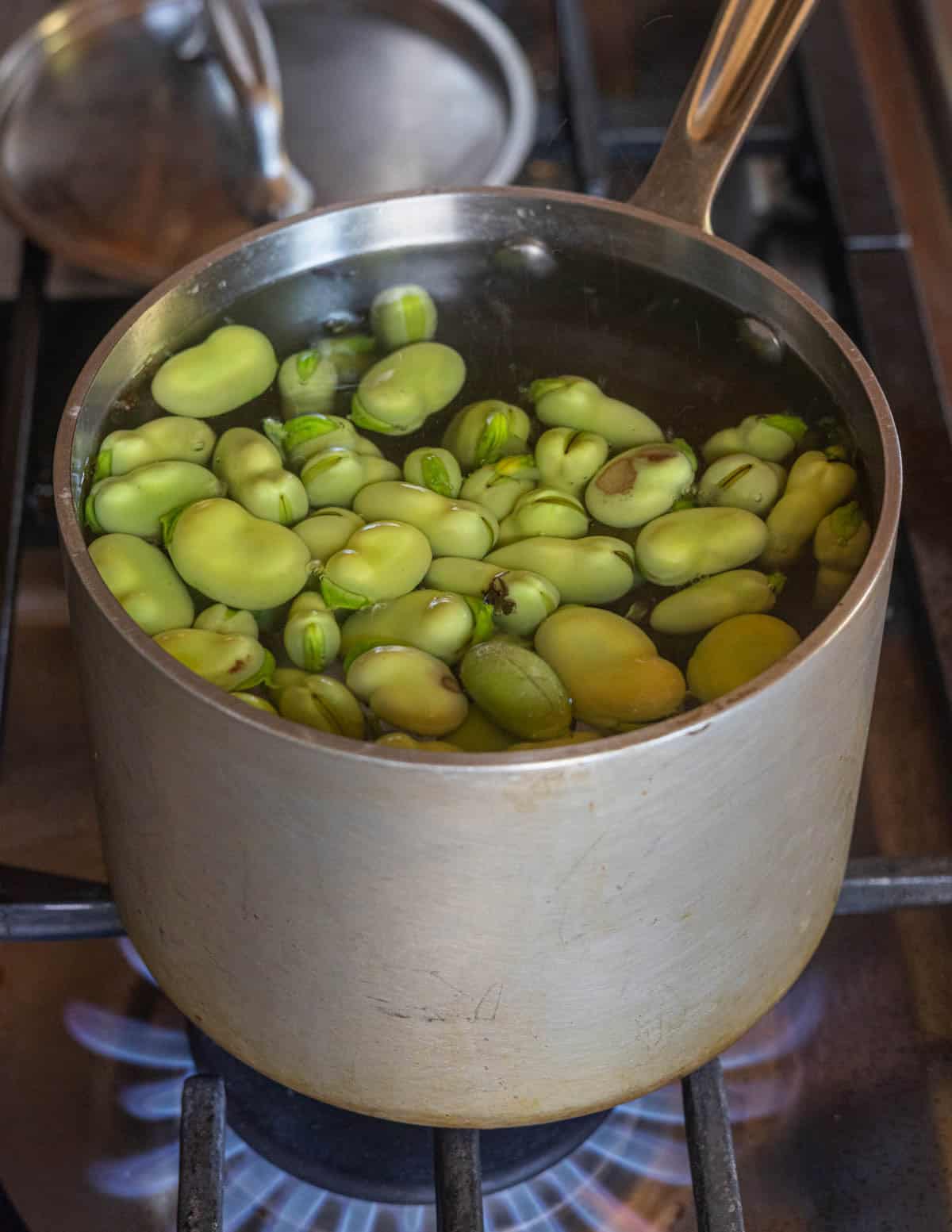
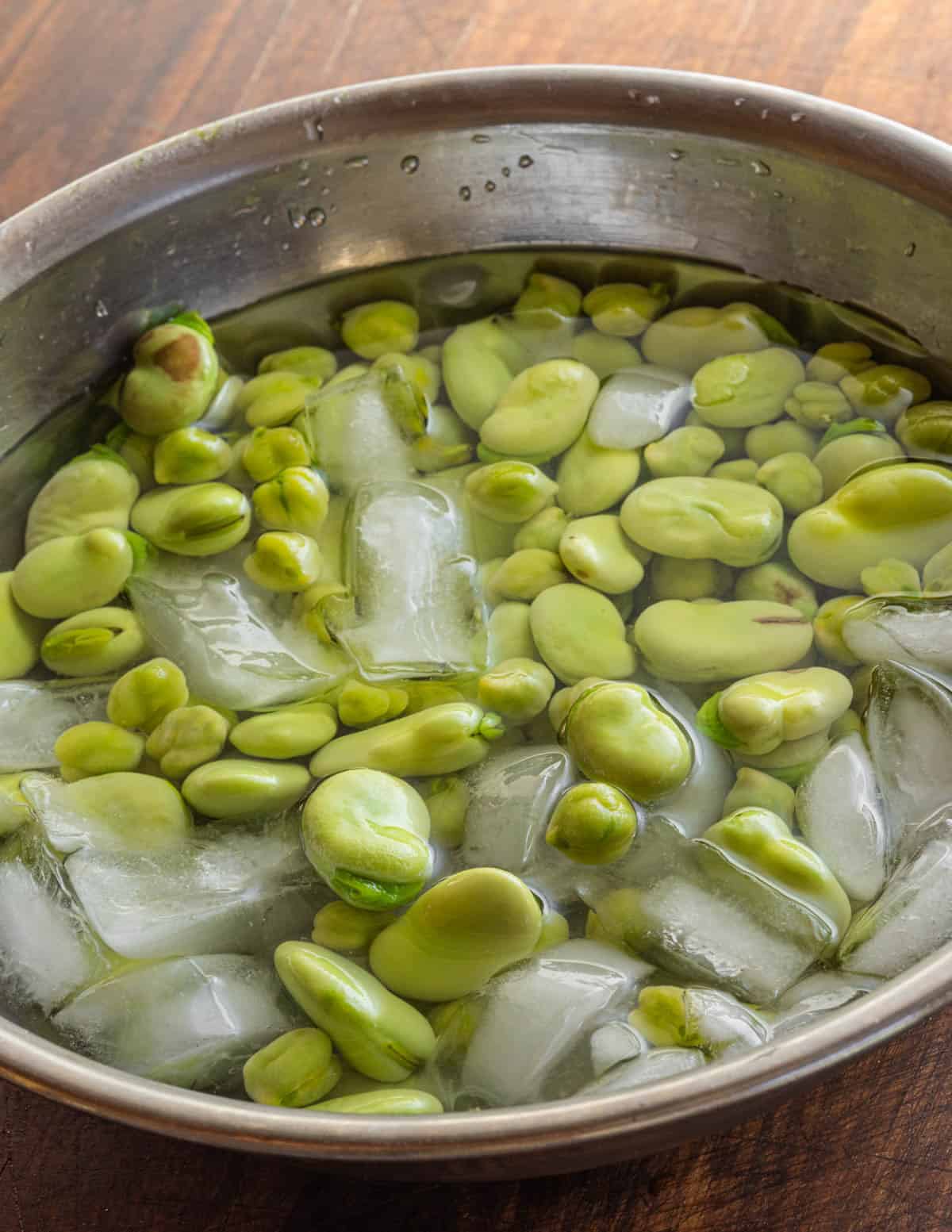
A quick dip in boiling, salted water-30-60 seconds and a shock in an ice bath is all it takes. After the vegetables are blanched they're folded in at the last minute to keep them green and fresh.
Once the vegetables are prepped I like par-cook my risotto rice. This is optional, but cuts the final cook time down to under ten minutes. Every kitchen I worked in par-cooked their rice, but again, it's optional.
The first, step, known as the tostatura, begins with sweating alliums in oil until softened, then adding the rice, stirring to coat with the oil and lightly toasting the rice. After a minute or two a splash of white wine is added, known as the sfomatura. Then you begin the cottura: adding hot stock a ladle at a time, waiting until the liquid is absorbed before adding more.
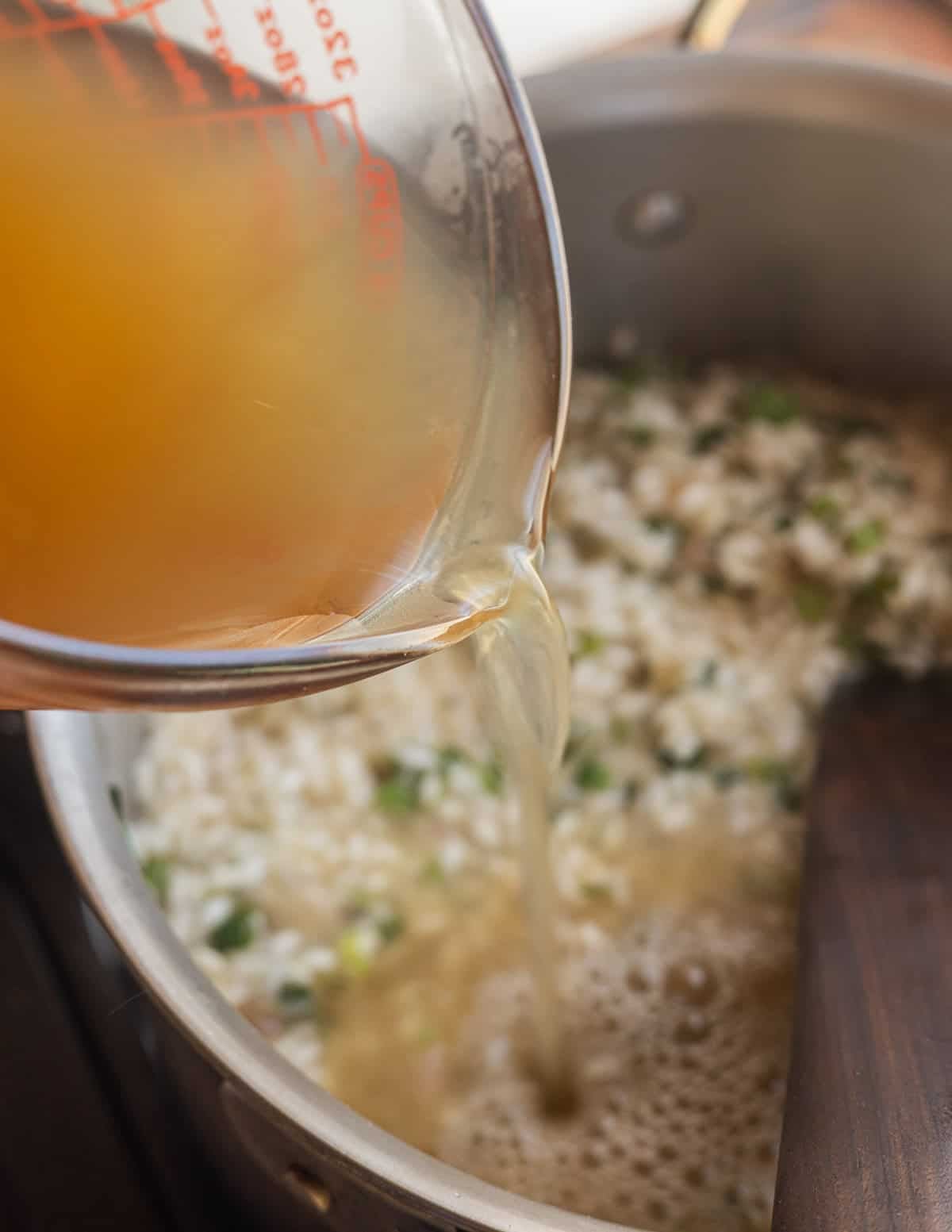
While I use chicken stock, green legume shells and asparagus stems can make a great vegetable broth. A clean-tasting vegetable broth takes some finesse so I included my method in the recipe notes. The method might surprise you-take a look.
When I can see the bottom of the pan while stirring I know it's time to add another ladle of stock. On the topic of stirring, only wooden utensils should be used to stir risotto as metal tongs or spoons can cut the grains of rice.
When the risotto is about 75% cooked I remove it from the heat. Preference comes into play here: just remember cooking the rice less gives you more control over the finished product. You can estimate the doneness by the amount of liquid absorbed by the rice. If you start with 4 cups, after using 3 cups the rice should be done.
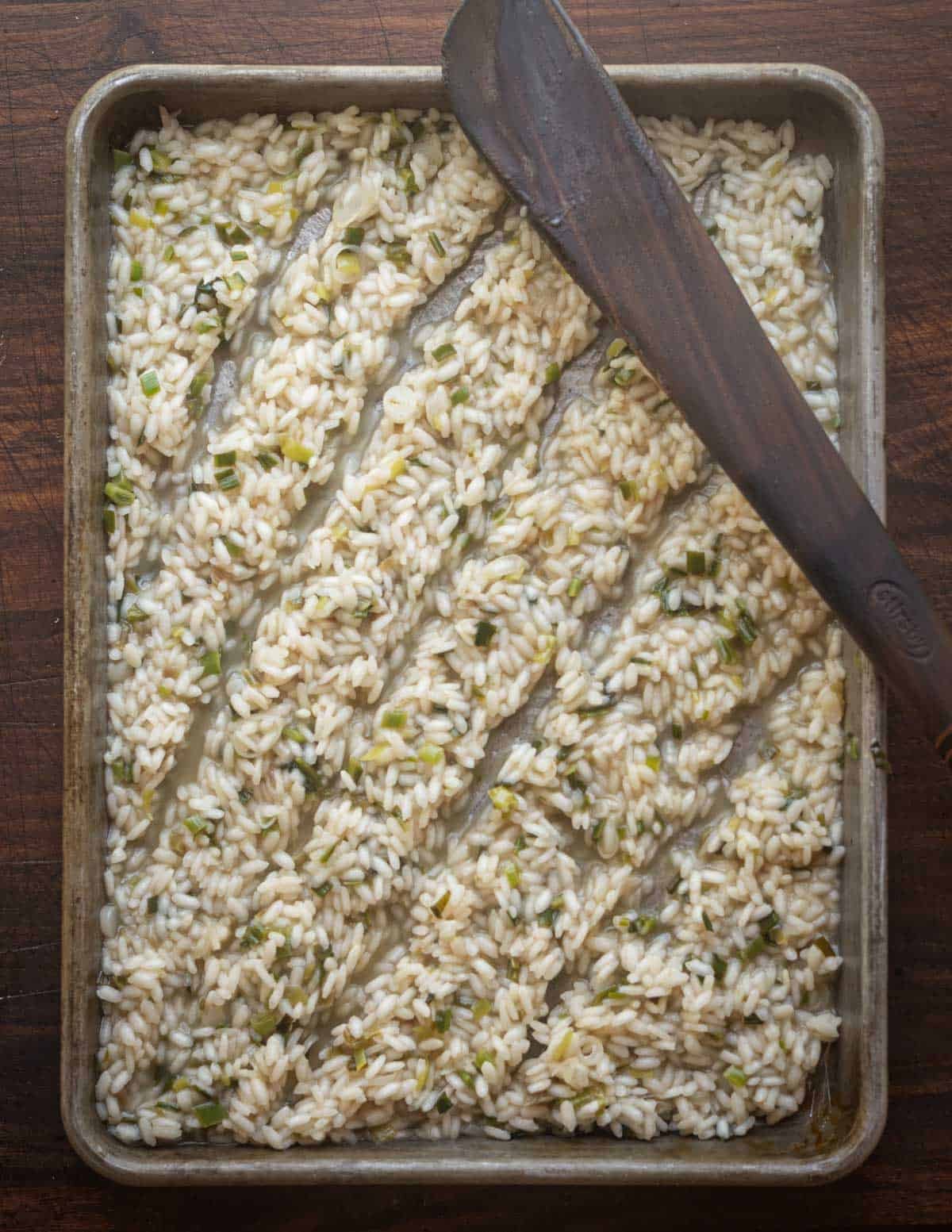
Once the rice is par cooked it's spread on a tray into a thin layer. Drag a wooden spoon through the rice to speed up the cooling process, reducing residual heat to ensure the rice doesn't continue cooking. From here you can store the rice for a few days in the fridge.
Finishing and Serving
The prep is the time-consuming part, but when it's done the dish comes together in a few minutes. Adding butter and cheese is the final step, known as the montecare. Heat the rice back up with some of the stock, tasting the rice regularly until it's just done.
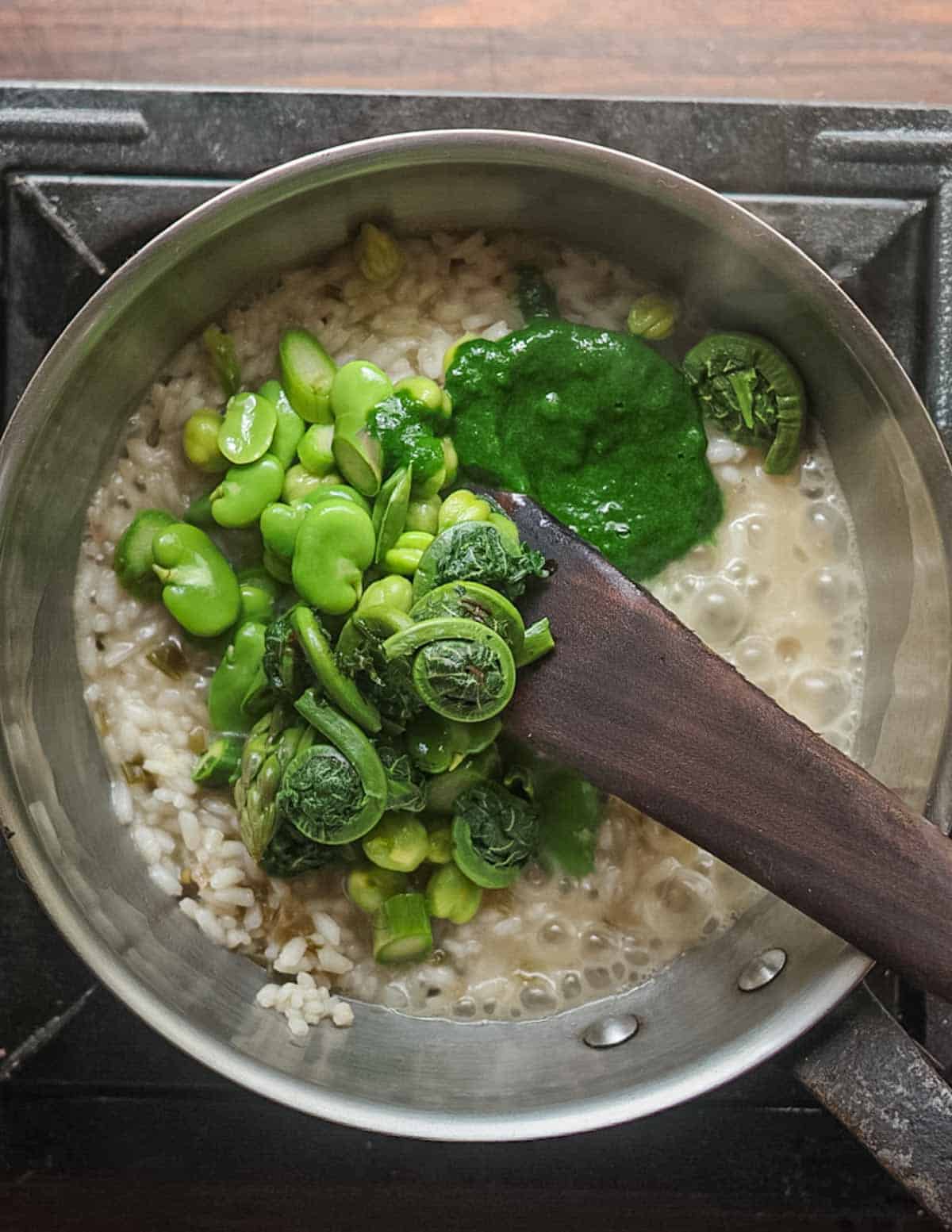
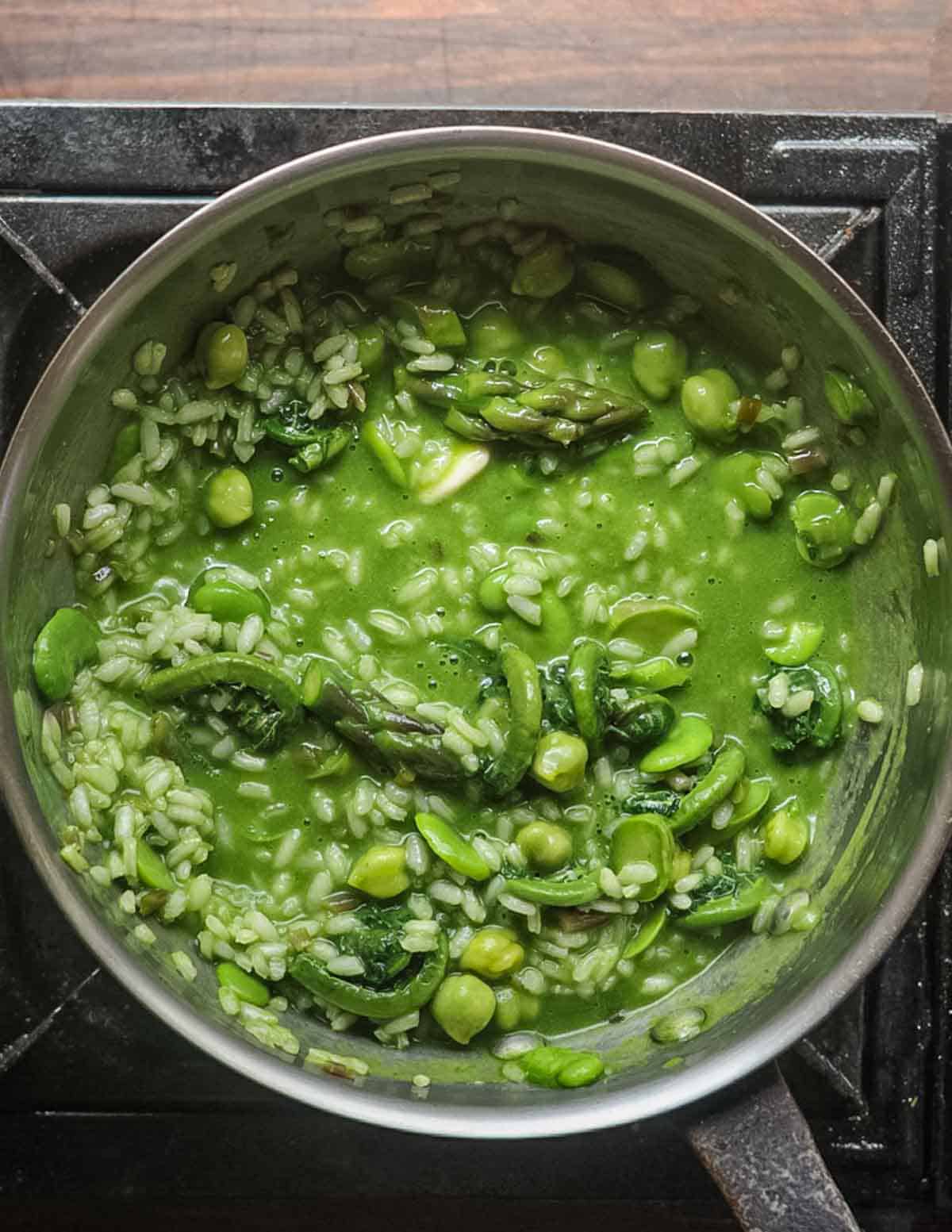
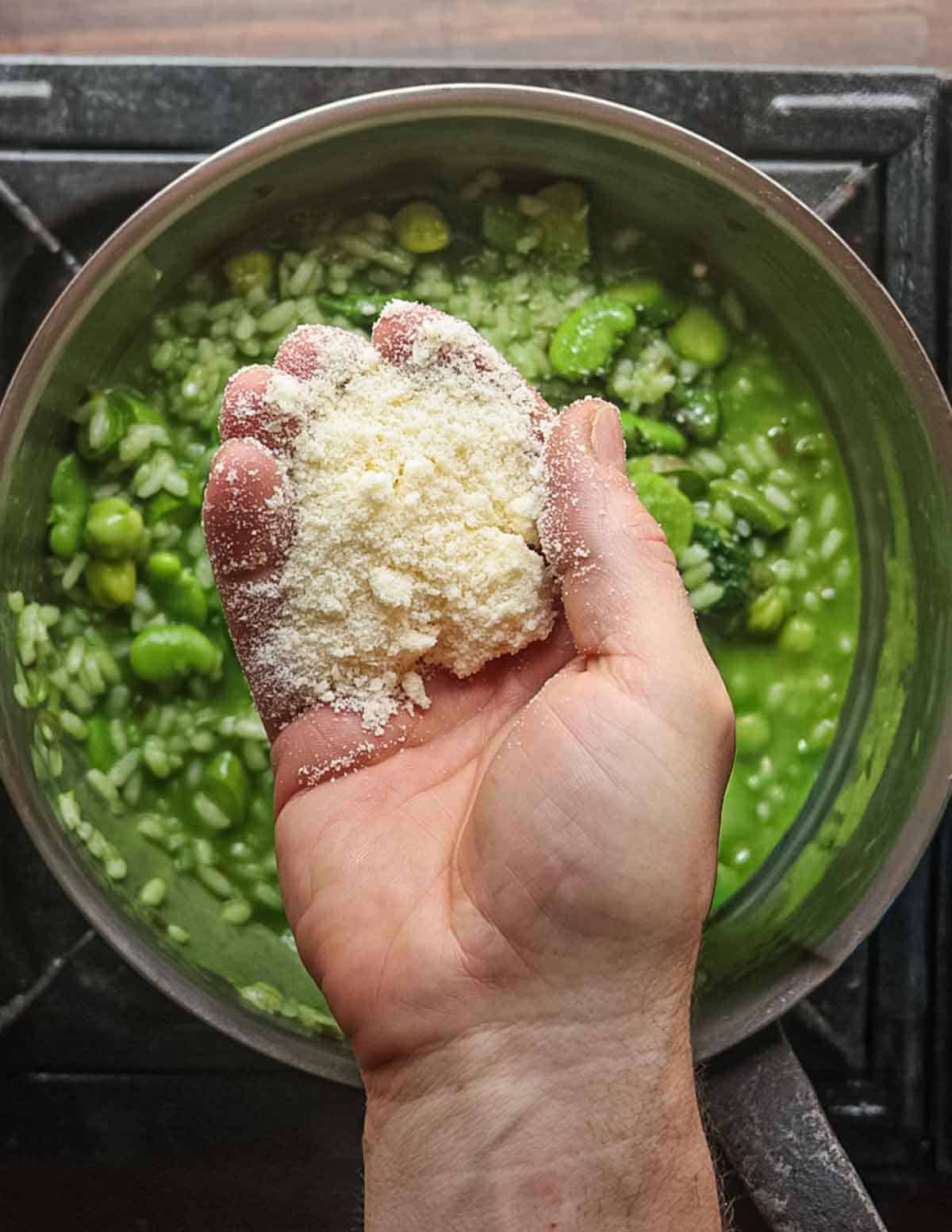
When the rice is just tender add the blanched vegetables, heat through, then add the pureed leafy greens and butter. Moving quickly and ensuring it's hot, take the pan of the heat, then beat in the cheese. If you want to add a fresh herb like sliced mint, basil or oregano add it at the end too. Double check the seasoning one last time, and serve.
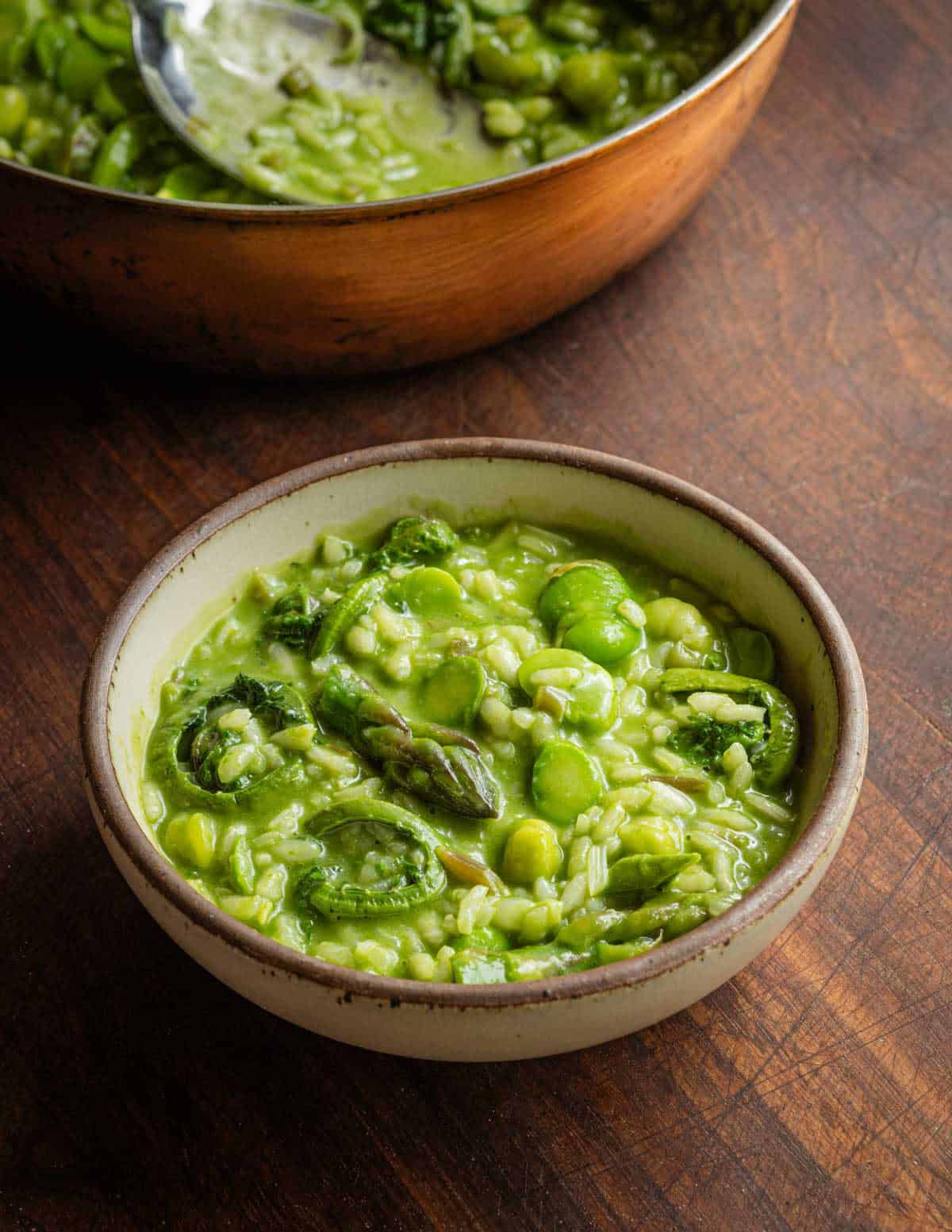
No matter how you've enjoyed it before, the final, universal rule of making risotto is that it's always flat-never mounded in a bowl. It should be juicy and wiggling when you shake the bowl. The consistency is called all'onda, or "on the wave", ensuring every bite is juicy.
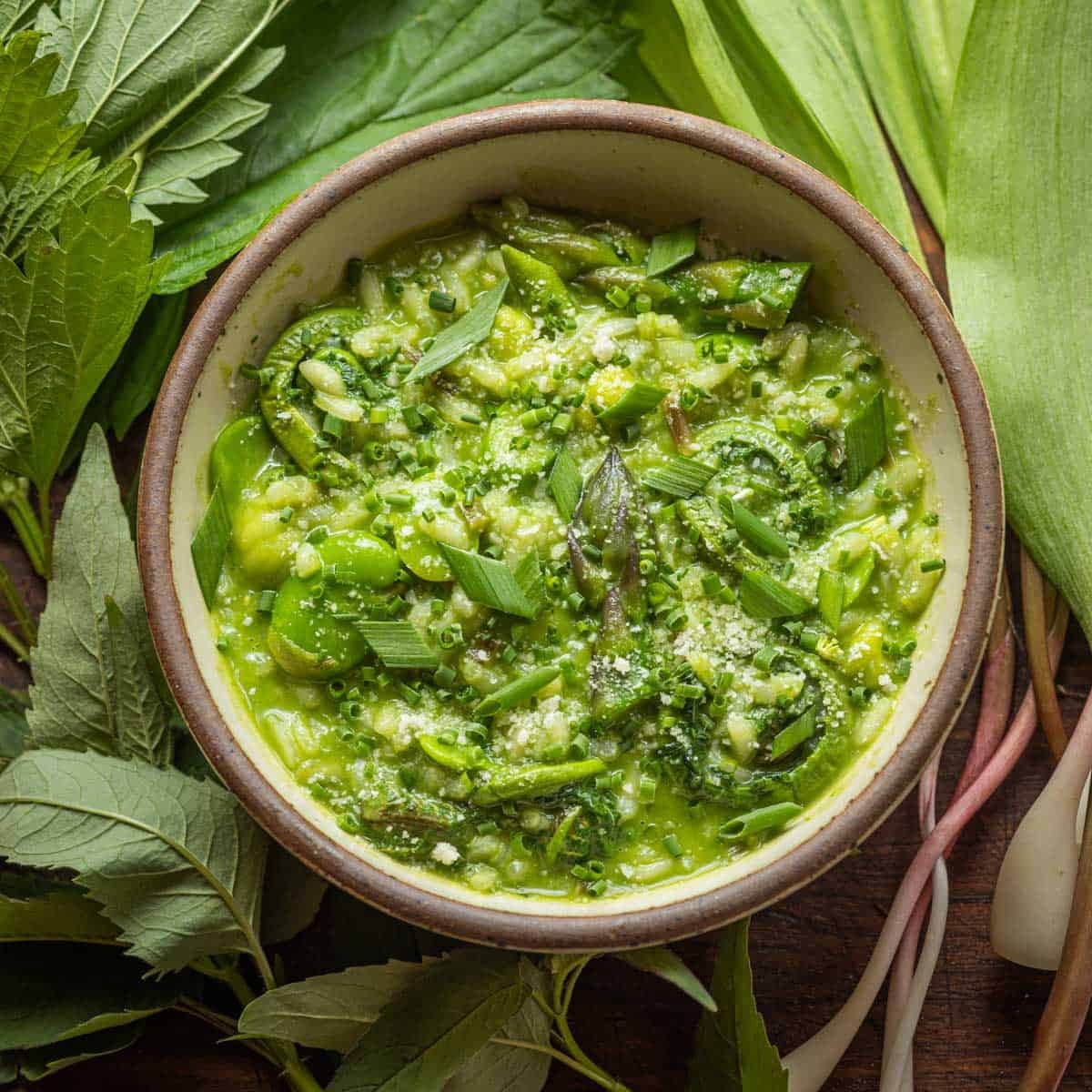
Finish with chives, scallions, or other mild allium greens and a sprinkle of parmesan or pecorino cheese.
Related Posts
Spring Vegetable Risotto Primavera
Equipment
- 1 4 quart sauce pot heavy bottomed pans like All Clad are ideal here.
- 1 wooden spoon
- 1 Small baking sheet if par-cooking the rice
Ingredients
- 2 oz Ramps, shallots, or yellow onion thinly sliced or finely chopped
- 1 Tablespoon light olive oil or cooking oil
- 1 cup risotto rice like carnaroli, vialone, or arborio
- ½ cup dry white wine
- 3 cups chicken stock or vegetable stock preferably homemade
Ramp Leaf or Spinach Puree
- 4 oz spinach or ramp leaves
- ¼ cup water
Risotto & Vegetables
- 10 oz mixed green vegetables like asparagus, favas, peas, fiddleheads, etc
- Kosher salt to taste
- ½ oz thinly sliced chives or a mix of different Allium greens as shown
- 1 cup Chicken stock or vegetable stock
- 3 Tablespoons Unsalted butter
- Small handful sliced fresh mint, oregano, tarragon or basil optional, to taste
- ½ cup grated parmigiano reggiano or pecorino cheese
Instructions
Par Cook the Rice (Optional)
- Sweat the ramps or shallots in the oil for a minute with a pinch of salt. Add the rice and cook for 1-2 minutes until translucent around the edges. Add the wine and cook off.
- Gradually add ½ cup stock at a time, waiting until it's absorbed before adding the next ladle.
- After three cups have been added, immediately transfer the rice to a baking sheet and spread into a thin layer. Cut slits into the rice with a wooden spoon as shown in the images and video. From here the rice can be refrigerated for a few days.
Blanch the Vegetables
- Consider the size of each vegetable and trim them appropriately so that each one will fit on a spoon. Keep the vegetables separate until all are blanched.
- Bring two quarts of salted water to a boil. Add the vegetables, one at a time, cooking for about 30-60 seconds, then shock in an ice bath and drain.
- Fiddlehead ferns should be blanched for 1-2 minutes max and allowed to cool naturally on a tray. Other vegetables like peas, asparagus or fava beans should be shocked in ice water.
Ramp Leaf or Spinach Puree
- Blanch the ramp or spinach leaves for a few seconds until just wilted in the boiling water. Squeeze dry, then puree in a blender, adding some of the water until the blades catch and create a smooth puree.
- This makes slightly more than you need as it's impossible to make two tablespoons of puree.
Finishing and Serving
- Put the rice in a small pot with high sides and half of the remaining stock and heat until simmering.
- Continue cooking until the rice is just done. Add the puree of greens, blanched vegetables, butter and bring to a simmer, stirring vigorously.
- Taste the seasoning and adjust for salt if needed, don't add too much as you'll add cheese next.
- While the mixture is still very hot, remove it from the heat and beat in the cheese. Add half the chives or other allium greens. If adding fresh herbs add them now.
- Divide the risotto between four small soup bowls, garnish with a sprinkle of parmesan and the remaining chives, and serve.
LaRae
The fresh green spring flavors with just enough Parmesan for richness makes this delicious!
Karen Lauriston
Fo you think I could use shoots of Japanese knotweed, too? They’re a scourge. Would love to find a silver lining. Best, Lauris
Alan Bergo
Knotweed I would not add here personally.
KT
Love your work. Appreciate your expertise in cooking as well as use of foraged foods.
Hop tips?!!! Wow. Will try them next.
Thank you.
rachel sargent
Erudite food writing. Great technical details combined with a love of beautiful ingredients. Much appreciated.
Alan Bergo
Thanks Rachel.
Robert Kolasa
Our garden has quite a few nice patches of self-sown Wild arugula, that I will try place of spinach.
Alan Bergo
Thanks Robert.
Michel
thanks for your interesting video. It's Asparagus season plus many green things in the garden and I will try the risotto soon.
Alan Bergo
Thanks.
Thea
Thanks for the perfect weekend inspiration.
Alan Bergo
Thanks Thea.