
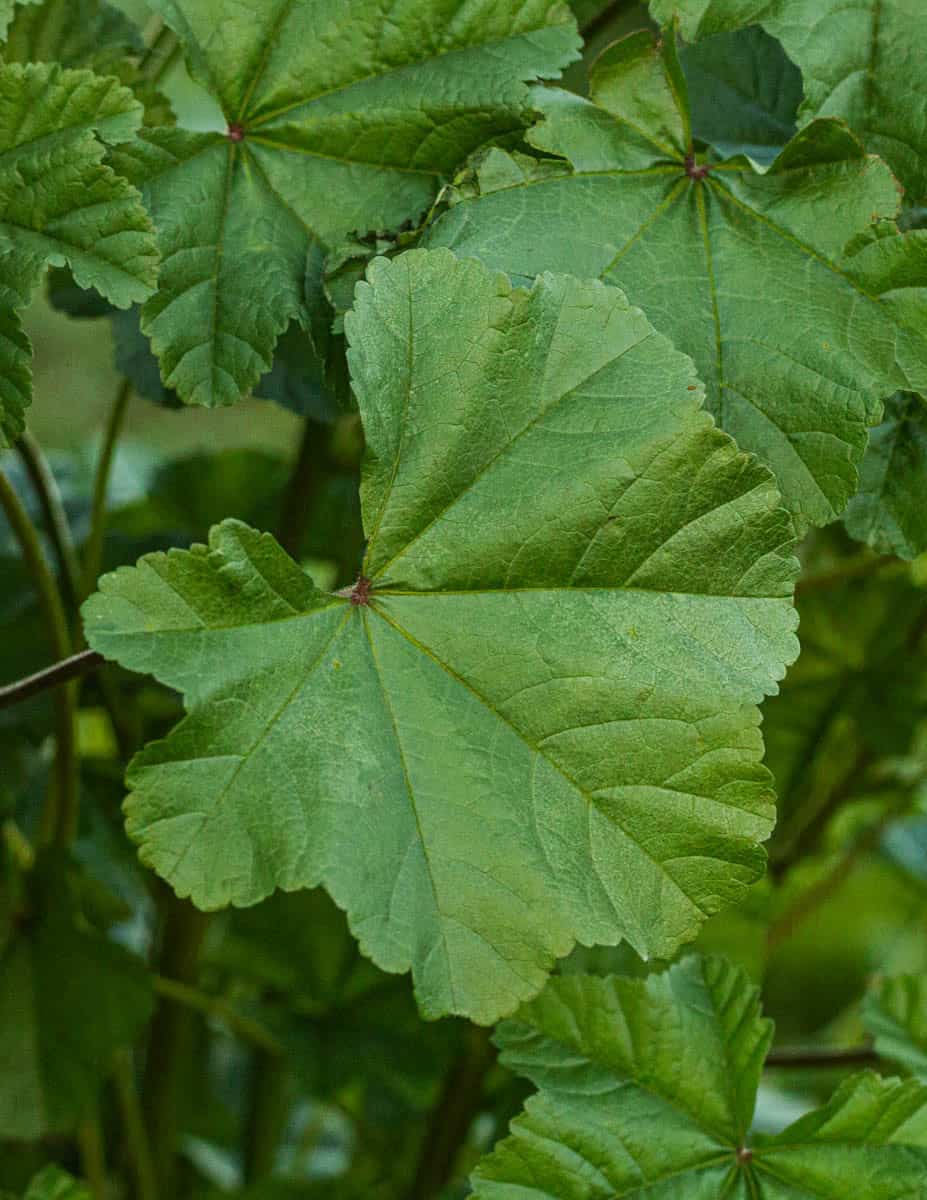
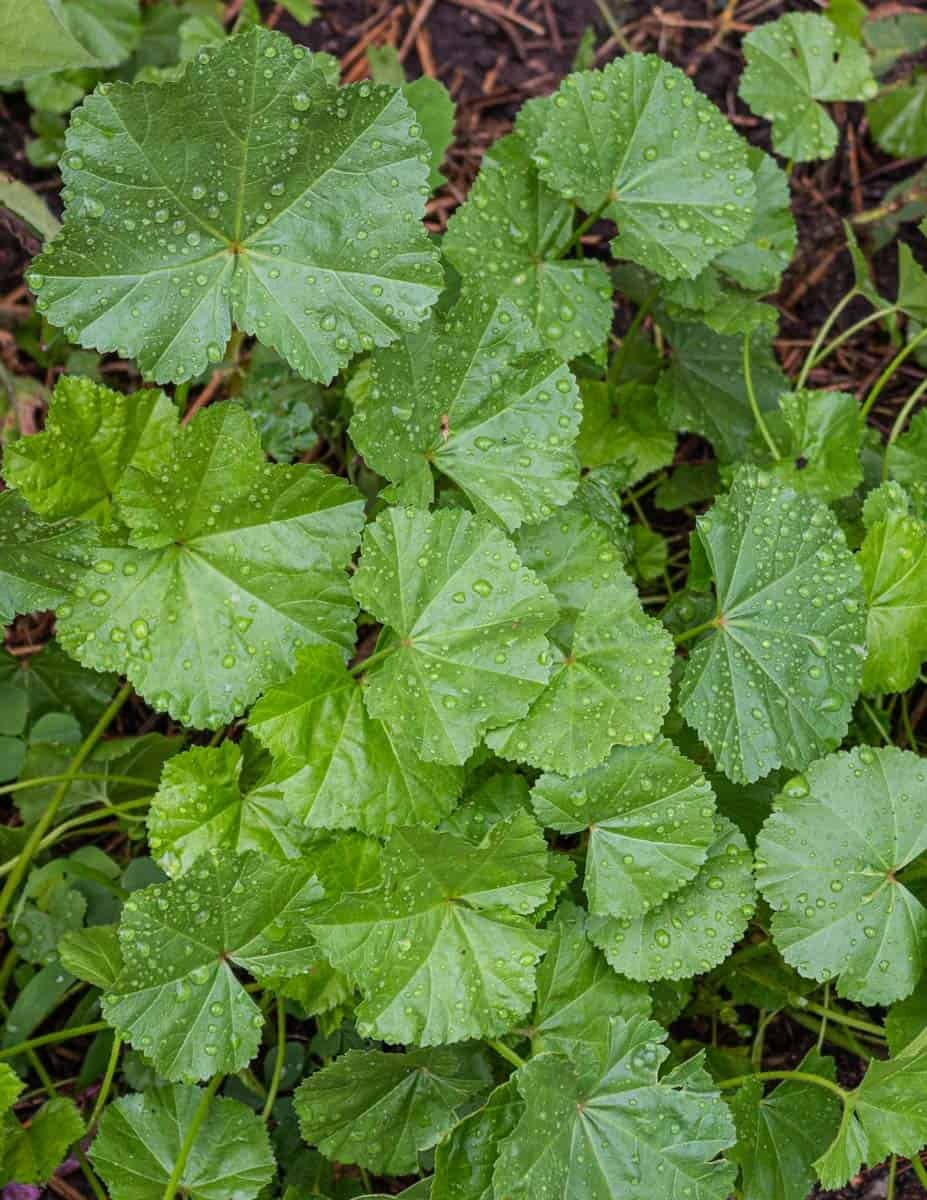
A common edible weed found and eaten around the world, common mallow or malva plants, also known as cheeseweeds, are easy to identify, plentiful, and make a good leafy green. Today we'll go over a little background and history, some tips on identification, general cooking and processing, and a few of my favorite mallow recipes from around the world you can try.
Background
Common mallow is in the Malva family or Malvaceae, making it related to hibiscus plants. One of the great edible plant families as I don't know any poisonous varieties, it also includes many other edible plants you may know. Cocoa, cotton, okra, hibiscus, hollyhocks, and marshmallow plants, to name a few.
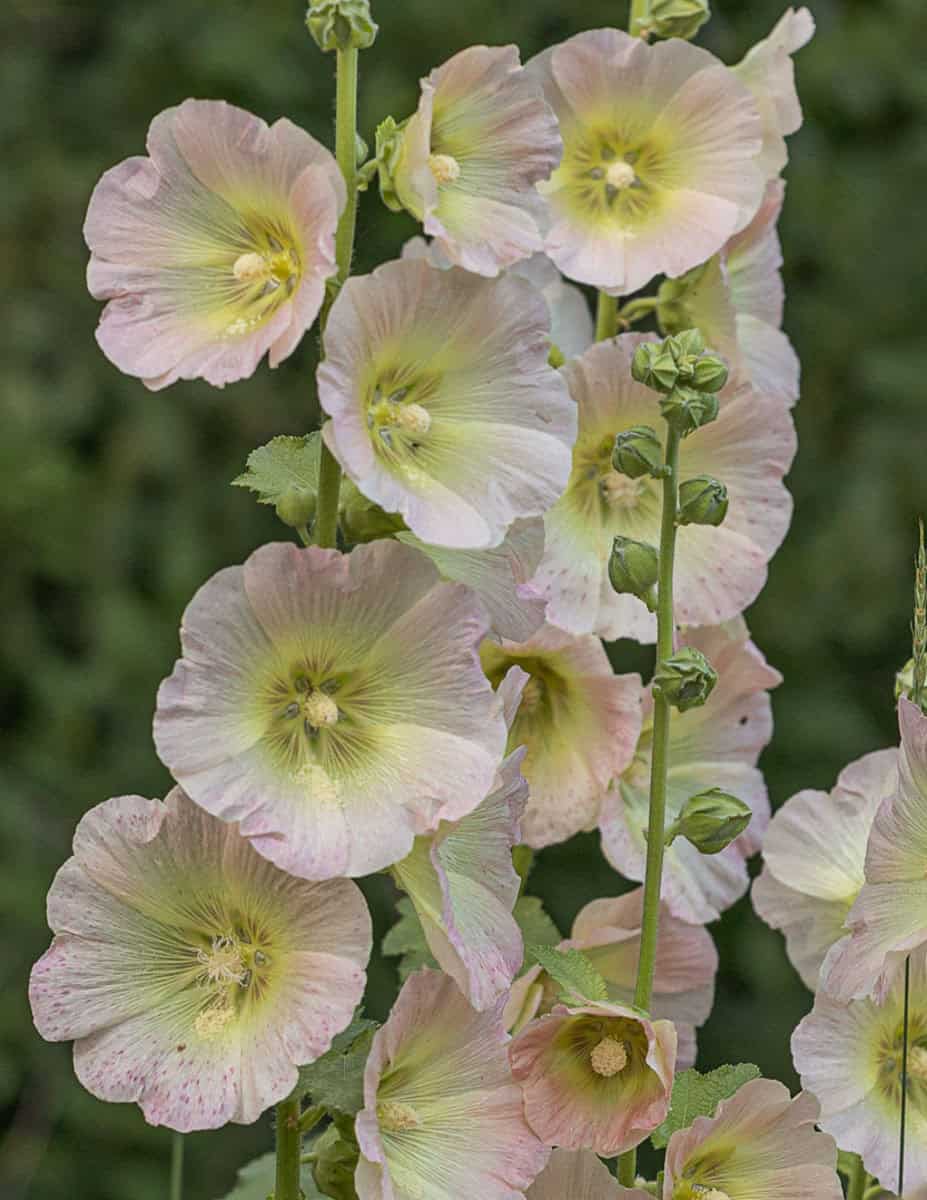
While all of the Malva plants I know have edible greens and roots, the plants are probably better known for their history as a medicinal plant than as a vegetable. This is an ancient plant, and use will date back over 3000 years. The mucilaginous quality was said to be good for coughs and other ailments. Considering the throat-coating quality of cough drops it's not hard to see why.
Like many other edible weeds, common mallow plants are non-native in North America, originating in Eurasia and North Africa. I see the largest volume of mallow in disturbed ground and abandoned spaces in areas that are arid and dry. there's usually great stands around Phoenix where I visit in the winter, but they're more sparse around the Twin Cities.

There's numerous individual species that could be described as common mallow depending on where you are, which is why they're often described or grouped together as "Malva spp / species". For example, in Europe, Africa and Southwest Asia, Malva sylvestris is regarded as common mallow and has a slightly different leaf shape than the plants I harvest.
Malva neglecta is probably the most common I've encountered, and is what I suspect is sold commercially as it's abundant and weedy, producing a higher proportion of edible greens than other varieties. I won't even try to list all similar relatives as the differences are slight and they're often interchangeable in cooking. One that does deserve a quick nod is the plant that gave us marshmallow candy.
Marshmallow plants are closely related to the common mallows used for their greens, but they're in the genus Althea and prefer slightly wet areas. The roots were historically boiled for their mucilage and used to make sweets, but the fluffy white candy didn't appear until industrial stabilizers were added by the French around the 19th century.
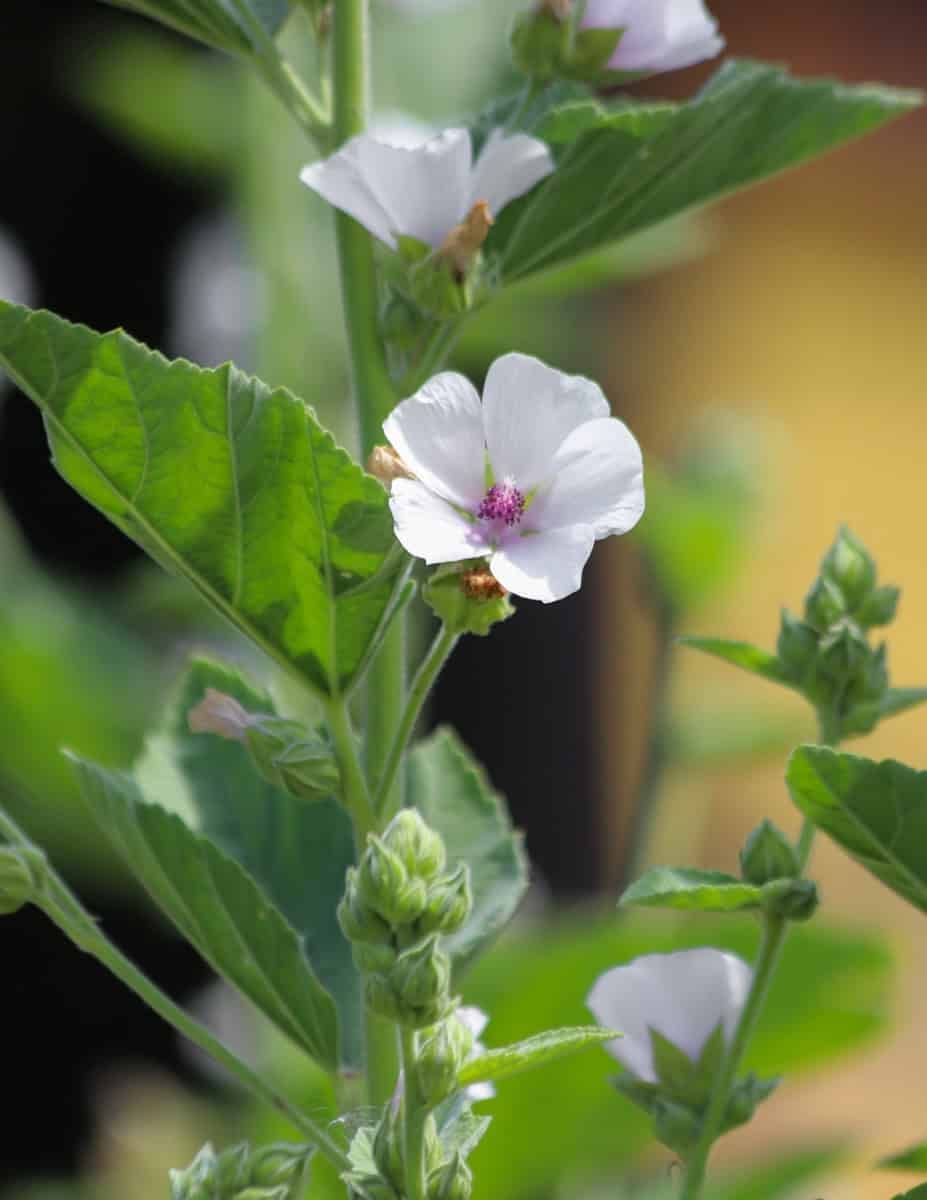
More elegant than the weedy, common mallow of the U.S., marshmallow and cultivated mallows like Malva sylvestris and rose mallow (Hibiscus laevis and others) make nice, edible ornamentals for the garden.
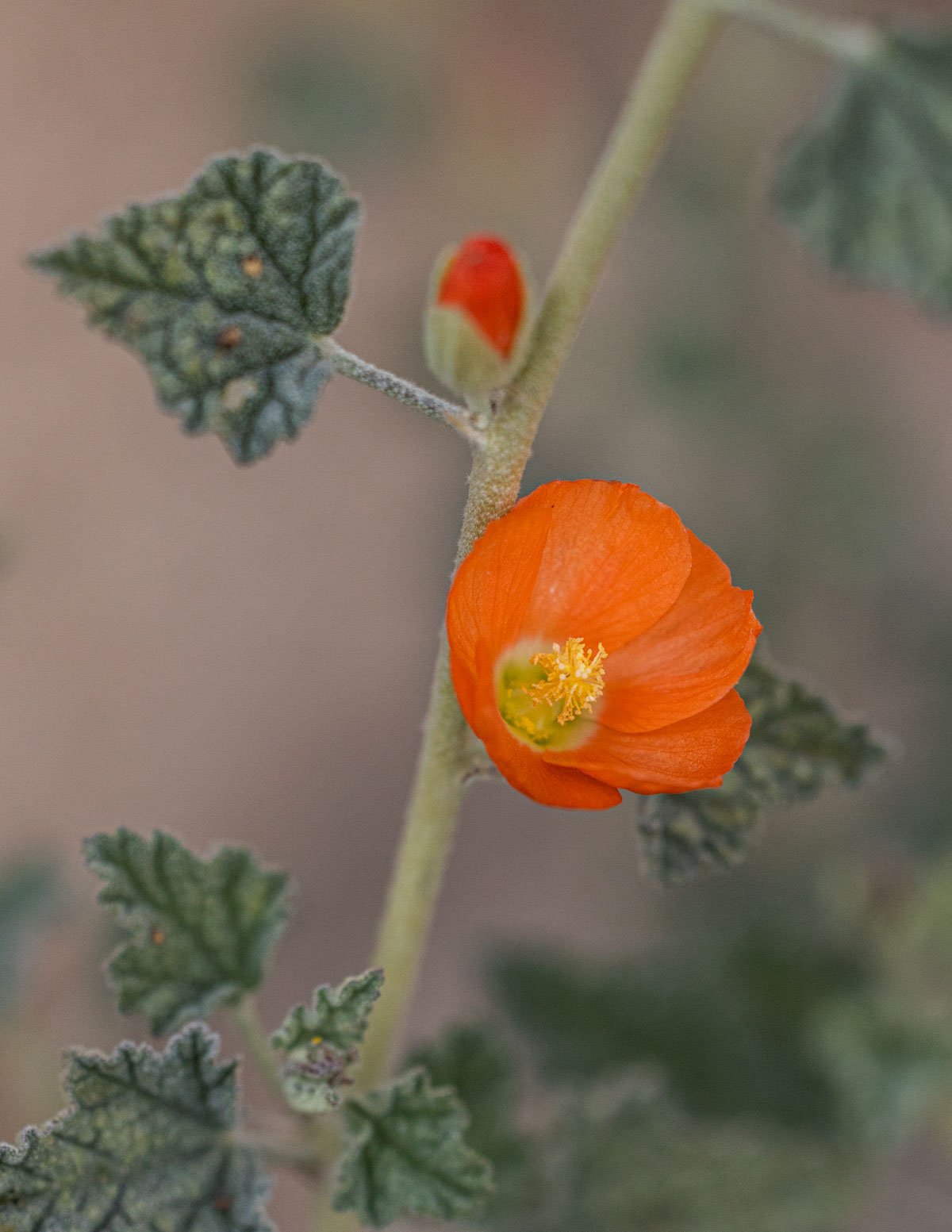
These plants are only scratching the surface though. In the Southwest there's globe mallows (Sphaeralcea)-a genus containing native, woody cousins adapted to dry areas, of which there's around 40-60 species alone.
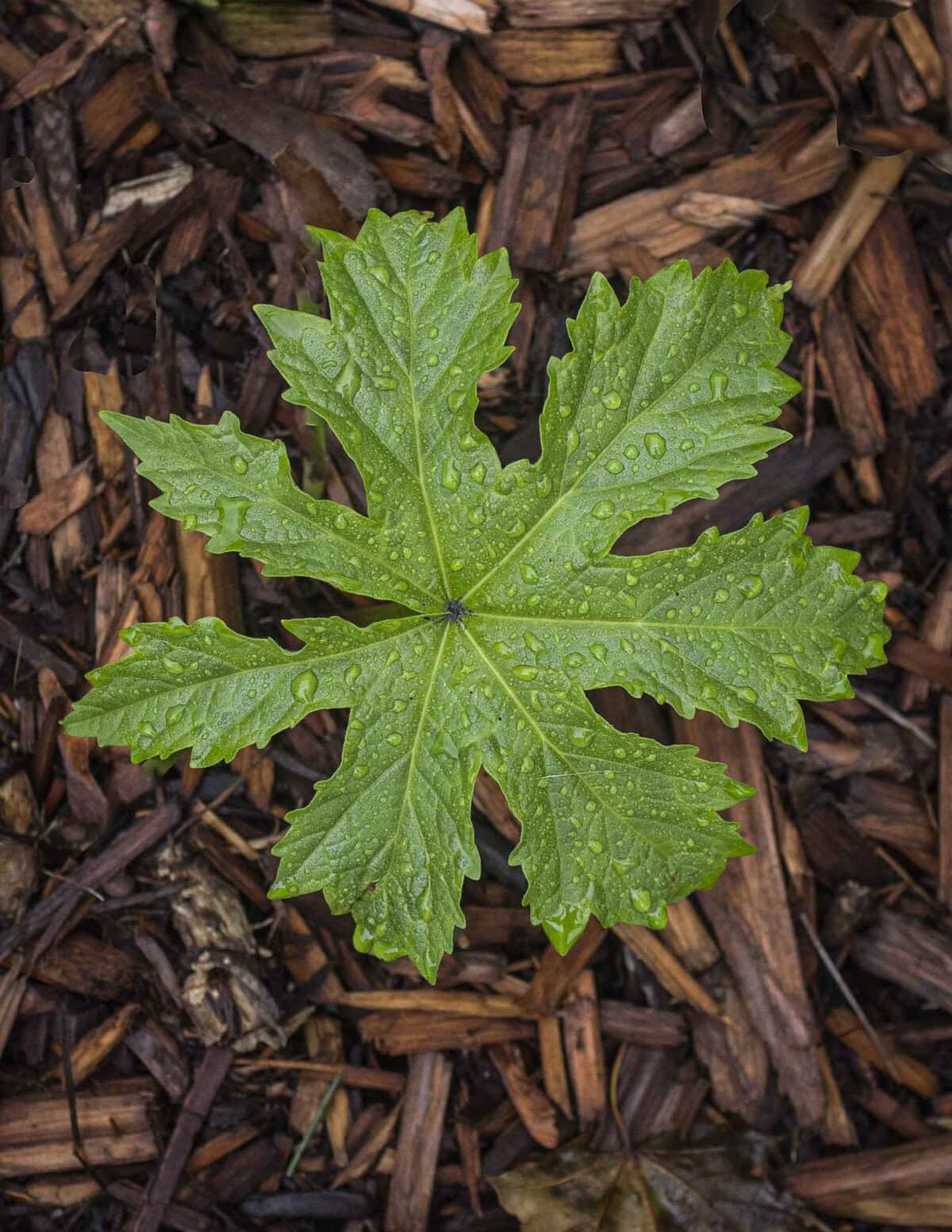
In short, know there's a legion of edible Malva plants, and many do not have the round, gently lobed leaves of the common mallow predominantly discussed in this post.
Edible Parts
The biggest yield and edible mass is from the leaves, but the entire plant is edible.
Mallow Leaves
As a leafy green, mallow is ok. The leaves are mild-tasting, and the mucilage isn't strong enough where you'll notice it if they're cooked in a blend. Even all by themselves they're perfectly acceptable, and nothing as slimy as okra. If you've eaten violet leaves you'll find them similar, but more tender and easier to cook.
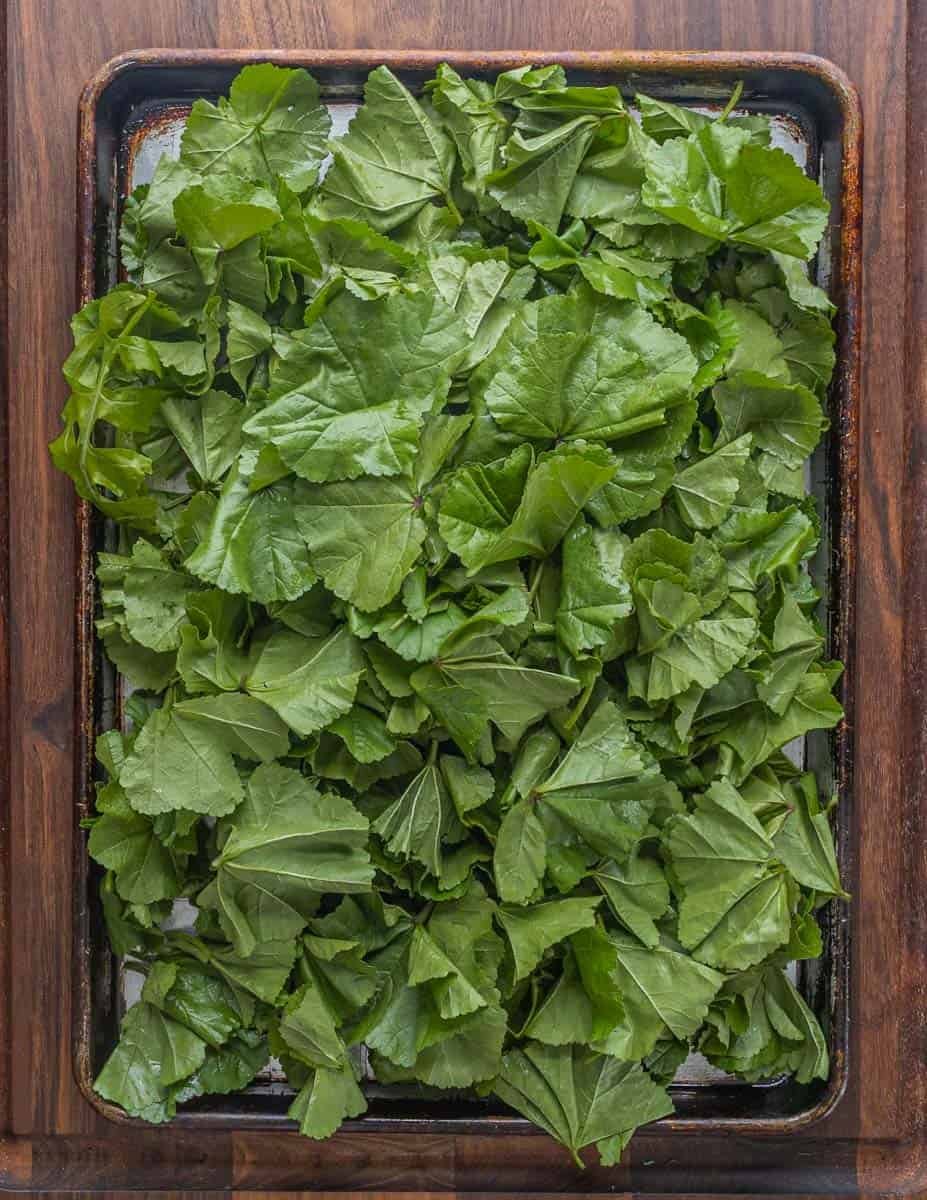
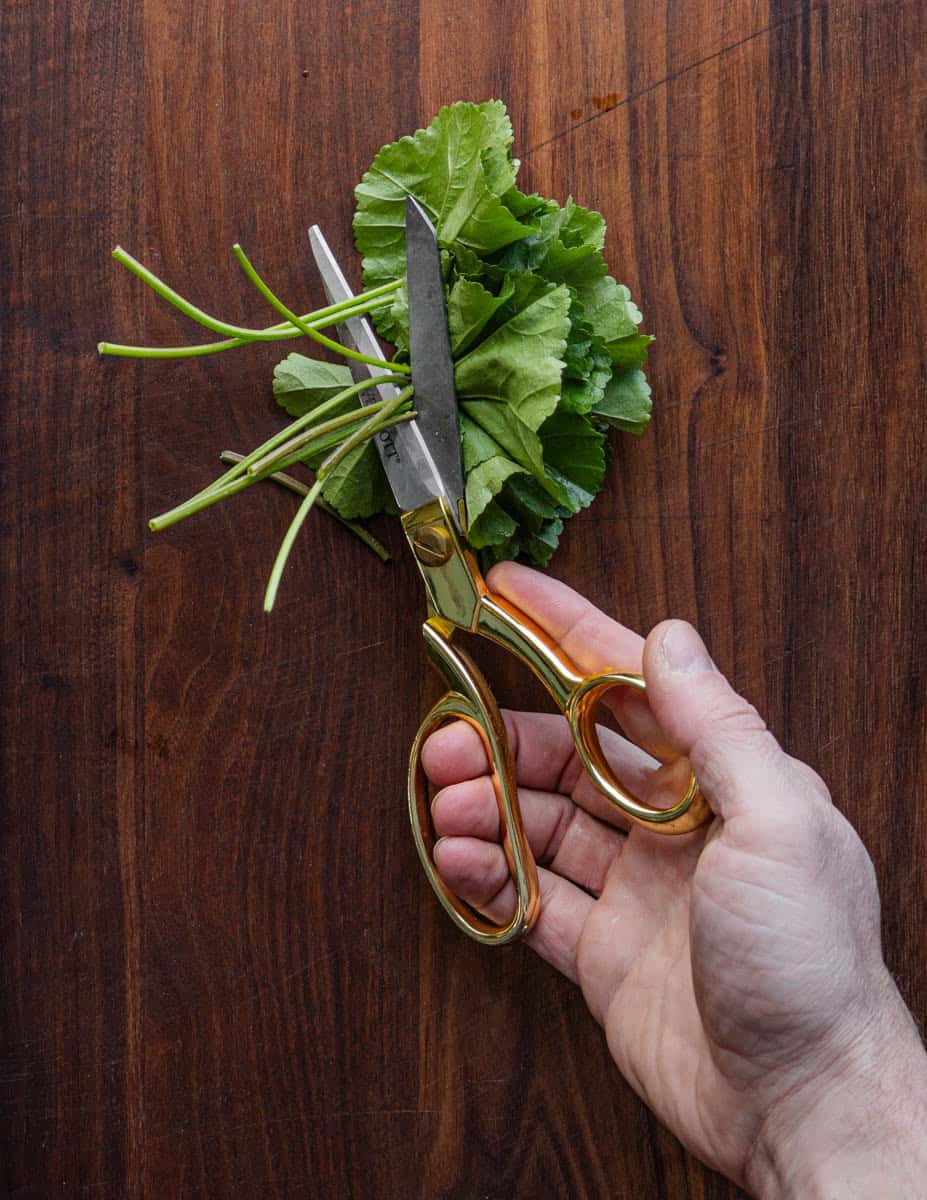
The drawbacks for me are that the leaves wilt quickly, and it takes a lot of them to fill a basket. Unlike other common edible weeds like nettles or lambsquarters, the stems are too tough to be palatable and I always remove them. If you're harvesting pounds of greens this is very tedious and one of the big reasons I don't forage as much of them as, say, nettles or lambsquarters.
Malva / Mallow Flowers
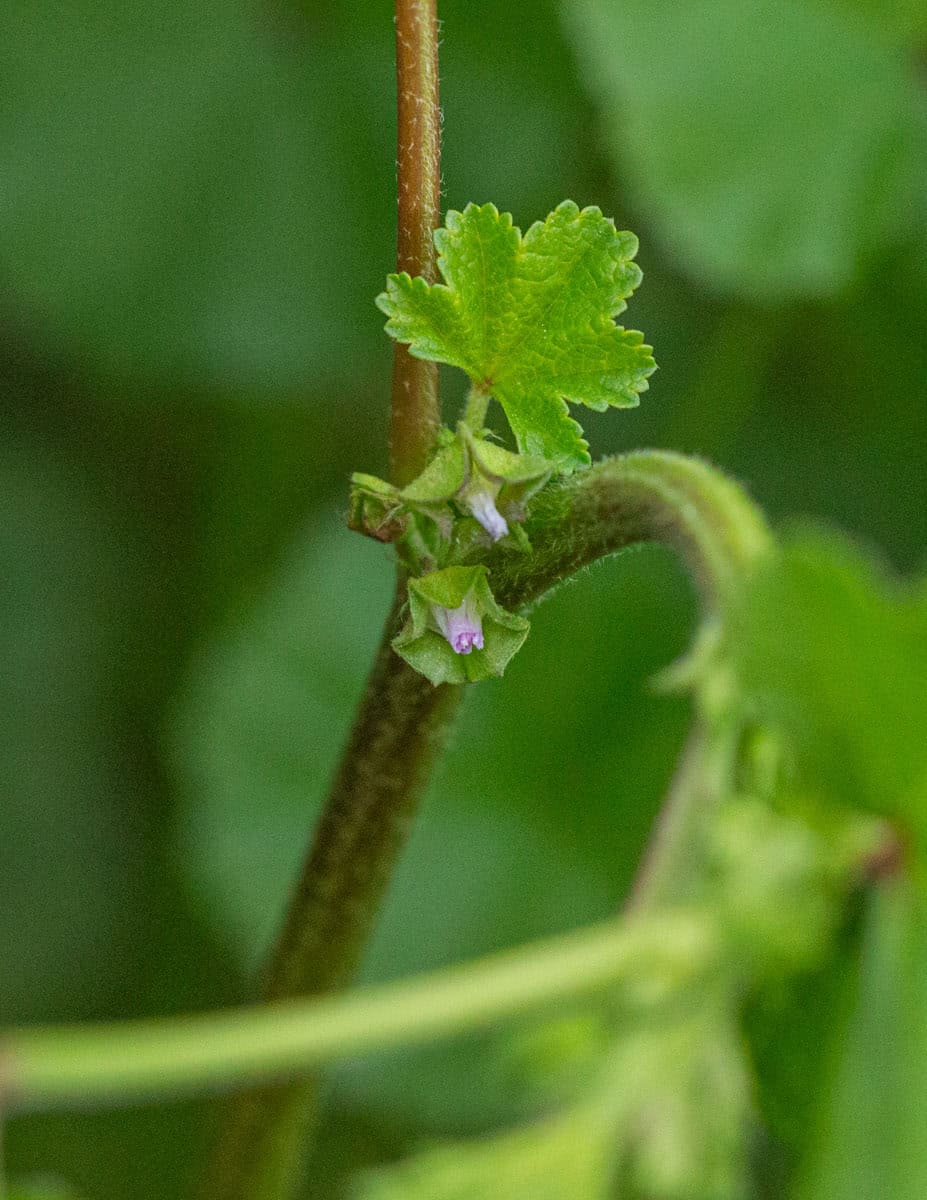
As far as flowers go common mallow are perfectly fine, easy to harvest and all I've tried have a mild flavor. They're delicate, wilt quickly, and should be harvested at the last minute before adding to recipes as a garnish. Some plants like M. parviflora and M. neglecta have extremely small flowers and seeds that aren't worth harvesting, as you can see below.
Larger flowers from different species or individual petal can be nice tossed in a salad or sprinkled on a plate. They can keep, stored in a tightly sealed container in the fridge for a day or two if you're gentle with them.
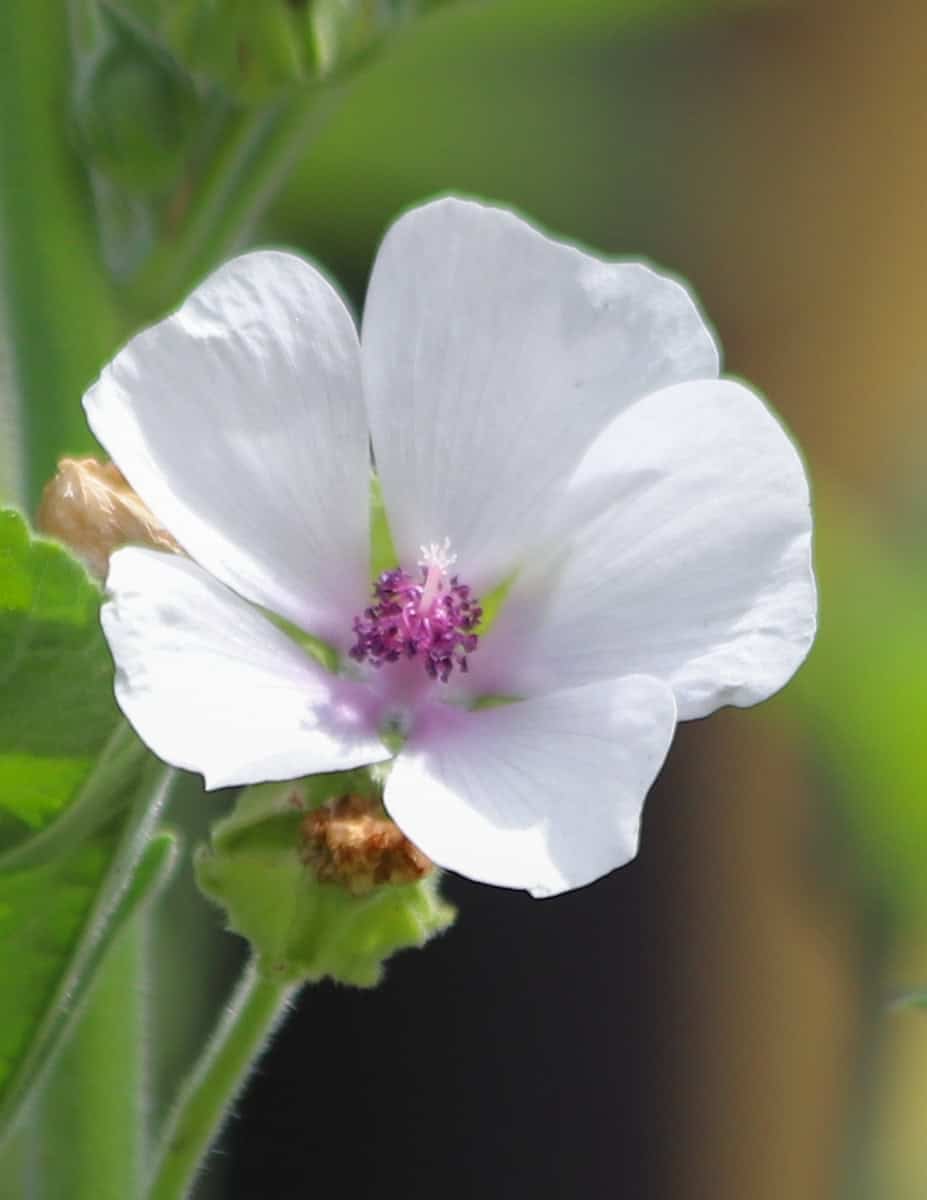
Knowing what Malva flowers look like in a general sense can also be helpful for identifying different related plants. As we covered previously, if you've ever grown okra or hollyhocks they'll look similar as they're in the same family.
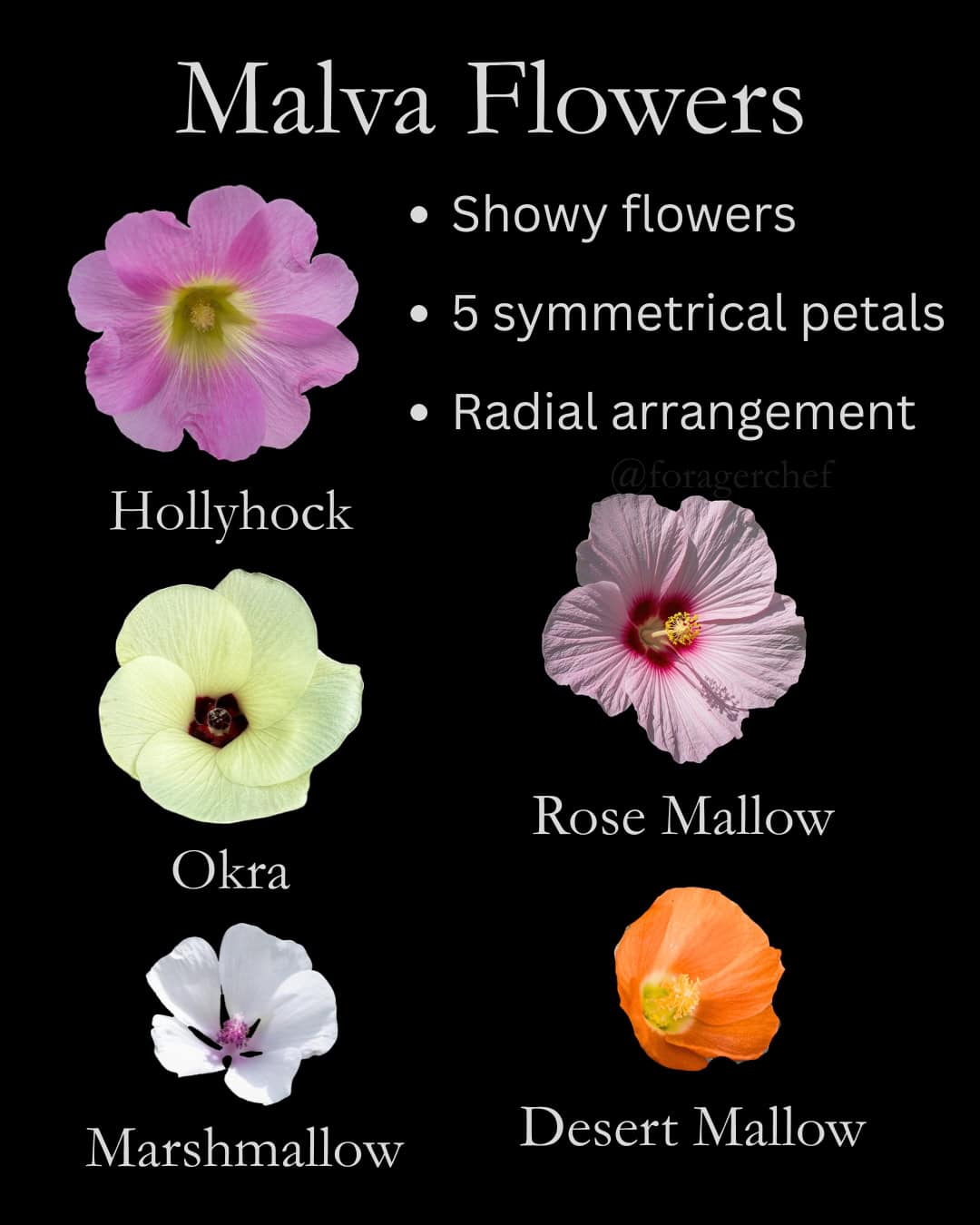
All flowers in the Malvaceae will have 5 petals arranged in a sort of clockwise, radial pattern. They're often showy and attractive, and come in a nice variety of colors from pink, white and purple to cream and orange. Common mallow flowers are much smaller than any of the flowers shown above, but are most similar to marshmallow flowers in their color and shape.
Mallow Seeds / Cheeses
The name cheeseweed refers to the seeds, which resemble miniature wheels of cheese. These are often mentioned in foraging literature as a small snack and a novelty. Sam Thayer mentions they're good, but essentially too small to be of much use, and I'd agree with many of the common varieties. Accounts of eating the seeds or "cheeses" I see usually refer to Malva sylvestris which has larger seeds than varieties like M. neglecta and M. parviflora.
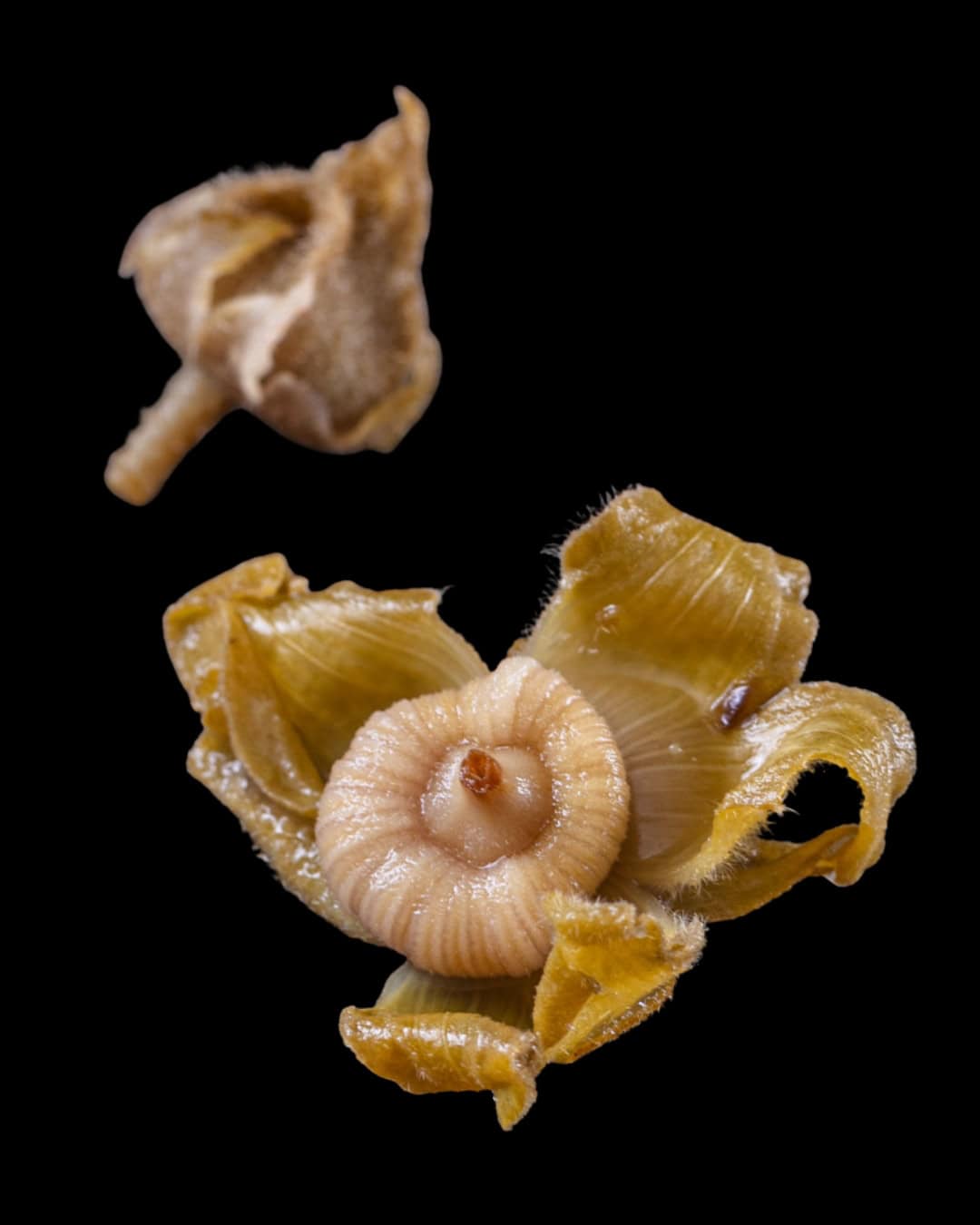
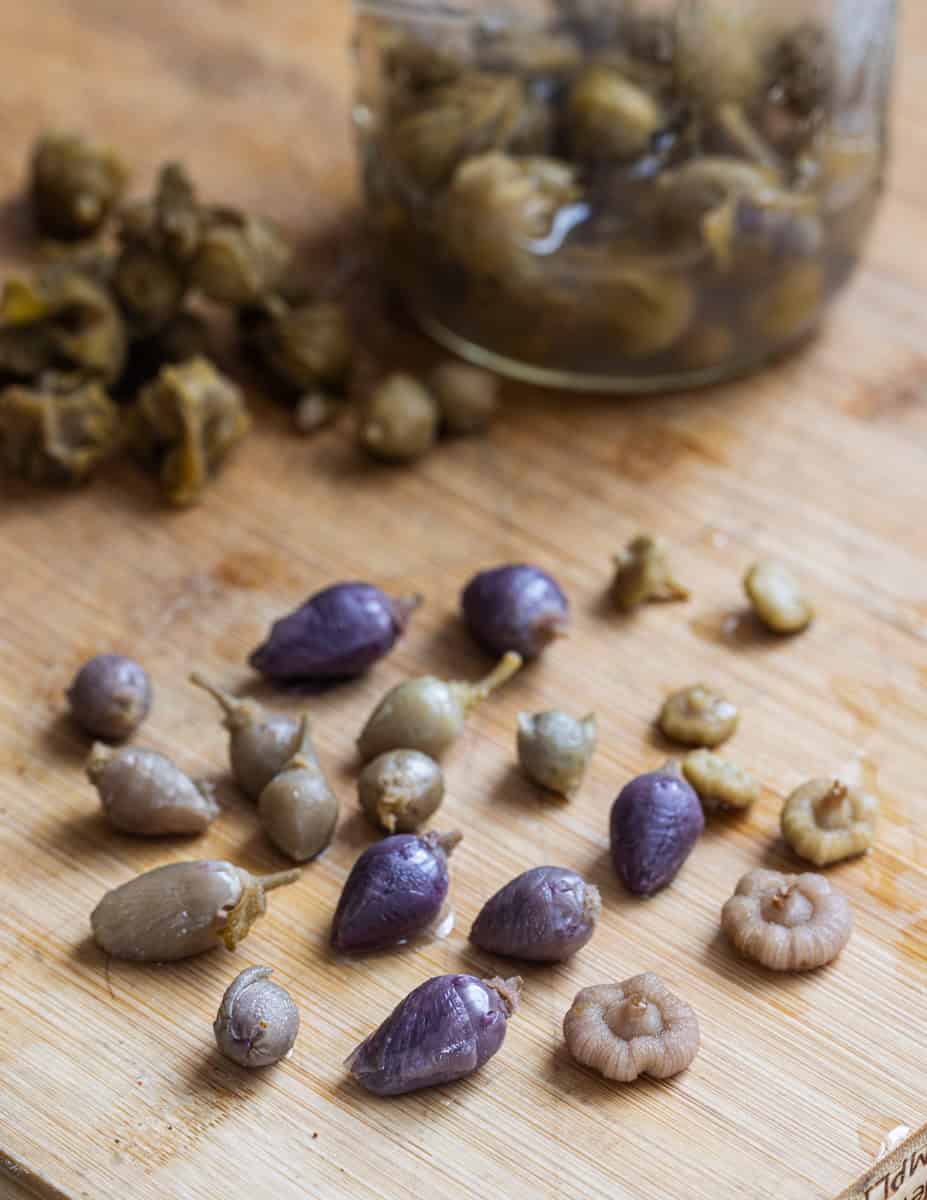
Size varies between plants, and hollyhocks actually produce malva seeds of a size and volume that can actually be cooked with. They make great fermented capers or pickles. I also use the unopened flower buds along with the seeds. You can follow my recipe for nasturtium capers.
Mallow Roots
As we discussed previously, the roots and mucilage of marshmallow plants were used in making candy and sweets. Companies like Frontier Coop sell dried marshmallow roots online, but fresh roots provide a more potent mucilage.
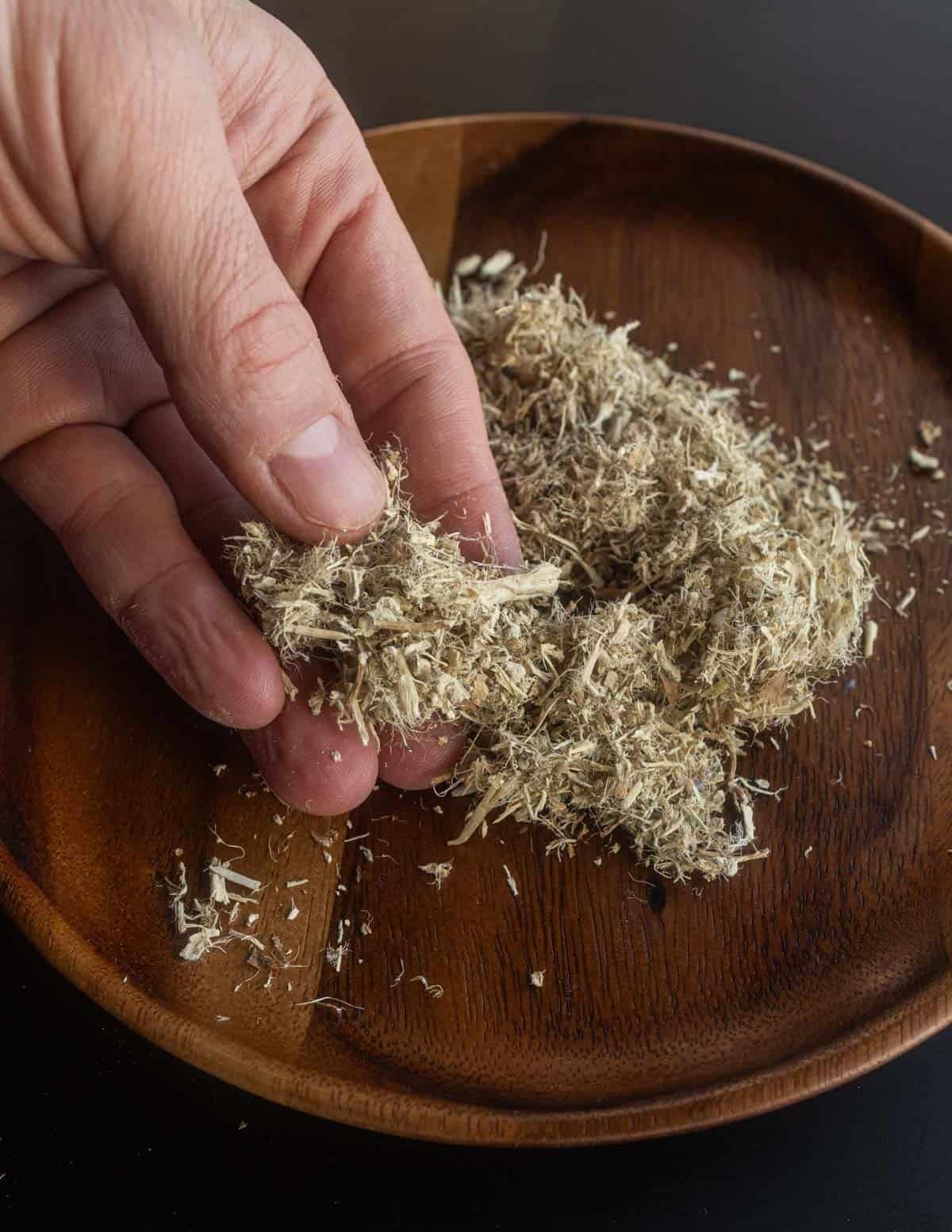
However fresh or dried, homemade wild marshmallows will be difficult for most people to make without adding gelatin, egg whites or hot sugar syrup cooked to a specific temperature.
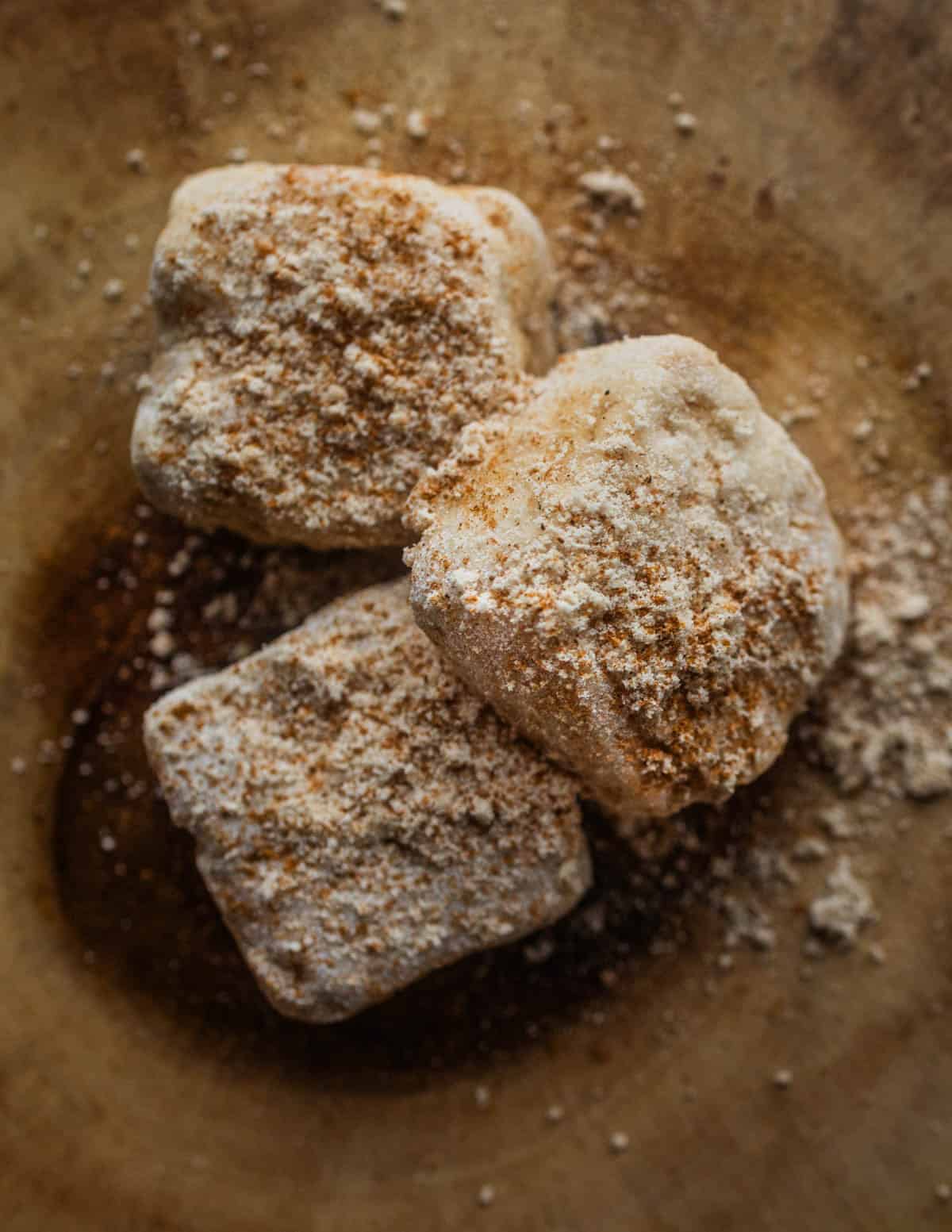
Common mallow roots can be used the same way as marshmallow roots, but you might find it interesting to know that other mallow plants can have roots large enough to cook as a vegetable.
Glade mallow (Napea dioica) is the best example I know of so far. The plants I've grown have long roots like a thin, white carrot and I plan to try some this year on Sam Thayer's recommendation. The spring shoots are also excellent.
General Cooking
While the whole plant is edible, generally speaking when we talk about cooking with mallow it's going to be in the form of leafy greens in a soup, stew, or cooked as a side dish. They're often sold at Middle Eastern grocers where I live, but to make sure they're fresh they need to be purchased quickly after they're put on the shelf.
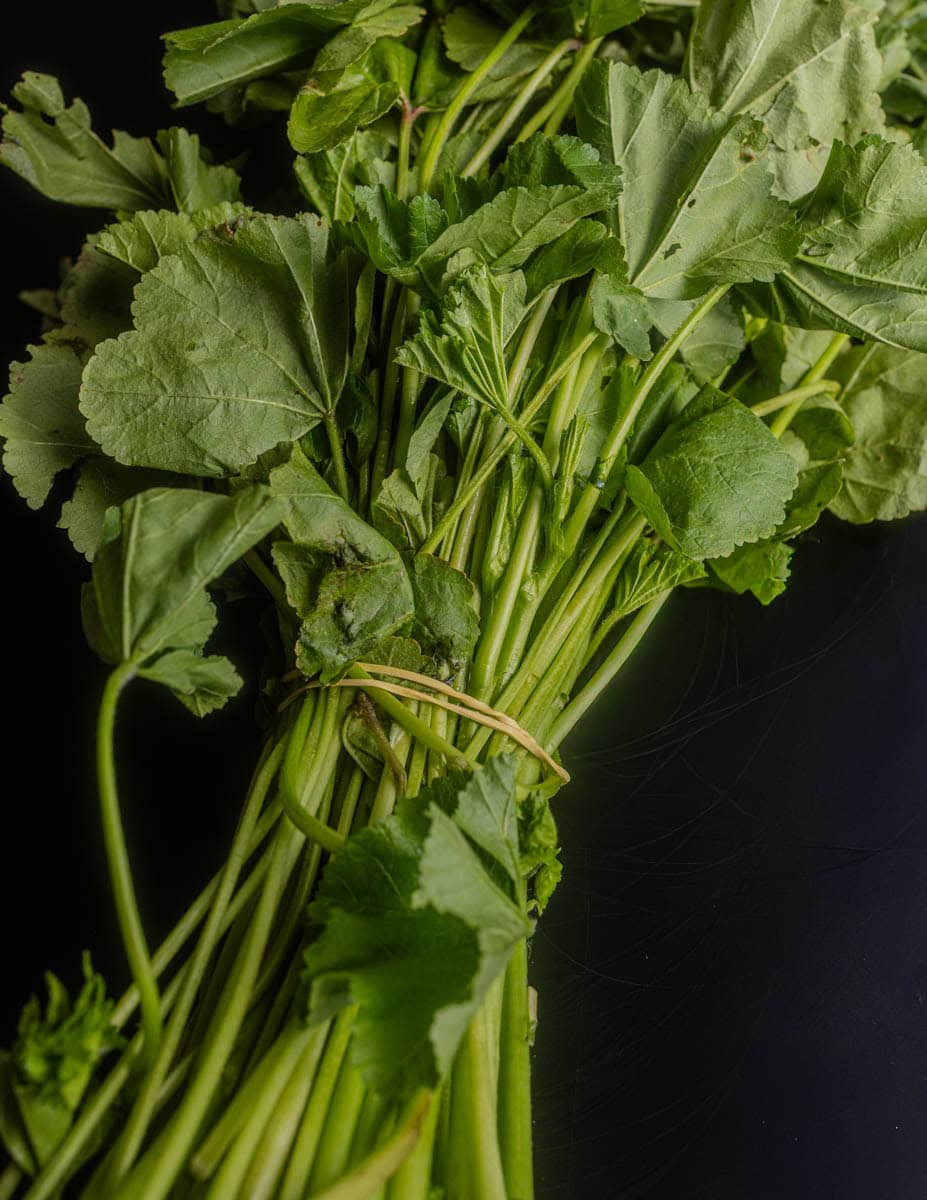
I'll be honest and tell you that I have never sat down and simply eaten a bowl of cooked mallow greens. Although you could, I prefer to cut them a bit with other greens that are less tedious to trim.
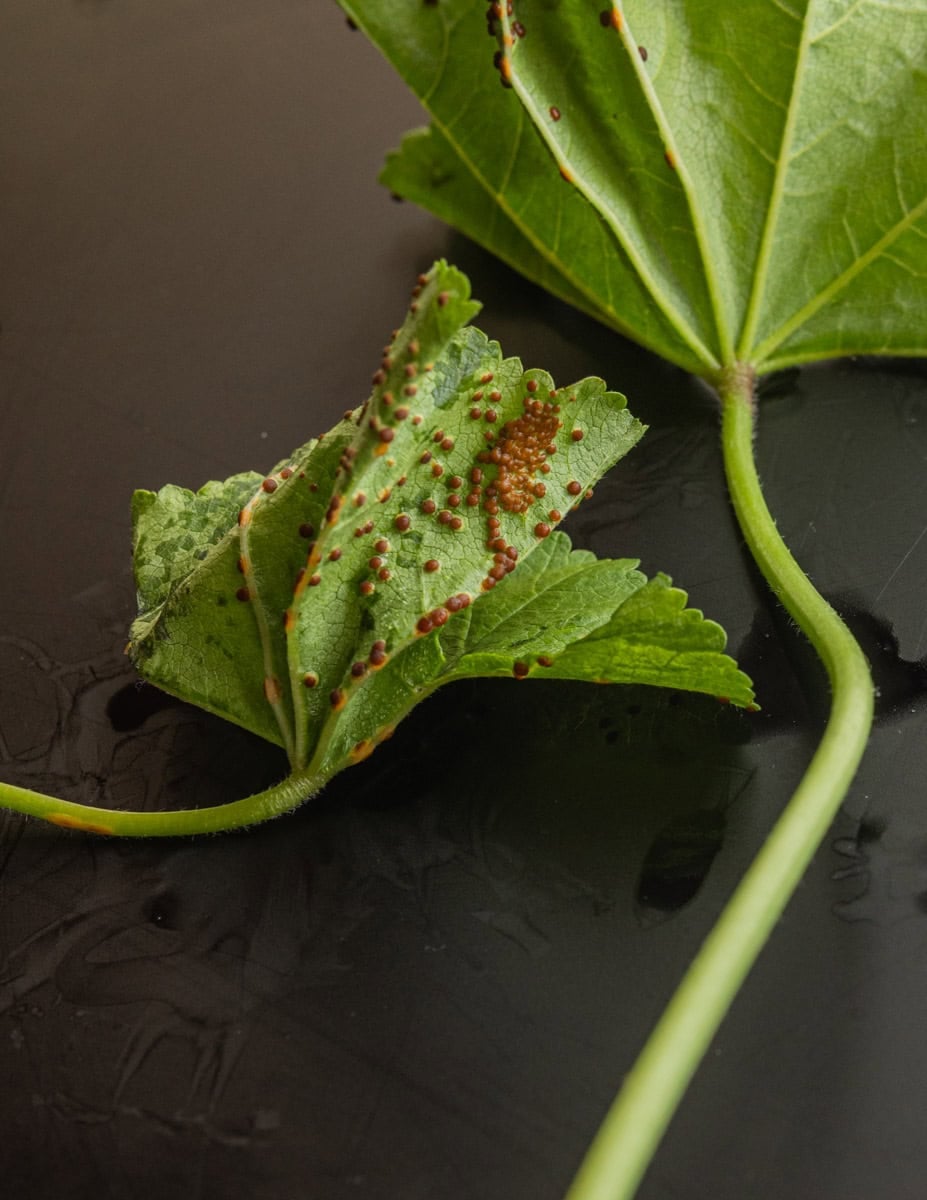
Another thing to mention is that I usually inspect the greens for Hollyhock rust. This appears as small pistules on the underside of the leaves caused by a fungus. I discard these when I see them, but they're not dangerous and won't be hatching any larvae.
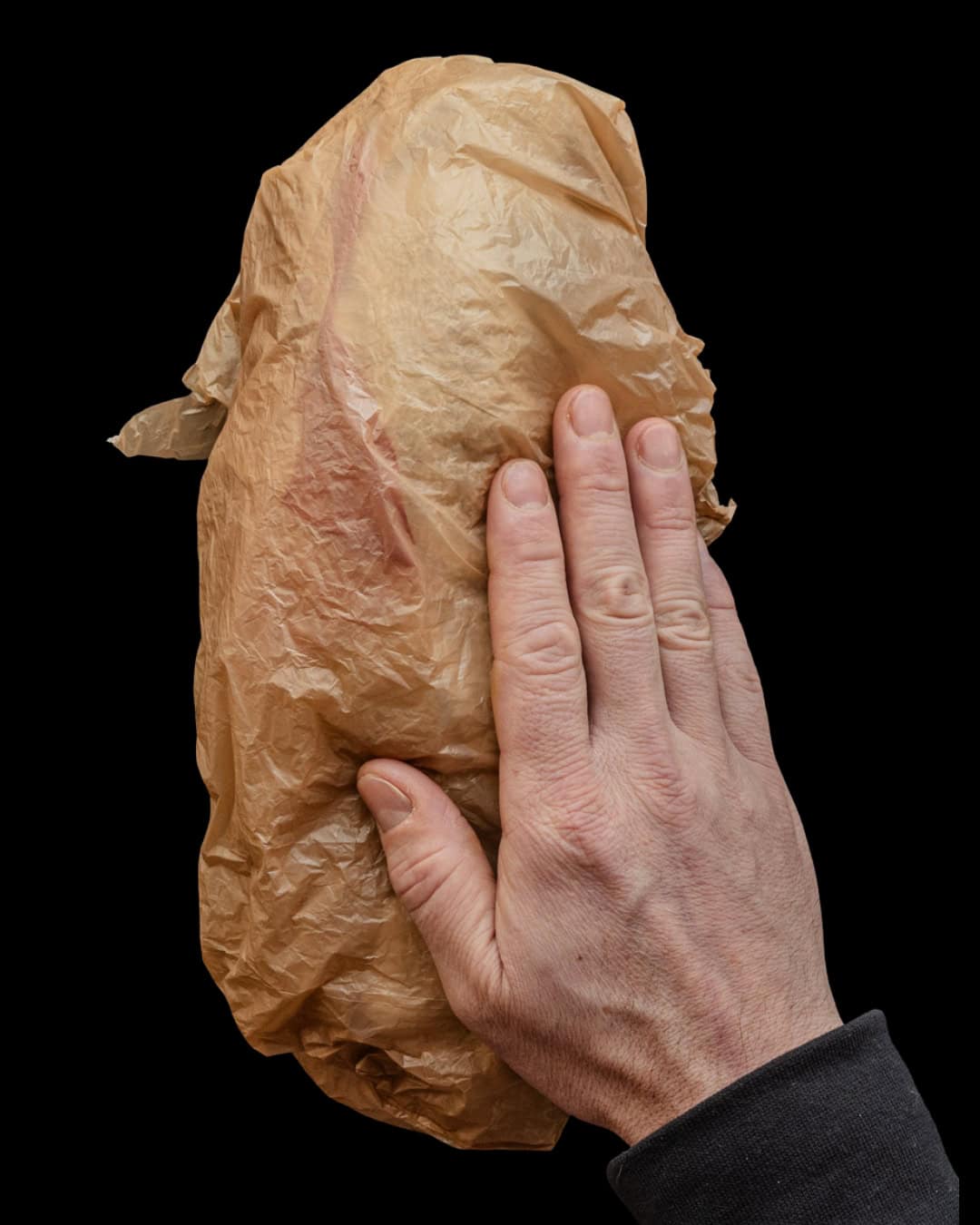
As far as storage, mallow greens are pretty delicate and wilt quickly. To get around this, I get the best results immersing the greens in cold water until they perk up (5-20 minutes) dry them well and store in an old towel in a plastic bag or another container that holds moisture. Held like that they can last weeks in the fridge. Unwashed they'll wilt to nothing in a day or two.
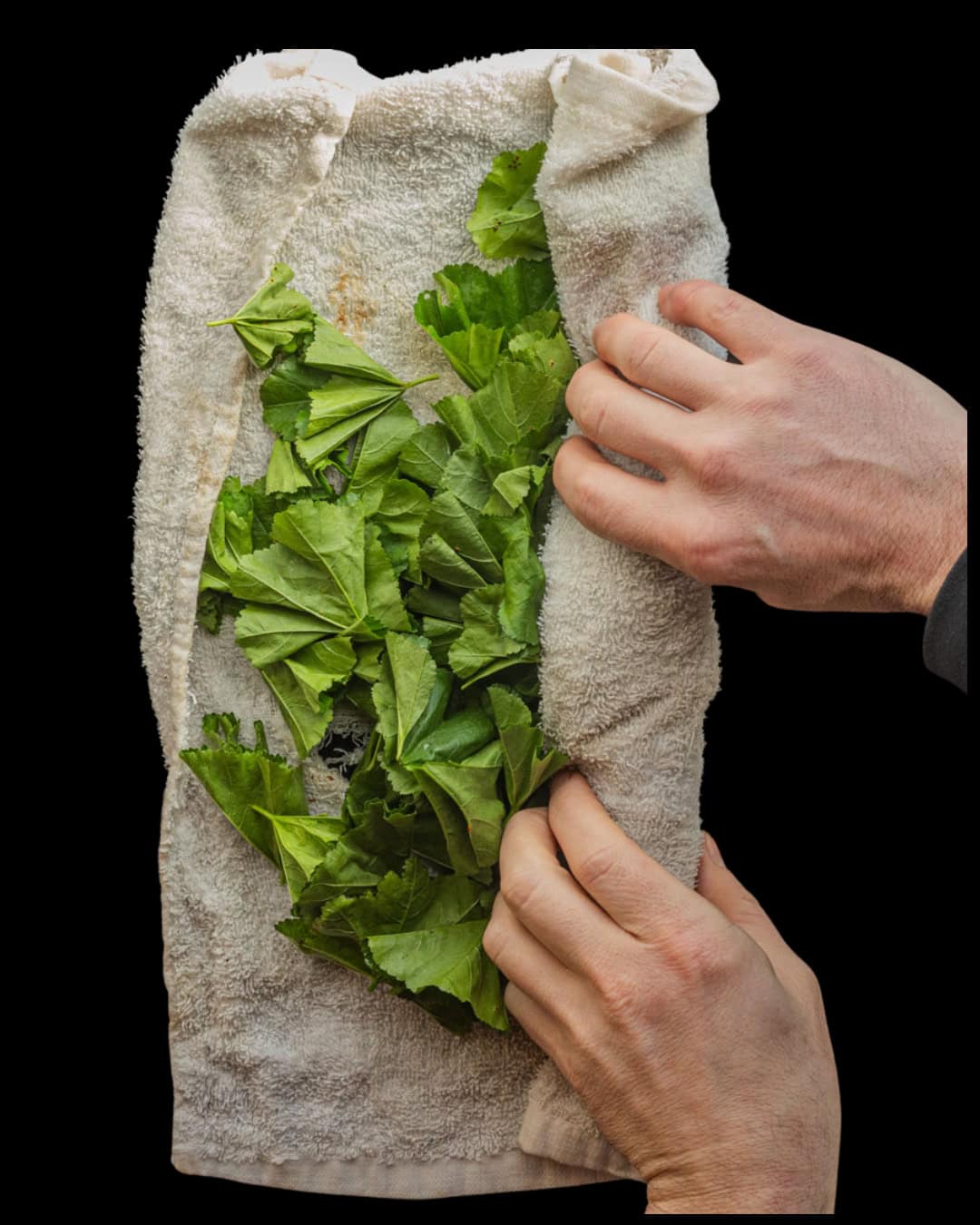
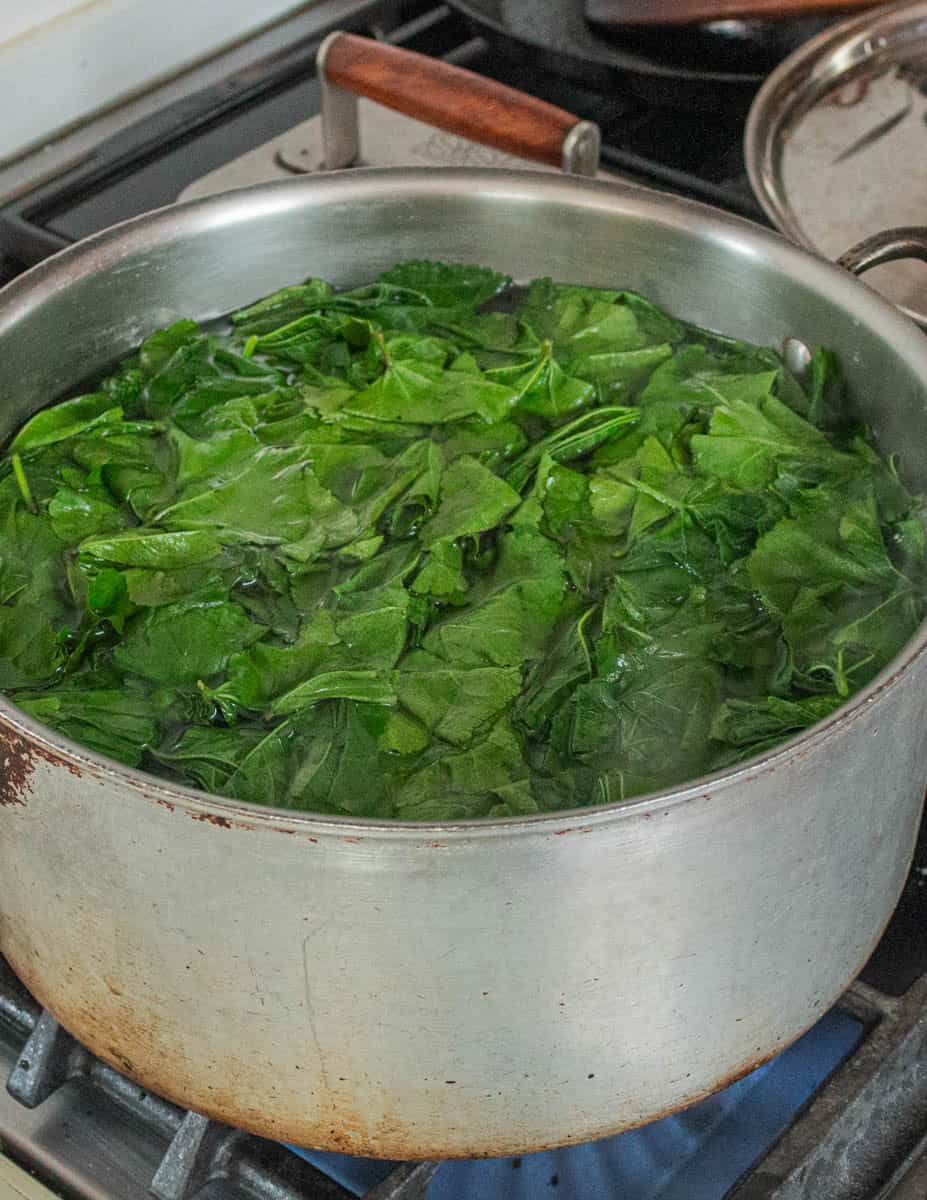
Once the greens are refreshed they can be cooked like spinach or any other leafy green. As with many other wild greens, a trusty way to cook them is a quick blanch in boiling, salted water-30 seconds or so to tenderize them. Next, refresh the greens in cold water to preserve the color, squeeze dry and freeze or save for adding to recipes.
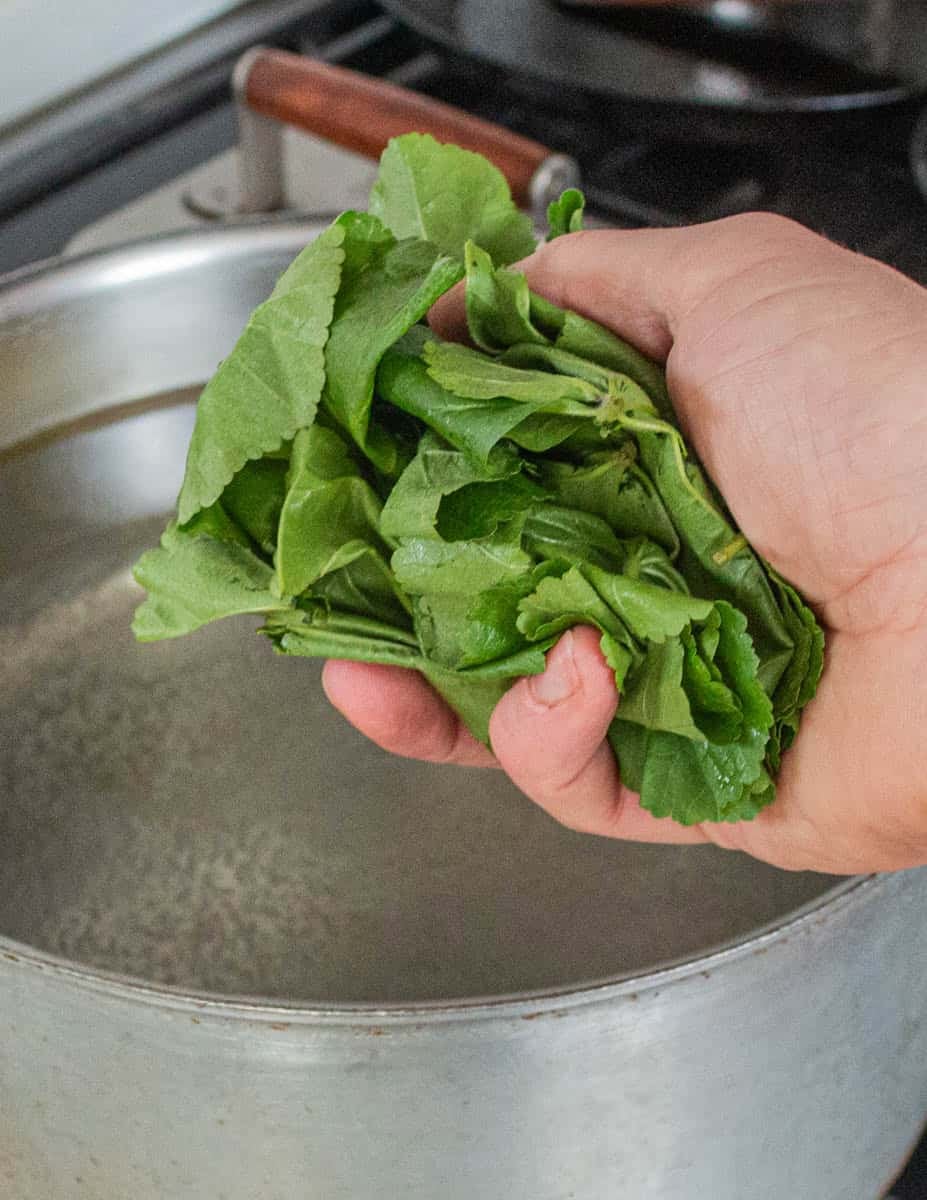
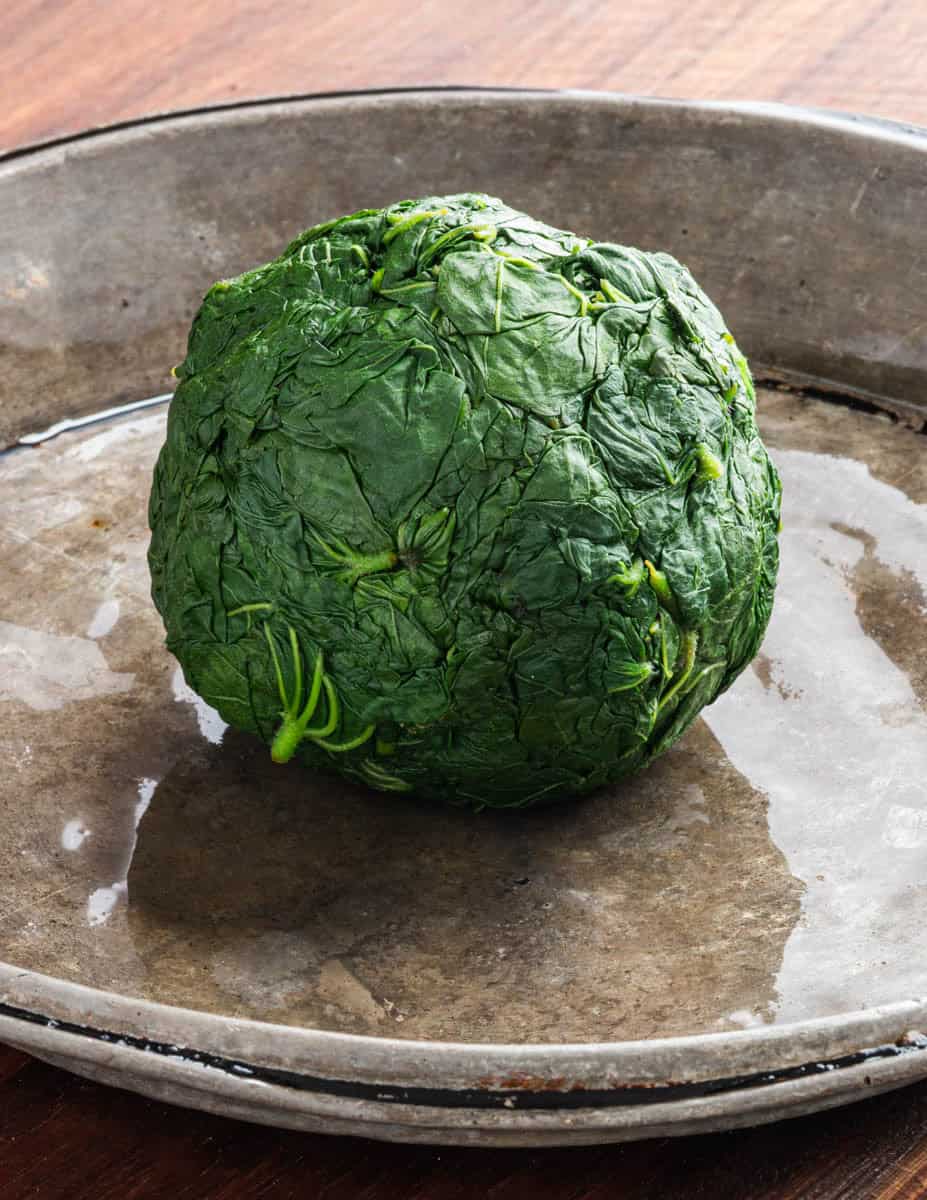
After the greens are cooled, squeeze them dry and form into a ball. They'll last for a week in the fridge or a couple months in the freezer, vacuum sealed.
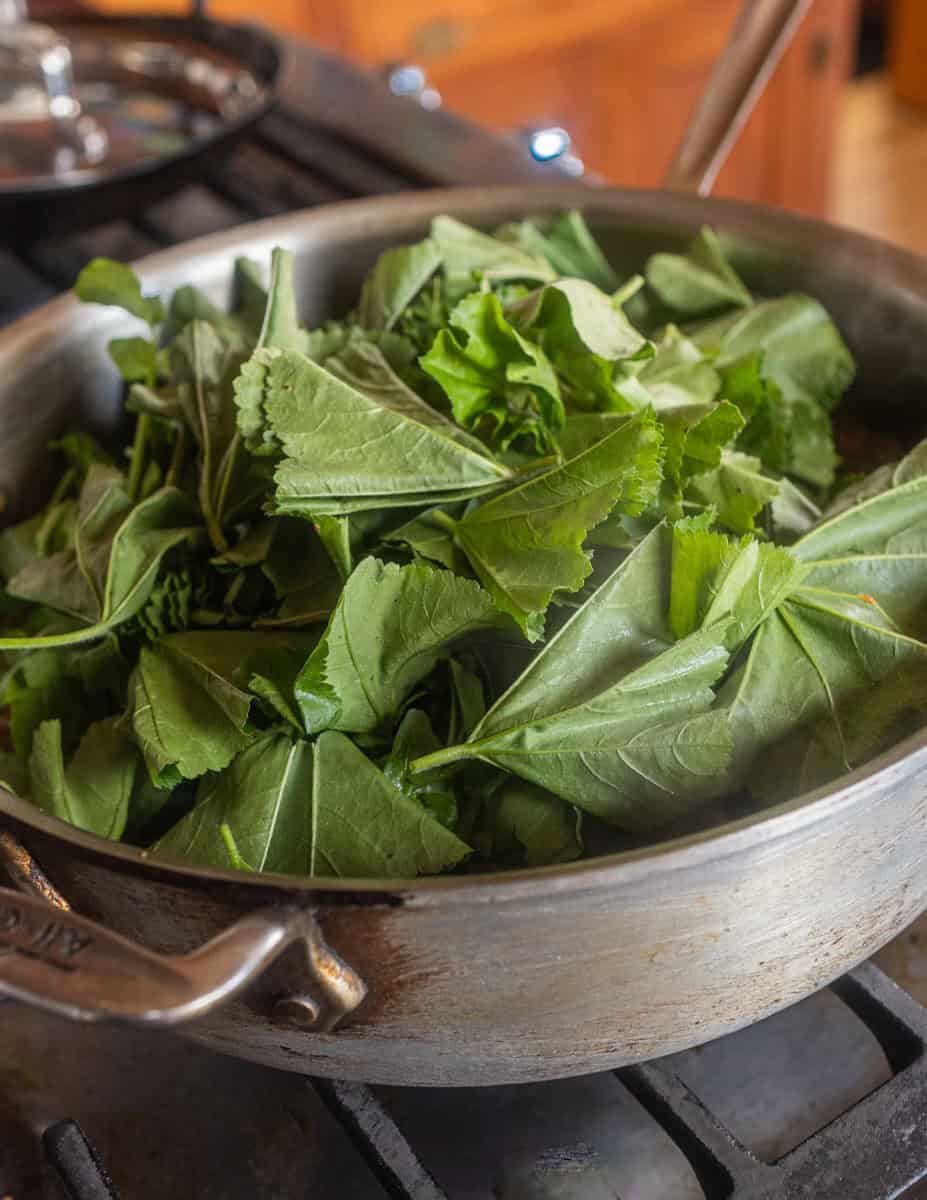
For cooking right away, steaming or simply wilting in a pan with a splash of water, cooking until tender works fine too.
Dried Mallow Greens
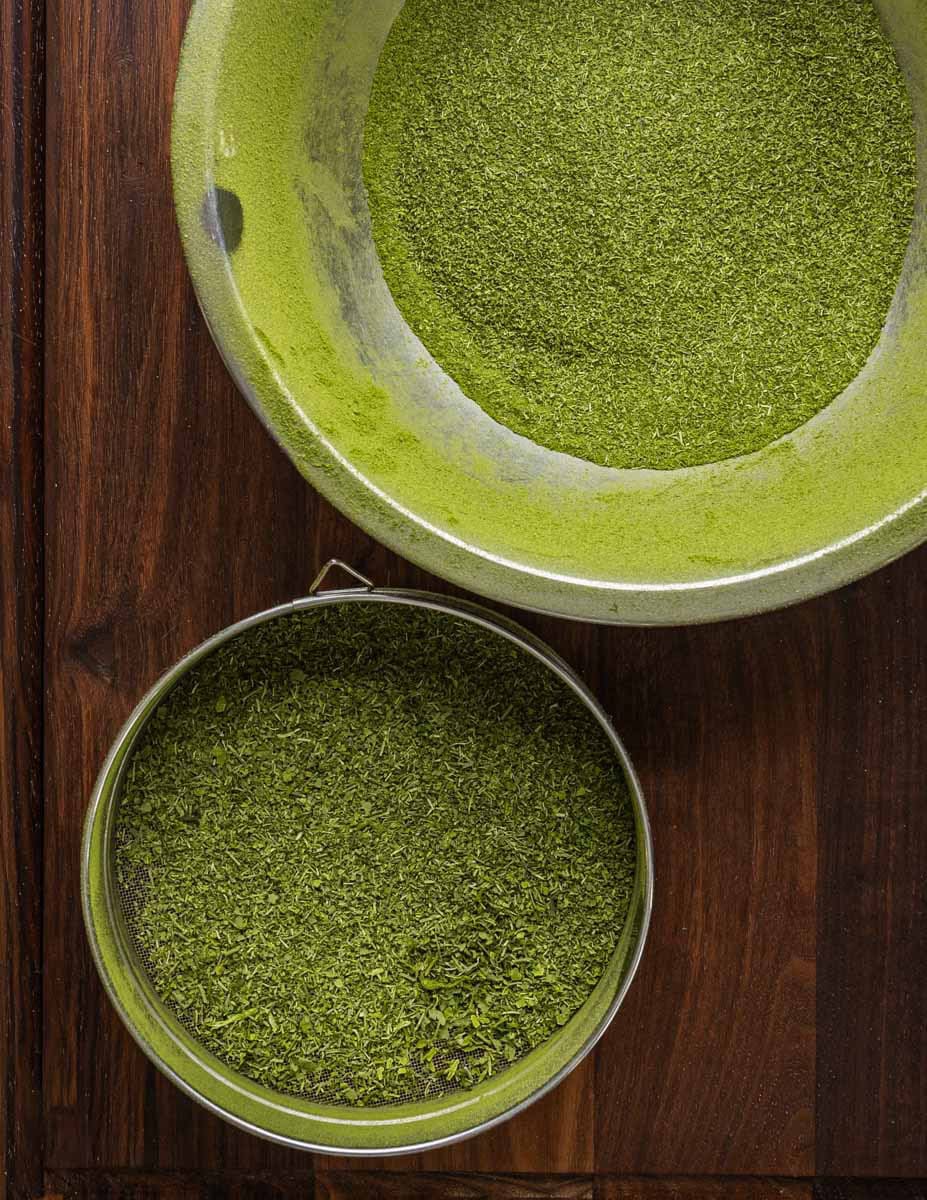
I'm fascinated by mucilaginous plants, so of course I had to try dehydrating the greens to use like Aveluk. Surprisingly, the mucilage was non-existent and the dried greens function like spinach powder, with an inferior flavor.
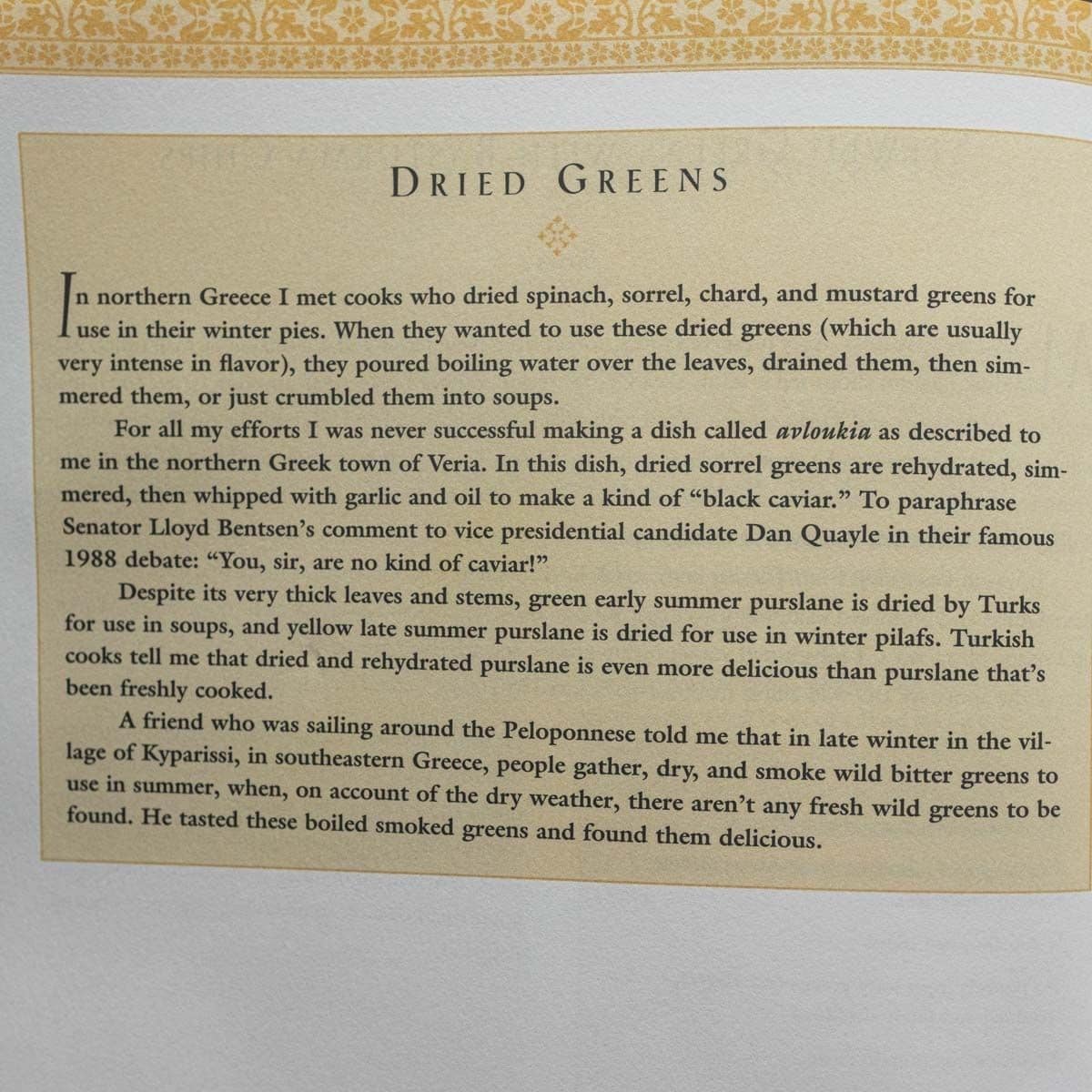
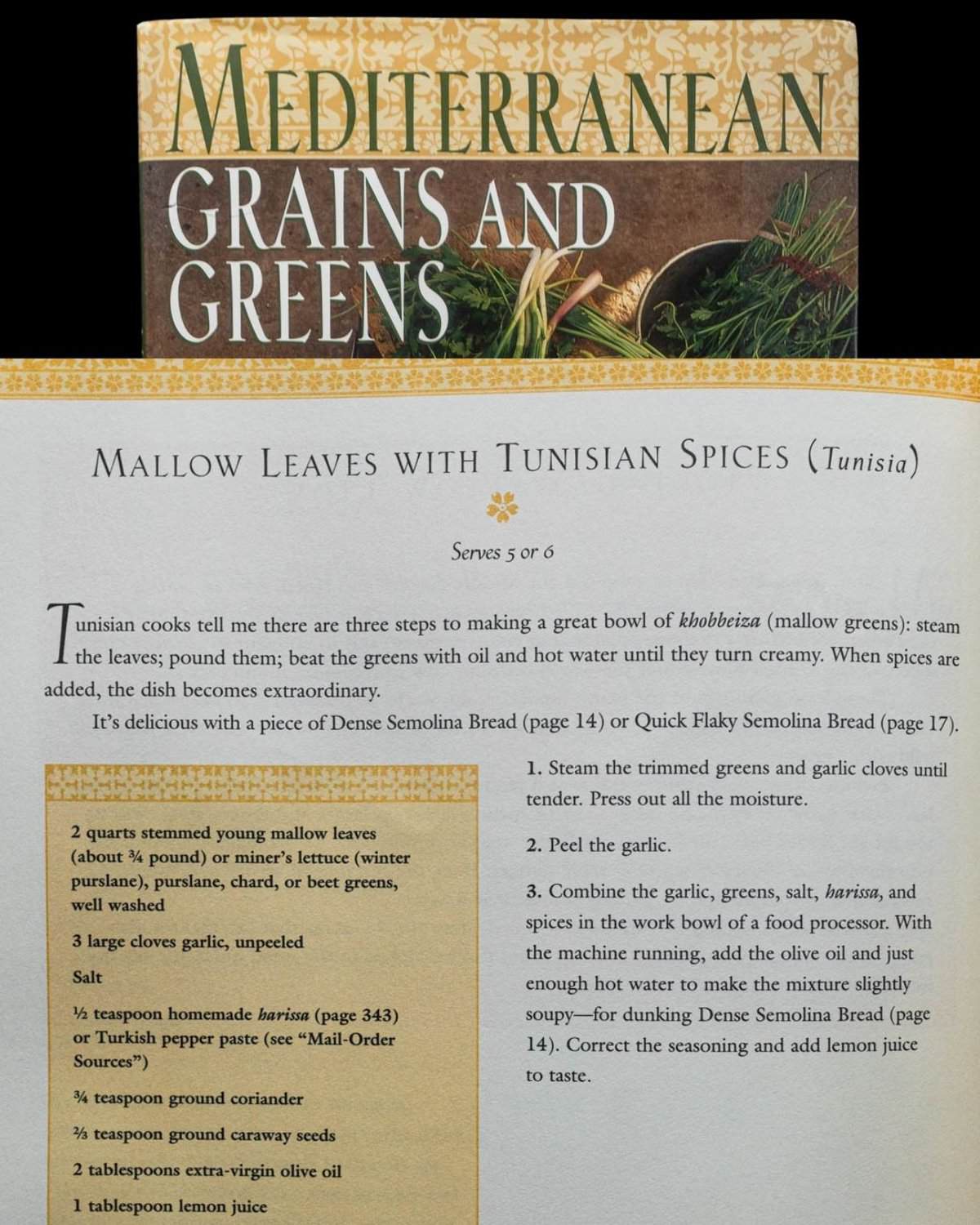
Interestingly, it seems Paula Wolfert never had success with Aveluk (avloukia in Greek) which was new to me. The excerpt below is from Mediterranean Grains and Greens, which is an excellent collection of recipes for many wild greens if you can find a copy.
With the ease that dock can be braided and dried I don't see many uses for dried mallow greens besides adding a spoonful to a saag or a mix of greens. Tea made from the dried leaves is overly vegetal and off-putting, although mallow root tea is interesting and has a sweet aroma of fresh corn.
Malva Recipes
Specific recipes calling for mallow greens are scarce. I assume this is partly due to them being mixed with other plants in areas where wild greens are eaten, as in Southern Europe and the Mediterranean where they're omnipresent in Ethnobotanical references but scarce in culinary references. Long story short: you can use mallow greens in any recipe for leafy greens like spinach or other cooked greens.
Erebu Soup
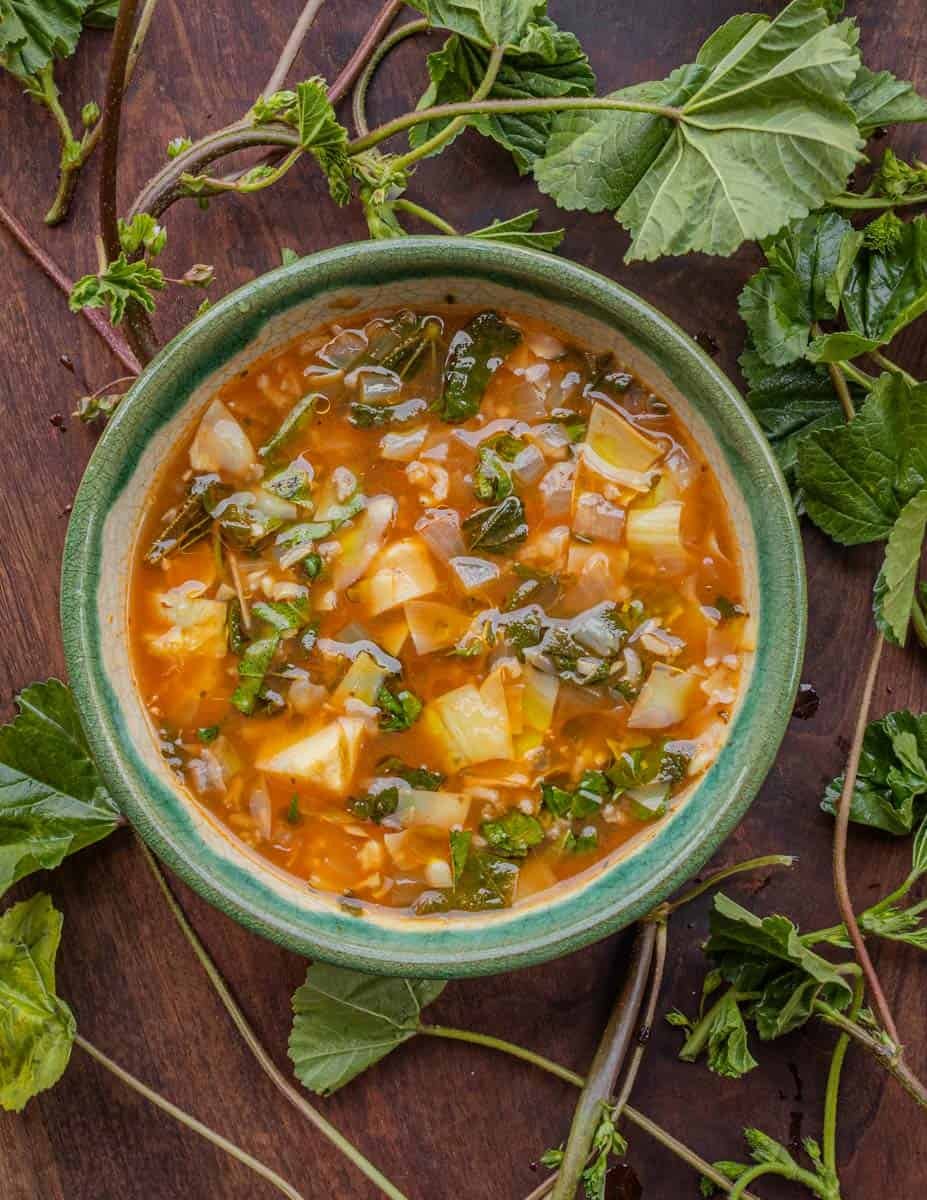
Besides the recipes I've collected below, one of the few well-documented recipes for common mallow specifically comes from the Yoruba people of West Africa. There mallow is called erebu and made into a thick green soup with the same name. I'll also add that while references may talk about thickening a soup with mallow greens, you need more than a few handfuls for it as it's not as potent as okra.
Leaf Rolls: Sarma and Dolma
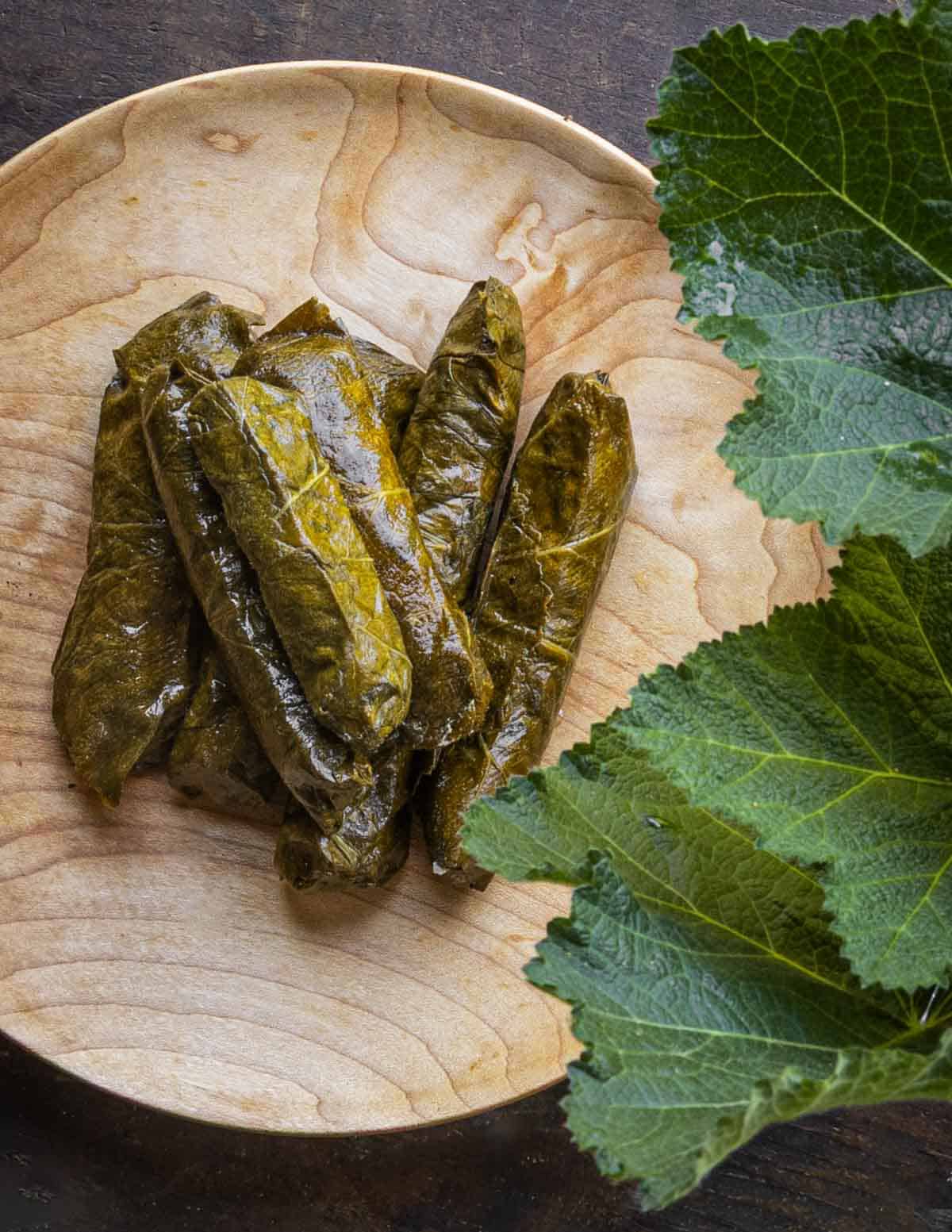
Like grape leaves, but more tender, Malva leaves can be good for stuffing if you have plants with large leaves. I prefer to use hollyhocks, which are less delicate and generally larger. From there, just substitute the leaves in your favorite sarma or dolma recipe. They can be blanched, pickled or fermented, but the latter should be done with a higher 4% salt brine (4 grams salt to every 100 grams of water) to calm the aroma.
Bakoula / Bqula
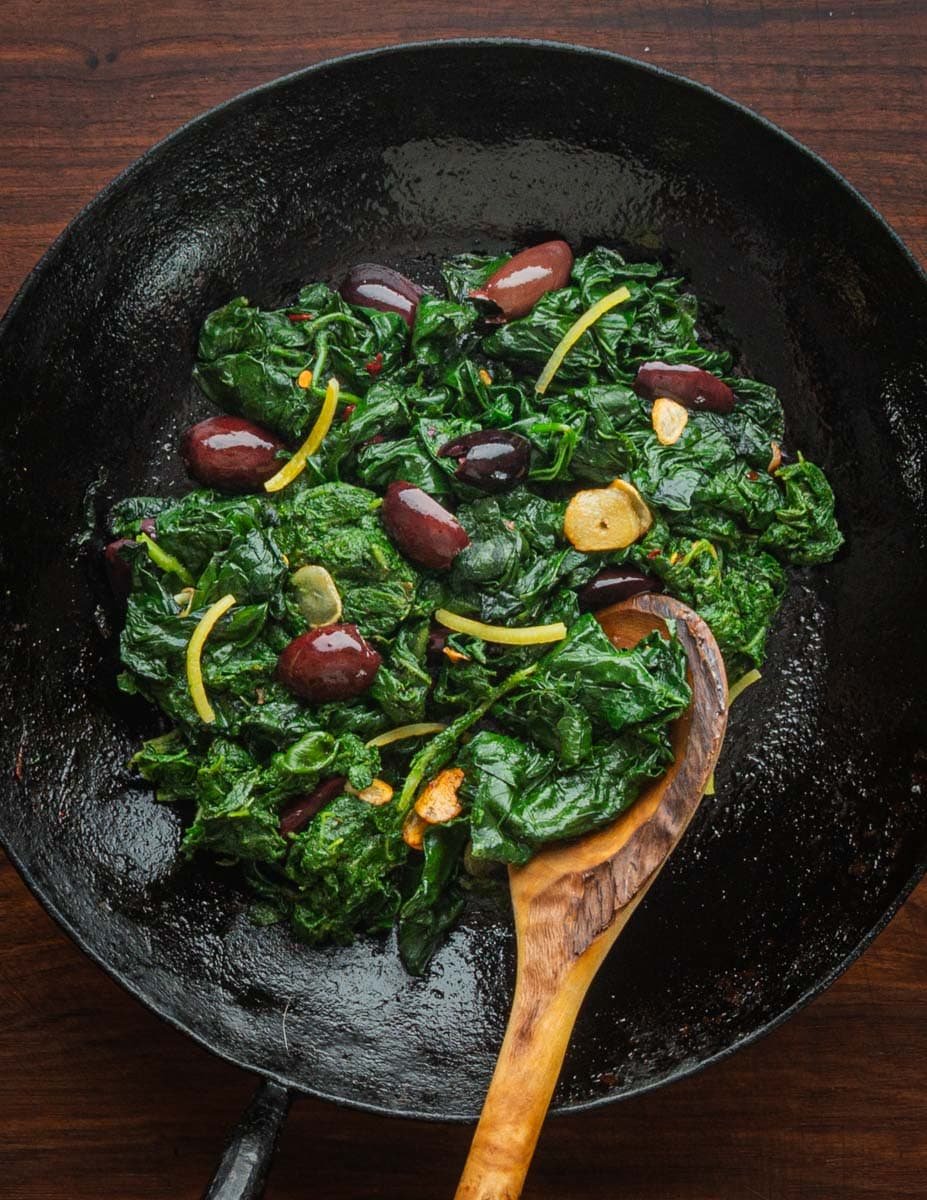
One of the more well-known recipes around the world. This is a North African cooked dish of mallow greens or a mix of wild plants, often including purslane with olives, preserved lemon and garlic. It's excellent, and may be described under a number of similar names.
Molokhia
A sort of thick, spiced stew of greens from the middle East and Egypt, often made with chicken. Along with Bakoula, Molokhia is very well known, but differs from other recipes as the traditional green used is Cochoris olitorius.
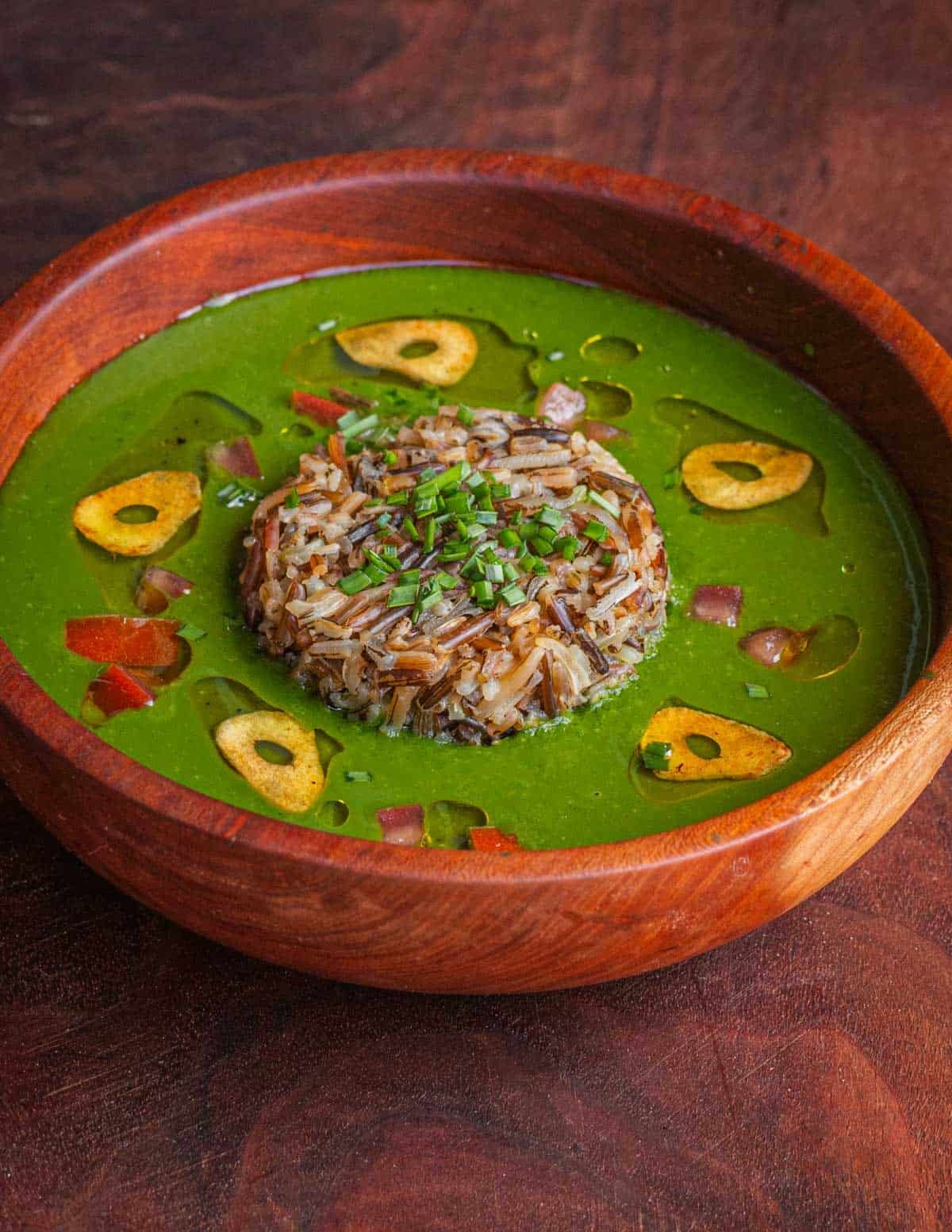
C. olitorius (Jute mallow) is a Malva plant, but much more mucilaginous than common mallow. Seed is being sold more and more and I sometimes see it for sale fresh and dried in Middle Eastern Markets. In my first book I have a vegetarian version that uses wild rice, shown above.
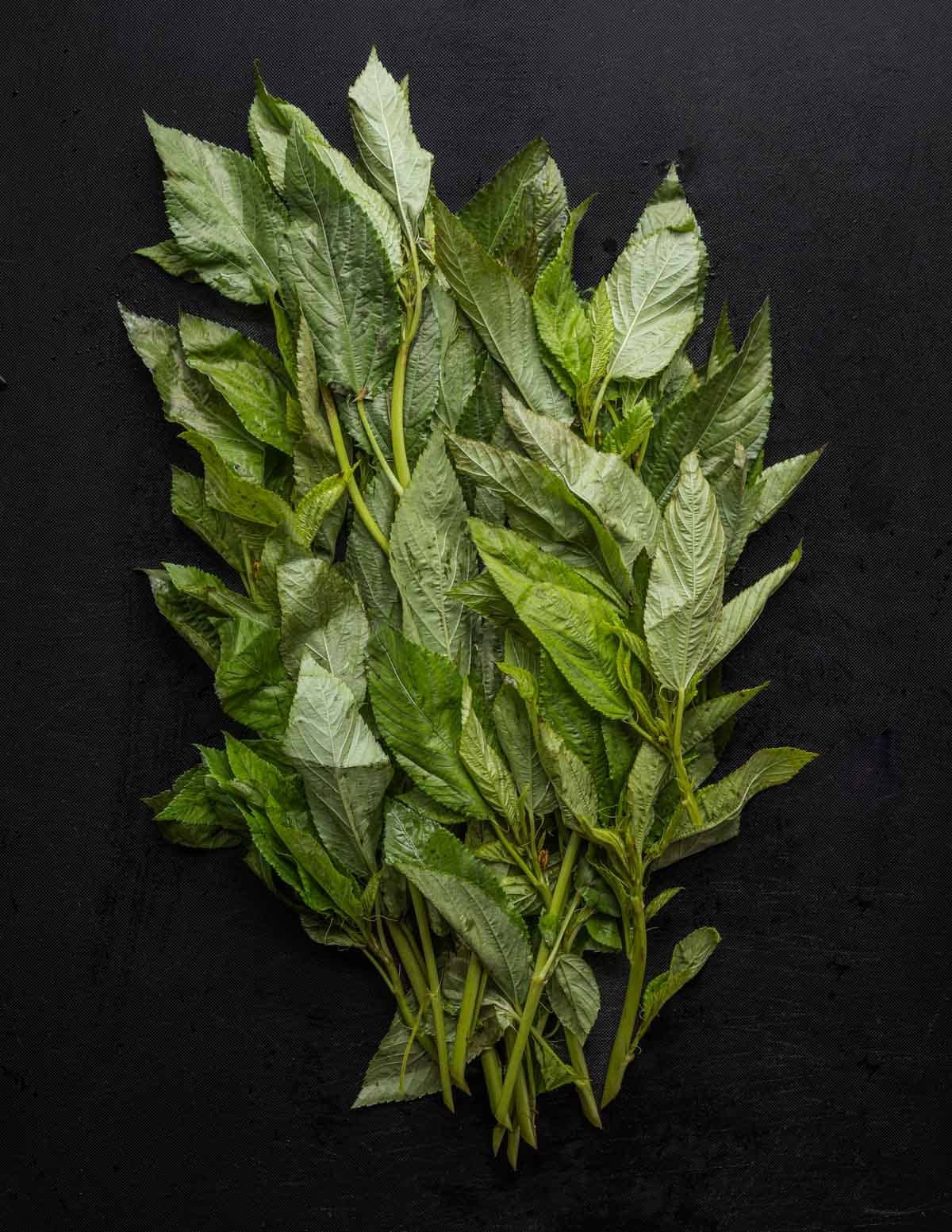
Large boxes of dried greens are commonly sold in Middle Eastern and Indian grocers where I live.
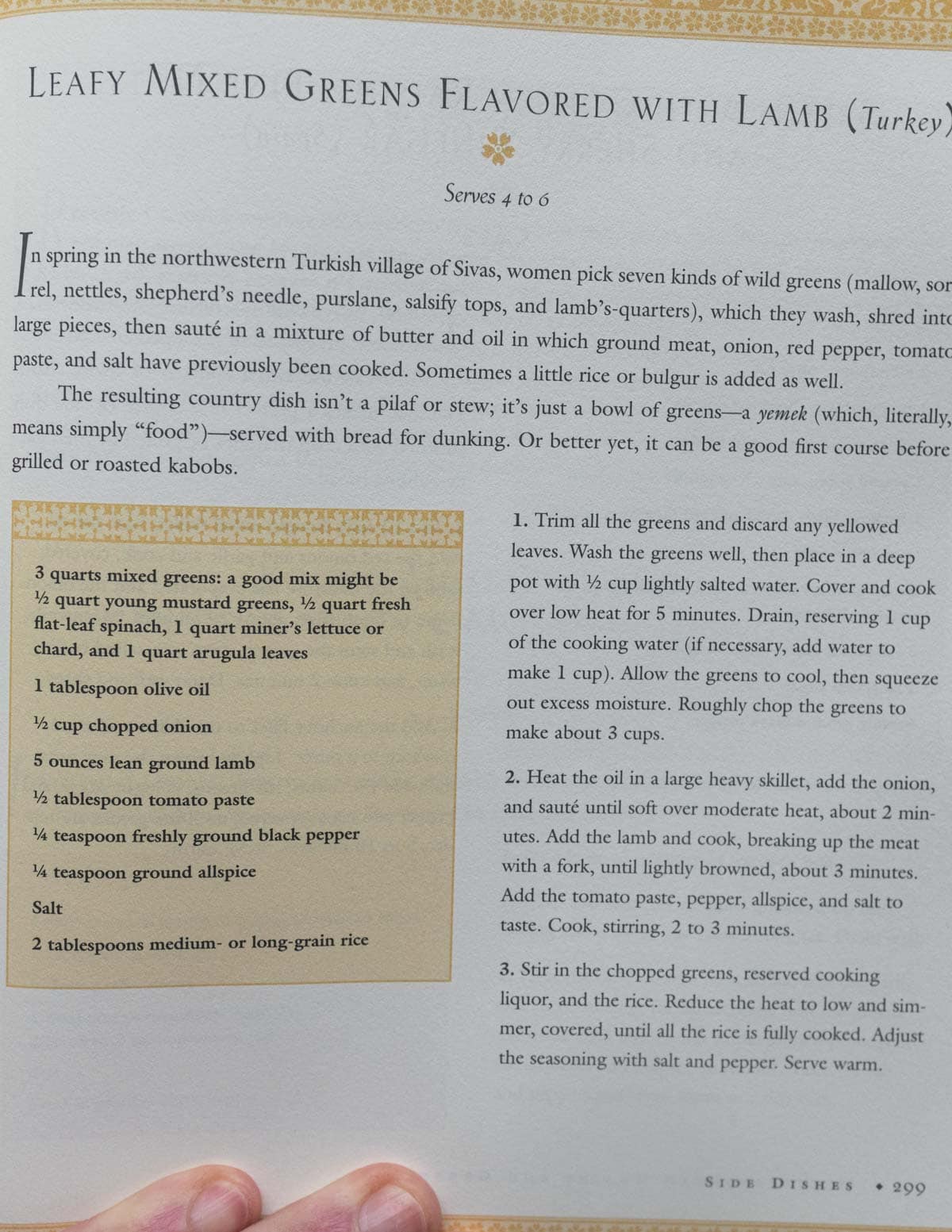
Kıymalı Ispanak Yemeği & ıspanak yemeği
A simple dish of braised, spiced greens with tomato, rice or ground meat. Like many recipes with wild plants, references to specific wild greens are rare, but there are a few.
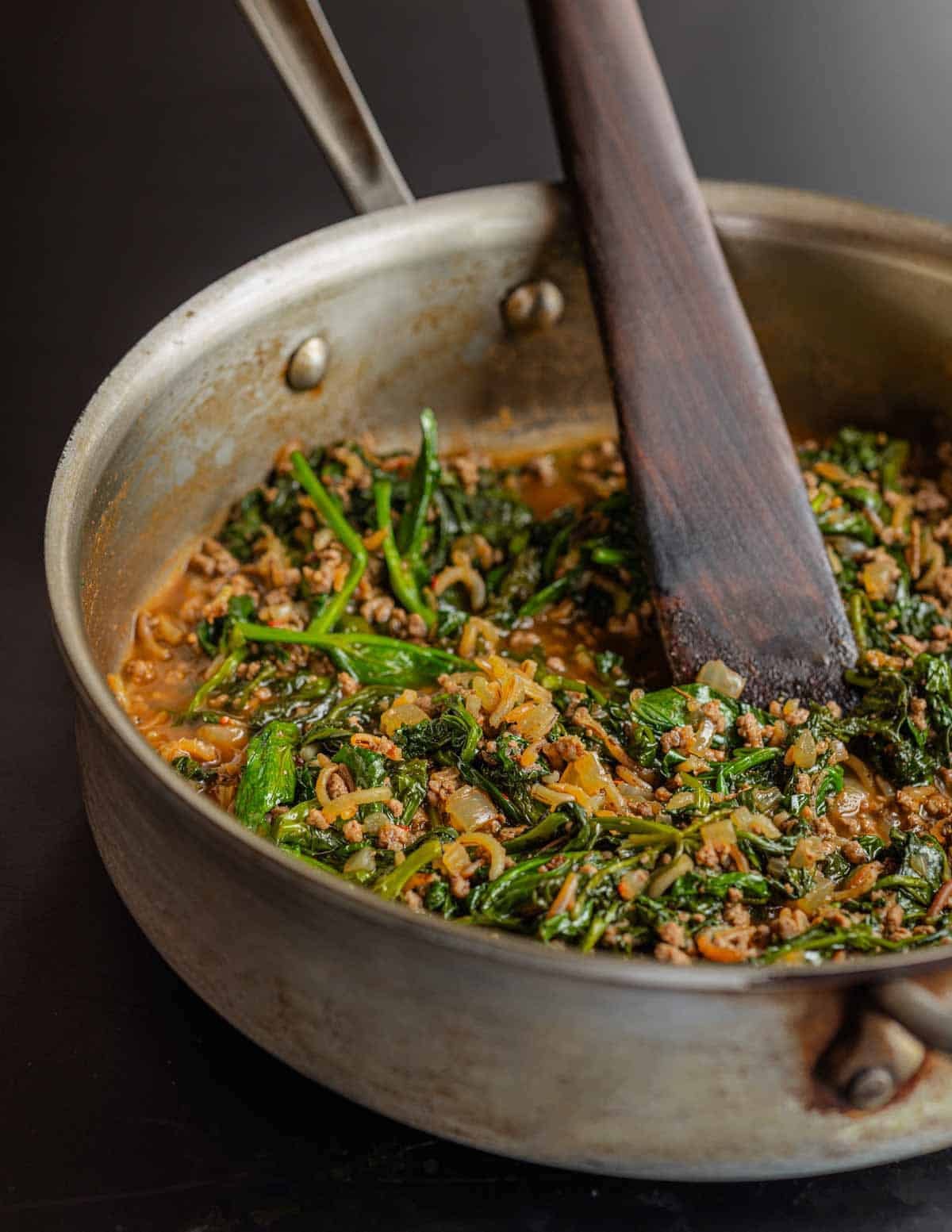
The dish is interesting as the rice is more of a condiment than a starch. Some recipes also add chickpeas, some omit starch altogether, as shown below. All versions I've made are good with a garlicky yogurt sauce.
Dips and Spreads
The slippery texture of the cooked, fresh greens also means they make a nice dip, and Paula Wolfert gives a nice account of one in the excerpt below: a Tunisian version where the greens (called khobbeiza or khobiza) are blended with spicy harissa paste.
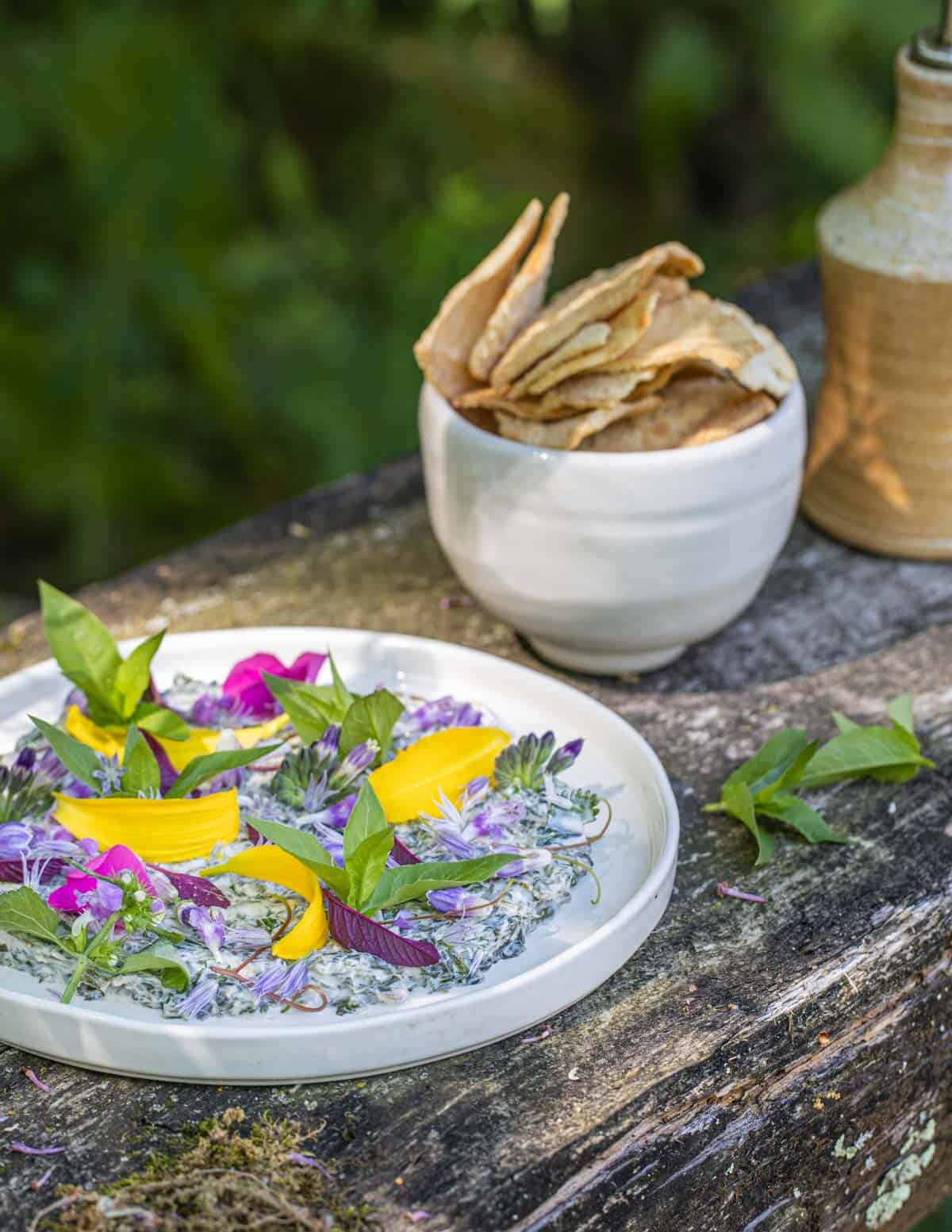
Blanched, finely chopped, mixed with something creamy and seasoned with herbs, mallow and other tender greens makes a great addition to a mezze platter with olives, cucumbers, hummus feta and flatbread. A favorite of mine is my borani esfenaj, shown below.
Jackie Skrypnek
Thanks so much for all this in-depth information on greens, Alan. I'm curious if you consider steam blanching to be just as effective as submerging greens into boiling water to blanch. It seems like steaming would retain more nutrients?
Alan Bergo
Hi Jackie! Devil’s in the details here. I love steamed greens, but it is more difficult to par-cook them to use throughout the week as I do.
Typically if I steam greens they’re eaten right away. In my book I discuss a technique called steam wilting where I fill a tall pot with greens and a splash of water, which can work-great with cress.
The other thing to consider is the salt. Boiling greens for a few seconds as I do-just until wilted and less than 60 seconds won’t overcook them, but the salt will penetrate and greatly extend their shelf life by at least 2-3x, or more.
As far as nutrients are concerned, of course you’ll have some compounds dissipate into water, but in my opinion it’s a negligible amount. I also eat a lot of different greens prepared many ways throughout the year so I don’t really stress about it personally. At the end of the day I think it’s just great to eat greens any which way.
TLDR: steaming is totally fine and you’ll retain more nutrients, albeit not anything life changing in my opinion. The trade off is it’s not my first choice way to prepare greens for storage or batch cooking for future meals.
Thanks for commenting.
Jackie Skrypnek
I appreciate all those further details so much, Alan! I actually do have your book and probably read the bit about steam wilting but didn't understand the nuanced differences in these techniques dependant on use. Thanks again 🙂
Karen Kettnich
Thank you so much for the incredible gift of these posts. You are amazing.
Alan Bergo
Hey thanks Karen. I just try to share what I wanted to know when they were new to me.
Susan Z
Dear Alan, Thank you for this most informative document. My mind is reeling ! I am an avid 'plant person' and try as much as I can to study our beautiful wild ones. I had no idea that the malva seeds can be eaten as you describe. I am also a great fan of lacto- fermentation and I am curious to know if you have further information on fermenting leaves, as I have always understood that this is, at the most, tricky and usually to be avoided.
Many thanks.
Susan
Alan Bergo
Hello Susan. While you can ferment just about anything, the success hinges on the flavor of the finished product and the texture. Some leaves can become soft, which is partly why grape leaves are traditionally fermented-they're durable and the natural tannins of the leaves keep themselves crisp, as well as warding off kahm yeast (from my personal experience).
Some leaves get very stinky when they're fermented, and that's the case with hollyhocks and others like cow parsnip, nasturtium and brassicas. To tame the aroma you need to increase the salt percentage a bit, roughly doubled, to a concentration of 4 grams salt to 100 grams of water. The higher amount of salt calms but doesn't completely remove the stronger flavor.
That said you can also rinse stinky fermented greens, but you do lose a little of their goodness and something like leaf rolls / dolma / sarmasi will need a little extra seasoning. Those are basically the reasons I generally cold-pickle hollyhock leaves, which I prefer as they're dependably large and not as delicate as common mallows with round leaves pictured in this post. Any large malva leaves that are tender when cooked will work though.
Giuseppe Scagliarini
A little tangential, but somehow related: I do not have mallow in my yard but I have TONS of rose of sharon shrubs (leaves, flowers, you name it). It is similar to hybiscus and spreads like a weed. Is there anything that I can do with the large flowers or leaves or seeds?
Alan Bergo
Not tangential at all, they’re a hibiscus too. From accounts I’ve seen the leaves are a little tough but I’d assume the seeds and flowers could be used.