
Kentucky Coffee Beans, also known as mastadon peas (my name), have been on my mind, in my fridge, and in my belly all week. They are, without a doubt, the largest, tastiest and most interesting foraged legume (sans tepary beans, of course) I've eaten to date. This is a long, detailed post, with a lot of things to go over, so I'd grab a cup of coffee.
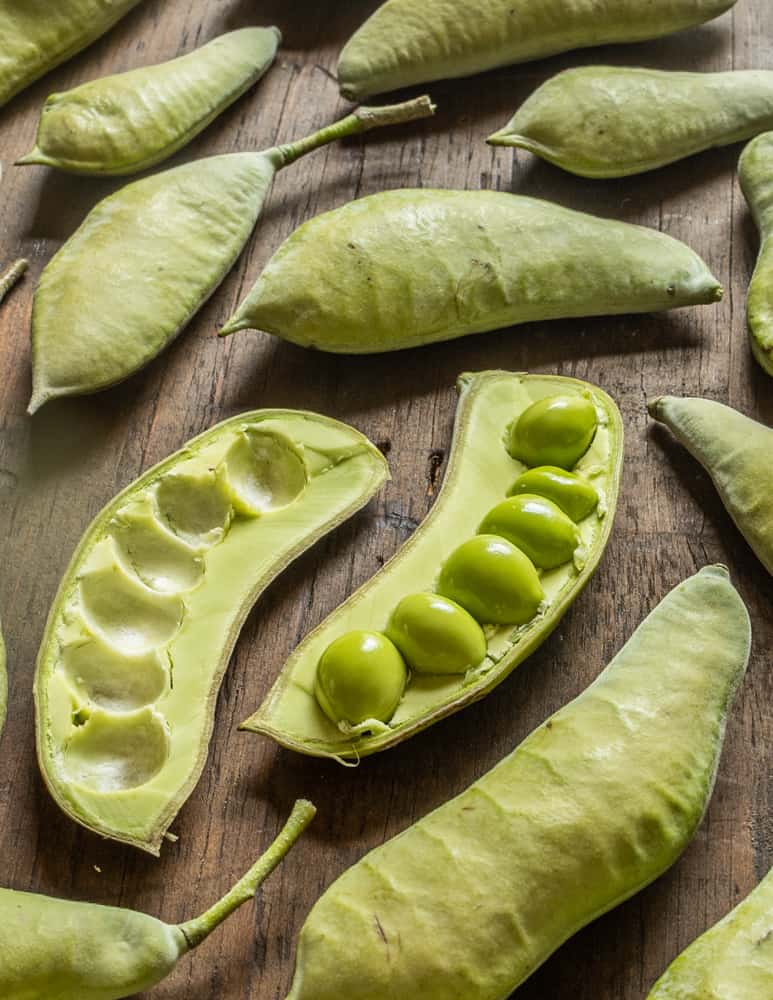
If you're not familiar, the Kentucky Coffee Tree (Gymnocladus dioicus) are tall, handsome, leguminous trees that makes large pods containing seeds, similar to honey locust and black locust trees. The seeds inside of the pods were historically food for giant herbivores that roamed the land who would snack on them, and disperse the seeds, helping the trees spread.
That the trees are still around makes them a sort of modern-day dinosaur food, hence the name mastadon peas.
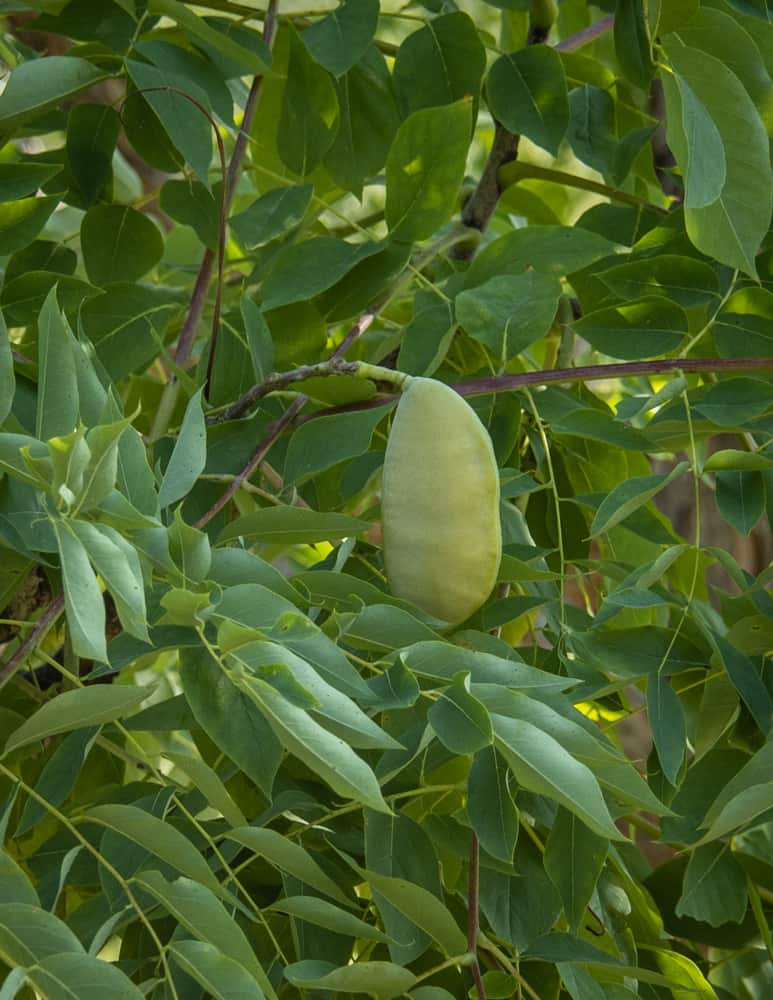
Kentucky coffee trees aren't mentioned much in the foraging world, but Sam Thayer wrote about them in his latest field guide Incredible Wild Edibles. Wild Man Steve Brill also covered them.
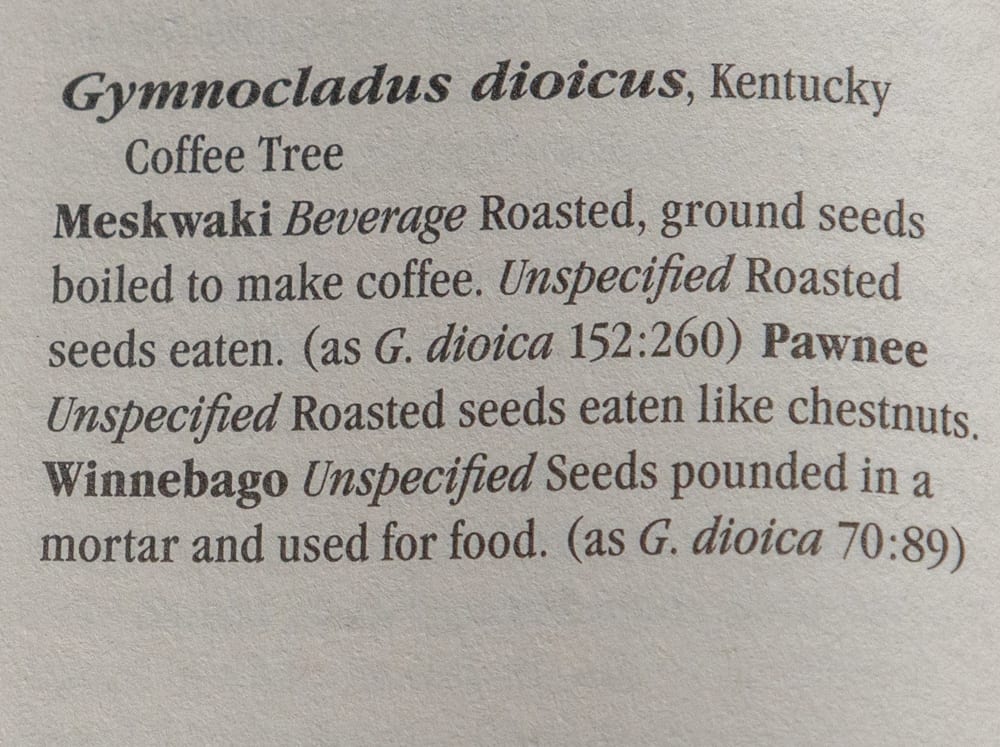
All of the literature and accounts of eating them I've read mention using only the mature beans as a coffee substitute, with Daniel Moerman also mentioning that the Pawnee (and undoubtedly other first peoples) consumed them as a food by cooking the shelled beans and cracking them as one would a nut. I've made the Kentucky coffee "coffee" and, sure, if I was on a desert island and starving, I might drink some out of boredom, but it isn't anything I find too interesting. I feel the same way about most teas.
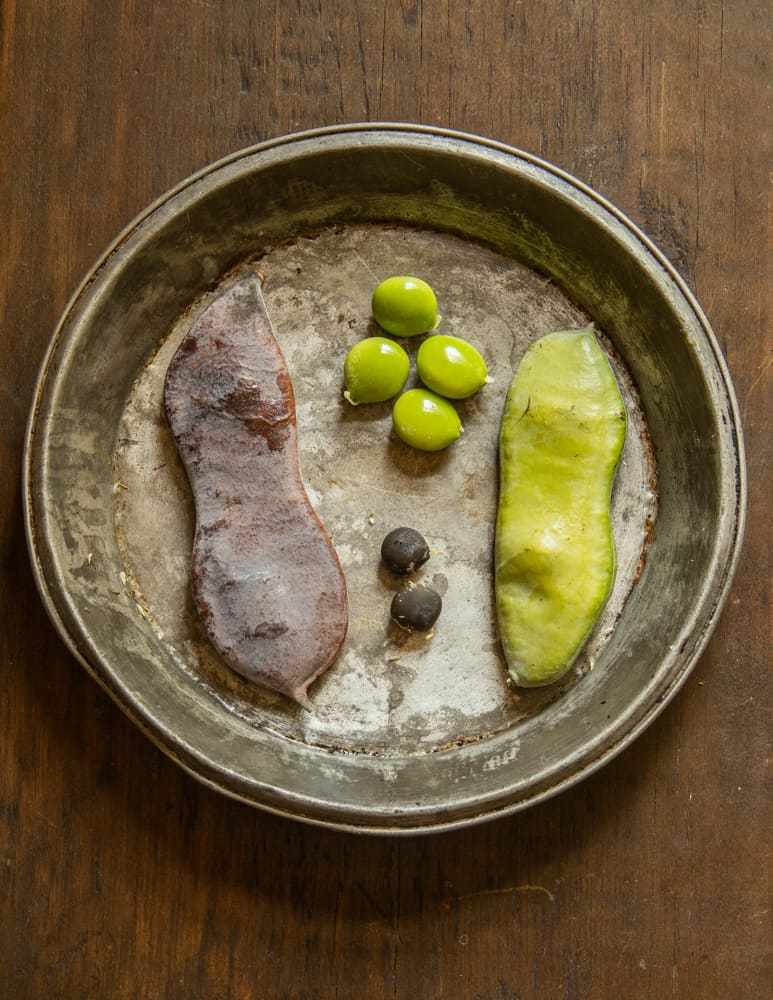
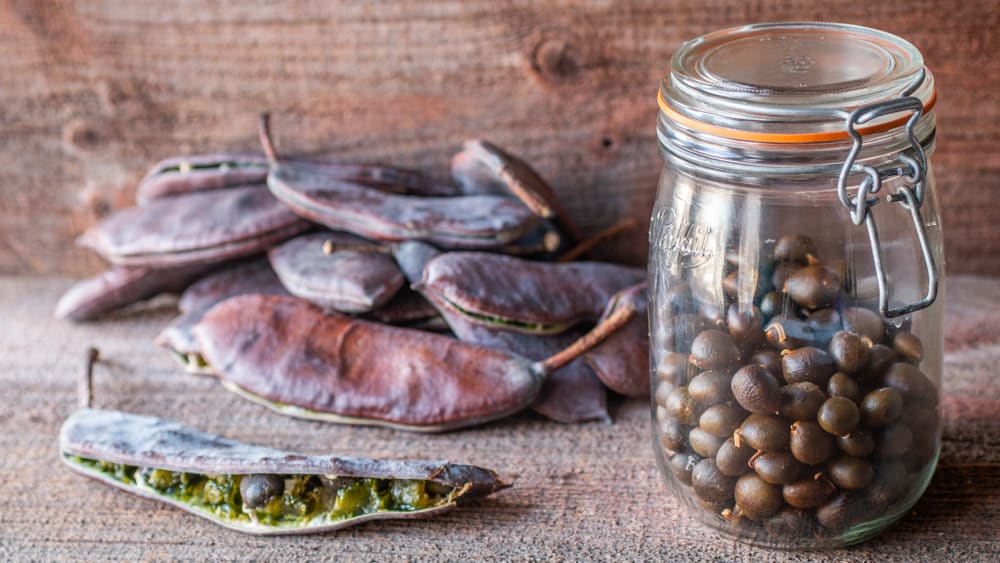
The mature beans are a separate post so I'm not going to cover them here. All I'll say, is that If I harvest mature Kentucky Coffee Beans, I'll be roasting and shelling them to eat as a nut, and they're good, although very labor intensive to extract-more so than any nut I know. If black walnut shells are steel, then Kentucky Coffee Bean shells are adamantium.
Green/unripe Kentucky coffee beans though? They're a different world.
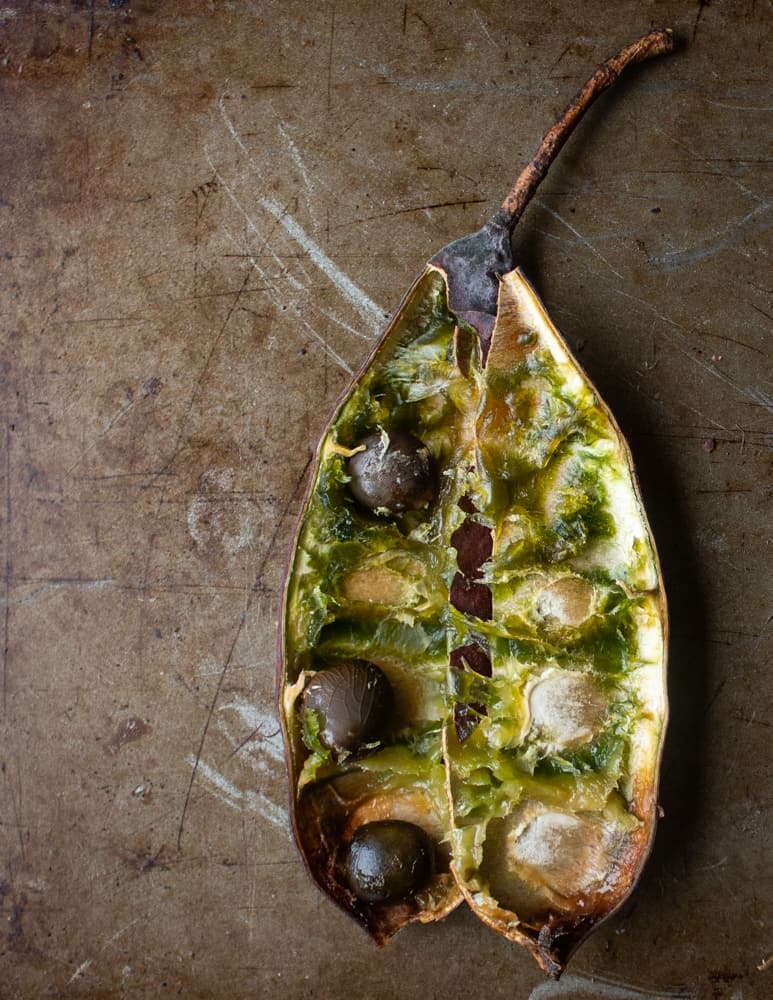
Story goes that my new friend JD from Brooklyn was reading my book Flora and, inspired by how I demonstrated cooking unripe sunflowers, decided to harvest some unripe Kentucky coffee pods. He sent me a message asking if I'd tried them, and we got to talking.
I hoped people would enjoy the book, but seeing people take some of the high-level ideas and apply them to things I've never thought of is a different thing entirely. I'd hoped people would apply some of the ideas in the book to other plants, but to see it happen, and then be able to go out and verify it in real time is something else entirely.
Needless to say, I cleared my schedule for a week to bring you everything you're seeing today, which is the product of multiple days of travel and scouting, and many hours of processing, cooking, and meticulous documenting, as well as about two hundred images. Special thanks to JD-without you this probably would've never happened.
Harvesting
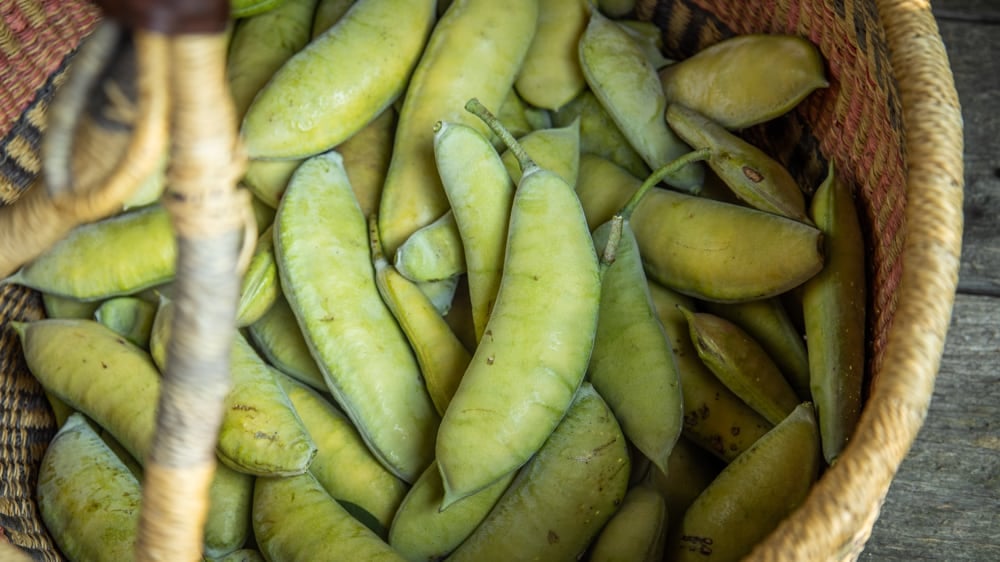
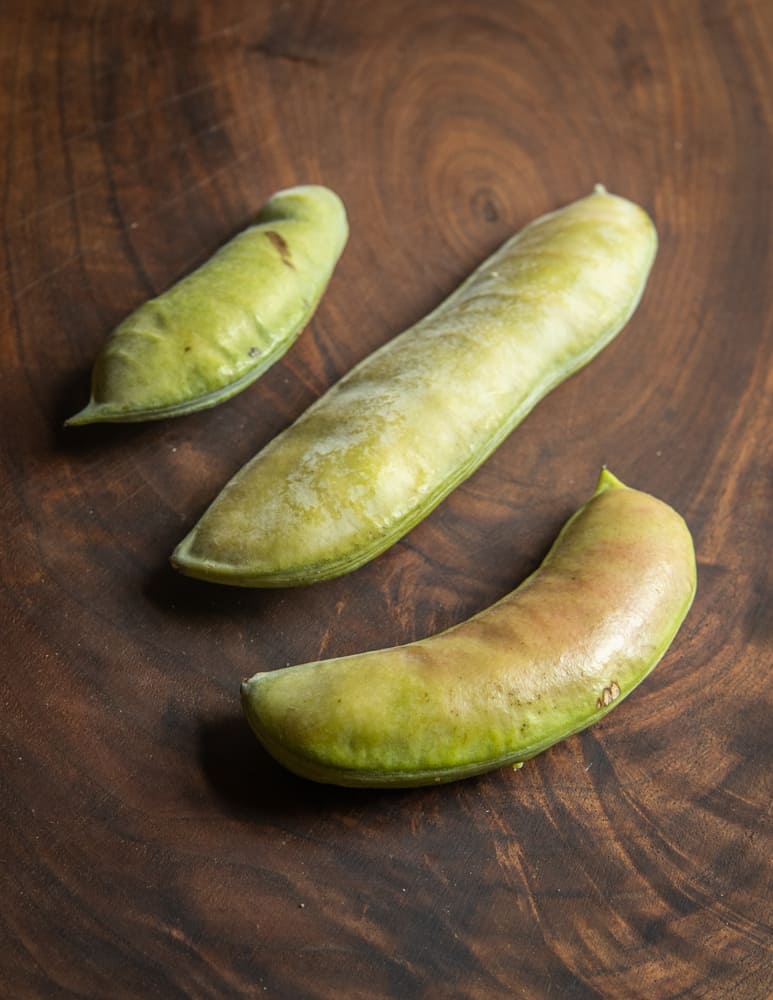
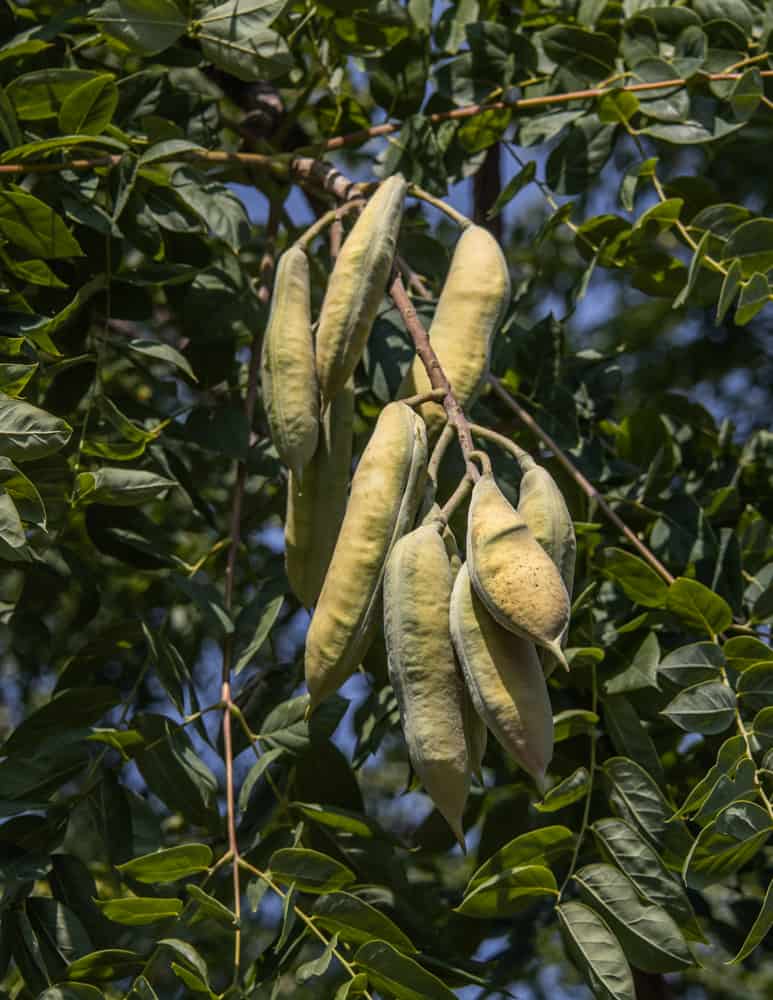
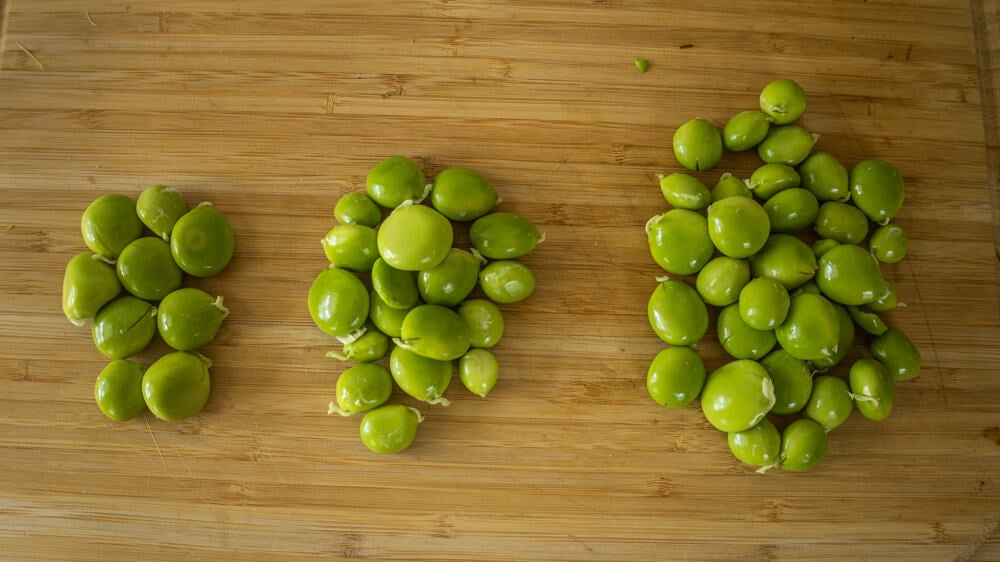
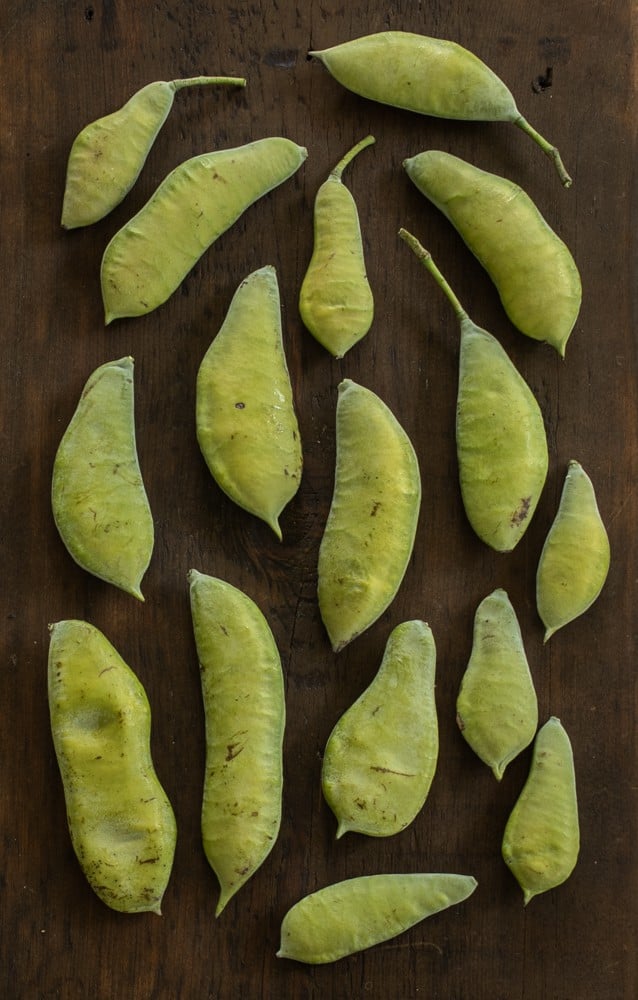
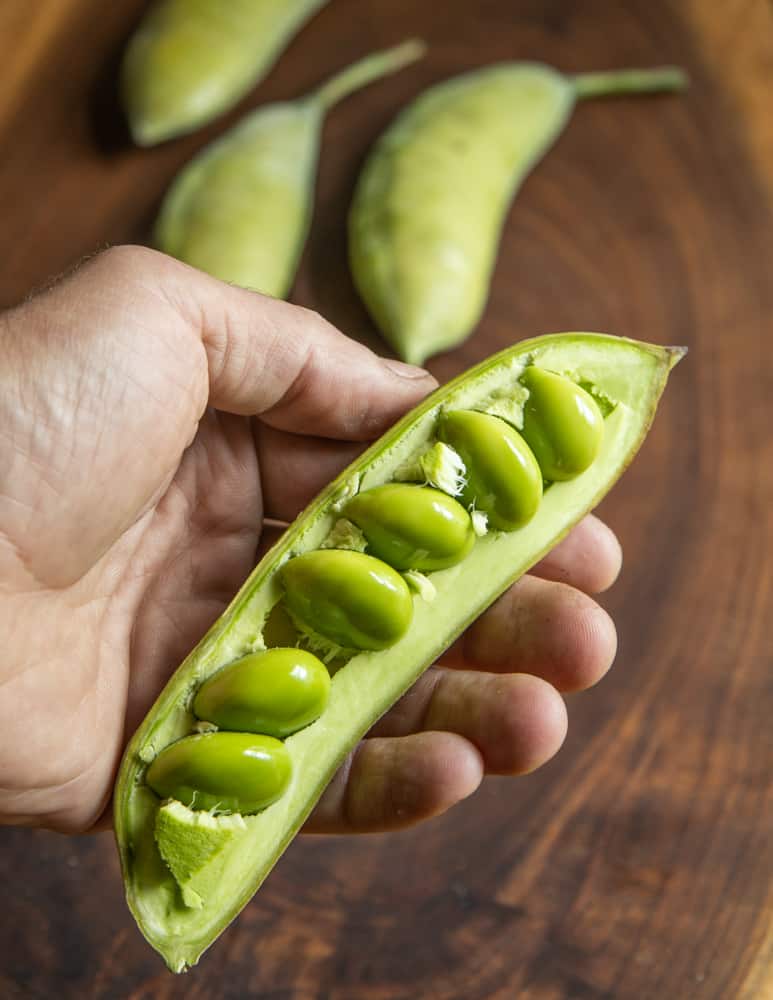
You're looking for verdant green and or slightly yellow pods. The sweet spot will be in mid to Late August. Look for pods that are yellow to deep green, although if they have a very slight red flush to them they will probably still be tender enough to eat, provided the beans are still bright green after shucking.
Finding pods you can reach
Depending on where you are, this can be pretty easy, or nearly impossible. Typically, when I've hunted for Kentucky coffee trees, it has only been in the late fall and winter, after the trees have dropped their leaves. The pods stay on the trees and are easy to pick out, resembling a flock of birds or crows that can be seen at some distance.

Finding trees like that isn't rocket science, and harvesting the mature pods is pretty simple: find a tree in the early spring and pick the pods off the ground after you've had a good gust of wind or a spring storm, and go home.
Similar to how some trees make pine cones, the trees seem to produce the majority of their pods on the top two-thirds of the tree, and, as they can be very tall, the only way to get those would be a lift that could bring you to a height needed to work on something like a telephone pole-not the easiest or safest way to try and get some food.
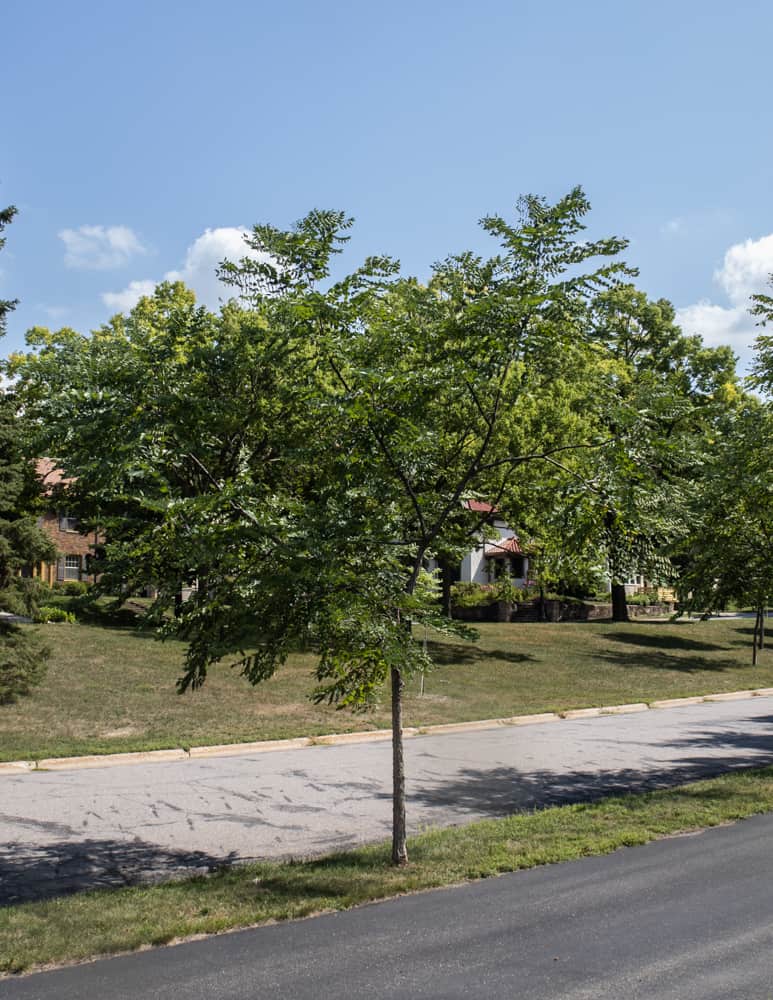
Look for boulevard and urban plantings
As there aren't giant herbivores to spread the seeds anymore, the Kentucky coffee tree is not one that you'll probably see in the wild much. Rarely I will see one along a river, but, more than likely, you'll probably be going to a neighborhood park to get pods, not the woods.
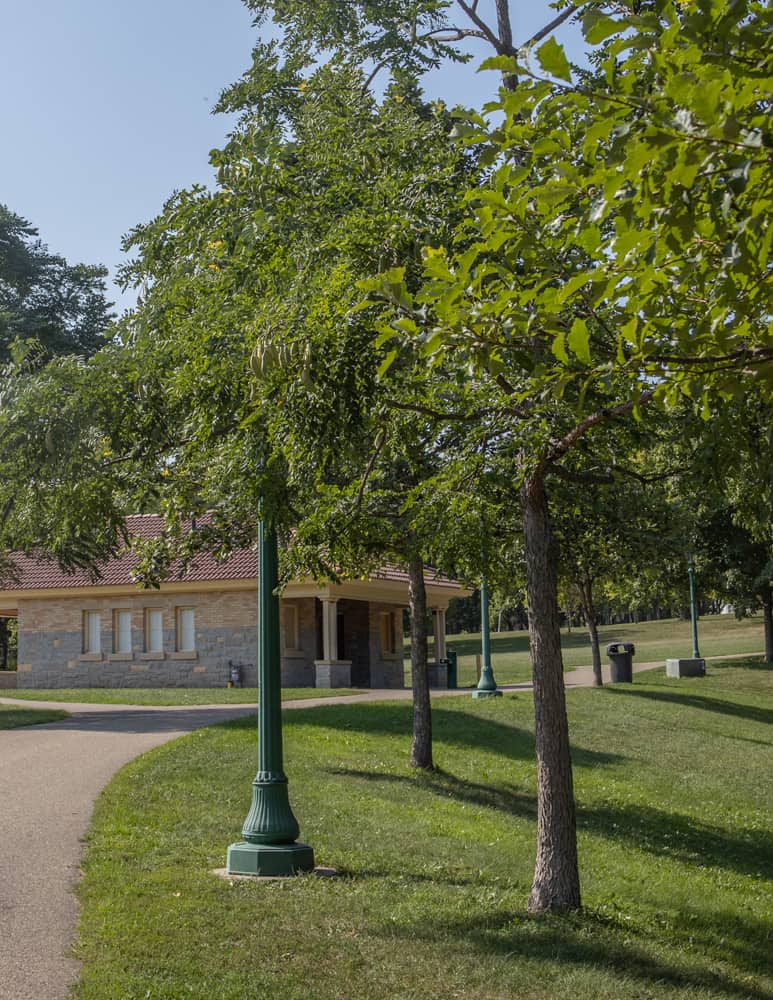
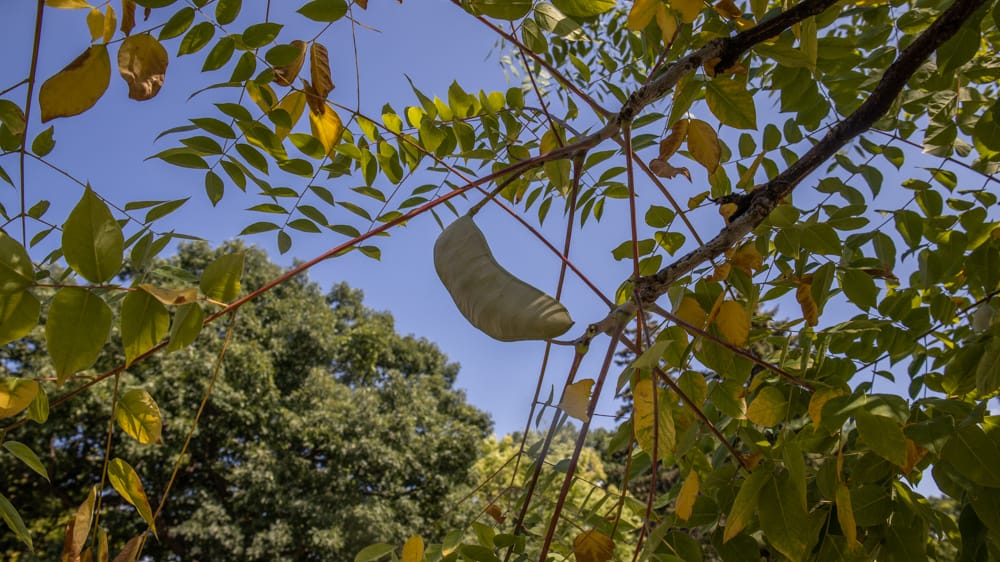
Trees planted on a boulevard or in a park may be much younger than truly wild trees, and, at the right height, they will have pods that you can actually reach. With the right tree(s) it is possible to harvest large amounts of pods in a matter of minutes.
Cooking
Toxicity
Do a quick google, and you'll see the fruit of the tree labeled as poisonous, but, it's also a documented traditional food. While confusing, this sort of edible dichotomy is not unheard of.
So, the big question for me, and others that would like to try them, like other foods that must be detoxified to make them safe (potatoes, beans, flour poke sallet, milkweed, lupin beans and cassava) is: what are the toxins, and how, if at all can they be either removed or reduced to a safe concentration?
After looking at the toxins themselves, another, very important thing I take into consideration is dosage. For example, cinnamon and nutmeg are heavily used spices, yet both have toxic thresholds that can be breached if taken beyond the quantity of normal use.
The book Toxic Plants of North America says this:
(Gymnocladus dioicus has) "A water soluble, heat labile toxin or group of toxins are present in the leaves and seeds. A group of complex glycosides called gymnocladosapponins may be responsible for the toxicity associated with consumption of the uncooked seeds or leaves. The cooked seeds were at one time tried as a coffee substitute.
Poisoning of livestock has been associated with animals drinking water into which the Gymnocadus seeds had fallen. The toxins appear to have gastrointestinal irritation and narcotic effects".
What are the "toxins"?
The sentence I pull out from the above is this: “A group of complex glycosides called gymnocladosapponins may be responsible for the toxicity associated with consumption of the uncooked seeds or leaves.”
So, the problematic compounds are saponins, the prefix "gymnoclado", making it essentially “Kentucky Coffee Tree Compound”. So, basically, we don’t know what it is beyond that it’s a saponin, or group of related compounds, cousins of which are also found in related plants like chickpeas and (unrelated) quinoa.
For clarity here, I'm not trying to downplay that the seeds could make you sick if eaten raw, I'm just trying to zero in on how, and why, the beans are known as being both toxic, and edible.
So, how are sapponins removed from food? The words "water-soluble" and "heat labile" are nice to see here, meaning, that the "toxins" should be removed (at least to a safe concentration) by boiling in water, and also denatured by heat.
In short, just boil'em like any other bean, discarding the water being a differentiating factor. It goes without saying you wont be using coffee bean cooking water to make aquafaba.
Parallels in other plants
Consider two other plants that are toxic and also edible. Edible milkweeds (A syriaca and speciosa) are toxic raw, containing cardiac glycosides that are removed by boiling.
Cassava, Chokecherry, Bird Cherry, and Prunus mahlab, as well as all species of apples and basically everything in the genus Prunus are well-documented traditional foods, but their seeds also contain cyanogenic (cyanide) glycosides, which are also removed by various means of processing, and, in my mind, are probably more dangerous than Kentucky coffee beans (cyanide poisoning from cassava is well-known).
Livestock poisoning vs human consumption
All of the poisonings from Kentucky Coffee Tree I can find are related to livestock, and it seems fairly easy to parse. Here's what might happen: A pod falls into a water trough. The pods sit in the water, the heat of the sun warming the water into a sort of Kentucky coffee pod sun-tea, then, the animals drink the water, and, from there, suffer gastro-intestinal and apparently “narcotic” effects.
At first glance, this sounds kinda scary, but, an important distinction to make here I think is that livestock are eating either raw, uncooked seeds, or, more specifically, the infused water the seeds have transferred their problematic, water-soluble compounds into. What happens when animals eat cooked seeds understandably has not been covered, as livestock don't boil their food.
Dosage
I've seen similar parallels here in cautions and dire warnings slapped onto mundane edibles like chickweed. For example, If a cow eats five pounds of chickweed and gets sick, it could very well get labeled “poisonous” by the powers that be (read as livestock feed companies, etc).
This may be helpful for livestock and the people who tend them, but, when’s the last time a human ate five pounds of chickweed? I’ll tell you: It doesn’t happen, and drawing a parallel to chickweed being poisonous to humans as a result of such a quantity being consumed by livestock, when it is a documented traditional food, is a big, fat, logical fallacy and gastro-fear mongering.
As my talks with Sam Thayer about his process of eating new-to-you wild plants has taught me, you can get sick eating just about anything, if you eat enough of it.
What was on my mind, was this: If lupin beans (which I go over in my book) which need lengthy leaching often surpassing a week's time to remove water-soluble toxins, are a traditional eaten legume cultivated in both the Mediterranean and South America, then I would be very surprised if Kentucky coffee beans can't be made edible.
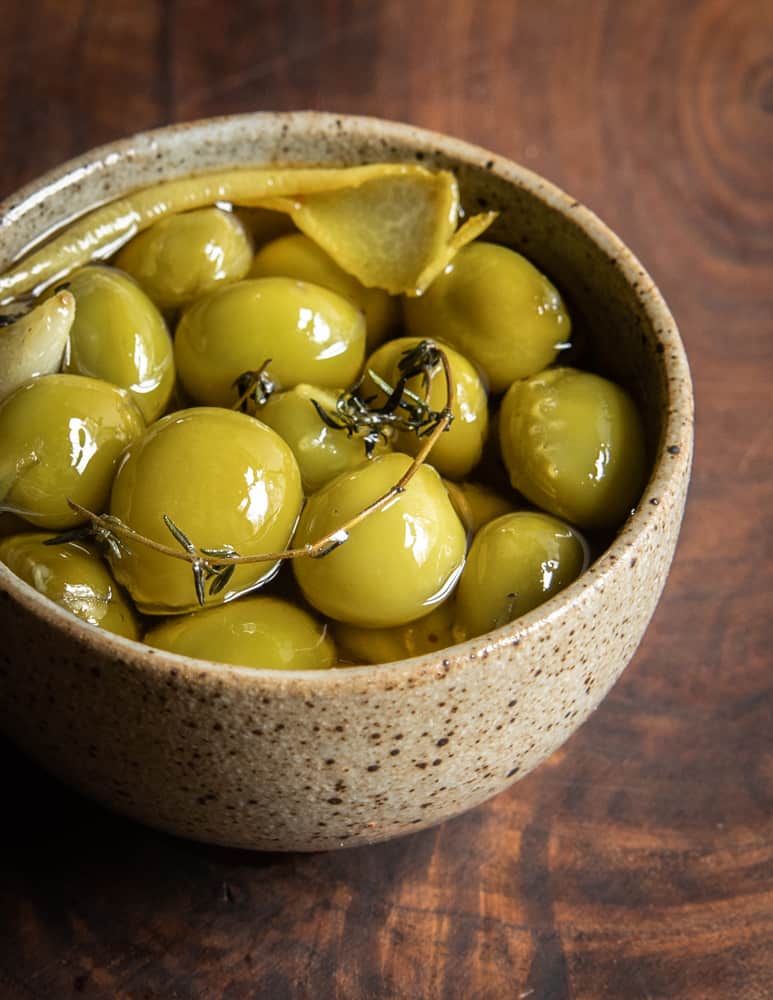
Cooking
Over the past week I've eaten over 2 pounds of shelled, green Kentucky coffee beans myself cooked exactly the same way each time, and, after eating them, not once have I even experienced any discomfort. Heck, I even seem to digest them better than other legumes-not even a single, tiny fart.
Detoxification
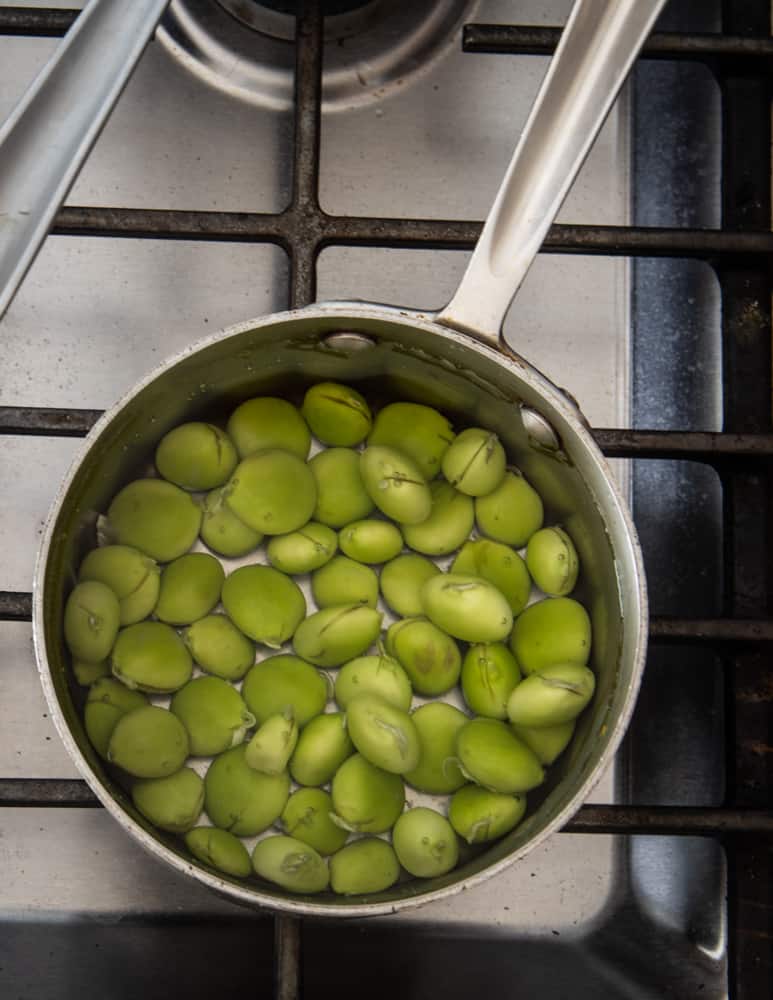
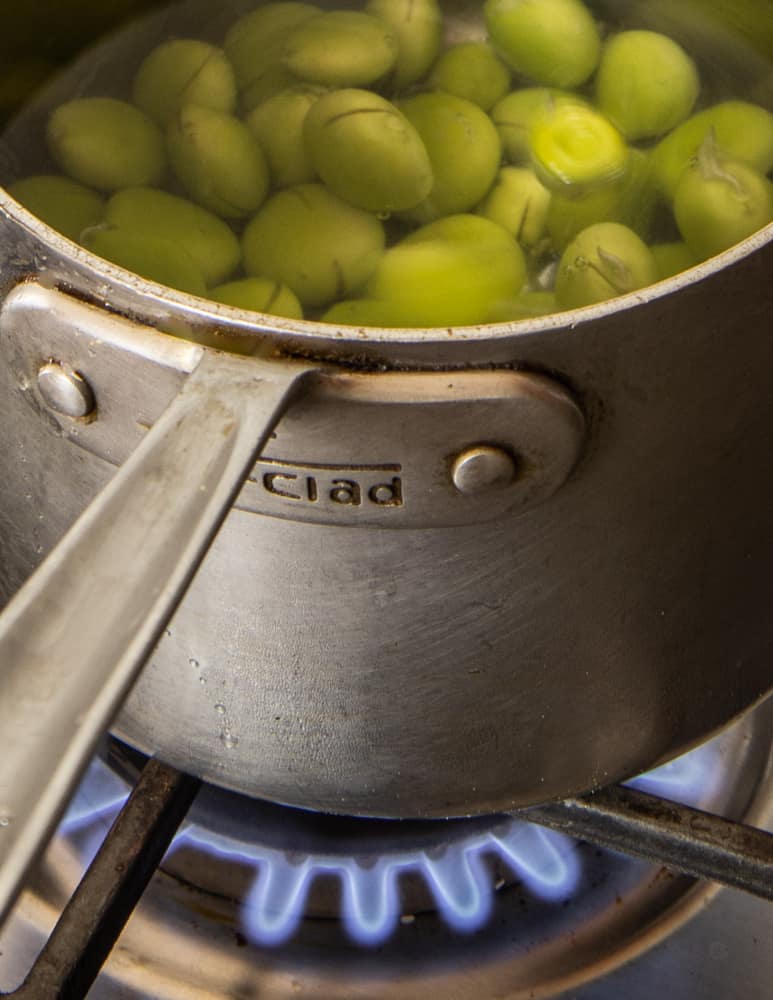
Here’s the method I’ve used: shell the beans and discard the pods. Cover the pods in water, using roughly 3 cups of water for every 2 oz of fresh beans. Bring the pot to a boil and cook for twenty minutes, discard the water, cover with more water, and boil for another 20-30 minutes, or until the outer shells are tender.
From there, you can use them for whatever preparation you have in mind where fava beans or large legumes would be welcome. It could be that the second boiling here is unnecessary, but, until I’ve eaten them cooked like in quantity to test my theory, I’ll leave my cooking recommendations the same as what I’ve done here, for continuity.
To shell or not to shell?
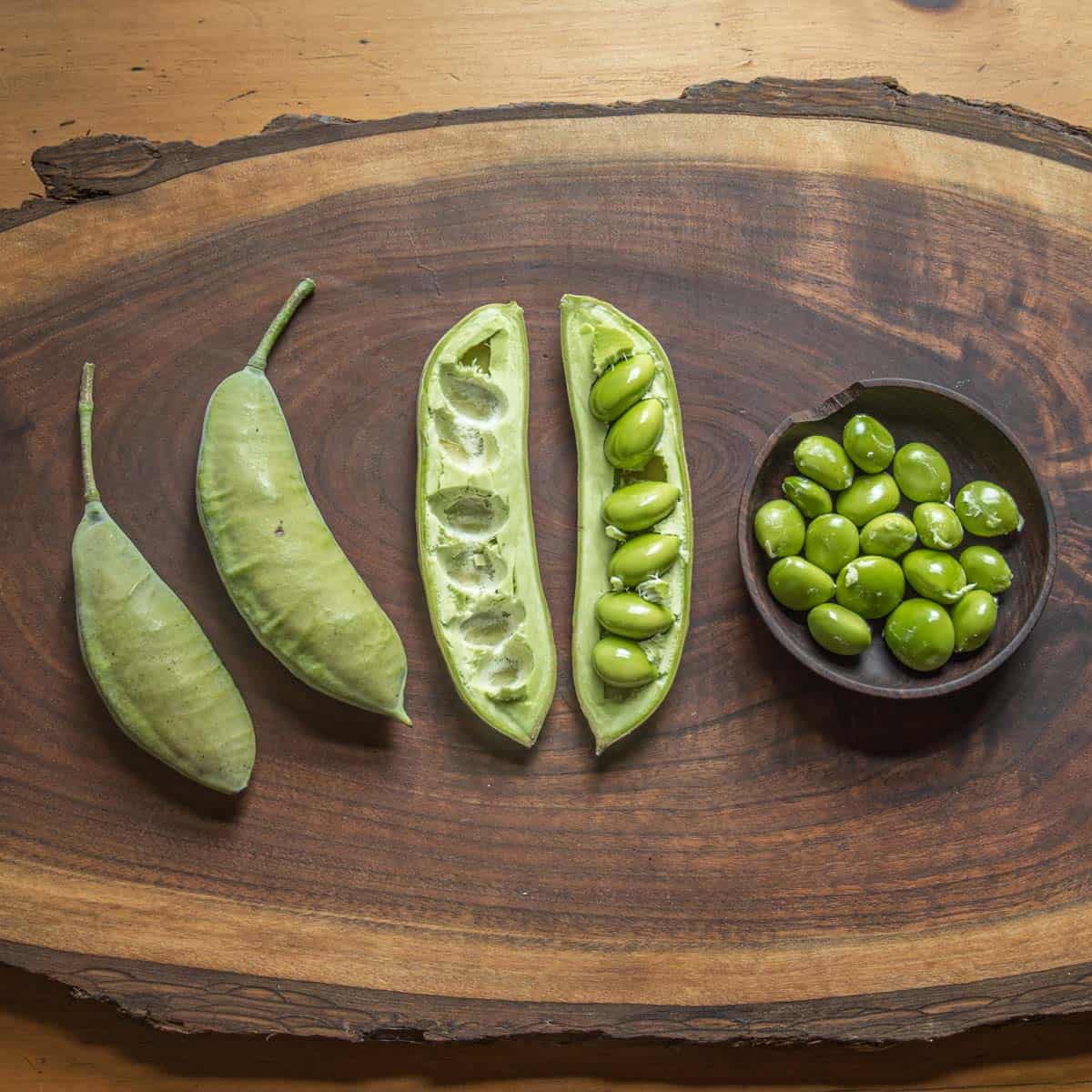
Just like fava beans, Kentucky Coffee Beans have two shells: the outer large pod, and the inner shell that will get harder as the beans mature. If you’ve cooked fava beans with some regularity, you might know that if the beans are very fresh and young, the green skin covering the individual beans doesn’t need to be removed. If the beans are older, the shells should be removed as they will be tough.
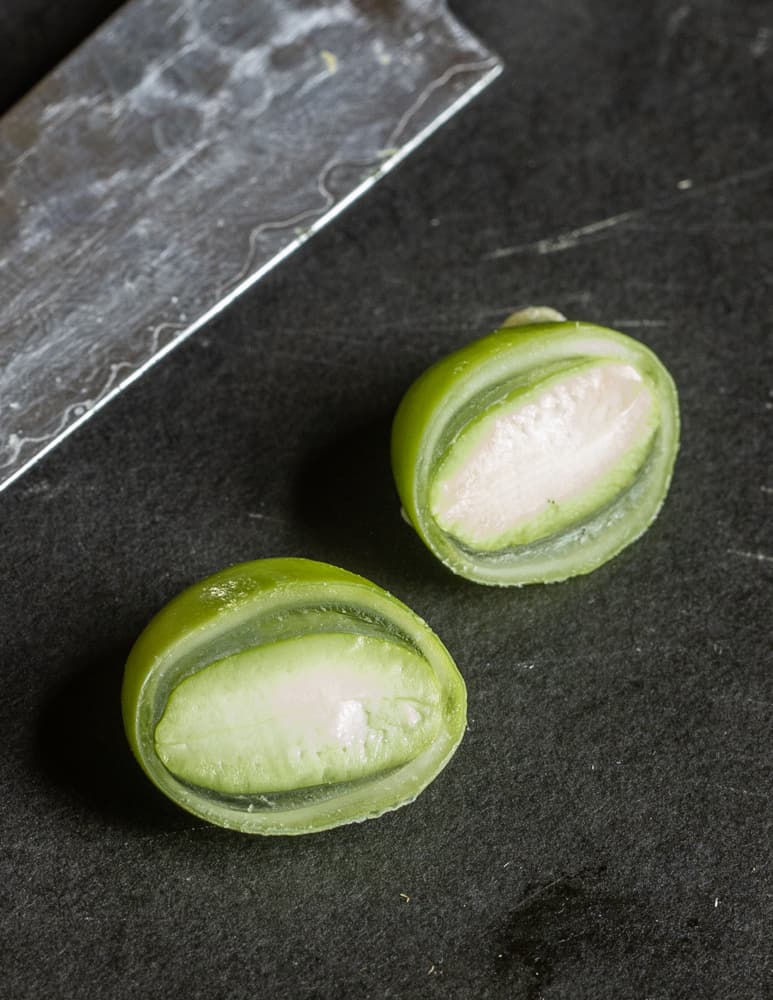
Green Kentucky coffee beans seem to function similarly, and it may take some experimentation to figure out if you’ll prefer your beans shucked twice, or simply once.
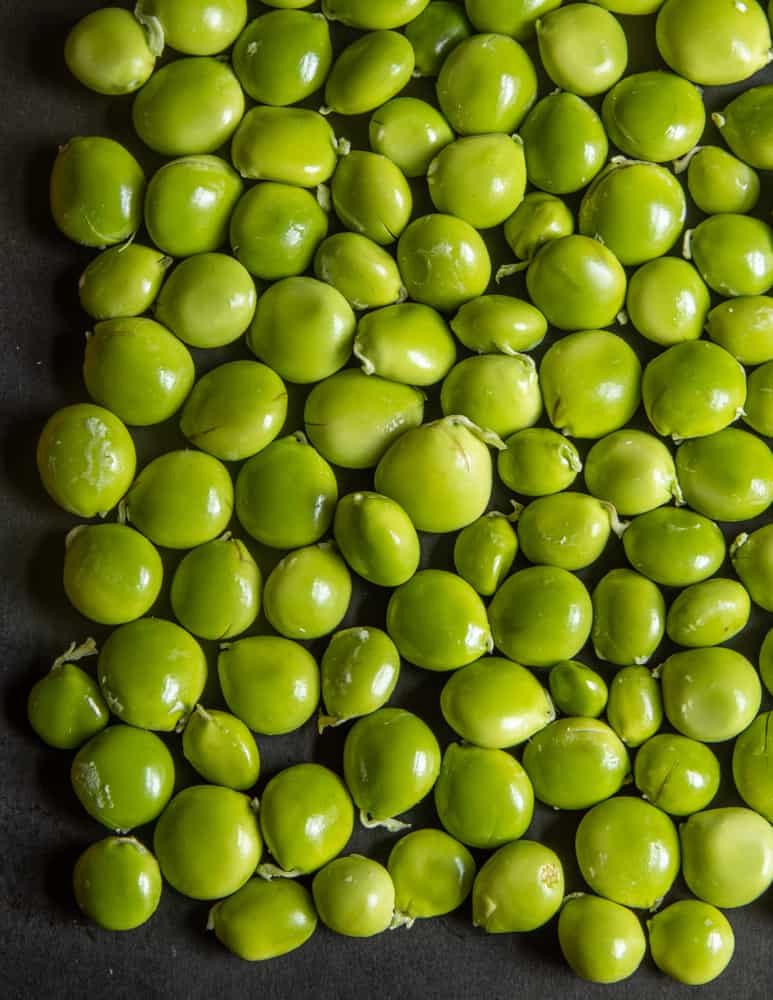
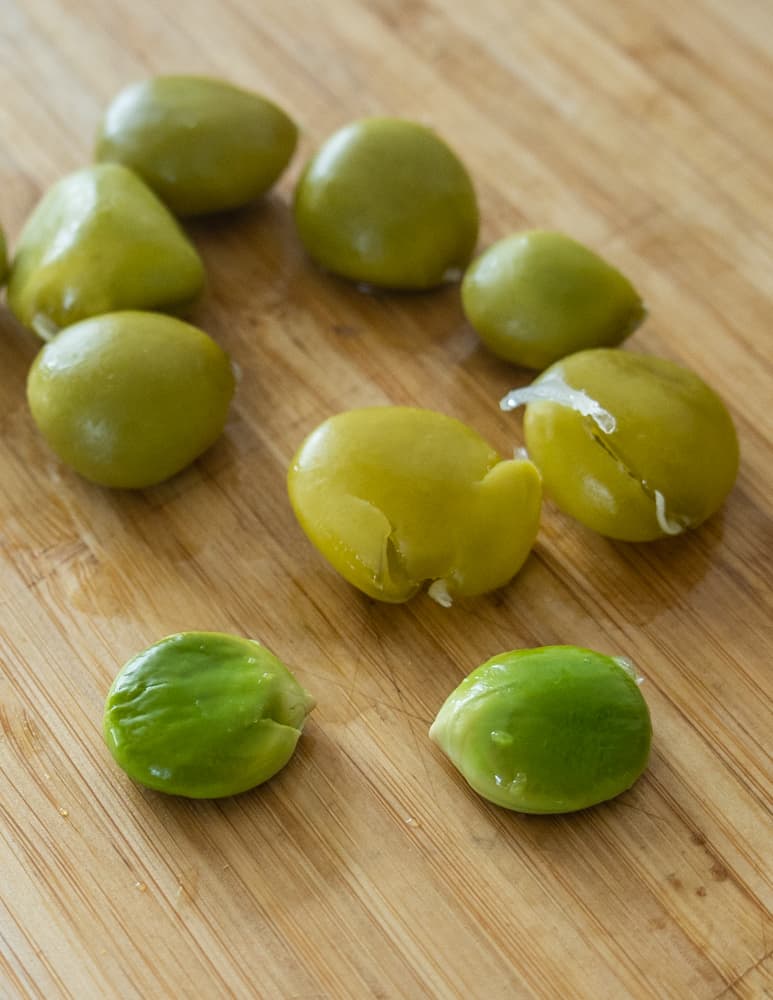
When cooked at a rolling boil for 15 minutes or so, the beans will retain a bright green color of a fresh fava bean, but the outer shell will be too chewy for most, so you will probably want to shell them.
Extended Cooking
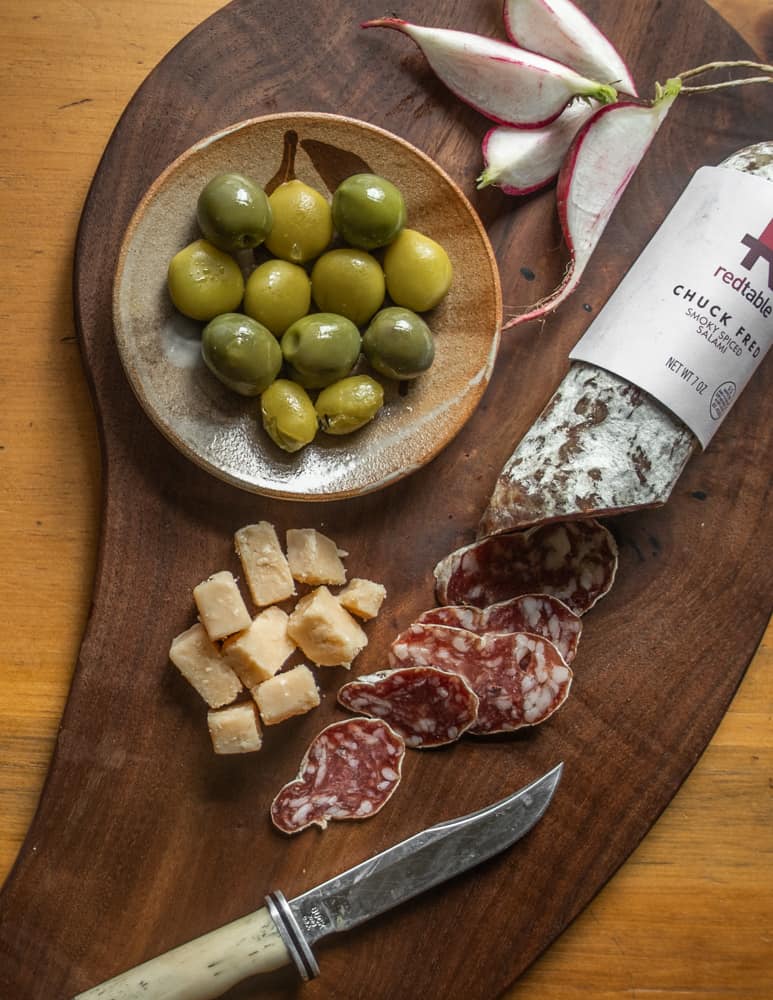
If you don’t feel like shucking the beans, or can’t be bothered, it’s ok. Most of the beans I've eaten have been long-cooked (30-40 minutes or more) after which I eat them, inner shell and all. Kentucky coffee beans are incredibly sturdy, and seem to cook more like a dried legume than fresh.
Flavor
The flavor of the ripe, brown beans, after roasting and shelling, is mild, barely sweet and slightly nutty, a bit like a peanut or a cashew. The young, green beans, are very different.
After boiling, fresh, green Kentucky coffee beans taste reminiscent of milkweed and endamame to me, with a noticeable leguminous sweetness that will remind you of fava beans.
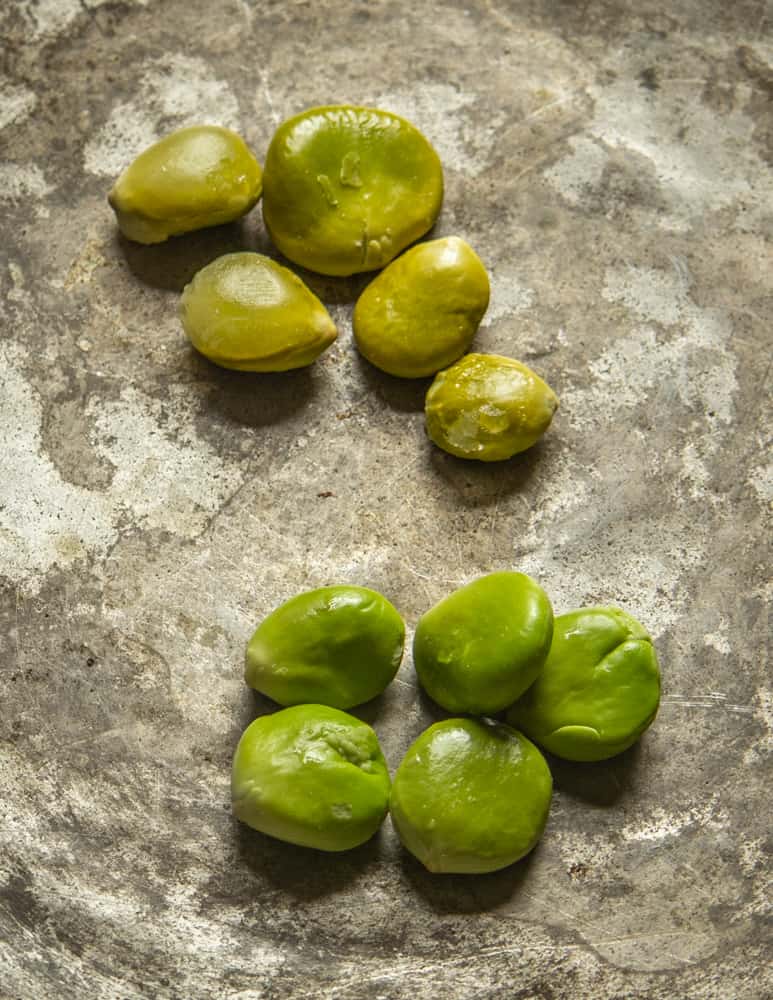
They’re excellent, delicious all by themselves with a pinch of salt and good oil, and on par with any other legume I’ve eaten, wild or cultivated, which should tell you a lot. Here's a few ideas for sampling them.
Ideas for Enjoying
- Eat like edamame. Score the inner shells before boiling, cook until the beans are tender, then shuck them at the table warm and eat with good salt. I recommend you try this first before you do anything else.
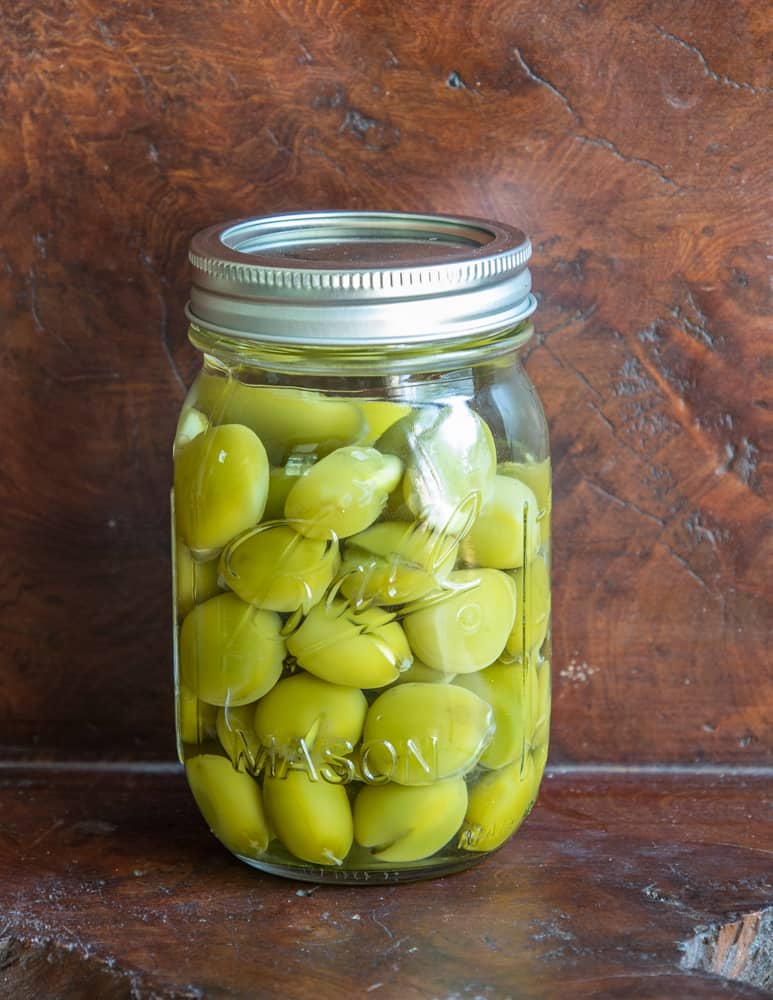
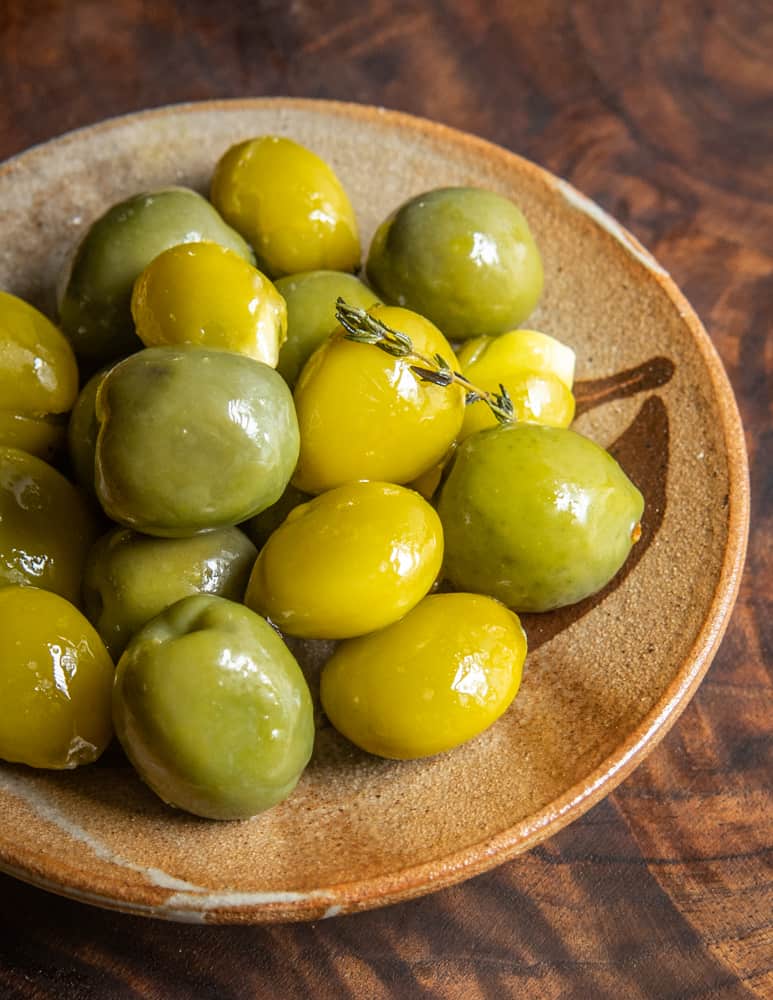
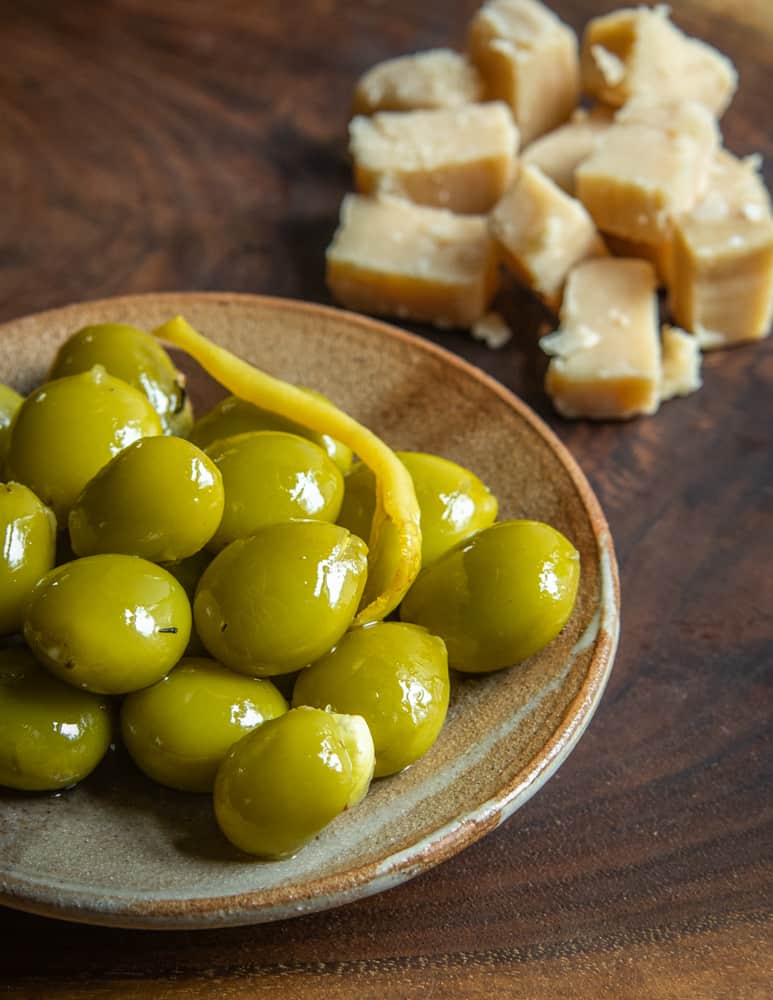
- Cook the beans and allow them to sit in a light brine, as for lupin beans, then enjoy as a snack as you would with antipasti, or tapas.
- Try an Italian classic: fresh favas are eaten, shell and all, with chunks of pecorino cheese and a glass of white wine.
- After cooking per my intro method below, the beans can be shelled and used anywhere you would use fava beans.
- Marinate the beans in aromatic oil after cooking (method in the recipe notes below).
- Brine the beans as described and marinate in aromatic oil, mixing them with your favorite olives.
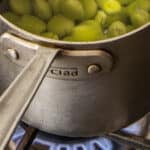
How to Cook Green Kentucky Coffee Beans
Equipment
- 2 quart sauce pot or larger
Ingredients
- 2 oz Green Kentucky coffee beans, removed from the pod
- Water as needed, about 2 quarts
Instructions
- Cover the beans with water to cover by 5 inches, bring the pot to a boil, turn the heat to a simmer, cover, and cook for 20 minutes.
- Pour off the water, replace it with another batch of the same amount of hot water (I like to use a steam kettle to decrease the time it takes for it to come back to a boil), cover the pot, bring to a boil, turn down to a simmer, and cook for another 20 minutes, or until the beans are tender enough that the skins can be chewed and no longer taste rubbery.
- The skins will remain a bit al dente, but not in an unpleasant way. Rinse the cooked beans in cold water to remove any clinging mucilage (unshelled beans will also transfer mucilage to liquid if they sit in it.
- From here the beans can be eaten as is, but I prefer to soak them in a light brine (see note) marinate in herb-infused oil, or well-seasoned tomato sauce, etc. They make an excellent antipasti, but can also be shelled and used as you would other legumes or simply with salt like edamame-my girlfriend's favorite.
Notes
KCB Edamame
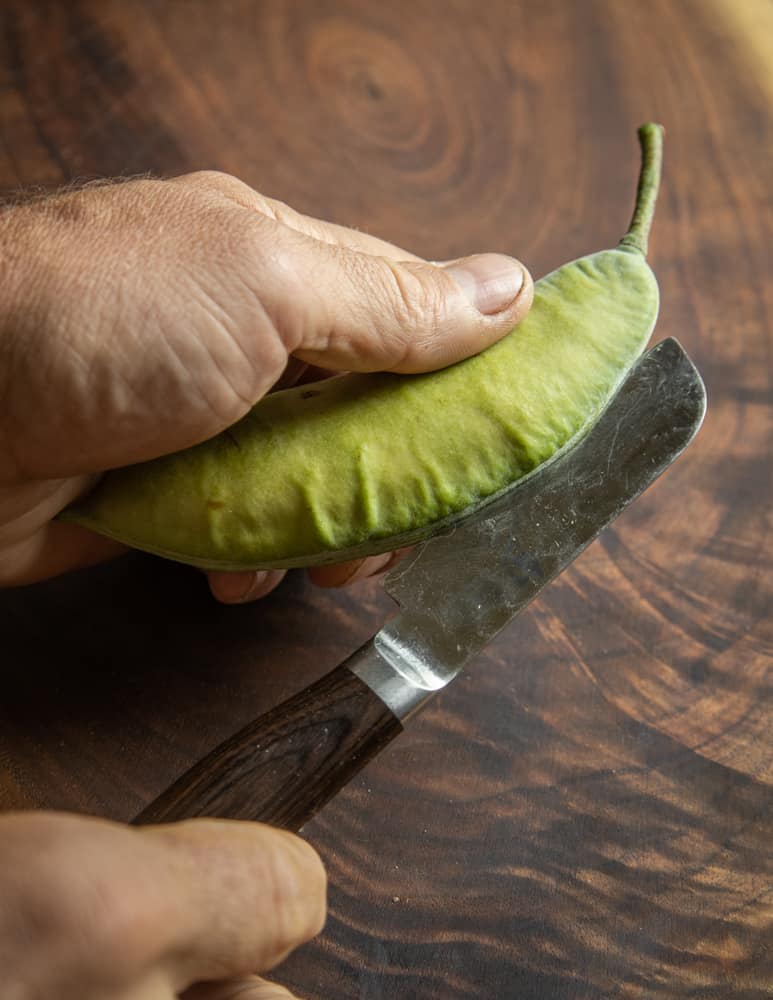
With a paring knife, cut around the seam of the pods, entering about ¼ inch into the pod with the knife, imagining how the blade will barely knick each bean as it slides through the pod. Wear gloves. You can also score the beans with a paring knife after shucking. Slicing open the beans before cooking helps you to peel them as you would endamame. Boil the beans until tender in a change of water (30 minutes of boiling total) then cool until warm, and eat, shucking the beans indivually, sprinkling with good flaky salt like Maldon or Faulk.Brined Kentucky Coffee Beans
For a pint jar (small mouth) take 220 grams of cooked beans, still in their tender, inner shell (Generous 1.5 cups) put into a jar, then cover with 6 grams of kosher salt (1 teaspoon to make ~3% brine) 220 grams (generous cup) water, screw on the lid, shake, and refrigerate. The beans will keep for a couple weeks. Overtime, the beans will transfer mucilage to the liquid, to refresh them, discard the liquid, rinse the beans and agitate them for a few minutes in warm water, then rinse, put back in the jar, and cover with another batch of brine. I like to rinse them before I serve them, too.Kentucky Coffee Beans in Herb Oil
For each 2 cups of cooked beans, take ¼ cup extra virgin olive oil and ¼ cup flavorless cooking oil, combine and heat with a grated or smashed clove of garlic, a couple sprigs of thyme, or a small sprig of rosemary. Heat the oil in a pan until sizzling, then turn the heat off and cool. Add a pinch of chili flakes while it's still hot. When the oil is cool, combine with the beans, seasoning with a good pinch of salt. Refrigerate the beans in a shallow container or other dish. To serve, toss the beans to coat with the oil a few times, allowing them to come to room temperature before serving. They'll last for a week in the fridge.Resources
Sam Thayer: Incredible Wild Edibles
Steve Brill: Identifying and Harvesting Edible and Medicinal Plants
Ami
There are a lot of KC trees in landscaping around my home in Colorado. When I first saw this post it was late last year so beans were all mature. I used those to engrave with a dremel and give as tokens to my friends! Now It is late July; I picked an unripe yellow-green pod and boiled the 5 beans as you described. The outer coating was chewy, but the inner bean had sublime texture and flavor! I will definitely be testing an increased number of beans assuming my health stays good for the rest of the day (I just ate them ;). I love learning about new edible foods in my neighborhood from your blog; thank you!